


The Story
Plant Bio
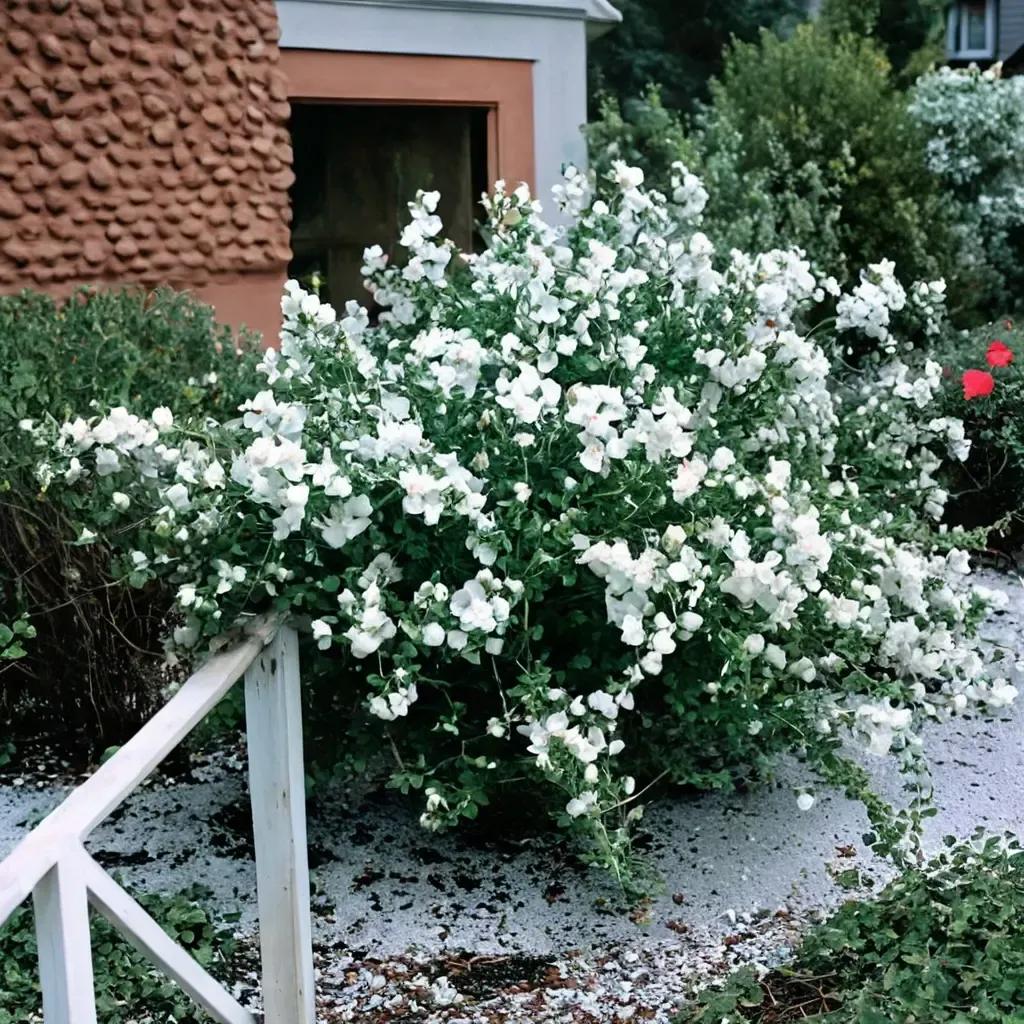
Philadelphus, commonly known as mock orange, are deciduous shrubs celebrated for their wonderfully fragrant, pure white flowers that resemble orange blossoms. They are generally tough and easy to grow.
'Snowwhite Fantasy' is a Sensation-type mock orange, known for its large, intensely fragrant, fully double white flowers. It is a reblooming variety, offering a primary flush in early summer and sporadic blooms later on.
Uses & Benefits:
Essentials
At a Glance
Plant Type
Shrub
Height
72"
Width
60"
Light
Full Sun, Partial Sun
Zones
4, 5, 6, 7, 8
Water
Medium
Humidity
Adaptable
Lifespan
Medium (20-30 years)
Native To
Garden origin
Toxicity
Non-toxic
Bloom period
Early summer – Mid-summer
In flower about 2 months of the year
Planting
How to Grow
- Select a site that receives at least six hours of sun per day.
- This shrub is adaptable to most soils but prefers good drainage.
- Dig a hole twice the width of the root ball.
- Set the plant in the hole at the same depth it was in the pot.
- Backfill with soil, firm gently, and water thoroughly.
- Mulch around the base to conserve moisture.
Pro Tip
Prune out one-third of the oldest canes to the ground each year after flowering.
Keep It Thriving
Care Guide
Do
- Plant in full sun for the best flower production.
- Prune right after blooming to ensure flowers for the next year.
- Provide supplemental water during extended dry periods.
- Cut stems for indoor arrangements to enjoy the fragrance up close.
Don't
- Do not prune in late summer, fall, or winter.
- Avoid planting in waterlogged soil.
- Don't over-fertilize, which can lead to lush foliage but fewer flowers.
- Do not shear into a formal shape; allow its natural arching habit.
Seasonal Care Calendar
| Task | Jan | Feb | Mar | Apr | May | Jun | Jul | Aug | Sep | Oct | Nov | Dec |
|---|---|---|---|---|---|---|---|---|---|---|---|---|
| Fertilize | ||||||||||||
| Pest Check | ||||||||||||
| Plant | ||||||||||||
| Prune |
Watch Out For
Pests & Diseases
Common Pests
Common Diseases
In the Garden
Landscape Uses & Companions
Landscape Uses
Companion Plants
Multiply
Propagation Methods
Good to Know
Common Questions
Snowwhite Fantasy Mock Orange questions
What zones can Snowwhite Fantasy Mock Orange grow in?
Snowwhite Fantasy Mock Orange is hardy in USDA Zones 4–8. Inside that range it survives winter in the ground; outside it, grow it as an annual or a container plant you protect.
Is Snowwhite Fantasy Mock Orange deer resistant?
Yes — Snowwhite Fantasy Mock Orange is rated deer-resistant. Deer typically pass it over, though extreme hunger can override any plant's defenses.
When does Snowwhite Fantasy Mock Orange bloom?
Snowwhite Fantasy Mock Orange typically blooms in early summer through mid-summer. Exact timing shifts a week or two with your zone — Sow's bloom calendar maps it to your garden.
Does Snowwhite Fantasy Mock Orange need full sun?
Snowwhite Fantasy Mock Orange does best in full sun to part shade. In hot climates, afternoon shade keeps blooms fresher longer.
Is Snowwhite Fantasy Mock Orange drought tolerant?
Yes — once established (usually after the first full season), Snowwhite Fantasy Mock Orange handles dry spells with minimal watering. Water deeply its first year to build the root system that makes that possible.
More Philadelphus to compare
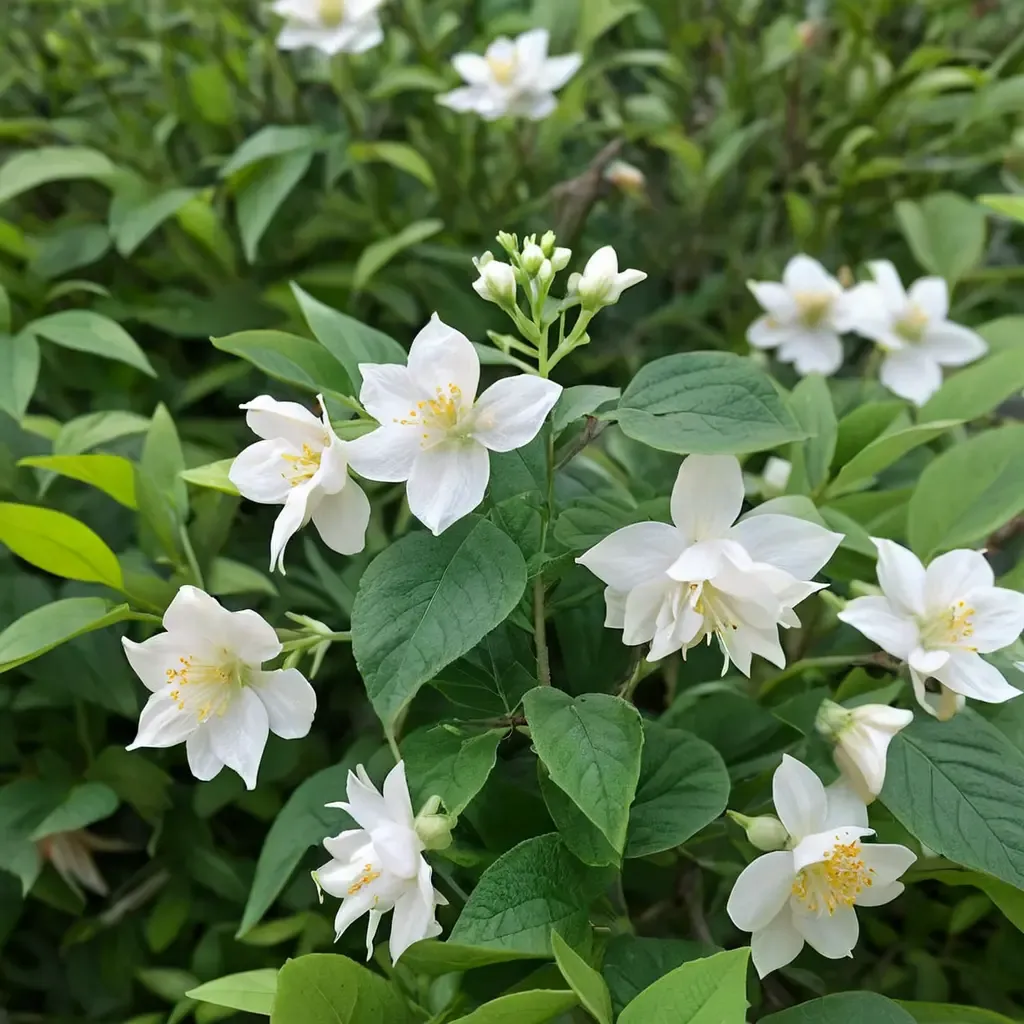
Sweet Mockorange
Philadelphus coronarius 'Double Mock Orange'
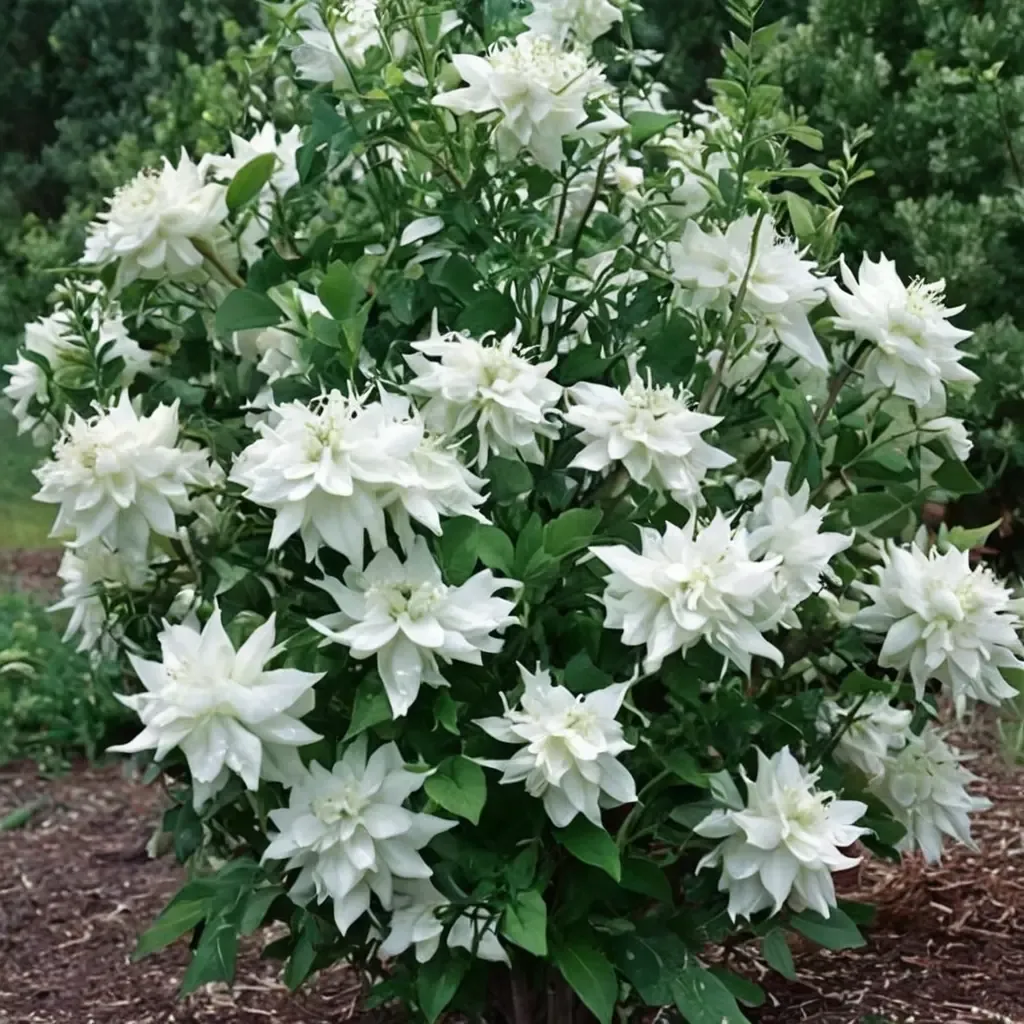
Minnesota Snowflake Mockorange
Philadelphus coronarius 'Minnesota Snowflake'
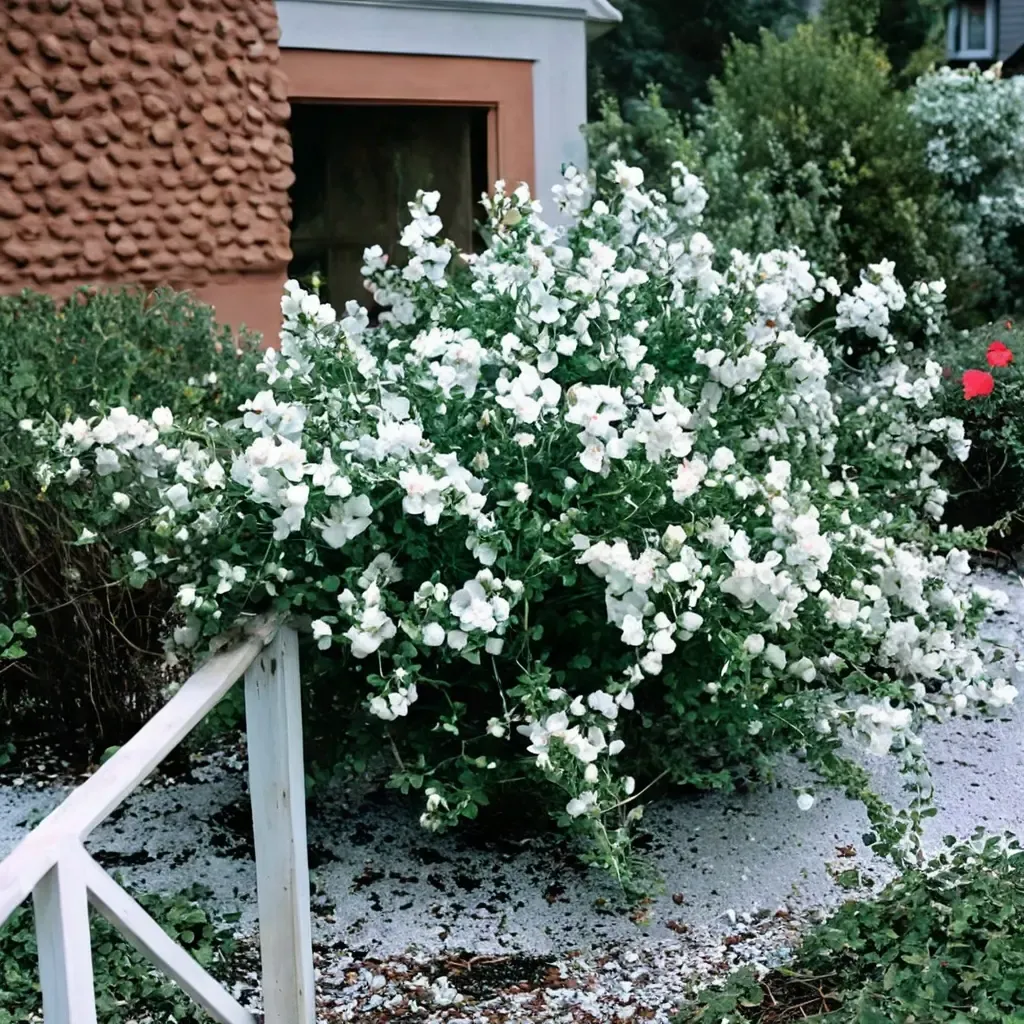
Snowbelle Mockorange
Philadelphus x virginalis 'Snowbelle'
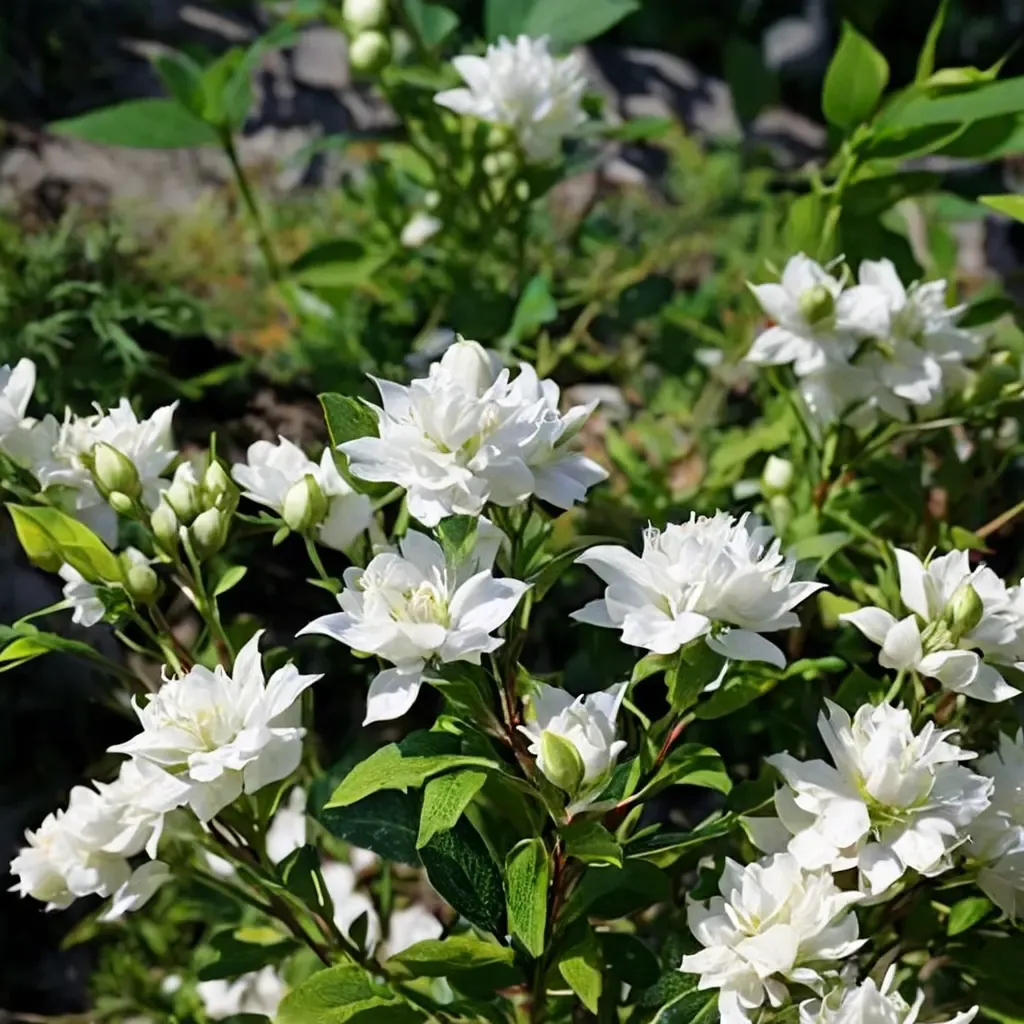
Goose Creek Mockorange
Philadelphus lewisii 'Goose Creek'
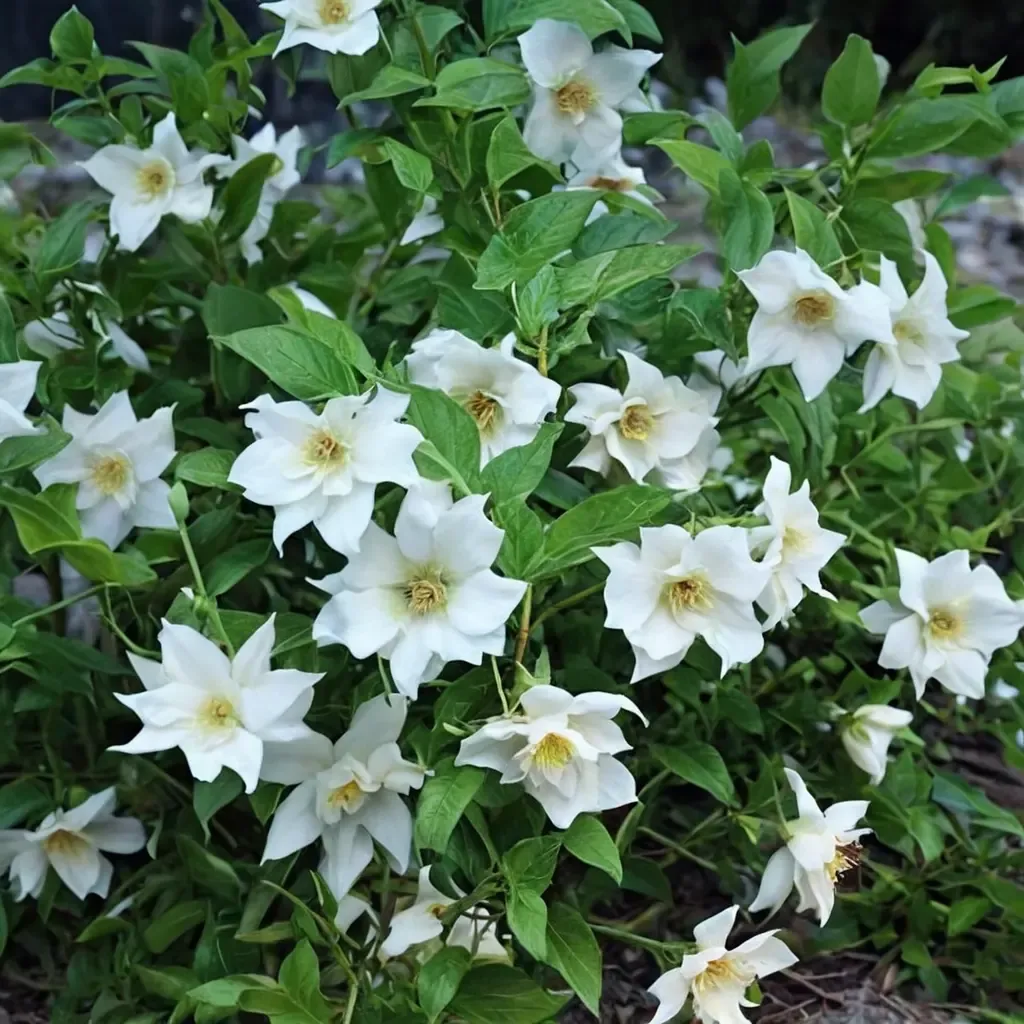
Belle Etoile Mockorange
Philadelphus x virginalis 'Belle Etoile'
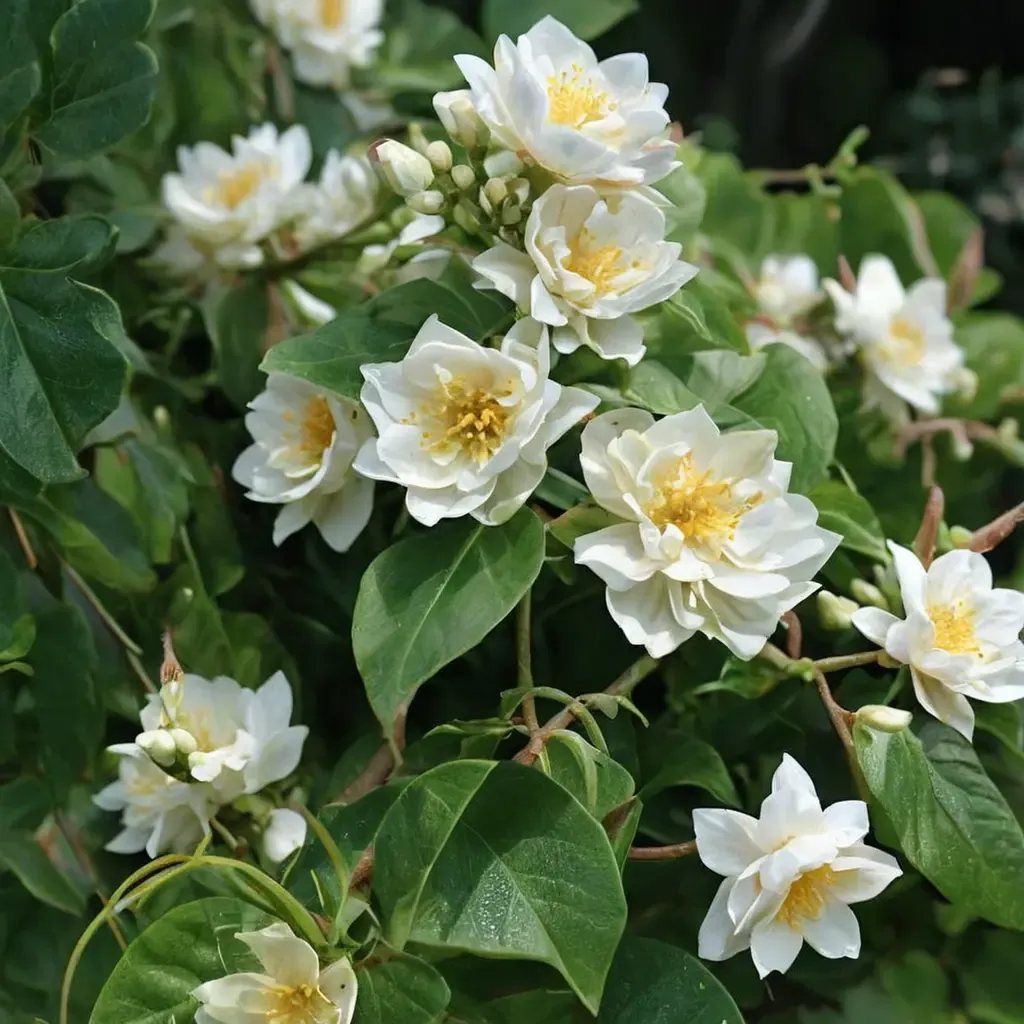
Double-Flowering Mexican Mock Orange
Philadelphus mexicanus 'Flore Plena'
Keep exploring
Explore the genus
Hardy in your zone?
Grow Snowwhite Fantasy Mock Orange with confidence
See it in a design of your actual yard, get zone-matched care reminders, and track it season by season in your garden journal.