The Story
Plant Bio
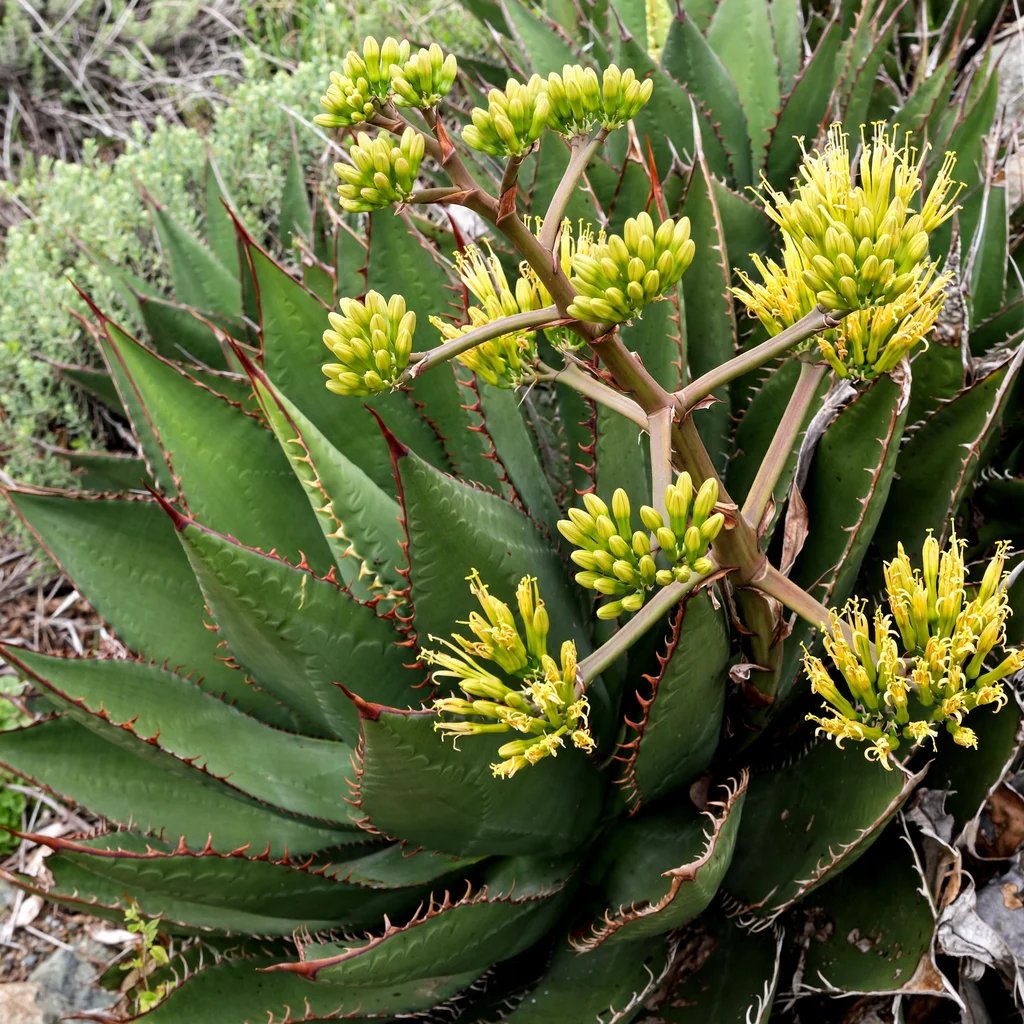
Agave shawii, commonly known as Shaw's agave, is a slow-growing, evergreen succulent native to a narrow coastal strip of southern California and Baja California. It forms dense, clumping colonies of dark green, rigid rosettes, with each rosette eventually producing a single, massive flower spike before dying.
This species is distinguished by its glossy, oval leaves edged with sharp, hooked, reddish-brown teeth and a robust terminal spine. The towering, tree-like flower panicle rises up to twelve feet high, bearing clusters of tubular yellow flowers that mature to reddish-orange tones.
Uses & Benefits:
Essentials
At a Glance
Plant Type
Cactus Succulent
Height
35"
Width
47"
Light
Full Sun, Partial Sun
Zones
9, 10
Water
Low
Humidity
Low to moderate
Lifespan
Perennial
Native To
California, Mexico
Toxicity
Skin irritant
Bloom period
Late winter – Mid-spring
In flower about 3 months of the year
Planting
How to Grow
- Select a planting site in full coastal sun or light afternoon shade in hot inland areas.
- Amend the soil with coarse sand, gravel, or pumice to guarantee rapid, unrestricted drainage.
- Position the plant so the crown sits slightly above the surrounding soil level to prevent water pooling.
- Water sparingly during the first autumn to establish roots, then cease summer irrigation entirely.
Pro Tip
Provide absolute drainage and restrict summer watering; excess moisture in warm soil triggers rapid, fatal crown and root rot.
Keep It Thriving
Care Guide
Do
- Plant in highly porous, sandy, or gravelly soil mixes.
- Wear thick protective gloves and safety glasses when handling or weeding near the plant.
- Clear away fallen leaf debris from the rosette base to prevent moisture retention.
Don't
- Do not plant near walkways, driveways, or children's play areas due to the sharp spines.
- Do not irrigate during the hot summer months once the plant is established.
- Do not allow standing water or plant in heavy, moisture-retaining clay soils.
Seasonal Care Calendar
| Task | Jan | Feb | Mar | Apr | May | Jun | Jul | Aug | Sep | Oct | Nov | Dec |
|---|---|---|---|---|---|---|---|---|---|---|---|---|
| Fertilize | ||||||||||||
| Pest Check | ||||||||||||
| Propagate | ||||||||||||
| Prune |
Watch Out For
Pests & Diseases
Common Pests
Common Diseases
In the Garden
Landscape Uses & Companions
Landscape Uses
Multiply
Propagation Methods
Good to Know
Common Questions
Shaw's Agave questions
What zones can Shaw's Agave grow in?
Shaw's Agave is hardy in USDA Zones 9–10. Inside that range it survives winter in the ground; outside it, grow it as an annual or a container plant you protect.
Is Shaw's Agave deer resistant?
Yes — Shaw's Agave is rated deer-resistant. Deer typically pass it over, though extreme hunger can override any plant's defenses.
When does Shaw's Agave bloom?
Shaw's Agave typically blooms in late winter through mid-spring. Exact timing shifts a week or two with your zone — Sow's bloom calendar maps it to your garden.
Does Shaw's Agave need full sun?
Shaw's Agave does best in full sun to part shade. In hot climates, afternoon shade keeps blooms fresher longer.
Is Shaw's Agave drought tolerant?
Yes — once established (usually after the first full season), Shaw's Agave handles dry spells with minimal watering. Water deeply its first year to build the root system that makes that possible.
More Agave to compare
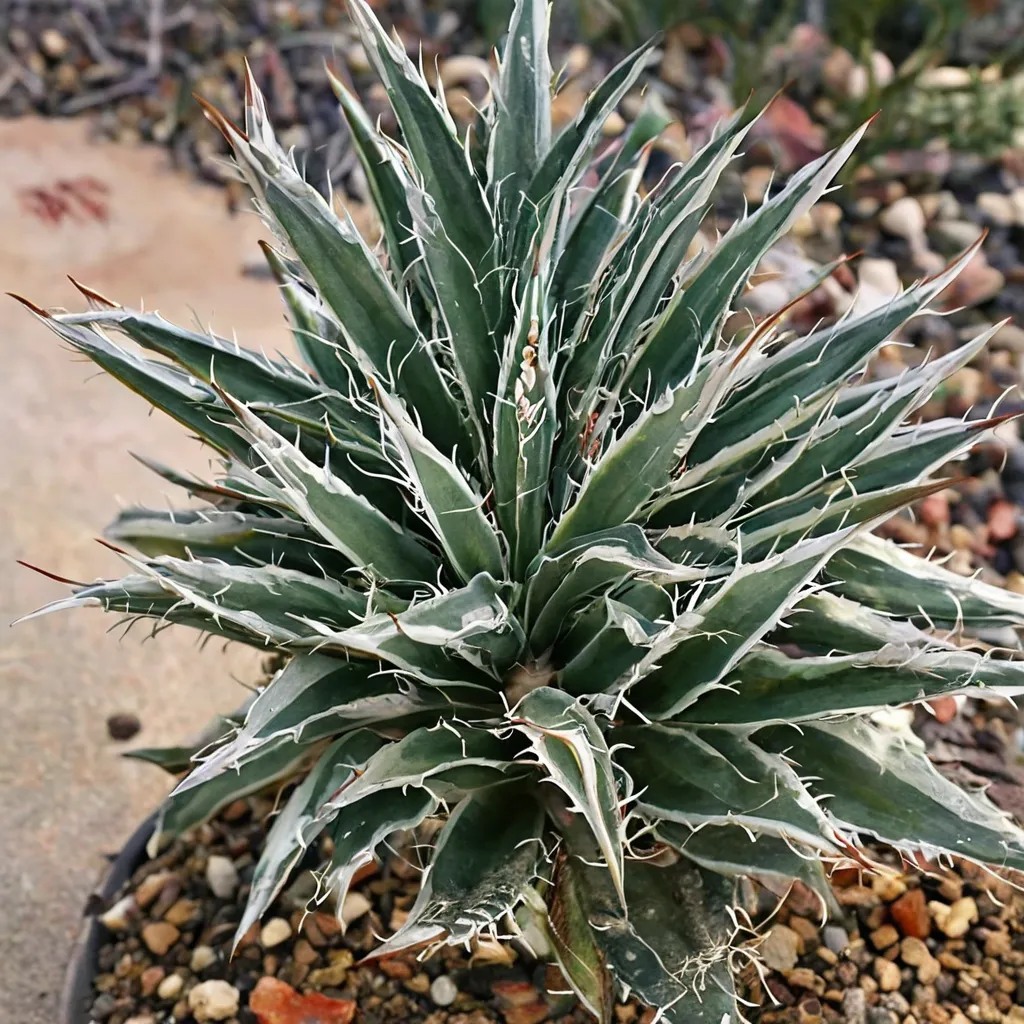
Toumey's Agave
Agave toumeyana
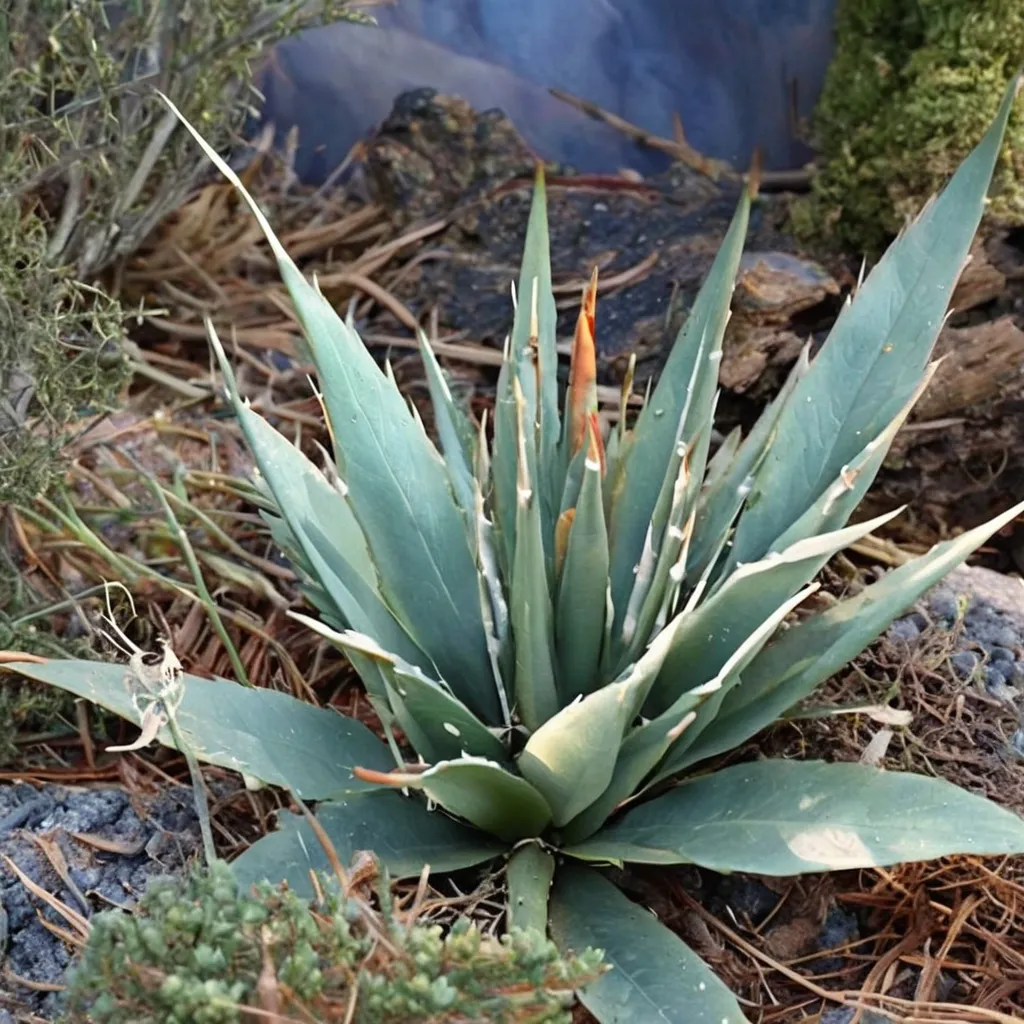
Utah Agave Kaibabensis
Agave utahensis 'kaibabensis'
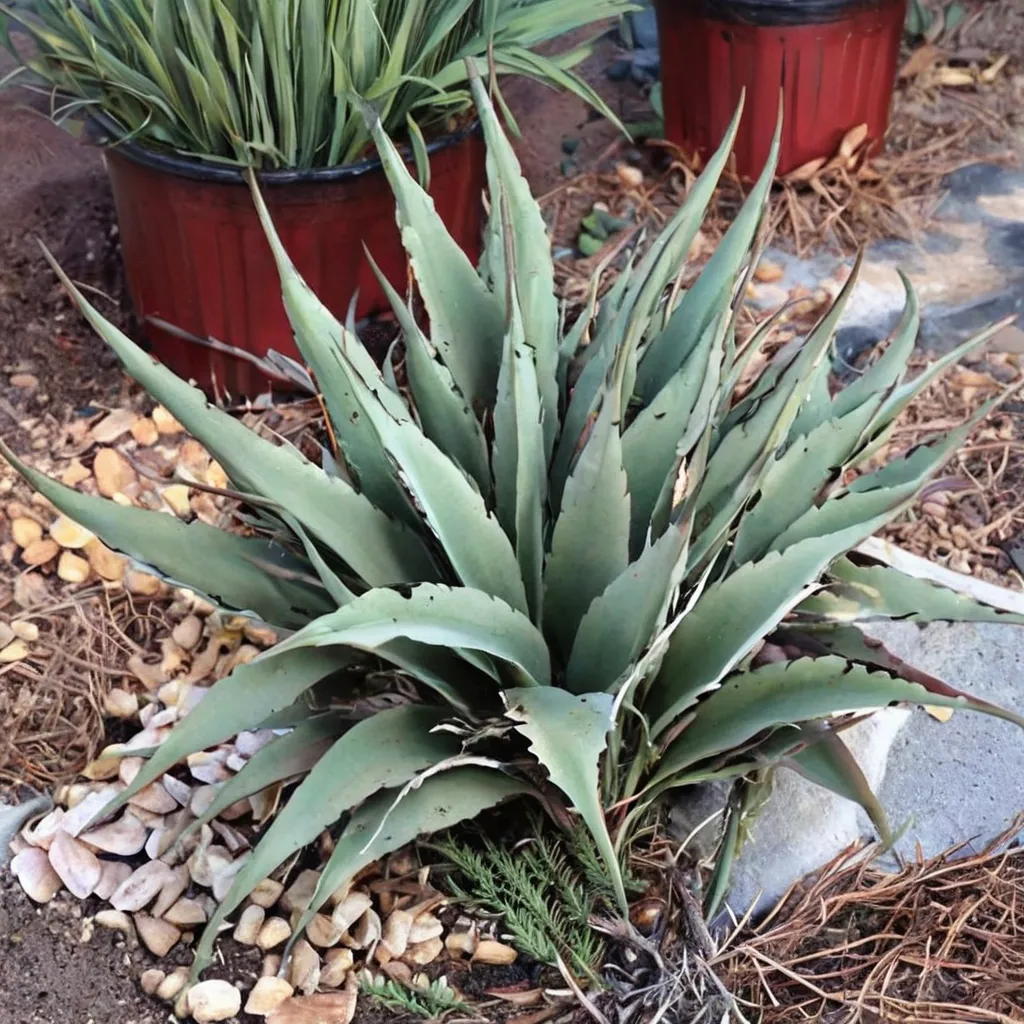
Slimfoot Century Plant
Agave gracilipes
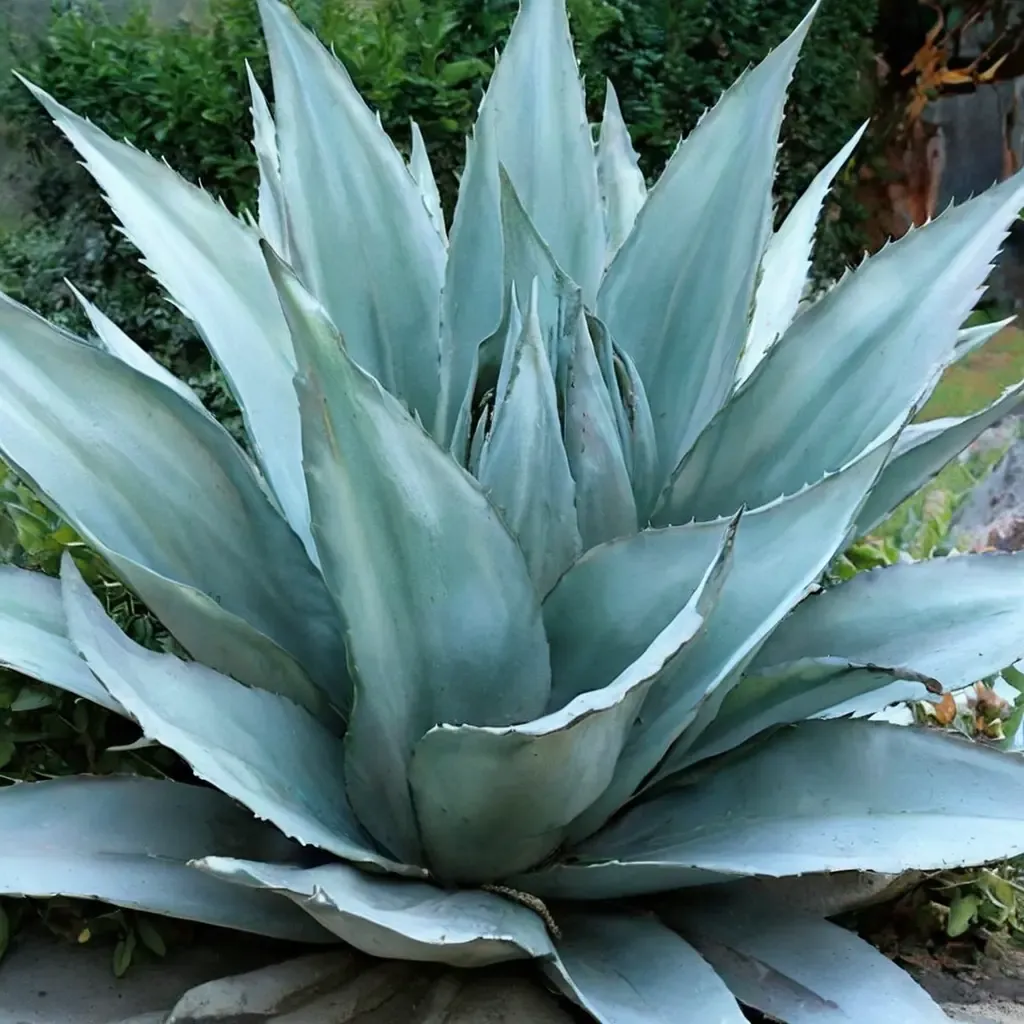
Vanzie Whale's Tongue Agave
Agave ovatifolia 'Vanzie'
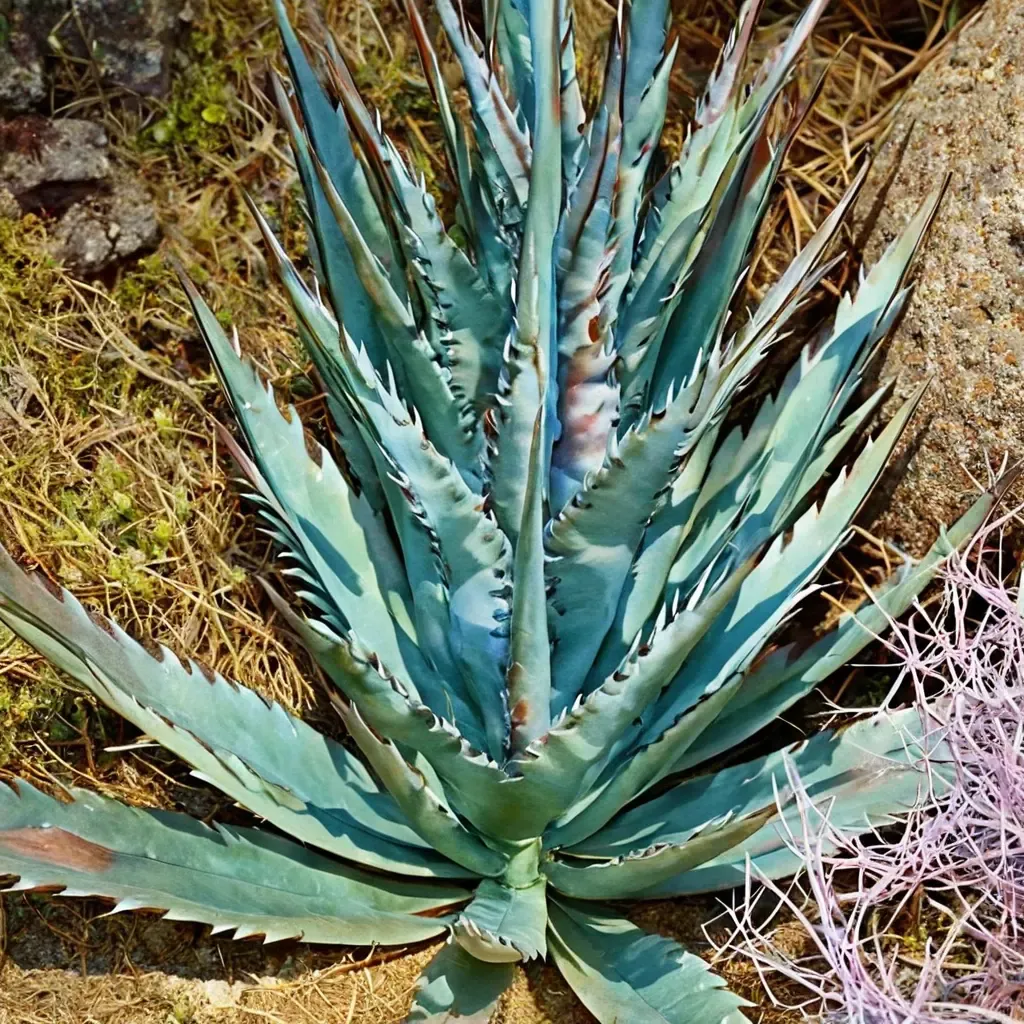
McKelvey's Agave
Agave mckelveyana
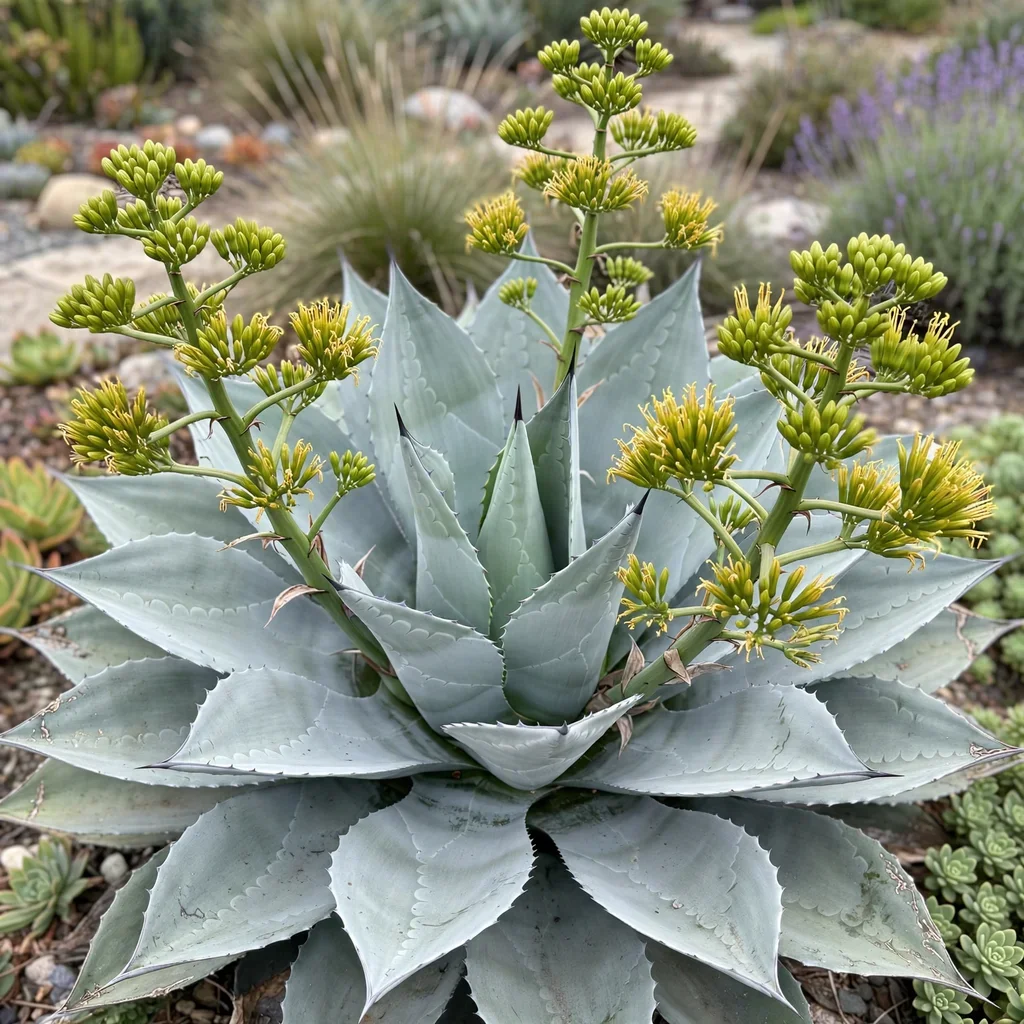
Frosty Blue Whale's Tongue Agave
Agave ovatifolia 'Frosty Blue'
Keep exploring
Explore the genus
Hardy in your zone?
Grow Shaw's Agave with confidence
See it in a design of your actual yard, get zone-matched care reminders, and track it season by season in your garden journal.