The Story
Plant Bio
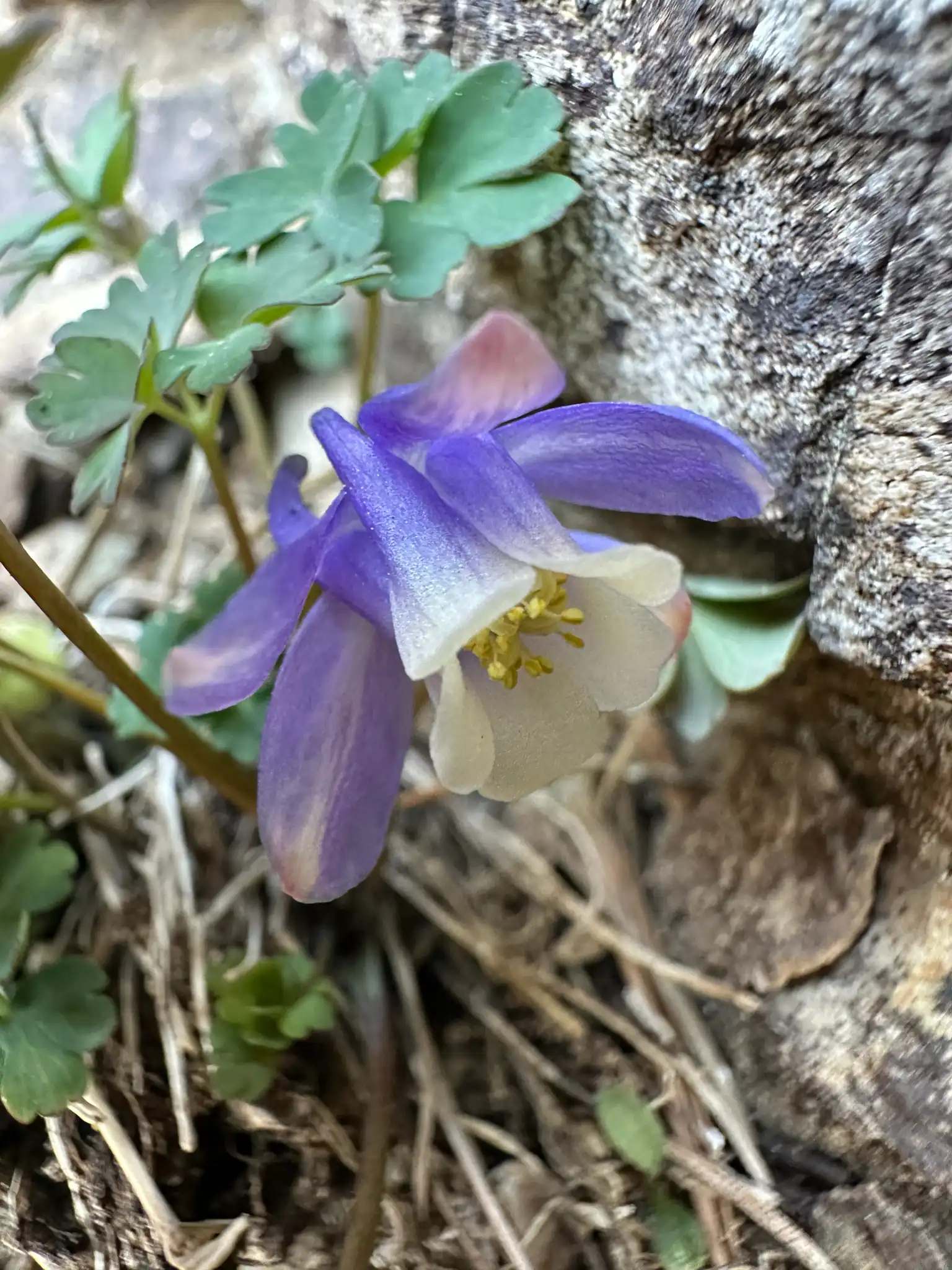
Aquilegia saximontana, the Rocky Mountain columbine, is a compact, mound-forming herbaceous perennial native to high-altitude rocky screes in Colorado. The species forms a neat, low rosette of blue-green compound leaves that remain tidy throughout the growing season.
This alpine dwarf is distinguished by its nodding blue and white flowers featuring yellow stamens and exceptionally short, hooked spurs measuring only three to nine millimeters. Its miniature stature, reaching just two to ten inches in height, makes it highly suited for specialized rock gardens and troughs.
Uses & Benefits:
Essentials
At a Glance
Plant Type
Perennial
Height
10"
Width
10"
Light
Full Sun, Partial Sun
Zones
4, 5, 6, 7, 8, 9
Water
Medium
Humidity
Low
Lifespan
Perennial
Native To
North America
Toxicity
Toxic if Ingested
Bloom period
Late spring – Summer
In flower about 4 months of the year
Planting
How to Grow
- Select a planting site with full sun to partial shade, ensuring protection from intense afternoon heat in warmer zones.
- Prepare a planting medium of gritty, sharply draining soil enriched with organic leaf mold, avoiding heavy clay.
- Set the plant so the crown sits slightly above the soil line to prevent water from pooling around the base.
- Water regularly during the active spring and summer growing seasons to maintain consistent, moderate moisture.
Pro Tip
Plant in a gritty, sharply draining alpine mix containing coarse sand and gravel; waterlogged soil triggers crown rot rapidly.
Keep It Thriving
Care Guide
Do
- Top-dress the soil annually in spring with a light layer of organic leaf mold or compost.
- Provide afternoon shade if growing in the warmer limits of its hardiness range.
- Ensure exceptional drainage by incorporating coarse sand or gravel into the planting bed.
Don't
- Do not apply heavy synthetic fertilizers, which cause weak, leggy growth.
- Never allow the soil to become waterlogged or sit in stagnant water.
- Avoid pruning hard into the old, woody crown material when cleaning up the plant.
Seasonal Care Calendar
| Task | Jan | Feb | Mar | Apr | May | Jun | Jul | Aug | Sep | Oct | Nov | Dec |
|---|---|---|---|---|---|---|---|---|---|---|---|---|
| Deadhead | ||||||||||||
| Fertilize | ||||||||||||
| Pest Check | ||||||||||||
| Spring Cleanup |
Watch Out For
Pests & Diseases
Common Pests
Common Diseases
In the Garden
Landscape Uses & Companions
Landscape Uses
Companion Plants
Multiply
Propagation Methods
Good to Know
Common Questions
Rocky Mountain Columbine questions
What zones can Rocky Mountain Columbine grow in?
Rocky Mountain Columbine is hardy in USDA Zones 4–9. Inside that range it survives winter in the ground; outside it, grow it as an annual or a container plant you protect.
Is Rocky Mountain Columbine deer resistant?
Not reliably. Deer may browse Rocky Mountain Columbine, especially tender spring growth — plan on repellents or fencing where pressure is high.
When does Rocky Mountain Columbine bloom?
Rocky Mountain Columbine typically blooms in late spring through summer. Exact timing shifts a week or two with your zone — Sow's bloom calendar maps it to your garden.
Does Rocky Mountain Columbine need full sun?
Rocky Mountain Columbine does best in full sun to part shade. In hot climates, afternoon shade keeps blooms fresher longer.
More Aquilegia to compare
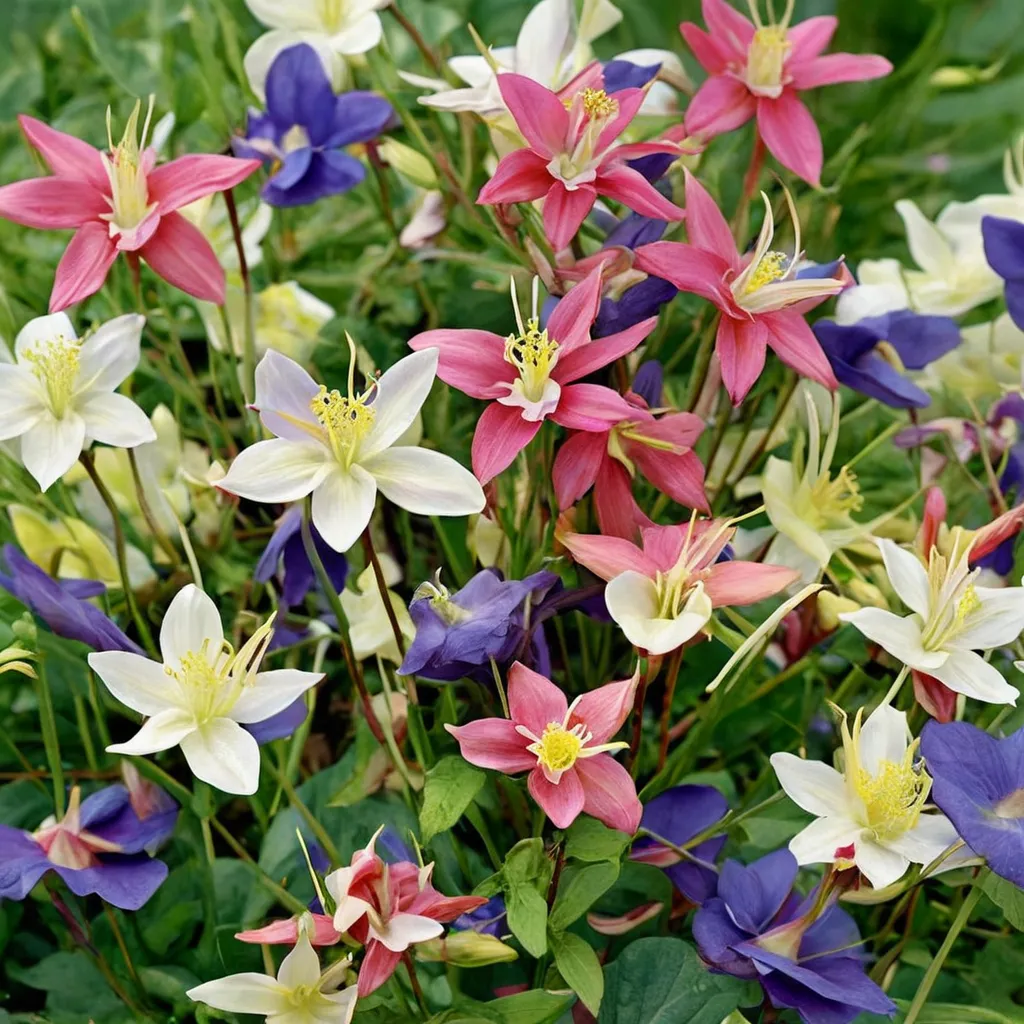
Columbine Mix
Aquilegia x hybrida 'Mix'
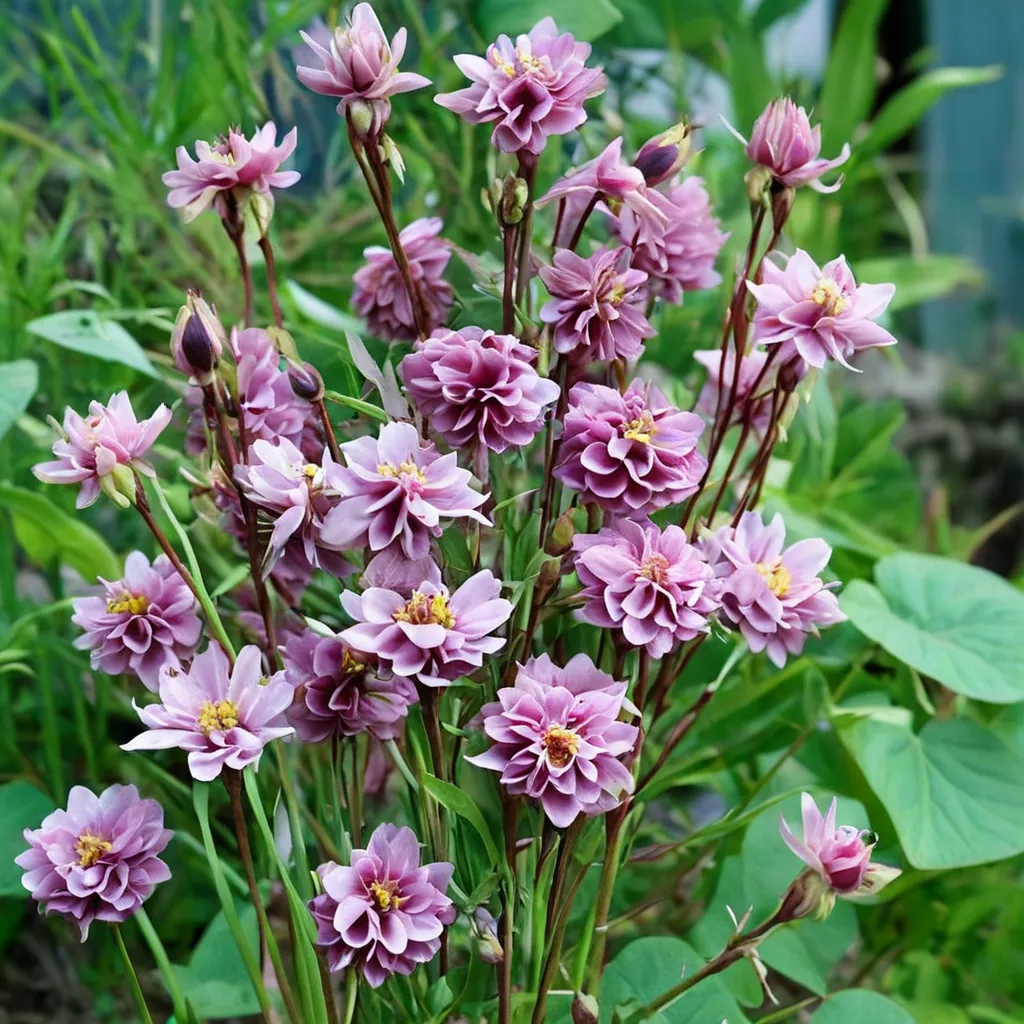
Columbine Double Flowers
Aquilegia vulgaris 'Double Flowers'
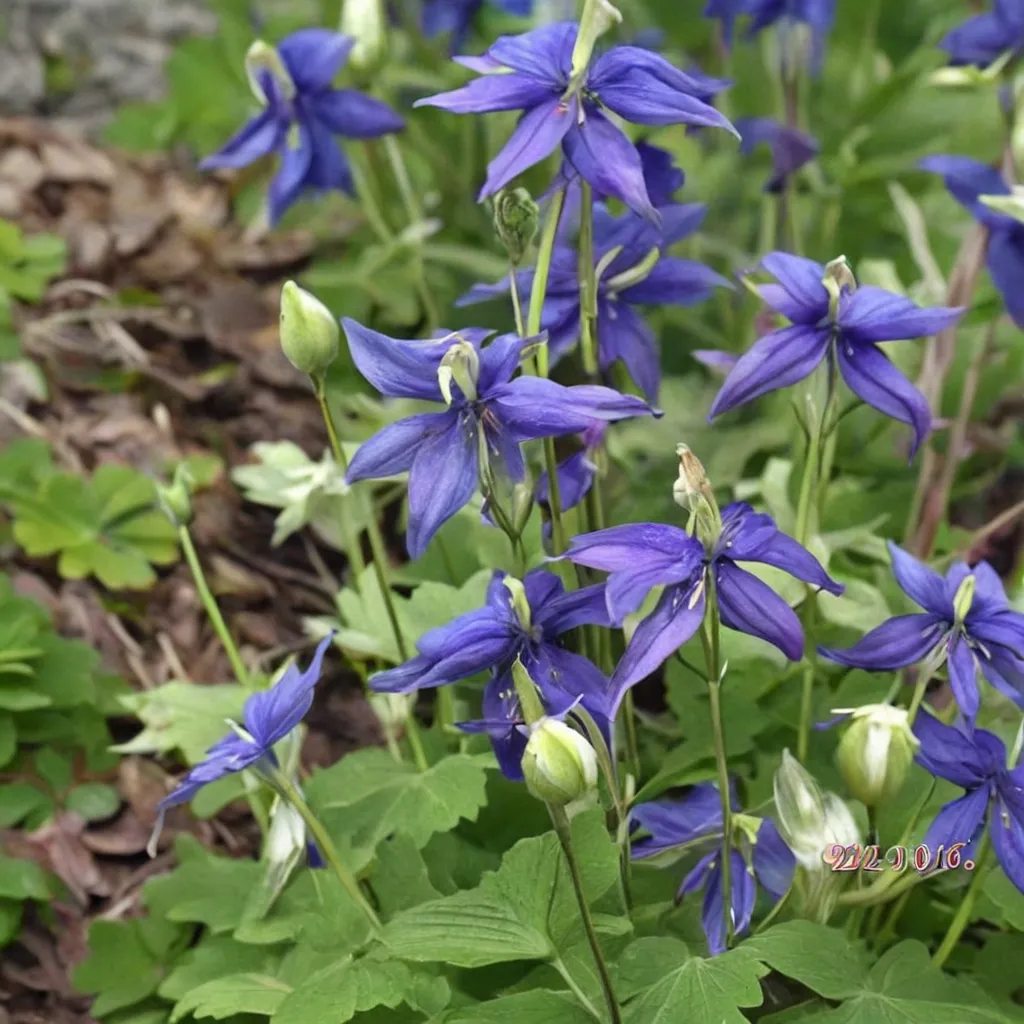
Melba Higgins Columbine
Aquilegia x hybrida 'Melba Higgins'
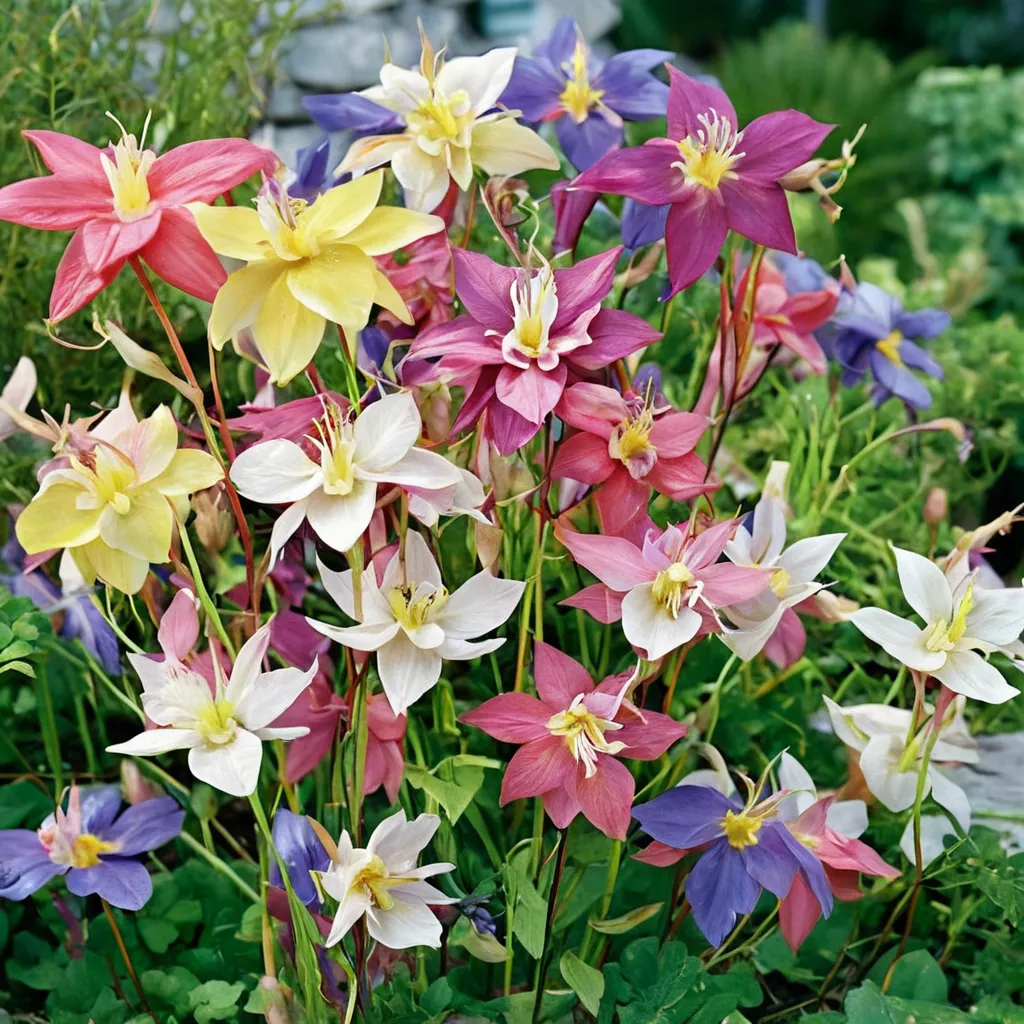
Columbine McKana Hybrids
Aquilegia vulgaris 'McKana Hybrids'
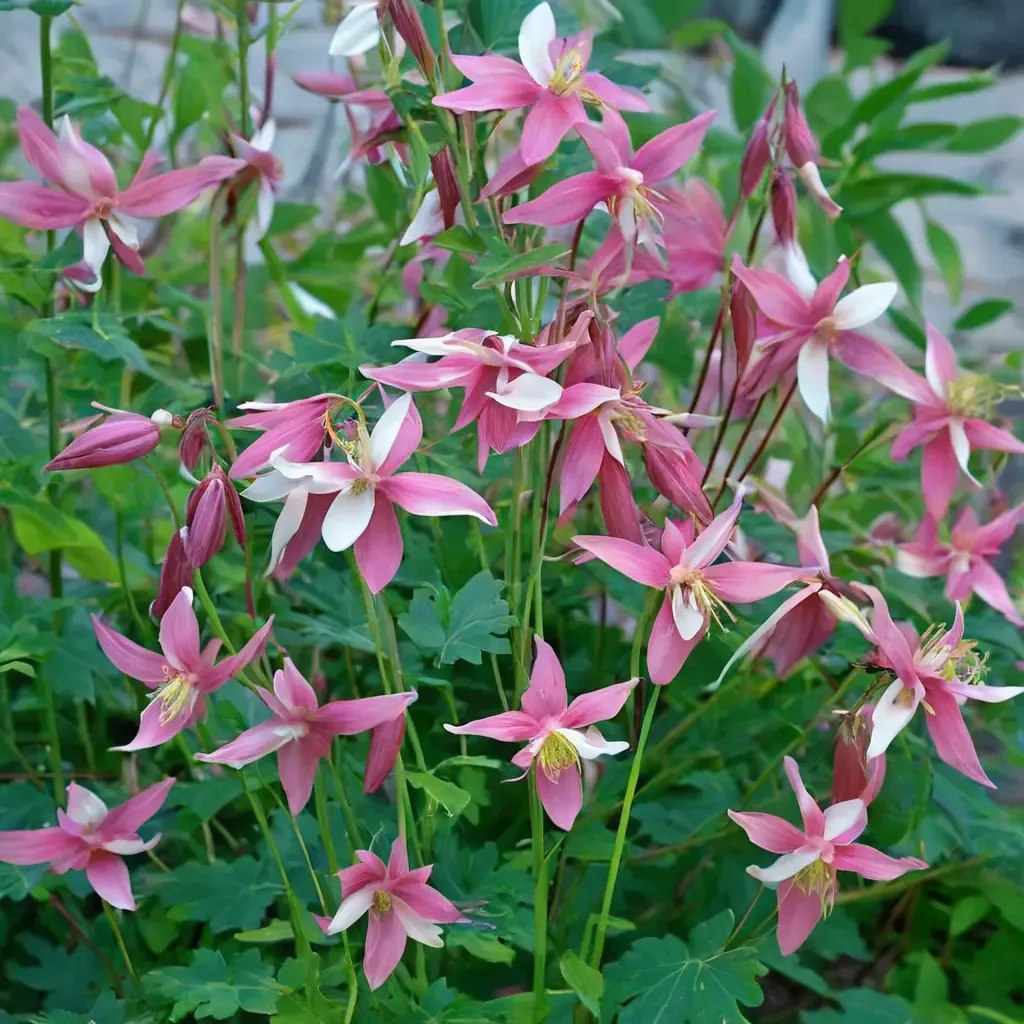
Biedermeier Columbine
Aquilegia vulgaris 'Biedermeier'
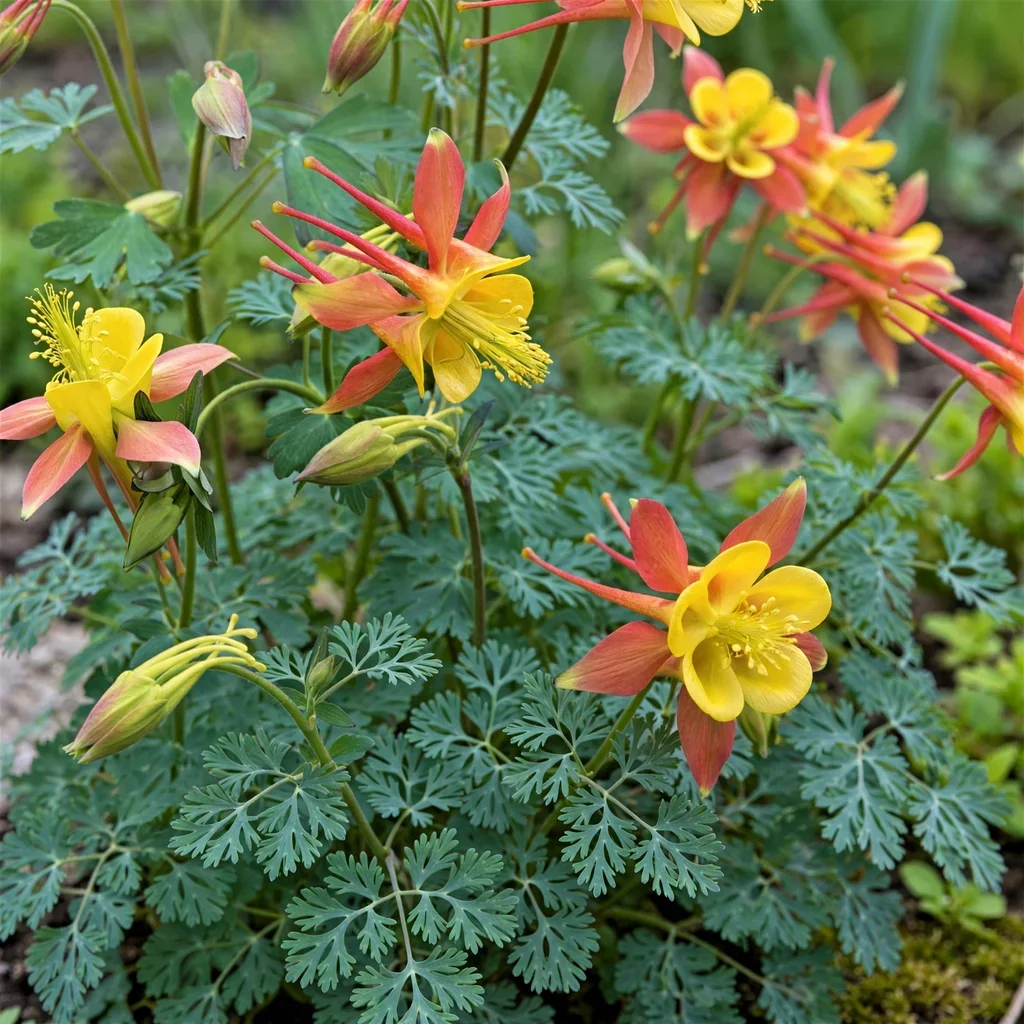
Tequila Sunrise Columbine
Aquilegia x hybrida 'Tequila Sunrise'
Keep exploring
Explore the genus
Grow Rocky Mountain Columbine with confidence
See it in a design of your actual yard, get zone-matched care reminders, and track it season by season in your garden journal.