
Species
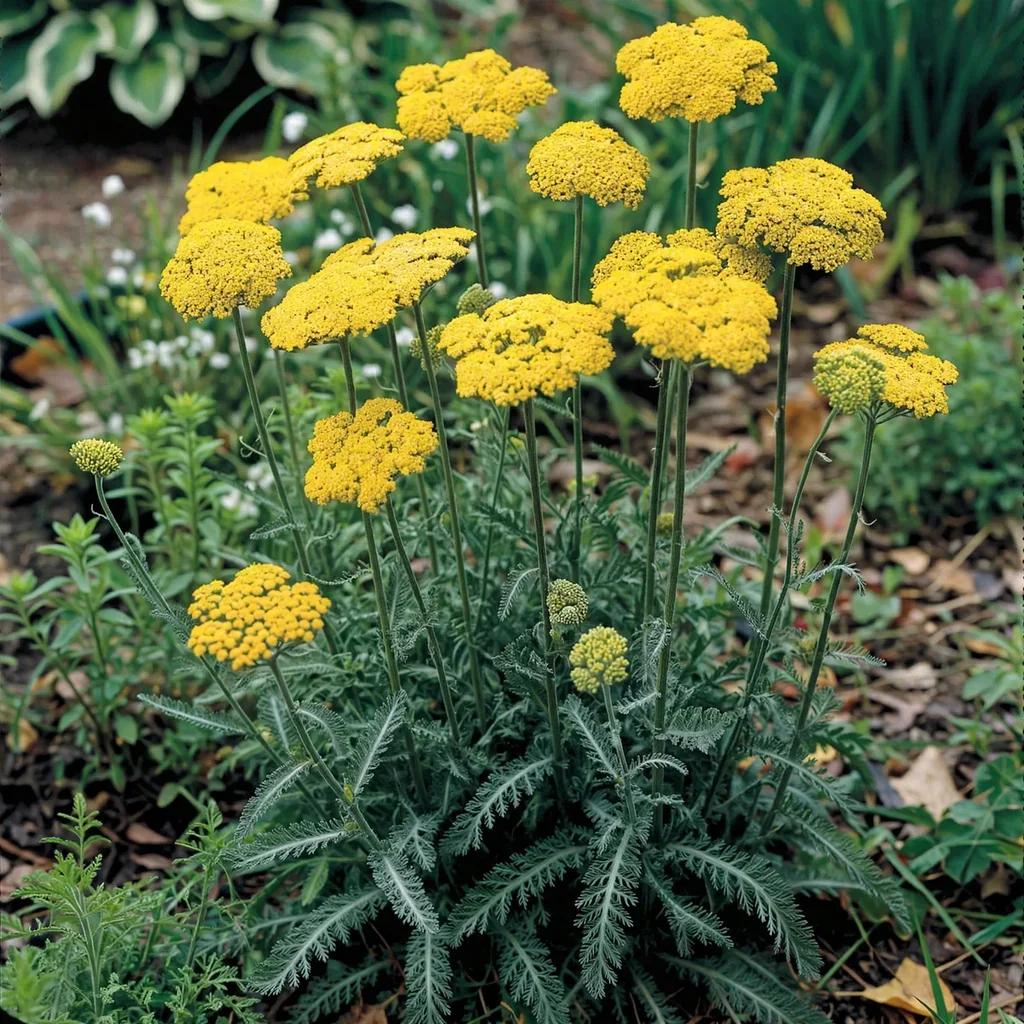 Achillea filipendulinaFern-leaf Yarrow
1 other cultivar

The Story
Plant Bio
Achillea filipendulina is an upright, clump-forming herbaceous perennial native to central and southwestern Asia, characterized by deeply dissected, aromatic, fern-like green foliage. In summer, the sturdy, unbranched stems bear dense, flattened, plate-like compound corymbs of long-lasting flowers.
'Cloth of Gold' is distinguished by its bright golden-yellow flower heads that hold their color intensity without fading. This cultivar reaches a mature height of three to four feet, establishing a stiffly erect, architectural presence in the garden.
Uses & Benefits:
Essentials
At a Glance
Plant Type
Perennial
Height
48"
Width
24"
Light
Full Sun
Zones
4, 5, 6, 7, 8, 9
Water
Low
Humidity
Low to moderate
Lifespan
Perennial
Native To
Central and southwestern Asia
Toxicity
Toxic to pets; skin irritant
Bloom period
Summer – Early fall
In flower about 4 months of the year
Planting
How to Grow
- Select a planting site in full sun with lean, well-draining sandy or average loam soil.
- Space plants 18 to 24 inches apart to ensure adequate air circulation and prevent fungal diseases.
- Water moderately during the first growing season to establish the root system, then reduce watering to rely on natural rainfall.
- Divide overcrowded clumps every three to four years in early spring to maintain plant vigor and prevent center die-out.
Pro Tip
Avoid planting in rich, highly fertile soils or applying nitrogen-heavy fertilizers, which cause rapid, weak stem growth that collapses under the weight of the summer blooms.
Keep It Thriving
Care Guide
Do
- Plant in lean, sharply drained soils to prevent root rot.
- Deadhead spent flower heads down to lateral buds to encourage a secondary flush of blooms.
- Cut the entire plant back to the basal rosette after the main flowering season to tidy the clump.
Don't
- Do not over-fertilize, as excess nutrients cause weak, floppy stems that require staking.
- Do not plant in heavy, wet clay soils that retain moisture during winter.
- Do not handle the foliage without gloves if you have sensitive skin, as the leaves can cause contact dermatitis.
Seasonal Care Calendar
| Task | Jan | Feb | Mar | Apr | May | Jun | Jul | Aug | Sep | Oct | Nov | Dec |
|---|---|---|---|---|---|---|---|---|---|---|---|---|
| Deadhead | ||||||||||||
| Divide | ||||||||||||
| Pest Check | ||||||||||||
| Prune | ||||||||||||
| Spring Cleanup |
Watch Out For
Pests & Diseases
Common Pests
Common Diseases
In the Garden
Landscape Uses & Companions
Landscape Uses
Companion Plants
Multiply
Propagation Methods
Good to Know
Common Questions
Fern-leaf Yarrow questions
What zones can Fern-leaf Yarrow grow in?
Fern-leaf Yarrow is hardy in USDA Zones 4–9. Inside that range it survives winter in the ground; outside it, grow it as an annual or a container plant you protect.
Is Fern-leaf Yarrow deer resistant?
Yes — Fern-leaf Yarrow is rated deer-resistant. Deer typically pass it over, though extreme hunger can override any plant's defenses.
When does Fern-leaf Yarrow bloom?
Fern-leaf Yarrow typically blooms in summer through early fall. Exact timing shifts a week or two with your zone — Sow's bloom calendar maps it to your garden.
Does Fern-leaf Yarrow need full sun?
Fern-leaf Yarrow does best in full sun (6+ hours).
Is Fern-leaf Yarrow drought tolerant?
Yes — once established (usually after the first full season), Fern-leaf Yarrow handles dry spells with minimal watering. Water deeply its first year to build the root system that makes that possible.
More Achillea to compare
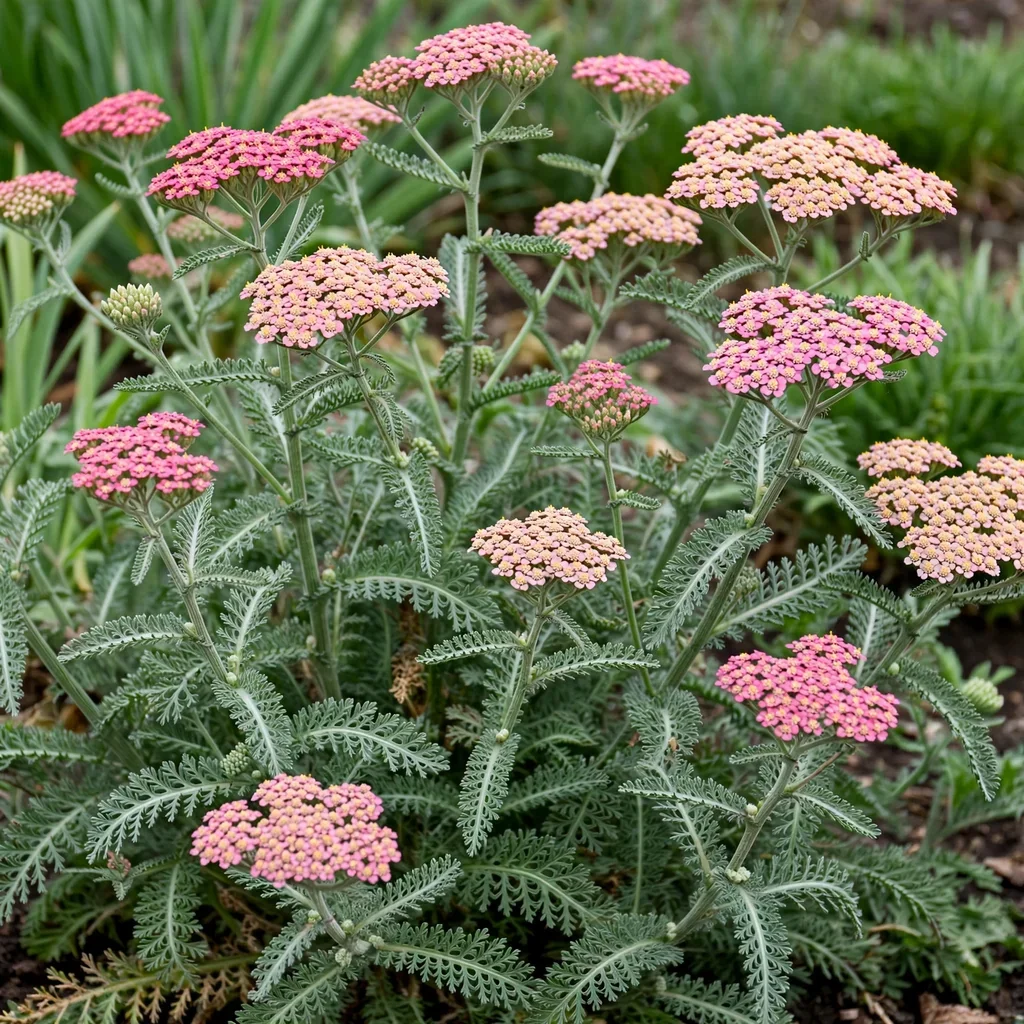
Sassy Summer Taffy Common Yarrow
Achillea millefolium 'Sassy Summer Taffy'
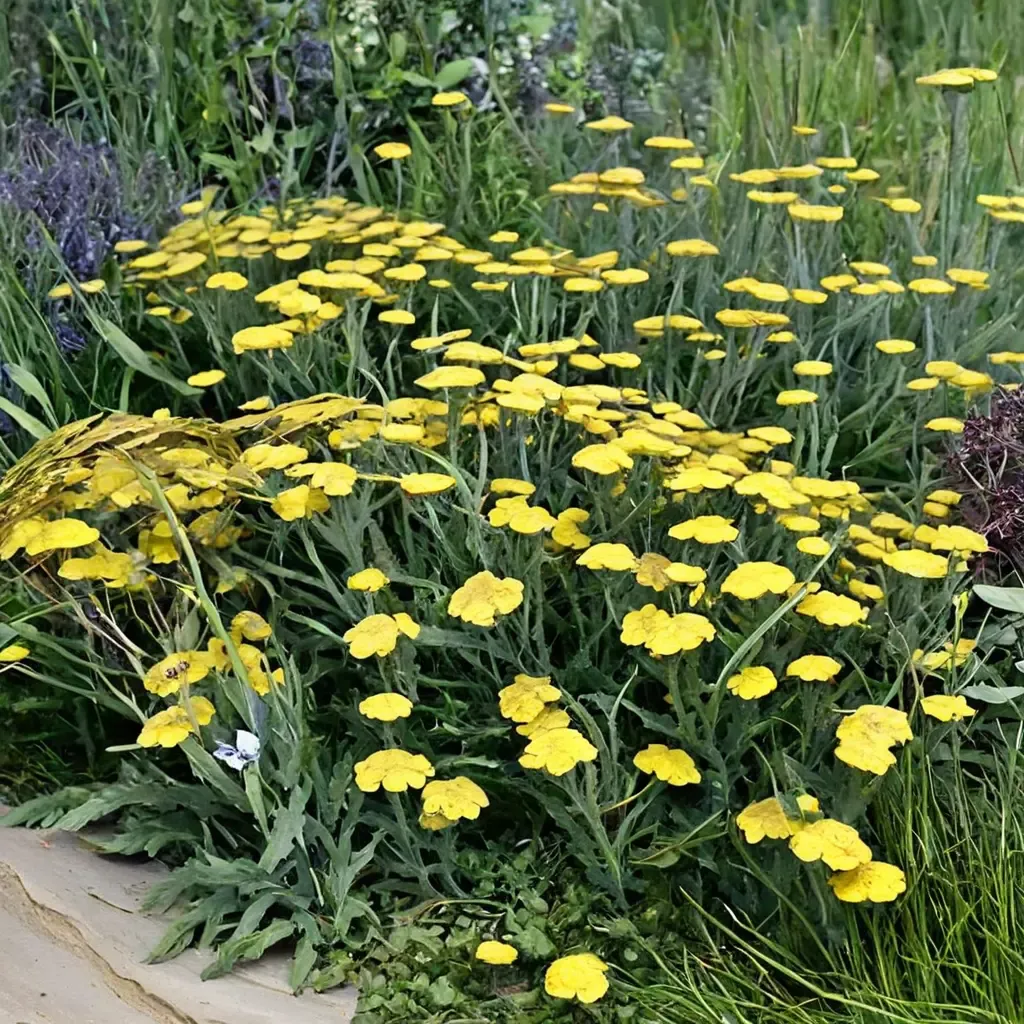
Moonshine Yarrow
Achillea millefolium 'Moonshine'
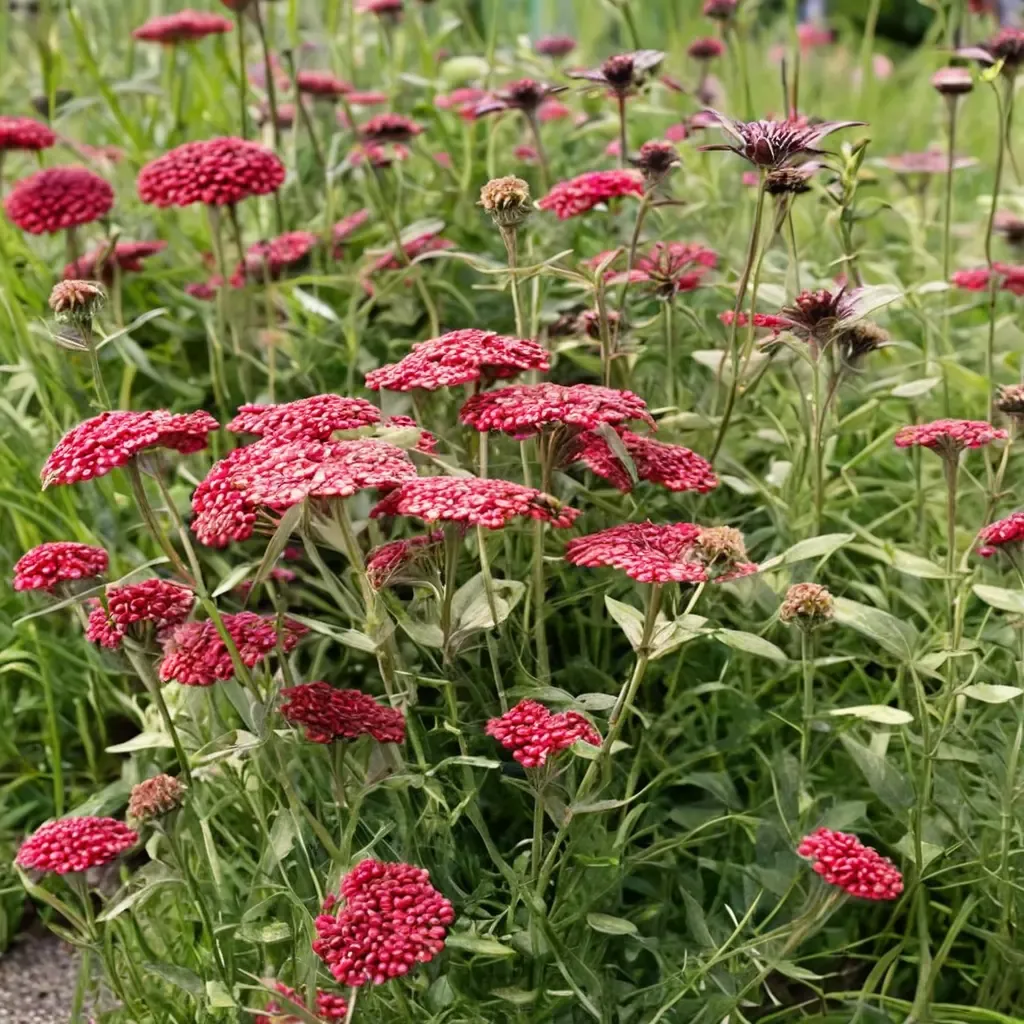
Red Velvet Yarrow
Achillea millefolium 'Red Velvet'
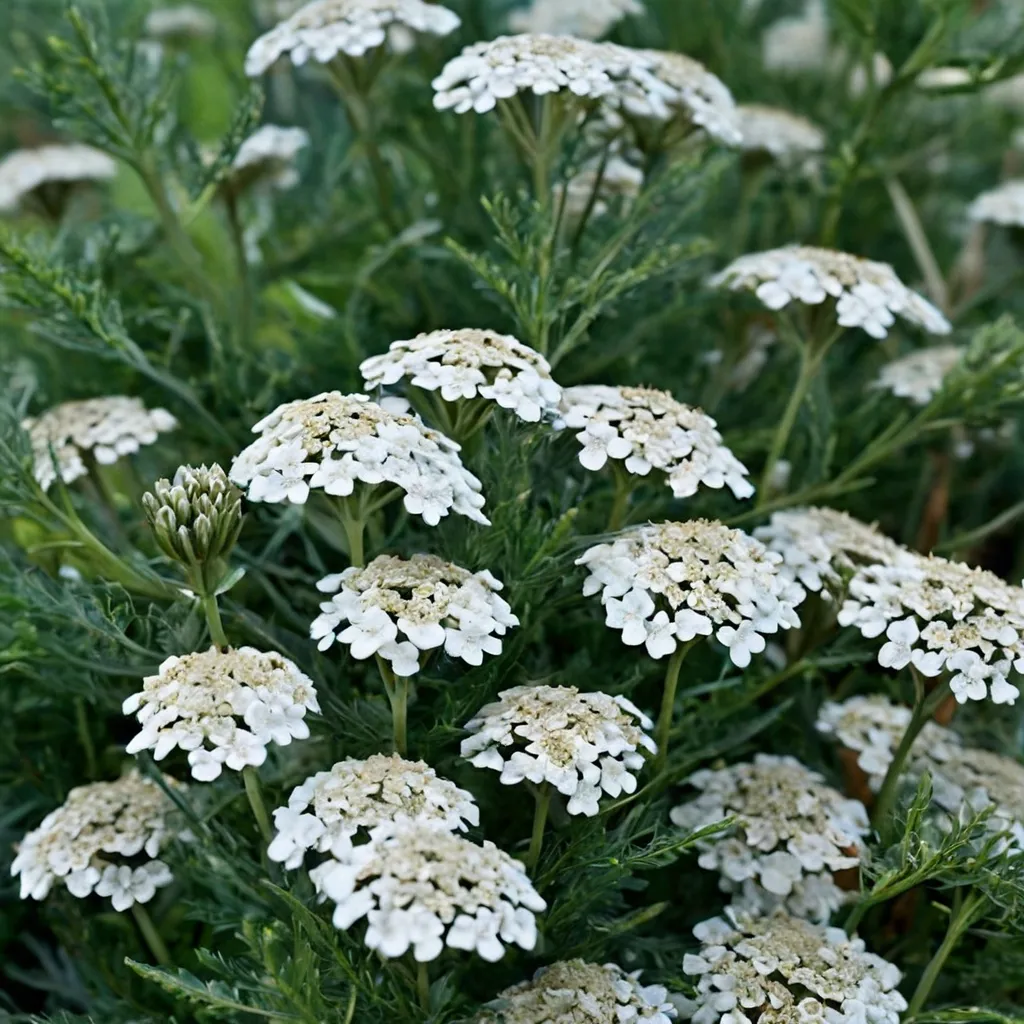
New Vintage White Common Yarrow
Achillea millefolium 'New Vintage White'
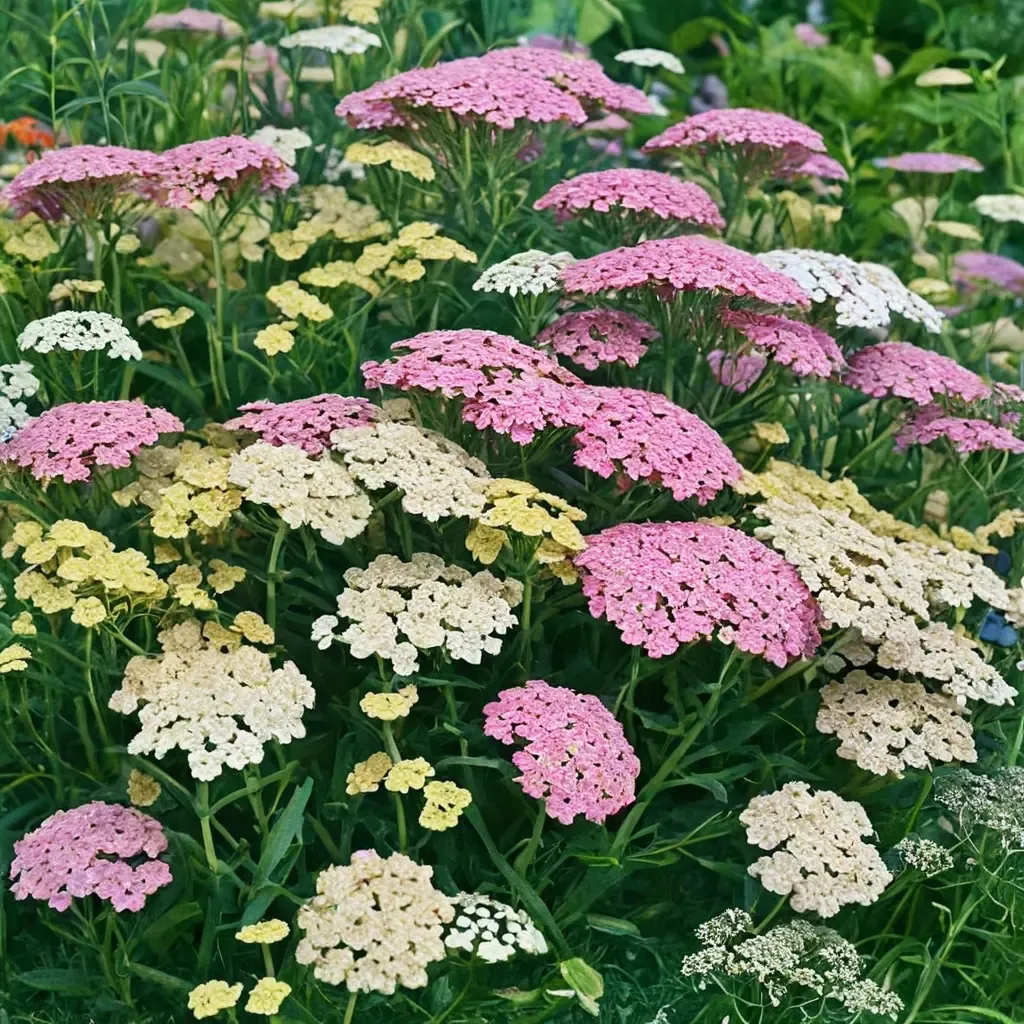
Summer Pastels Yarrow
Achillea millefolium 'Summer Pastels'
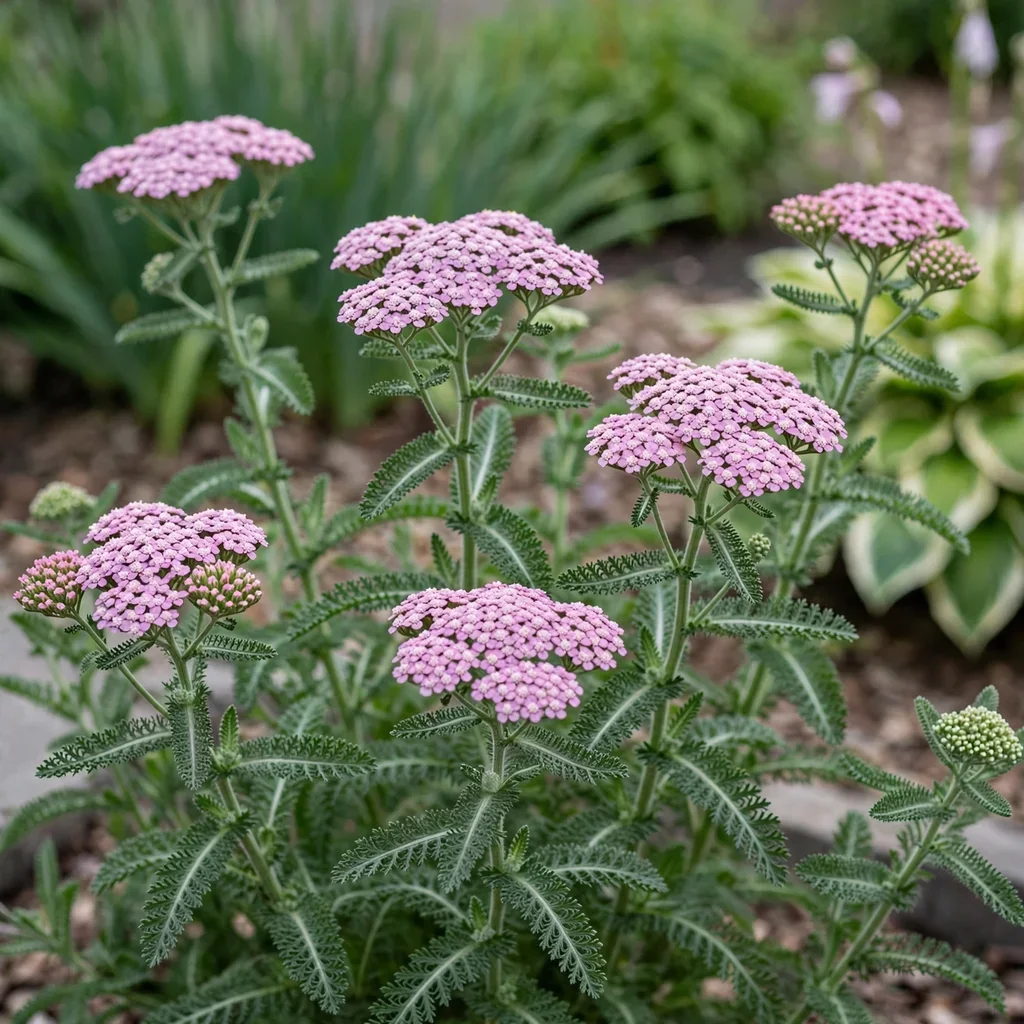
Pink Grapefruit Yarrow
Achillea millefolium 'Pink Grapefruit'
Keep exploring
Explore the genus
Grow Fern-leaf Yarrow with confidence
See it in a design of your actual yard, get zone-matched care reminders, and track it season by season in your garden journal.