

The Story
Plant Bio
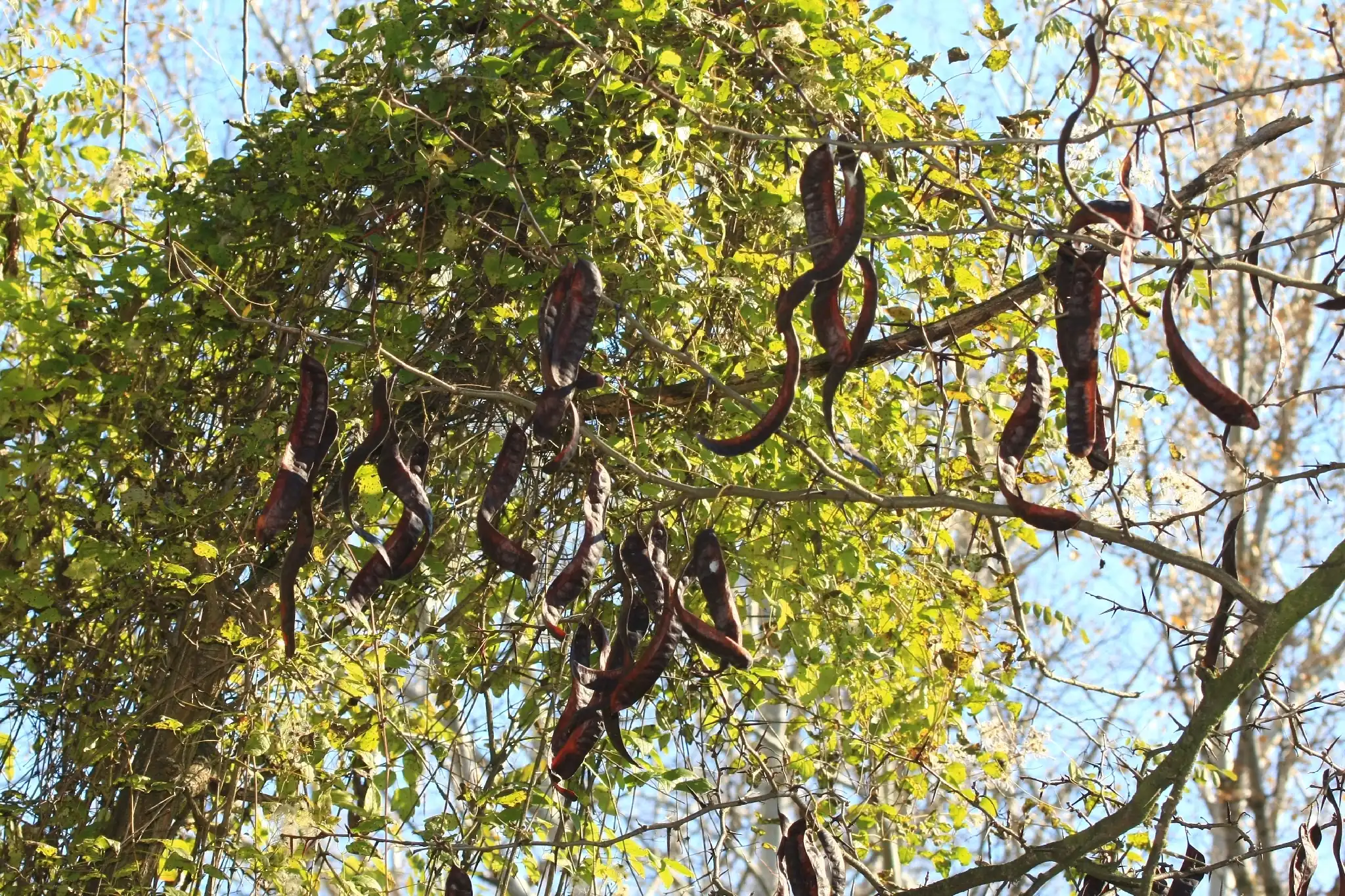
Gleditsia triacanthos is a fast-growing, deciduous tree native to North America, known for its adaptability to difficult growing conditions. The species is armed with formidable thorns, but cultivated varieties are thornless.
The variety 'inermis' refers to all thornless forms, which are the standard in landscaping. Its fine-textured, pinnately compound leaves create a light, dappled shade that allows turf and other plants to grow underneath.
Uses & Benefits:
Essentials
At a Glance
Plant Type
Tree
Height
720"
Width
600"
Light
Full Sun
Zones
4, 5, 6, 7, 8, 9
Water
Low to medium
Humidity
Adaptable
Lifespan
Medium
Native To
Central and Eastern North America
Toxicity
Pods can be toxic to livestock
Planting
How to Grow
- Select a location in full sun.
- This tree is highly adaptable to different soil types.
- Dig a hole two to three times wider than the root ball.
- Place the tree in the hole so the root flare is visible.
- Backfill with the original soil and water well.
- Stake only if necessary in very windy locations.
Pro Tip
Choose modern, podless cultivars like 'Sunburst' or 'Shademaster' to avoid the mess of falling seed pods in autumn.
Keep It Thriving
Care Guide
Do
- Plant in full sun for best growth.
- Water deeply during prolonged droughts.
- Prune when young to develop a strong branch structure.
- Rake up fallen leaves and pods in autumn.
Don't
- Do not plant the thorny species tree in a home landscape.
- Avoid over-fertilizing, which can lead to weak growth.
- Don't ignore signs of pests like webworms, as they can defoliate the tree.
- Avoid wounding the bark with mowers or trimmers, which can invite disease.
Seasonal Care Calendar
| Task | Jan | Feb | Mar | Apr | May | Jun | Jul | Aug | Sep | Oct | Nov | Dec |
|---|---|---|---|---|---|---|---|---|---|---|---|---|
| Pest Check | ||||||||||||
| Plant | ||||||||||||
| Prune |
Watch Out For
Pests & Diseases
Common Pests
Common Diseases
In the Garden
Landscape Uses & Companions
Landscape Uses
Companion Plants
Multiply
Propagation Methods
Good to Know
Common Questions
Thornless Honeylocust questions
What zones can Thornless Honeylocust grow in?
Thornless Honeylocust is hardy in USDA Zones 4–9. Inside that range it survives winter in the ground; outside it, grow it as an annual or a container plant you protect.
Is Thornless Honeylocust deer resistant?
Yes — Thornless Honeylocust is rated deer-resistant. Deer typically pass it over, though extreme hunger can override any plant's defenses.
When does Thornless Honeylocust bloom?
Thornless Honeylocust typically blooms in late spring through late spring. Exact timing shifts a week or two with your zone — Sow's bloom calendar maps it to your garden.
Does Thornless Honeylocust need full sun?
Thornless Honeylocust does best in full sun (6+ hours).
Is Thornless Honeylocust drought tolerant?
Yes — once established (usually after the first full season), Thornless Honeylocust handles dry spells with minimal watering. Water deeply its first year to build the root system that makes that possible.
More Gleditsia to compare
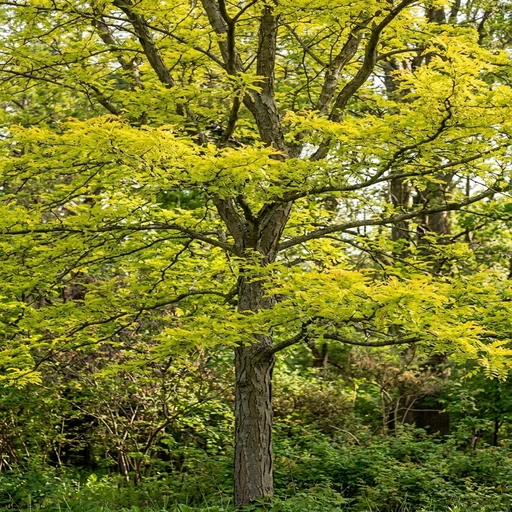
Sunburst Honeylocust
Gleditsia triacanthos 'Suncole'
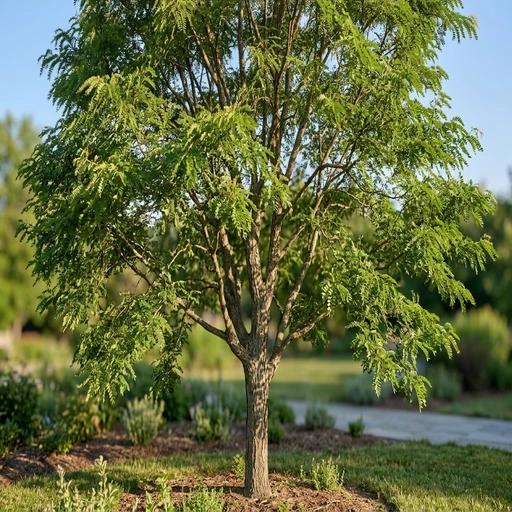
Shademaster Honeylocust
Gleditsia triacanthos 'Shademaster'
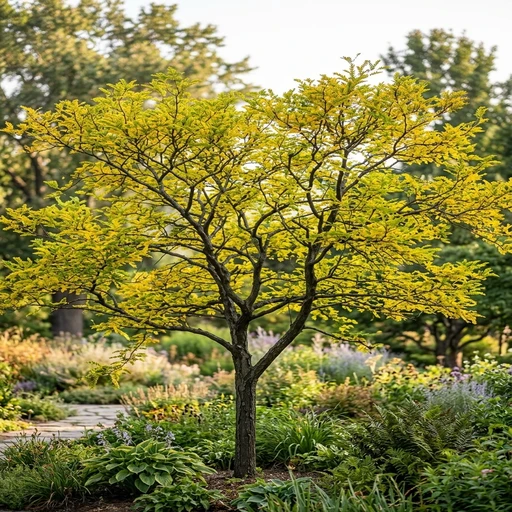
Skyline Honeylocust
Gleditsia triacanthos 'Skycole'
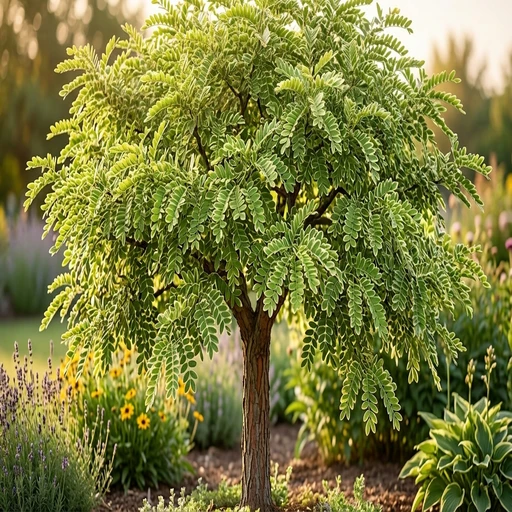
Northern Acclaim Honeylocust
Gleditsia triacanthos 'Harve'
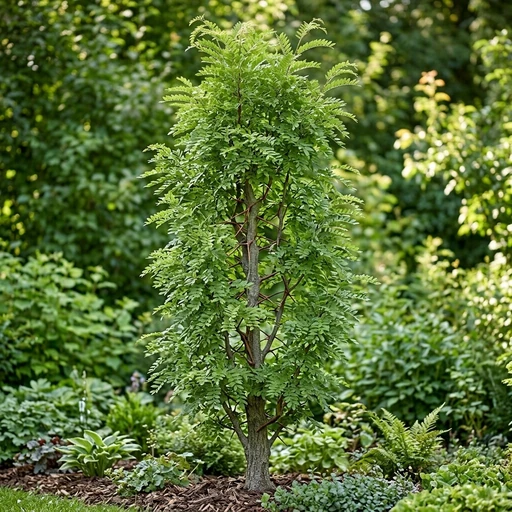
Northern Sentinel Honeylocust
Gleditsia triacanthos 'Northern Sentinel'
Keep exploring
Explore the genus
Grow Thornless Honeylocust with confidence
See it in a design of your actual yard, get zone-matched care reminders, and track it season by season in your garden journal.