Also known as Honeylocust · 169 saves
Gleditsia
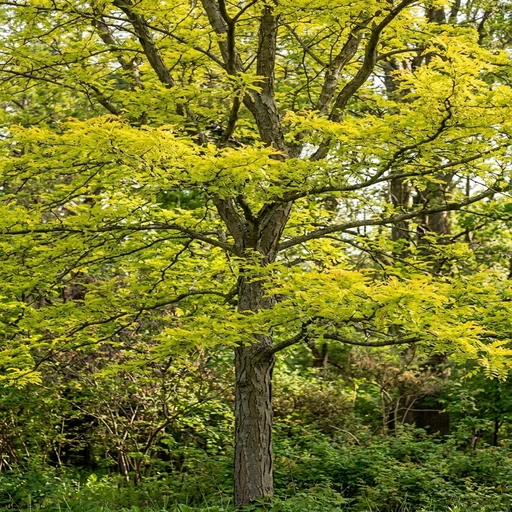
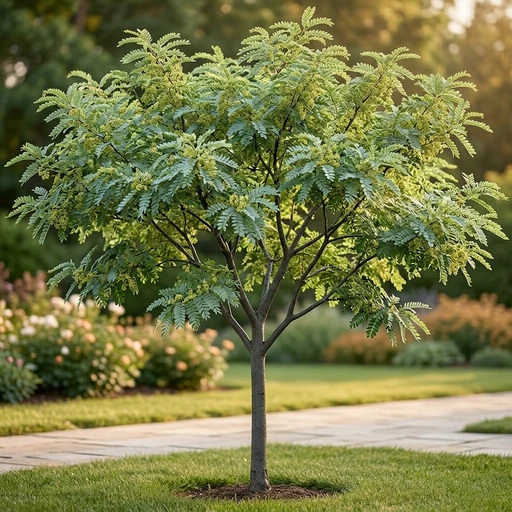
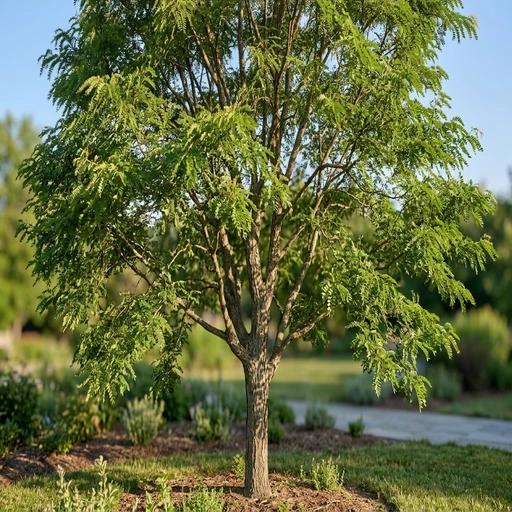
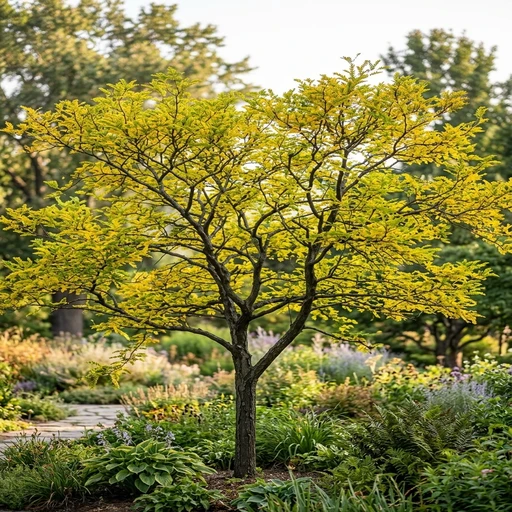
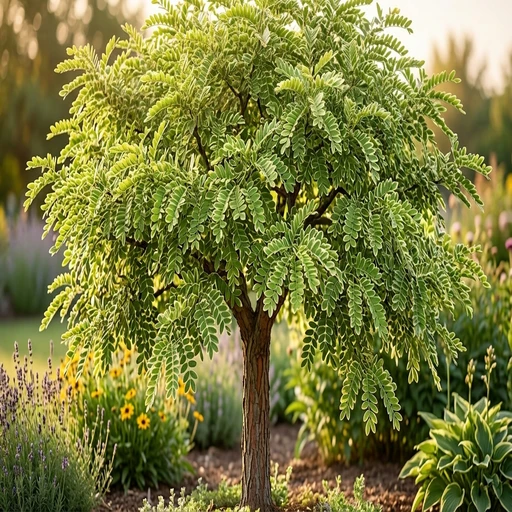
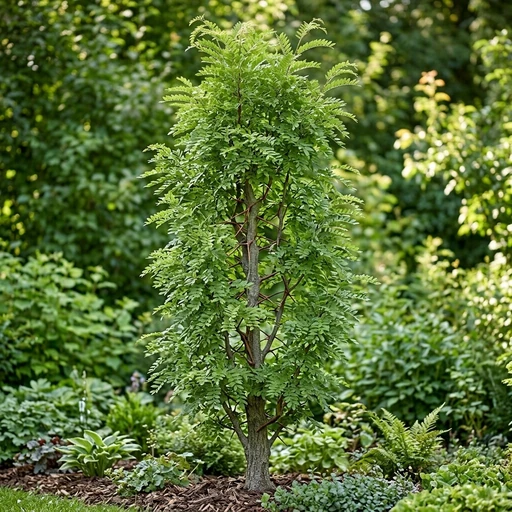
Gleditsia, the genus most gardeners know as honeylocust. We track 6 varieties; the ones most used by real gardeners.
The 6 most-saved Gleditsia varieties
Track your Gleditsia in Sow
Save the Gleditsia you grow and get care reminders timed to your zone.
How to grow Gleditsia
Whats common across all Gleditsia varieties in our catalog — drawn from the care records of the 6 most-grown of them.
The Gleditsia year
- PruneFebruary and March100% of varieties
Prune in late winter to establish good structure and remove deadwood.
- Check for PestsJune–August100% of varieties
Monitor for webworms, spider mites, and borers during summer.
- PlantApril, May, October and November67% of varieties
Plant container-grown or B&B trees in spring or fall.
- FertilizeApril33% of varieties
Apply a balanced, slow-release fertilizer in early spring if needed.


Do
- Plant in full sun for best growth.
- Prune while young to develop a strong structure.
- Water regularly for the first year to establish.
- Allow lawn to grow underneath; the light shade permits it.
- Monitor for pests like mimosa webworm.
Avoid
- Avoid over-fertilizing, which can lead to weak growth.
- Do not plant in shade; it will become thin and weak.
- Avoid overwatering, as it is very drought tolerant once established.
- Do not fertilize heavily; it fixes its own nitrogen.
What goes wrong with Gleditsia
| Problem | What you'll see | What to do |
|---|---|---|
| Mimosa Webworm | Leaves webbed together and turning brown in summer. | Prune out affected branches. Apply Bacillus thuringiensis (Bt) for young caterpillars. Systemic insecticides can be used for severe infestations. |
| Honeylocust Plant Bug | Distorted, stunted, and yellowed new growth in spring. | Damage is mostly cosmetic and the tree usually outgrows it. Use insecticidal soap on young nymphs. Systemic insecticides can be used for severe cases. |
| Spider Mites | Fine webbing on leaves, stippled or yellowing foliage. | Spray with a strong jet of water. Use insecticidal soap or horticultural oil. Release predatory mites as a biological control. |
| Honeylocust plant bug | Distorted, stunted, and yellow-spotted new leaves in spring. | Tolerate minor damage. Spray with insecticidal soap for heavy infestations. A systemic insecticide like imidacloprid can be used as a soil drench in early spring. |
| Canker | Sunken, dead areas on branches and trunk, sometimes with oozing. | Prune out infected branches well below the canker. Improve tree vigor through proper watering and care. There is no chemical cure. |
| Powdery Mildew | White powdery growth on leaves. | Usually cosmetic. Improve air circulation. Fungicides are available but rarely necessary. |
| Thryonectria Canker | Sunken, discolored areas on the trunk and branches, often with orange or yellow fungal bodies. Causes branch dieback. | No chemical cure. Prune out infected branches well below the canker. Keep the tree healthy and avoid drought stress or wounding the trunk. |
Making more Gleditsia
Budding
- Cultivars are chip-budded onto seedling rootstock in late summer.
- Collect budwood from the current season's growth.
- Insert a single bud into a T-cut on the rootstock.
- Wrap with budding tape to secure.
Budding/Grafting
- This cultivar must be propagated asexually to retain its form.
- Buds are taken in summer and T-budded onto Gleditsia rootstock.
- Grafting can also be done in late winter.
- This ensures the resulting tree is thornless, seedless, and columnar.
Gleditsia questions
How many types of Gleditsia are there?
The Sow catalog tracks 6 distinct Gleditsia varieties. The most popular — ranked by 169 real gardeners — are shown first above.
What zones does Gleditsia grow in?
Across its varieties, Gleditsia covers USDA Zones 4–9. Individual varieties differ — each plant page lists its exact range, and Sow filters the catalog to your zone automatically.
When does Gleditsia bloom?
Most Gleditsia varieties bloom in late spring. Staggering early, mid, and late varieties extends the genus's season in one bed.
Which Gleditsia should I choose?
Start from the most-saved varieties above — popularity across thousands of gardens is a strong signal of reliability — then filter by your zone and sun. In the Sow app you can preview any of them in a photo of your actual yard before you buy.