1 named cultivar

The Story
Plant Bio
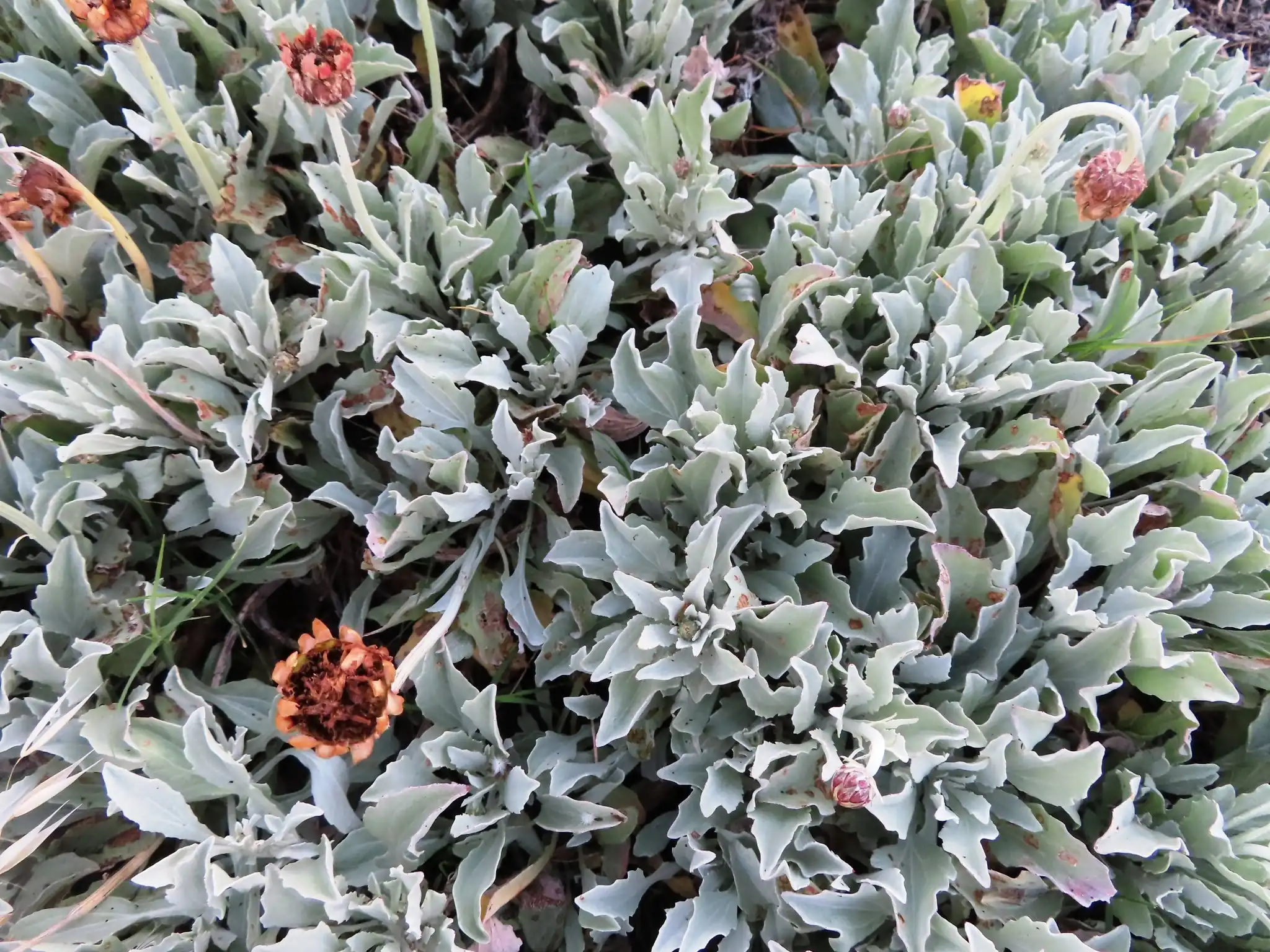
Arctotis stoechadifolia, African daisy, is a spreading perennial from the Cape Province of South Africa, one to two feet high, grown as an annual in most climates. Large grey-green toothed leaves are covered in fine hairs that give a woolly silver look, and daisy flowers one to three inches across open in white, cream, orange and pink.
The flowers close at night and in dull weather, opening only in direct sun — a shaded or overcast site gives you silver foliage and little else. That foliage is worth having in its own right. It thrives on heat, drought and poor sandy soil, and is one of the better daisies for a coastal garden where salt defeats most bedding.
Uses & Benefits:
Essentials
At a Glance
Plant Type
Perennial
Height
18"
Width
30"
Light
Full Sun, Partial Sun
Zones
6, 7, 8, 9
Water
Low
Humidity
Low
Lifespan
Perennial grown as an annual
Native To
Cape Province, South Africa
Toxicity
Non-toxic
Planting
How to Grow
- Plant in full sun; flowers stay shut in shade.
- Give it sharply drained, even poor, soil.
- Water sparingly once established.
- Do not feed, which gives leaves over flowers.
- Deadhead to keep new flowers coming.
- Take cuttings in late summer to overwinter it.
Pro Tip
The flowers only open in direct sun, so a bright but shaded position gives you foliage and almost no display.
Keep It Thriving
Care Guide
Do
- Plant it in full sun ☀️
- Give it sharp drainage 🌱
- Deadhead through the season ✂️
- Use it in coastal gardens 🌊
Don't
- Plant it in shade ❌
- Feed or over-water it ❌
- Expect open flowers on dull days ❌
Seasonal Care Calendar
| Task | Jan | Feb | Mar | Apr | May | Jun | Jul | Aug | Sep | Oct | Nov | Dec |
|---|---|---|---|---|---|---|---|---|---|---|---|---|
| Deadhead | ||||||||||||
| Plant Out |
Watch Out For
Pests & Diseases
Common Pests
Common Diseases
In the Garden
Landscape Uses & Companions
Landscape Uses
Companion Plants
Multiply
Propagation Methods
Good to Know
Common Questions
Arctotis questions
What zones can Arctotis grow in?
Arctotis is hardy in USDA Zones 6–9. Inside that range it survives winter in the ground; outside it, grow it as an annual or a container plant you protect.
Is Arctotis deer resistant?
Yes — Arctotis is rated deer-resistant. Deer typically pass it over, though extreme hunger can override any plant's defenses.
When does Arctotis bloom?
Arctotis typically blooms in late spring to fall through early summer. Exact timing shifts a week or two with your zone — Sow's bloom calendar maps it to your garden.
Does Arctotis need full sun?
Arctotis does best in full sun to part shade. In hot climates, afternoon shade keeps blooms fresher longer.
Is Arctotis drought tolerant?
Yes — once established (usually after the first full season), Arctotis handles dry spells with minimal watering. Water deeply its first year to build the root system that makes that possible.
More Arctotis to compare
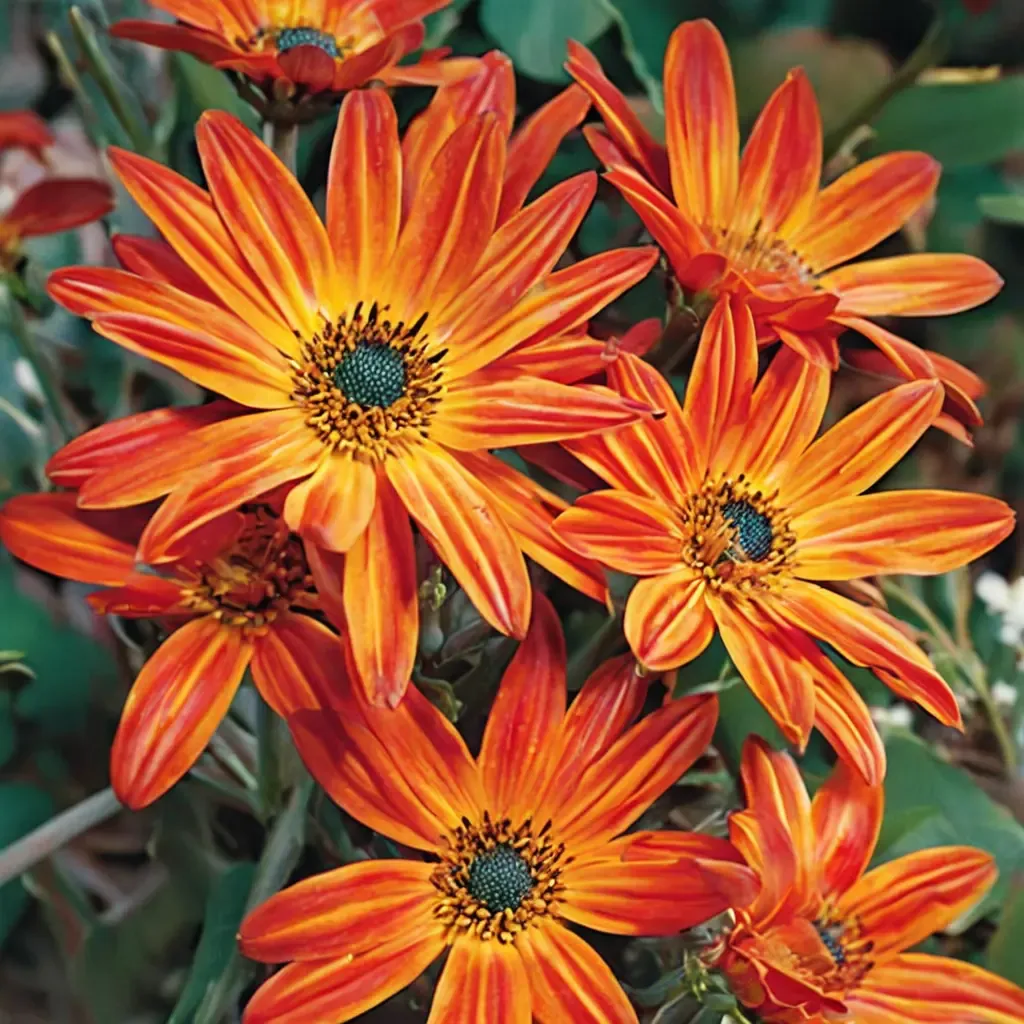
Sunset African Daisy
Arctotis x hybrida 'Sunset'
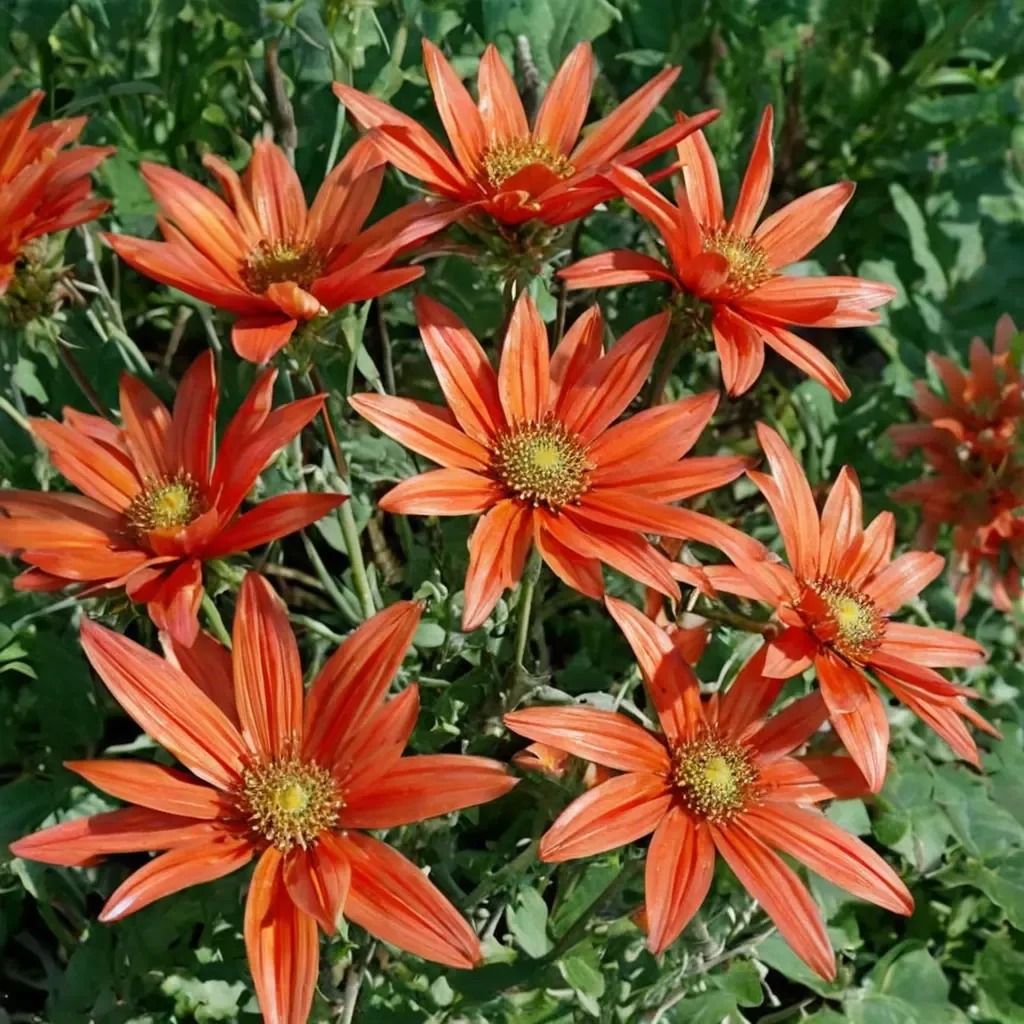
Flame African Daisy
Arctotis x hybrida 'Flame'
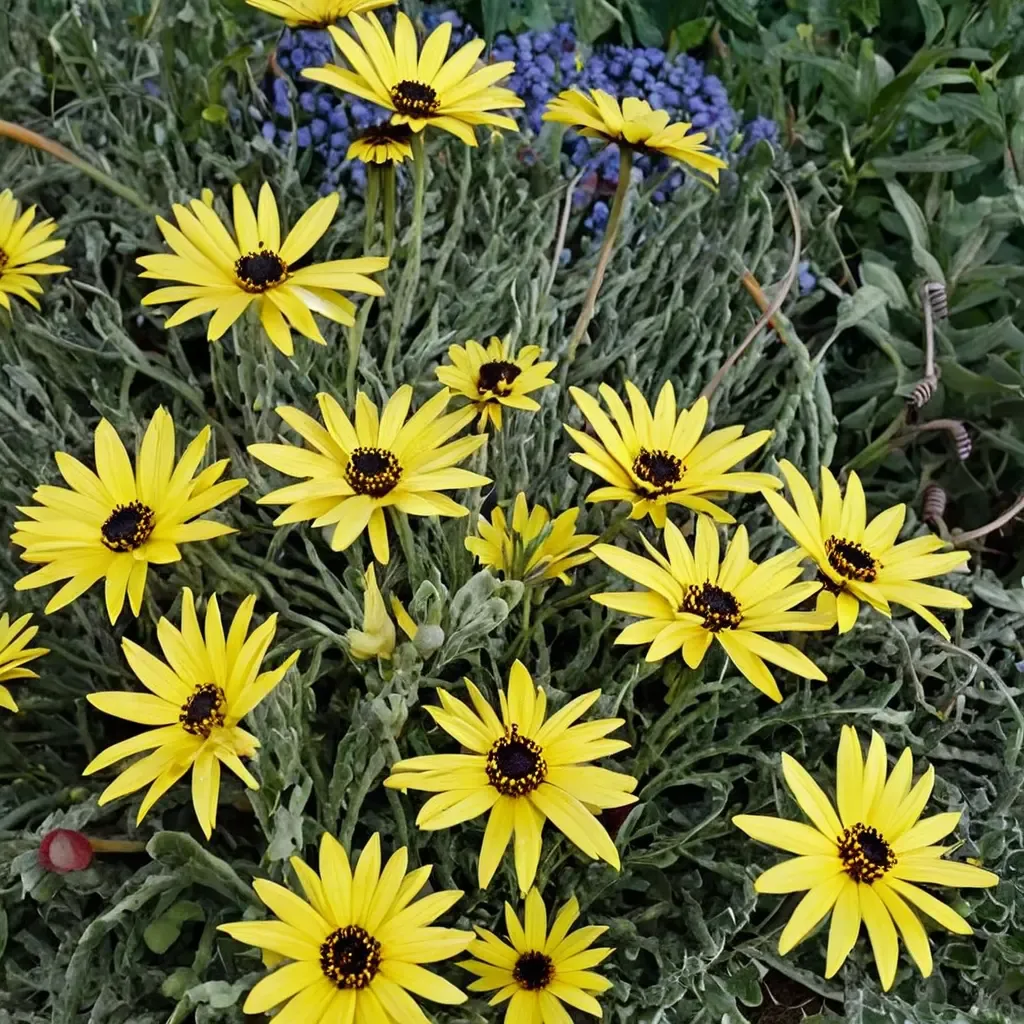
Large Marge Arctotis
Arctotis stoechadifolia 'Large Marge'
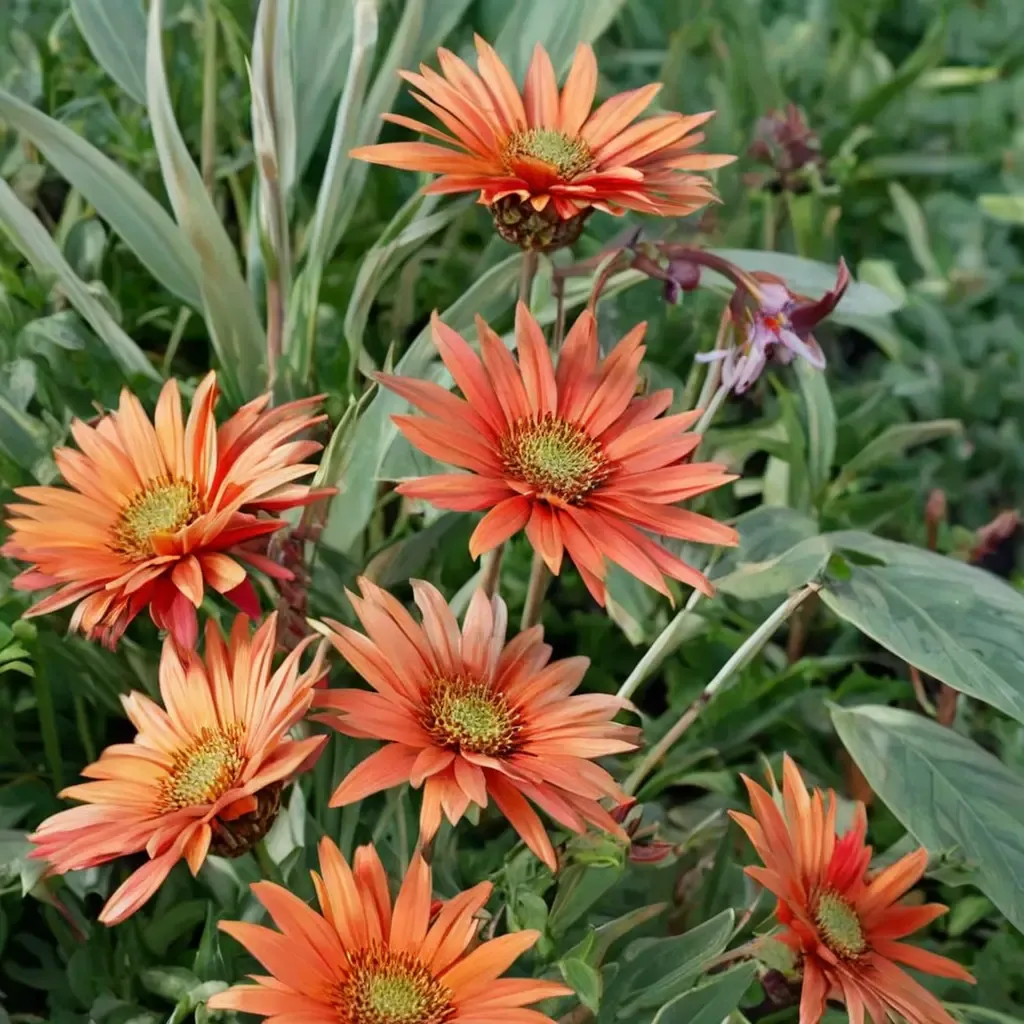
African Daisy
Arctotis x hybrida
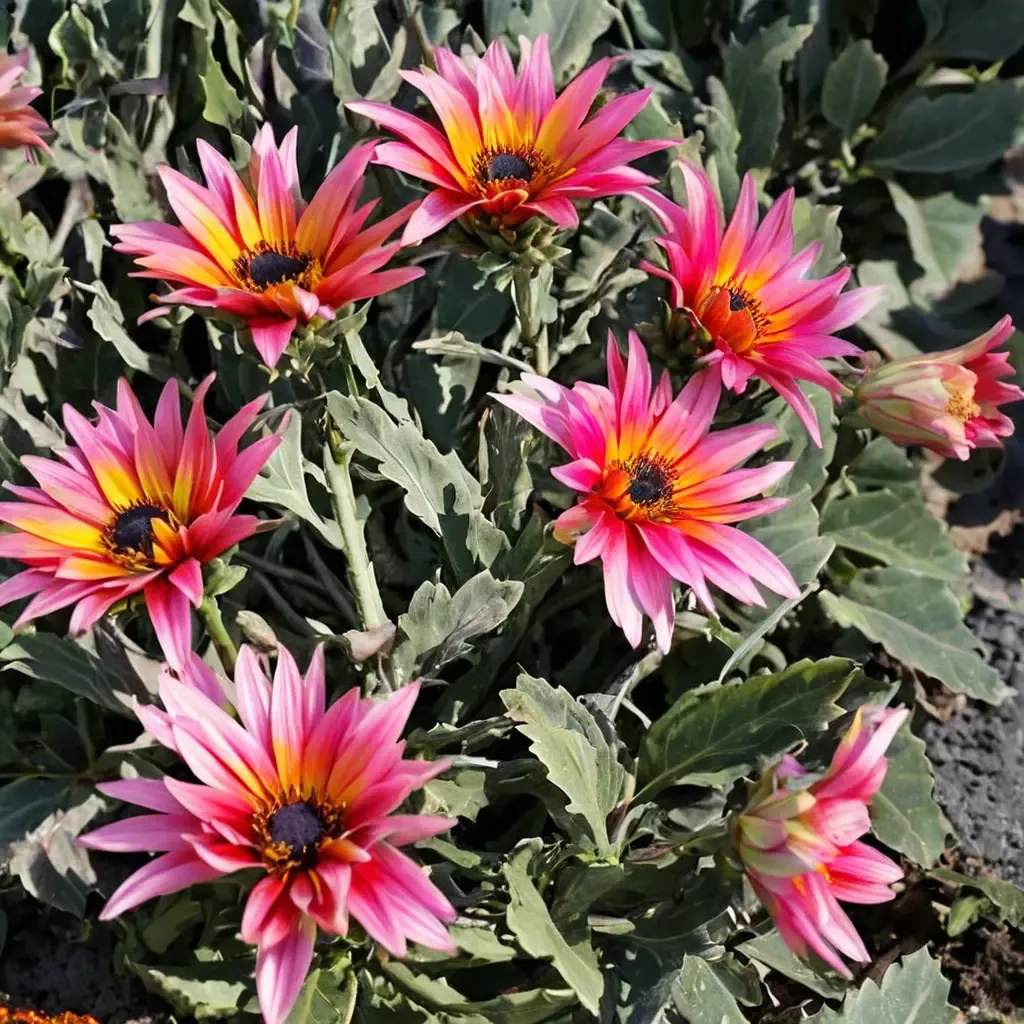
Pink Sugar African Daisy
Arctotis x hybrida 'Pink Sugar'
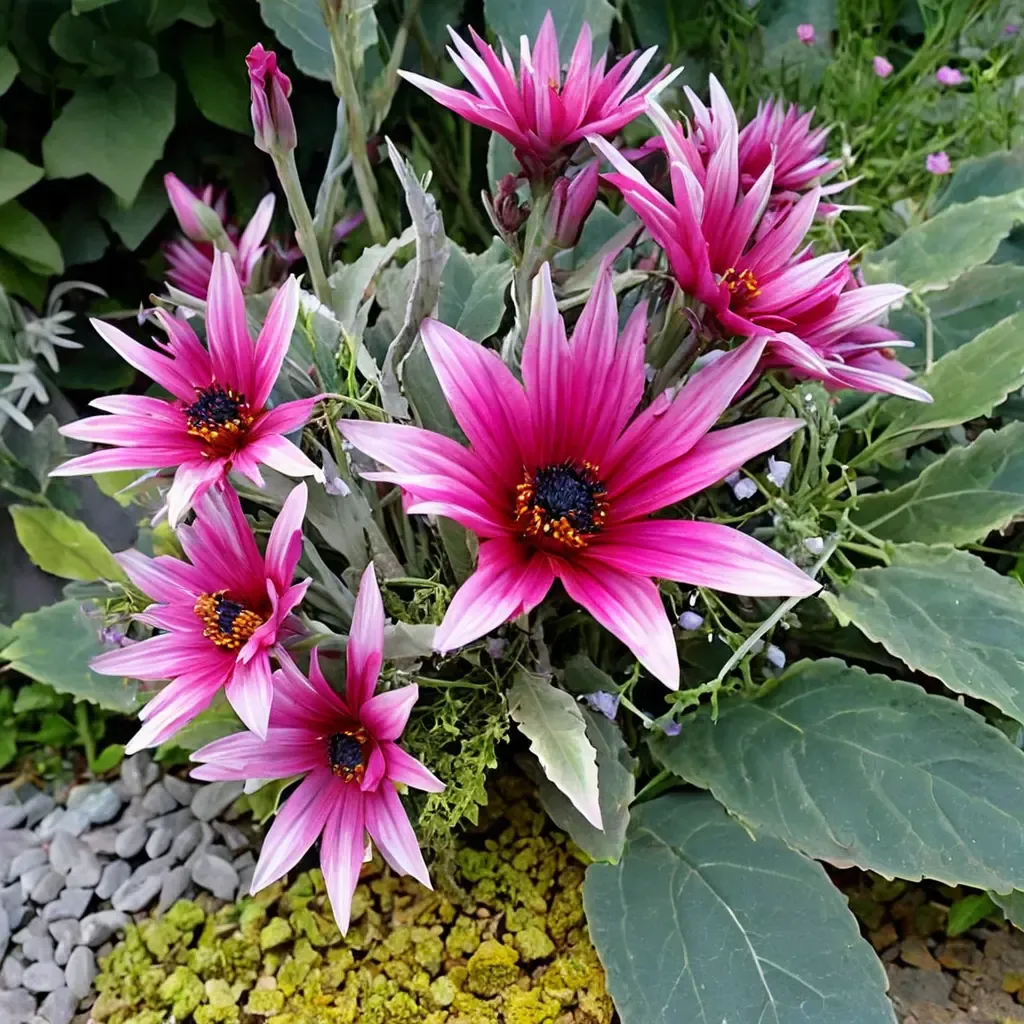
Ultra Violet African Daisy
Arctotis x hybrida 'Ultra Violet'
Keep exploring
Explore the genus
Hardy in your zone?
Grow Arctotis with confidence
See it in a design of your actual yard, get zone-matched care reminders, and track it season by season in your garden journal.