The Story
Plant Bio
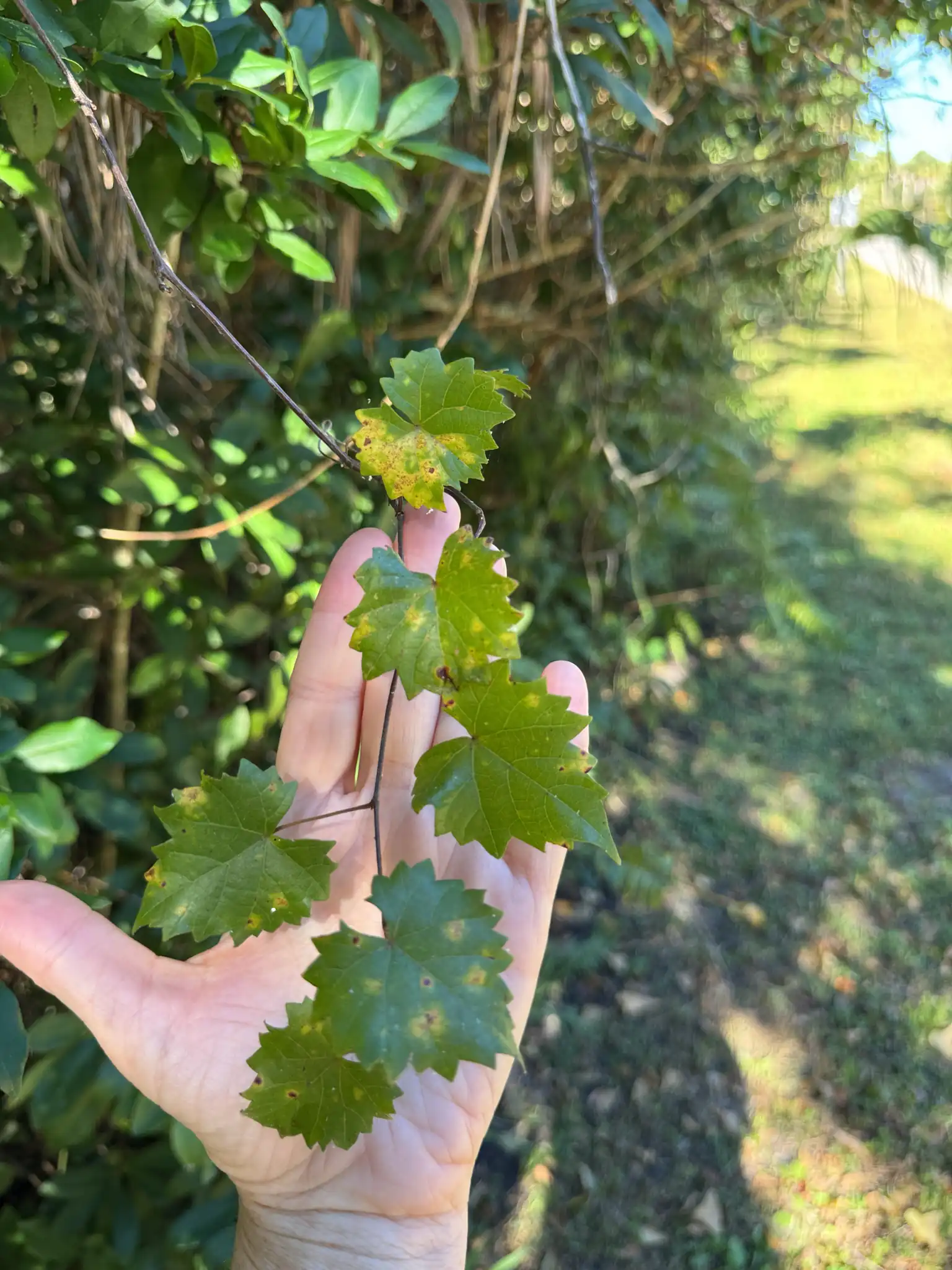
Vitis rotundifolia is a vigorous, high-climbing woody vine native to the Southeastern and South-Central United States. It climbs via tendrils and features simple, alternate, glossy green leaves with broad, blunt teeth.
This species is highly resistant to Pierce's disease, allowing it to thrive in hot, humid climates where European grapes fail. It produces thick-skinned, edible muscadine grapes that support local wildlife and are highly valued for home fruit production.
Uses & Benefits:
Essentials
At a Glance
Plant Type
Vine
Height
118"
Width
1181"
Light
Full Sun, Partial Sun
Zones
6, 7, 8, 9
Water
Low to Moderate
Humidity
High
Lifespan
Perennial
Native To
North America
Toxicity
Non-toxic
Bloom period
Summer
In flower about 3 months of the year
Marketplace
Where to Buy
Shipping costs Year-round shipping Free shipping
Planting
How to Grow
- Select a planting site in full sun with well-drained sandy, rocky, or upland soil with a pH between 5.5 and 6.5.
- Install a sturdy trellis or arbor system to support the heavy, vigorous vine framework.
- Water regularly during the first two years to establish a deep root system, avoiding waterlogged conditions.
- Apply a balanced fertilizer in early spring and supplement with magnesium via Epsom salts in mid-summer.
Pro Tip
Never graft muscadines onto other grape species, as total graft incompatibility will cause the graft to fail. Ensure you plant a self-fertile companion vine if your chosen cultivar is female-only, or no fruit will set.
Keep It Thriving
Care Guide
Do
- Prune heavily every year during deep winter dormancy to maintain a productive framework.
- Provide supplemental irrigation during heavy fruiting periods and dry spells.
- Protect young vines from deer and rabbit browsing with protective fencing.
Don't
- Do not plant a single female-flowered cultivar in isolation without a perfect-flowered pollinator nearby.
- Do not prune into old, completely leafless wood that lacks live renewal spurs.
- Do not plant in poorly drained or waterlogged soils where root rot can develop.
Seasonal Care Calendar
| Task | Jan | Feb | Mar | Apr | May | Jun | Jul | Aug | Sep | Oct | Nov | Dec |
|---|---|---|---|---|---|---|---|---|---|---|---|---|
| Fertilize | ||||||||||||
| Pest Check | ||||||||||||
| Prune | ||||||||||||
| Spray |
Watch Out For
Pests & Diseases
Common Pests
Common Diseases
In the Garden
Landscape Uses & Companions
Landscape Uses
Multiply
Propagation Methods
Good to Know
Common Questions
Muscadine questions
What zones can Muscadine grow in?
Muscadine is hardy in USDA Zones 6–9. Inside that range it survives winter in the ground; outside it, grow it as an annual or a container plant you protect.
Is Muscadine deer resistant?
Not reliably. Deer may browse Muscadine, especially tender spring growth — plan on repellents or fencing where pressure is high.
When does Muscadine bloom?
Muscadine typically blooms in summer through summer. Exact timing shifts a week or two with your zone — Sow's bloom calendar maps it to your garden.
Does Muscadine need full sun?
Muscadine does best in full sun to part shade. In hot climates, afternoon shade keeps blooms fresher longer.
Is Muscadine drought tolerant?
Yes — once established (usually after the first full season), Muscadine handles dry spells with minimal watering. Water deeply its first year to build the root system that makes that possible.
More Vitis to compare
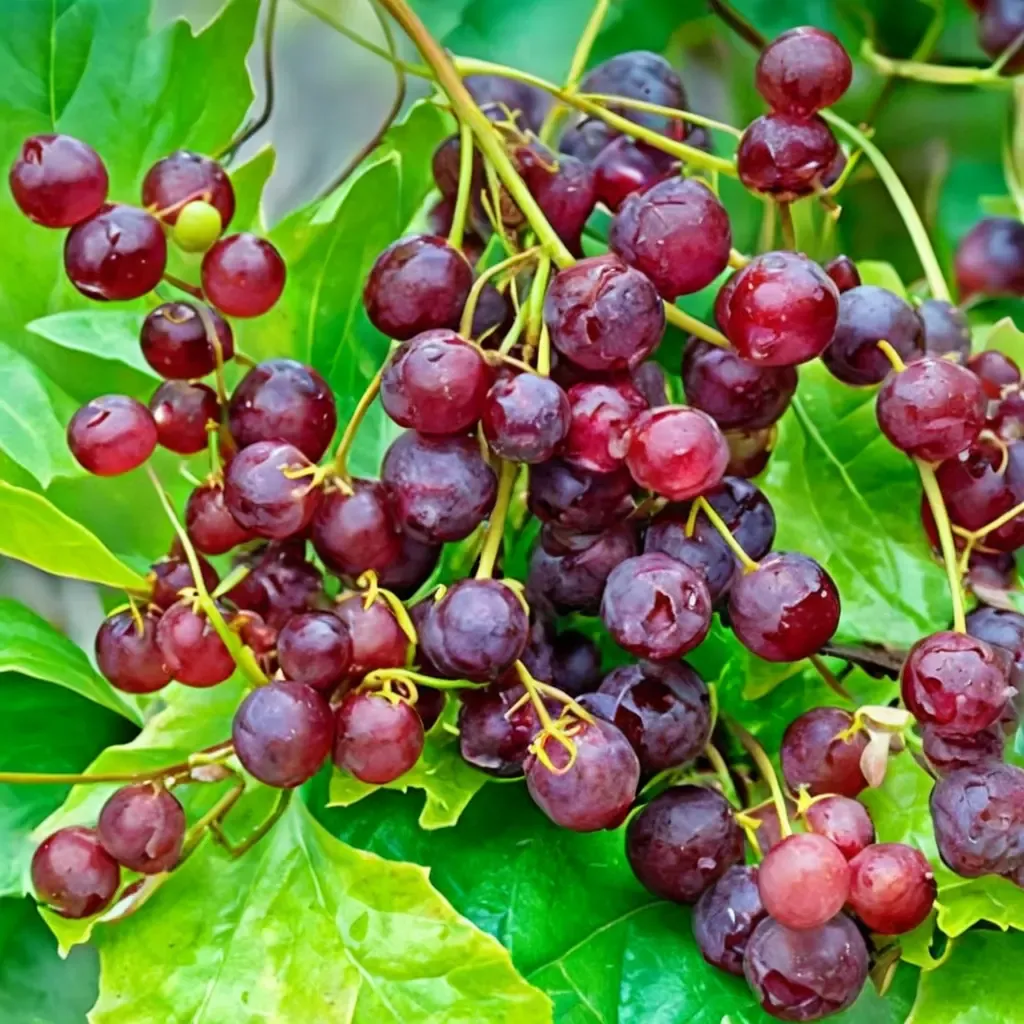
RazzMatazz Grape
Vitis vinifera 'RazzMatazz'
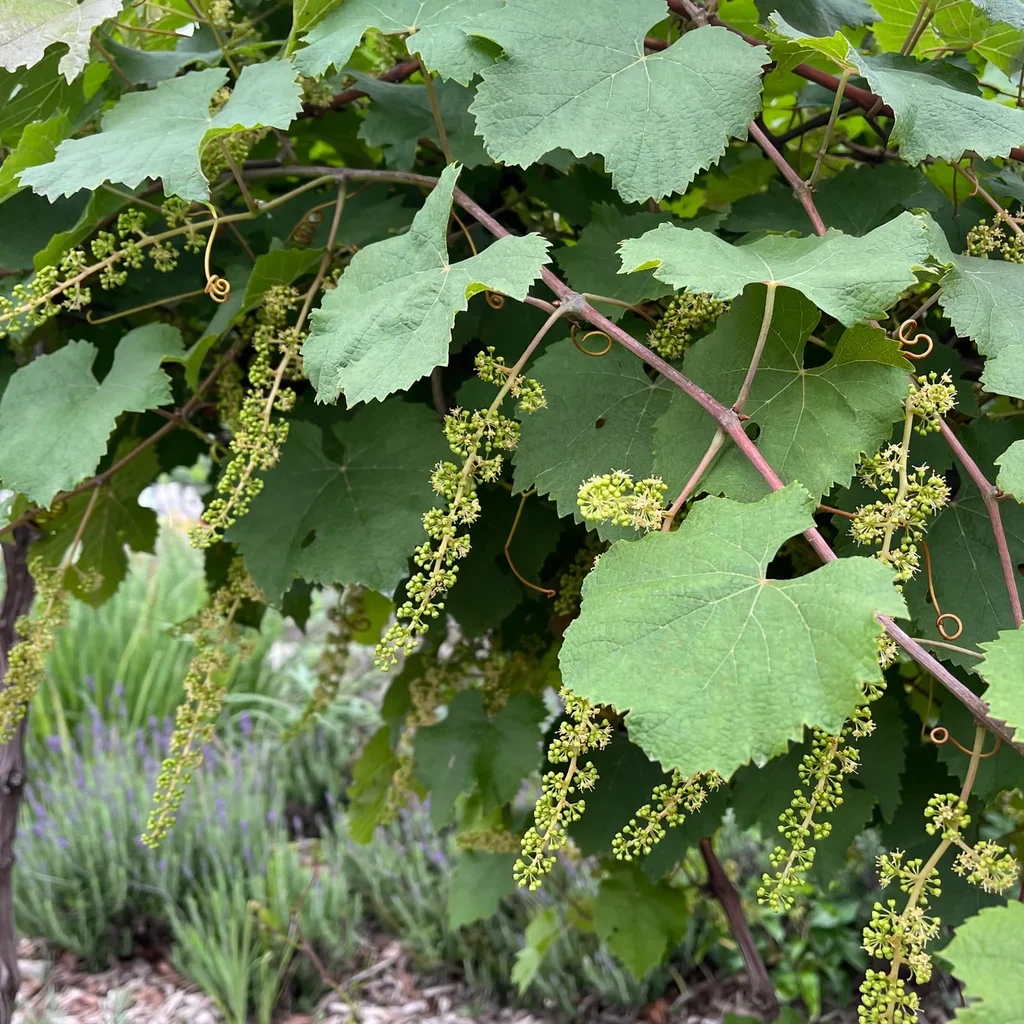
Roger's Red Grape
Vitis x californica 'Roger's Red'
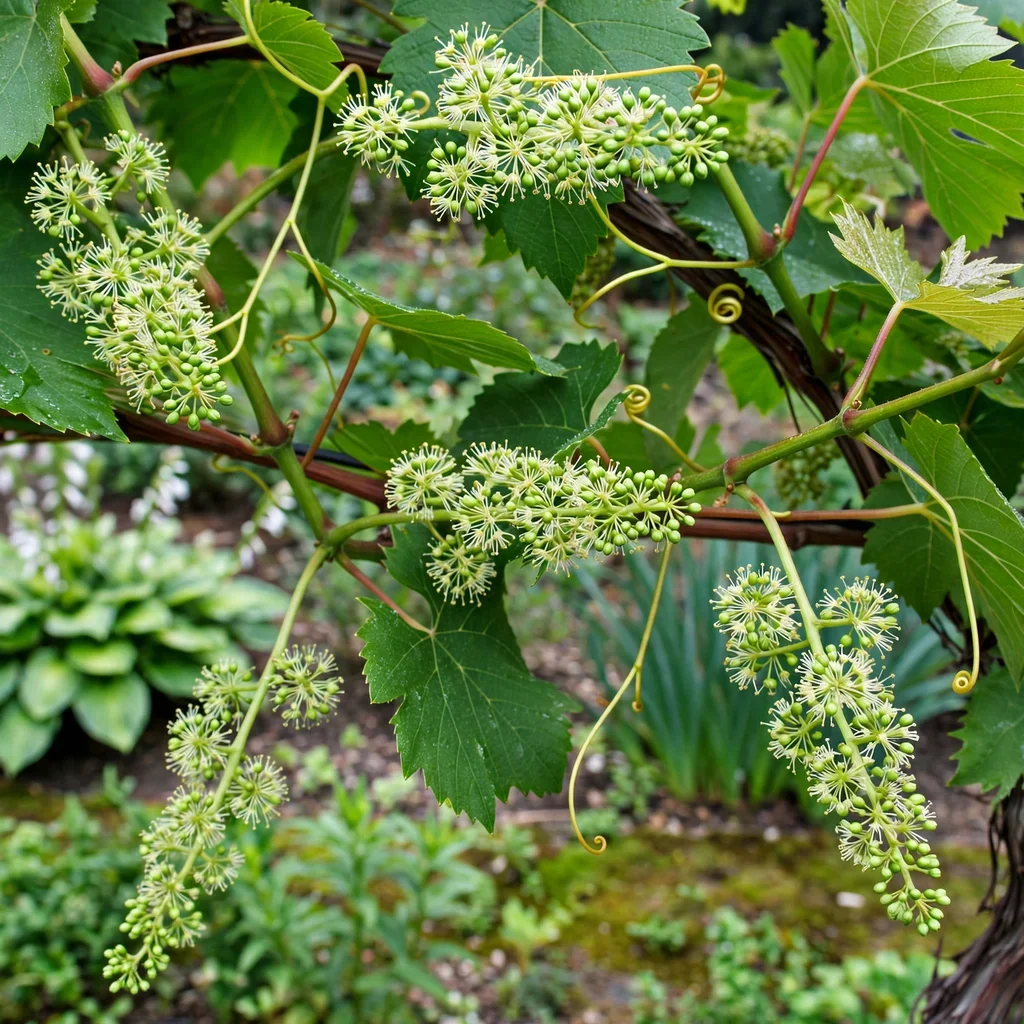
Cabernet Sauvignon Grape
Vitis vinifera 'Cabernet Sauvignon Tulip Blend'
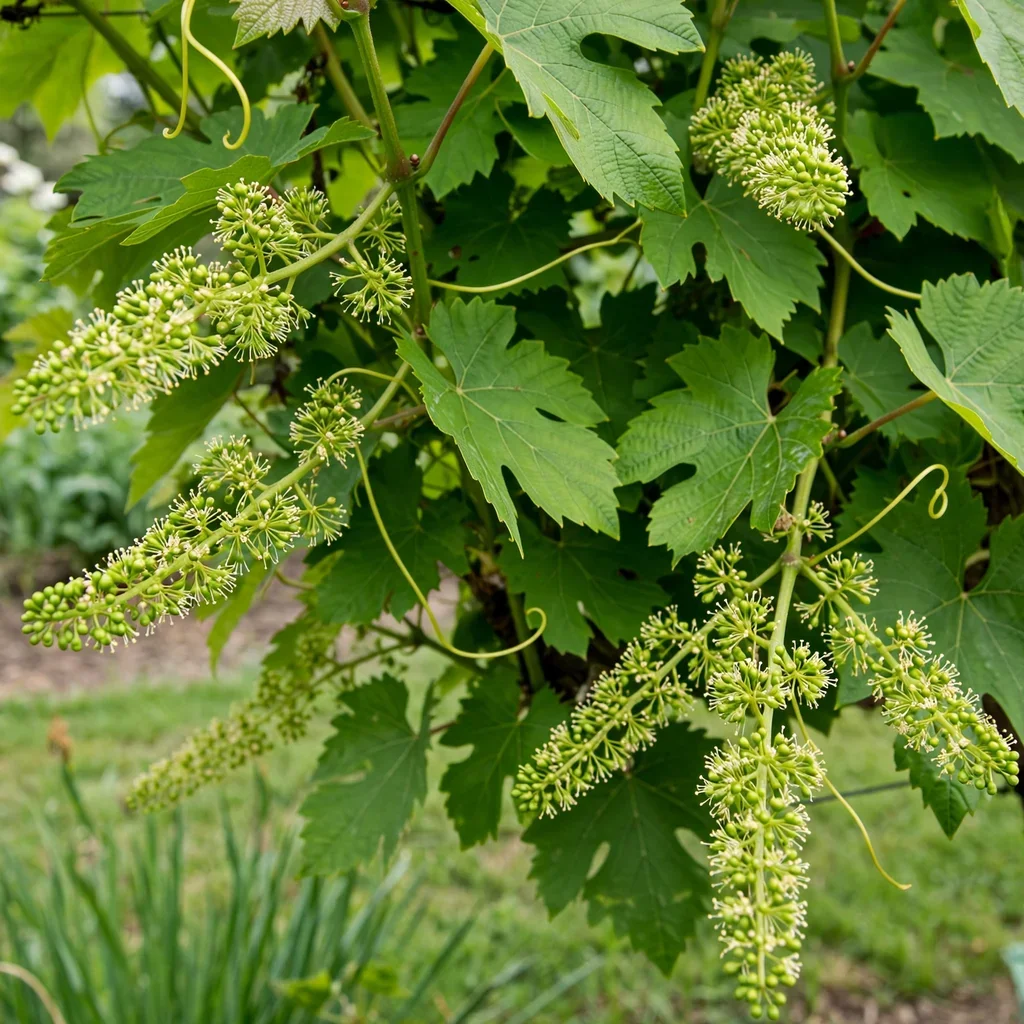
Thompson Seedless Grape
Vitis vinifera 'Thompson Seedless'
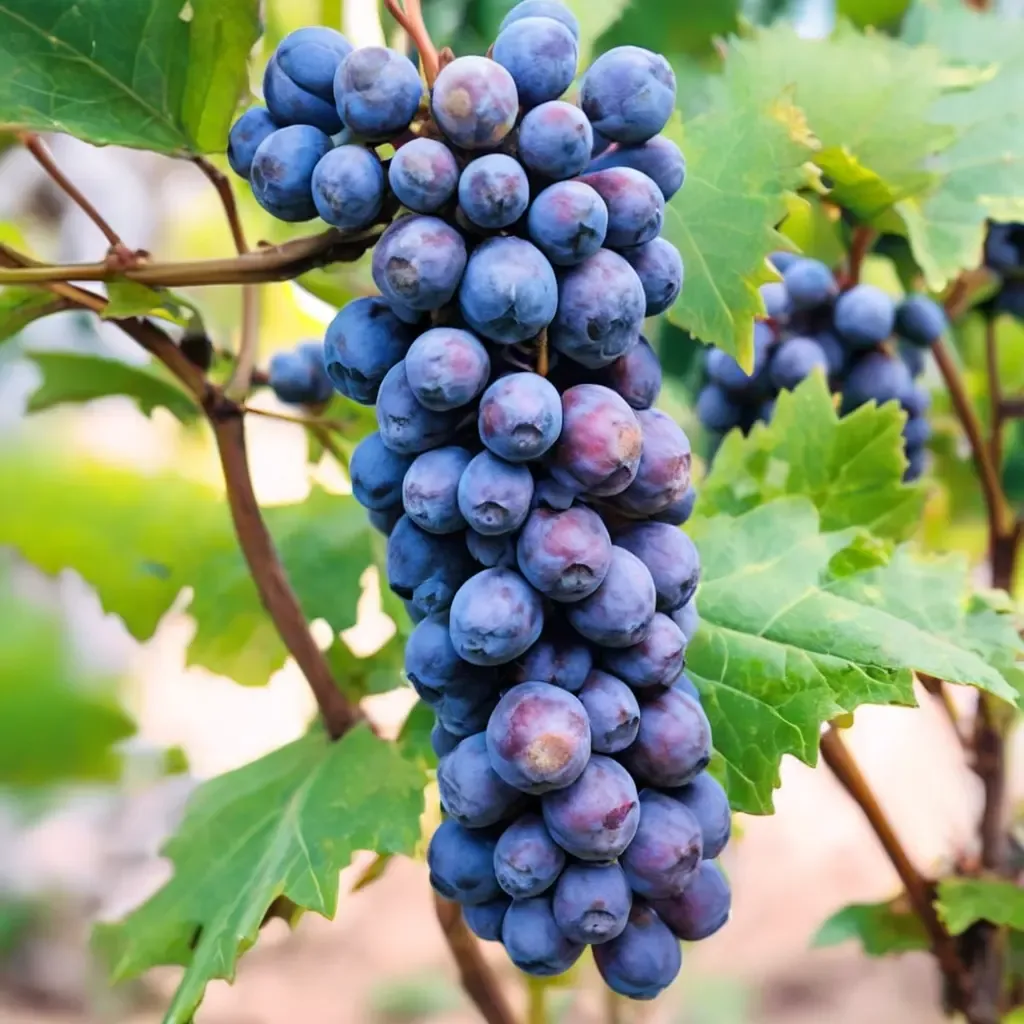
Blue Concord Seedless Grape
Vitis vinifera 'Blue Concord Seedless'
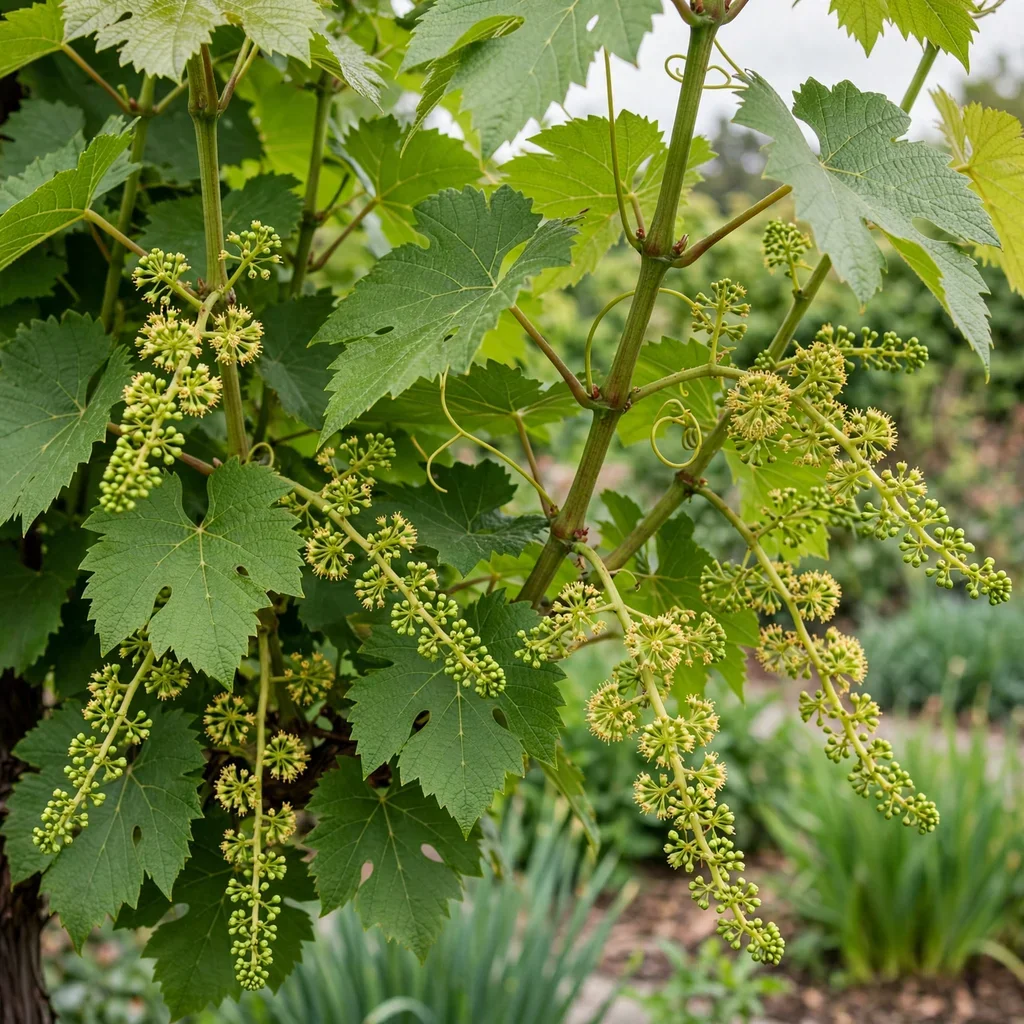
Emeryville Pink Grape
Vitis vinifera 'Emeryville Pink'
Keep exploring
Explore the genus
Hardy in your zone?
Grow Muscadine with confidence
See it in a design of your actual yard, get zone-matched care reminders, and track it season by season in your garden journal.