1 named cultivar
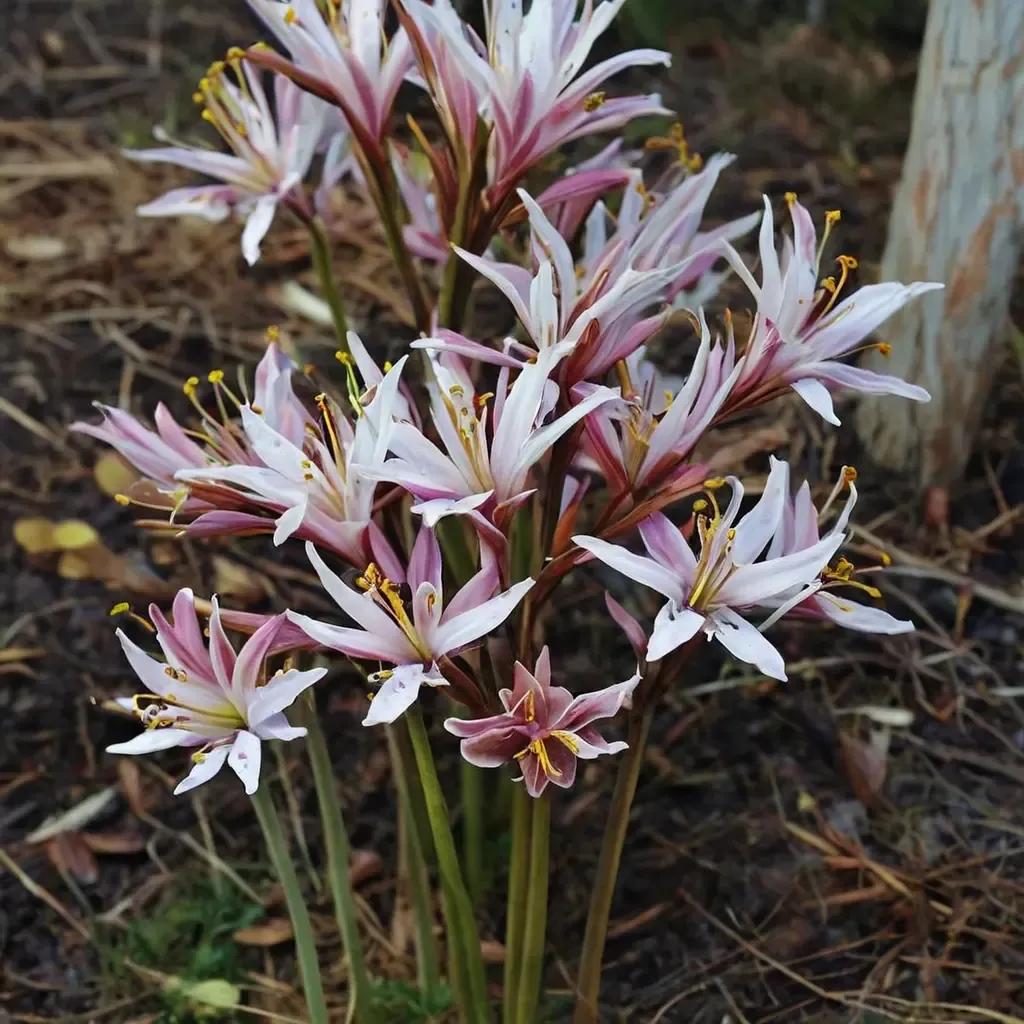
The Story
Plant Bio
Lycoris incarnata, the peppermint spider lily, is a bulbous perennial from China, sending up bare stems eighteen inches to two feet high in September. Each carries a cluster of pink to white trumpet flowers, every segment marked with a contrasting red midvein that gives the striped effect behind the common name. Foliage appears separately.
Like others in the genus it flowers on bare ground with no leaves present, the foliage coming and going at a different season entirely. The red-striped segments are its distinguishing feature and read best close up, so a path edge or a front-of-border position earns more from it than a distant planting would.
Uses & Benefits:
Essentials
At a Glance
Plant Type
Bulb Corm Tuber
Height
21"
Width
21"
Light
Full Sun, Partial Sun
Zones
6, 7, 8, 9
Water
Medium
Humidity
Average
Lifespan
Perennial
Native To
China
Toxicity
Toxic if ingested
Marketplace
Where to Buy
Shipping costs Year-round shipping Free shipping
Planting
How to Grow
- Plant bulbs in autumn, nine inches apart.
- Set the neck of the bulb at or just below soil level.
- Choose moist, organically rich, free-draining sandy loam.
- Site in full sun to light shade.
- Interplant with low ground cover to furnish the bare soil.
- Leave the clump undisturbed once planted.
Pro Tip
Site it where you pass close by; the red midvein striping is what distinguishes this species and it vanishes at a distance.
Keep It Thriving
Care Guide
Do
- Plant bulbs in autumn at the right depth 🍂
- Interplant with low ground cover 🌱
- Site it near a path to see the striping 👀
- Leave the clump undisturbed 🚫
Don't
- Lift or move an established clump ❌
- Plant it in waterlogged ground ❌
- Let children or pets reach the bulbs ❌
Seasonal Care Calendar
| Task | Jan | Feb | Mar | Apr | May | Jun | Jul | Aug | Sep | Oct | Nov | Dec |
|---|---|---|---|---|---|---|---|---|---|---|---|---|
| Enjoy | ||||||||||||
| Plant |
Watch Out For
Pests & Diseases
Common Pests
Common Diseases
In the Garden
Landscape Uses & Companions
Landscape Uses
Multiply
Propagation Methods
Good to Know
Common Questions
Amaryllis questions
What zones can Amaryllis grow in?
Amaryllis is hardy in USDA Zones 6–9. Inside that range it survives winter in the ground; outside it, grow it as an annual or a container plant you protect.
Is Amaryllis deer resistant?
Yes — Amaryllis is rated deer-resistant. Deer typically pass it over, though extreme hunger can override any plant's defenses.
When does Amaryllis bloom?
Amaryllis typically blooms in early fall through early fall. Exact timing shifts a week or two with your zone — Sow's bloom calendar maps it to your garden.
Does Amaryllis need full sun?
Amaryllis does best in full sun to part shade. In hot climates, afternoon shade keeps blooms fresher longer.
Is Amaryllis drought tolerant?
Yes — once established (usually after the first full season), Amaryllis handles dry spells with minimal watering. Water deeply its first year to build the root system that makes that possible.
More Lycoris to compare
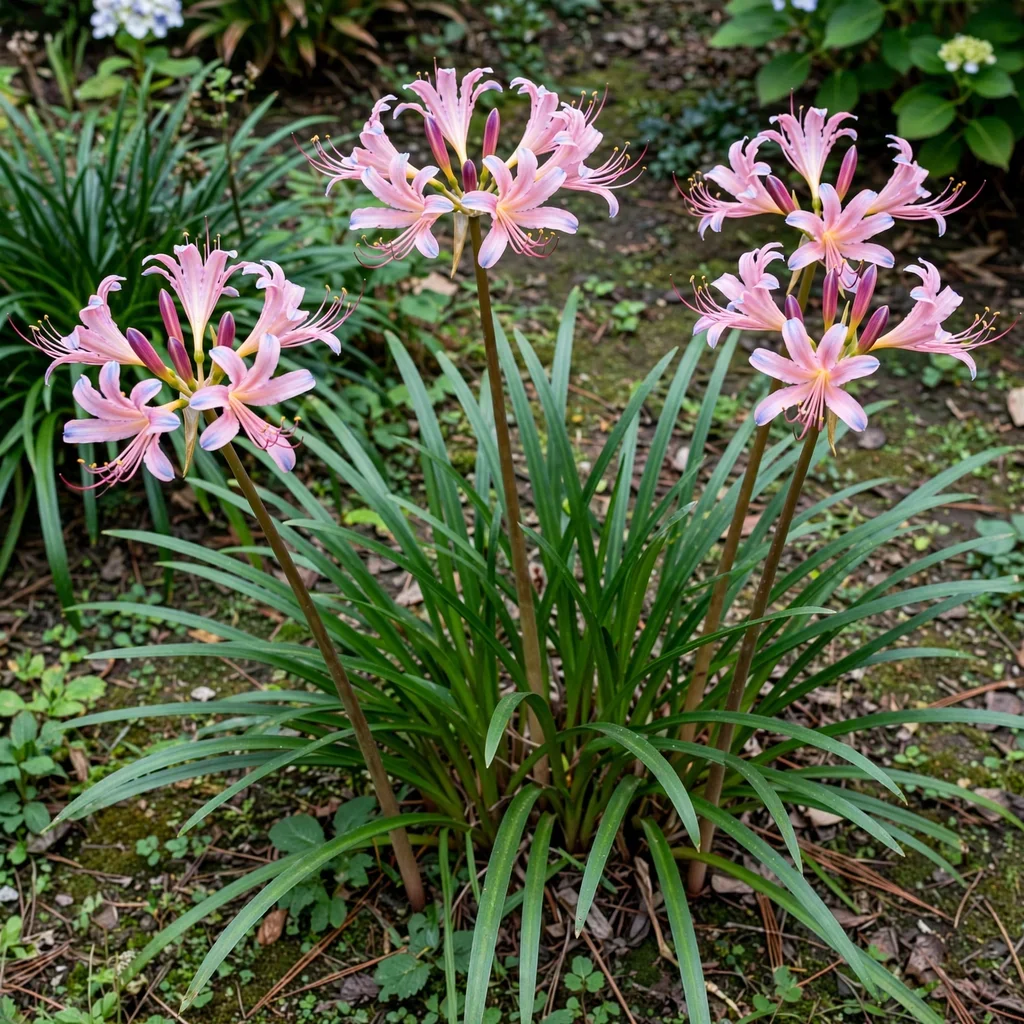
Lycoris x rosea Glenn Dale Gem
Lycoris x rosea 'Glenn Dale Gem'
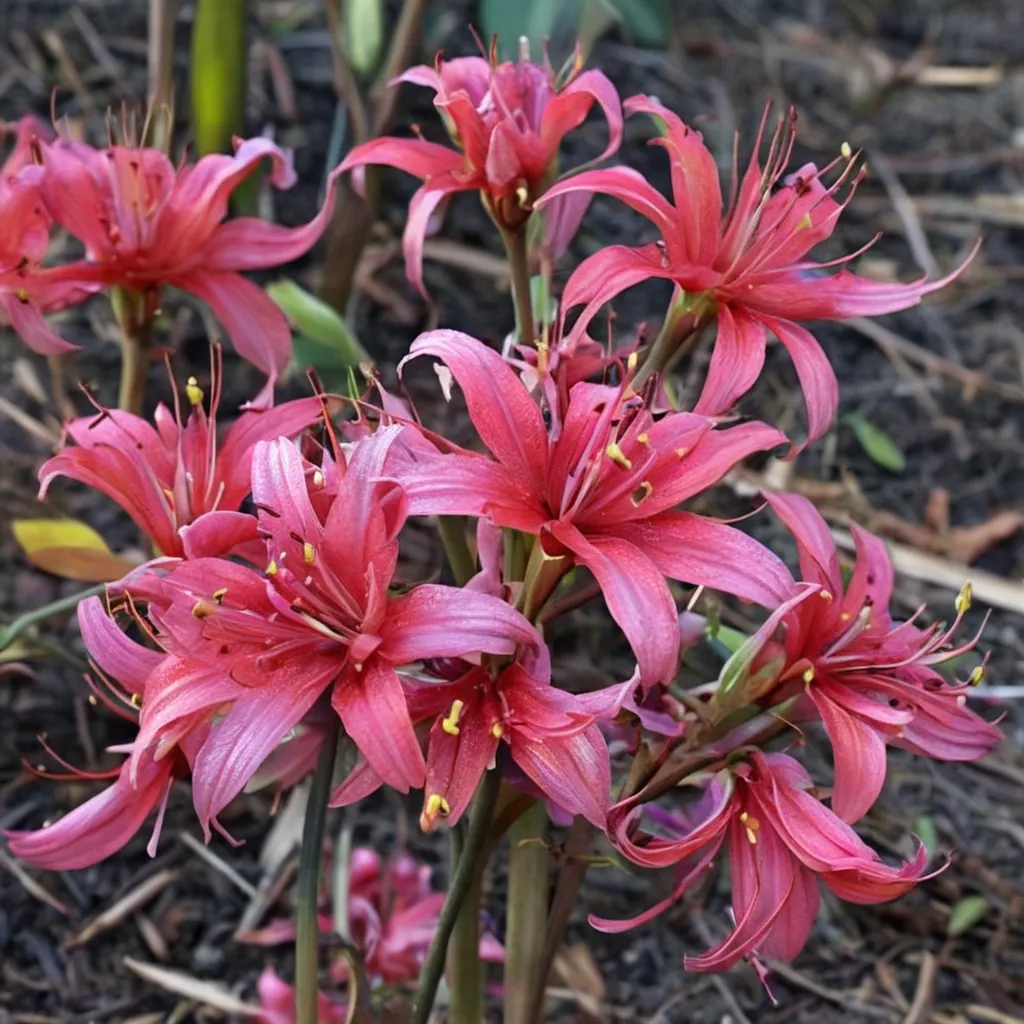
Surprise Lily Lycoris
Lycoris x rosea 'Cherry Crush'
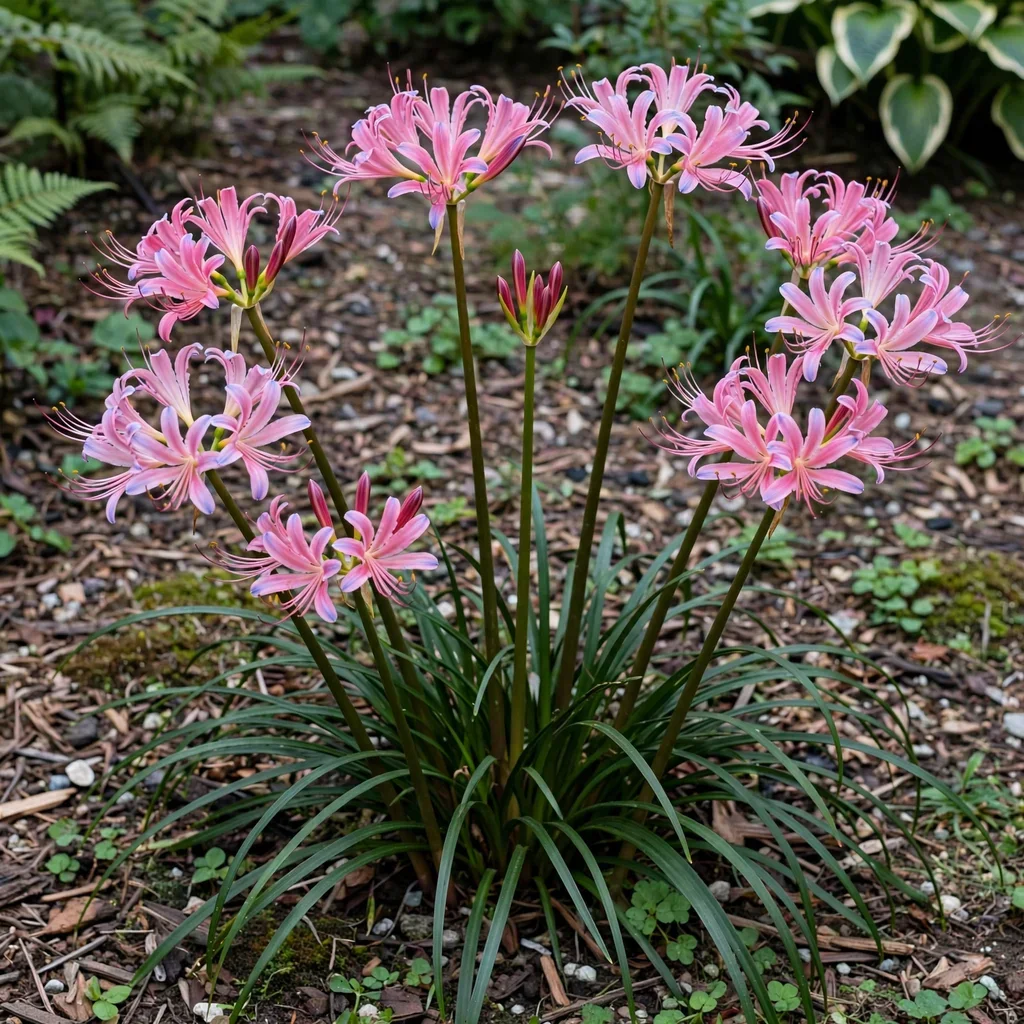
Pink Lycoris
Lycoris x rosea
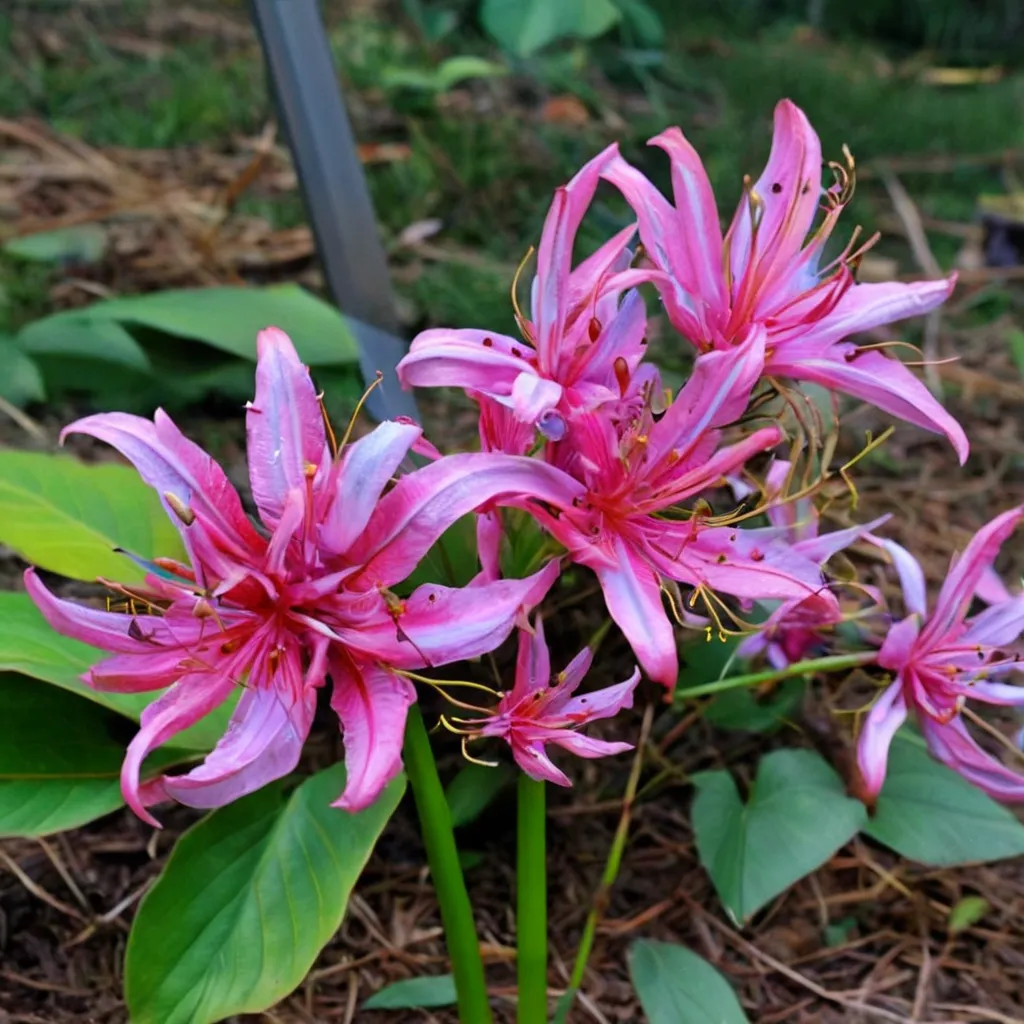
Pink Panther Surprise Lily
Lycoris x rosea 'Pink Panther'
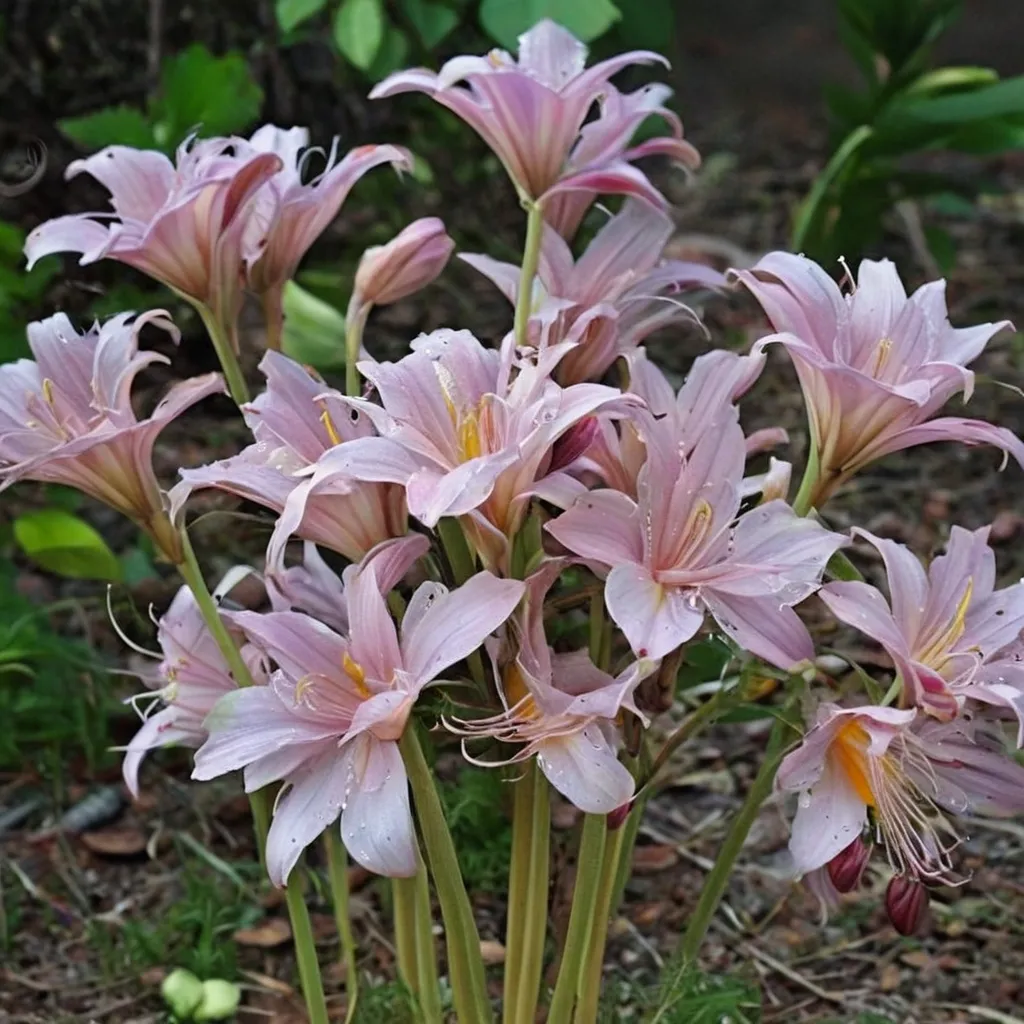
Surprise Lily
Lycoris squamigera
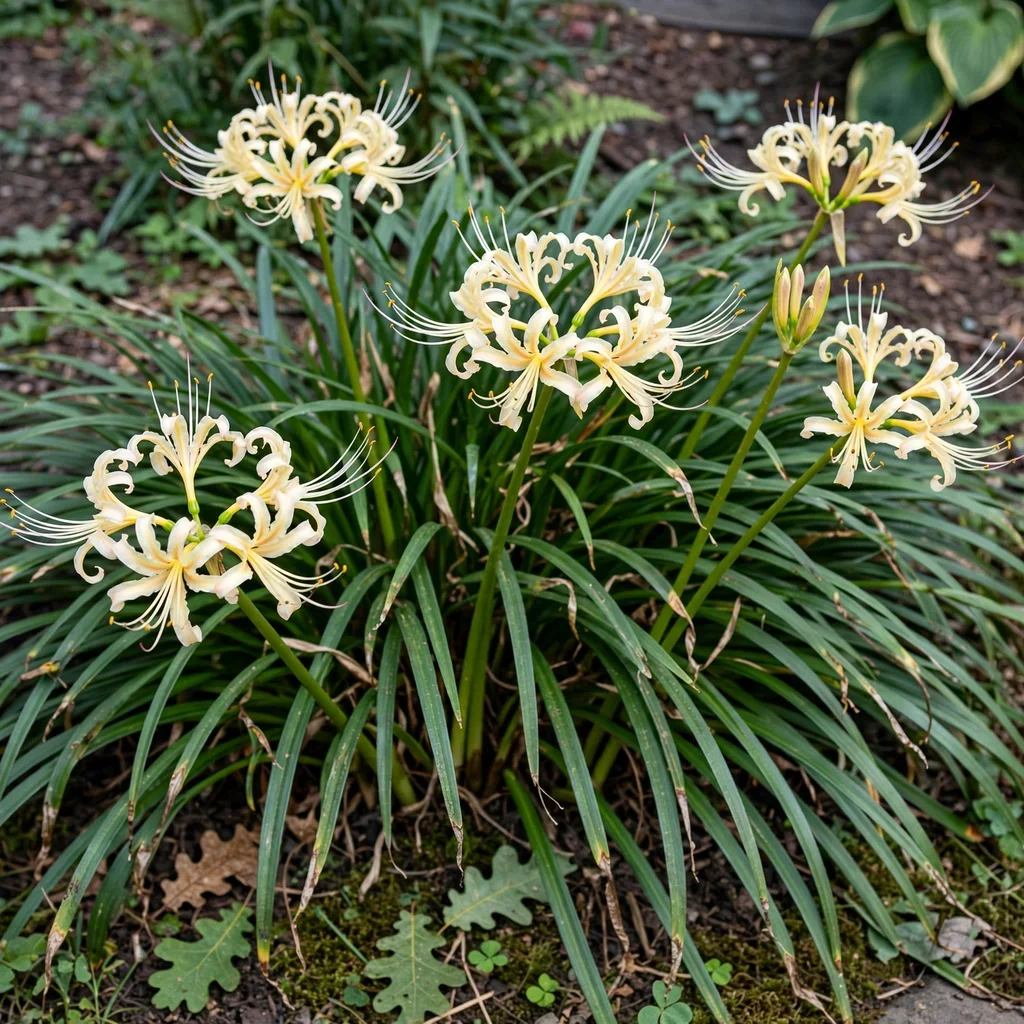
Lycoris x traubiata Buttermint
Lycoris x albiflora 'Buttermint'
Keep exploring
Explore the genus
Hardy in your zone?
Grow Amaryllis with confidence
See it in a design of your actual yard, get zone-matched care reminders, and track it season by season in your garden journal.