1 named cultivar

The Story
Plant Bio
Linaria reticulata, the purple-net toadflax, is a cool-weather annual from northern Africa, growing anywhere from nine inches to four feet depending on the strain. Slim upright stems carry narrow greyish leaves and dense spikes of small snapdragon-like flowers, purple-violet with a yellow blotch on the lower lip, from April into June.
It is a cool-season plant that stops flowering once real heat arrives, so the sowing date decides the display: sown early it flowers for months, sown late it barely performs. Part afternoon shade extends the season in warm regions, which is worth more than any amount of feeding or watering.
Uses & Benefits:
Essentials
At a Glance
Plant Type
Annual
Height
24"
Width
8"
Light
Full Sun, Partial Sun
Zones
5, 6, 7, 8
Water
Medium
Humidity
Average
Lifespan
Annual
Native To
Northern Africa
Toxicity
Non-toxic
Planting
How to Grow
- Sow direct in early spring as soon as the soil works.
- Choose full sun, with part afternoon shade where summers are hot.
- Use evenly moist, well-drained humusy or sandy loam.
- Thin seedlings to a few inches apart.
- Keep the soil evenly moist while plants grow.
- Pull plants once heat ends the display.
Pro Tip
Sow as early as the soil can be worked; a fortnight's delay in spring costs weeks of flowering at the far end.
Keep It Thriving
Care Guide
Do
- Sow as early in spring as possible 🌱
- Give it full sun in cool regions ☀️
- Use part afternoon shade where summers are hot 🌤️
- Keep the soil evenly moist 💧
Don't
- Sow late and expect a long season ❌
- Let the soil dry out while plants are growing ❌
- Expect it to survive real summer heat ❌
Seasonal Care Calendar
| Task | Jan | Feb | Mar | Apr | May | Jun | Jul | Aug | Sep | Oct | Nov | Dec |
|---|---|---|---|---|---|---|---|---|---|---|---|---|
| Clear | ||||||||||||
| Sow |
Watch Out For
Pests & Diseases
Common Pests
Common Diseases
In the Garden
Landscape Uses & Companions
Landscape Uses
Companion Plants
Multiply
Propagation Methods
Good to Know
Common Questions
Toadflax questions
What zones can Toadflax grow in?
Toadflax is hardy in USDA Zones 5–8. Inside that range it survives winter in the ground; outside it, grow it as an annual or a container plant you protect.
Is Toadflax deer resistant?
Yes — Toadflax is rated deer-resistant. Deer typically pass it over, though extreme hunger can override any plant's defenses.
When does Toadflax bloom?
Toadflax typically blooms in mid-spring to early summer through mid-summer. Exact timing shifts a week or two with your zone — Sow's bloom calendar maps it to your garden.
Does Toadflax need full sun?
Toadflax does best in full sun to part shade. In hot climates, afternoon shade keeps blooms fresher longer.
Is Toadflax drought tolerant?
Yes — once established (usually after the first full season), Toadflax handles dry spells with minimal watering. Water deeply its first year to build the root system that makes that possible.
More Linaria to compare
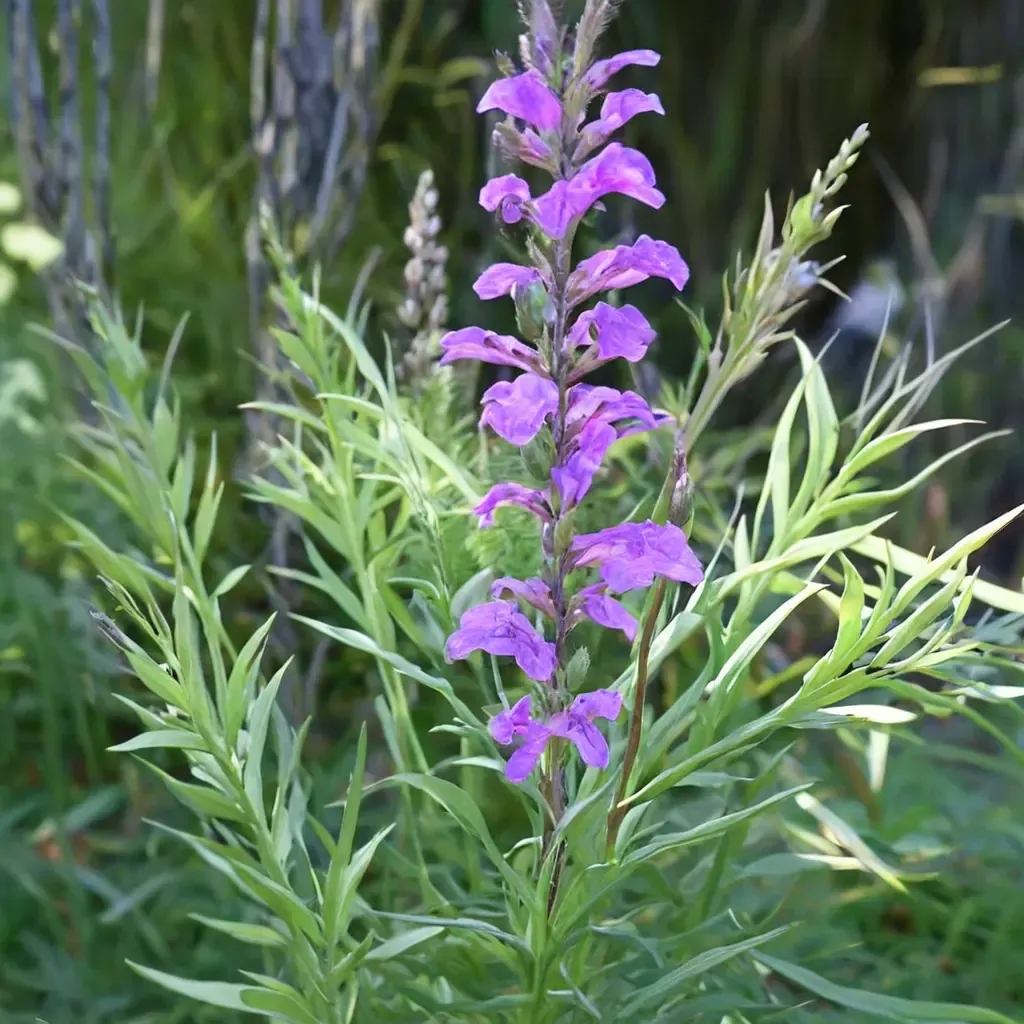
Purple Toadflax
Linaria purpurea
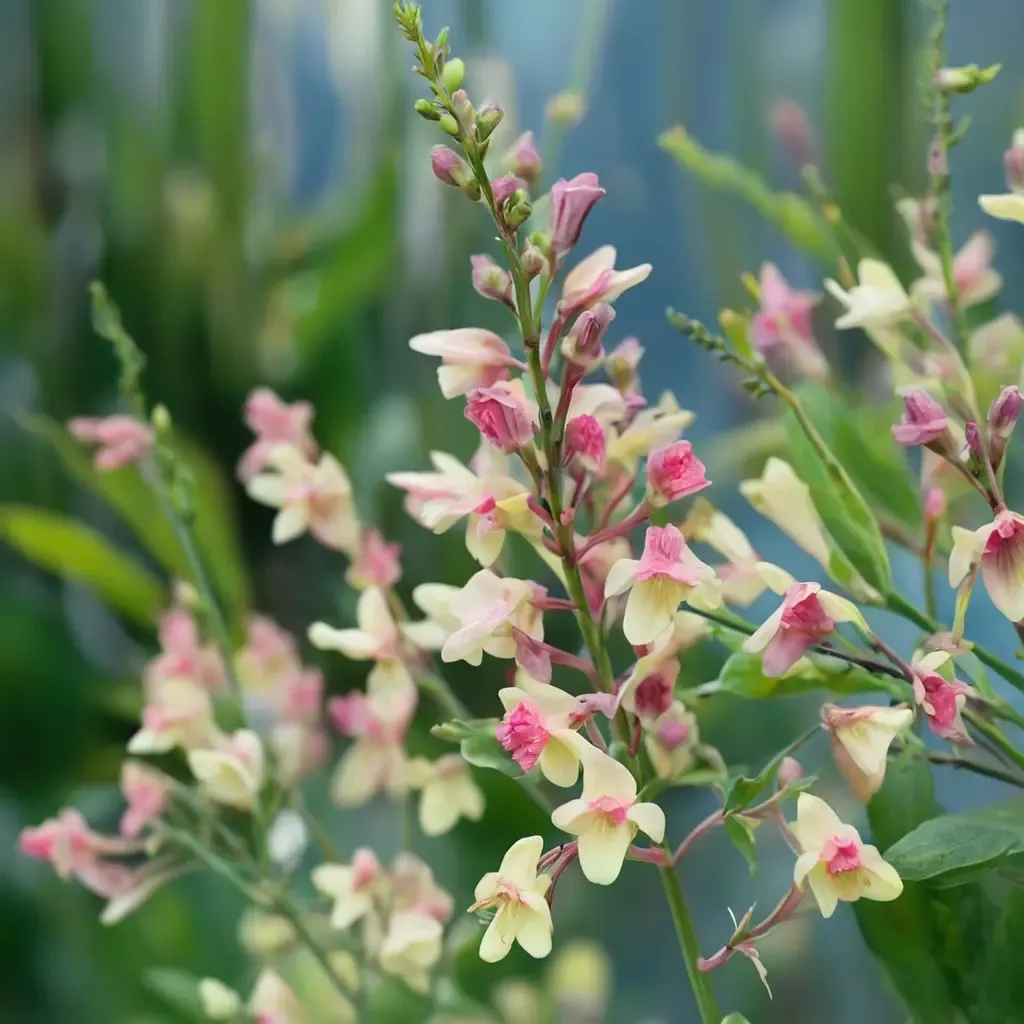
Peachy Purple Toadflax
Linaria purpurea 'Peachy'
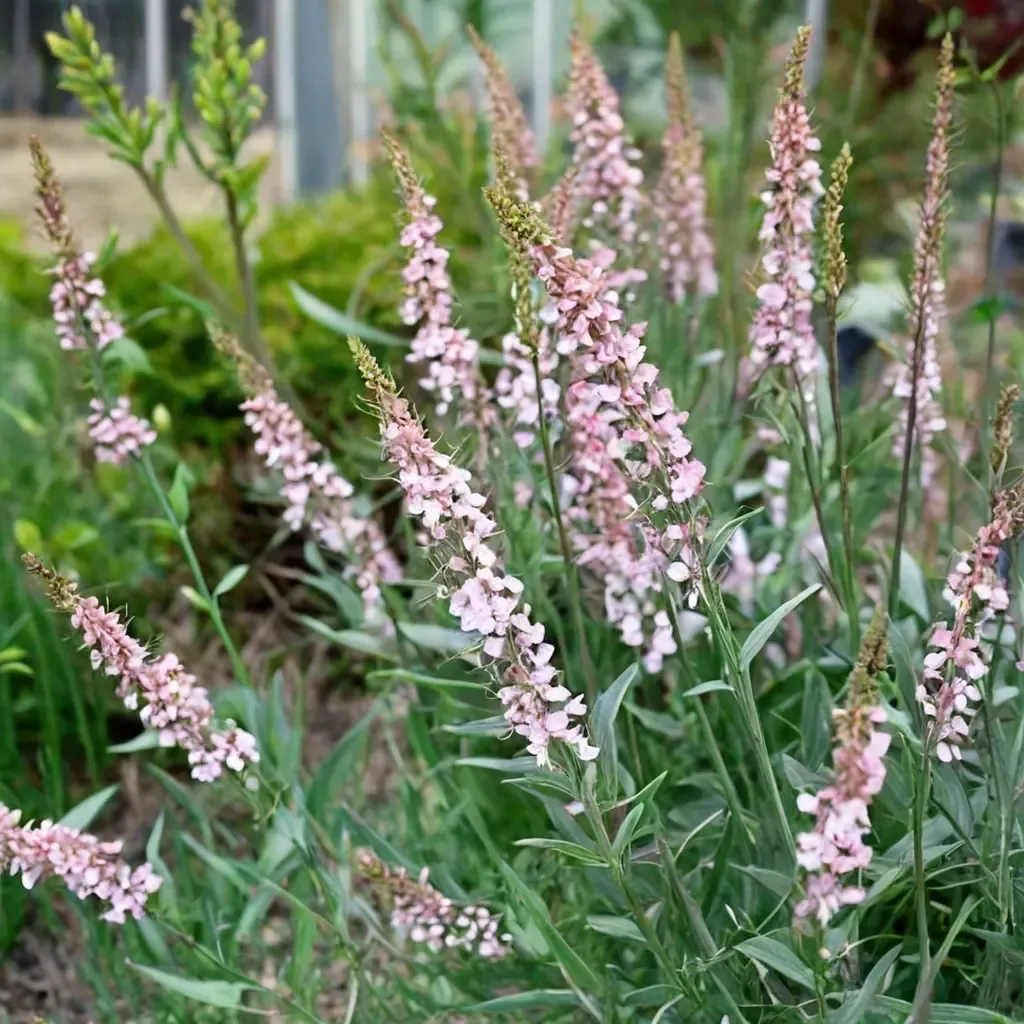
Canon Went Purple Toadflax
Linaria purpurea 'Canon Went'
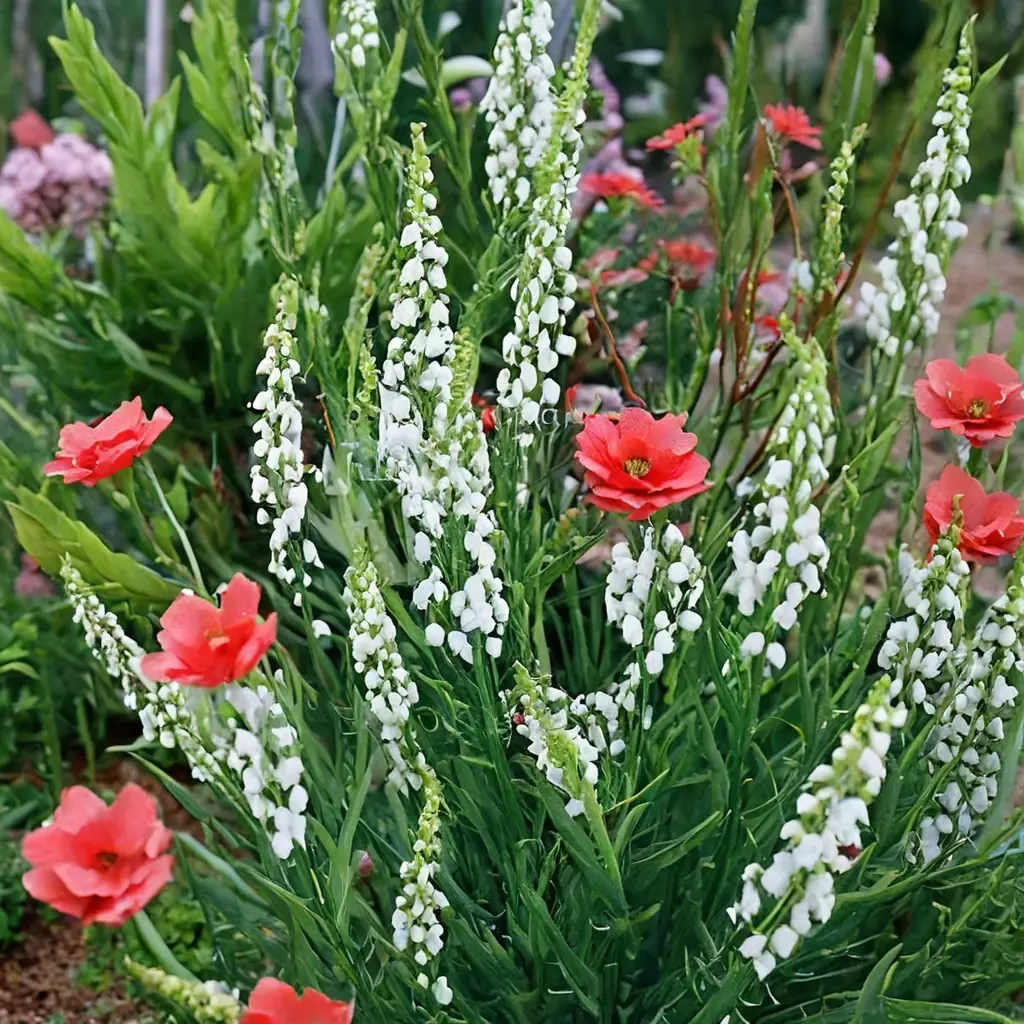
White Toadflax
Linaria purpurea 'Alba'
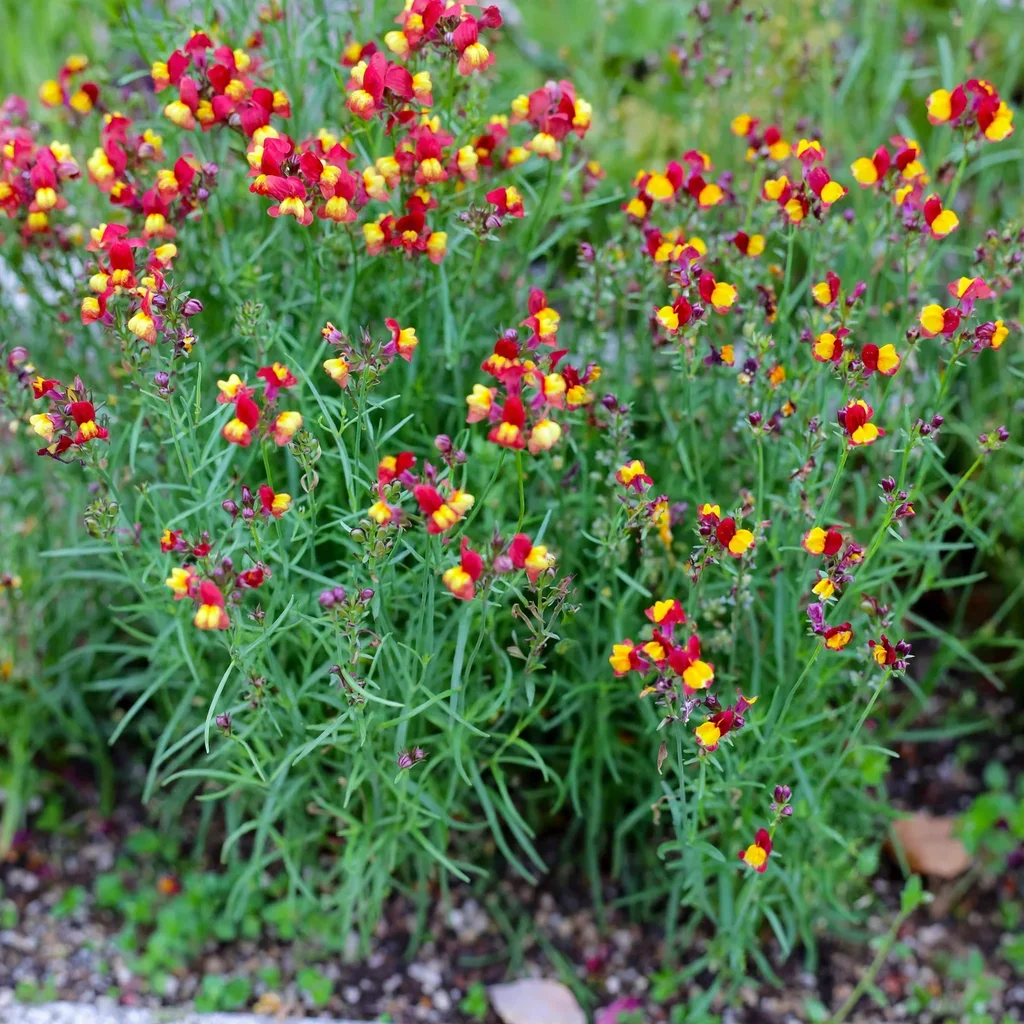
Flamenco Toadflax
Linaria reticulata 'Flamenco'
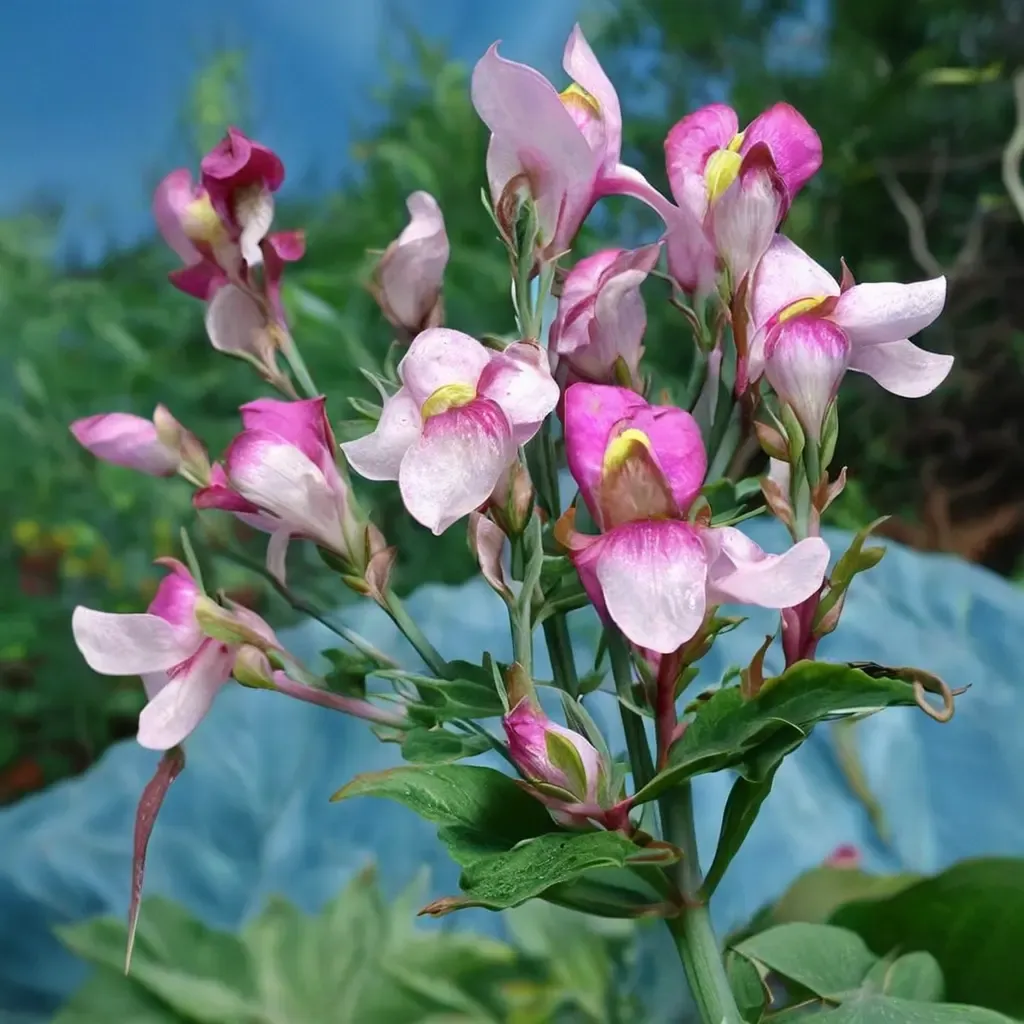
Three Birds Toadflax
Linaria triornithophora
Keep exploring
Explore the genus
Hardy in your zone?
Grow Toadflax with confidence
See it in a design of your actual yard, get zone-matched care reminders, and track it season by season in your garden journal.