The Story
Plant Bio
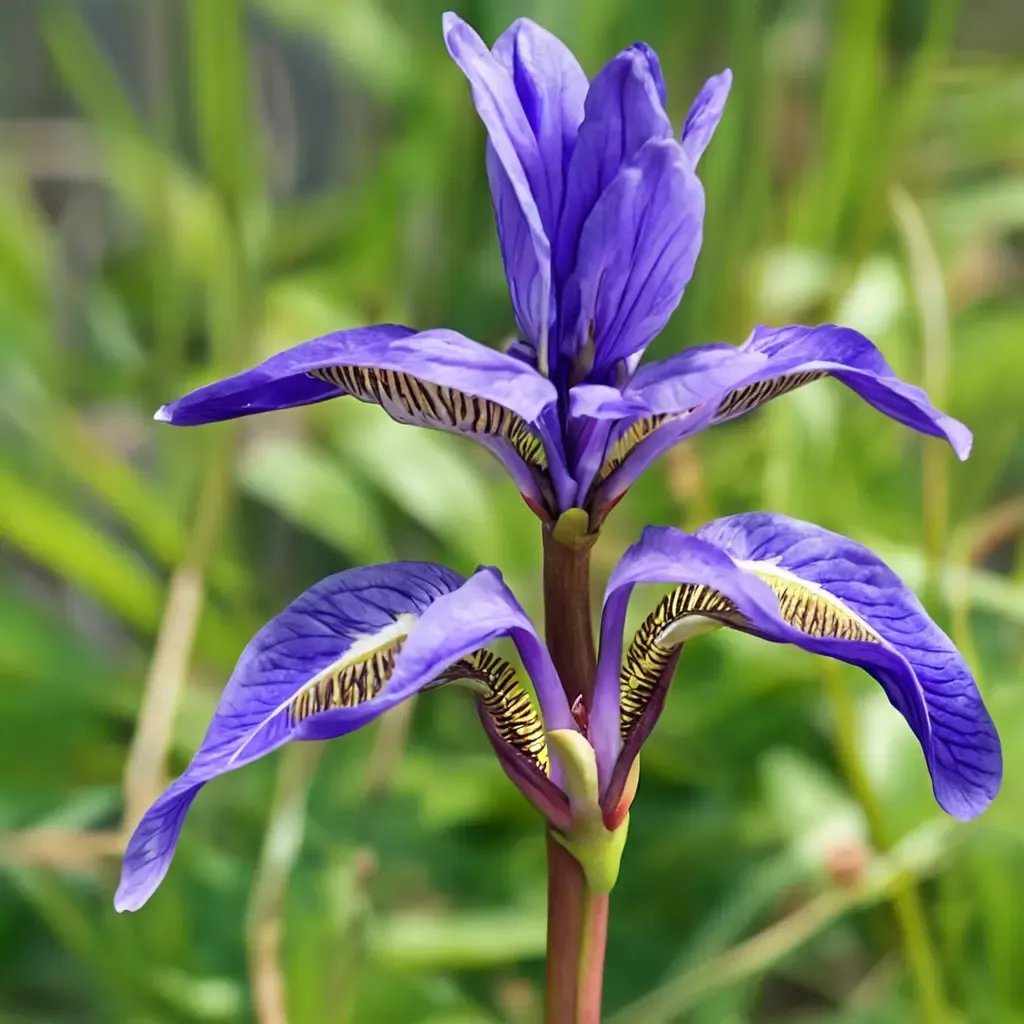
Iris iris is known for its striking flowers, often with intricate patterns and vibrant colors. They are commonly found in temperate regions and thrive in a variety of soil types.
This species is versatile in terms of soil preference and is known for its ability to tolerate wet conditions, making it suitable for rain gardens.
Uses & Benefits:
Essentials
At a Glance
Plant Type
Perennial
Height
24"
Width
18"
Light
Full Sun, Partial Sun
Zones
4, 5, 6, 7, 8
Water
Moderate
Humidity
Average
Lifespan
Many years with proper care
Native To
Europe and Asia
Toxicity
Non-toxic to humans and pets
Bloom period
Late spring – Early summer
In flower about 2 months of the year
Planting
How to Grow
- Tuck rhizomes 2 inches deep in well-draining soil.
- Plant in full sun for best blooms.
- Water regularly during active growth, avoid overwatering.
- Fertilize with a balanced fertilizer in early spring.
- Divide clumps every 3-4 years in late summer or early fall.
- Mulch to retain moisture and suppress weeds.
Pro Tip
Ensure good drainage to prevent rhizome rot and promote healthy growth.
Keep It Thriving
Care Guide
Do
- Plant in full sun for vibrant blooms 🌞
- Water during dry spells to keep soil moist
- Fertilize annually with a balanced fertilizer
- Divide every 3-4 years for vigorous growth
- Remove spent blooms to encourage more flowers
Don't
- Avoid overwatering, which can cause rhizome rot ❌
- Don’t plant in poorly drained soil
- Refrain from disturbing the rhizomes during flowering
- Do not fertilize with high nitrogen in late season
- Avoid pruning in late fall to protect the crown
Seasonal Care Calendar
| Task | Jan | Feb | Mar | Apr | May | Jun | Jul | Aug | Sep | Oct | Nov | Dec |
|---|---|---|---|---|---|---|---|---|---|---|---|---|
| Deadhead | ||||||||||||
| Divide | ||||||||||||
| Fertilize | ||||||||||||
| Pest Check | ||||||||||||
| Spring Cleanup |
Watch Out For
Pests & Diseases
Common Pests
Common Diseases
In the Garden
Landscape Uses & Companions
Landscape Uses
Companion Plants
Multiply
Propagation Methods
Good to Know