The Story
Plant Bio
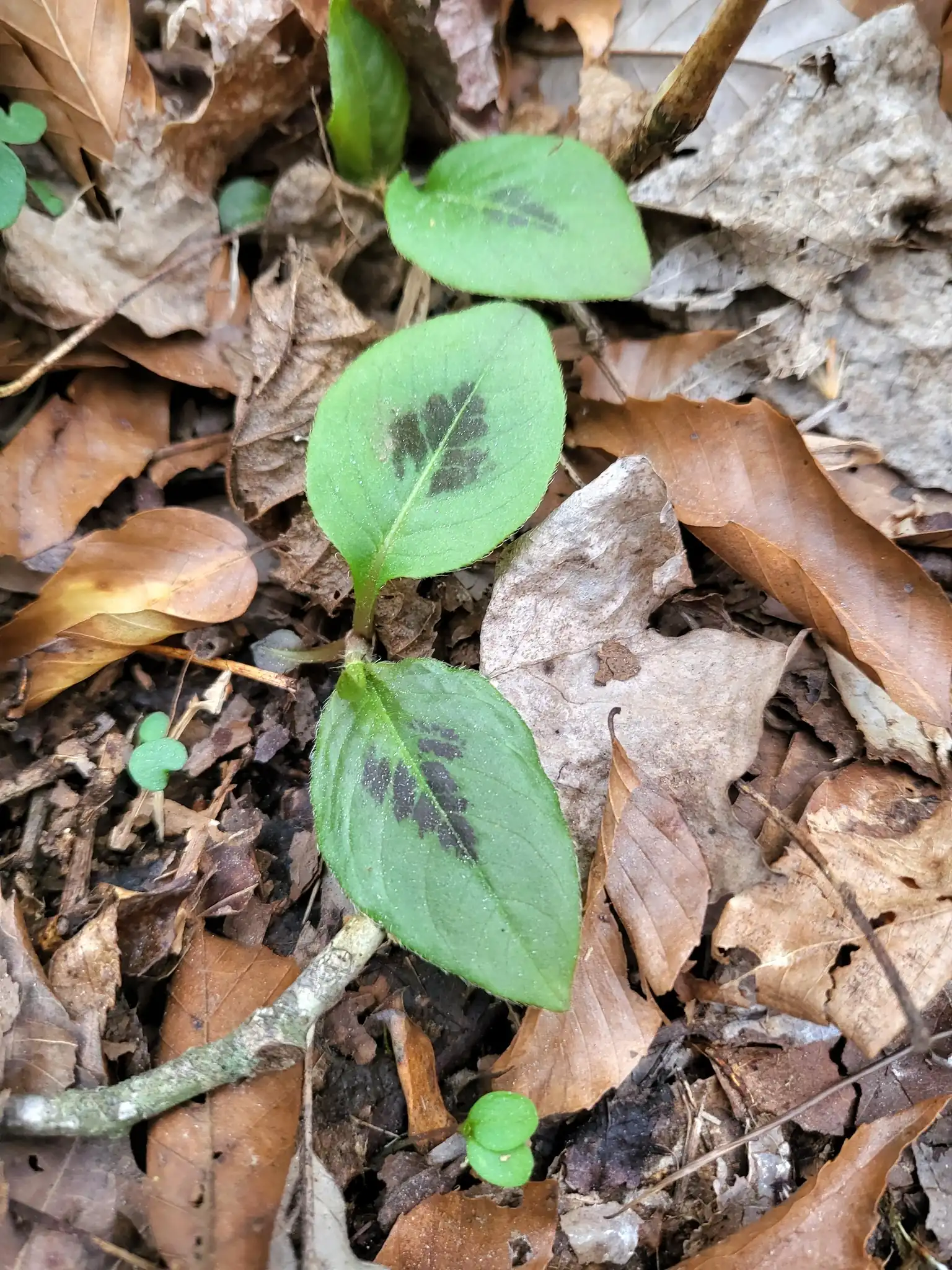
Persicaria virginiana is a clumping, rhizomatous herbaceous perennial native to eastern and central North American woodlands, reaching heights of two to three feet. It features broad, medium green oval leaves up to six inches long along arching stems with swollen nodes enclosed by bristly sheath membranes.
The species is distinguished by its tiny white to greenish-white flowers sparsely arranged on slender, wand-like spikes up to sixteen inches long from mid-summer to early fall. Cultivars like 'Lance Corporal' display ornamental foliage marked with dark reddish-brown chevrons or cream variegation.
Uses & Benefits:
Essentials
At a Glance
Plant Type
Perennial
Height
36"
Width
48"
Light
Partial Sun, Shade
Zones
4, 5, 6, 7, 8
Water
Consistently moist
Humidity
High
Lifespan
Perennial
Native To
North America
Toxicity
Non-toxic
Bloom period
Summer – Fall
In flower about 6 months of the year
Planting
How to Grow
- Select a planting site in partial to full shade with rich, organic, loamy soil.
- Amend the soil with compost to mimic a natural woodland floor and ensure consistent moisture.
- Space plants 36 to 48 inches apart to accommodate their spreading, clumping habit.
- Water regularly to keep the soil moist, especially during hot summer dry spells.
Pro Tip
Clip off the spent flower spikes before they set seed to prevent aggressive self-seeding in moist garden beds.
Keep It Thriving
Care Guide
Do
- Mulch around the base annually with leaf mold or compost to retain soil moisture.
- Cut dead stems back to ground level in late winter before new spring growth emerges.
- Divide established clumps in early spring to control spread or propagate new plants.
Don't
- Do not allow the soil to dry out completely, as drought causes premature dormancy.
- Avoid applying heavy chemical fertilizers, which can lead to weak, floppy growth.
- Do not plant in full sun unless the soil remains consistently wet.
Seasonal Care Calendar
| Task | Jan | Feb | Mar | Apr | May | Jun | Jul | Aug | Sep | Oct | Nov | Dec |
|---|---|---|---|---|---|---|---|---|---|---|---|---|
| Deadhead | ||||||||||||
| Divide | ||||||||||||
| Fertilize | ||||||||||||
| Spring Cleanup |
Watch Out For
Pests & Diseases
Common Pests
Common Diseases
In the Garden
Landscape Uses & Companions
Landscape Uses
Companion Plants
Multiply
Propagation Methods
Good to Know
Common Questions
Jumpseed questions
What zones can Jumpseed grow in?
Jumpseed is hardy in USDA Zones 4–8. Inside that range it survives winter in the ground; outside it, grow it as an annual or a container plant you protect.
Is Jumpseed deer resistant?
Yes — Jumpseed is rated deer-resistant. Deer typically pass it over, though extreme hunger can override any plant's defenses.
When does Jumpseed bloom?
Jumpseed typically blooms in summer through fall. Exact timing shifts a week or two with your zone — Sow's bloom calendar maps it to your garden.
Does Jumpseed need full sun?
Jumpseed does best in part shade.
More Persicaria to compare
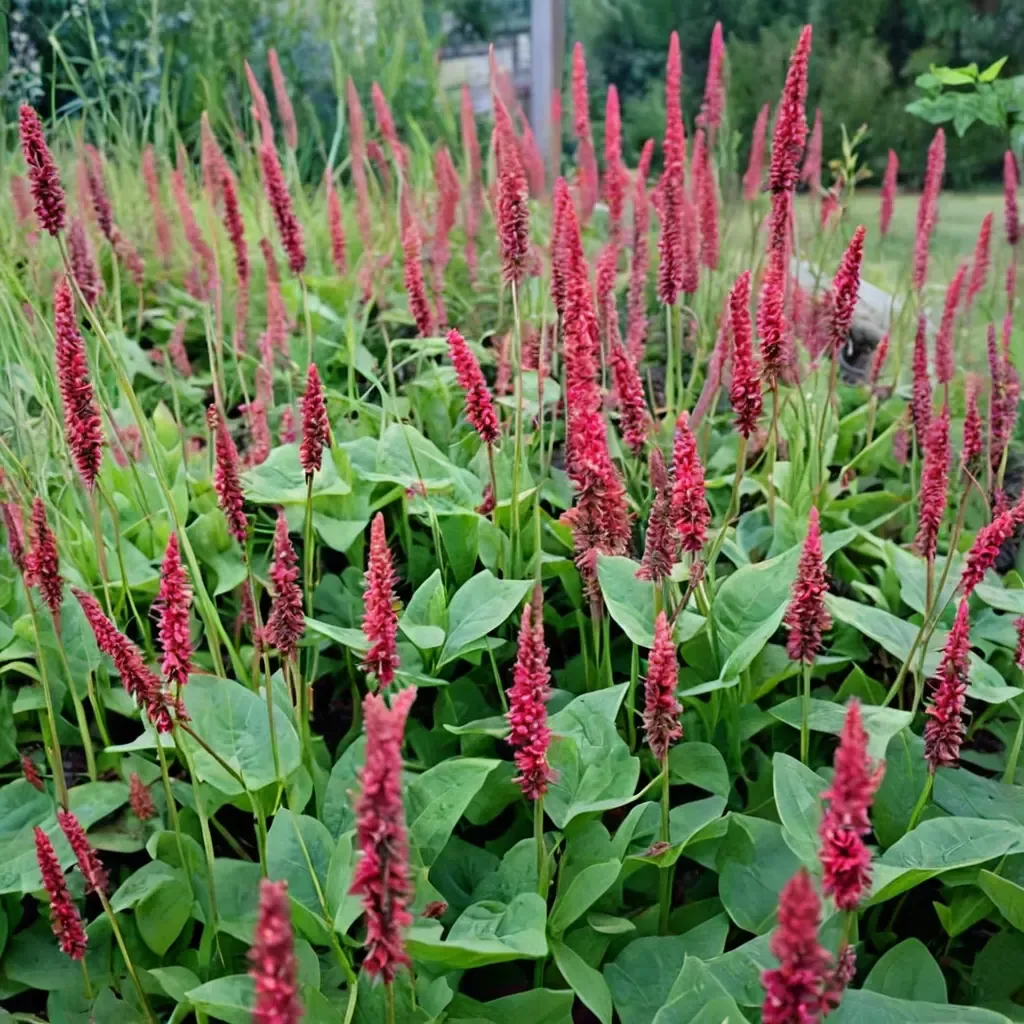
Mountain Fleece Chinese Fleeceflower
Persicaria amplexicaulis
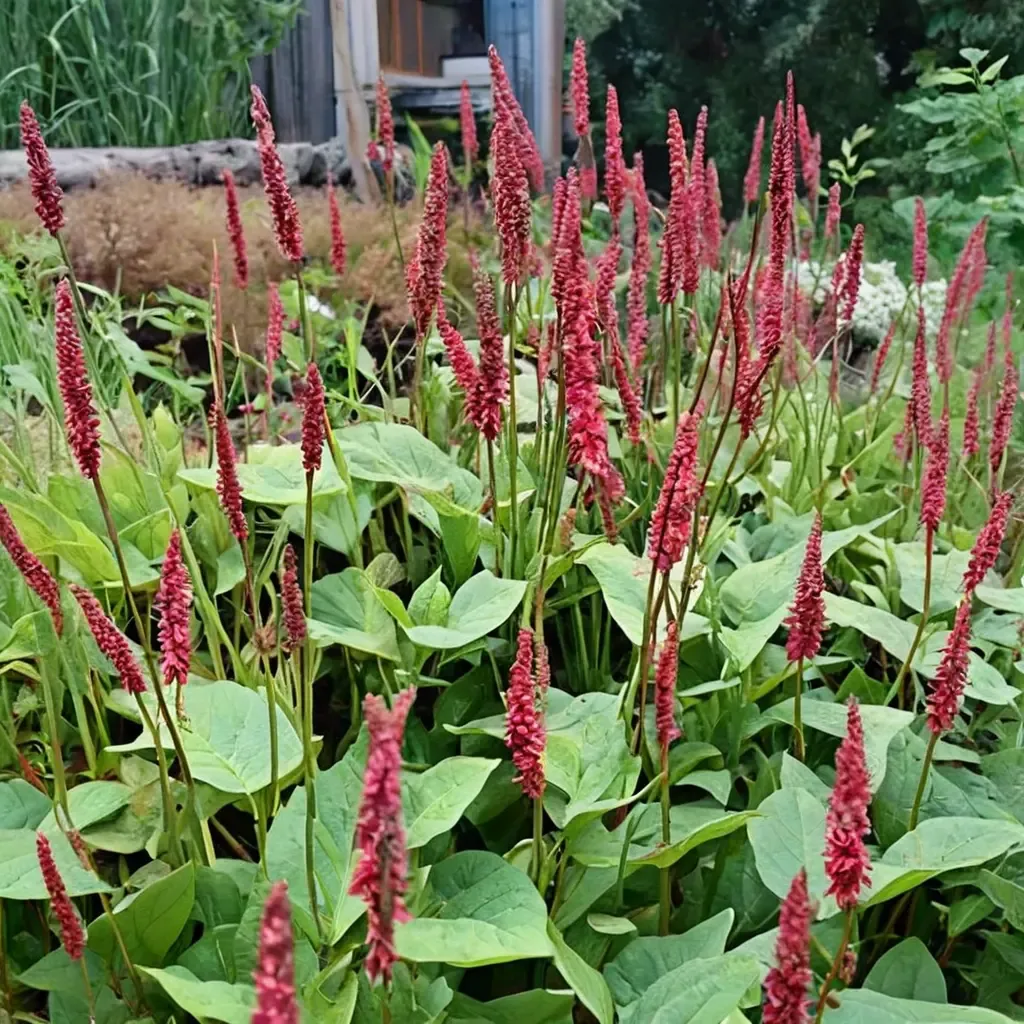
Mountain Fleece 'Firetail'
Persicaria amplexicaulis 'Firetail'
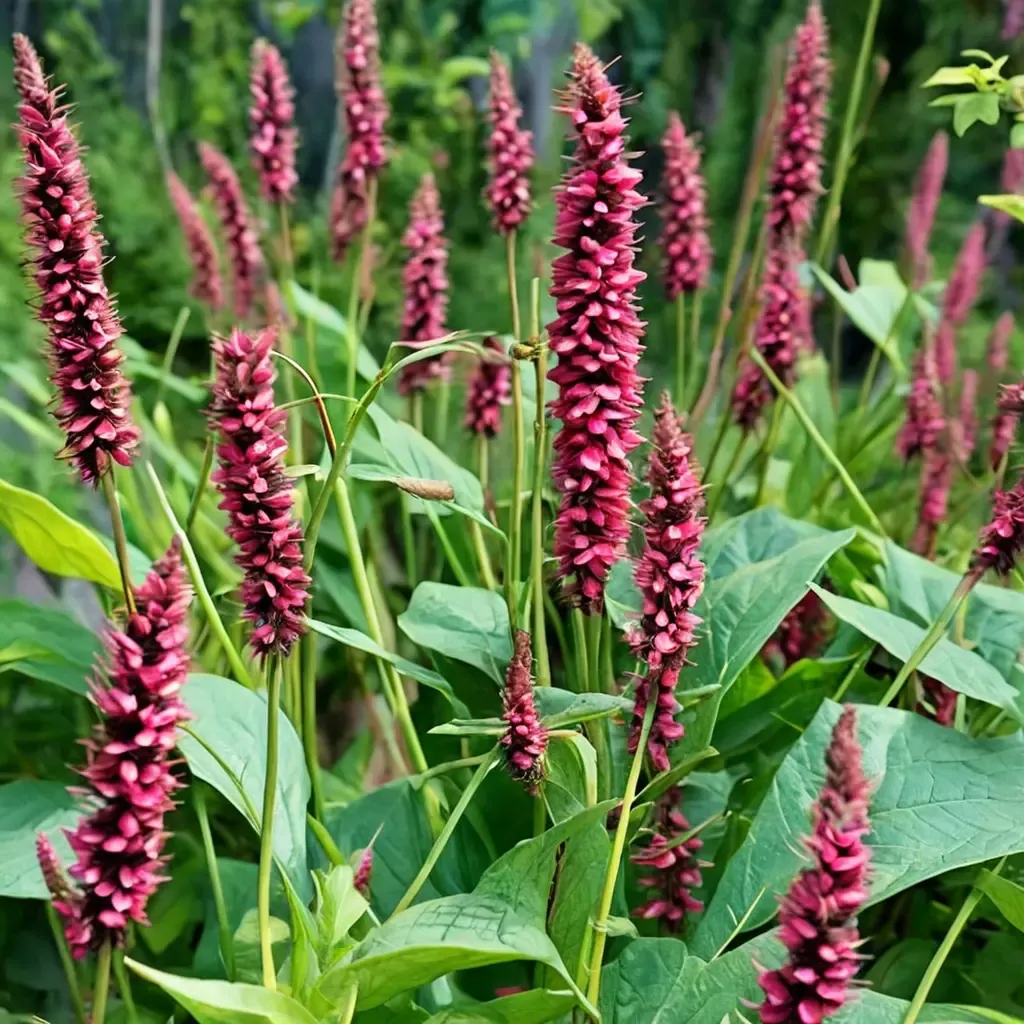
Taurus Mountain Fleece
Persicaria amplexicaulis 'Taurus'
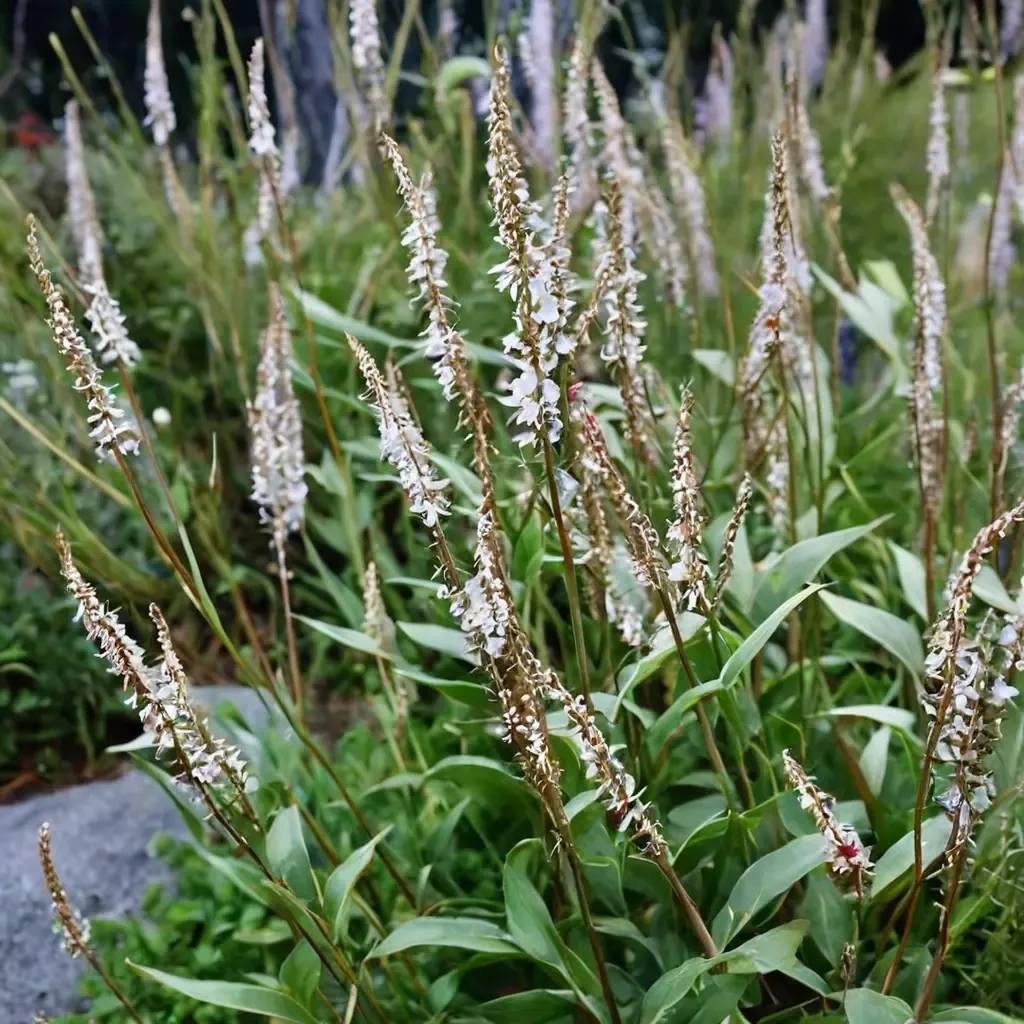
White Mountain Knotweed
Persicaria amplexicaulis 'Alba'
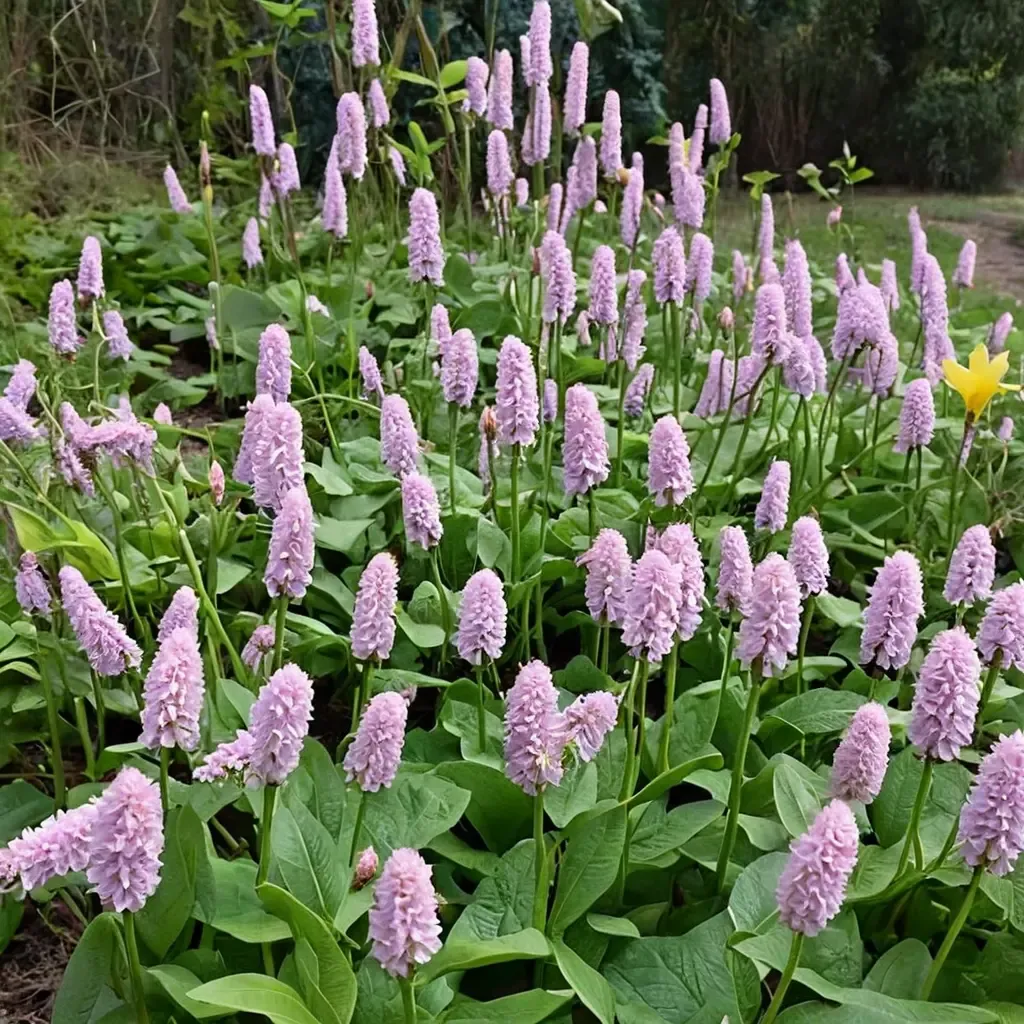
Superba bistort
Persicaria bistorta 'Superba'
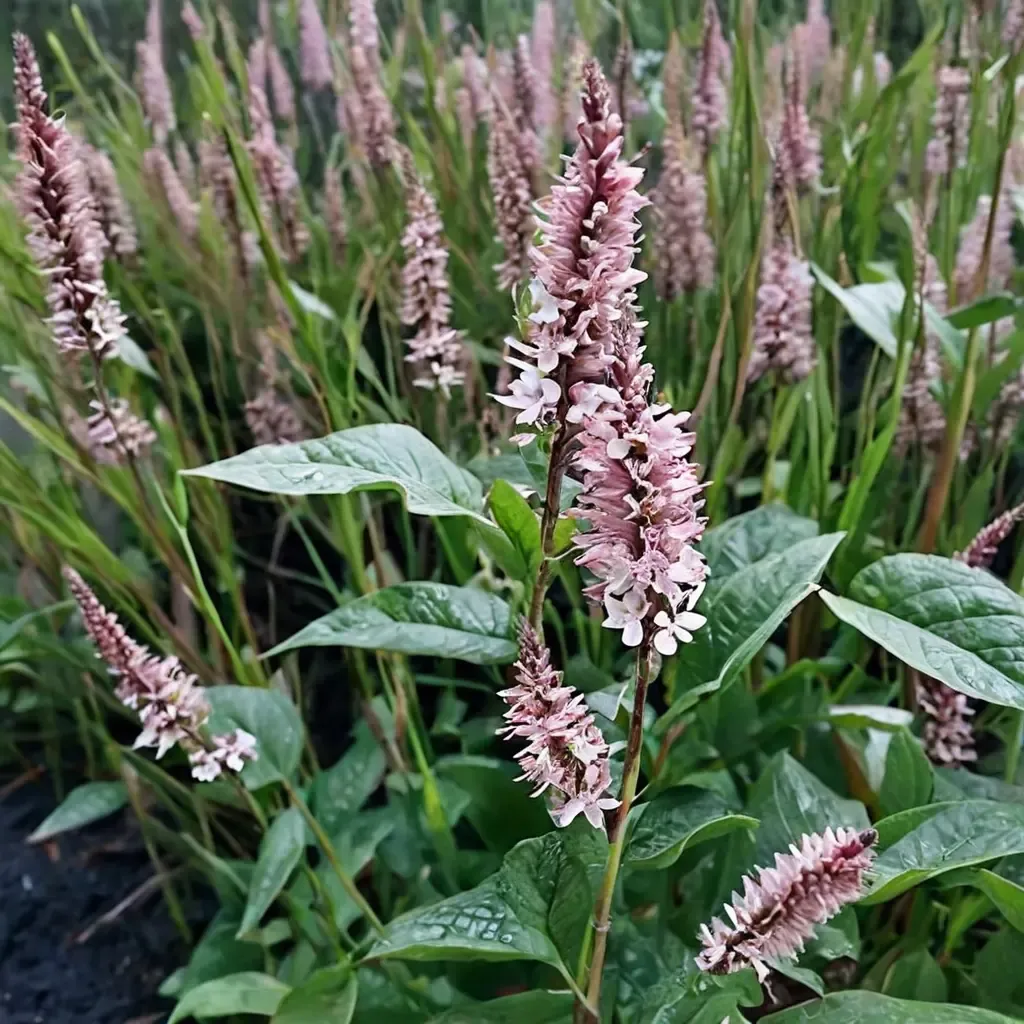
Rosea Mountain Fleece
Persicaria amplexicaulis 'Rosea'
Keep exploring
Explore the genus
Hardy in your zone?
Grow Jumpseed with confidence
See it in a design of your actual yard, get zone-matched care reminders, and track it season by season in your garden journal.