1 named cultivar

The Story
Plant Bio
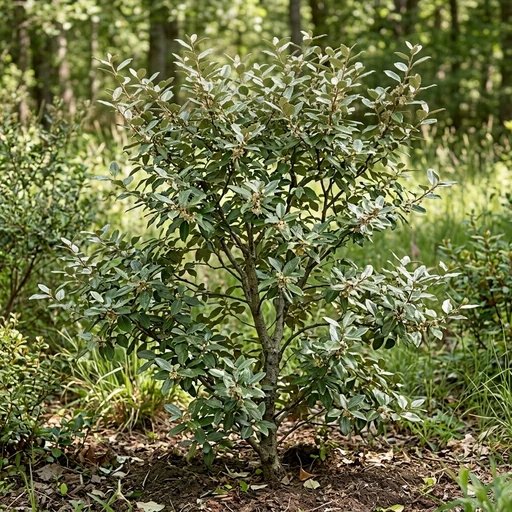
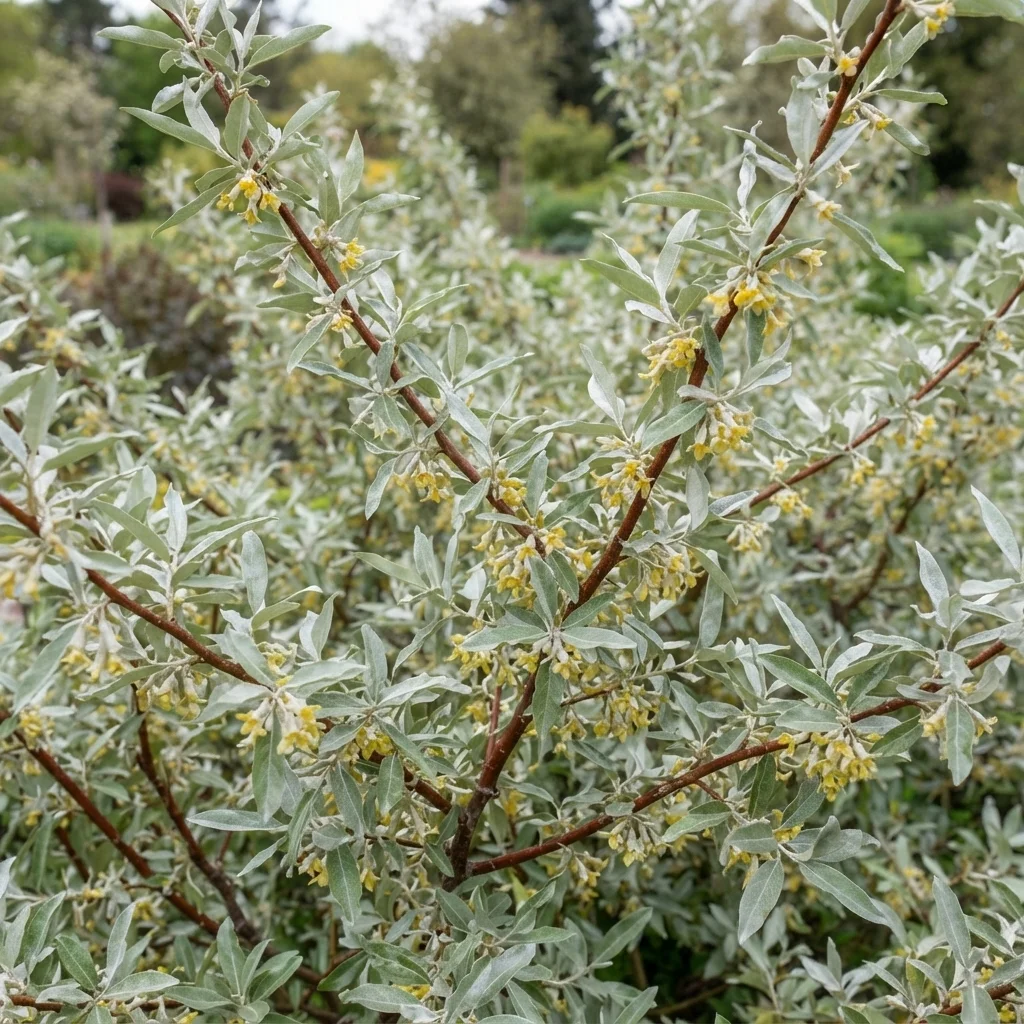
A fast-growing, tough, and adaptable evergreen shrub known for its silvery-green foliage. The leaves are green on top and strikingly silvery underneath.
This plant's most unique feature is its tiny, inconspicuous autumn flowers that produce an intensely sweet, gardenia-like fragrance. It is also a nitrogen-fixing plant, improving the soil around it.
Uses & Benefits:
Essentials
At a Glance
Plant Type
Shrub
Height
120"
Width
120"
Light
Full Sun, Partial Sun
Zones
7, 8, 9, 10
Water
Low to moderate
Humidity
Adaptable
Lifespan
Long-lived
Native To
Hybrid
Toxicity
Non-toxic, fruit is edible
Marketplace
Where to Buy
Shipping costs Year-round shipping Free shipping
Planting
How to Grow
- Select a location in full sun or partial shade.
- Tolerates almost any soil type as long as it's not waterlogged.
- Dig a hole as deep and twice as wide as the root ball.
- Place the plant in the hole, ensuring it's at the same depth as in the pot.
- Backfill the hole with soil and water thoroughly.
- Water regularly for the first year to establish.
Pro Tip
Prune regularly to maintain a dense habit, as it can become leggy if left untended. It tolerates heavy shearing.
Keep It Thriving
Care Guide
Do
- Prune to shape and encourage density.
- Provide deep, infrequent waterings once established to encourage drought tolerance.
- Use it in difficult spots where other plants fail.
Don't
- Do not overwater; it is very drought tolerant.
- Avoid planting in poorly drained, boggy areas.
- Be aware of its potential to become invasive in some regions.
Seasonal Care Calendar
| Task | Jan | Feb | Mar | Apr | May | Jun | Jul | Aug | Sep | Oct | Nov | Dec |
|---|---|---|---|---|---|---|---|---|---|---|---|---|
| Plant | ||||||||||||
| Prune |
Watch Out For
Pests & Diseases
Common Pests
Common Diseases
In the Garden
Landscape Uses & Companions
Landscape Uses
Companion Plants
Multiply
Propagation Methods
Good to Know
Common Questions
Ebbing's Silverberry questions
What zones can Ebbing's Silverberry grow in?
Ebbing's Silverberry is hardy in USDA Zones 7–10. Inside that range it survives winter in the ground; outside it, grow it as an annual or a container plant you protect.
Is Ebbing's Silverberry deer resistant?
Yes — Ebbing's Silverberry is rated deer-resistant. Deer typically pass it over, though extreme hunger can override any plant's defenses.
When does Ebbing's Silverberry bloom?
Ebbing's Silverberry typically blooms in early fall through late fall. Exact timing shifts a week or two with your zone — Sow's bloom calendar maps it to your garden.
Does Ebbing's Silverberry need full sun?
Ebbing's Silverberry does best in full sun to part shade. In hot climates, afternoon shade keeps blooms fresher longer.
Is Ebbing's Silverberry drought tolerant?
Yes — once established (usually after the first full season), Ebbing's Silverberry handles dry spells with minimal watering. Water deeply its first year to build the root system that makes that possible.
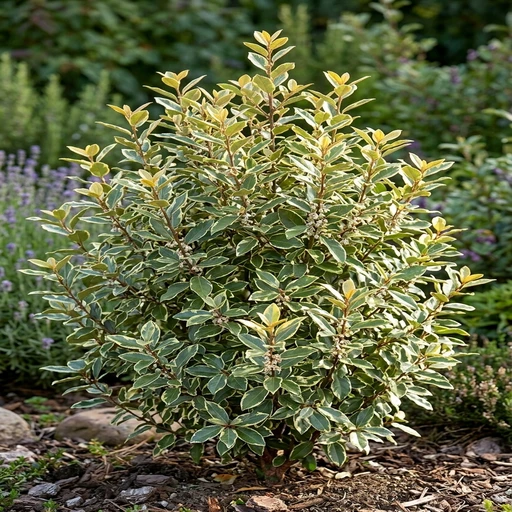
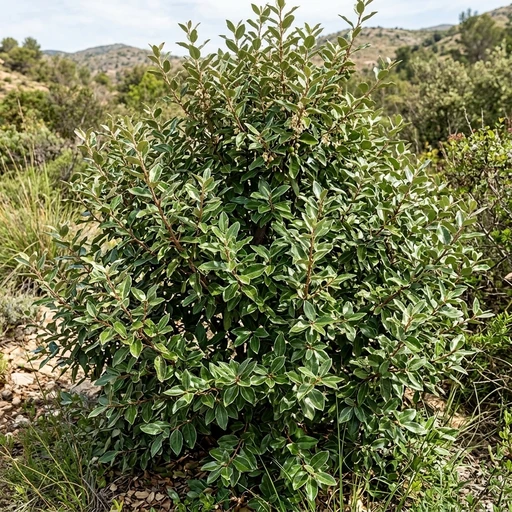
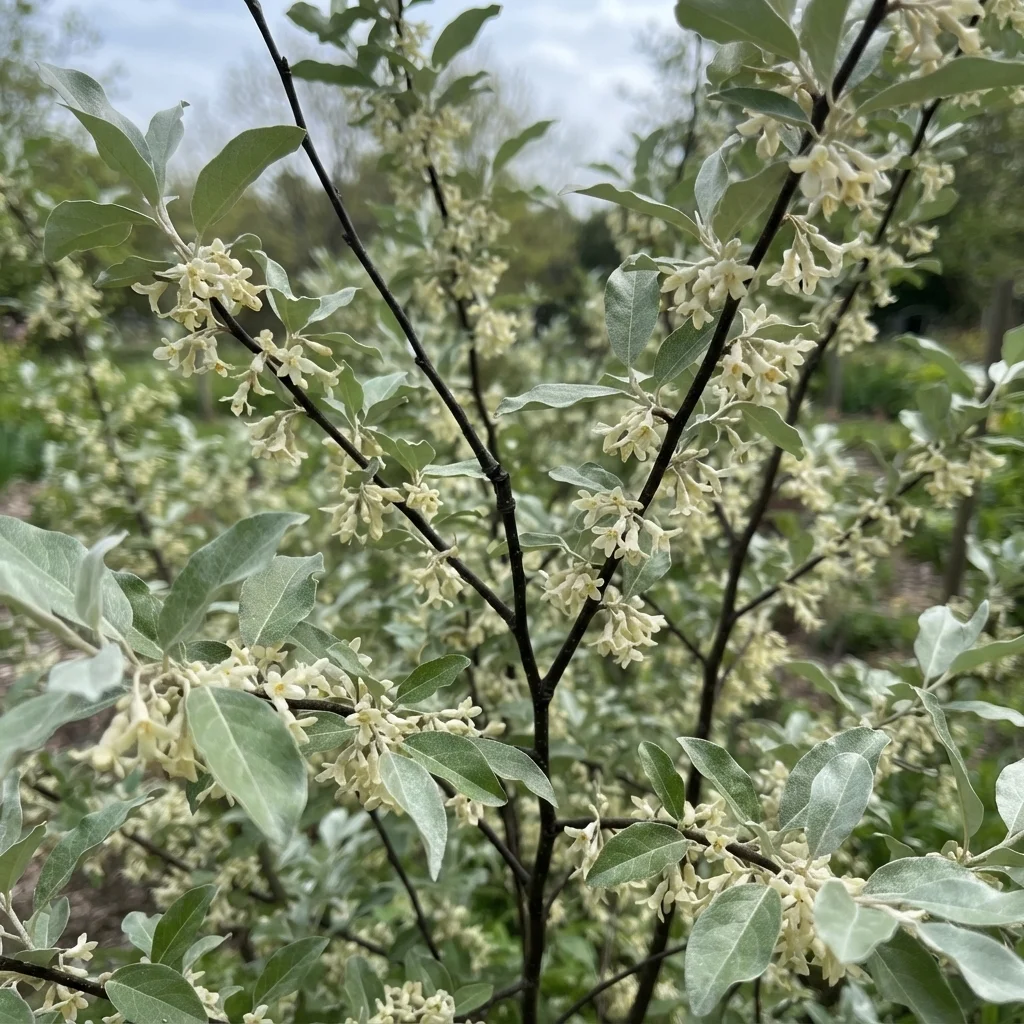
More Elaeagnus to compare
Keep exploring
Explore the genus
Hardy in your zone?
Grow Ebbing's Silverberry with confidence
See it in a design of your actual yard, get zone-matched care reminders, and track it season by season in your garden journal.