Also known as Silverberry · 32 saves
Elaeagnus
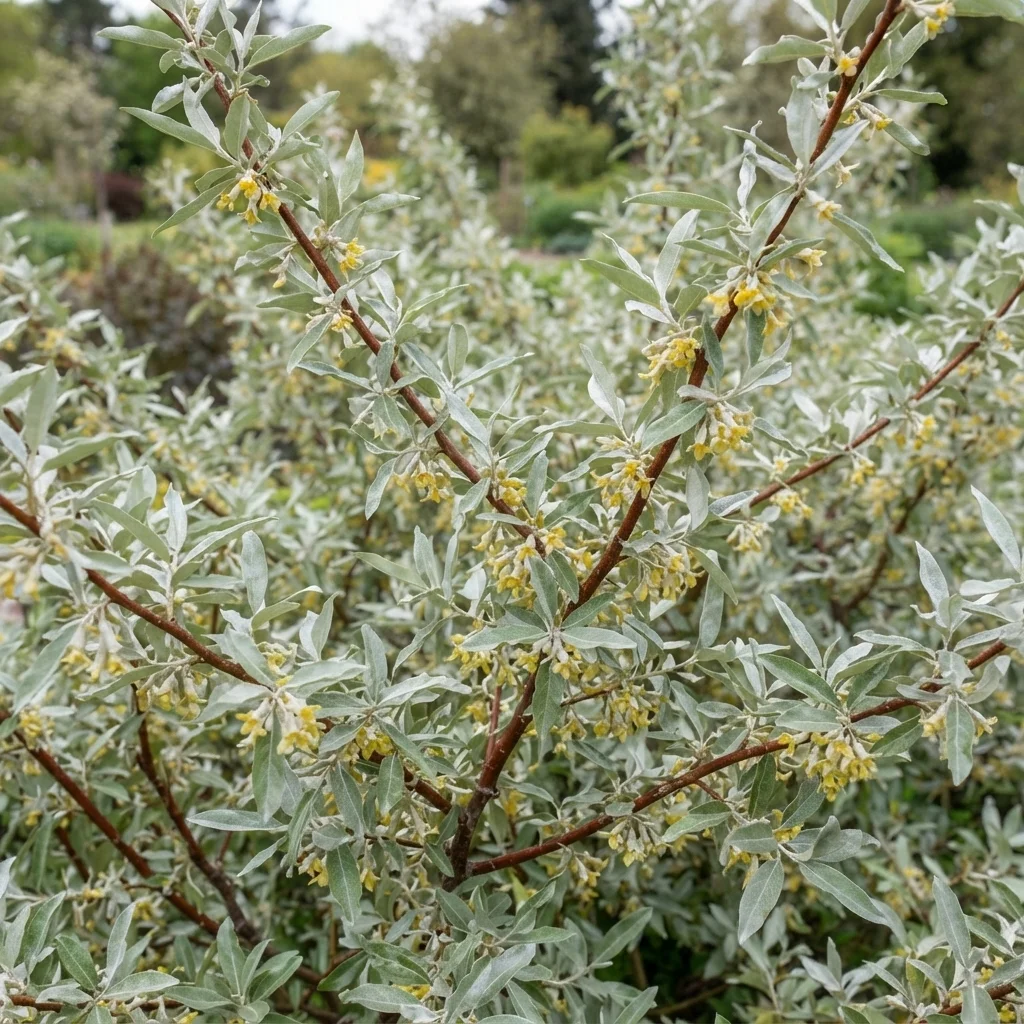
Elaeagnus, the genus most gardeners know as silverberry. We track 5 varieties; the ones most used by real gardeners.
The 5 most-saved Elaeagnus varieties
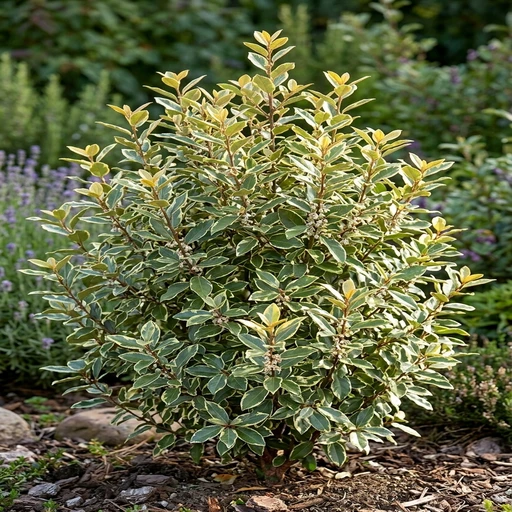
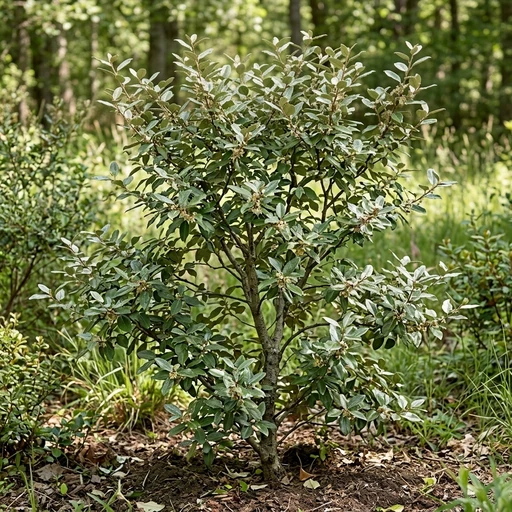
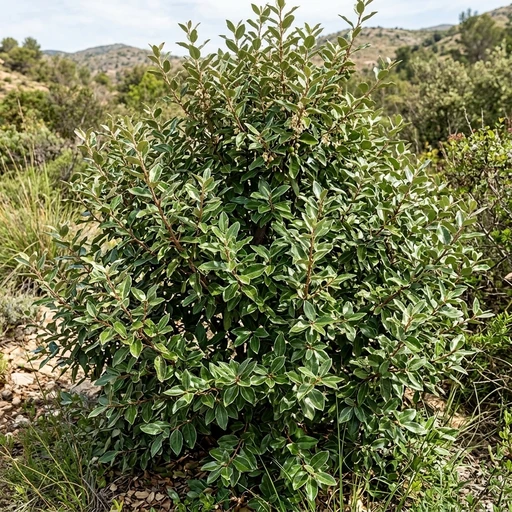
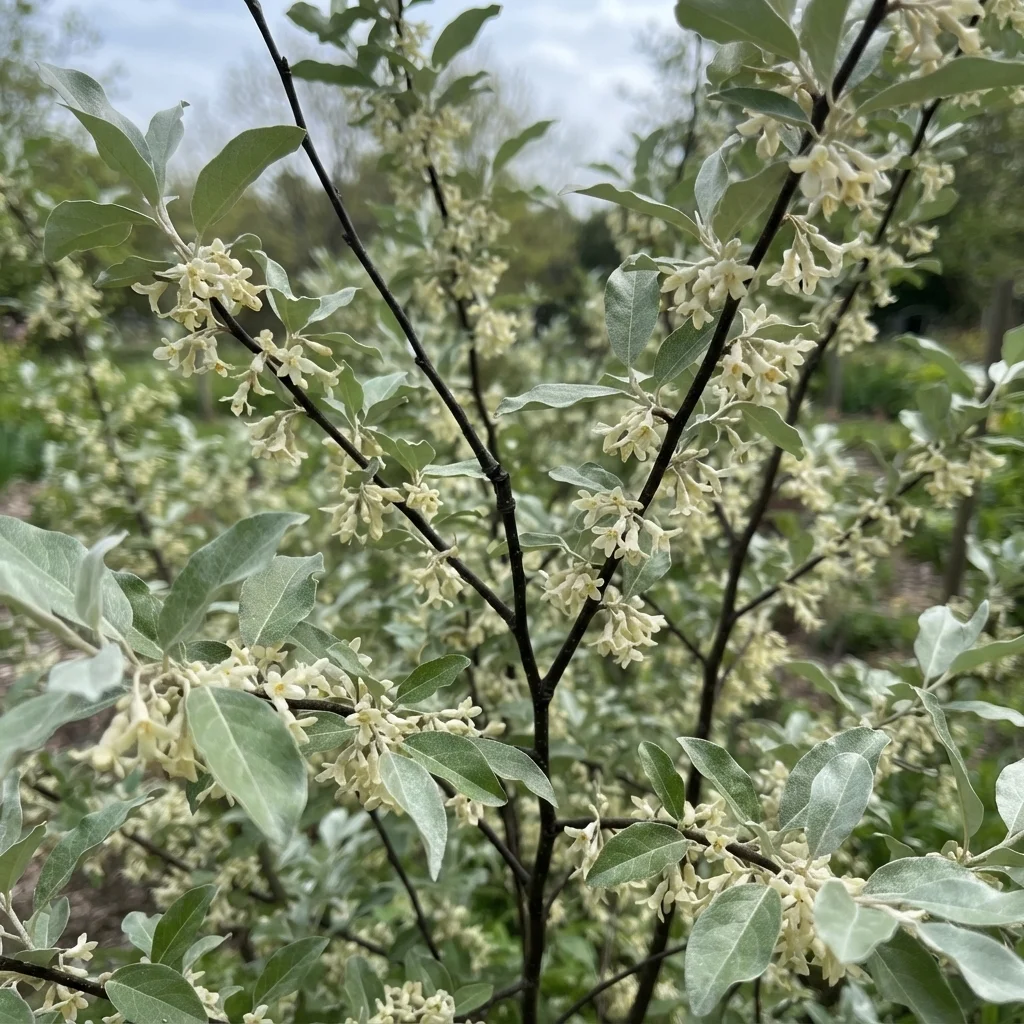
2 species of Elaeagnus
Each one is a parent of the varieties above.
Track your Elaeagnus in Sow
Save the Elaeagnus you grow and get care reminders timed to your zone.
How to grow Elaeagnus
Whats common across all Elaeagnus varieties in our catalog — drawn from the care records of the 5 most-grown of them.
The Elaeagnus year
- PruneApril and August100% of varieties
Prune immediately after fruiting to control size and prevent unwanted seed dispersal by birds.
- PlantMarch, April, October and November80% of varieties
Plant bare-root or containerized specimens in early spring while the plant is dormant or just breaking bud.
- Check for PestsJune and July40% of varieties
Inspect leaf undersides for aphids, scale insects, and spider mites during warm weather.


Do
- Provide deep, infrequent waterings once established to encourage drought tolerance.
- Grow in poor, infertile soils where its nitrogen-fixing roots can improve soil structure without fueling excessive weediness.
- Prune immediately after fruiting if size control is necessary.
- Monitor local environmental lists to ensure the species is not a declared noxious weed in your county.
- Prune out any solid green branches that appear, cutting them back to their origin.
Avoid
- Do not apply nitrogen-heavy fertilizers, which trigger rapid, unmanageable vegetative growth.
- Do not plant near natural woodlands, prairies, or waterways where birds will disperse seeds and establish invasive thickets.
- Do not plant in poorly drained or waterlogged soils, which quickly induces root rot.
- Do not plant in constantly wet or boggy soil.
What goes wrong with Elaeagnus
| Problem | What you'll see | What to do |
|---|---|---|
| Aphids | Curled leaves and sticky honeydew deposits on young shoots. | Wash off with a strong spray of water or apply insecticidal soap to heavily infested terminals. |
| Scale Insects | Small, raised, waxy bumps on twigs and branches, accompanied by reduced vigor. | Apply horticultural oil during the dormant season to suffocate overwintering scales. |
| Elaeagnus Sucker | Distorted new growth, sticky honeydew on leaves. | Generally not severe enough to warrant control. A strong jet of water can dislodge them. Insecticidal soap can be used if necessary. |
| Spider Mites | Fine webbing on leaf undersides and stippled, yellowing foliage in hot, dry weather. | Increase humidity around the foliage and spray with insecticidal soap or miticides if populations persist. |
| Fungal Leaf Spot | Brown or black spots on leaves, can occur in overly wet conditions. | Improve air circulation through pruning, avoid overhead watering, and remove heavily affected leaves. |
| Powdery Mildew | White, powdery fungal patches on the upper surfaces of leaves. | Ensure adequate air circulation through selective pruning and avoid overhead watering. |
| Root Rot | Wilting, yellowing leaves and dieback of branches, with mushy, darkened roots. | Plant exclusively in well-drained soils and avoid overwatering. |
Making more Elaeagnus
Semi-hardwood cuttings
- Take 4-6 inch cuttings in mid-summer.
- Remove lower leaves and dip in rooting hormone.
- Place in a well-draining medium like sand or perlite.
- Keep moist; they root fairly easily in 6-8 weeks.
Seed
- Collect ripe red berries in fall and extract the seeds from the pulp.
- Subject the cleaned seeds to cold, moist stratification at 34 to 40 degrees Fahrenheit for 60 to 90 days.
- Sow stratified seeds in a well-drained seed-starting mix in early spring.
- Transplant seedlings into individual containers once they develop their second set of true leaves.
Elaeagnus questions
How many types of Elaeagnus are there?
The Sow catalog tracks 5 distinct Elaeagnus varieties. The most popular — ranked by 32 real gardeners — are shown first above.
What zones does Elaeagnus grow in?
Across its varieties, Elaeagnus covers USDA Zones 4–10. Individual varieties differ — each plant page lists its exact range, and Sow filters the catalog to your zone automatically.
When does Elaeagnus bloom?
Most Elaeagnus varieties bloom in early fall, spring. Staggering early, mid, and late varieties extends the genus's season in one bed.
Which Elaeagnus should I choose?
Start from the most-saved varieties above — popularity across thousands of gardens is a strong signal of reliability — then filter by your zone and sun. In the Sow app you can preview any of them in a photo of your actual yard before you buy.