

The Story
Plant Bio
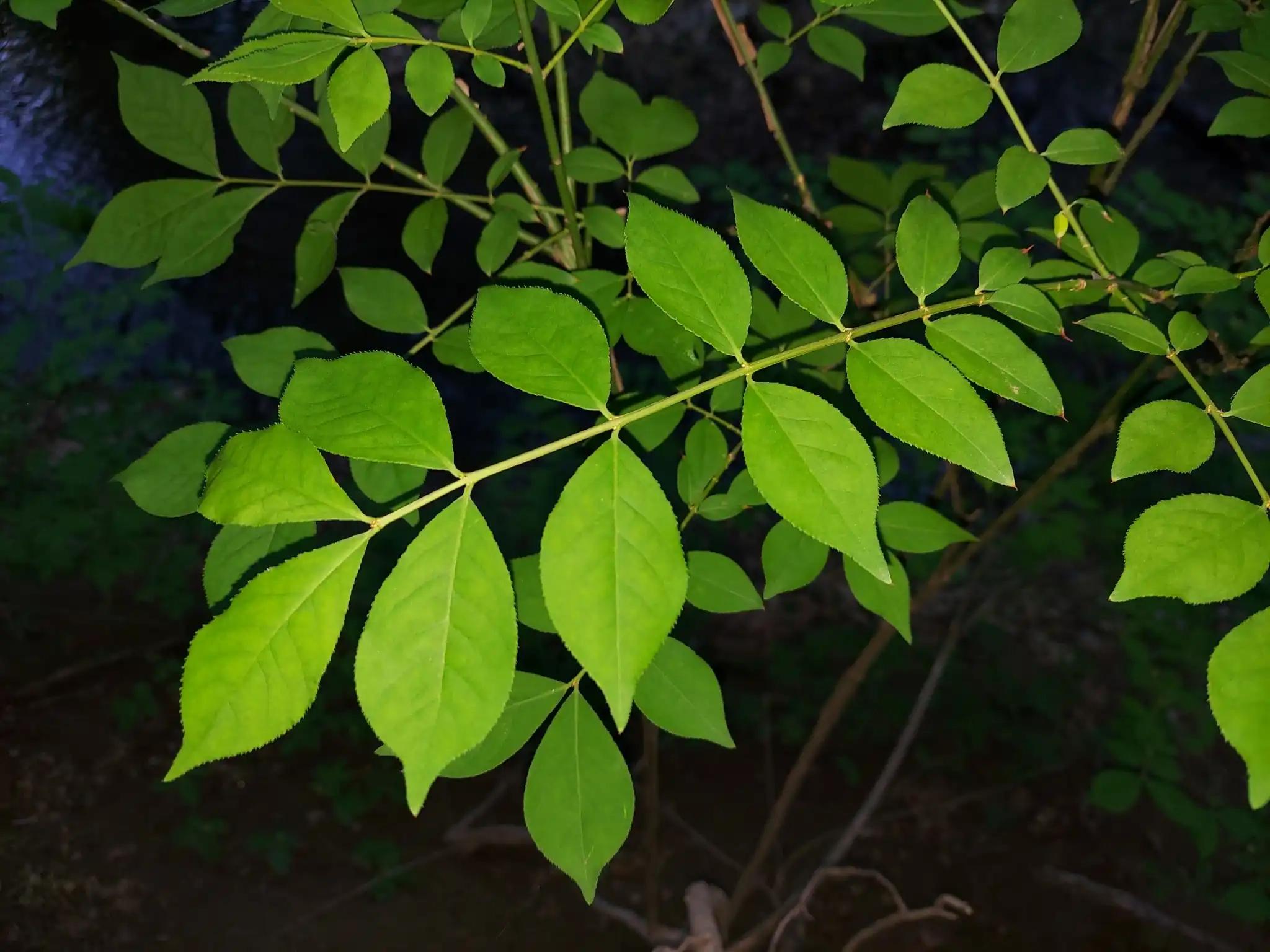
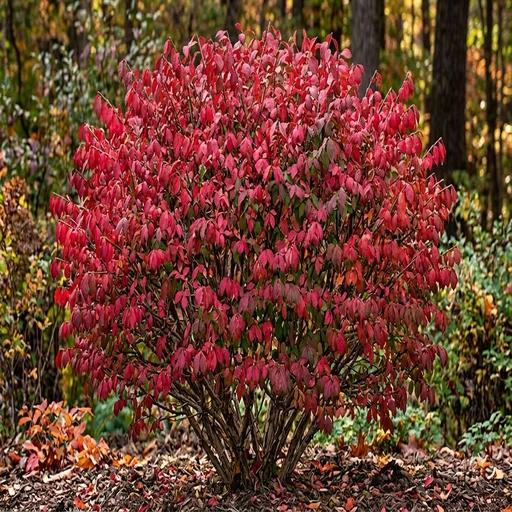
Euonymus alatus is a large, deciduous shrub famous for its brilliant scarlet fall foliage. Its stems have distinctive corky 'wings' that provide winter interest, giving it the common name Winged Euonymus.
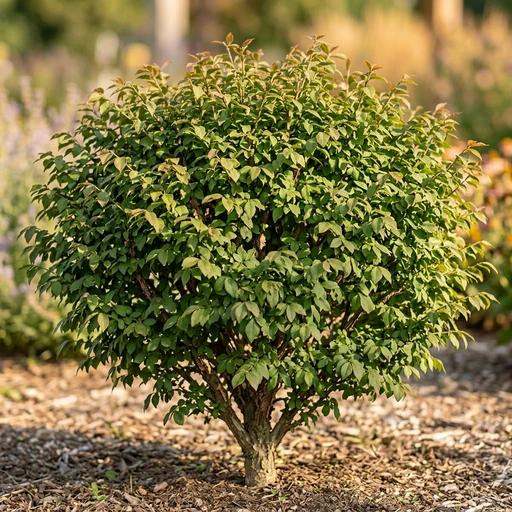
'Compactus' is a popular cultivar that is smaller and denser than the species, with a more rounded habit. It is valued for its reliable, fiery red fall color, but it is not truly compact, often reaching 10 feet tall. This plant is invasive in many parts of North America.
Uses & Benefits:
Essentials
At a Glance
Plant Type
Shrub
Height
120"
Width
120"
Light
Full Sun, Partial Sun
Zones
4, 5, 6, 7, 8
Water
Moderate
Humidity
Adaptable
Lifespan
50+ years
Native To
Northeastern Asia
Toxicity
All parts are poisonous if ingested, especially the fruit.
Bloom period
Late spring
In flower about 1 month of the year
Marketplace
Where to Buy
Shipping costs Year-round shipping Free shipping
Planting
How to Grow
- Select a location in full sun to part shade.
- This shrub is very adaptable to soil type, but prefers good drainage.
- Dig a hole twice as wide as the root ball.
- Set the plant in the hole so the top of the root ball is level with the soil.
- Backfill with soil and water well to remove air pockets.
- Mulch around the base to retain moisture and suppress weeds.
Pro Tip
Plant in full sun for the most intense, brilliant red fall color; in shade, the color is often pinkish and less vibrant.
Keep It Thriving
Care Guide
Do
- Water regularly during the first year of establishment.
- Prune as needed in early spring before new growth begins.
- Monitor closely for euonymus scale insects.
- Consider planting a non-invasive native alternative like Itea virginica.
Don't
- Do not plant this shrub in natural areas or adjacent to woodlands where it can escape.
- Avoid shearing into tight geometric shapes, which can look unnatural.
- Do not let the plant get too large before pruning; rejuvenation pruning is possible but stressful.
- Do not ignore scale infestations, as they can kill the plant.
Seasonal Care Calendar
| Task | Jan | Feb | Mar | Apr | May | Jun | Jul | Aug | Sep | Oct | Nov | Dec |
|---|---|---|---|---|---|---|---|---|---|---|---|---|
| Pest Check | ||||||||||||
| Plant | ||||||||||||
| Prune |
Watch Out For
Pests & Diseases
Common Pests
Common Diseases
In the Garden
Landscape Uses & Companions
Landscape Uses
Multiply
Propagation Methods
Good to Know
Common Questions
Dwarf Burning Bush questions
What zones can Dwarf Burning Bush grow in?
Dwarf Burning Bush is hardy in USDA Zones 4–8. Inside that range it survives winter in the ground; outside it, grow it as an annual or a container plant you protect.
Is Dwarf Burning Bush deer resistant?
Not reliably. Deer may browse Dwarf Burning Bush, especially tender spring growth — plan on repellents or fencing where pressure is high.
When does Dwarf Burning Bush bloom?
Dwarf Burning Bush typically blooms in late spring through late spring. Exact timing shifts a week or two with your zone — Sow's bloom calendar maps it to your garden.
Does Dwarf Burning Bush need full sun?
Dwarf Burning Bush does best in full sun to part shade. In hot climates, afternoon shade keeps blooms fresher longer.
More Euonymus to compare
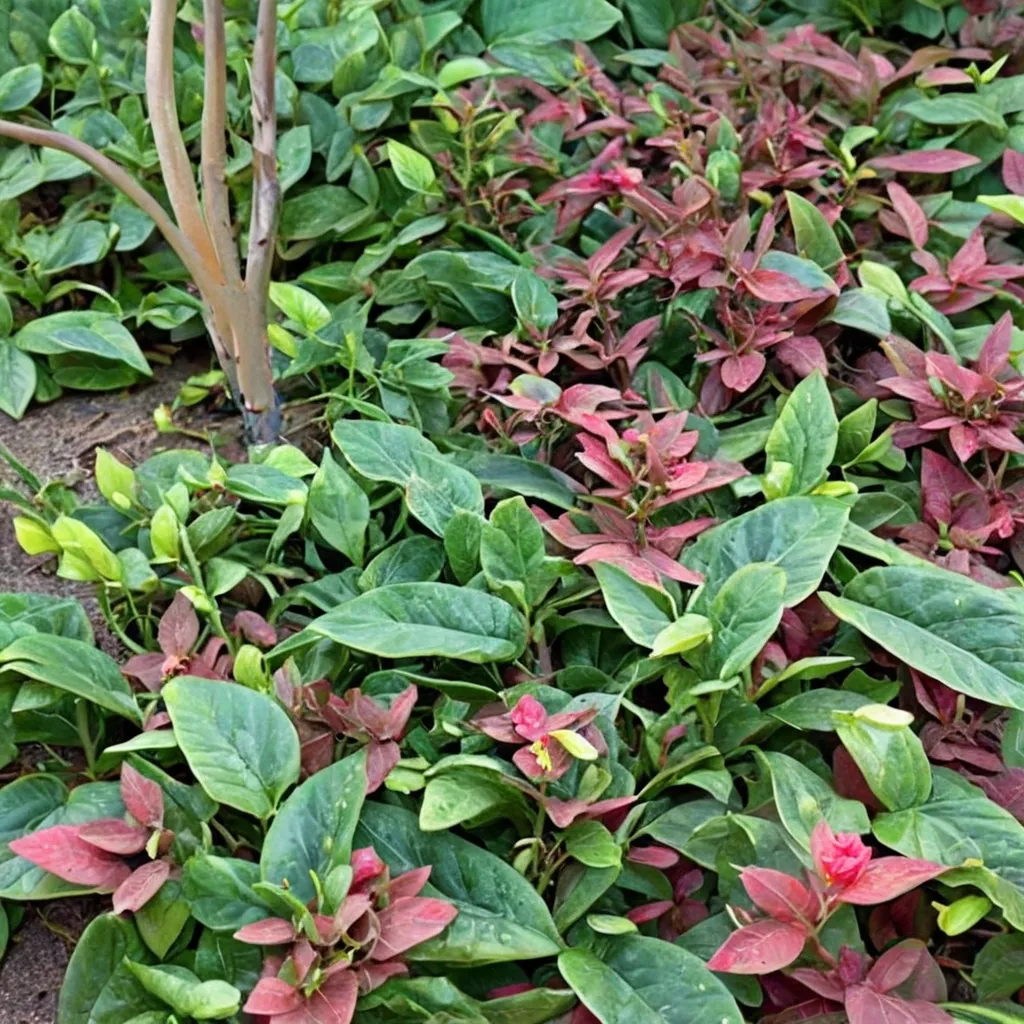
Purple Wintercreeper
Euonymus fortunei 'Purple Wintercreeper'
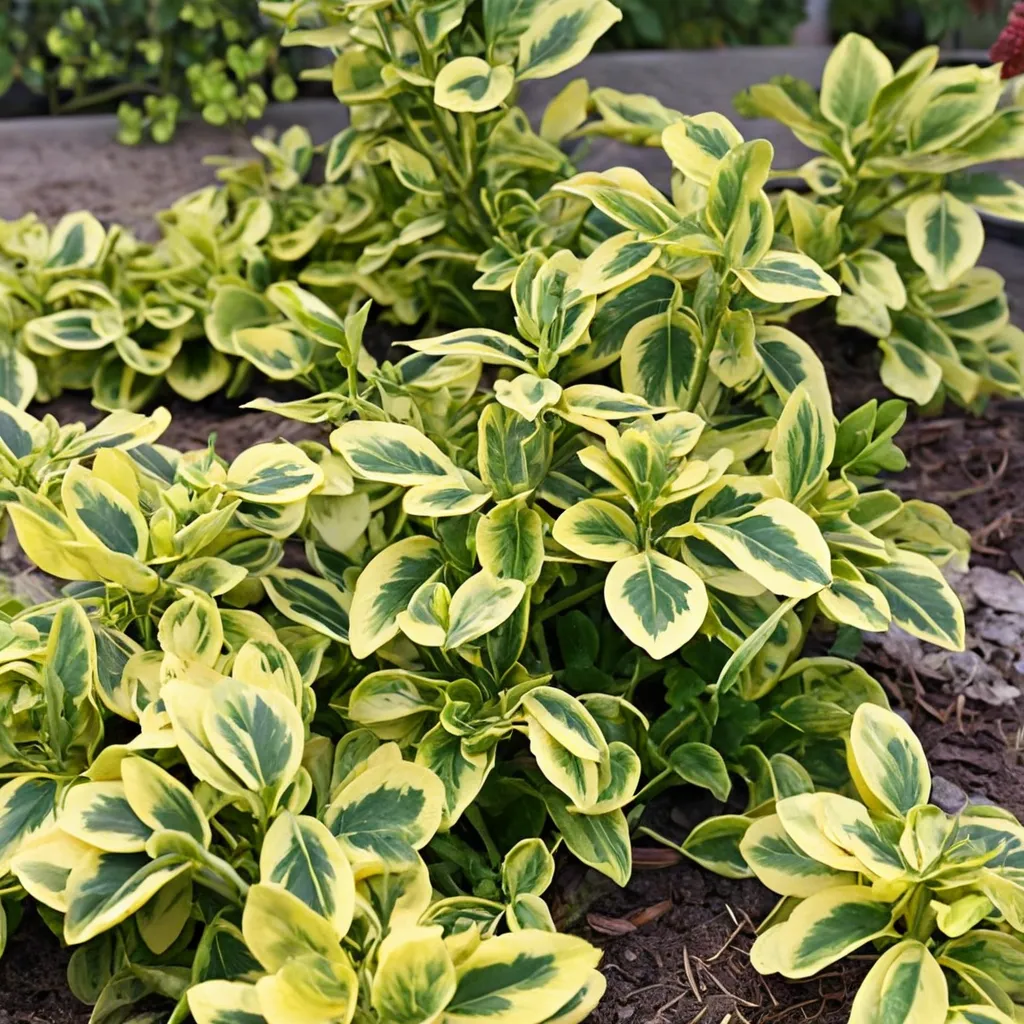
Gold Splash Wintercreeper
Euonymus fortunei 'Gold Splash'
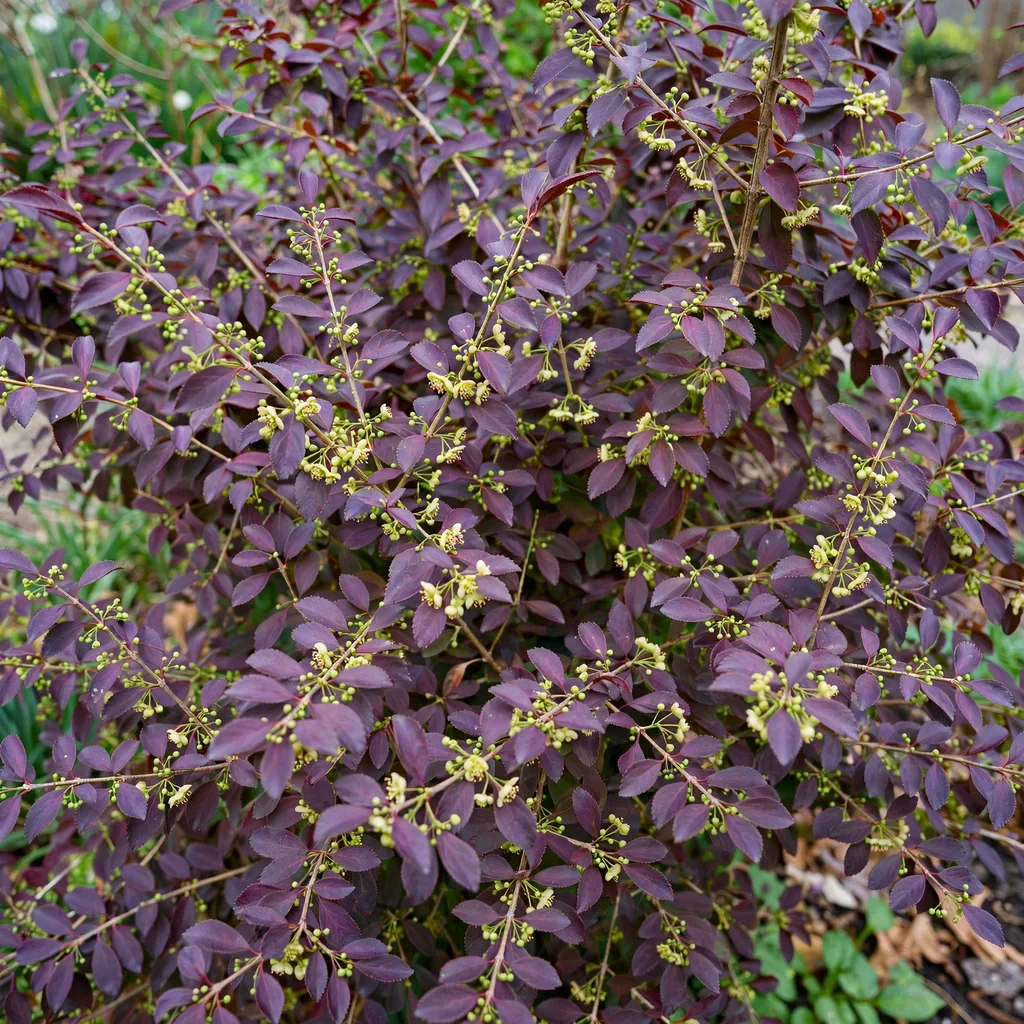
Compact Burning Bush
Euonymus alatus 'Compactus'
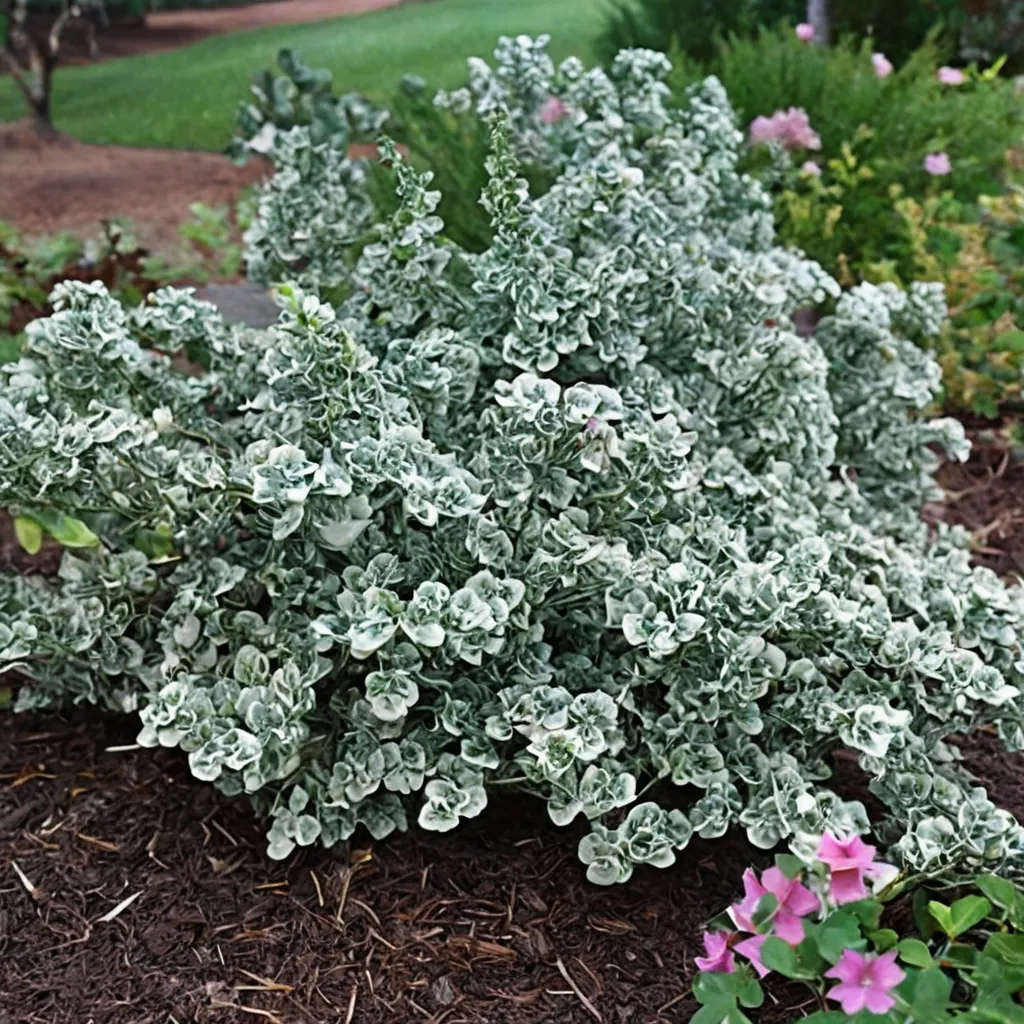
Euonymus White Album
Euonymus fortunei 'White Album'
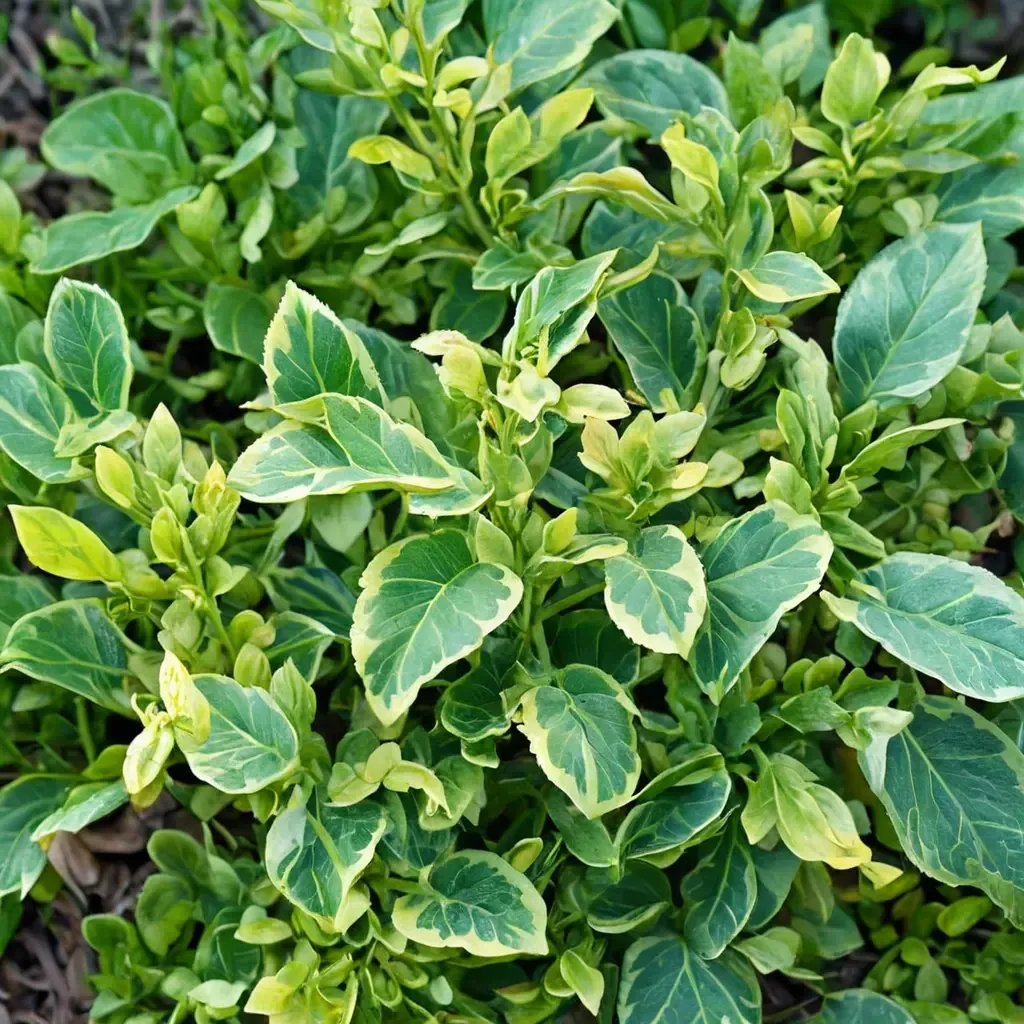
Wintercreeper
Euonymus fortunei
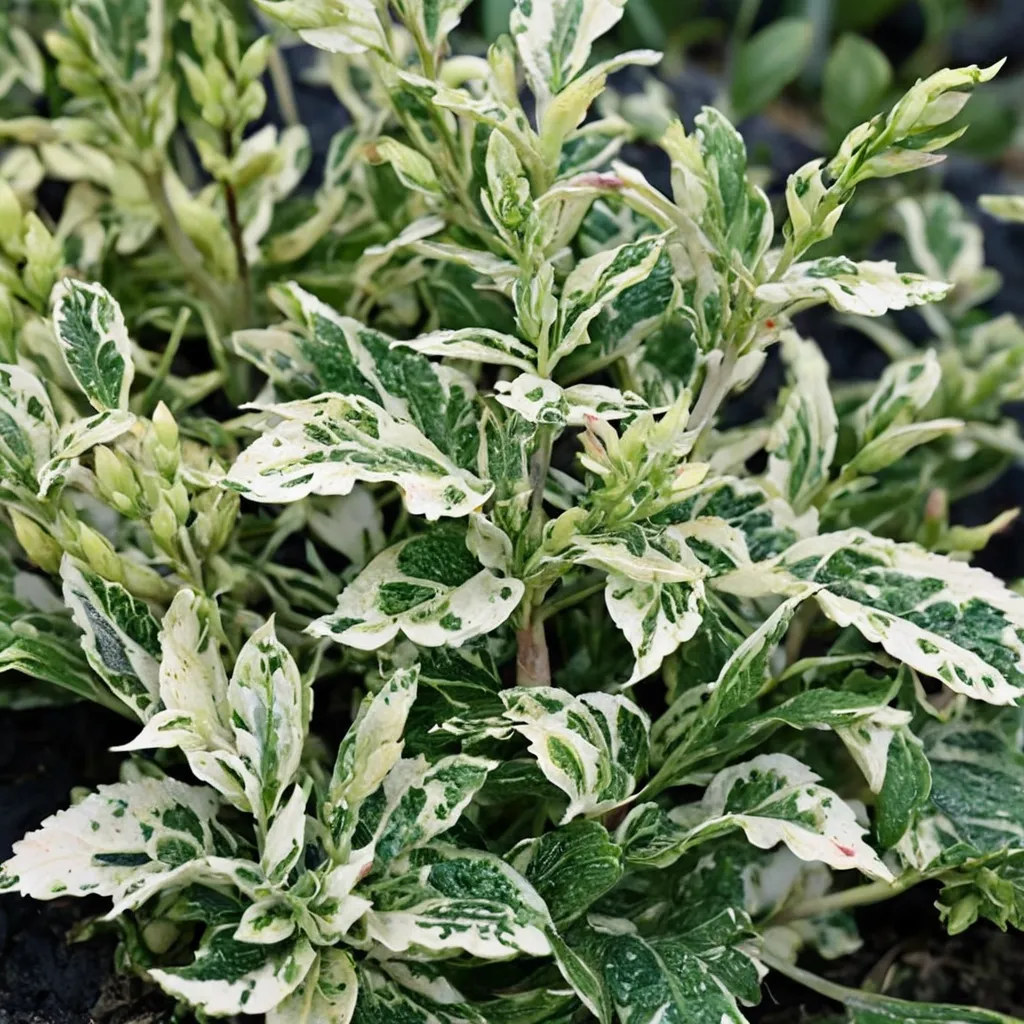
Harlequin Euonymus
Euonymus fortunei 'Harlequin'
Keep exploring
Explore the genus
Hardy in your zone?
Grow Dwarf Burning Bush with confidence
See it in a design of your actual yard, get zone-matched care reminders, and track it season by season in your garden journal.