
Species
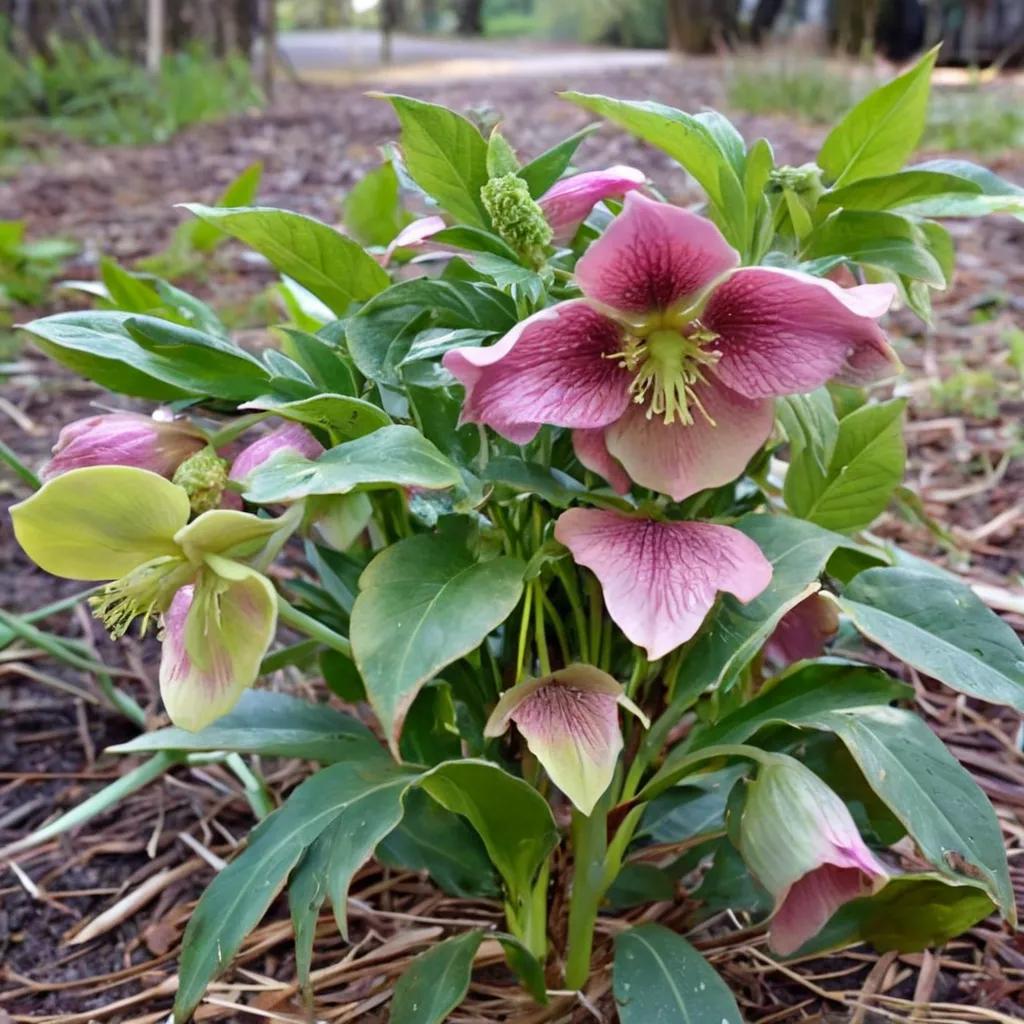 Helleborus x hybridusLenten Rose
29 other cultivars
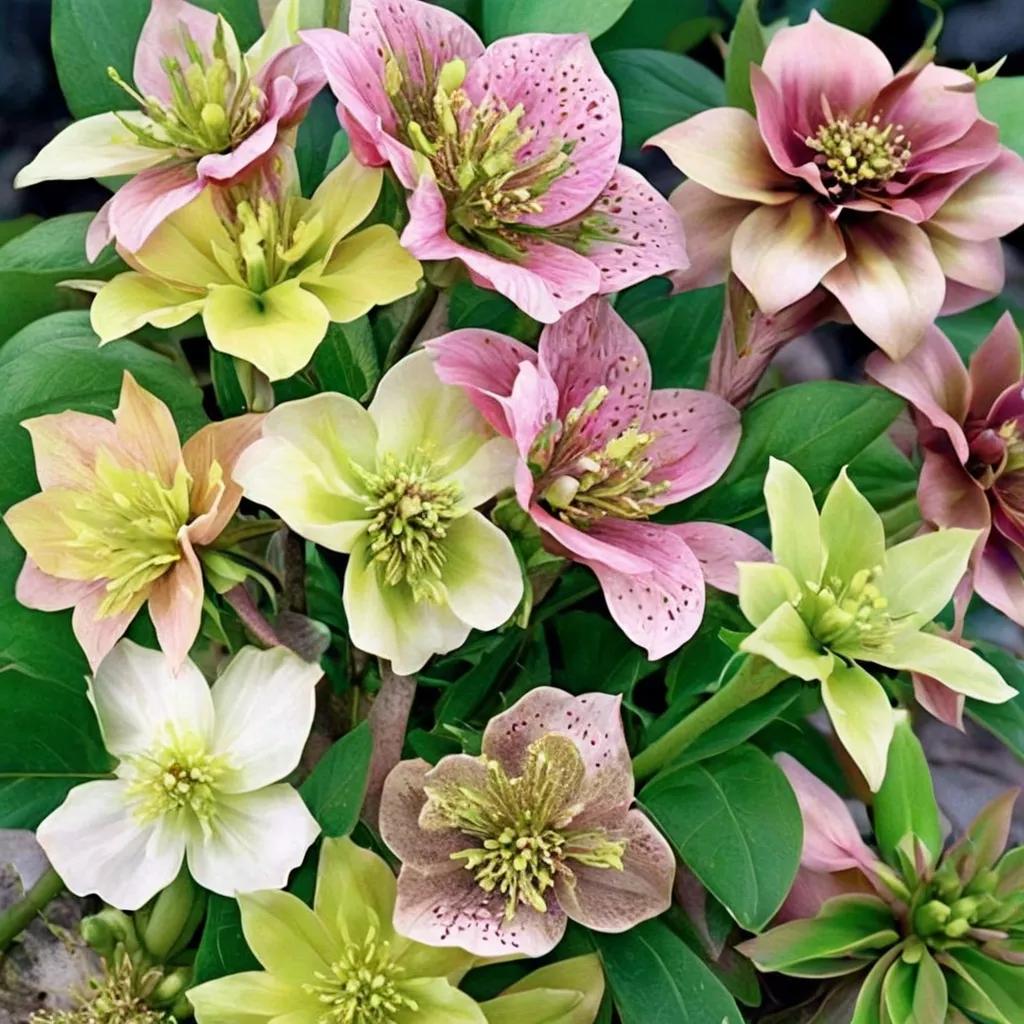 ‘Double Queen Strain’Lenten Rose Double Queen Strain
 ‘Pine Knot Select’Pine Knot Select Lenten Rose
 ‘Pink wRed-Spotted Flowers’Pink wRed-Spotted Flowers Lenten Rose
 ‘Heronswood Double Lavender Strain’Heronswood Double Lavender Strain Lenten Rose
 ‘Winter Delights Violet w Purple Spots’Winter Delights Violet w Purple Spots Lenten Rose
 ‘Heronswood Single White’Heronswood Single White Hellebore
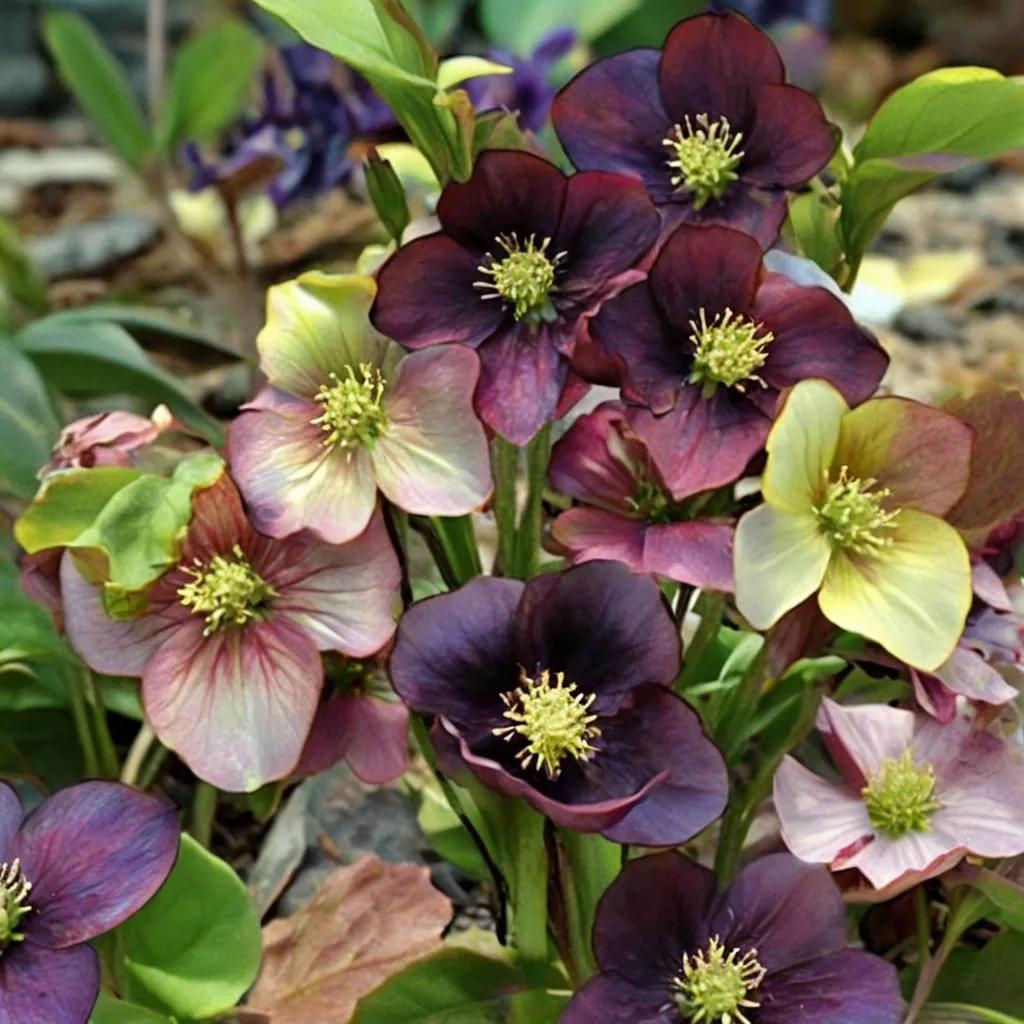 ‘Brandywine Strain’Brandywine Strain Lenten Rose
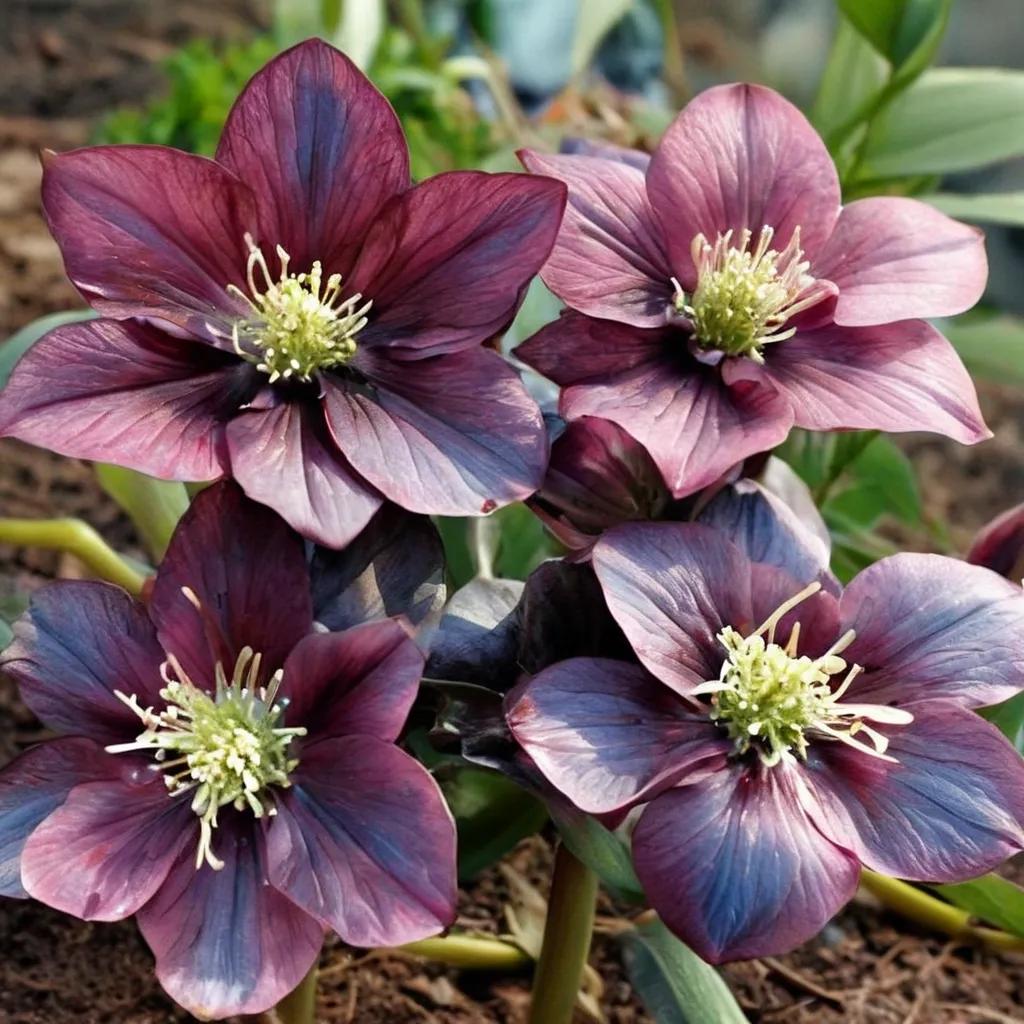 ‘Heronswood Black Purple Strain’Heronswood Black Purple Strain Lenten Rose
 ‘Heronswood Yellow Strain’Heronswood Yellow Strain Hellebore
 ‘Heronswood Double Pink Strain’Heronswood Double Pink Strain Lenten Rose
 ‘Gold Finch’Lenten Rose Golden Finch
 ‘Winter Dream Black’Lenten Rose Winter Dream Black
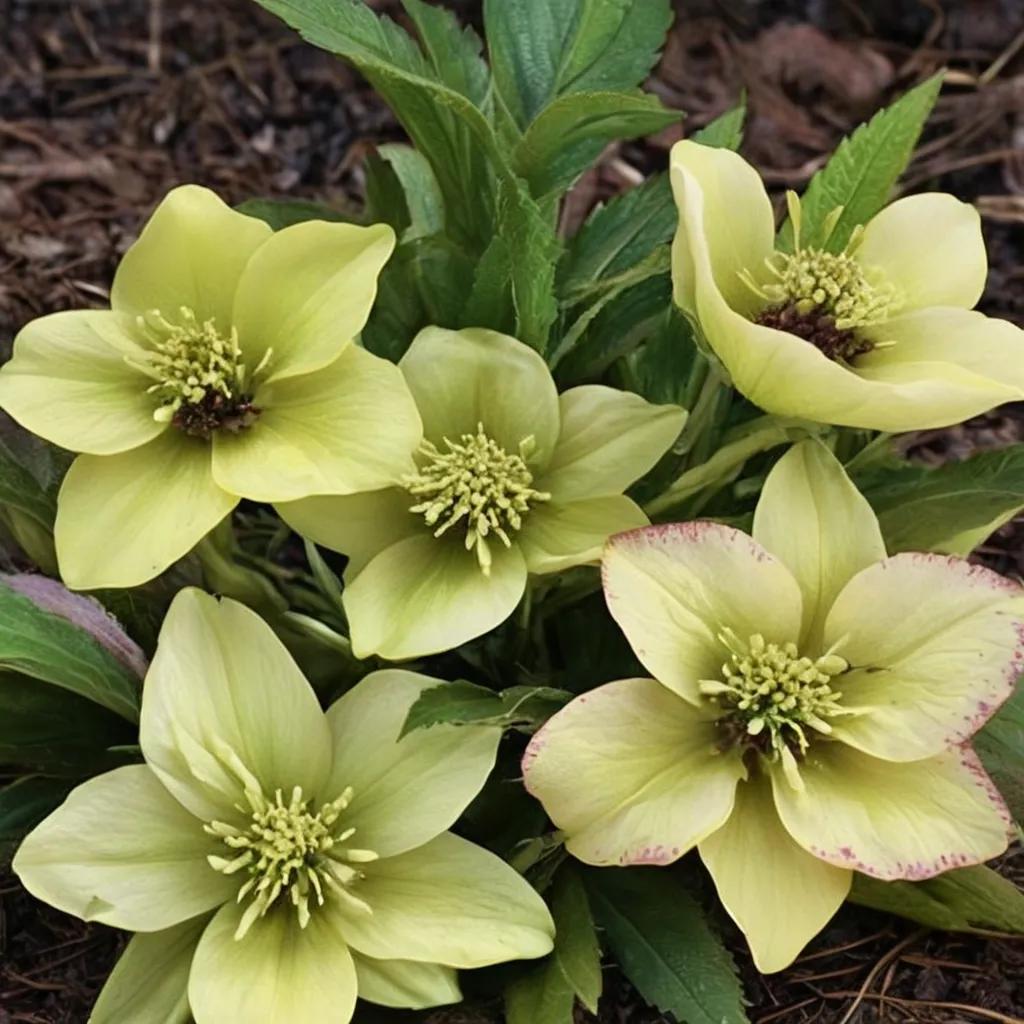 ‘Heronswood Double Yellow’Heronswood Double Yellow Hellebore
 ‘Pink w Red Spots’Lenten Rose Pink with Red Spots
 ‘Heronswood Violet Red Strain’Heronswood Violet Red Strain
 ‘Walhelivor’Walhelivor Ivory Prince Lenten Rose
 ‘Winter Dream Pure White’Lenten Rose Winter Dream Pure White
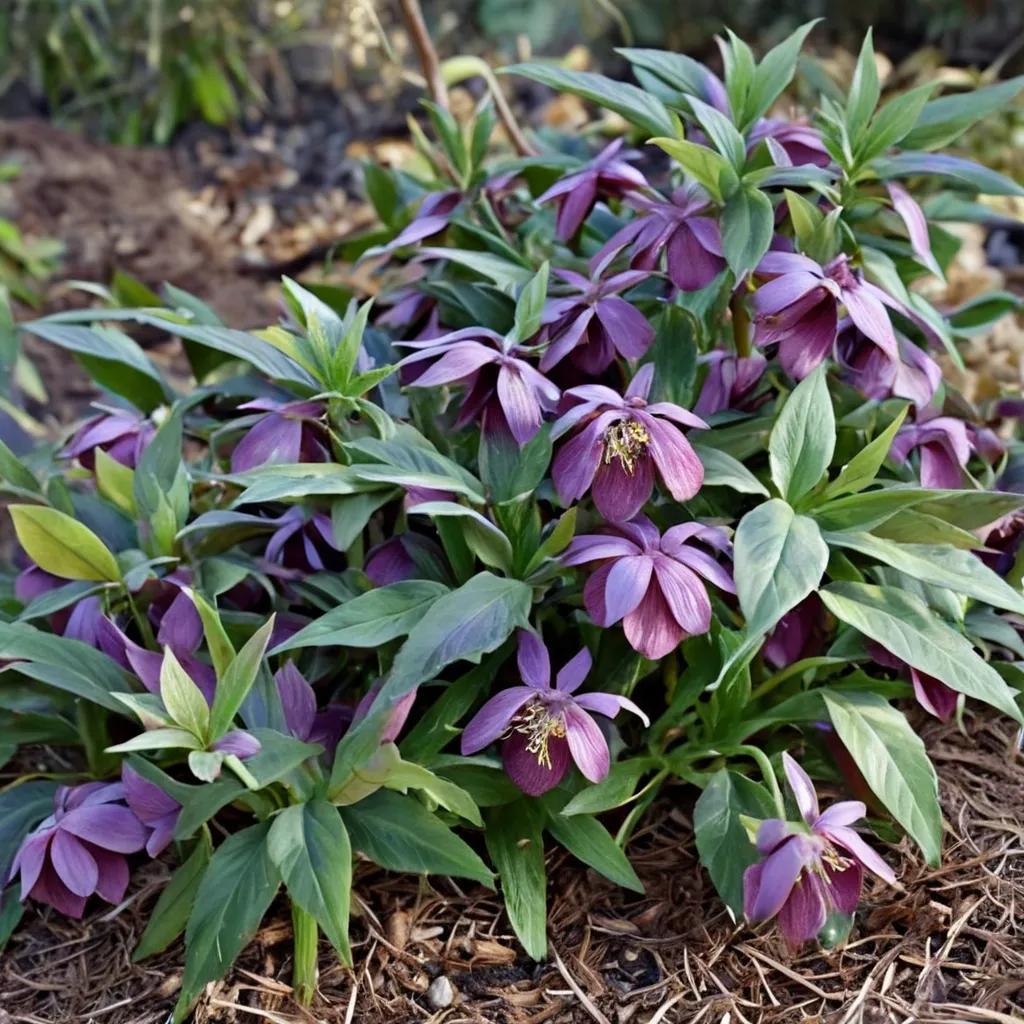 ‘Violet Flowered Forms’Lenten Rose Violet Flowered Forms
 ‘Southern Belles Strain’Southern Belles Strain Lenten Rose
 ‘Kingston Cardinal’Kingston Cardinal Hellebore
 ‘Mrs Betty Ranicar’Lenten Rose Mrs Betty Ranicar
 ‘Royal Beauty’Lenten Rose Royal Beauty
 ‘White Flowers wviolet spots’White Flowers wviolet spots Lenten Rose
 ‘Molly S White’Molly's White Lenten Rose
 ‘Dorothy'S Dawn’Dorothy's Dawn Lenten Rose
 ‘Rodney's Choice’Rodney's Choice Lenten Rose
 ‘Wedding Party’Wedding Party Lenten Rose
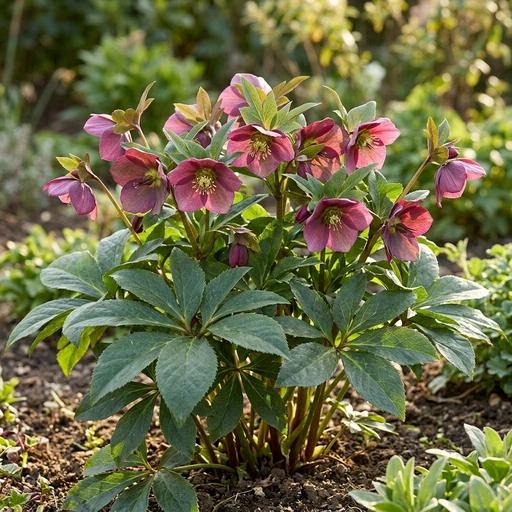 ‘Hgc Merlin’HGC Merlin Lenten Rose
 ‘Ice N' Roses Red’Ice N' Roses Red Lenten Rose
The Story
Plant Bio
Hellebores are cherished for their late winter and early spring blooms, often flowering through snow. They are tough, long-lived, evergreen perennials for shade gardens.
'Pippa's Purple' is part of the Rodney Davey Marbled Group, noted for its stunning silver-veined, marbled evergreen foliage. It produces an abundance of outward-facing, rich dusty purple flowers.
Uses & Benefits:
Essentials
At a Glance
Plant Type
Perennial
Height
21"
Width
24"
Light
Partial Sun, Shade
Zones
4, 5, 6, 7, 8, 9
Water
Moderate
Humidity
Moderate
Lifespan
Very long-lived perennial
Native To
Hybrid
Toxicity
Toxic if ingested, skin irritant
Bloom period
Late winter – Mid-spring
In flower about 3 months of the year
Planting
How to Grow
- Select a site in part to full shade with good drainage.
- Amend the soil with plenty of compost or other organic matter.
- Dig a hole and plant the hellebore with its crown just at soil level.
- Do not plant too deep, as this can lead to crown rot.
- Water thoroughly after planting and keep moist during establishment.
- Mulch with leaf mold, but keep it away from the plant's crown.
Pro Tip
Plant on a slope or in a raised bed to better appreciate the downward-facing (though this series is more outward) flowers.
Keep It Thriving
Care Guide
Do
- Provide well-drained, humus-rich soil.
- Plant in a location with protection from harsh winter winds.
- Remove old foliage in late winter to display flowers and reduce disease.
- Water during extended dry periods, even in winter.
Don't
- Don't plant in waterlogged soil.
- Avoid moving or dividing them unless necessary, as they resent disturbance.
- Don't bury the crown when planting or mulching.
- Don't cut back the new foliage that emerges with the flowers.
Seasonal Care Calendar
| Task | Jan | Feb | Mar | Apr | May | Jun | Jul | Aug | Sep | Oct | Nov | Dec |
|---|---|---|---|---|---|---|---|---|---|---|---|---|
| Fertilize | ||||||||||||
| Mulch | ||||||||||||
| Plant | ||||||||||||
| Prune |
Watch Out For
Pests & Diseases
Common Pests
Common Diseases
In the Garden
Landscape Uses & Companions
Landscape Uses
Companion Plants
Multiply
Propagation Methods
Good to Know
Common Questions
Pippa S Purple Lenten Rose questions
What zones can Pippa S Purple Lenten Rose grow in?
Pippa S Purple Lenten Rose is hardy in USDA Zones 4–9. Inside that range it survives winter in the ground; outside it, grow it as an annual or a container plant you protect.
Is Pippa S Purple Lenten Rose deer resistant?
Yes — Pippa S Purple Lenten Rose is rated deer-resistant. Deer typically pass it over, though extreme hunger can override any plant's defenses.
When does Pippa S Purple Lenten Rose bloom?
Pippa S Purple Lenten Rose typically blooms in late winter through mid-spring. Exact timing shifts a week or two with your zone — Sow's bloom calendar maps it to your garden.
Does Pippa S Purple Lenten Rose need full sun?
Pippa S Purple Lenten Rose does best in part shade.
Is Pippa S Purple Lenten Rose drought tolerant?
Yes — once established (usually after the first full season), Pippa S Purple Lenten Rose handles dry spells with minimal watering. Water deeply its first year to build the root system that makes that possible.
More Helleborus to compare
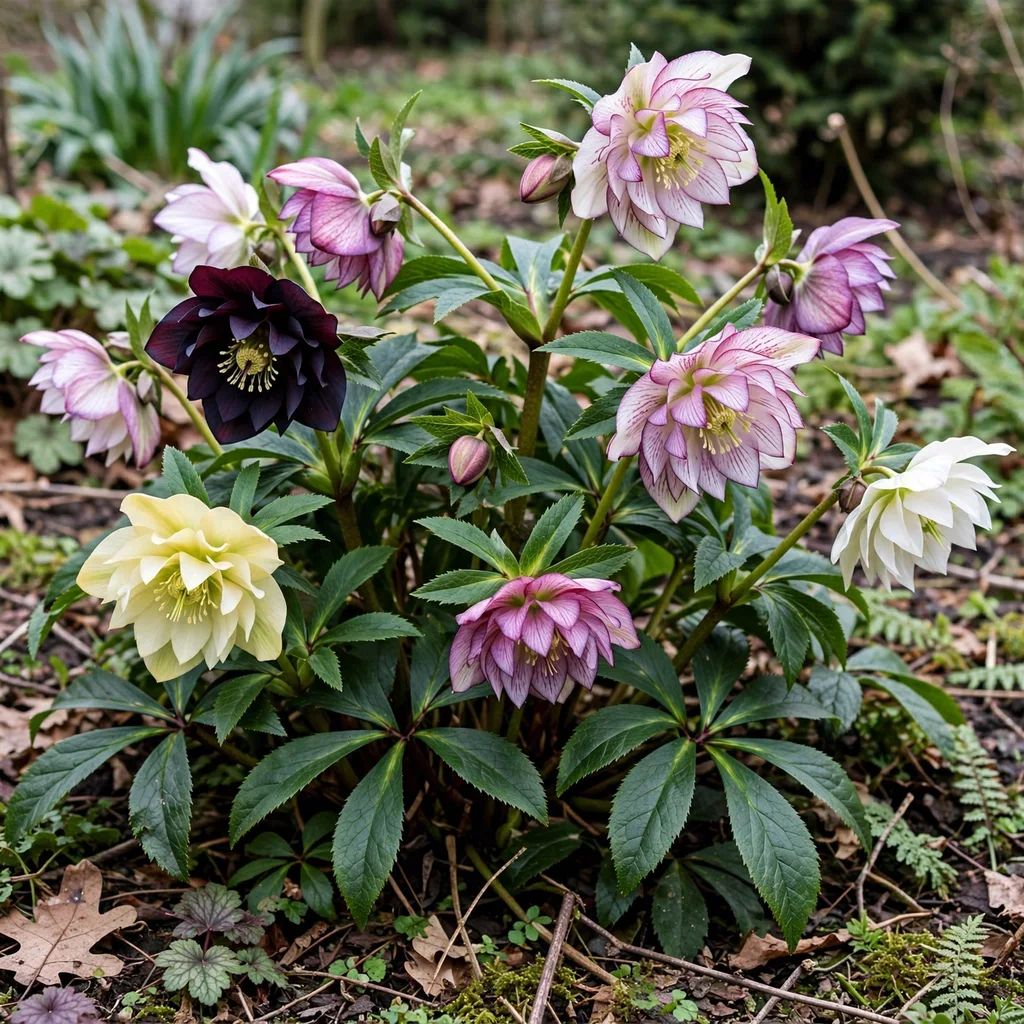
Hellebore Wedding Party Mix
Helleborus x hybrida 'Wedding Party Mix'
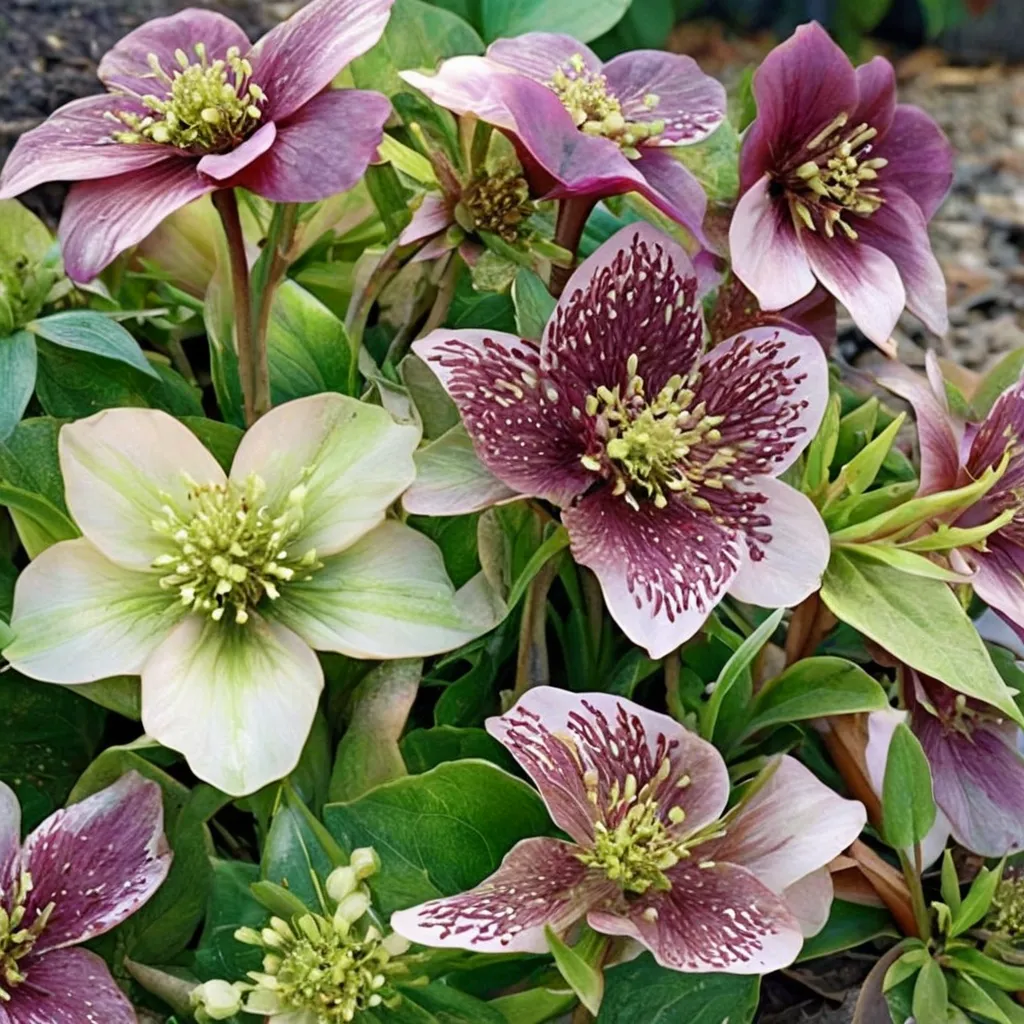
Lenten Rose Hybrid Mix
Helleborus x hybrida 'Mix'
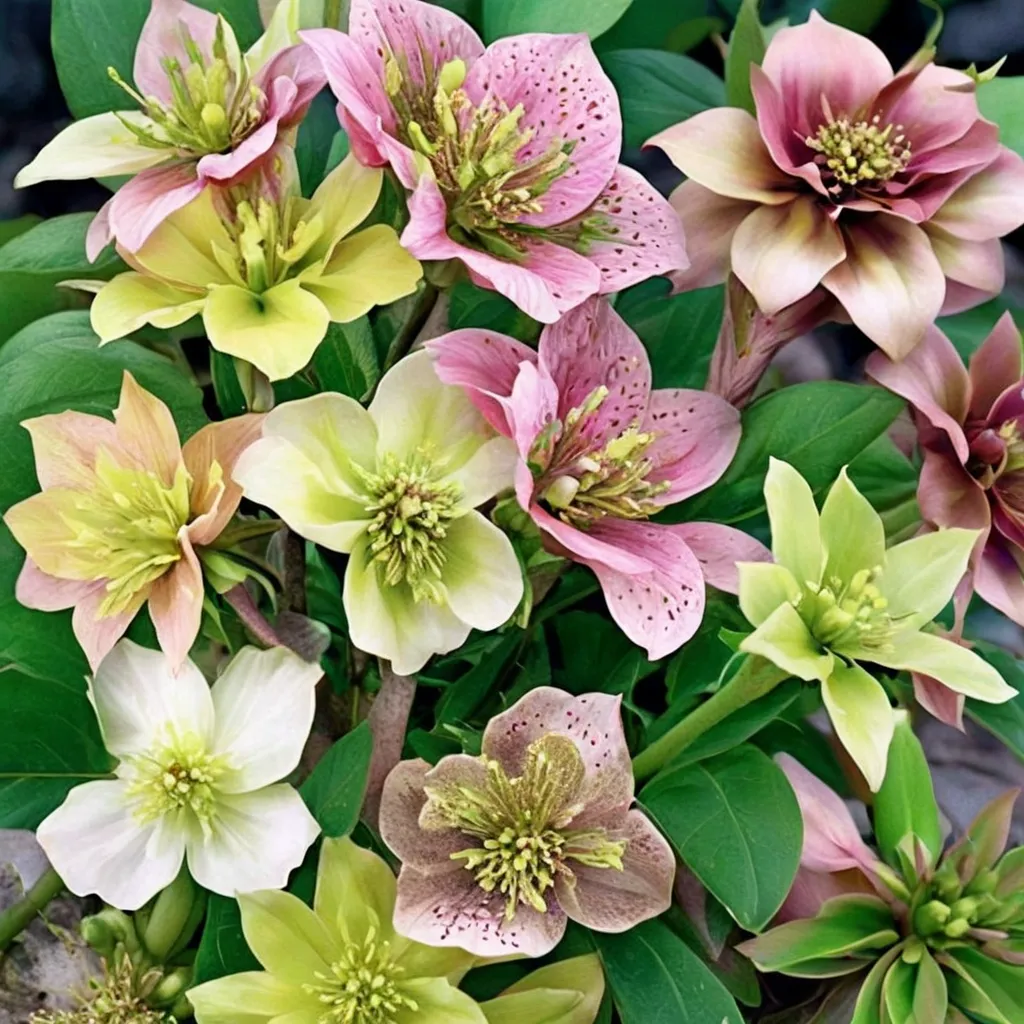
Lenten Rose Double Queen Strain
Helleborus x hybridus 'Double Queen Strain'
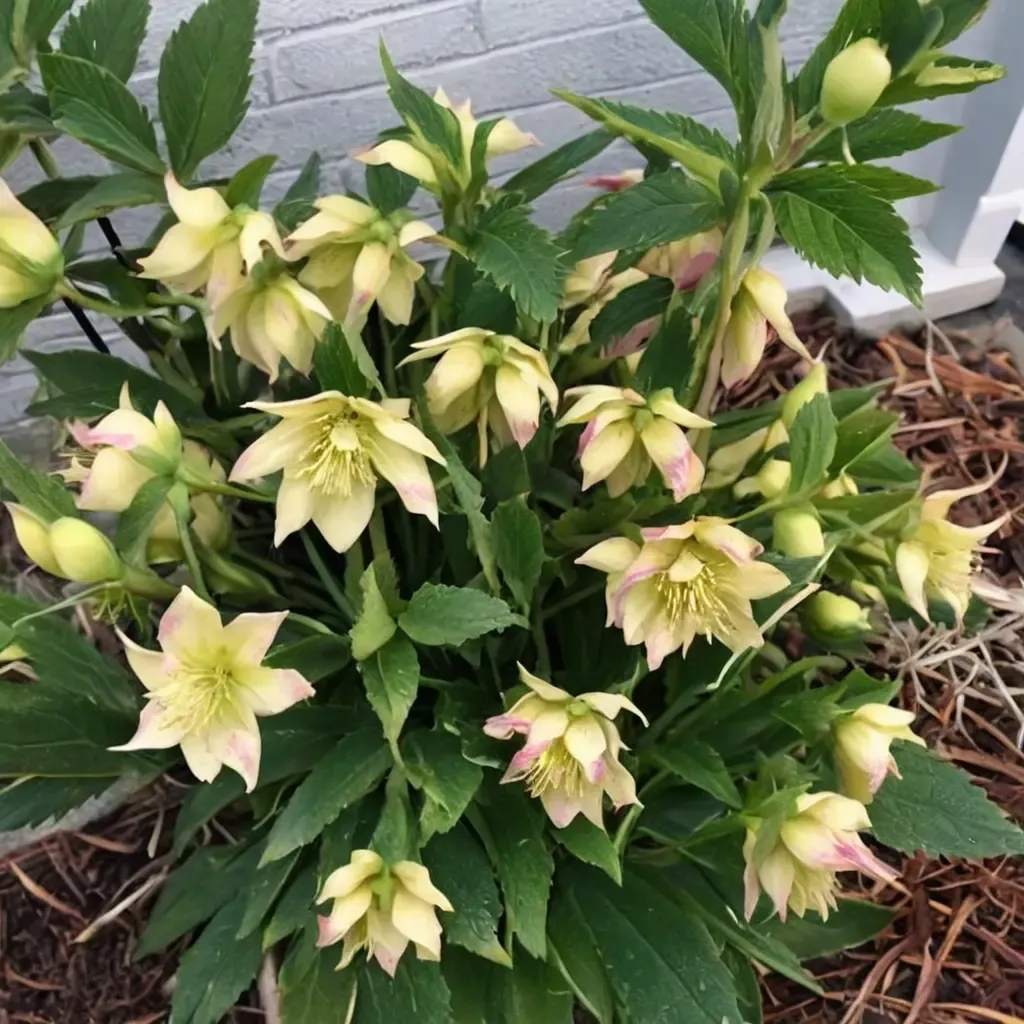
First Dance Lenten Rose Hellebore
Helleborus orientalis 'First Dance'
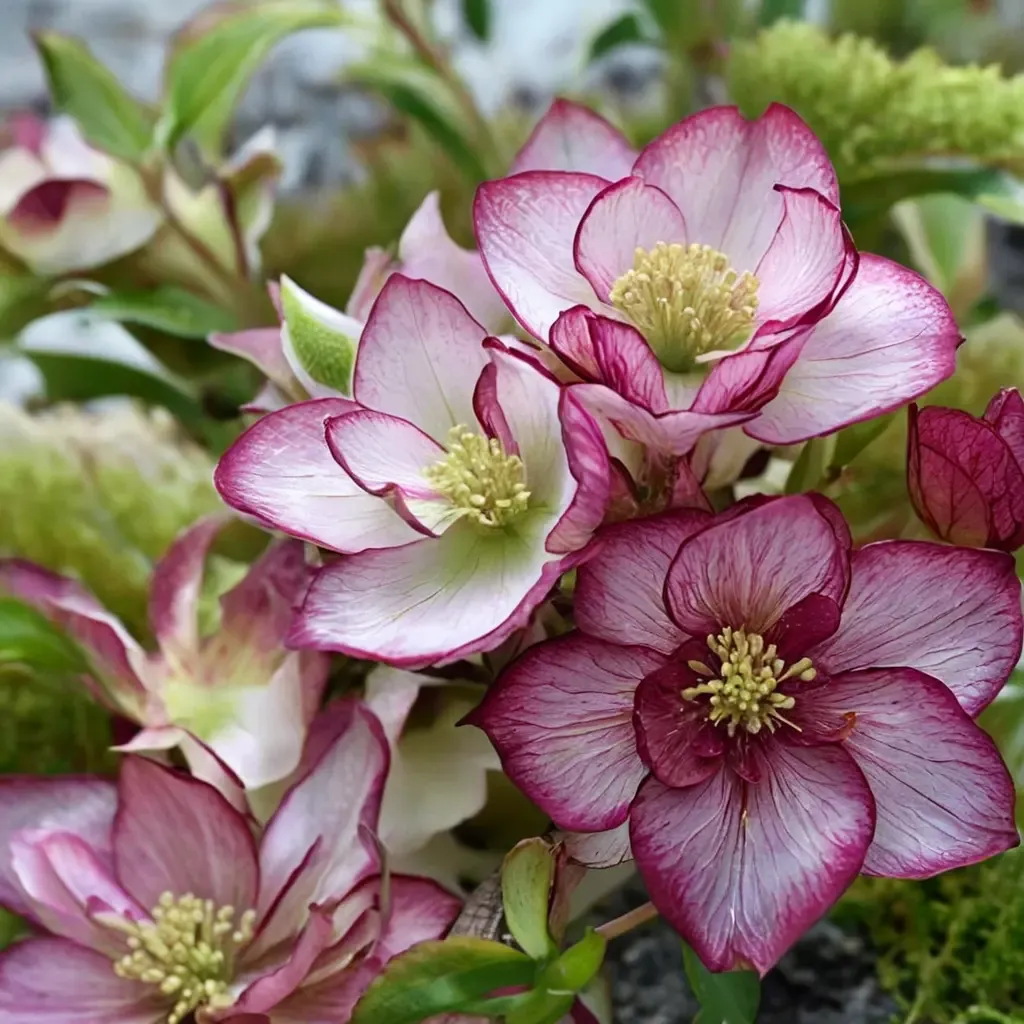
Peppermint Ice Lenten Rose
Helleborus x hybrida 'Peppermint Ice'
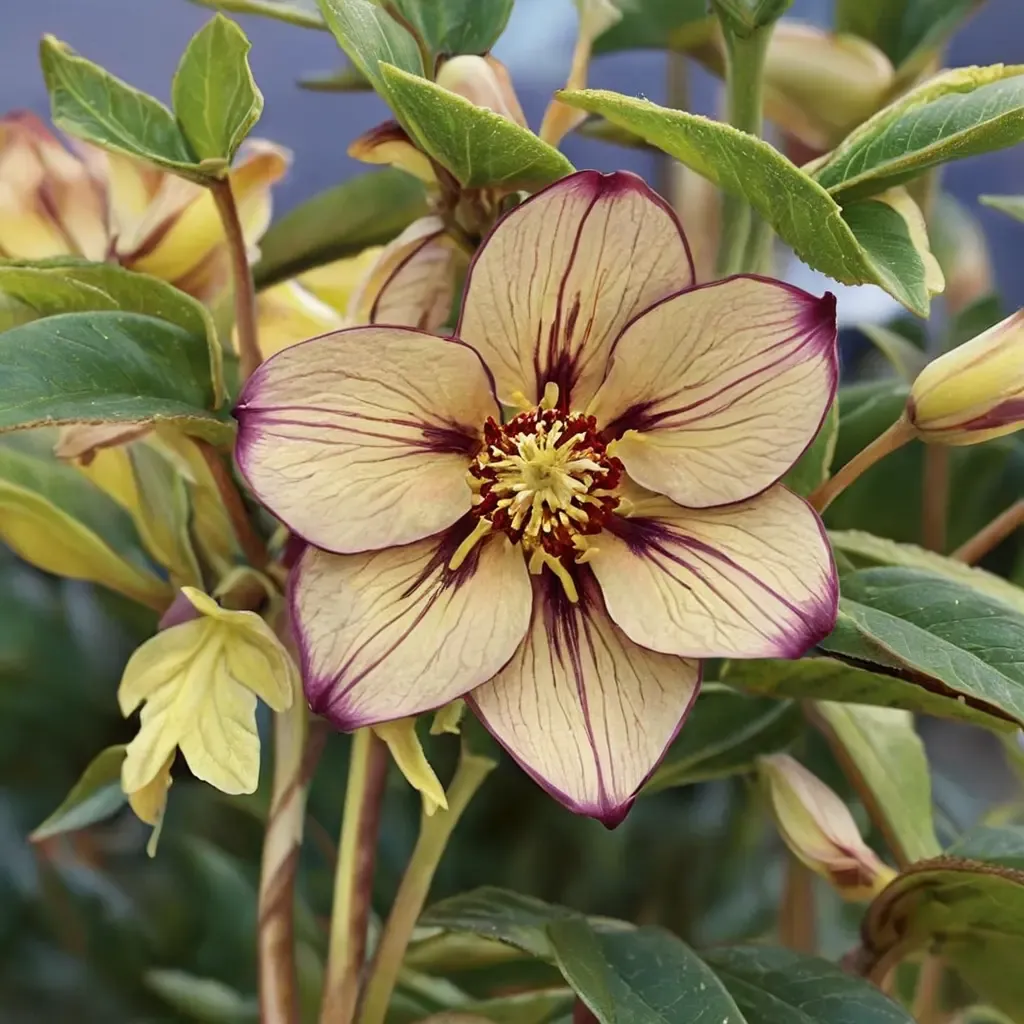
Tropical sunset Lenten Rose
Helleborus orientalis 'Tropical sunset'
Keep exploring
Explore the genus
Grow Pippa S Purple Lenten Rose with confidence
See it in a design of your actual yard, get zone-matched care reminders, and track it season by season in your garden journal.