The Story
Plant Bio
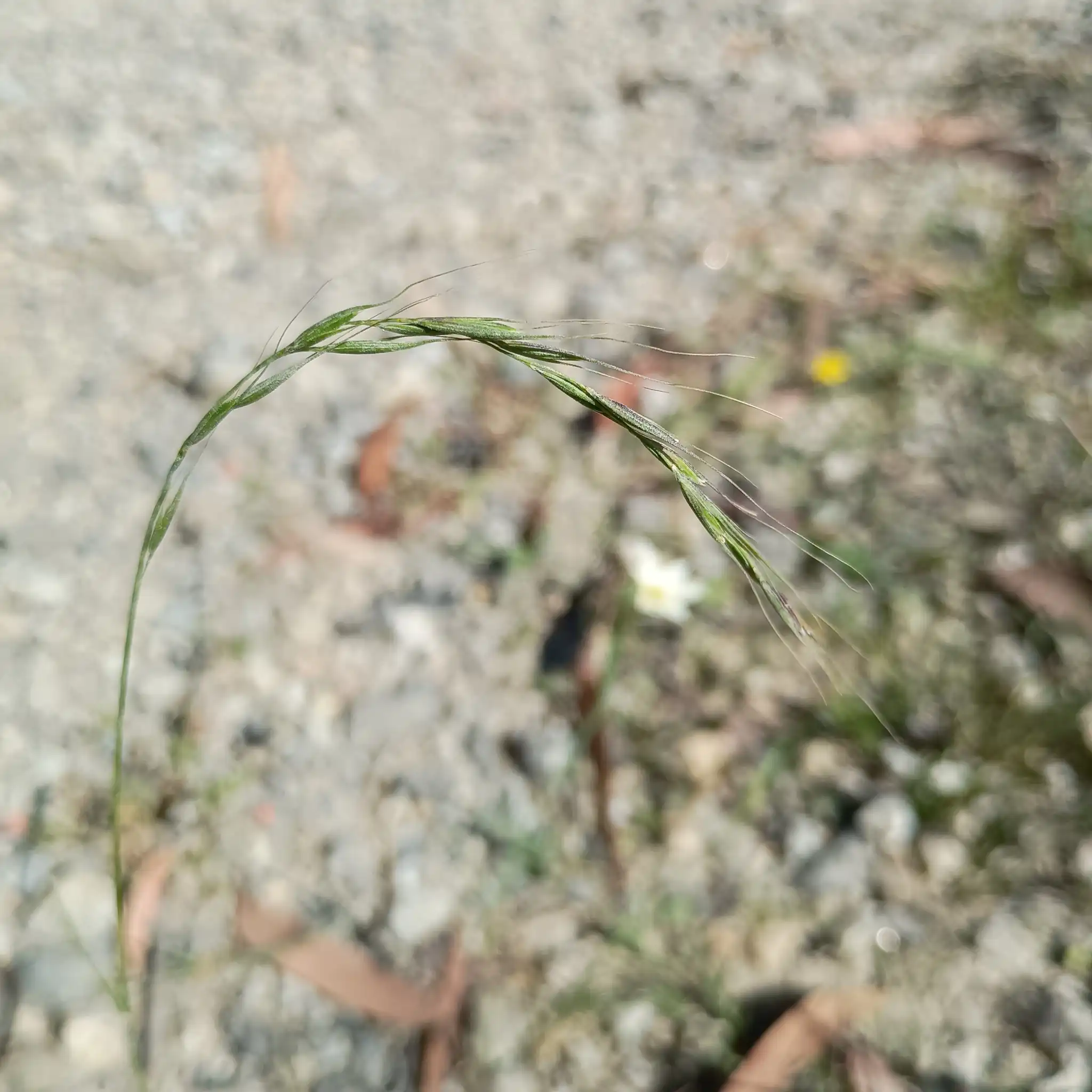
Microlaena stipoides is a fine-textured perennial grass native to Australasia that forms loose, weeping tufts. It spreads slowly via short underground rhizomes to create a soft, bright green ground cover that thrives in both full sun and deep shade.
This species is distinguished by its slender, drooping seed heads featuring long-awned spikelets that resemble miniature grains of rice. The delicate, lime-green foliage maintains its color throughout the year in mild climates and recovers rapidly from winter dormancy.
Uses & Benefits:
Essentials
At a Glance
Plant Type
Grass
Height
18"
Width
24"
Light
Full Sun, Partial Sun, Shade
Zones
8, 9, 10
Water
Low to Moderate
Humidity
Moderate
Lifespan
Perennial
Native To
Australasia
Toxicity
Non-toxic
Bloom period
Spring – Summer
In flower about 6 months of the year
Planting
How to Grow
- Select a planting site ranging from full sun to deep, heavy shade.
- Prepare a well-draining soil bed, adjusting acidic to neutral pH levels between 5.5 and 7.0.
- Space live plugs six to twelve inches apart to allow the short rhizomes to knit together.
- Water moderately during the first season to establish the root system, avoiding waterlogged conditions.
- Mow infrequently, leaving the grass unmown for a natural meadow look or cutting it one to three times a year.
Pro Tip
Avoid high-nitrogen fertilizers and overwatering, which trigger excessive thatch buildup and invite weed invasion; this grass performs best under a regime of deliberate neglect.
Keep It Thriving
Care Guide
Do
- Mow infrequently to maintain a natural, weeping meadow appearance.
- Ensure excellent soil drainage to prevent Pythium root rot.
- Allow the grass to go dormant during dry summer spells, as it recovers quickly with moisture.
Don't
- Do not apply heavy applications of high-nitrogen fertilizer, which encourages weed competition.
- Do not scalp the turf aggressively into old, leafless wood when mowing.
- Do not plant in low-lying areas prone to prolonged standing water.
Seasonal Care Calendar
| Task | Jan | Feb | Mar | Apr | May | Jun | Jul | Aug | Sep | Oct | Nov | Dec |
|---|---|---|---|---|---|---|---|---|---|---|---|---|
| Divide | ||||||||||||
| Fertilize | ||||||||||||
| Plant | ||||||||||||
| Prune |
Watch Out For
Pests & Diseases
Common Pests
Common Diseases
In the Garden
Landscape Uses & Companions
Landscape Uses
Companion Plants
Multiply
Propagation Methods
Good to Know
Common Questions
Weeping Grass questions
What zones can Weeping Grass grow in?
Weeping Grass is hardy in USDA Zones 8–10. Inside that range it survives winter in the ground; outside it, grow it as an annual or a container plant you protect.
Is Weeping Grass deer resistant?
Not reliably. Deer may browse Weeping Grass, especially tender spring growth — plan on repellents or fencing where pressure is high.
When does Weeping Grass bloom?
Weeping Grass typically blooms in spring through summer. Exact timing shifts a week or two with your zone — Sow's bloom calendar maps it to your garden.
Does Weeping Grass need full sun?
Weeping Grass does best in full sun to part shade. In hot climates, afternoon shade keeps blooms fresher longer.
Is Weeping Grass drought tolerant?
Yes — once established (usually after the first full season), Weeping Grass handles dry spells with minimal watering. Water deeply its first year to build the root system that makes that possible.
Keep exploring
Explore the genus
Hardy in your zone?
Grow Weeping Grass with confidence
See it in a design of your actual yard, get zone-matched care reminders, and track it season by season in your garden journal.