The Story
Plant Bio
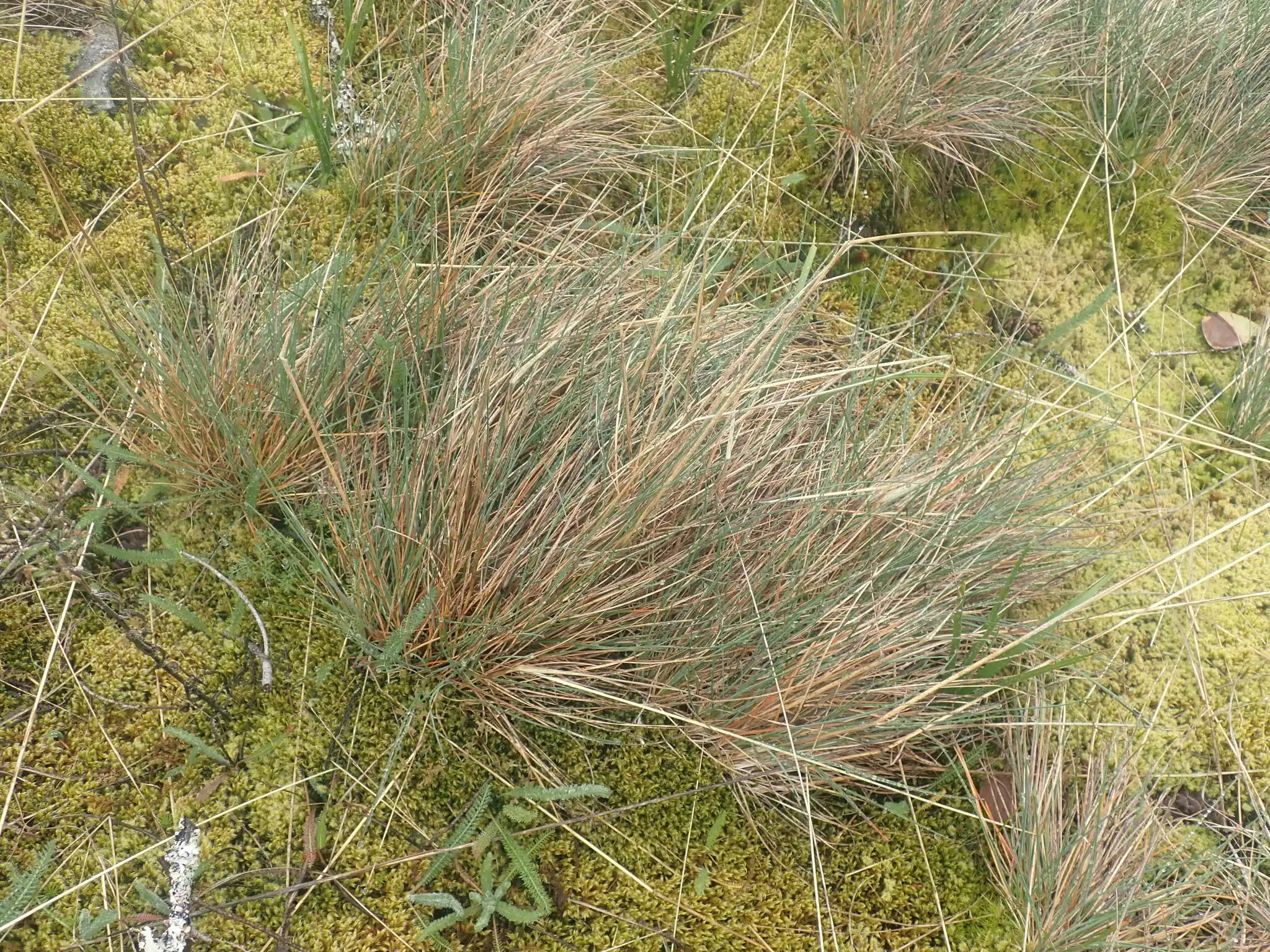
Festuca idahoensis is a densely tufted, fine-textured perennial bunchgrass native to the open forests, grasslands, and montane meadows of western North America. The species forms erect to arching clumps of very narrow, tightly rolled leaves that range in color from glaucous blue-green to bright blue-gray.
This cool-season grass is highly valued for its exceptional cold hardiness and ability to maintain its structural integrity in low-fertility soils. In late spring, it produces narrow, open panicles of pale green or purplish spikelets on slender stems rising above the foliage.
Uses & Benefits:
Essentials
At a Glance
Plant Type
Grass
Height
30"
Width
16"
Light
Full Sun, Partial Sun
Zones
4, 5, 6, 7, 8, 9
Water
Low
Humidity
Low
Lifespan
Perennial
Native To
Western North America
Toxicity
Non-toxic
Bloom period
Late spring – Mid-summer
In flower about 3 months of the year
Planting
How to Grow
- Select a planting site with full sun to partial shade and exceptionally well-drained soil.
- Dig a hole twice the width of the root ball and set the plant so the crown sits slightly above the surrounding soil level.
- Water moderately during the first growing season to establish the root system, allowing the soil to dry between waterings.
- Reduce irrigation significantly once established, as the grass naturally enters semi-dormancy during hot, dry summer periods.
Pro Tip
Avoid heavy summer irrigation and high-nitrogen fertilizers, which trigger weak, floppy growth and predispose the crown to rot. Comb out dead interior foliage by hand in late winter rather than shearing hard into old, leafless wood.
Keep It Thriving
Care Guide
Do
- Plant in sharply draining sandy loam, silt loam, or clay loam.
- Provide full sun to maintain the tightest growth habit and most intense blue foliage color.
- Clean up the clump in late winter by combing out dead leaves or cutting back to two to three inches above the crown.
Don't
- Do not plant in heavy, waterlogged soils or areas where winter water pools.
- Do not over-fertilize, as excess nutrients cause the stems to flop and shorten the plant's lifespan.
- Do not shear the plant back into the woody crown, which prevents clean regrowth.
Seasonal Care Calendar
| Task | Jan | Feb | Mar | Apr | May | Jun | Jul | Aug | Sep | Oct | Nov | Dec |
|---|---|---|---|---|---|---|---|---|---|---|---|---|
| Divide | ||||||||||||
| Pest Check | ||||||||||||
| Plant | ||||||||||||
| Spring Cleanup |
Watch Out For
Pests & Diseases
Common Pests
Common Diseases
In the Garden
Landscape Uses & Companions
Landscape Uses
Companion Plants
Multiply
Propagation Methods
Good to Know
Common Questions
Idaho Fescue questions
What zones can Idaho Fescue grow in?
Idaho Fescue is hardy in USDA Zones 4–9. Inside that range it survives winter in the ground; outside it, grow it as an annual or a container plant you protect.
Is Idaho Fescue deer resistant?
Not reliably. Deer may browse Idaho Fescue, especially tender spring growth — plan on repellents or fencing where pressure is high.
When does Idaho Fescue bloom?
Idaho Fescue typically blooms in late spring through mid-summer. Exact timing shifts a week or two with your zone — Sow's bloom calendar maps it to your garden.
Does Idaho Fescue need full sun?
Idaho Fescue does best in full sun to part shade. In hot climates, afternoon shade keeps blooms fresher longer.
Is Idaho Fescue drought tolerant?
Yes — once established (usually after the first full season), Idaho Fescue handles dry spells with minimal watering. Water deeply its first year to build the root system that makes that possible.
More Festuca to compare
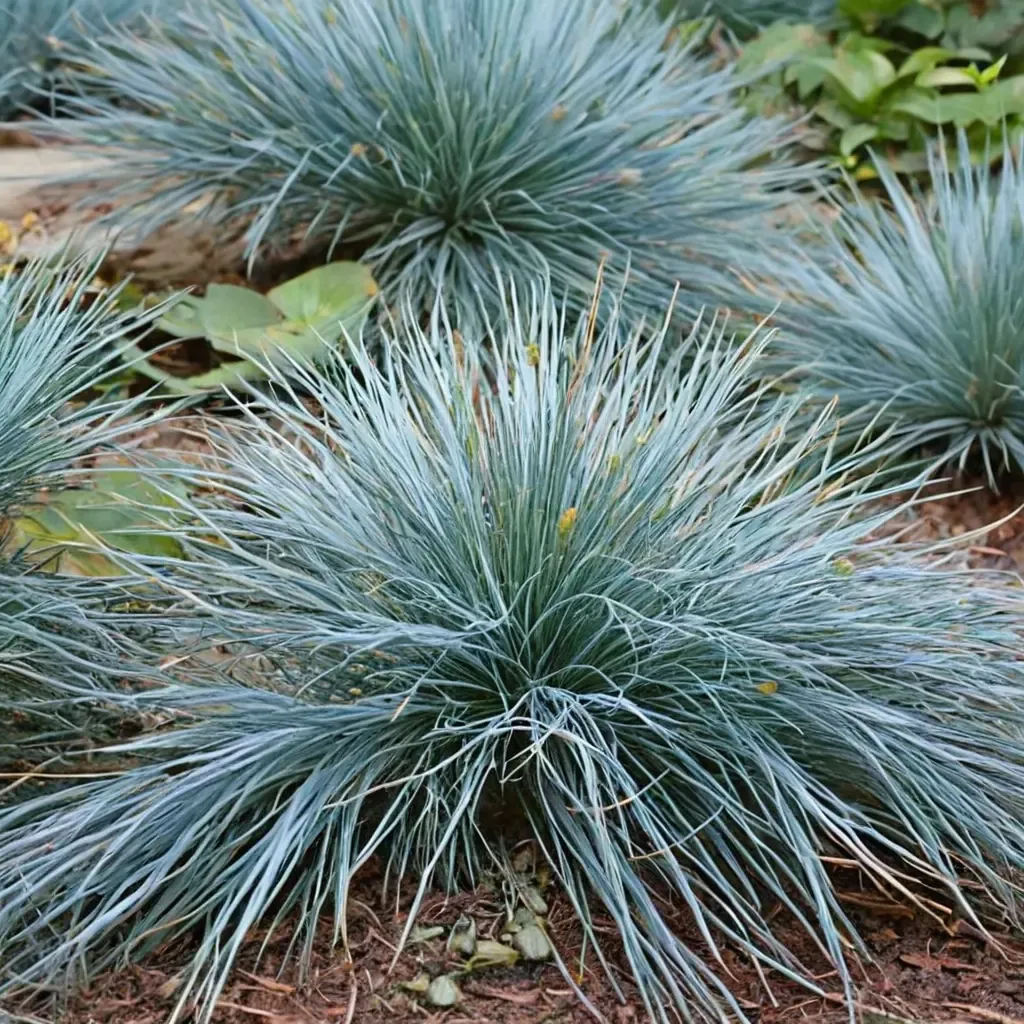
Elijah Blue Fescue
Festuca glauca 'Elijah Blue'
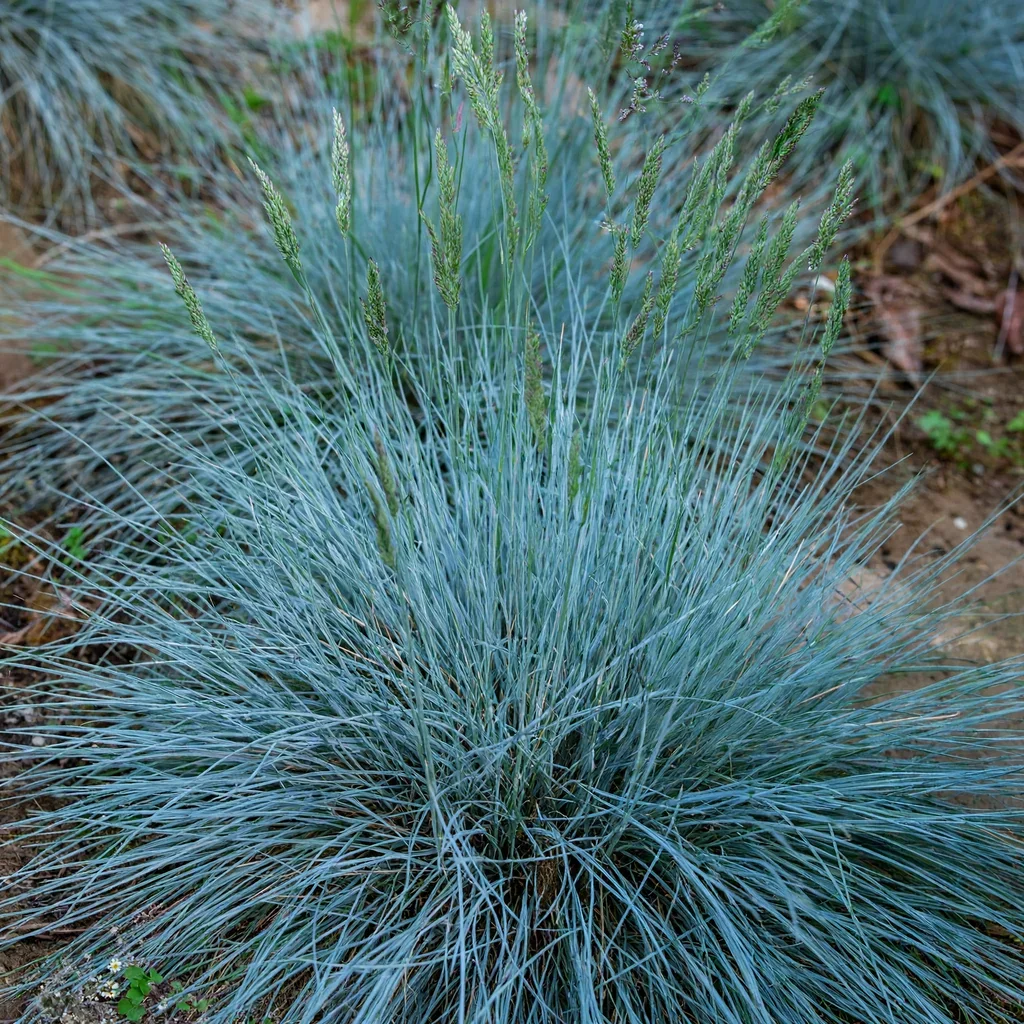
Blue Fescue
Festuca glauca
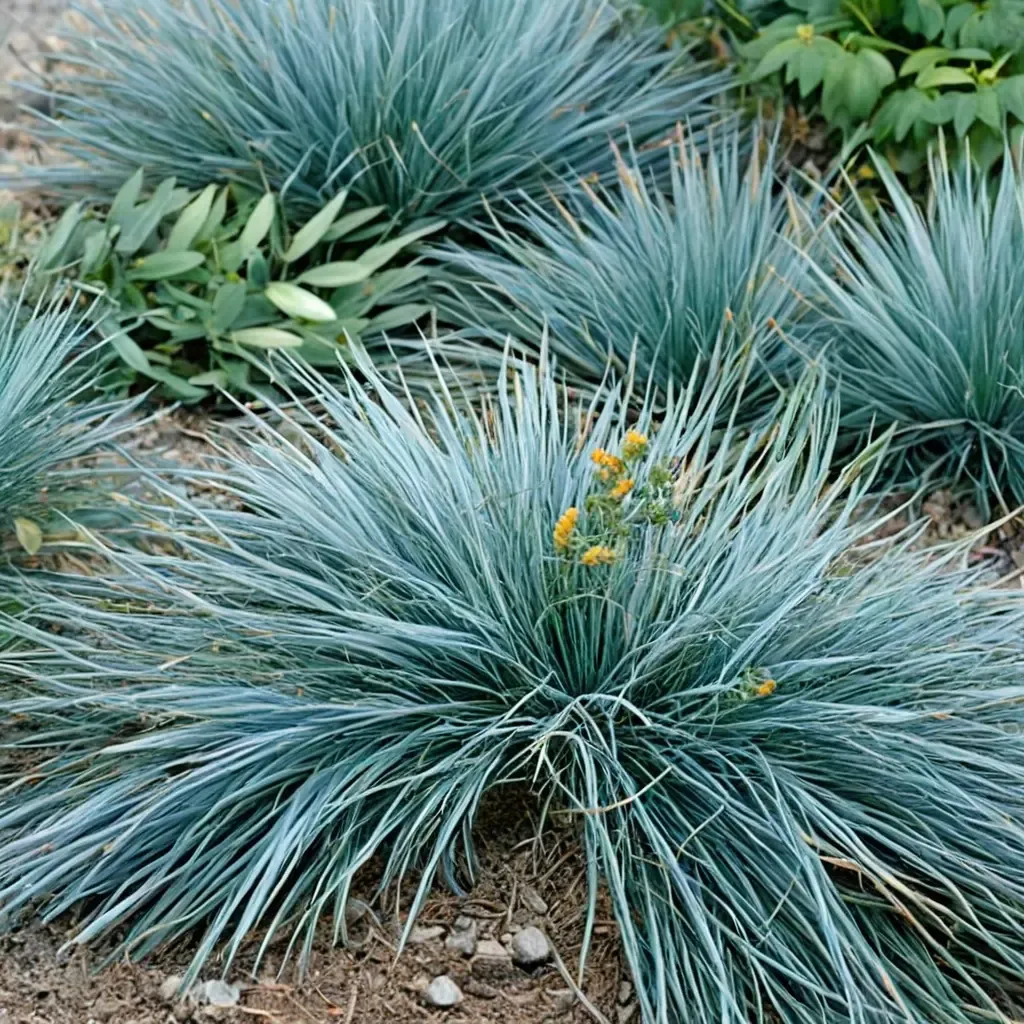
Blue Fox Fescue
Festuca glauca 'Blaufuchs'
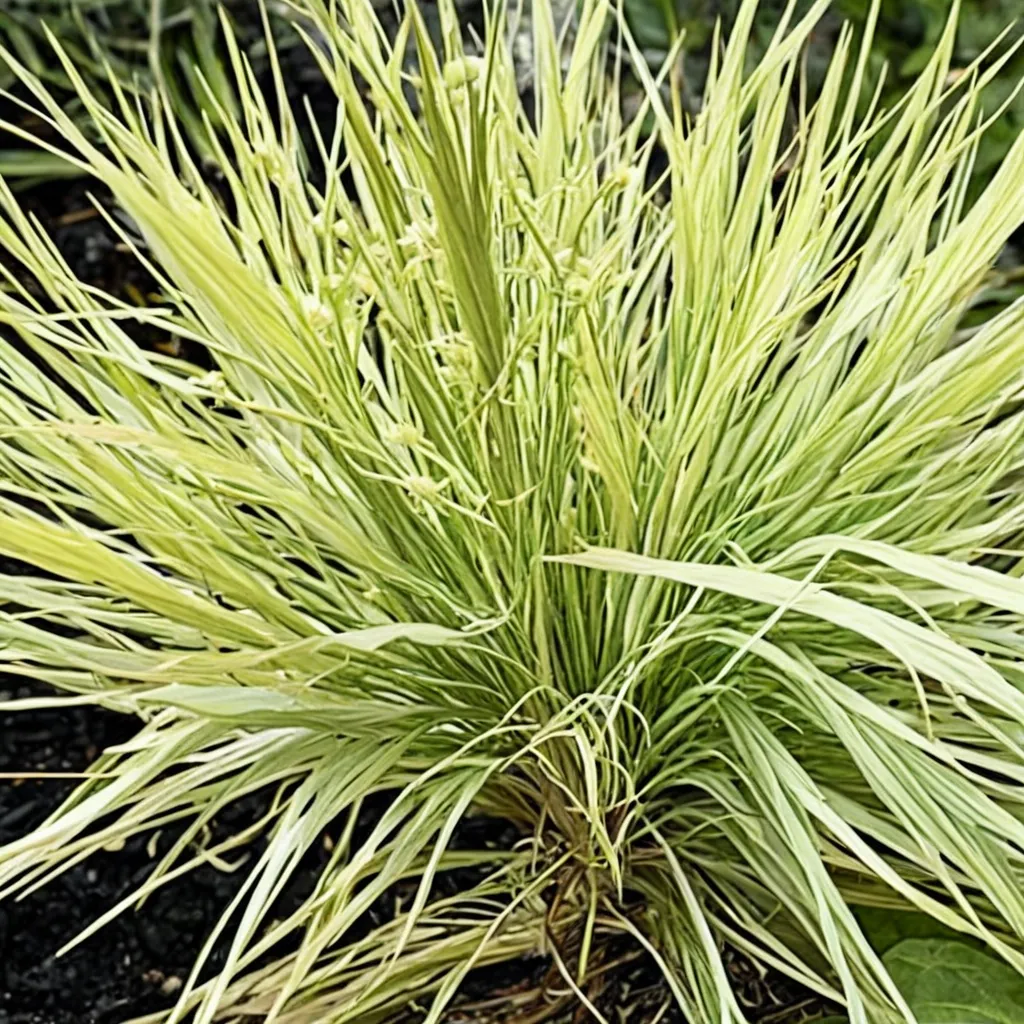
Golden Toupee Fescue
Festuca glauca 'Golden Toupee'
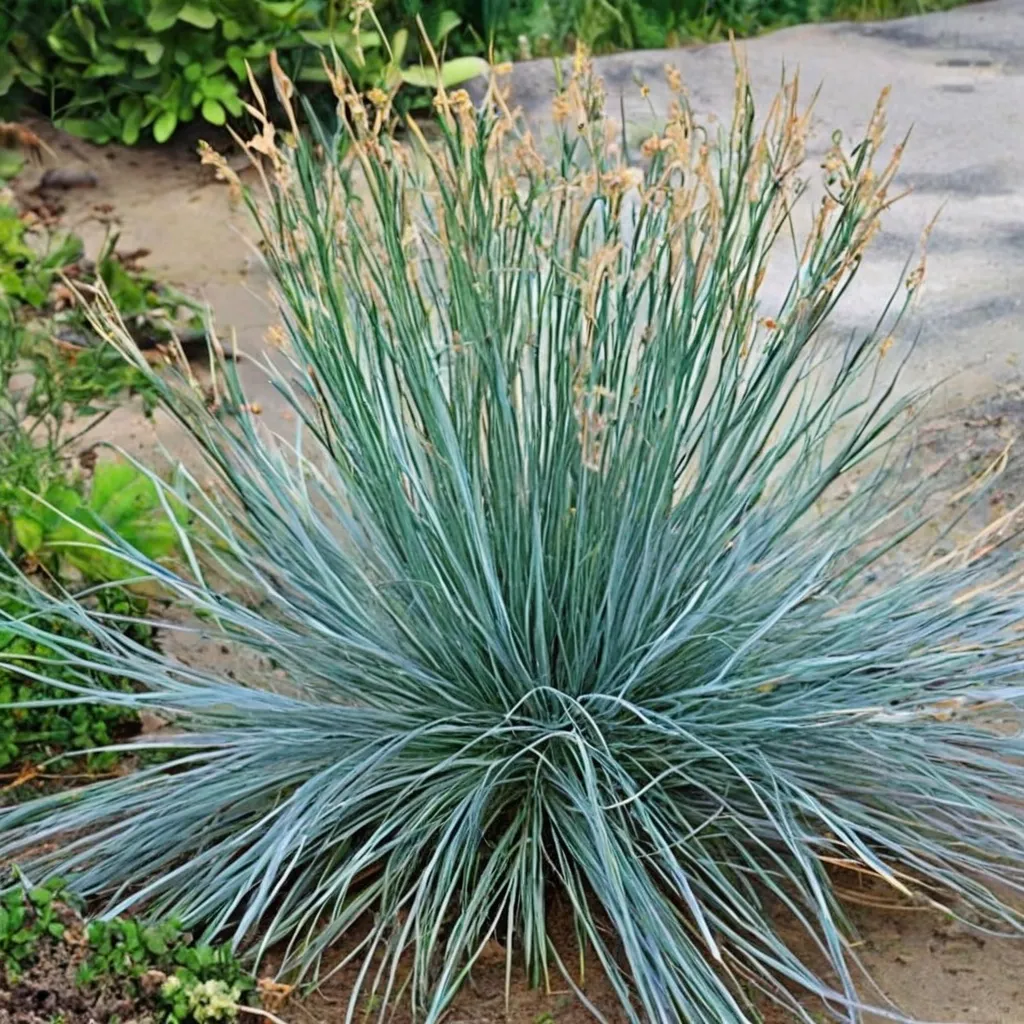
Festuca Mix
Festuca x hybrida 'Mix'
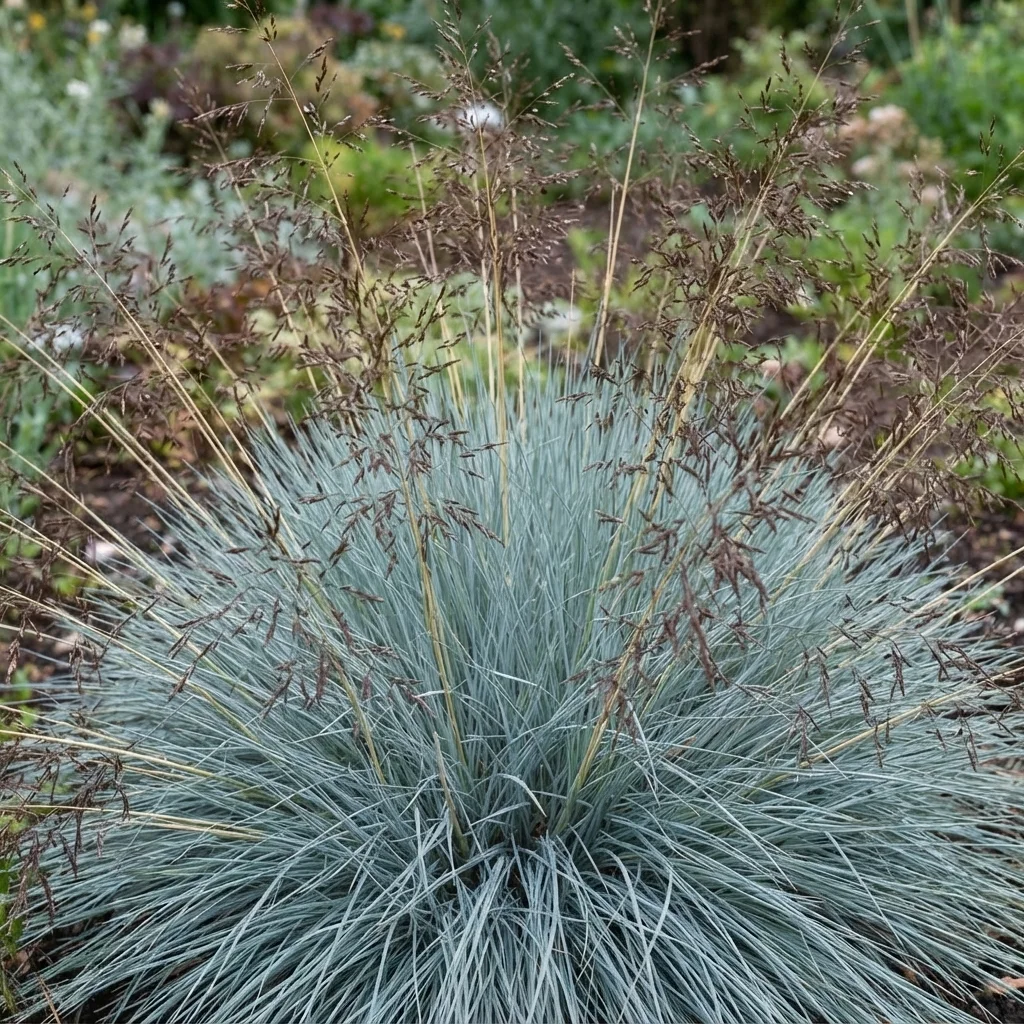
Banks Peninsula Blue Tussock
Festuca actae 'Banks Peninsula Blue'
Keep exploring
Explore the genus
Grow Idaho Fescue with confidence
See it in a design of your actual yard, get zone-matched care reminders, and track it season by season in your garden journal.