The Story
Plant Bio
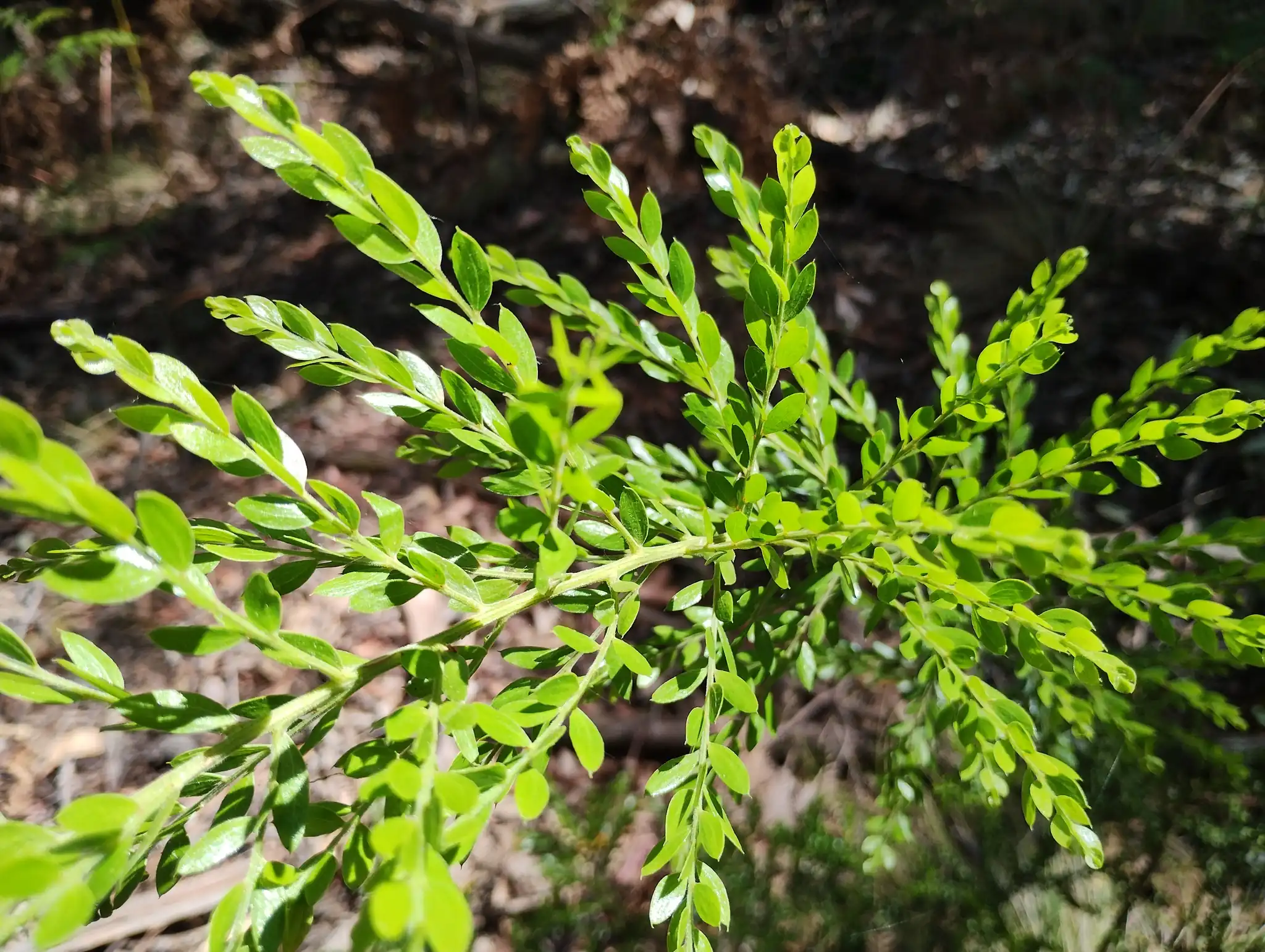
Acacia howittii, the sticky wattle, is an evergreen large shrub or small tree native to southeastern Australia, characterized by a dense, weeping habit and slender, pendulous branchlets. The narrow, dark green phyllodes are sticky to the touch and release an intense aromatic scent when bruised or pruned.
In spring, the branches are covered in pale lemon-yellow, spherical flower heads borne in the leaf axils. The plant exhibits high tolerance to coastal winds and moderate drought once established, making it highly effective as a dense screen or formal hedge.
Uses & Benefits:
Essentials
At a Glance
Plant Type
Shrub
Height
354"
Width
197"
Light
Full Sun, Partial Sun
Zones
8, 9, 10
Water
Low to Moderate
Humidity
Moderate
Lifespan
Moderate
Native To
Southeastern Australia
Toxicity
Non-toxic (resin may cause mild skin irritation)
Bloom period
Spring
In flower about 3 months of the year
Planting
How to Grow
- Select a planting site in full sun to dappled shade with excellent drainage.
- Dig a hole twice as wide as the root ball but no deeper, ensuring the crown sits slightly above the surrounding soil level to prevent collar rot.
- Backfill with native soil without adding heavy organic amendments, and water thoroughly to settle the roots.
- Apply a thin layer of organic mulch around the base, keeping it clear of the main trunk to avoid moisture retention against the bark.
Pro Tip
Prune immediately after flowering in spring, shearing the outer foliage to maintain density, but never cut back into old, leafless wood which lacks active buds to regenerate.
Keep It Thriving
Care Guide
Do
- Prune annually right after spring flowering to maintain a dense, compact shape.
- Plant on a slight mound or slope if your soil contains heavy clay to ensure rapid drainage.
- Water deeply but infrequently during the first summer to establish a deep root system.
Don't
- Do not plant in low-lying areas or heavy clay where water pools after rain.
- Do not prune deeply into old, bare wood that lacks green foliage or visible buds.
- Do not over-fertilize, especially with high-phosphorus formulas; use balanced or low-phosphorus native fertilizers sparingly.
Seasonal Care Calendar
| Task | Jan | Feb | Mar | Apr | May | Jun | Jul | Aug | Sep | Oct | Nov | Dec |
|---|---|---|---|---|---|---|---|---|---|---|---|---|
| Fertilize | ||||||||||||
| Pest Check | ||||||||||||
| Plant | ||||||||||||
| Prune |
Watch Out For
Pests & Diseases
Common Pests
Common Diseases
In the Garden
Landscape Uses & Companions
Landscape Uses
Companion Plants
Multiply
Propagation Methods
Good to Know
Common Questions
Sticky Wattle questions
What zones can Sticky Wattle grow in?
Sticky Wattle is hardy in USDA Zones 8–10. Inside that range it survives winter in the ground; outside it, grow it as an annual or a container plant you protect.
Is Sticky Wattle deer resistant?
Not reliably. Deer may browse Sticky Wattle, especially tender spring growth — plan on repellents or fencing where pressure is high.
When does Sticky Wattle bloom?
Sticky Wattle typically blooms in spring through spring. Exact timing shifts a week or two with your zone — Sow's bloom calendar maps it to your garden.
Does Sticky Wattle need full sun?
Sticky Wattle does best in full sun to part shade. In hot climates, afternoon shade keeps blooms fresher longer.
Is Sticky Wattle drought tolerant?
Yes — once established (usually after the first full season), Sticky Wattle handles dry spells with minimal watering. Water deeply its first year to build the root system that makes that possible.
More Acacia to compare
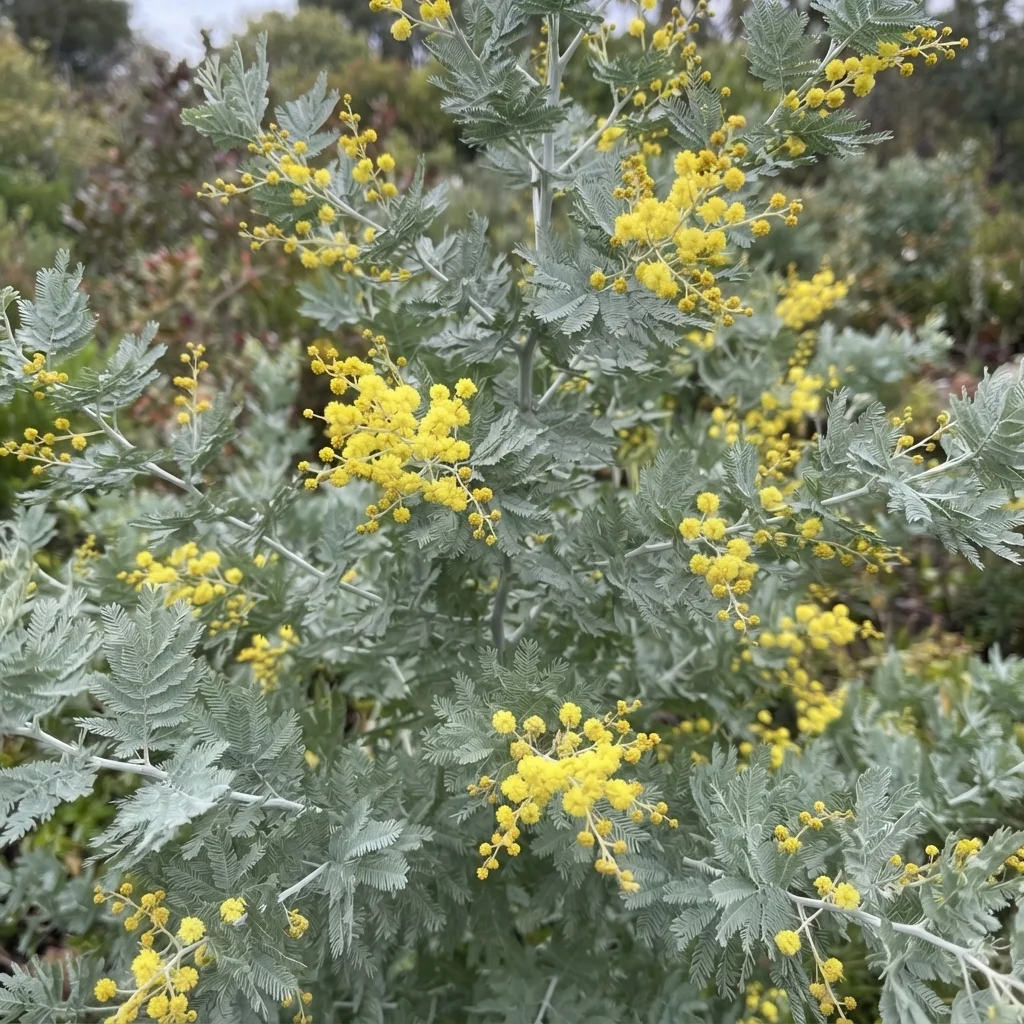
Silver wattle
Acacia dealbata
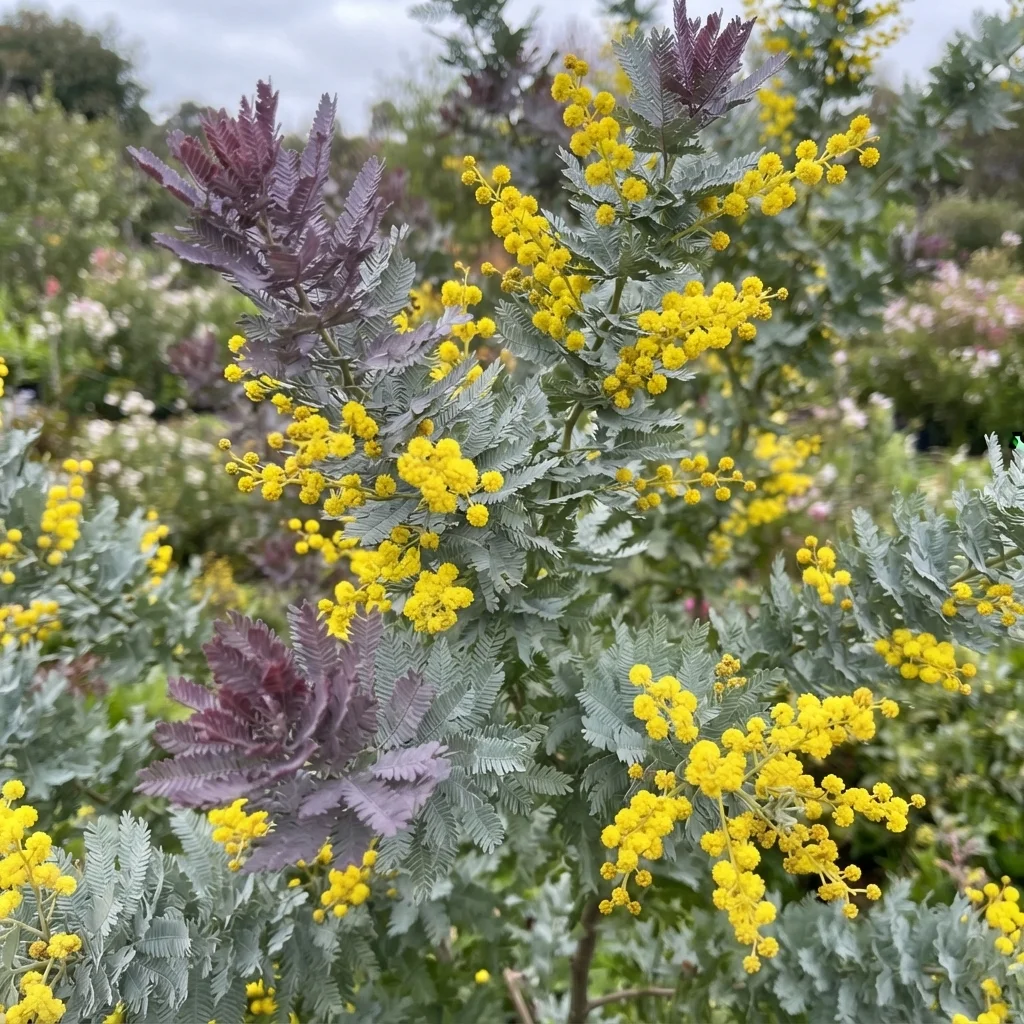
Cootamundra Wattle
Acacia baileyana 'Purpurea'
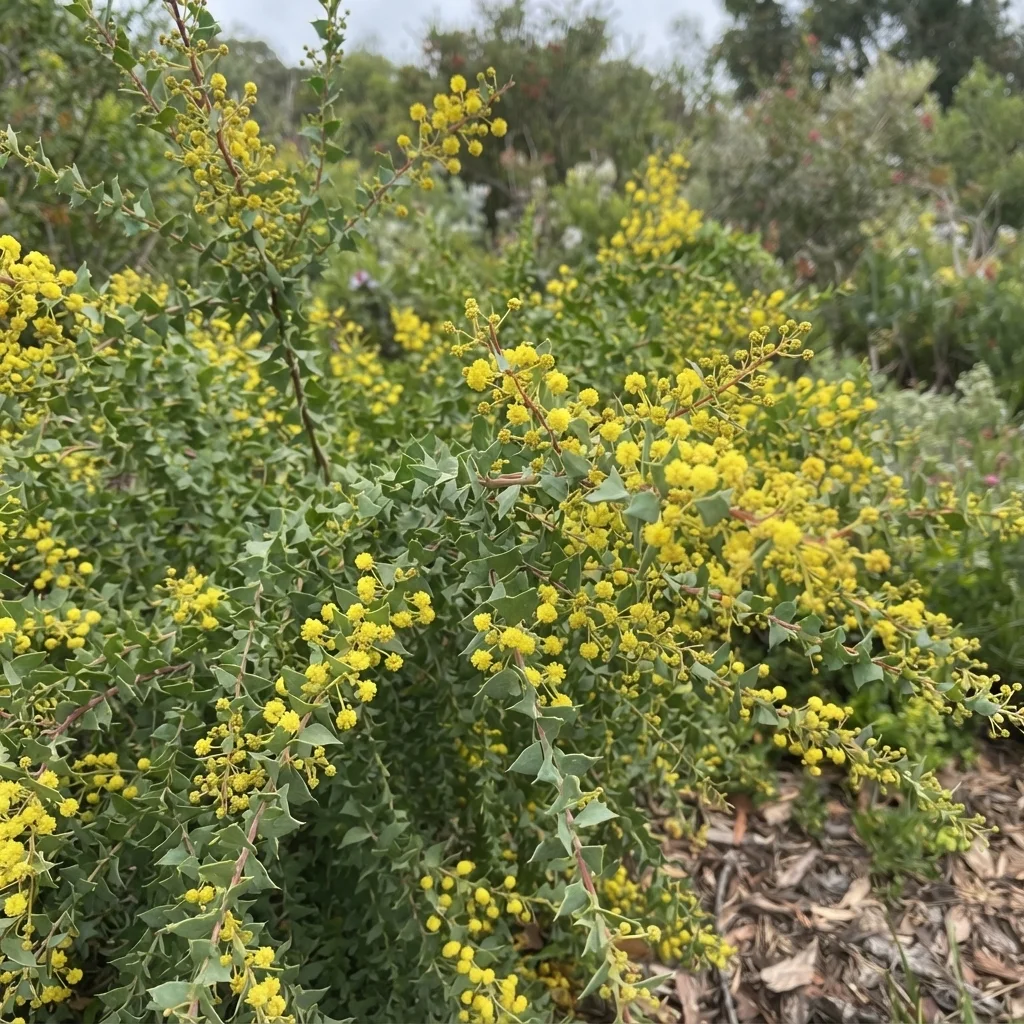
Ovens Wattle
Acacia pravissima
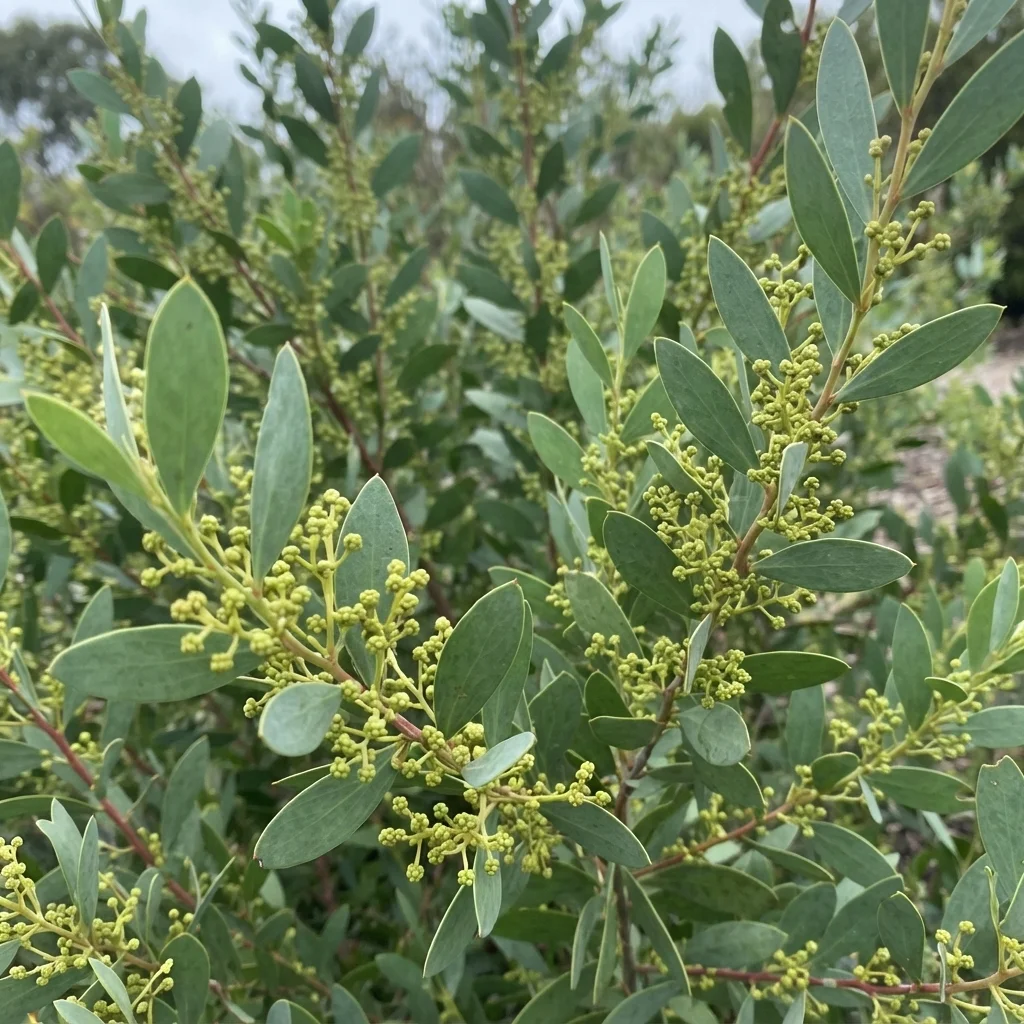
Box-leaf Wattle
Acacia buxifolia
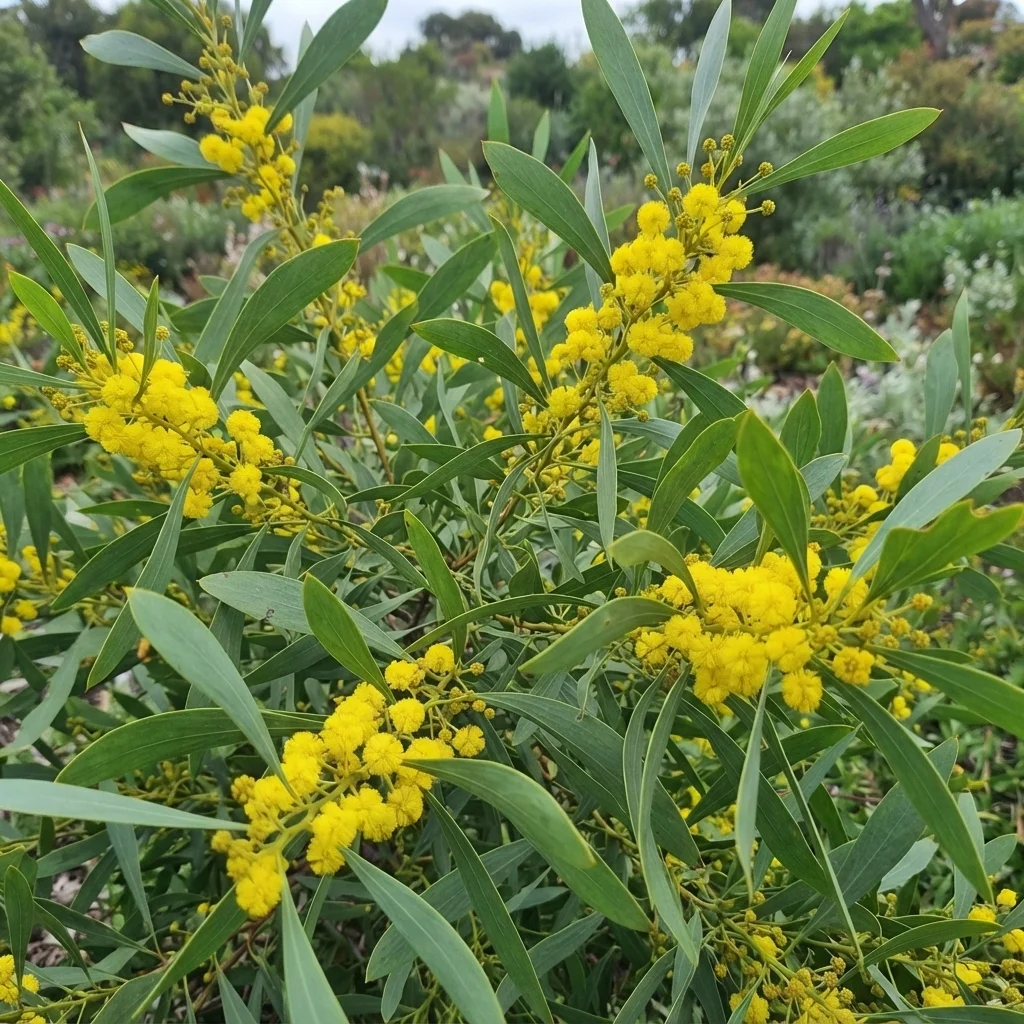
Golden Wreath Wattle
Acacia saligna
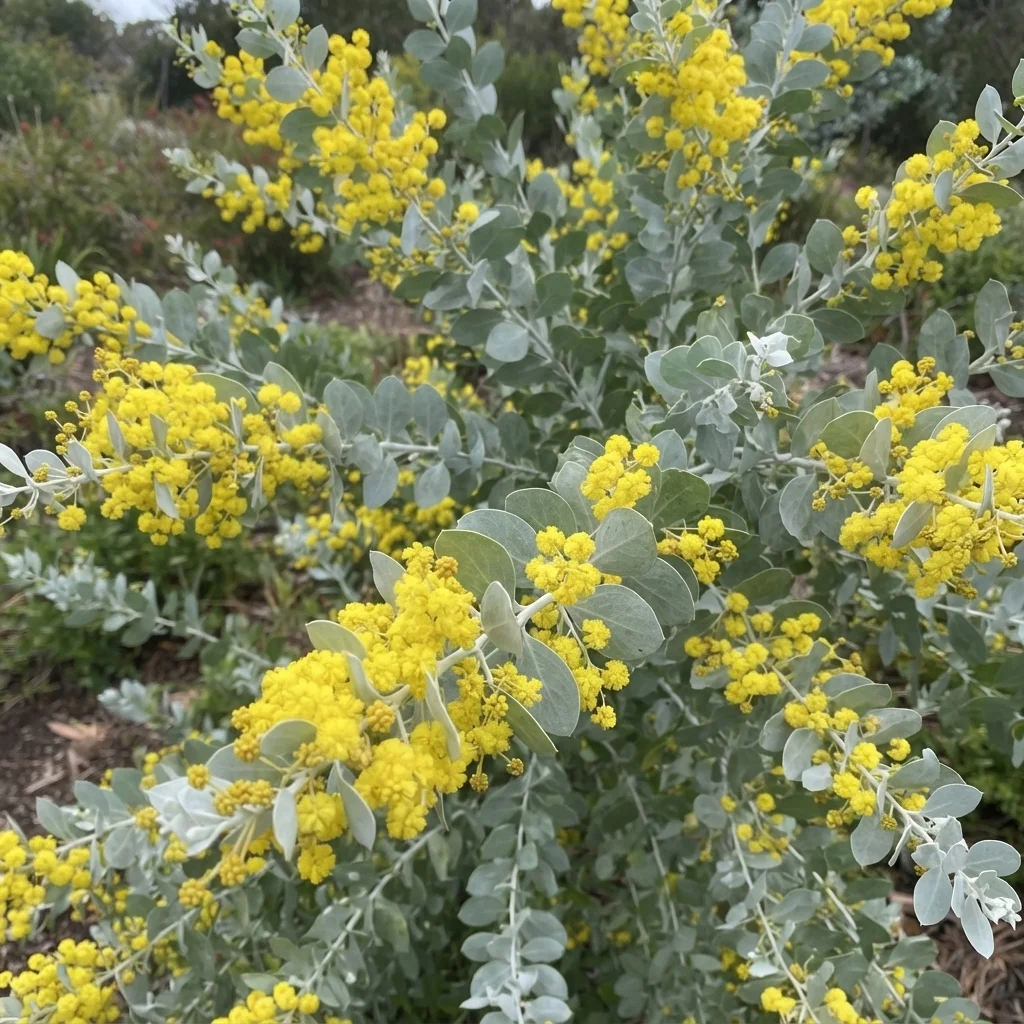
Pearl Acacia
Acacia podalyriifolia
Keep exploring
Explore the genus
Hardy in your zone?
Grow Sticky Wattle with confidence
See it in a design of your actual yard, get zone-matched care reminders, and track it season by season in your garden journal.