
The Story
Plant Bio
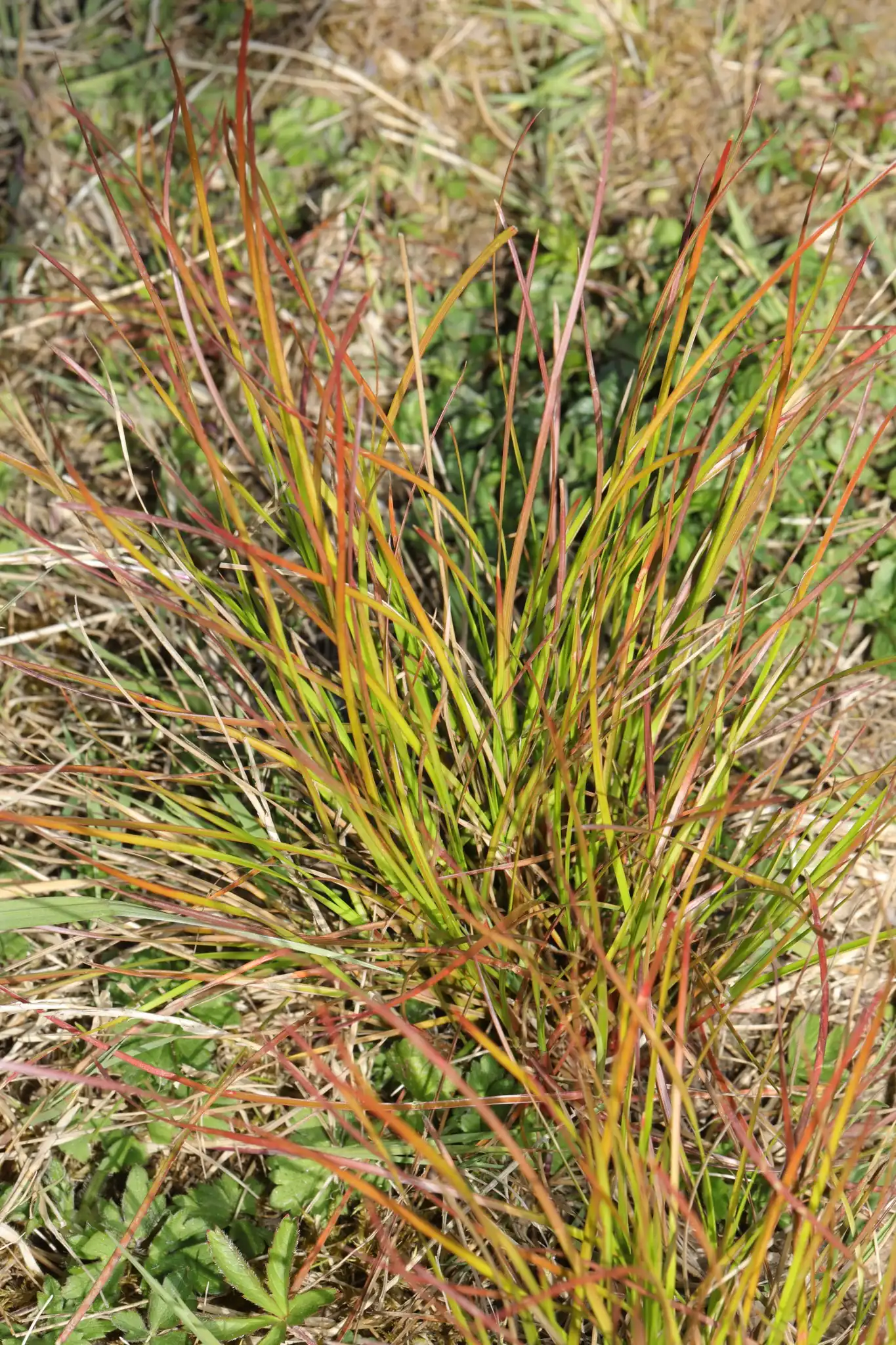
Juncus tenuis is a widespread, tough, clump-forming perennial rush native to North America. It has slender, rounded, grass-like stems and is exceptionally tolerant of difficult growing conditions, including compacted soil.
Its common name, Path Rush, comes from its ability to thrive in compacted soils along footpaths and driveways where little else will grow. It is a resilient and functional plant for challenging sites.
Uses & Benefits:
Essentials
At a Glance
Plant Type
Grass
Height
18"
Width
12"
Light
Full Sun, Partial Sun
Zones
4, 5, 6, 7, 8, 9
Water
Adaptable
Humidity
Adaptable
Lifespan
Perennial
Native To
North America
Toxicity
Non-toxic
Planting
How to Grow
- Select any site from full sun to part shade.
- It is not picky about soil; it tolerates clay, sand, and compacted areas.
- Sow seeds directly in fall or spring, or plant plugs.
- Water occasionally until established; it is drought tolerant thereafter.
- It requires virtually no care once established.
- Cut back foliage in late winter to make way for new growth.
Pro Tip
Use it to soften the edges of gravel paths or between pavers; it will tolerate the foot traffic and poor soil.
Keep It Thriving
Care Guide
Do
- Plant it in tough spots where other plants fail.
- Allow it to self-seed if you want it to naturalize.
- Use it in rain gardens to help with water filtration.
- Cut back annually in late winter for a fresh appearance.
Don't
- Do not plant it in a formal, manicured border unless you want a weedy look.
- Do not over-fertilize; it thrives in lean soil.
- Do not worry about foot traffic; it can handle it.
- Do not expect showy flowers; its value is in its texture and toughness.
Seasonal Care Calendar
| Task | Jan | Feb | Mar | Apr | May | Jun | Jul | Aug | Sep | Oct | Nov | Dec |
|---|---|---|---|---|---|---|---|---|---|---|---|---|
| Divide | ||||||||||||
| Spring Cleanup |
Watch Out For
Pests & Diseases
Common Pests
Common Diseases
In the Garden
Landscape Uses & Companions
Landscape Uses
Multiply
Propagation Methods
Good to Know
Common Questions
Path Rush questions
What zones can Path Rush grow in?
Path Rush is hardy in USDA Zones 4–9. Inside that range it survives winter in the ground; outside it, grow it as an annual or a container plant you protect.
Is Path Rush deer resistant?
Yes — Path Rush is rated deer-resistant. Deer typically pass it over, though extreme hunger can override any plant's defenses.
When does Path Rush bloom?
Path Rush typically blooms in early summer through mid-summer. Exact timing shifts a week or two with your zone — Sow's bloom calendar maps it to your garden.
Does Path Rush need full sun?
Path Rush does best in full sun to part shade. In hot climates, afternoon shade keeps blooms fresher longer.
Is Path Rush drought tolerant?
Yes — once established (usually after the first full season), Path Rush handles dry spells with minimal watering. Water deeply its first year to build the root system that makes that possible.
More Juncus to compare
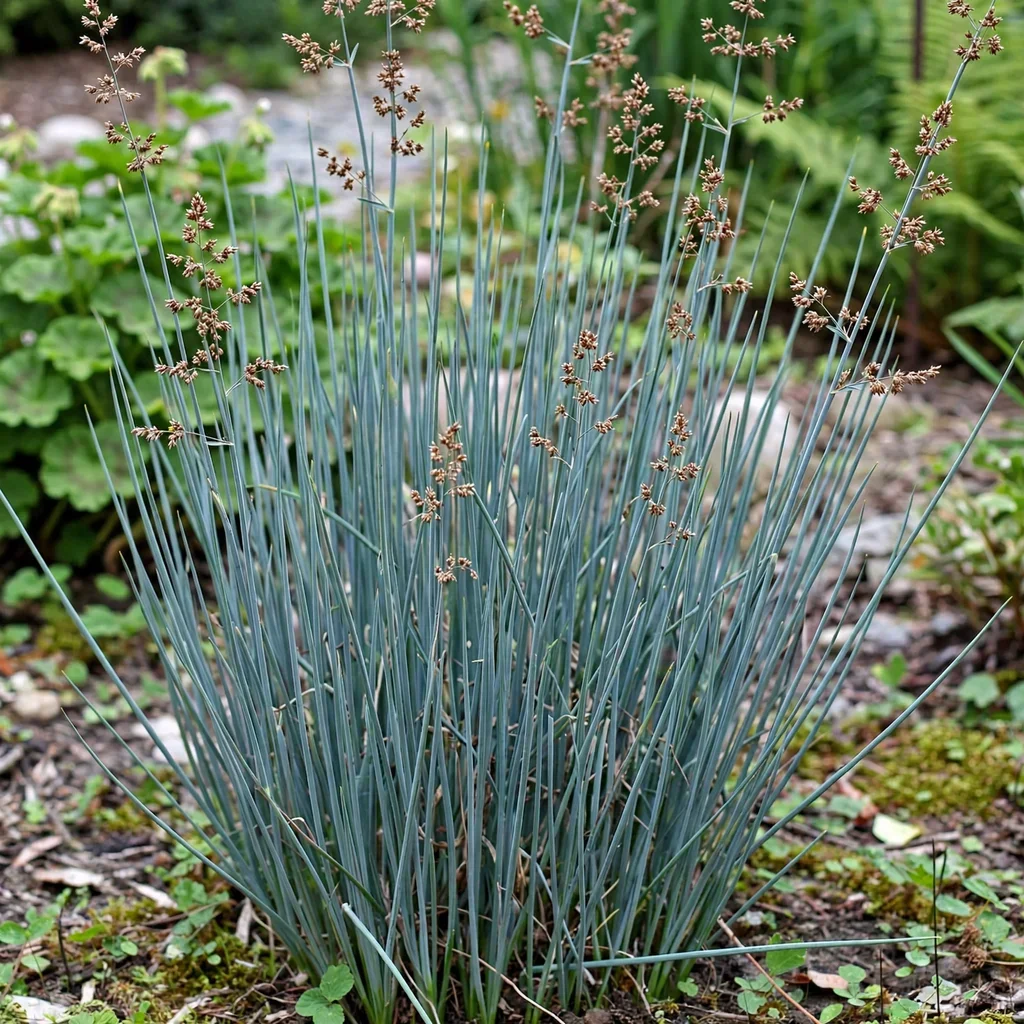
Blue Arrows Soft Rush
Juncus effusus 'Blue Arrows'
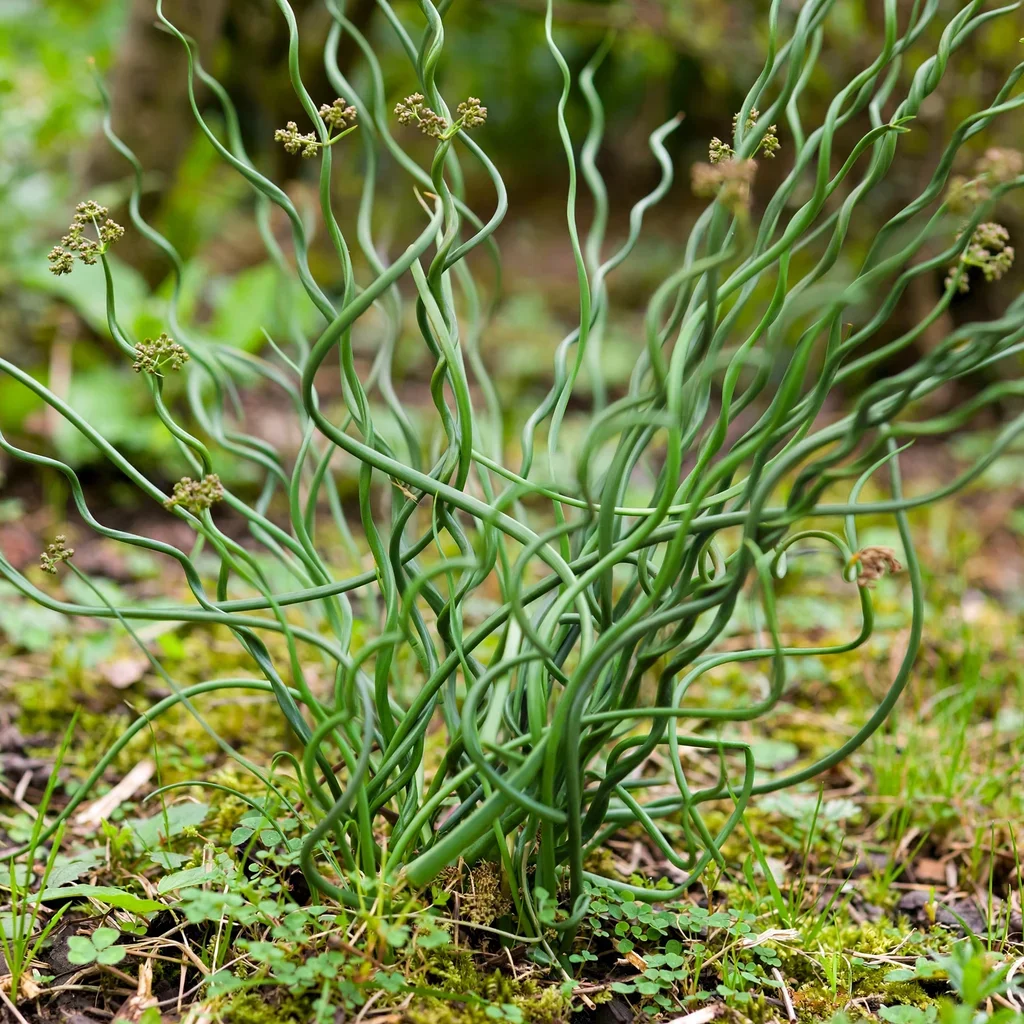
Spiralis Corkscrew Rush
Juncus compactus 'Spiralis'
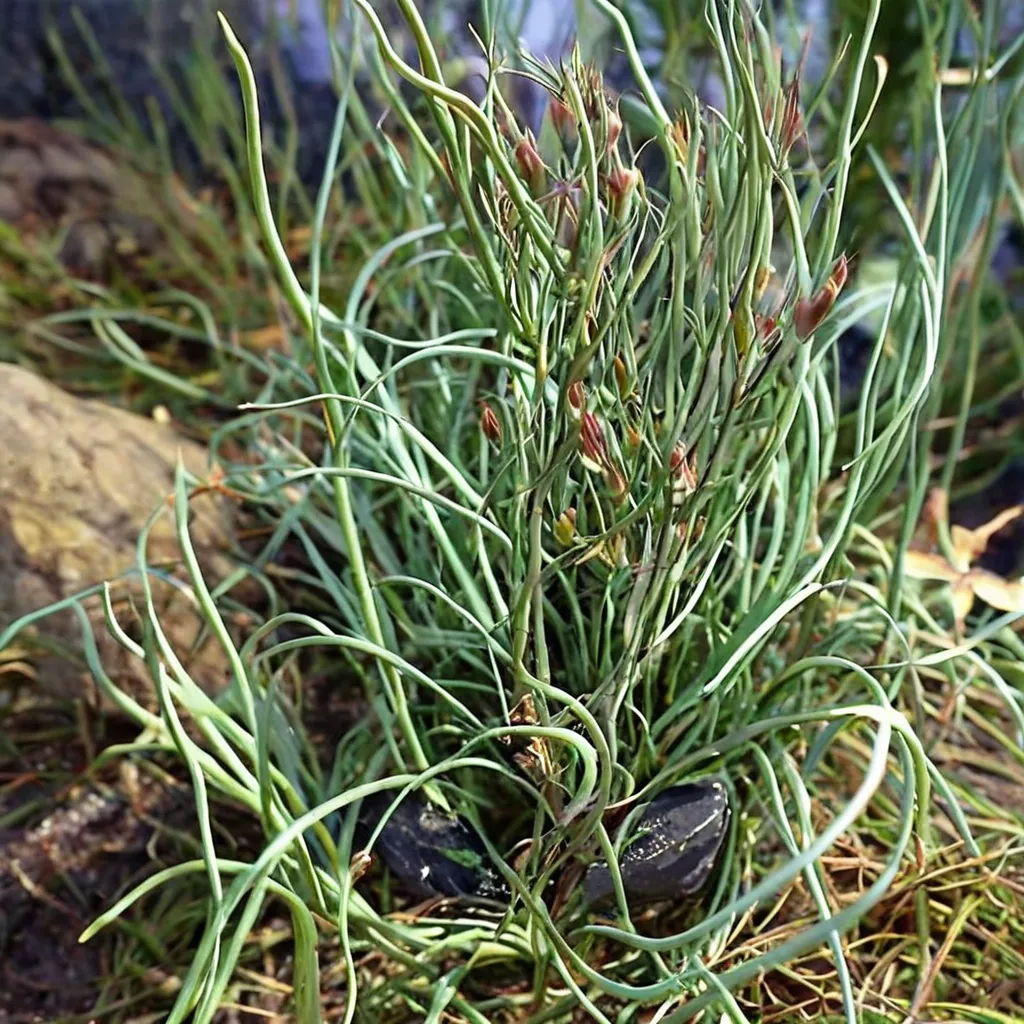
Blue Arrows Rush
Juncus inflexus 'Afro'
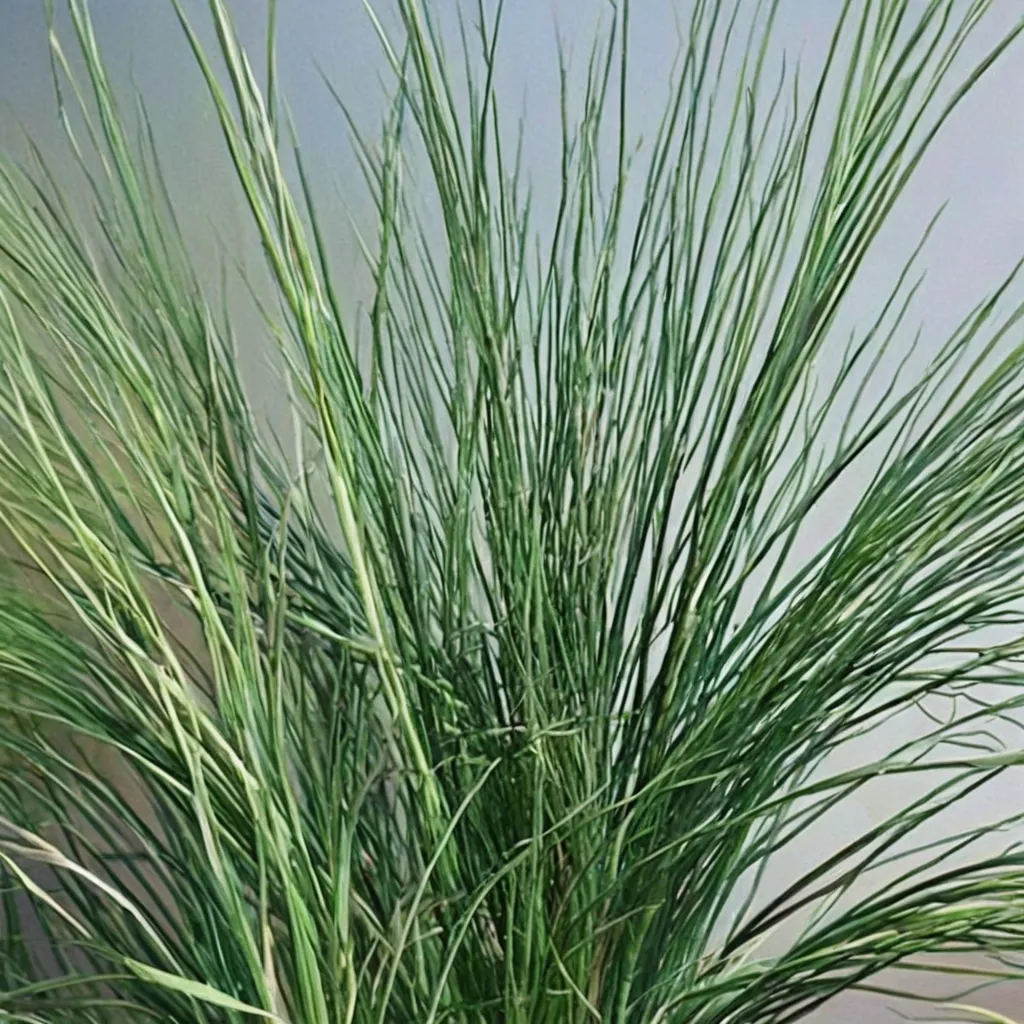
Blue Rush
Juncus inflexus 'Lovesick Blues'
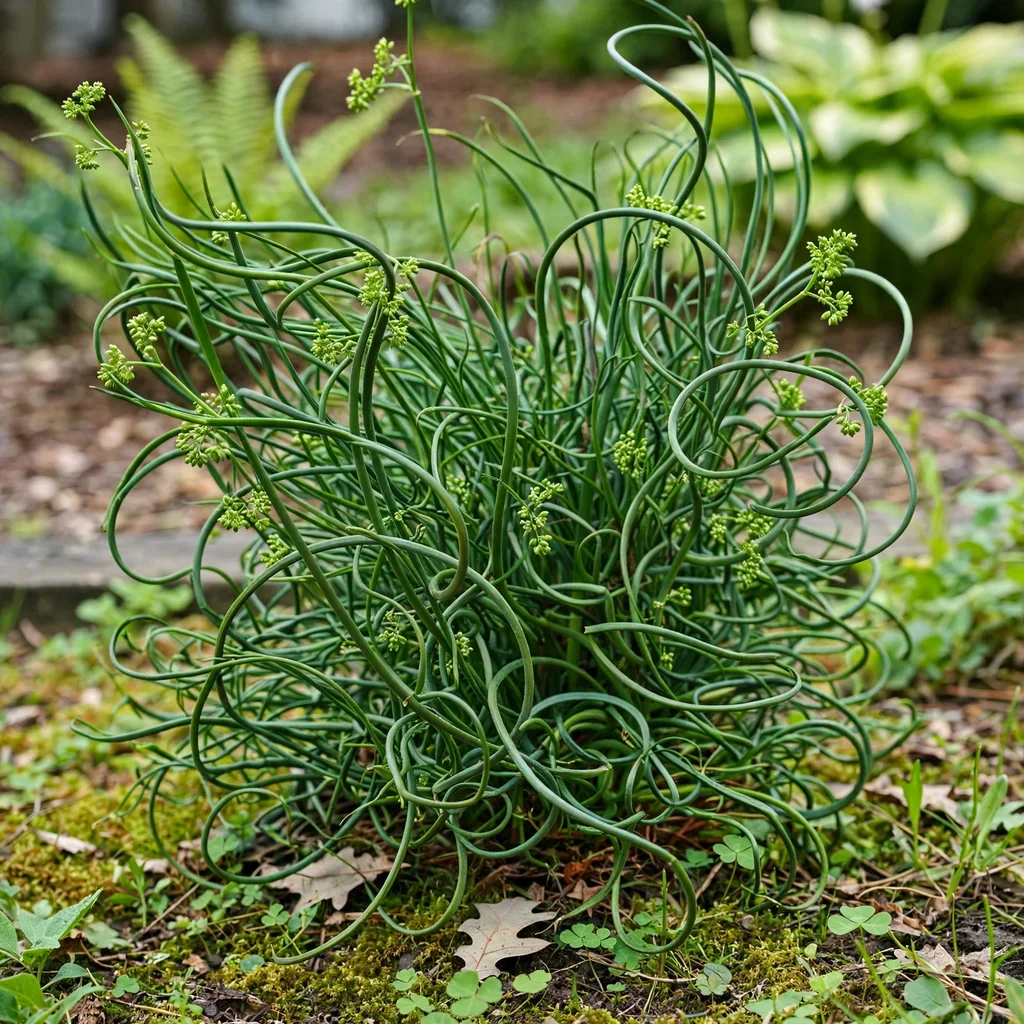
Big Twister Soft Rush
Juncus effusus 'Big Twister'
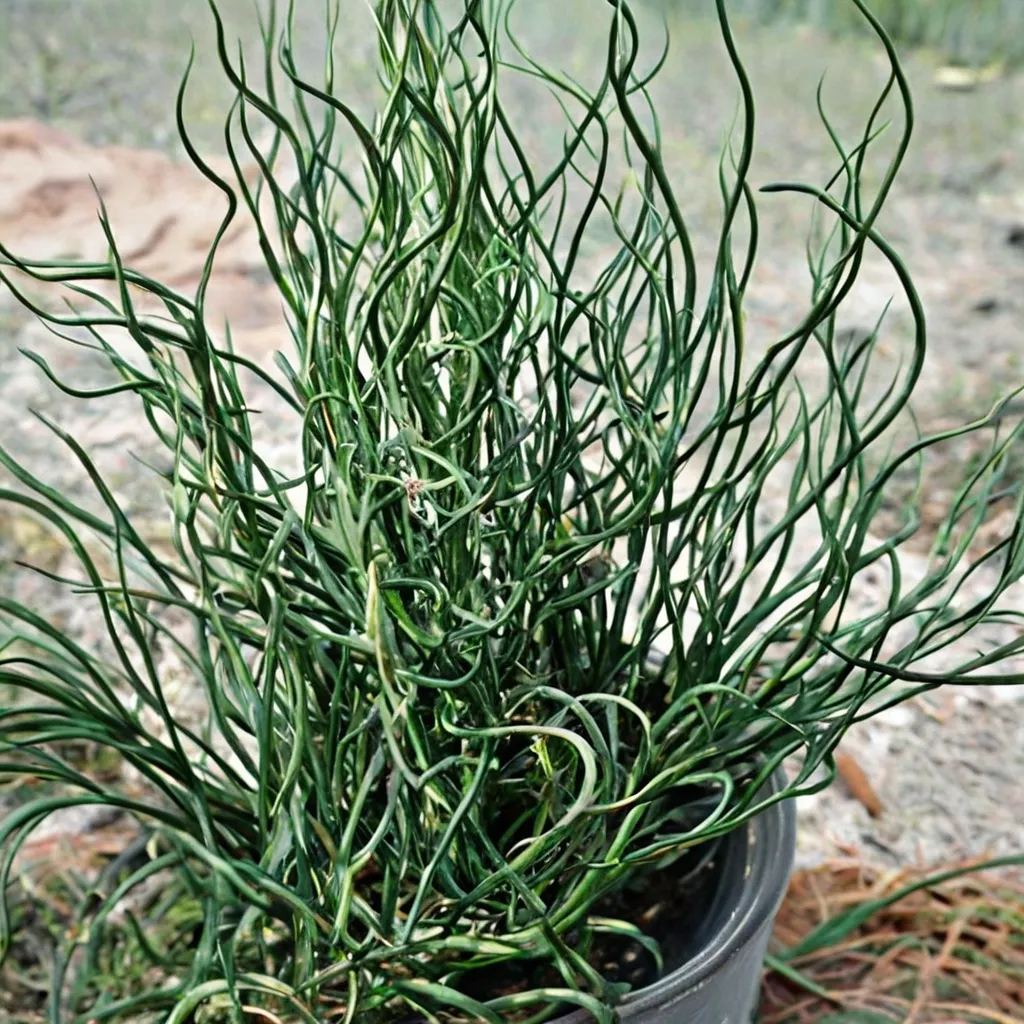
Curly Wurly Corkscrew Rush
Juncus effusus 'Curly Wurly'
Keep exploring
Explore the genus
Grow Path Rush with confidence
See it in a design of your actual yard, get zone-matched care reminders, and track it season by season in your garden journal.