The Story
Plant Bio
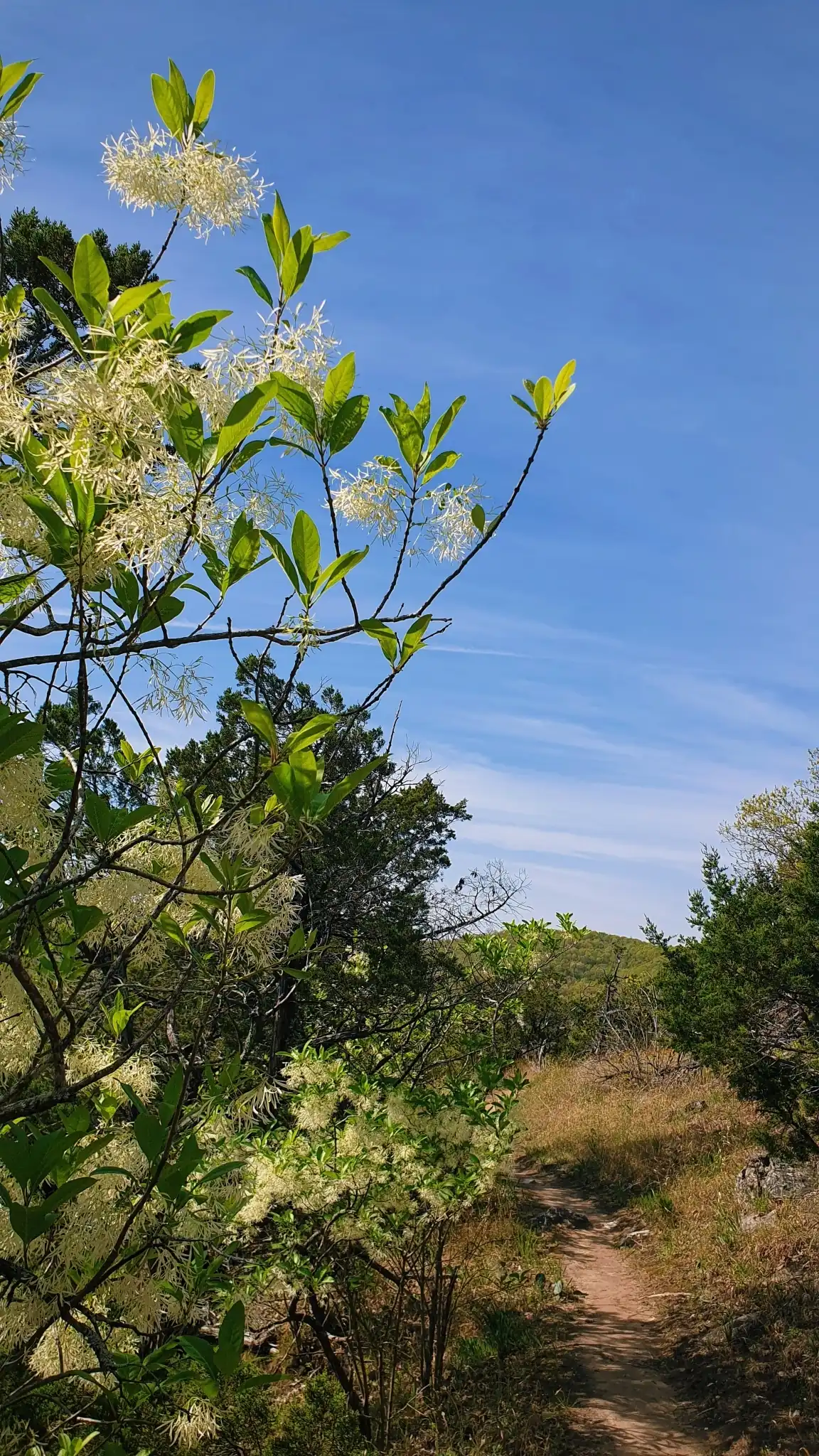
A deciduous, multi-stemmed large shrub or small tree native to the eastern United States. It is renowned for its spectacular spring display of fragrant, airy, fringe-like white flowers.
The delicate, drooping panicles of flowers create a soft, cloud-like effect, making it one of the most beautiful native flowering trees. It is also dioecious, with male plants having showier flowers and female plants producing attractive dark blue fruit.
Uses & Benefits:
Essentials
At a Glance
Plant Type
Tree
Height
216"
Width
216"
Light
Full Sun, Partial Sun
Zones
4, 5, 6, 7, 8, 9
Water
Medium to wet
Humidity
Prefers moderate to high
Lifespan
50+ years
Native To
Eastern United States
Toxicity
Non-toxic
Bloom period
Late spring – Early summer
In flower about 2 months of the year
Marketplace
Where to Buy
Shipping costs Year-round shipping Free shipping
Planting
How to Grow
- Choose a site with full sun to part shade and moist, acidic soil.
- Dig a hole two to three times the width of the root ball.
- Amend soil with compost to improve fertility and drainage.
- Set the tree in the hole, with the root flare at soil level.
- Backfill with amended soil and water deeply.
- Mulch with pine straw or shredded bark to retain moisture and acidify soil.
Pro Tip
Plant in a location protected from harsh afternoon sun and strong winds to preserve the delicate flowers and foliage.
Keep It Thriving
Care Guide
Do
- Provide consistent moisture, especially during establishment and dry spells.
- Plant in slightly acidic soil for best performance.
- Site where its beautiful flowers can be appreciated up close.
- If you want berries for birds, plant a female tree near a male.
Don't
- Don't plant in dry, alkaline soils.
- Avoid heavy pruning, which can spoil its natural, graceful form.
- Don't let the soil dry out completely.
- Don't plant in areas with known Emerald Ash Borer presence without monitoring.
Seasonal Care Calendar
| Task | Jan | Feb | Mar | Apr | May | Jun | Jul | Aug | Sep | Oct | Nov | Dec |
|---|---|---|---|---|---|---|---|---|---|---|---|---|
| Fertilize | ||||||||||||
| Plant | ||||||||||||
| Prune |
Watch Out For
Pests & Diseases
Common Pests
Common Diseases
In the Garden
Landscape Uses & Companions
Landscape Uses
Multiply
Propagation Methods
Good to Know
Common Questions
White Fringetree questions
What zones can White Fringetree grow in?
White Fringetree is hardy in USDA Zones 4–9. Inside that range it survives winter in the ground; outside it, grow it as an annual or a container plant you protect.
Is White Fringetree deer resistant?
Yes — White Fringetree is rated deer-resistant. Deer typically pass it over, though extreme hunger can override any plant's defenses.
When does White Fringetree bloom?
White Fringetree typically blooms in late spring through early summer. Exact timing shifts a week or two with your zone — Sow's bloom calendar maps it to your garden.
Does White Fringetree need full sun?
White Fringetree does best in full sun to part shade. In hot climates, afternoon shade keeps blooms fresher longer.
More Chionanthus to compare
Keep exploring
Explore the genus
Grow White Fringetree with confidence
See it in a design of your actual yard, get zone-matched care reminders, and track it season by season in your garden journal.