Also known as Fringetree · 98 saves
Chionanthus
Chionanthus, the genus most gardeners know as fringetree. We track 4 varieties; the ones most used by real gardeners.
The 3 most-saved Chionanthus varieties
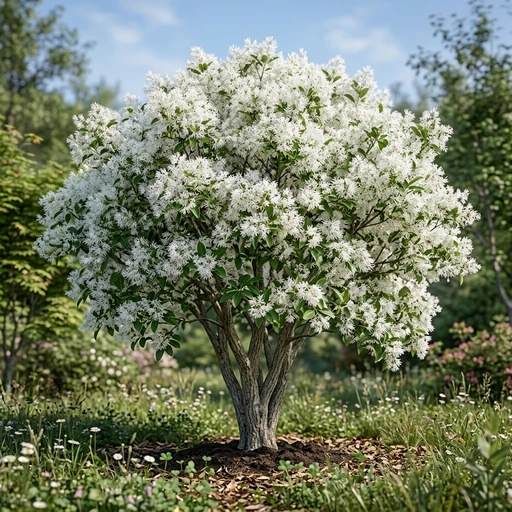
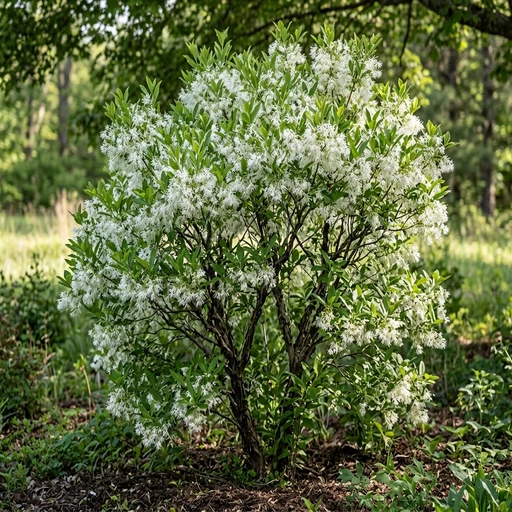
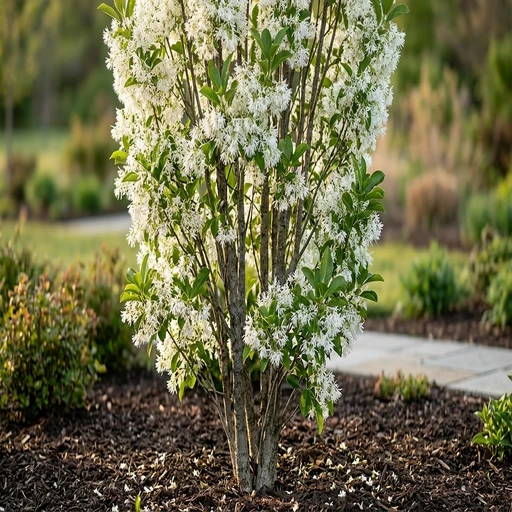
Browse all 4 Chionanthus varieties →
Track your Chionanthus in Sow
Save the Chionanthus you grow and get care reminders timed to your zone.
How to grow Chionanthus
Whats common across all Chionanthus varieties in our catalog — drawn from the care records of the 4 most-grown of them.
The Chionanthus year
- PruneFebruary and March100% of varieties
Prune in late winter to shape or remove crossing branches. Minimal pruning needed.
- FertilizeApril100% of varieties
Apply a balanced, slow-release fertilizer in early spring before new growth.
- PlantApril, May, October and November75% of varieties
Plant in spring or fall in well-drained soil.


Do
- Water regularly during the first few years to establish a deep root system.
- Provide full sun for the most prolific blooms.
- Prune sparingly in late winter to maintain its natural shape.
- Appreciate the year-round interest, from flowers to bark.
- Water regularly during the first two seasons to establish a deep root network.
Avoid
- Don't plant in waterlogged or poorly drained soils.
- Avoid planting in deep shade, which will significantly reduce flowering.
- Don't perform heavy pruning, as it can ruin the plant's graceful form.
- Avoid excessive nitrogen fertilizer, which promotes leaves over flowers.
What goes wrong with Chionanthus
| Problem | What you'll see | What to do |
|---|---|---|
| Scale | Small bumps on stems and leaves, sometimes with sooty mold. | Apply horticultural oil during the dormant season. For active infestations, use insecticidal soap or a systemic insecticide. |
| Wood borers | Pinholes in bark and localized dieback on main stems. | Maintain tree health with adequate irrigation and avoid physical bark wounds. |
| Scale insects | Small waxy bumps on stems accompanied by sticky honeydew. | Apply dormant horticultural oil in early spring before leaf emergence. |
| Spider mites | Stippled, faded leaves during prolonged warm, dry spells. | Spray foliage undersides with insecticidal soap or horticultural oil. |
| Powdery Mildew | White, powdery fungus on leaves. | Ensure good air circulation. Apply neem oil or a fungicide. Generally not a serious problem. |
| Leaf Spot | Brown or black spots on the foliage. | Clean up and destroy fallen leaves. Water at the base of the plant to keep foliage dry. Apply fungicides if necessary. |
| Leaf spot | Dark brown circular spots on foliage during cool, rainy spring weather. | Rake and discard fallen foliage in fall to reduce overwintering fungal spores. |
Making more Chionanthus
Seed
- Collect seeds from the dark blue fruit in fall.
- Clean the pulp off the seeds.
- Seeds require a warm, then cold stratification period (double dormancy).
- Plant in a protected seedbed outdoors; germination can take up to 2 years.
Softwood Cuttings
- Take cuttings in late spring from new growth.
- Treat with a rooting hormone.
- Place in a misting bed with bottom heat.
- Rooting is difficult but can be successful with care.
Chionanthus questions
How many types of Chionanthus are there?
The Sow catalog tracks 4 distinct Chionanthus varieties. The most popular — ranked by 98 real gardeners — are shown first above.
What zones does Chionanthus grow in?
Across its varieties, Chionanthus covers USDA Zones 4–9. Individual varieties differ — each plant page lists its exact range, and Sow filters the catalog to your zone automatically.
When does Chionanthus bloom?
Most Chionanthus varieties bloom in late spring. Staggering early, mid, and late varieties extends the genus's season in one bed.
Which Chionanthus should I choose?
Start from the most-saved varieties above — popularity across thousands of gardens is a strong signal of reliability — then filter by your zone and sun. In the Sow app you can preview any of them in a photo of your actual yard before you buy.