70 saves
Aloe
We track 14 varieties; the ones most used by real gardeners.
The 14 most-saved Aloe varieties
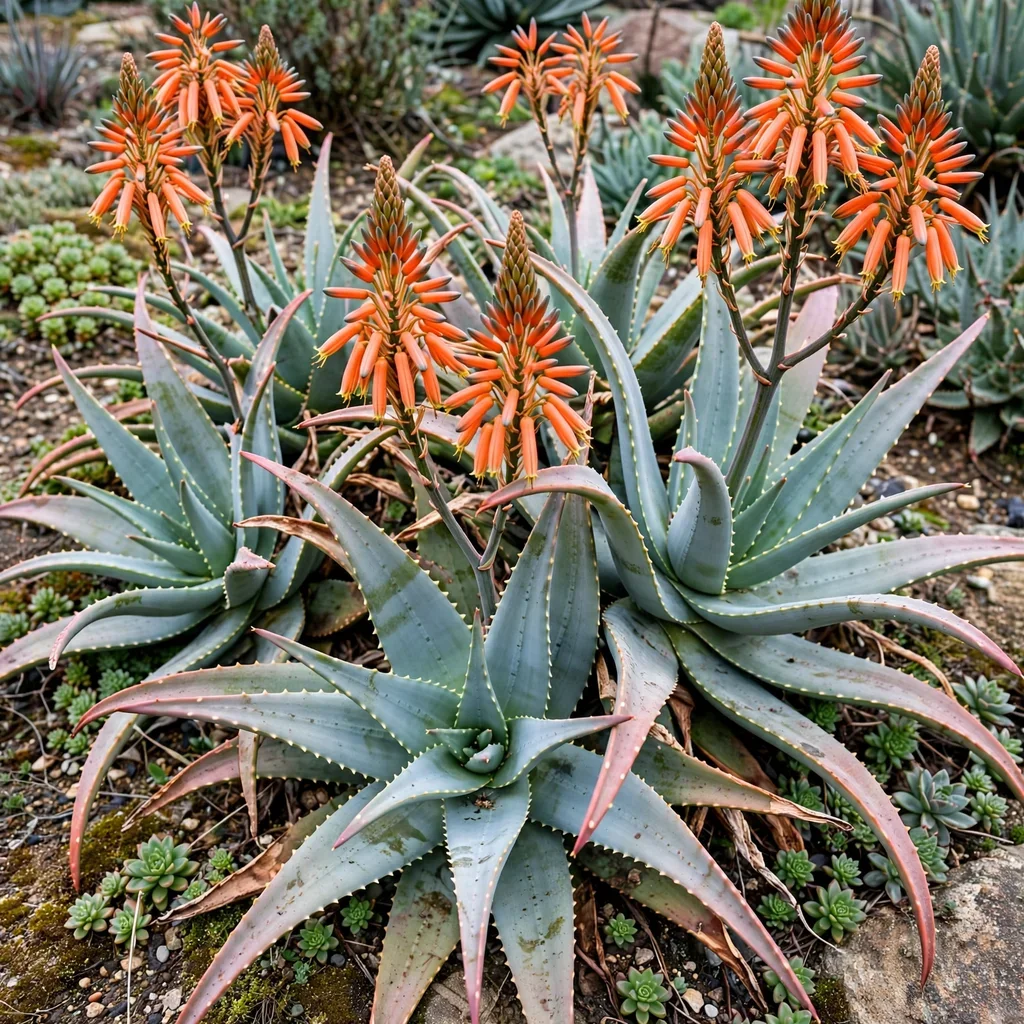
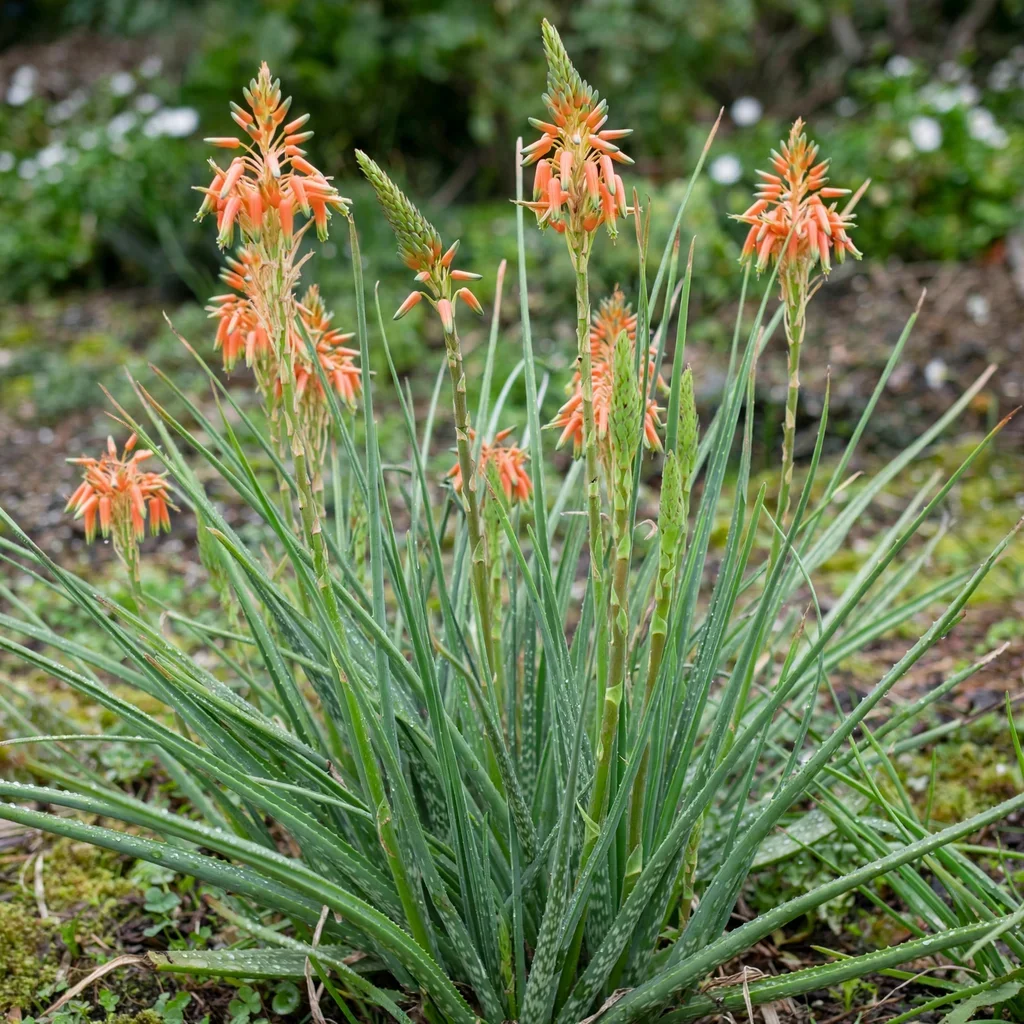
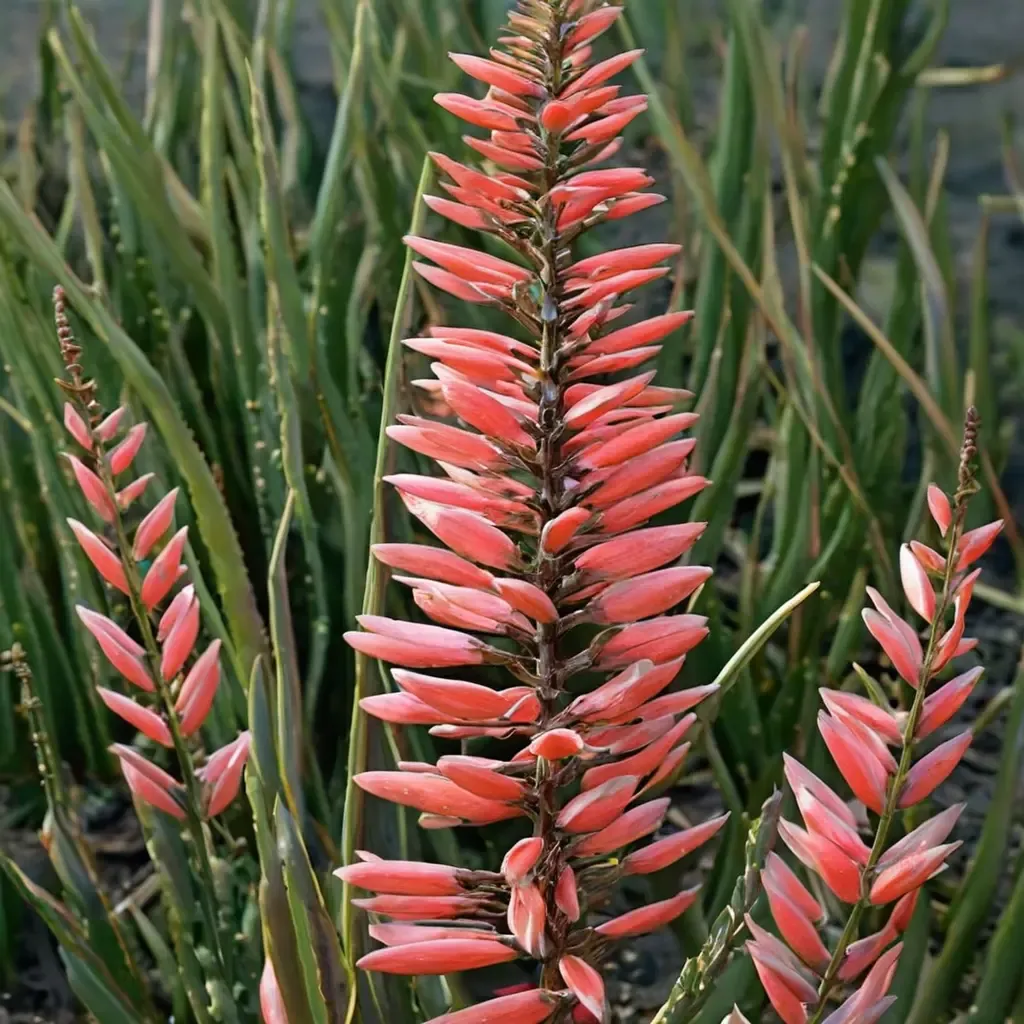
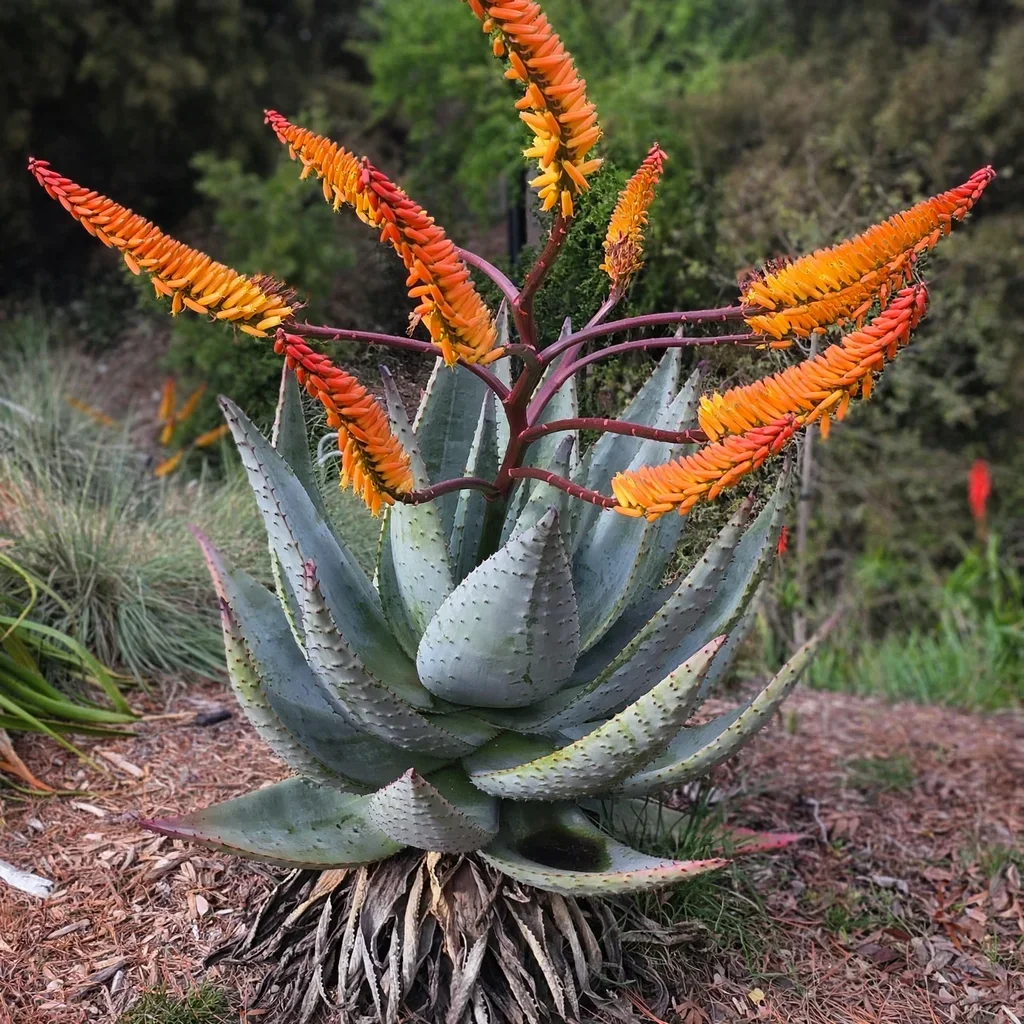
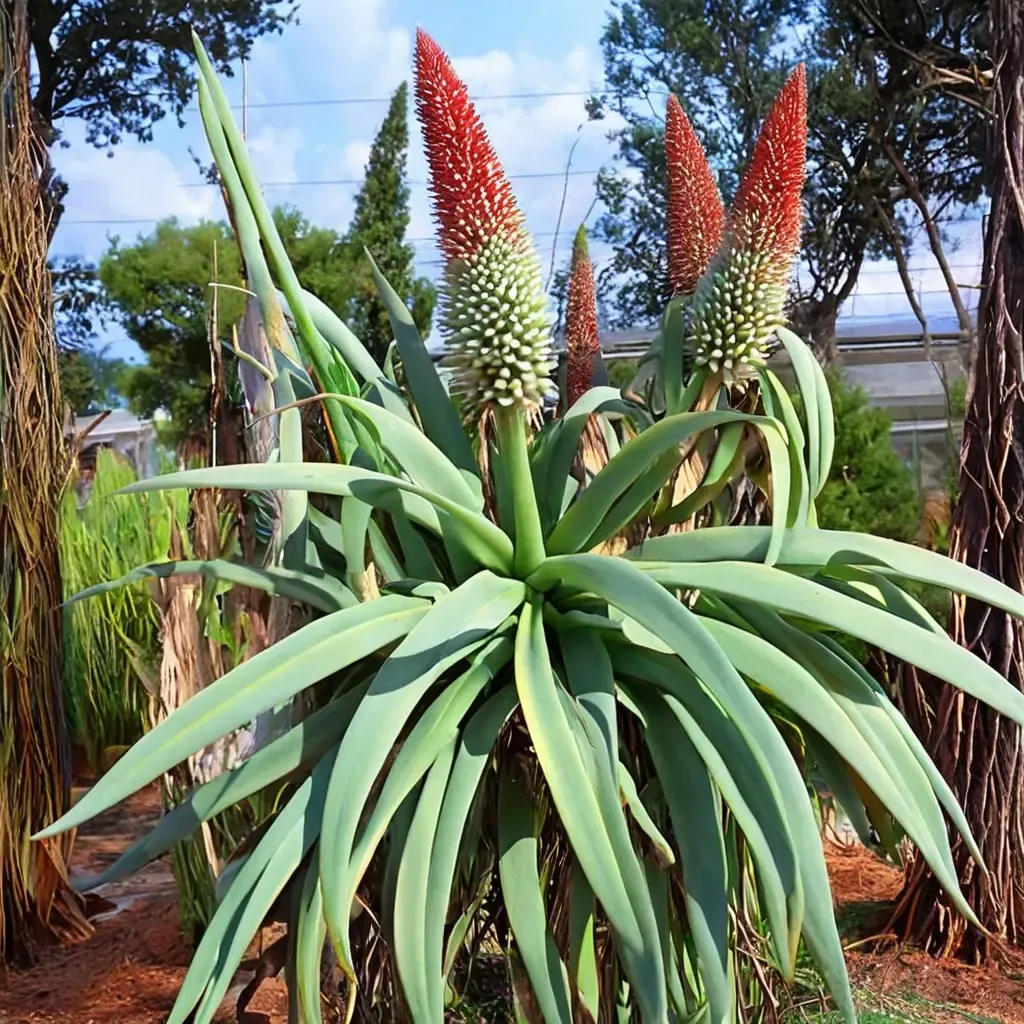
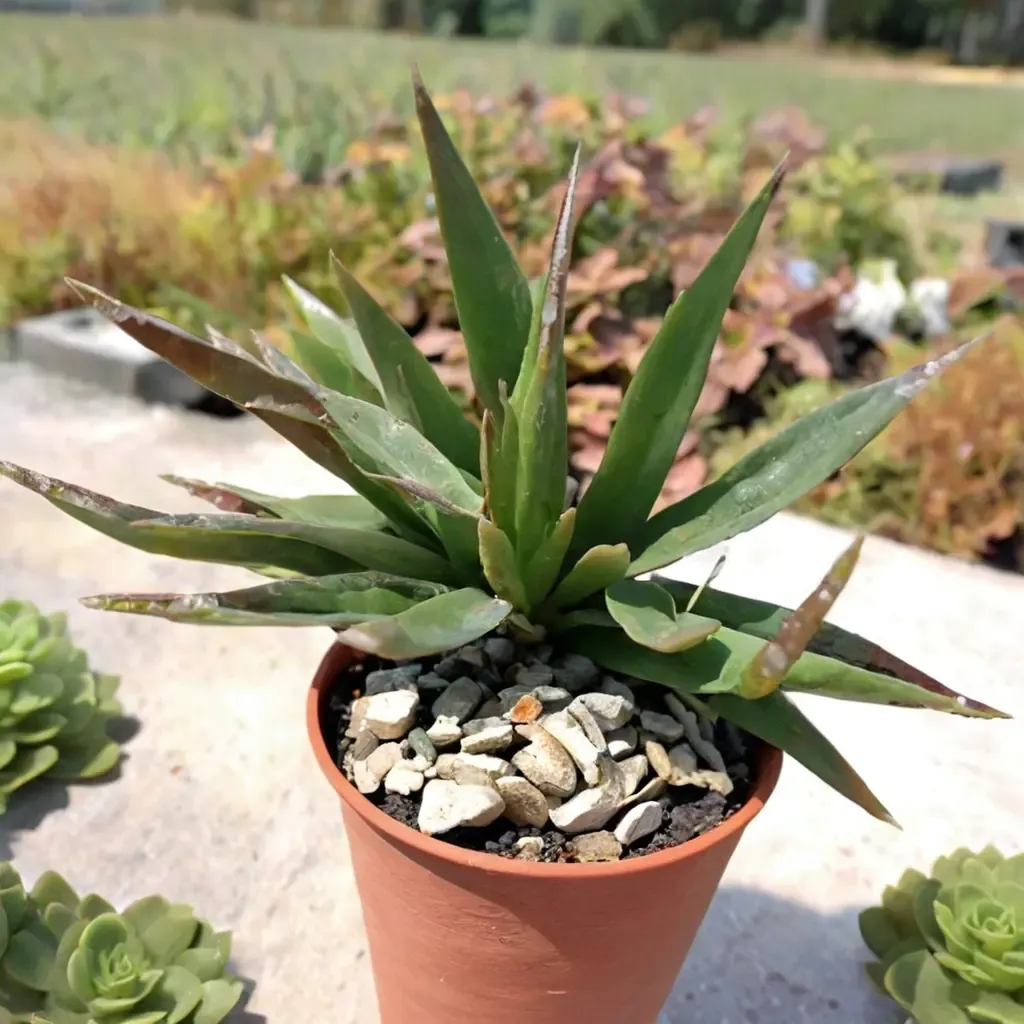
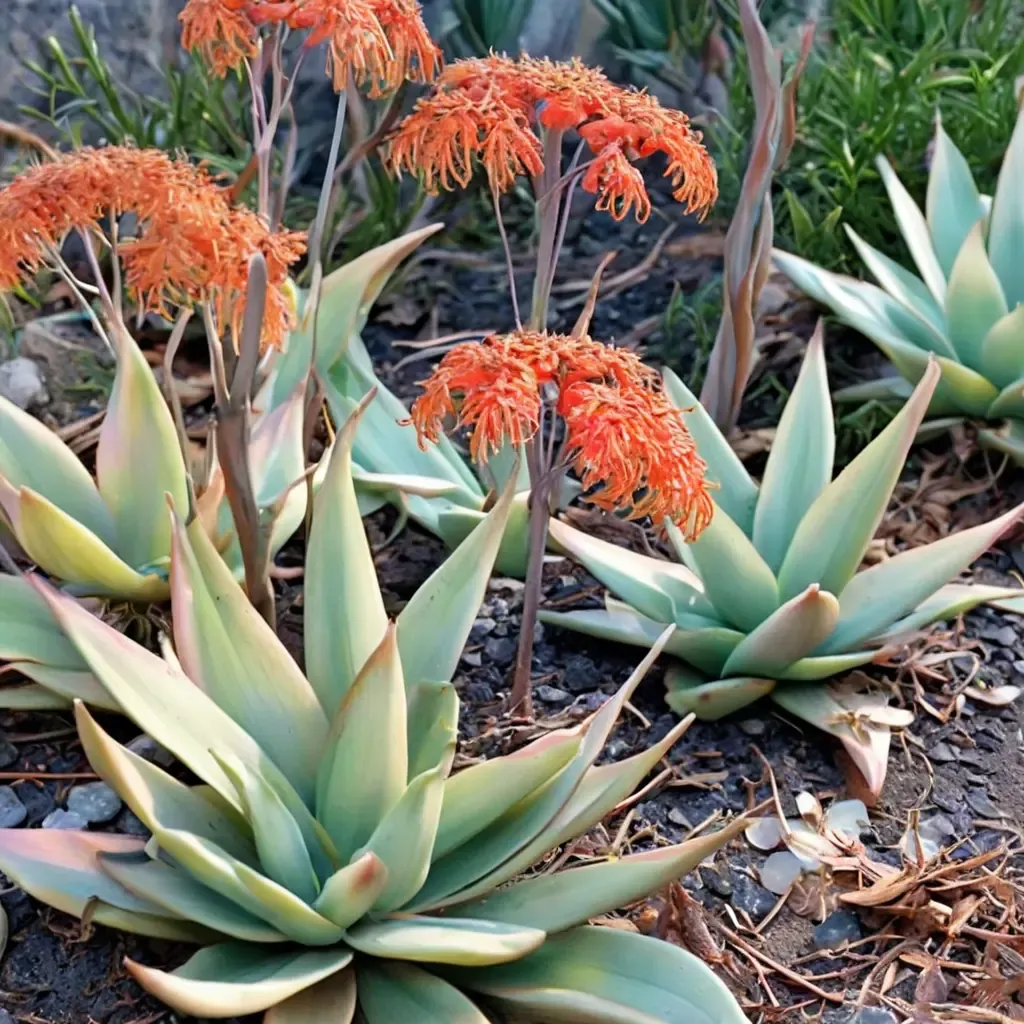
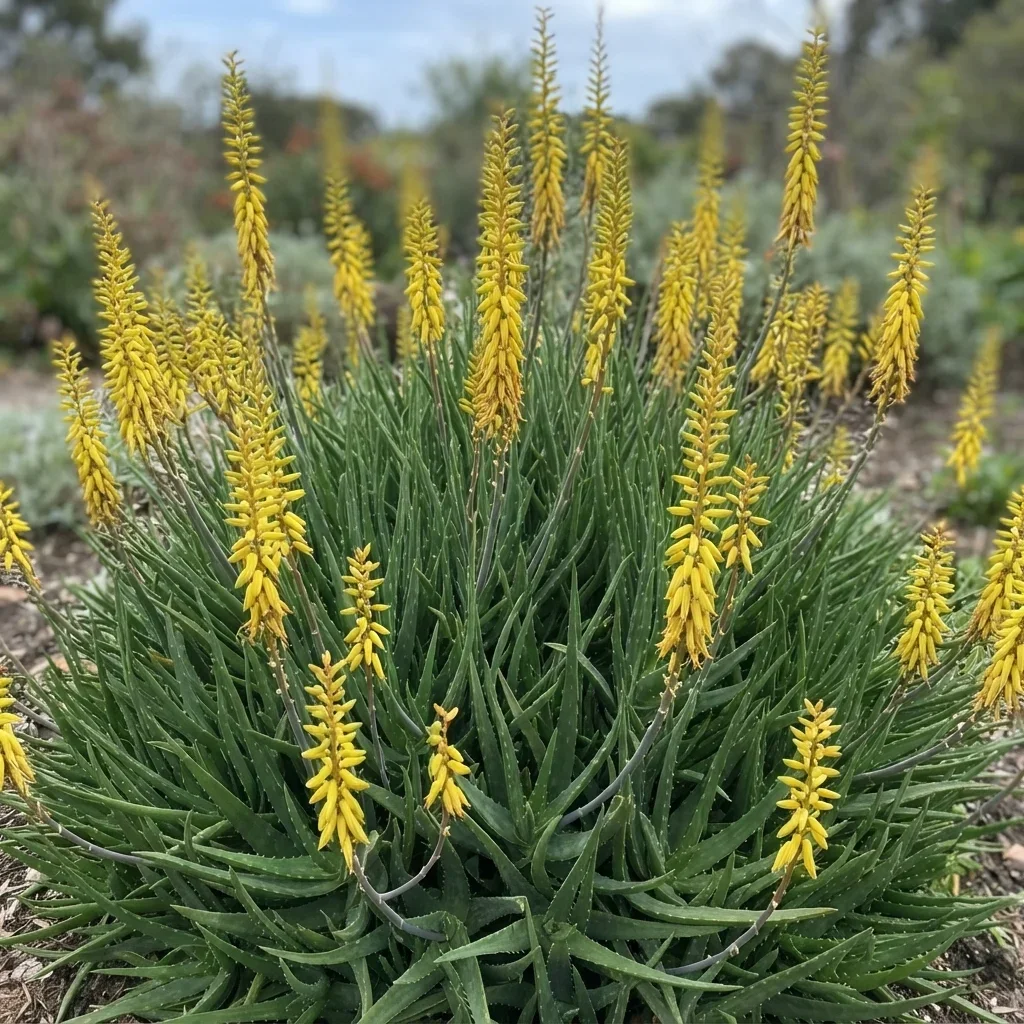
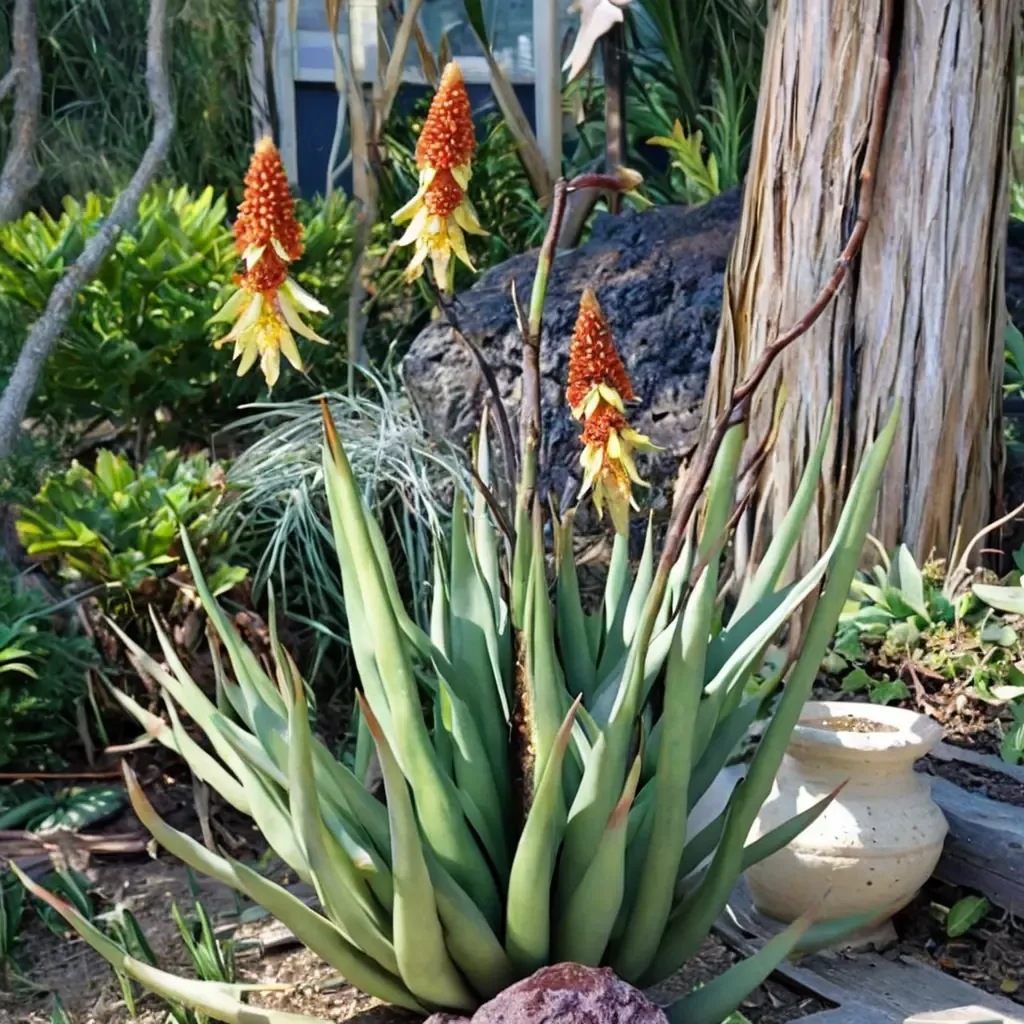
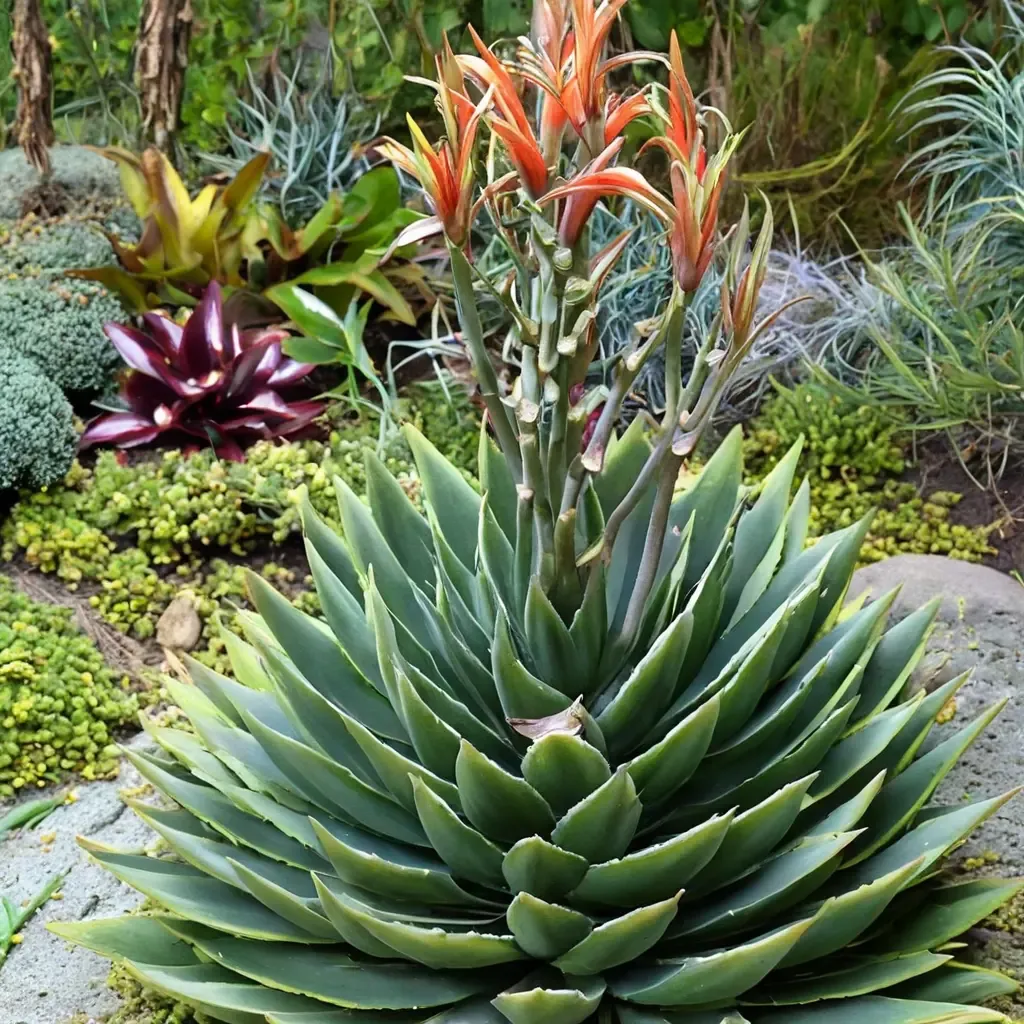
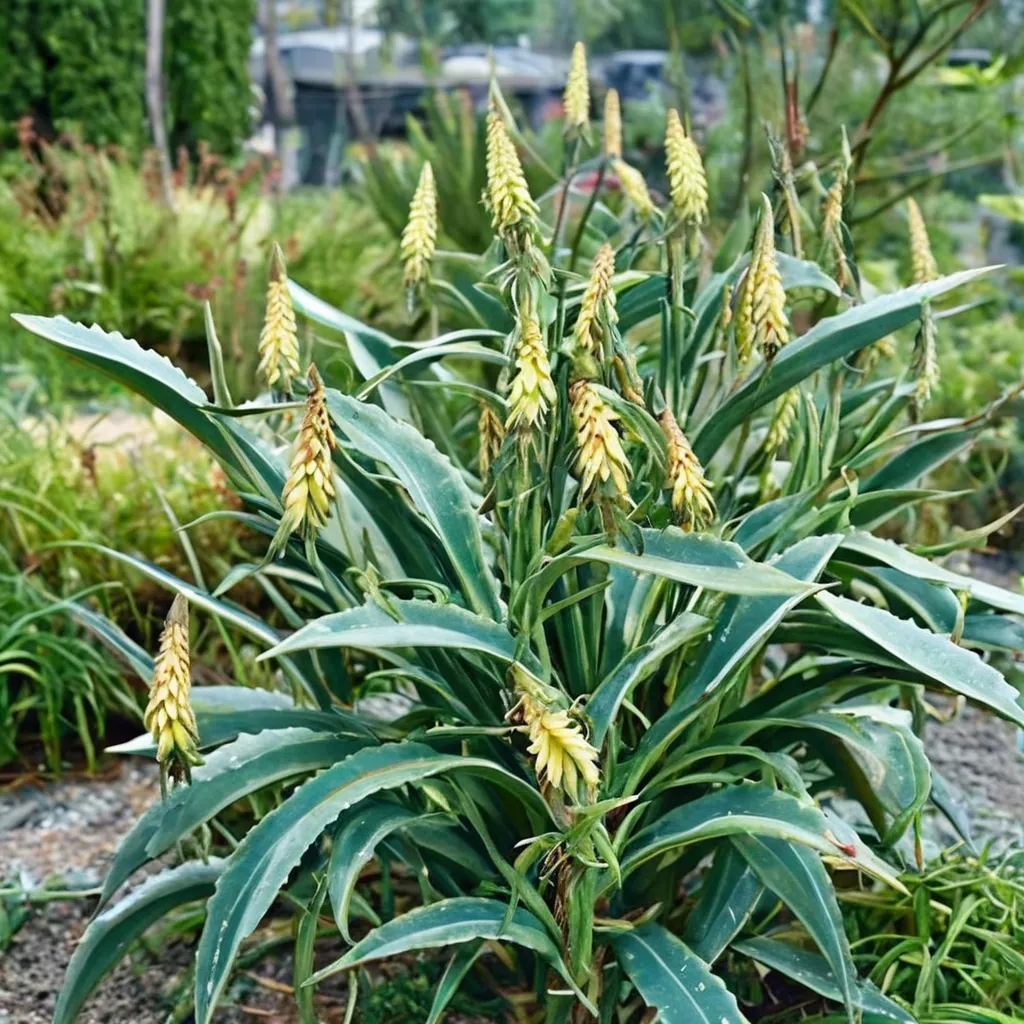
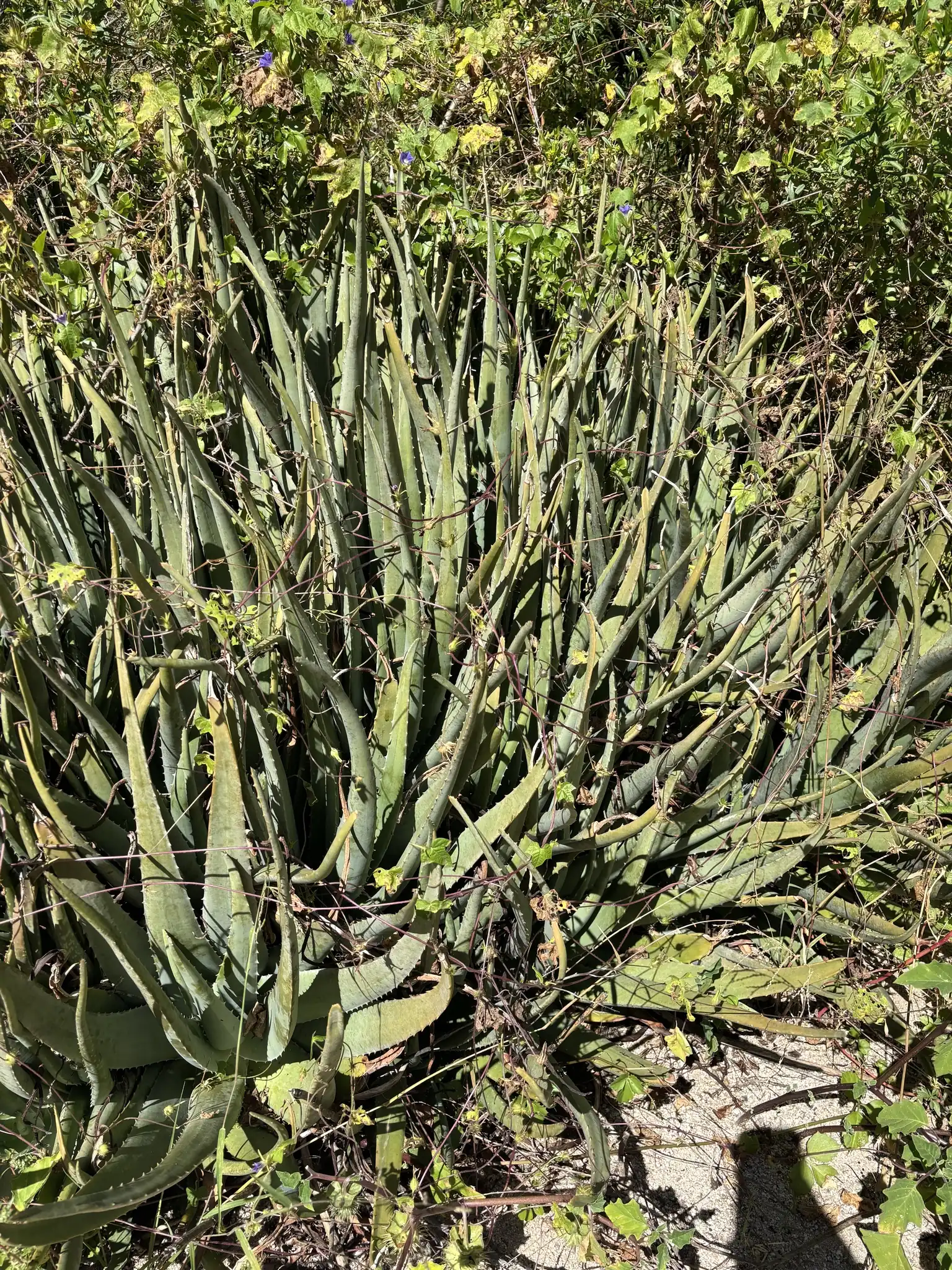
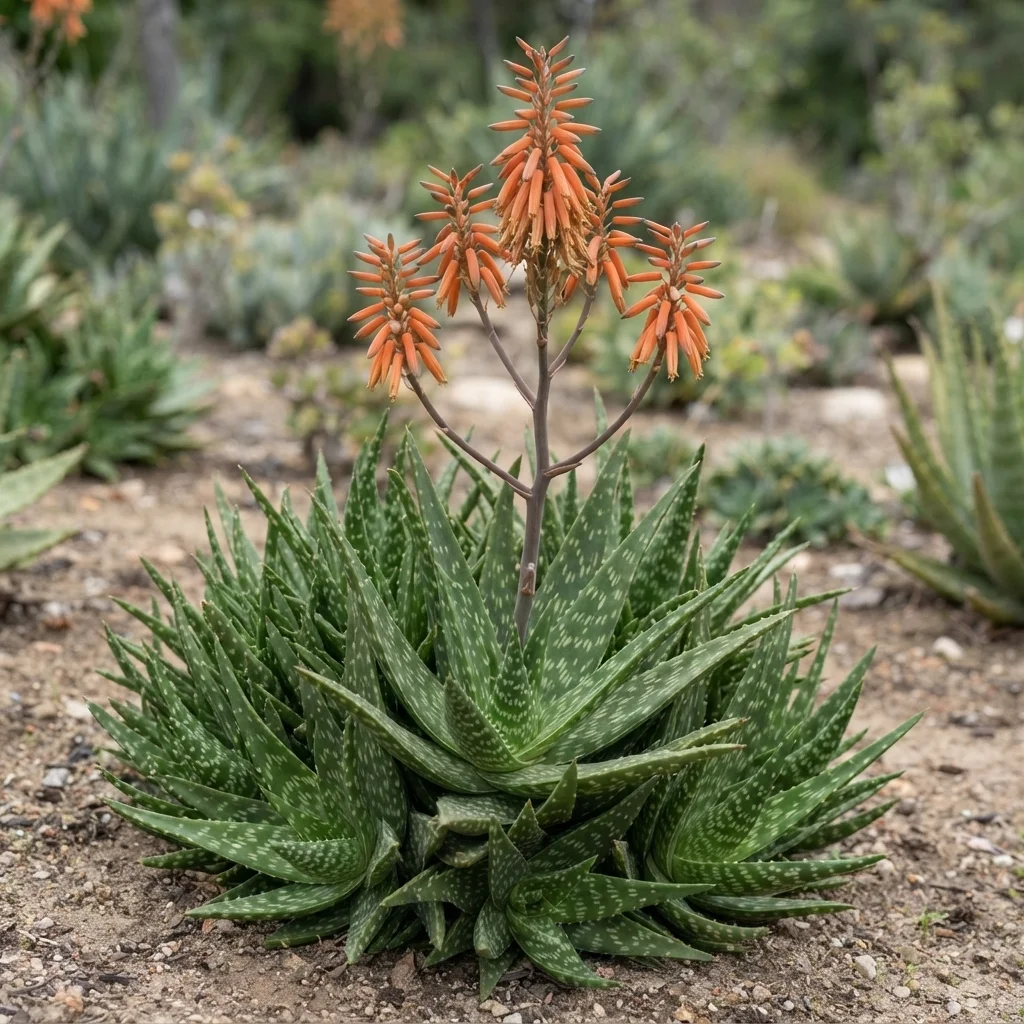
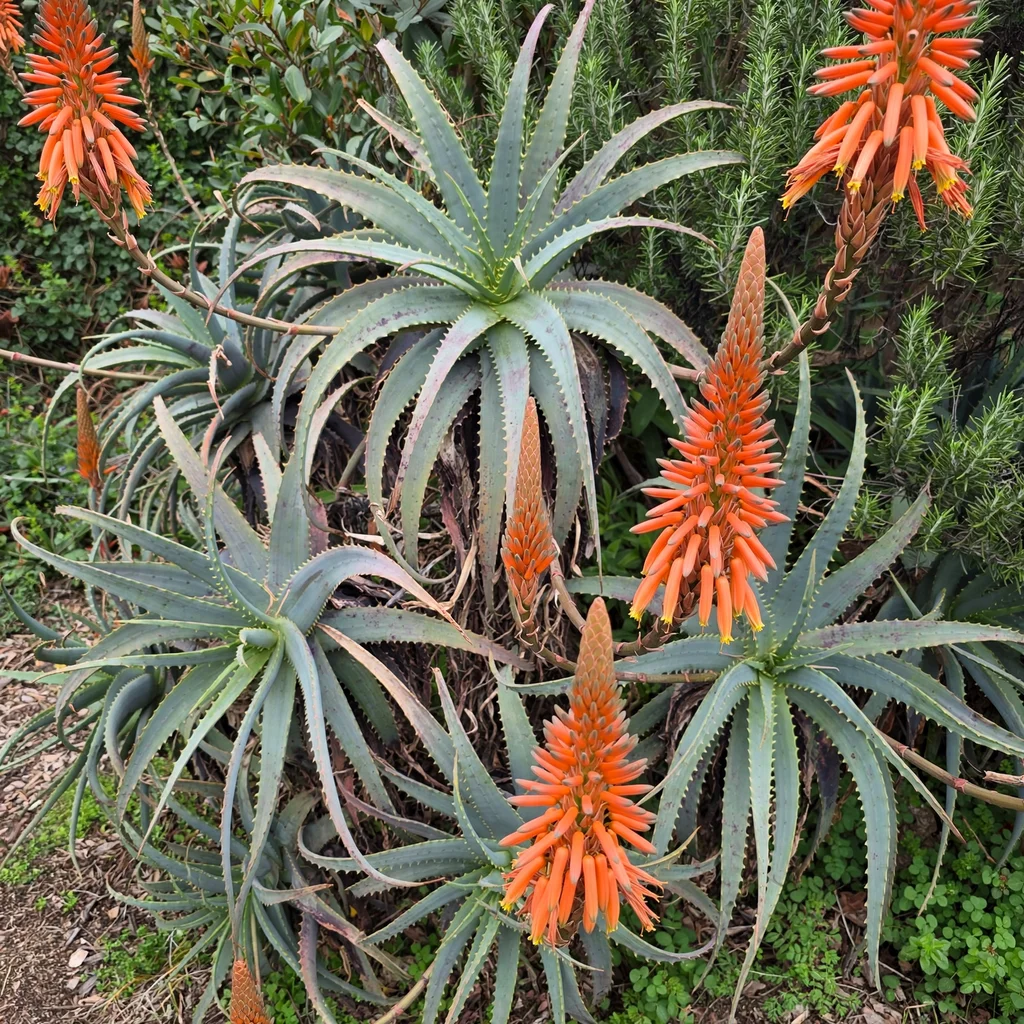
8 species of Aloe
Each one is a parent of the varieties above.
Track your Aloe in Sow
Save the Aloe you grow and get care reminders timed to your zone.
How to grow Aloe
Whats common across all Aloe varieties in our catalog — drawn from the care records of the 14 most-grown of them.
The Aloe year
- FertilizeApril and May93% of varieties
Apply diluted, low-nitrogen succulent fertilizer monthly during active growth.
- Winter PrepOctober and November93% of varieties
Move containerized plant indoors before temperatures drop below 35°F.
- PlantApril–June71% of varieties
Repot container specimens every 2-3 years in spring using well-draining mix.
- Check for PestsJune–September57% of varieties
Monitor for mealybugs and scale, especially before moving indoors.
- PruneMarch and April43% of varieties
Remove spent flower stalks and any dead or damaged lower leaves.


Do
- Protect from frost by bringing indoors in colder months
- Provide bright, indirect sunlight for healthy growth
- Water only when soil is completely dry
- Use well-draining soil to prevent root rot
- Ensure excellent drainage to avoid waterlogged roots 🌱
Avoid
- Overwater, which can cause root rot ❌
- Expose to frost or freezing temperatures
- Avoid using heavy, clay soils that retain moisture
- Avoid overwatering, which can cause root rot ❌
What goes wrong with Aloe
| Problem | What you'll see | What to do |
|---|---|---|
| Mealybugs | White cottony masses on leaves and stems | Apply neem oil or insecticidal soap. |
| Aphids | Sticky residue and distorted new growth | Use insecticidal soap or horticultural oil. |
| Scale insects | Brown or white bumps on leaves and stems with sticky honeydew residue. | Apply horticultural oils to suffocate the insects during their active stages. |
| Aloe mites | Gall-like deformations on the leaves and stems. | Prune out affected tissue and destroy severely infested plants. |
| Root rot | Wilting and blackened roots | Improve drainage, reduce watering, and remove affected parts. |
| Root Rot | Dark, mushy roots and wilting | Improve drainage, reduce watering, and remove infected parts |
| Root and stem rot | Soft, blackening bases and wilting or collapsing rosettes. | Improve soil drainage, reduce irrigation, and cut away rotted tissue. |
Making more Aloe
Offsets
- Remove offsets from the mother plant (2 weeks)
- Allow offsets to callous over for 1–2 days
- Plant in well-draining soil
- Water lightly after planting
- Keep in bright, indirect sunlight for 2–4 weeks
Seeds
- Tuck seeds into moist, gritty soil (2 weeks)
- Maintain warmth and light for germination
- Keep soil barely moist during germination period
- Transplant seedlings once they are large enough
Aloe questions
How many types of Aloe are there?
The Sow catalog tracks 14 distinct Aloe varieties. The most popular — ranked by 70 real gardeners — are shown first above.
What zones does Aloe grow in?
Across its varieties, Aloe covers USDA Zones 8–10. Individual varieties differ — each plant page lists its exact range, and Sow filters the catalog to your zone automatically.
When does Aloe bloom?
Most Aloe varieties bloom in late winter to spring, late summer, winter. Staggering early, mid, and late varieties extends the genus's season in one bed.
Which Aloe should I choose?
Start from the most-saved varieties above — popularity across thousands of gardens is a strong signal of reliability — then filter by your zone and sun. In the Sow app you can preview any of them in a photo of your actual yard before you buy.