376 saves
Asparagus
We track 19 varieties; the ones most used by real gardeners.
The 18 most-saved Asparagus varieties
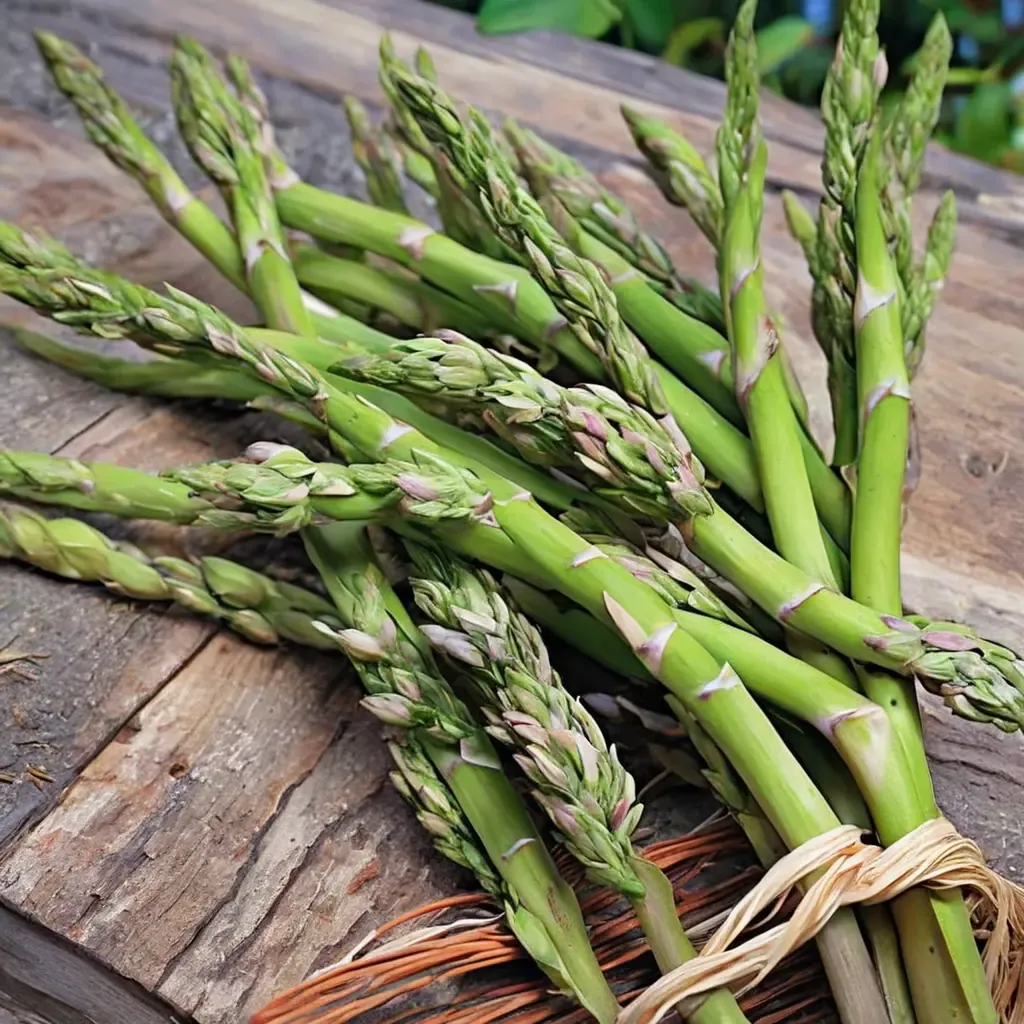
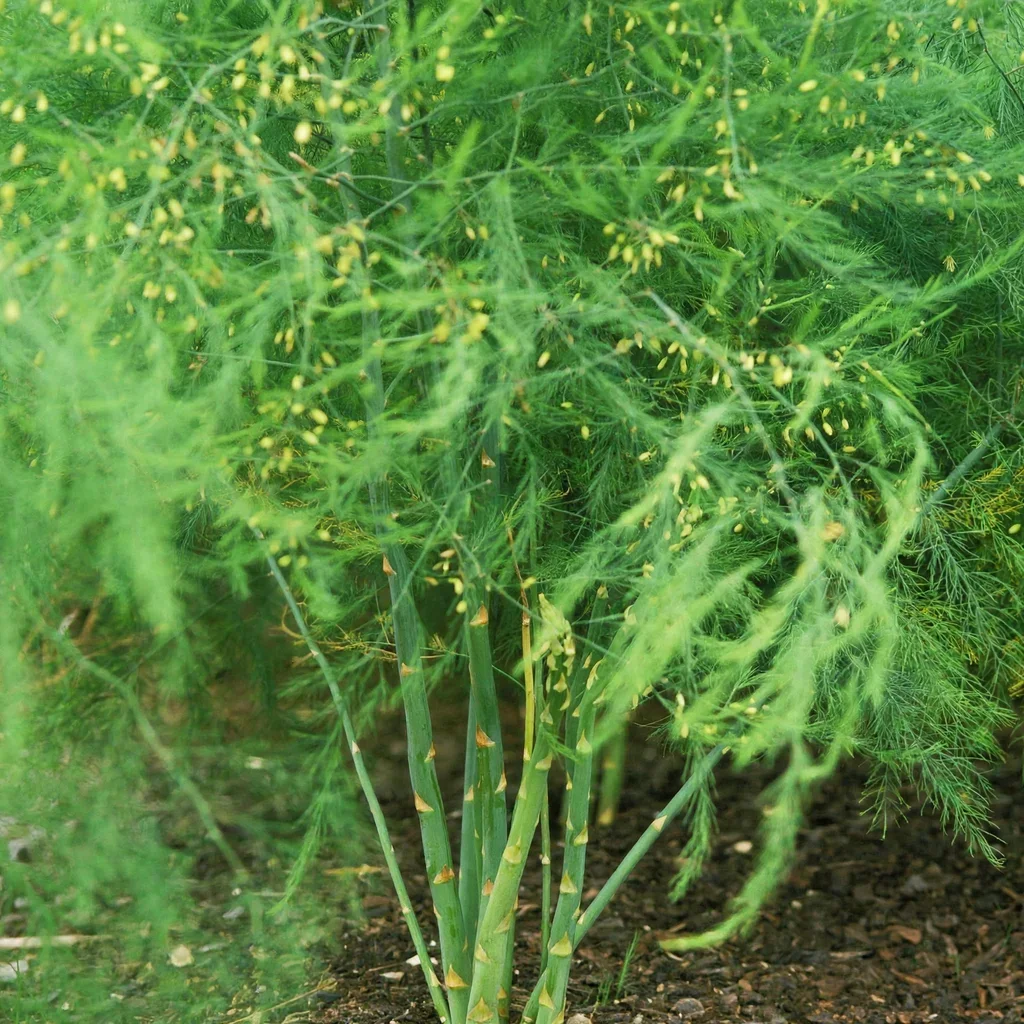
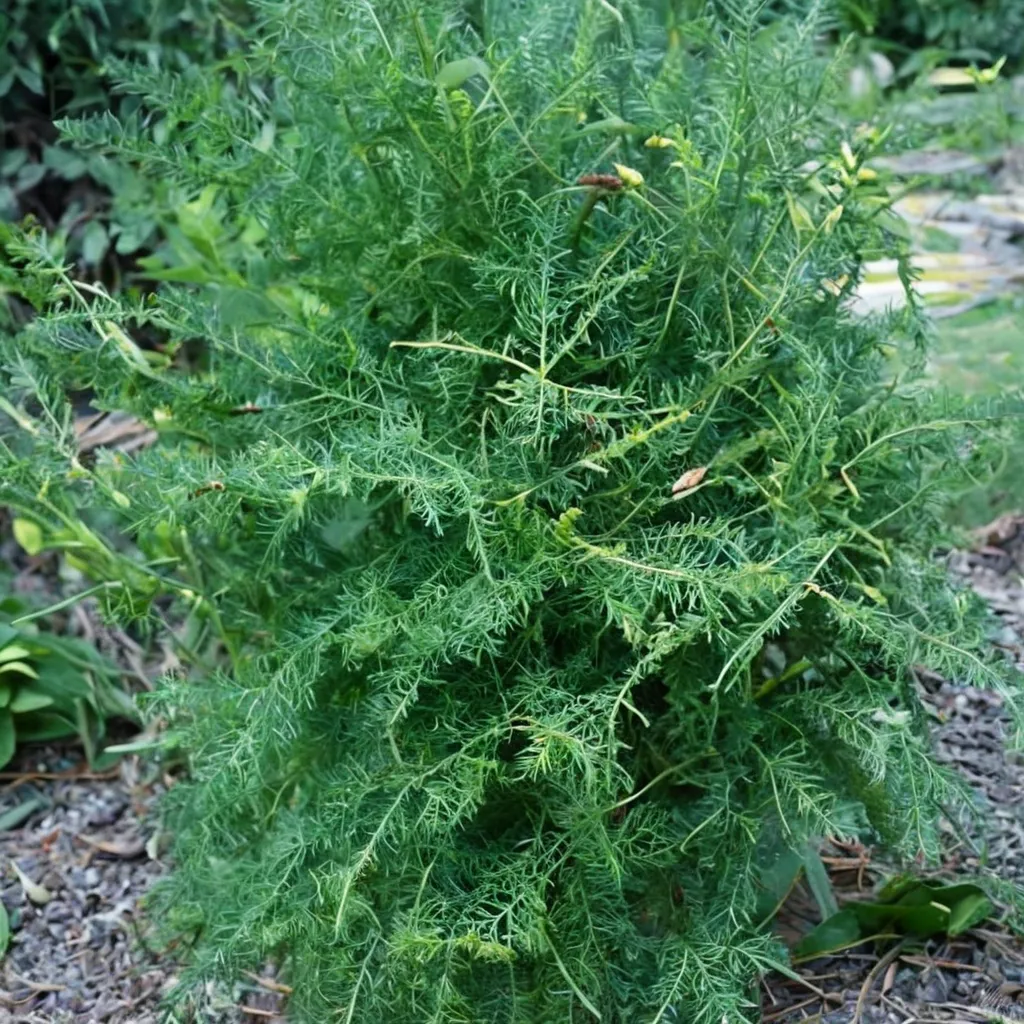
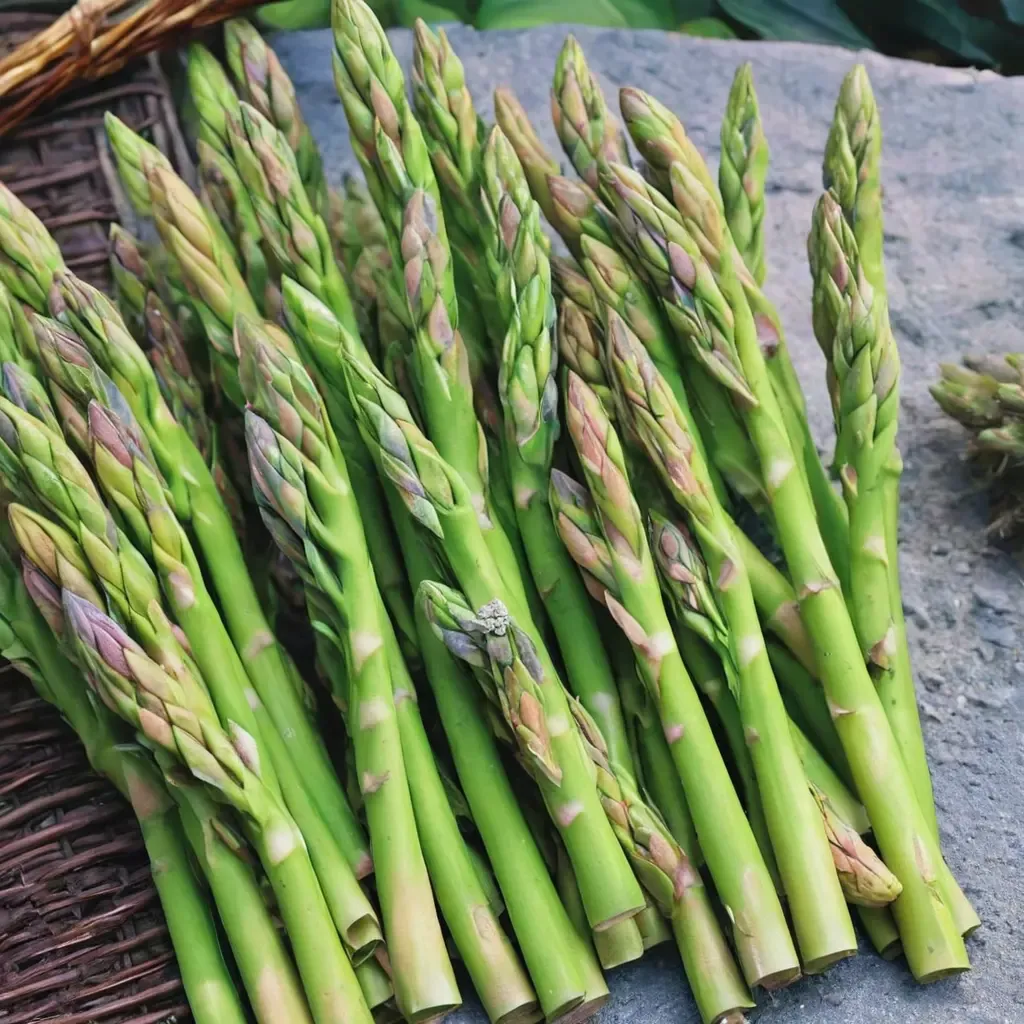
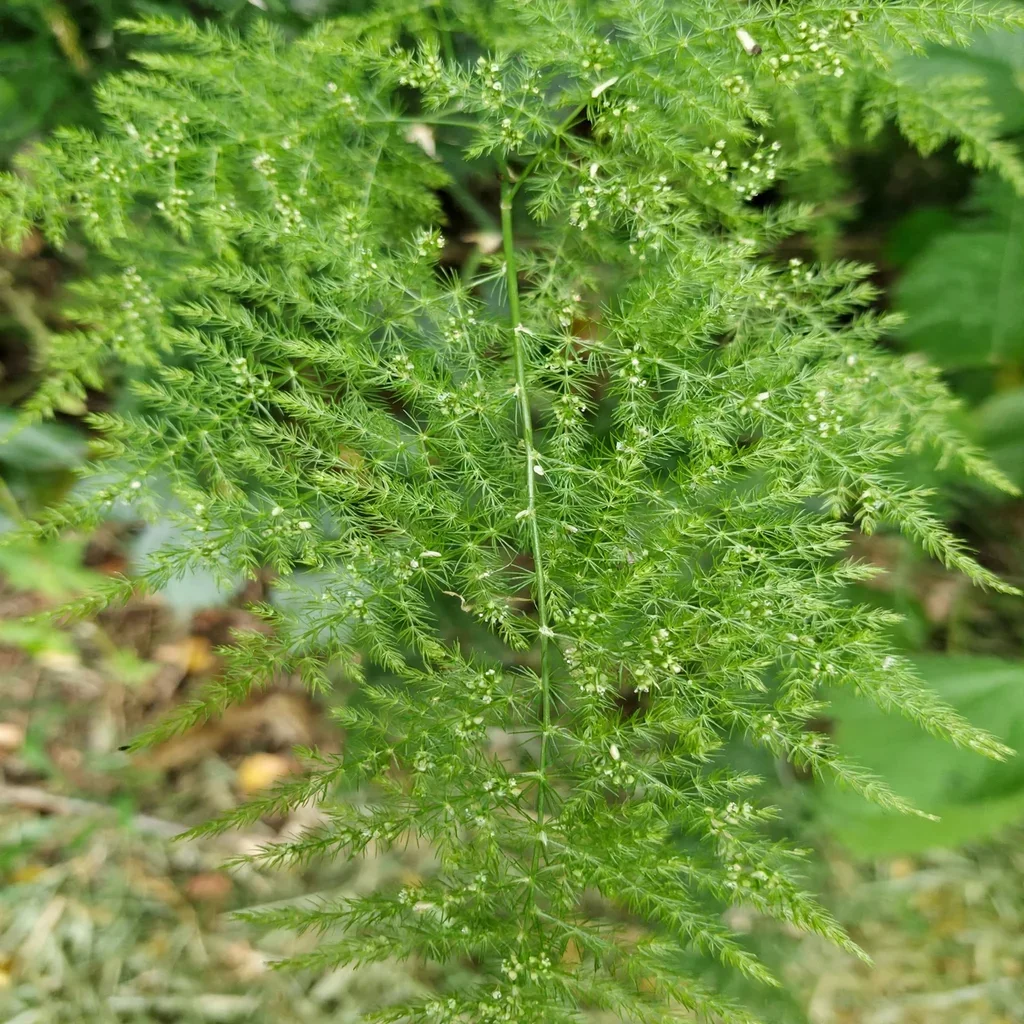
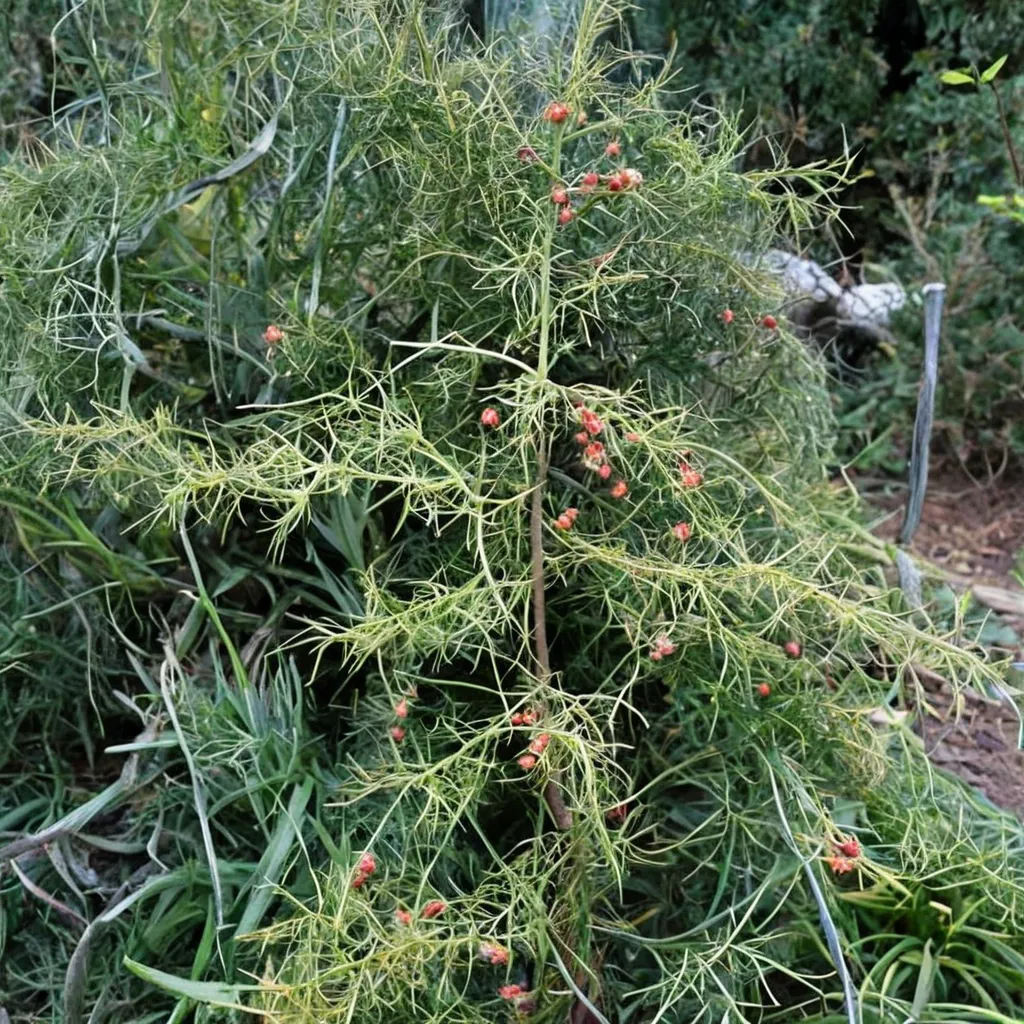
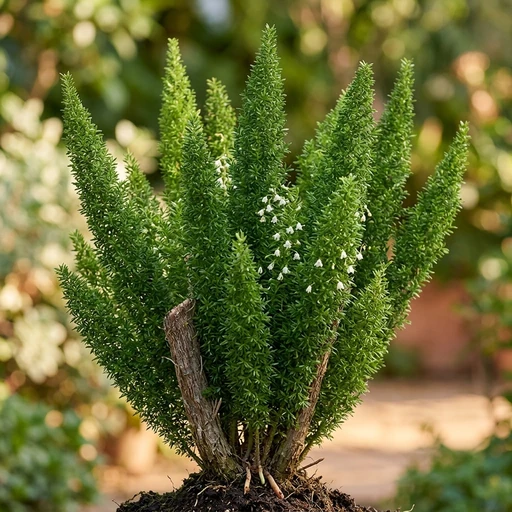
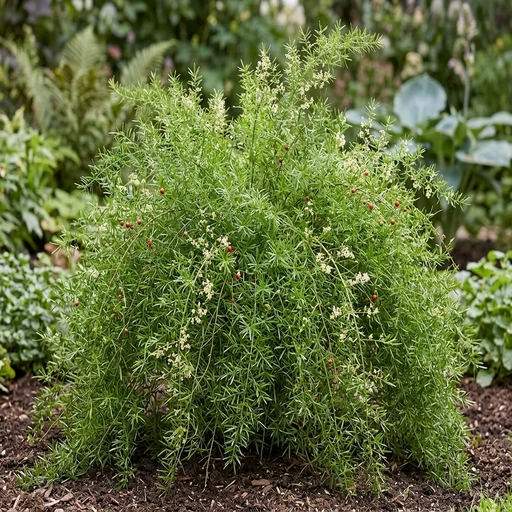
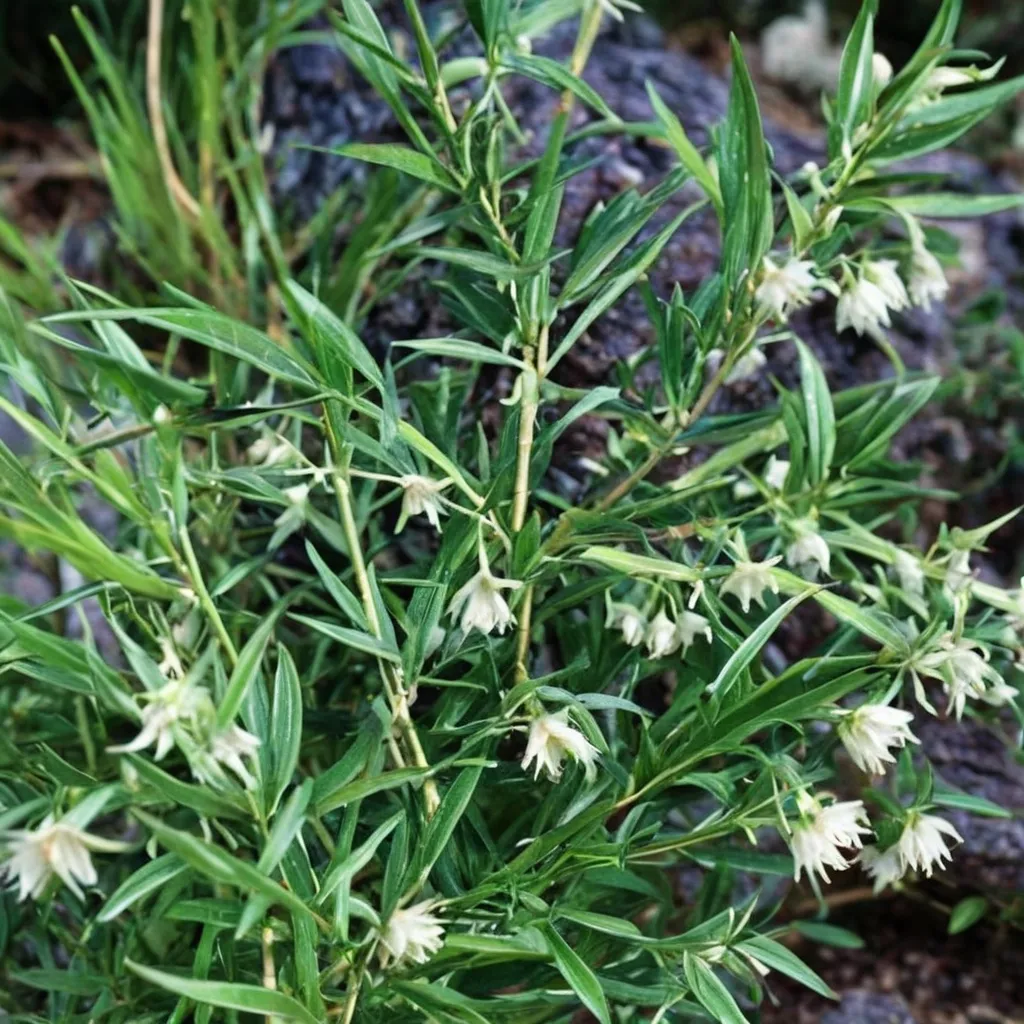
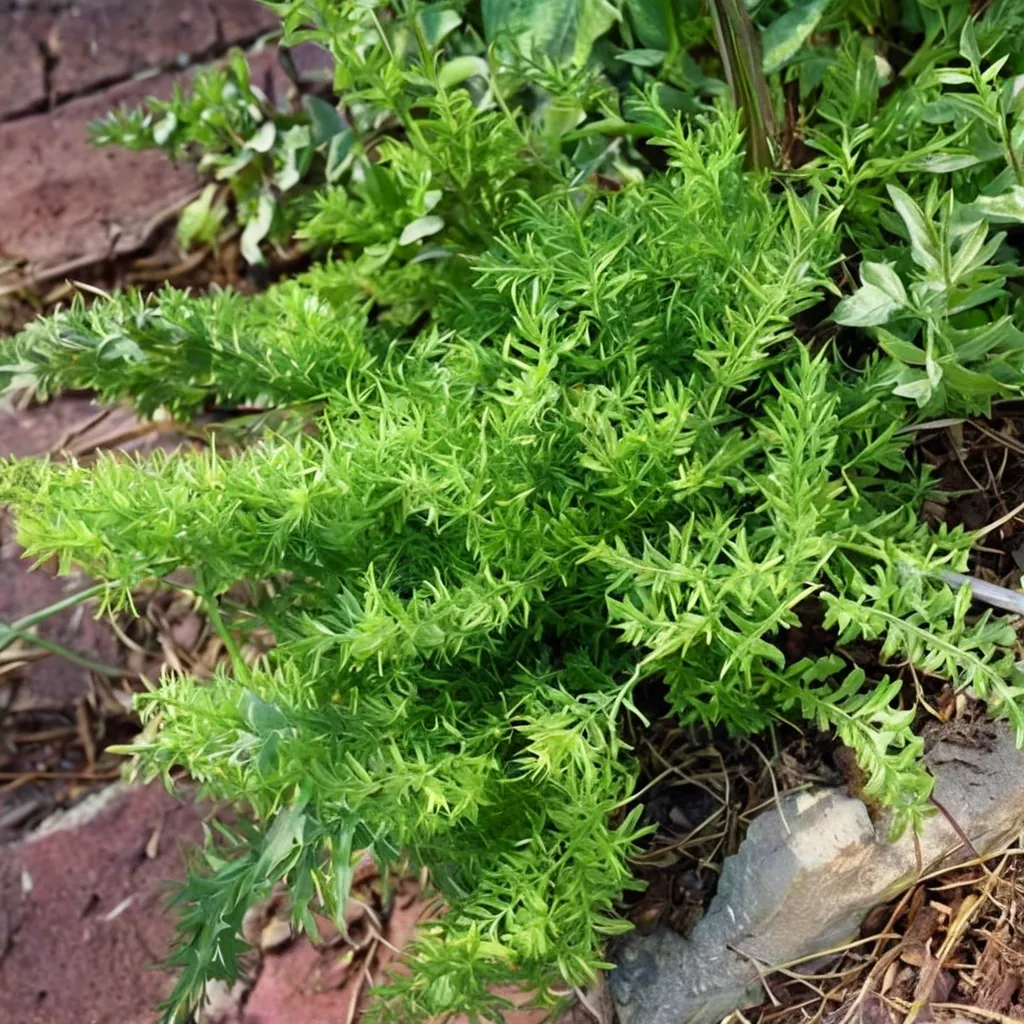
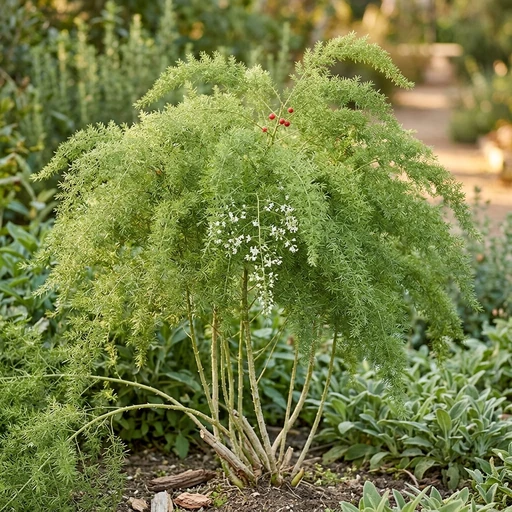
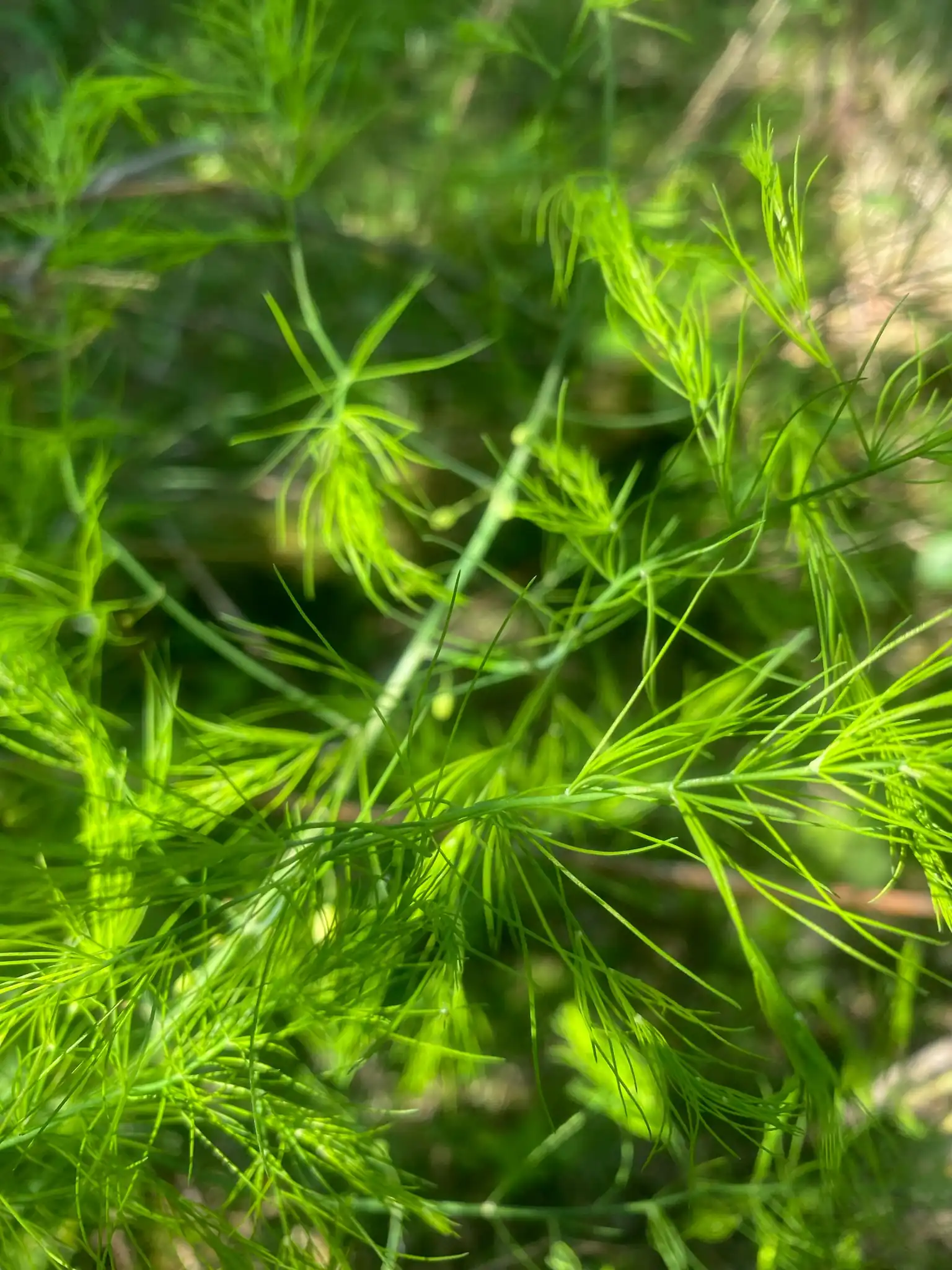
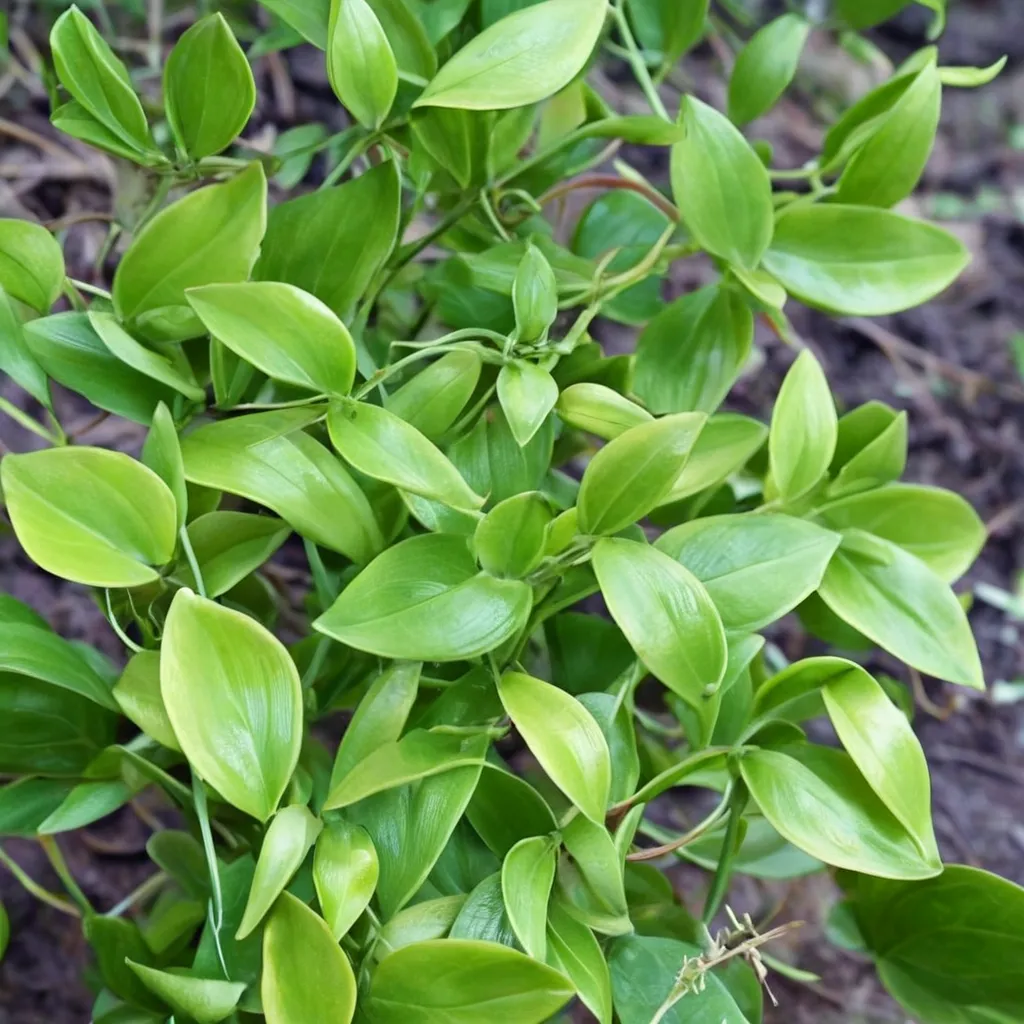
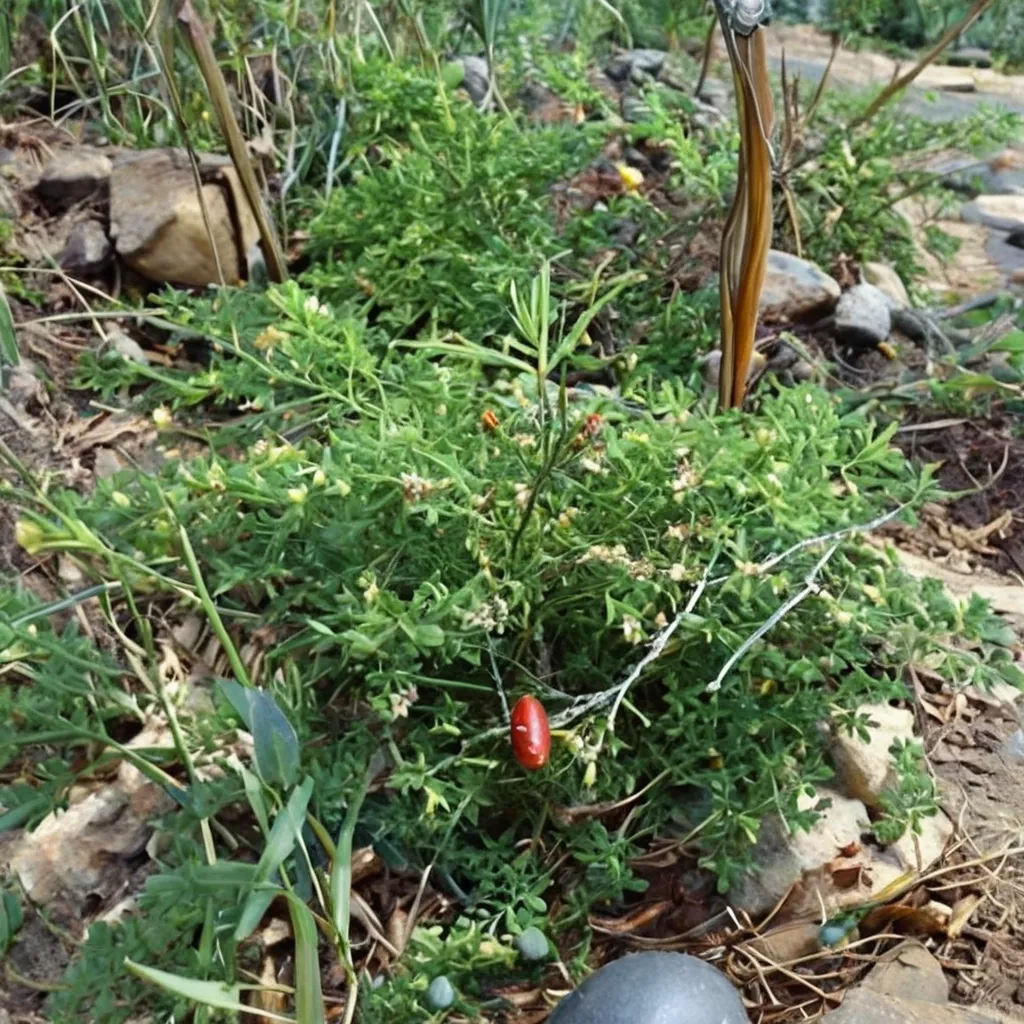
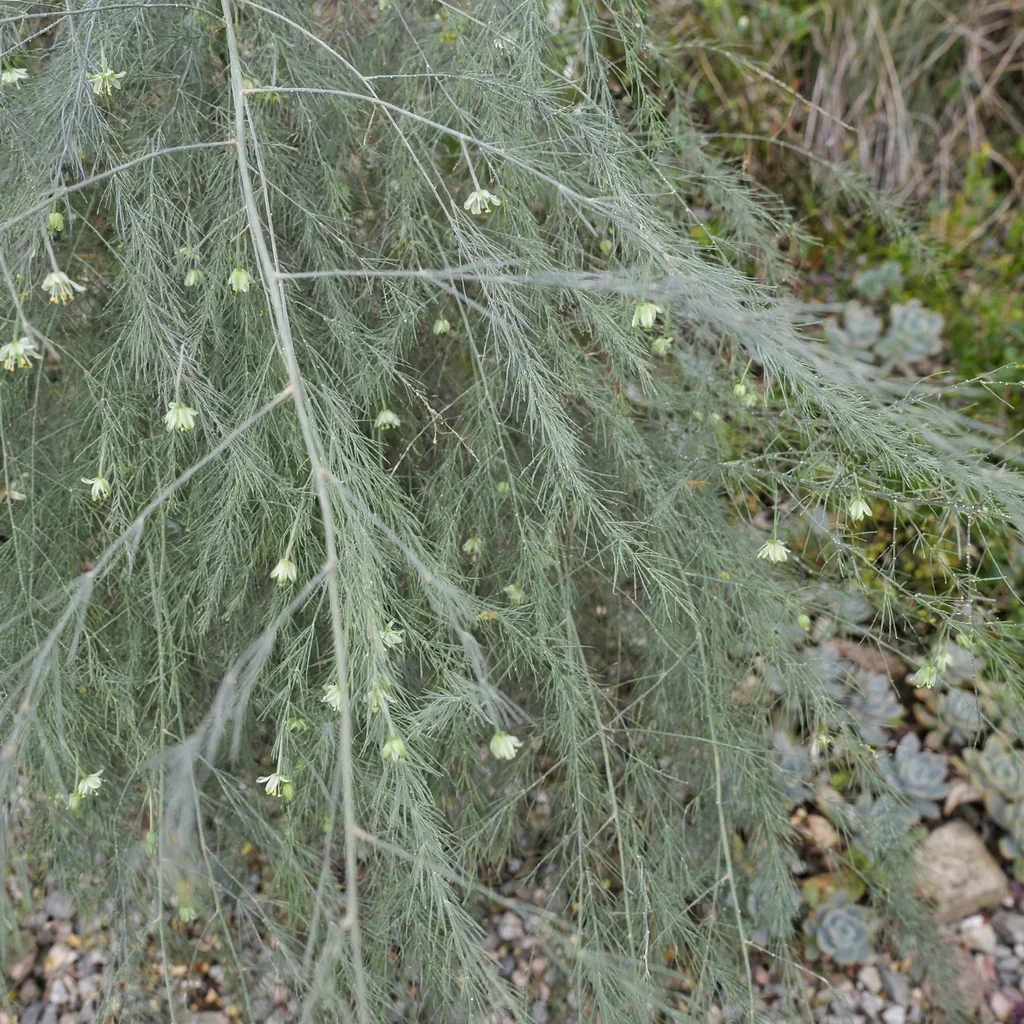

Browse all 19 Asparagus varieties →
2 species of Asparagus
Each one is a parent of the varieties above.
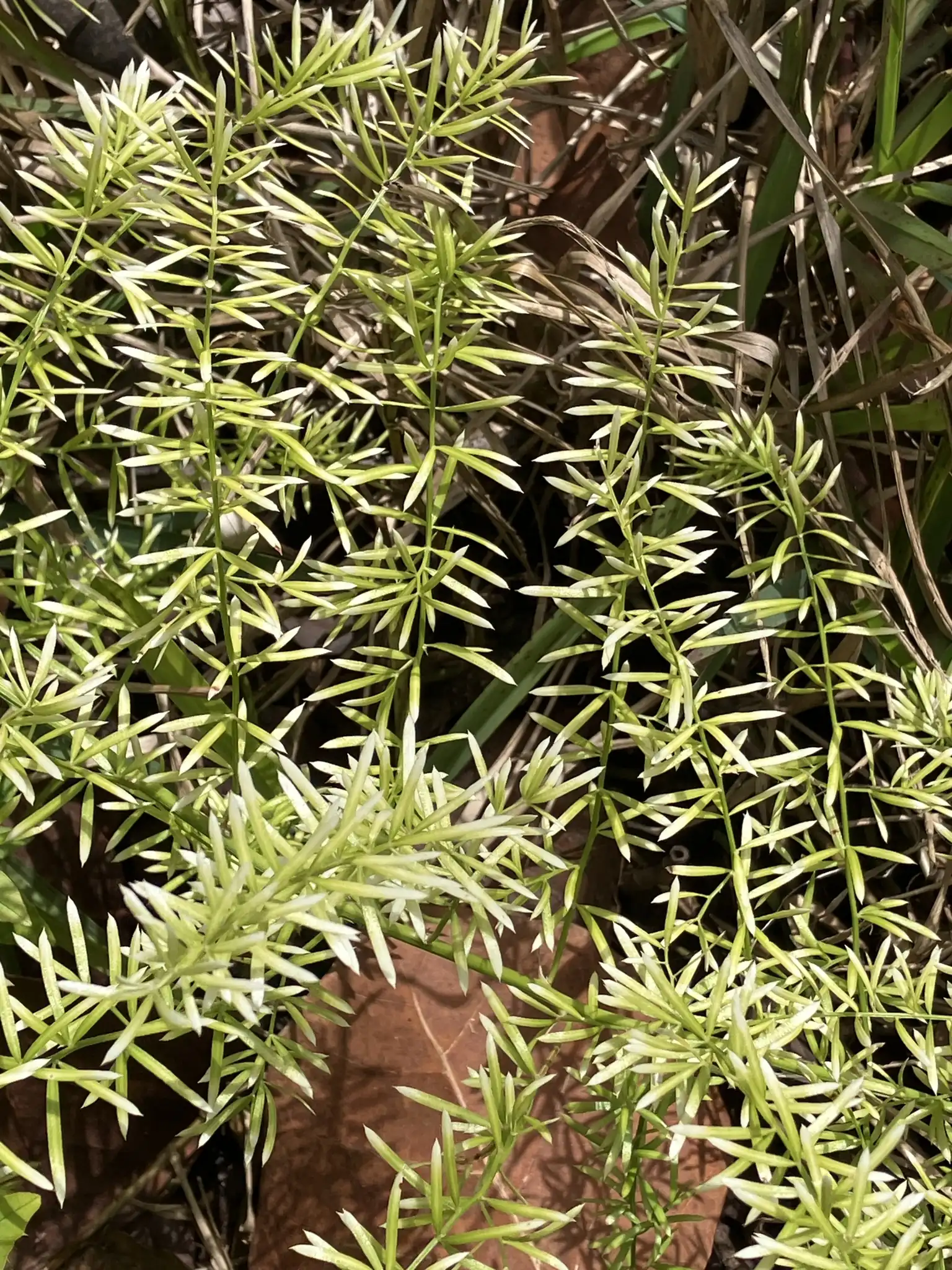
Track your Asparagus in Sow
Save the Asparagus you grow and get care reminders timed to your zone.
How to grow Asparagus
Whats common across all Asparagus varieties in our catalog — drawn from the care records of the 19 most-grown of them.
The Asparagus year
- FertilizeApril and June79% of varieties
Feed with a balanced liquid fertilizer every 2-4 weeks during active growth.
- PruneMarch58% of varieties
Prune back yellow or dead stems at the base in late winter to tidy the plant.
- PlantApril and May58% of varieties
Plant transplants in well-draining soil during mild weather
- Spring CleanupMarch32% of varieties
Cut back old or damaged stems close to the ground before new growth starts
- HarvestApril–June32% of varieties
Harvest spears for 6-8 weeks, but wait until the 3rd year after planting.


Do
- Mulch to conserve moisture
- Water during dry spells 🌱
- Water during dry periods 🌱
- Water consistently during dry periods 🌱
- Mulch to conserve moisture and suppress weeds
Avoid
- Overwater to prevent root rot ❌
- Avoid overwatering to prevent root rot ❌
- Do not expose to harsh, direct afternoon sun, which can scorch the foliage
- Avoid letting the soil dry out completely, which causes needle drop
What goes wrong with Asparagus
| Problem | What you'll see | What to do |
|---|---|---|
| Aphids | Sticky residue and distorted leaves | Spray with insecticidal soap organic option |
| Mealybugs | White, cottony clusters on stems and in leaf axils. | Dab with a cotton swab dipped in rubbing alcohol. Use insecticidal soap for larger outbreaks. |
| Spider Mites | Fine webbing on foliage | Spray with insecticidal soap |
| Scale | Small, hard, brown bumps on the stems. | Scrape off with a fingernail or use a soft brush. Apply horticultural oil. |
| Root rot | Wilting and yellowing leaves | Improve drainage and reduce watering |
| Root Rot | Yellowing foliage, mushy base, and wilting. | Caused by overwatering. Allow soil to dry out more between waterings and ensure good drainage. |
| Asparagus Rust | Orange pustules on stems and ferns in humid weather | Choose resistant cultivars, space for airflow and remove old growth each autumn |
Making more Asparagus
Division
- Remove the plant from its pot in spring
- Use a sharp knife to cut the dense root ball with fleshy tubers apart
- Ensure each division has several stems and a good portion of roots
- Repot the divisions and water well. New growth appears in 4-6 weeks.
Seed
- Harvest red berries and remove the pulp from the seed
- Sow seeds in a warm, moist seed-starting mix
- Germination can take 3-4 weeks
- Keep the seedlings in a bright location
Asparagus questions
How many types of Asparagus are there?
The Sow catalog tracks 19 distinct Asparagus varieties. The most popular — ranked by 376 real gardeners — are shown first above.
What zones does Asparagus grow in?
Across its varieties, Asparagus covers USDA Zones 4–10. Individual varieties differ — each plant page lists its exact range, and Sow filters the catalog to your zone automatically.
When does Asparagus bloom?
Most Asparagus varieties bloom in late spring, mid-summer, late summer. Staggering early, mid, and late varieties extends the genus's season in one bed.
Which Asparagus should I choose?
Start from the most-saved varieties above — popularity across thousands of gardens is a strong signal of reliability — then filter by your zone and sun. In the Sow app you can preview any of them in a photo of your actual yard before you buy.