Also known as Birch · 438 saves
Betula
Betula, the genus most gardeners know as birch. We track 18 varieties; the ones most used by real gardeners.
The 17 most-saved Betula varieties
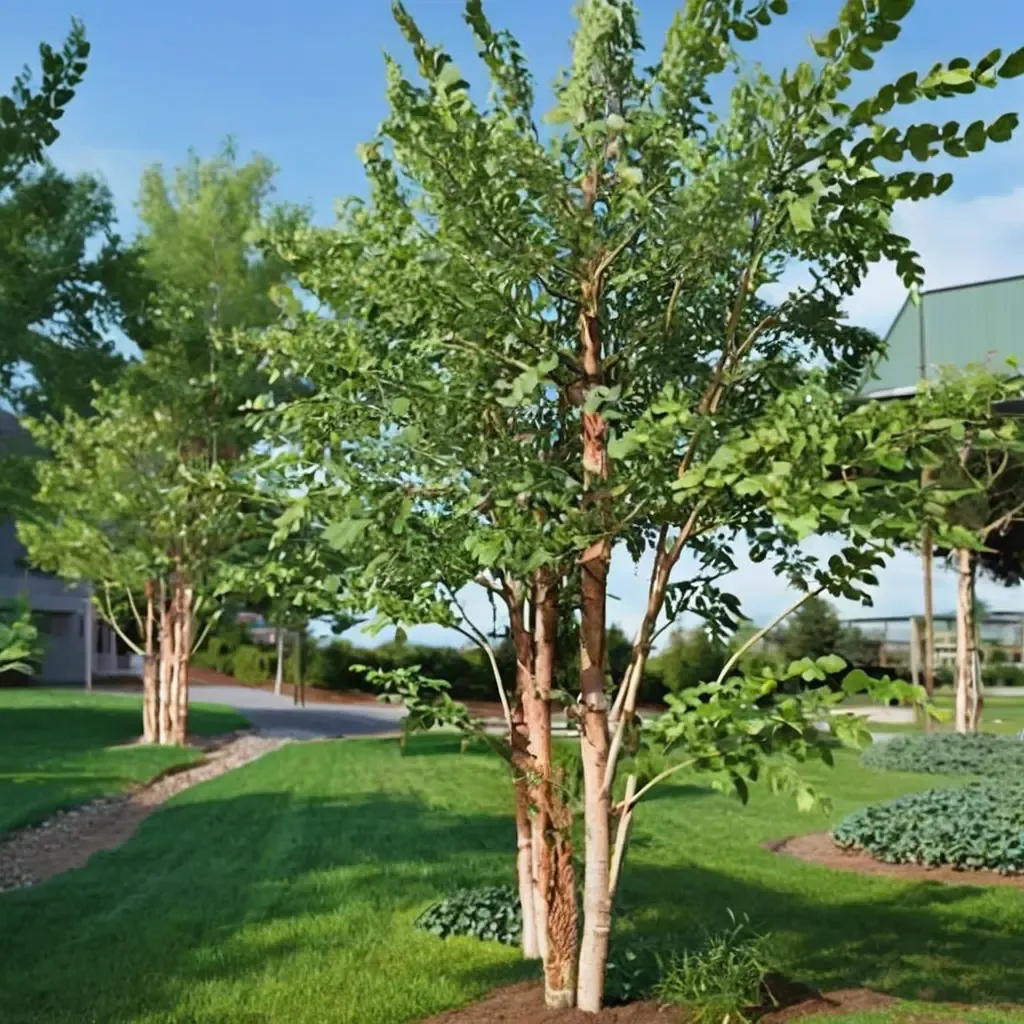
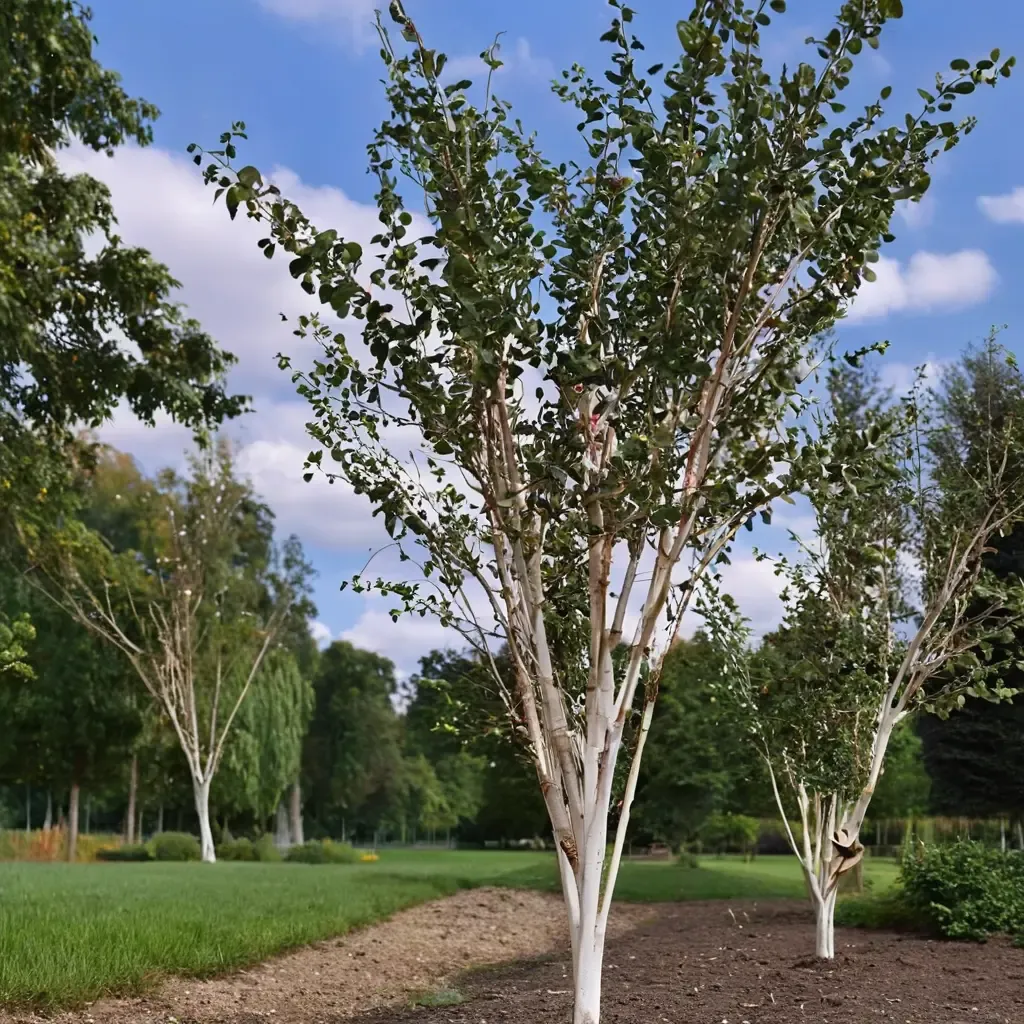
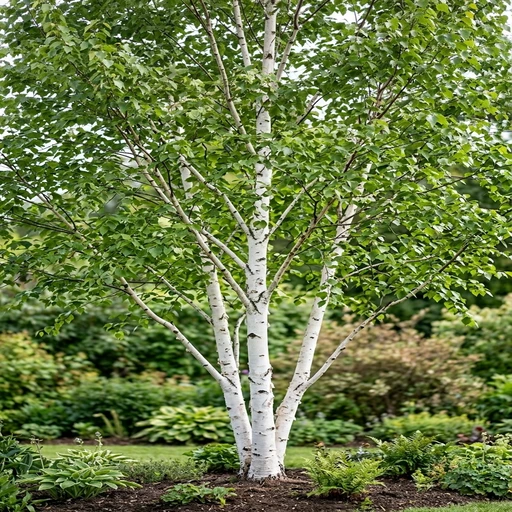
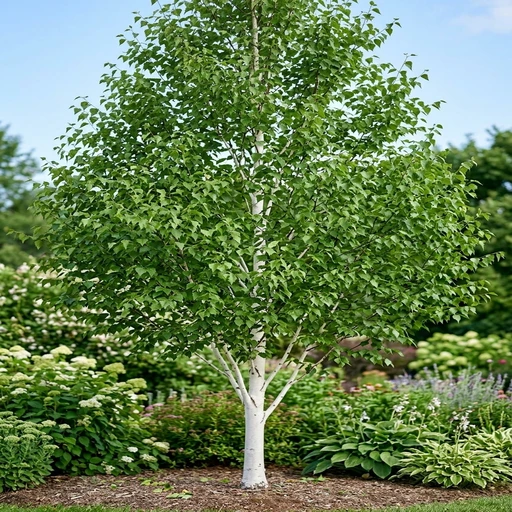
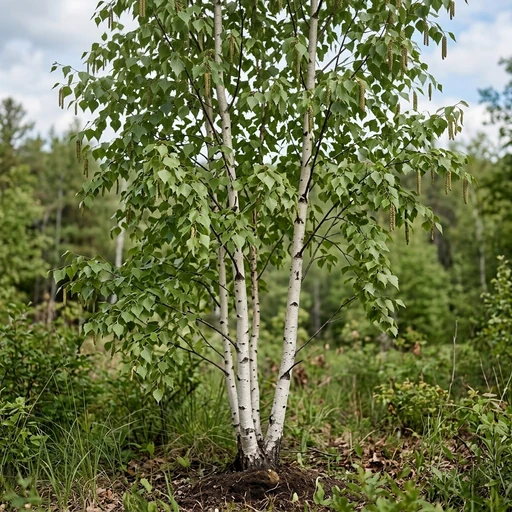
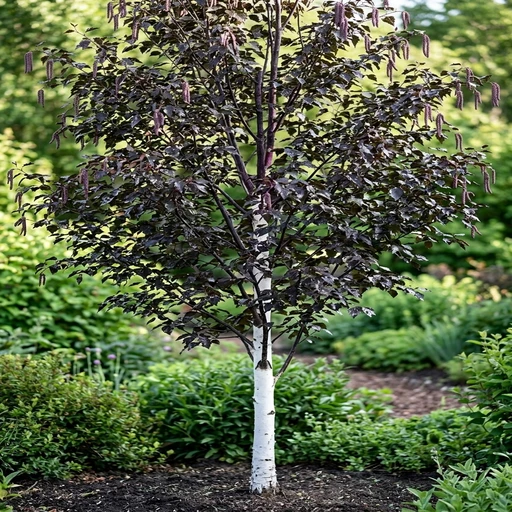
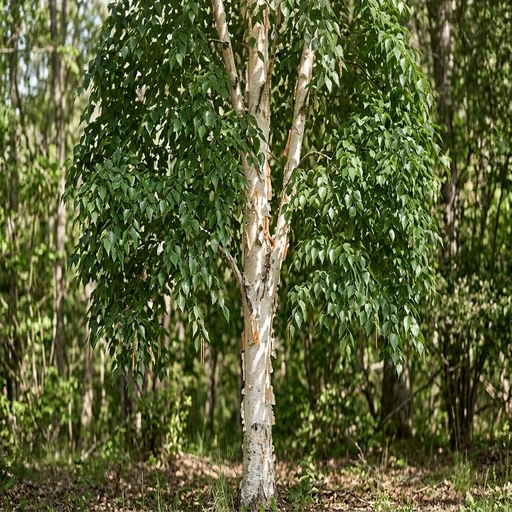
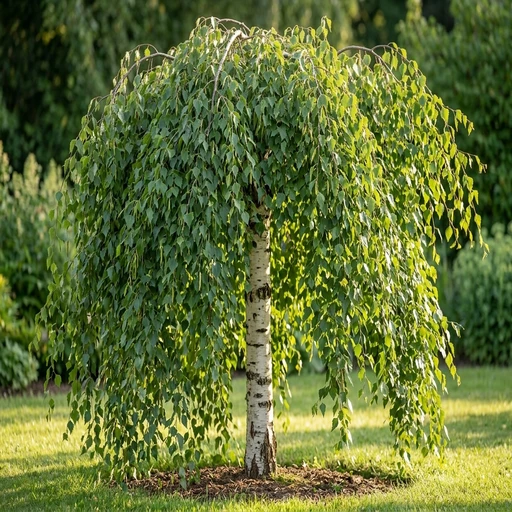
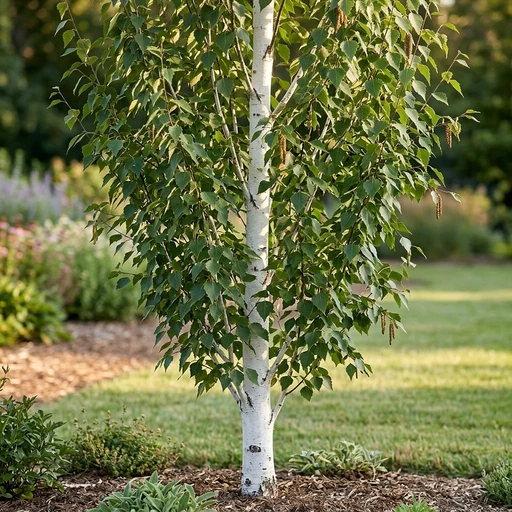
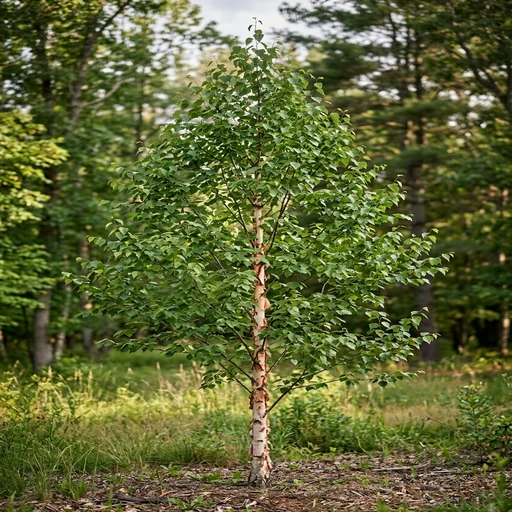
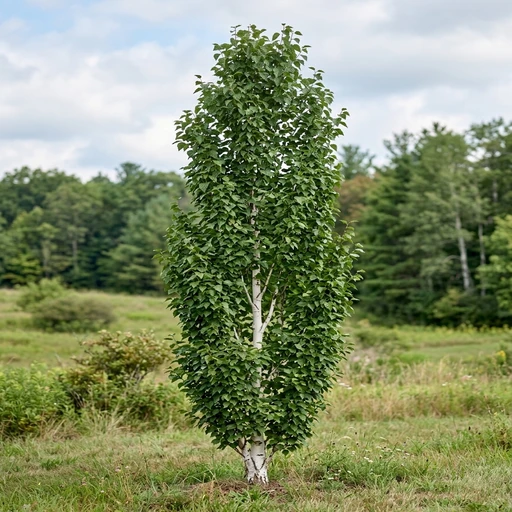
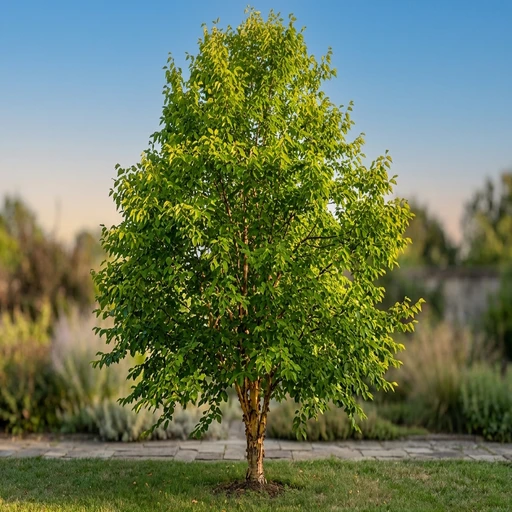
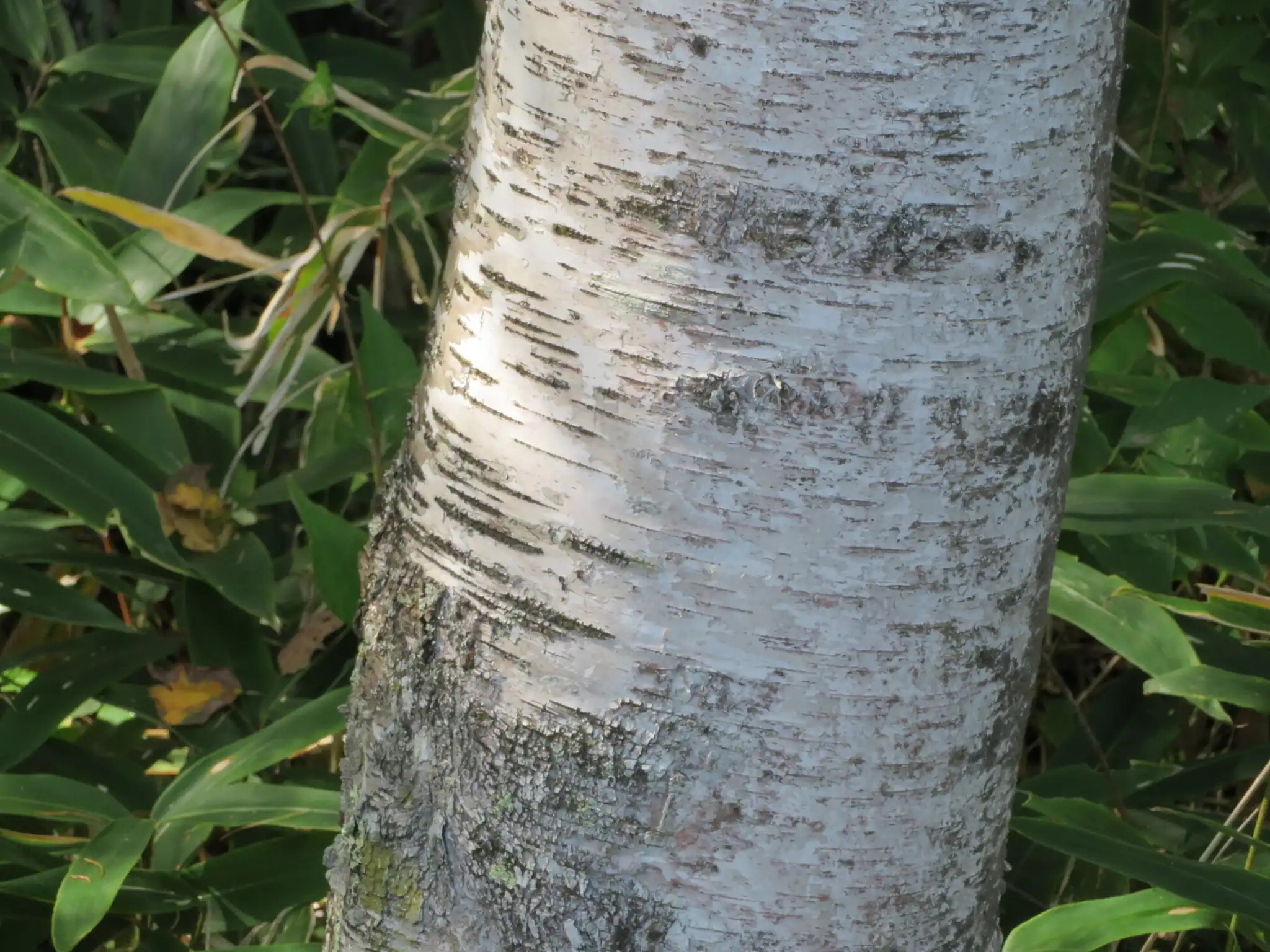
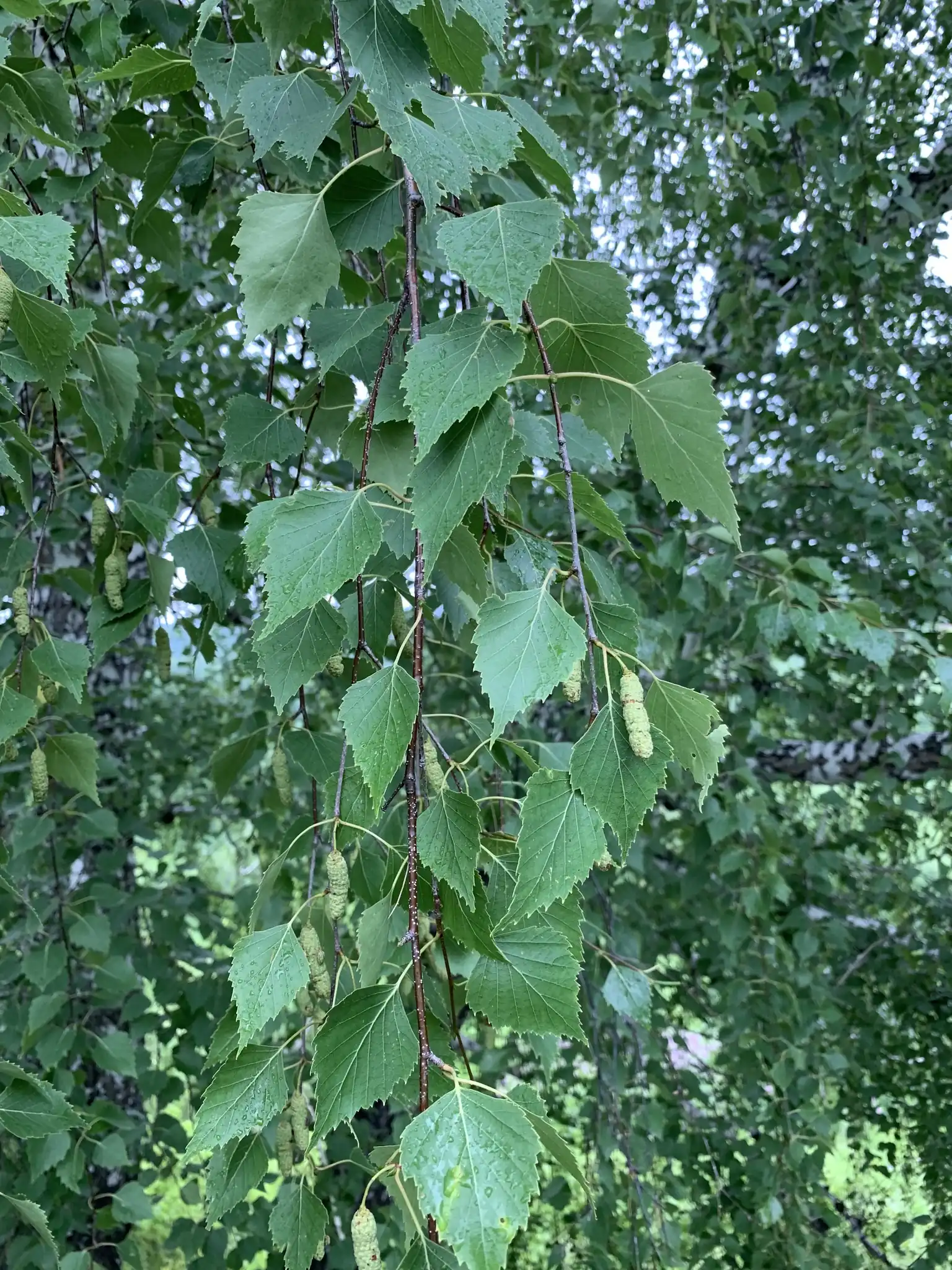
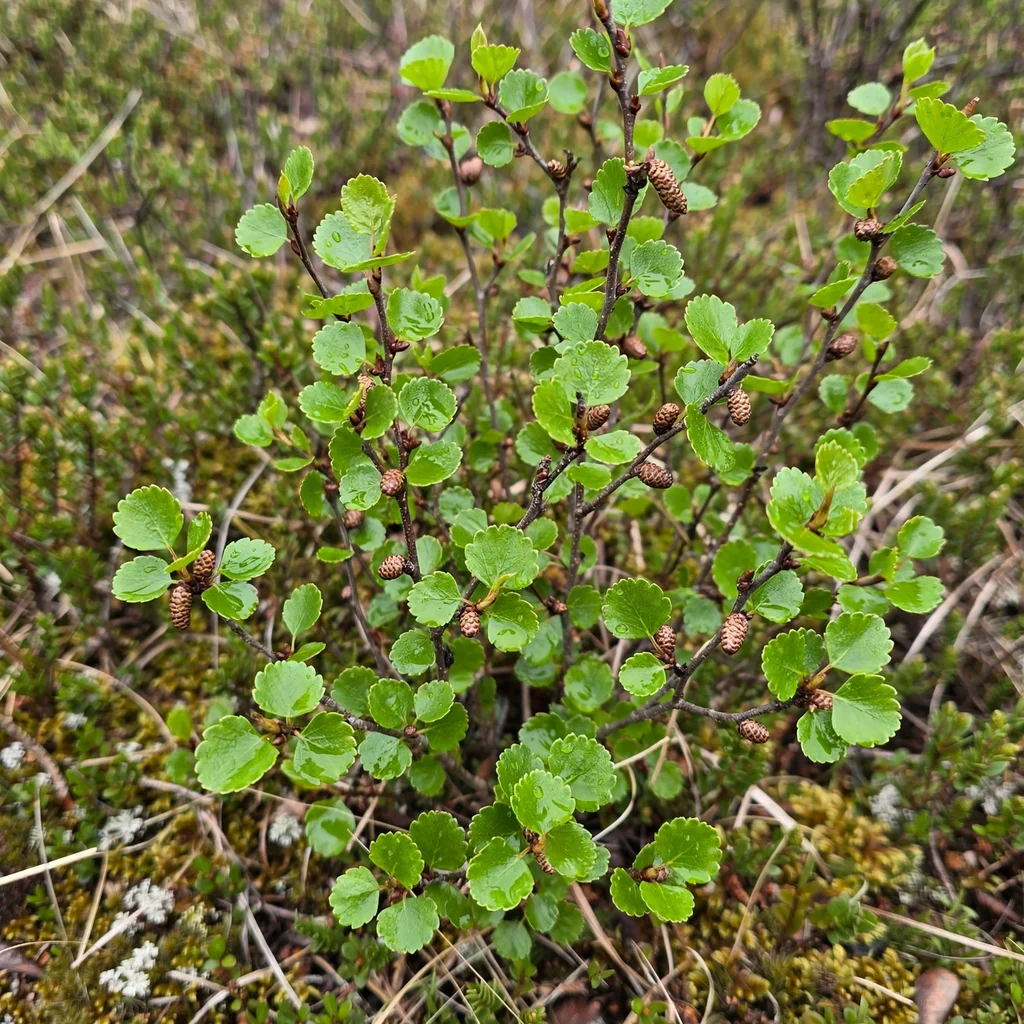
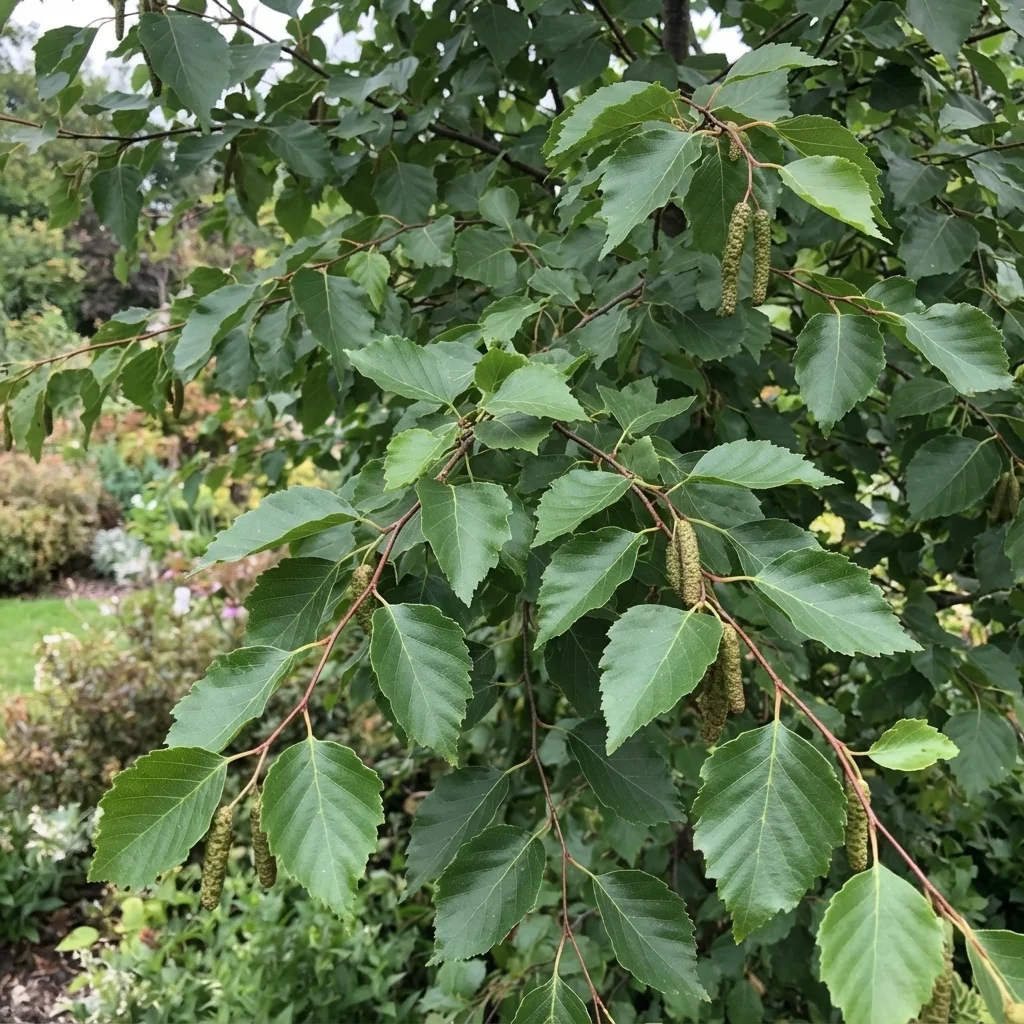
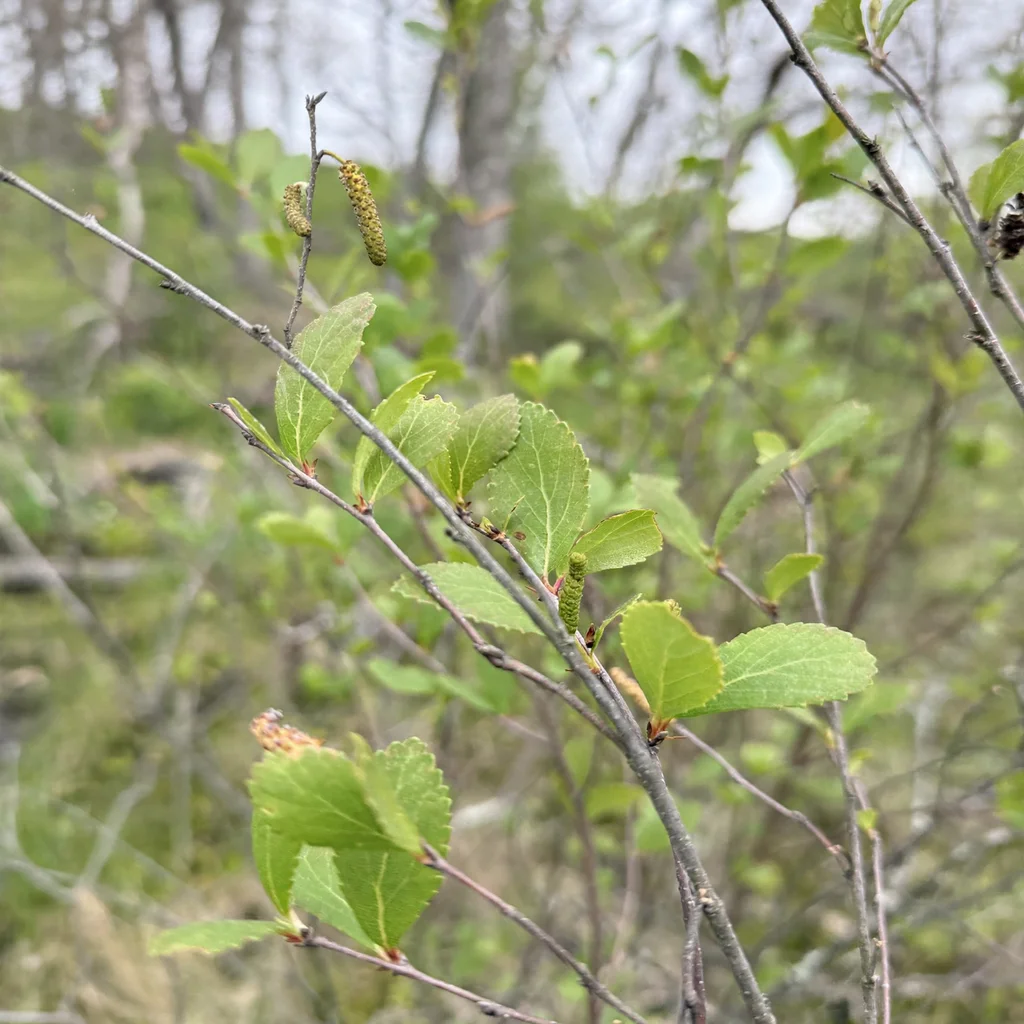
Browse all 18 Betula varieties →
7 species of Betula
Each one is a parent of the varieties above.
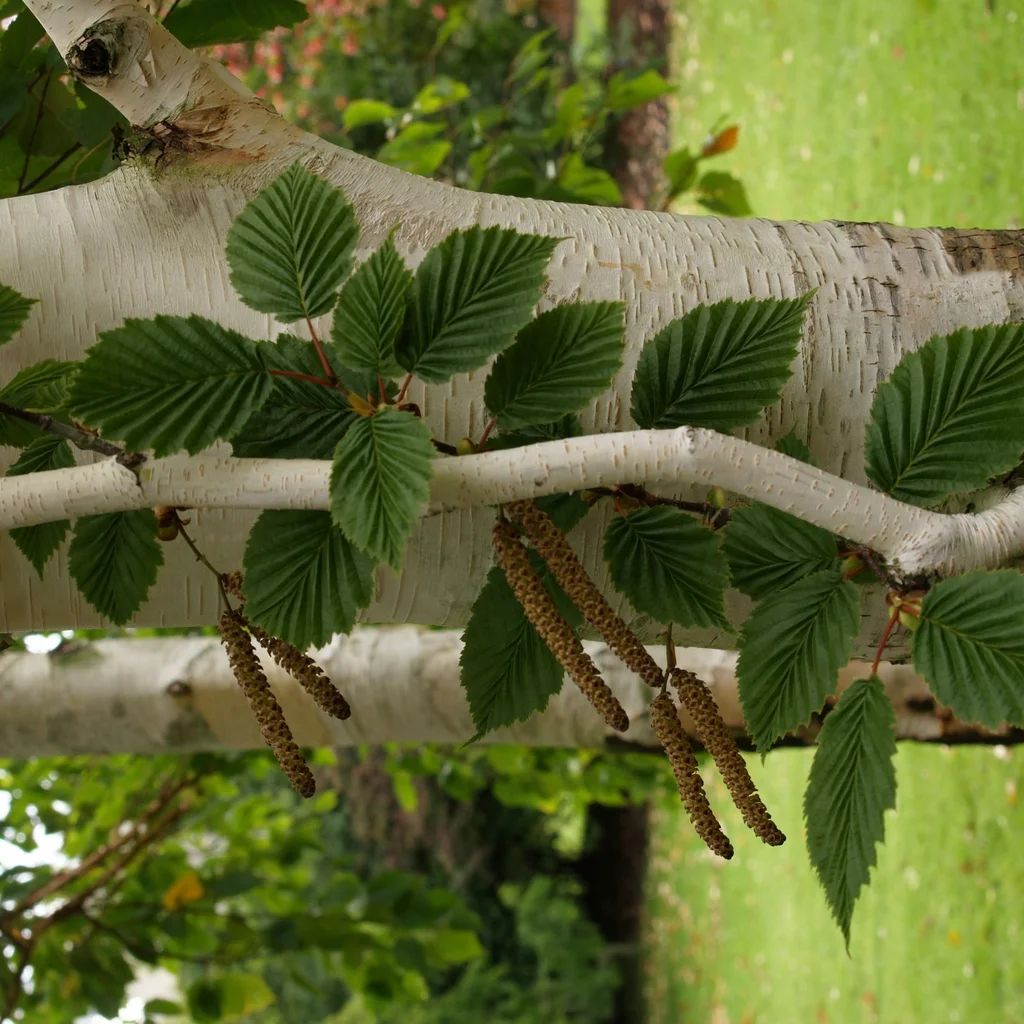
Track your Betula in Sow
Save the Betula you grow and get care reminders timed to your zone.
How to grow Betula
Whats common across all Betula varieties in our catalog — drawn from the care records of the 18 most-grown of them.
The Betula year
- Check for PestsJune and July89% of varieties
Inspect trunk and branches for D-shaped exit holes of bronze birch borer.
- MulchApril, May and November83% of varieties
Maintain a wide ring of mulch to keep the root zone cool and moist.
- PruneAugust and September78% of varieties
Prune in late summer to avoid 'bleeding' sap. Remove dead or crossing branches.
- PlantApril, May, October and November39% of varieties
Plant in early spring or fall to avoid heat stress.


Do
- Plant in a location with good air circulation.
- Water deeply and regularly, especially during hot, dry weather.
- Water deeply in dry spells 💧
- Fertilize in early spring with a balanced tree fertilizer
- Mulch widely to keep the shallow roots cool.
Avoid
- Do not plant in hot, dry locations or heavy clay soil.
- Avoid pruning in late winter or spring when the sap is running heavily.
- Don't compact the soil over the root zone with foot traffic or equipment.
- Avoid wounding the trunk with mowers or string trimmers.
What goes wrong with Betula
| Problem | What you'll see | What to do |
|---|---|---|
| Bronze Birch Borer | Dieback in the upper canopy first, D-shaped exit holes on the trunk, and zig-zag galleries under the bark. | Prevention is key: keep the tree healthy and stress-free. Prune out infested branches. Apply systemic insecticides like imidacloprid as a soil drench in spring. |
| Birch Leafminer | Brown, blotchy patches on leaves where larvae have tunneled inside. | Damage is mostly cosmetic. Systemic insecticides can be used in spring to prevent damage on high-value specimens. |
| Aphids | Distorted foliage and sticky honeydew on leaf surfaces. | Blast affected branches with strong sprays of water or apply insecticidal soap. |
| Japanese Beetle | Skeletonized leaves in mid-summer. | Hand-pick into soapy water. Use pheromone traps away from the tree. Apply insecticides containing carbaryl or acephate. |
| Leaf Spot | Dark spots on leaves, may cause some yellowing and premature leaf drop. | Generally cosmetic. Rake and destroy fallen leaves. Improve air circulation. |
| Canker Diseases | Sunken, discolored areas on the trunk or branches, which may ooze sap. | There is no cure. Prune out affected branches. Keep the tree vigorous and avoid wounds to the bark. |
| Root rot | Wilting foliage and stem dieback in stagnant, oxygen-starved soils. | Ensure planting sites have natural water movement rather than stagnant, compacted silt. |
Making more Betula
Seed
- Collect catkins in late summer as they begin to brown.
- Sow seeds on the surface of moist soil in fall for natural stratification.
- Alternatively, cold-stratify seeds in the refrigerator for 60 days before spring sowing.
- Germination occurs in spring.
Grafting
- Collect dormant scion wood from 'Royal Frost' in winter.
- Graft onto Betula populifolia or Betula nigra rootstock.
- Use a whip-and-tongue graft and wrap securely.
- Keep in a humid environment until the graft union heals.
- This process takes several months.
Betula questions
How many types of Betula are there?
The Sow catalog tracks 18 distinct Betula varieties. The most popular — ranked by 438 real gardeners — are shown first above.
What zones does Betula grow in?
Across its varieties, Betula covers USDA Zones 4–9. Individual varieties differ — each plant page lists its exact range, and Sow filters the catalog to your zone automatically.
When does Betula bloom?
Most Betula varieties bloom in late spring, early spring, mid-spring. Staggering early, mid, and late varieties extends the genus's season in one bed.
Which Betula should I choose?
Start from the most-saved varieties above — popularity across thousands of gardens is a strong signal of reliability — then filter by your zone and sun. In the Sow app you can preview any of them in a photo of your actual yard before you buy.