Also known as Mustard Plant · 1.3k saves
Brassica
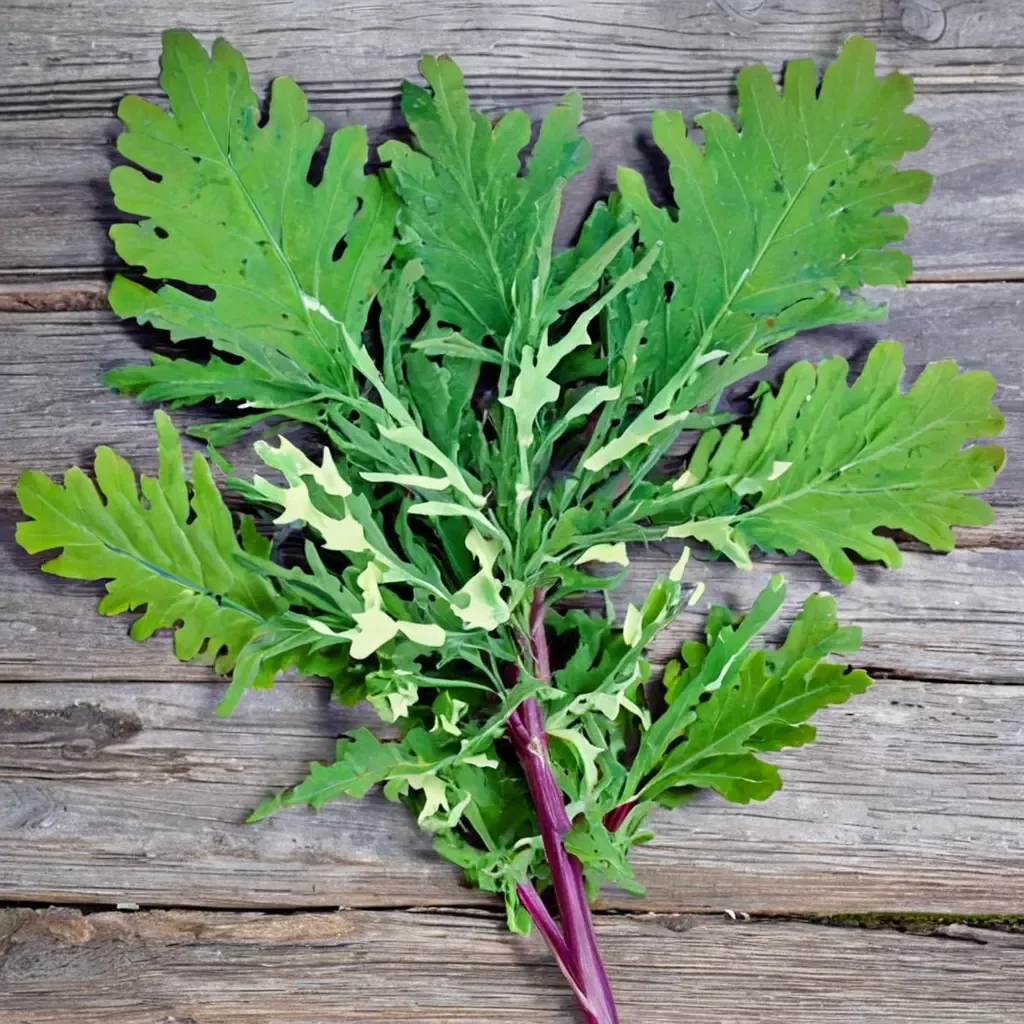
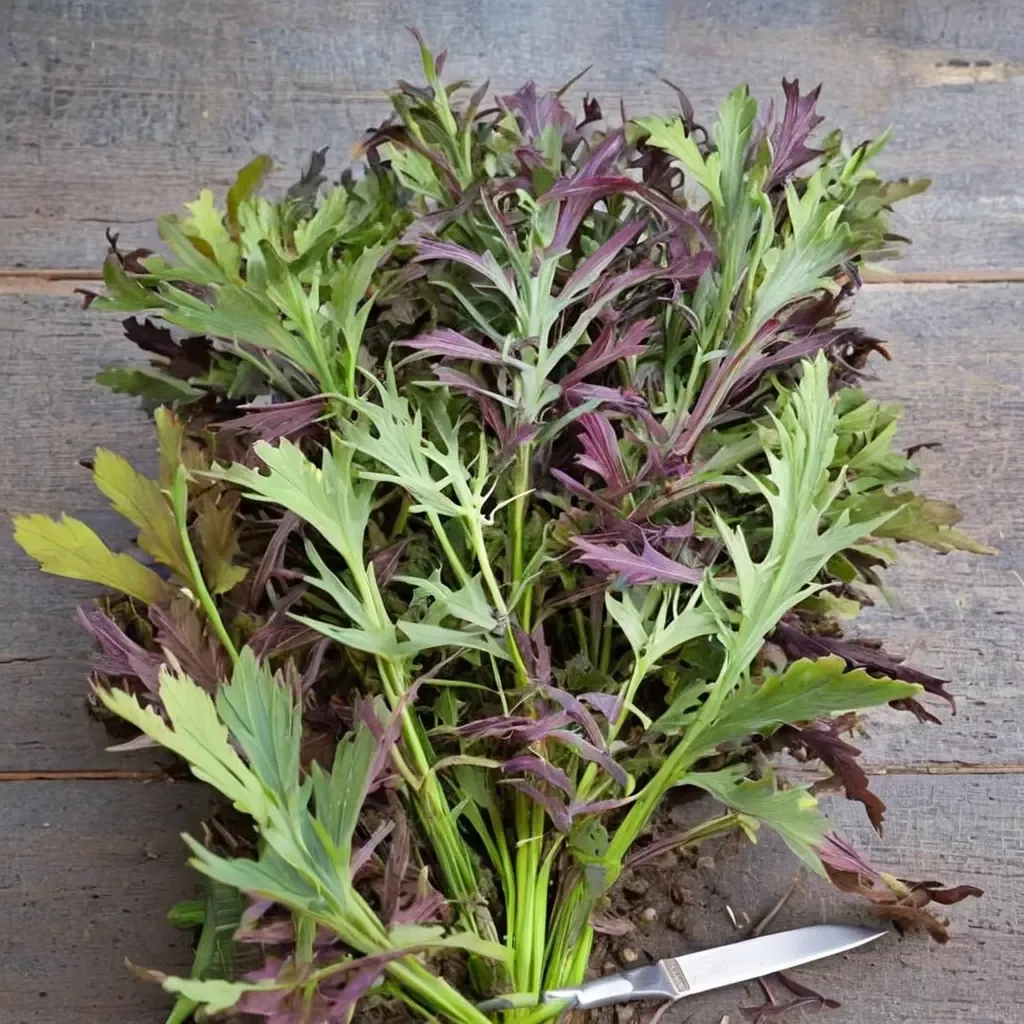
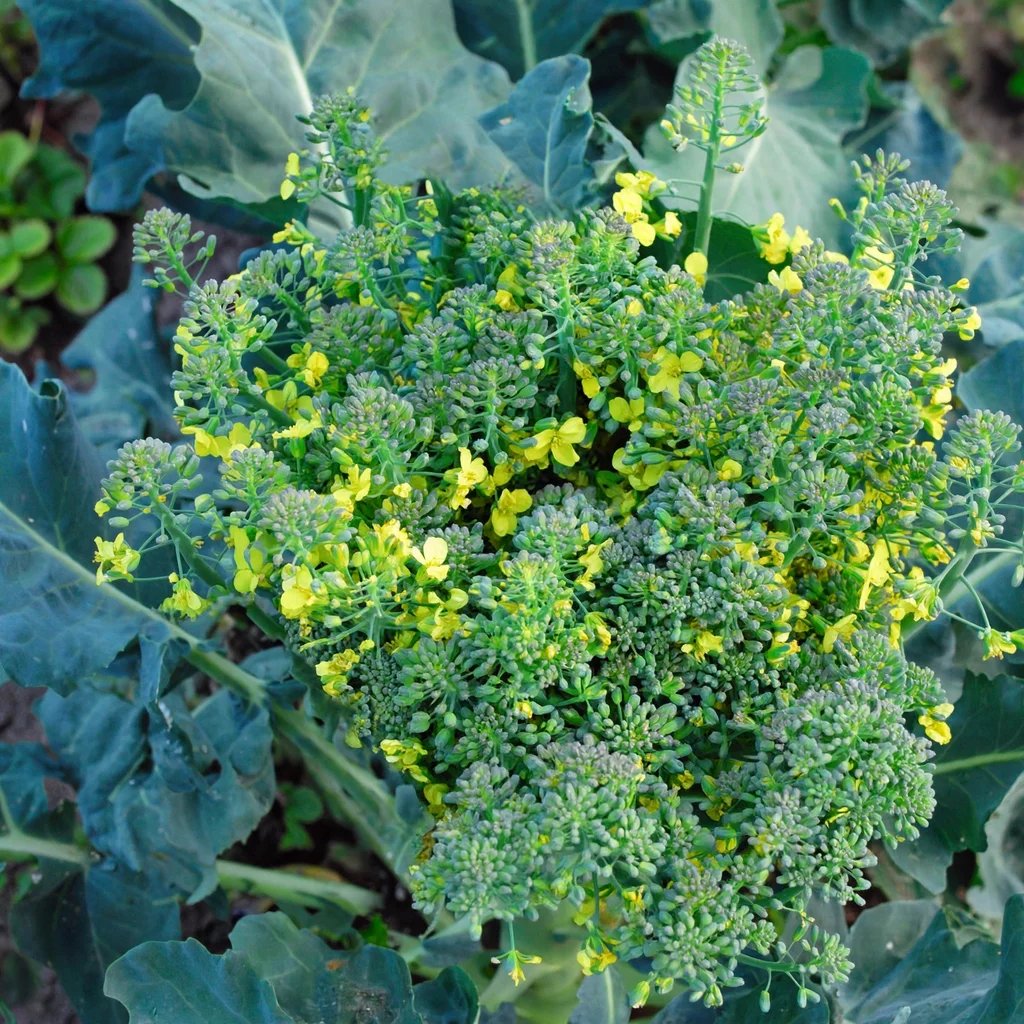
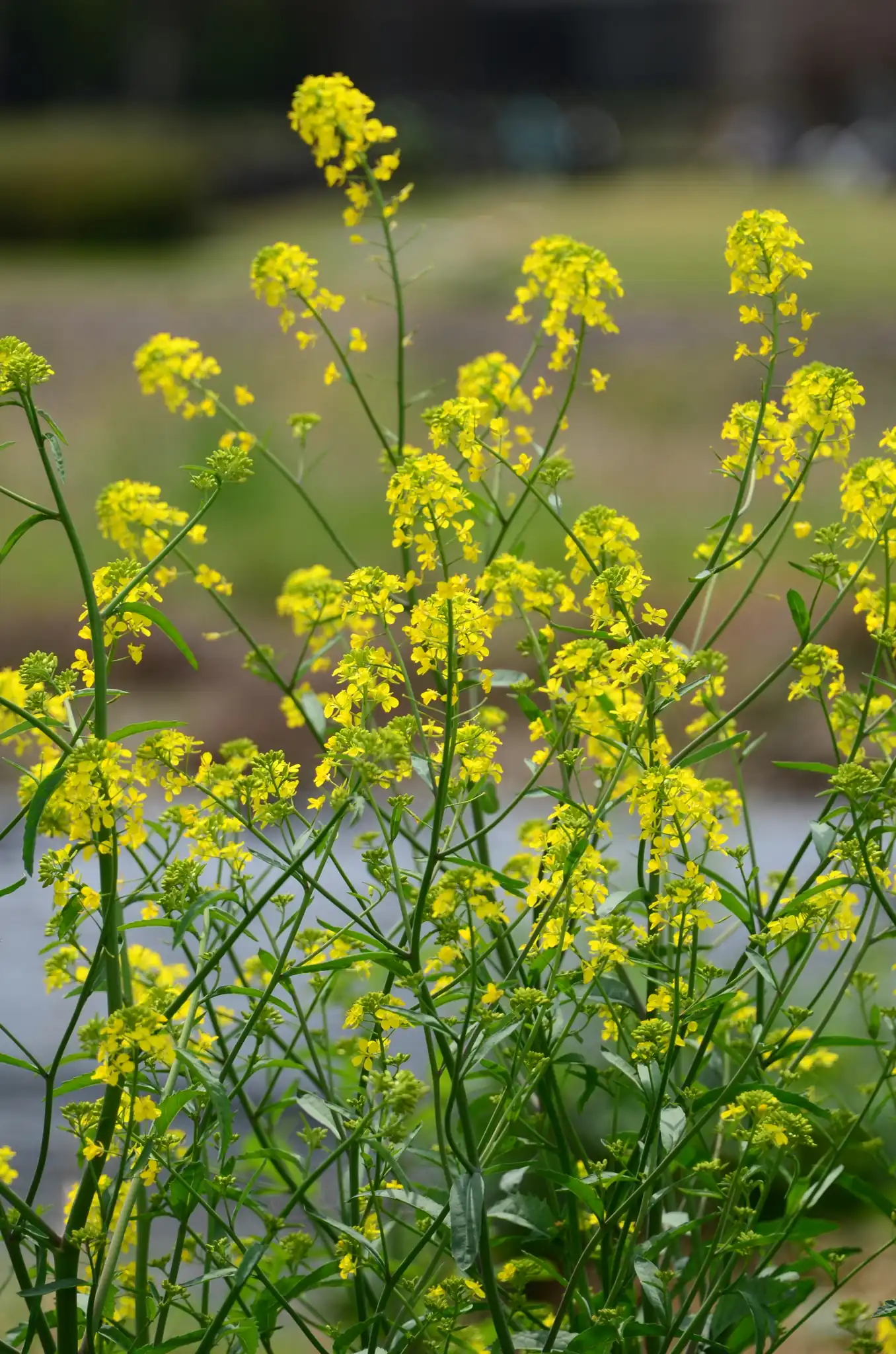
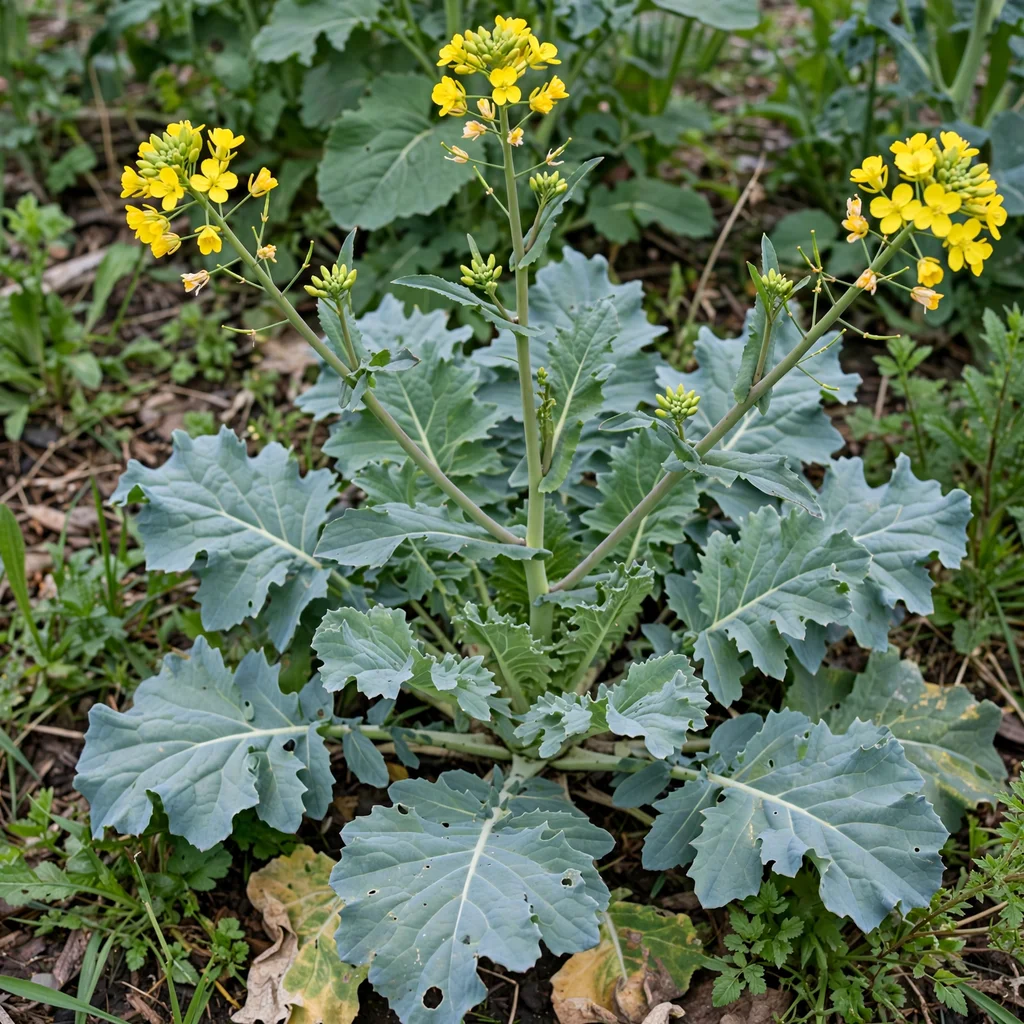
Brassica, the genus most gardeners know as mustard plant. We track 27 varieties; the ones most used by real gardeners.
The 24 most-saved Brassica varieties
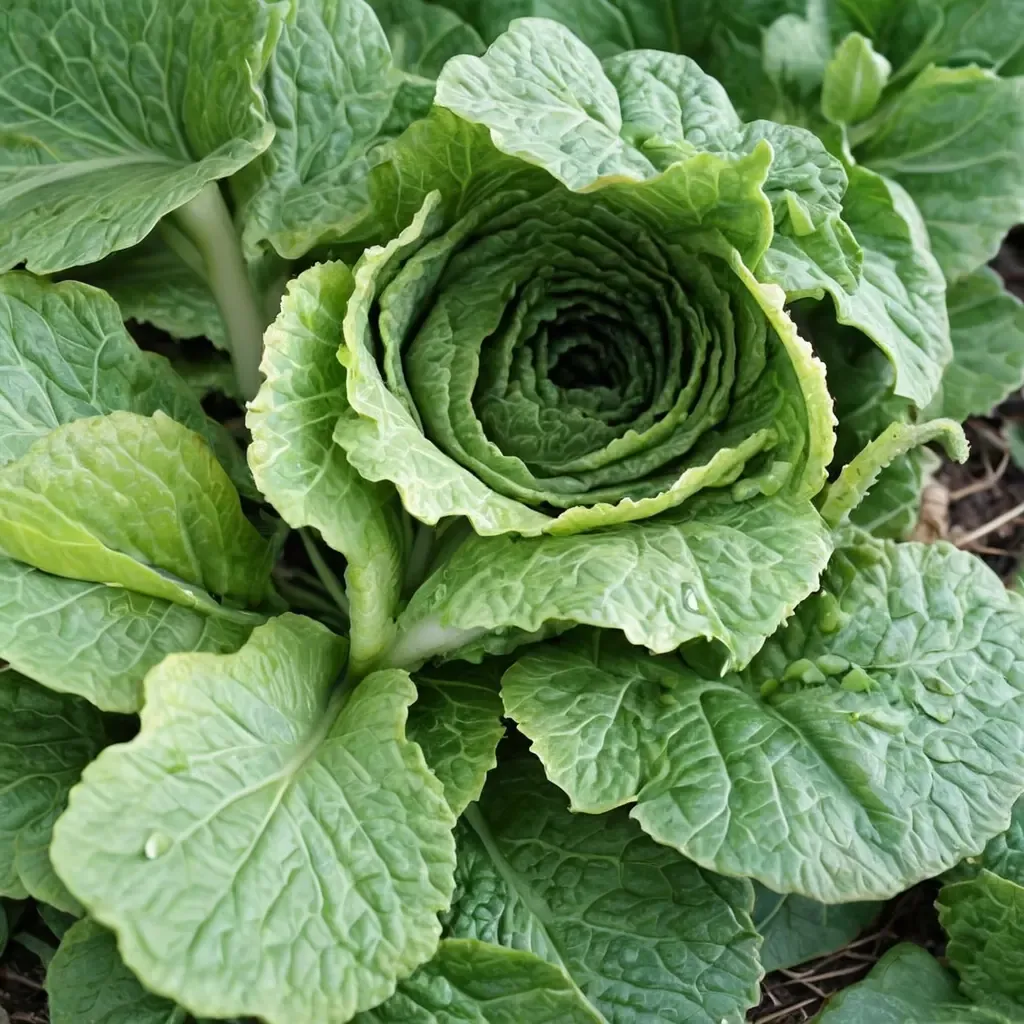
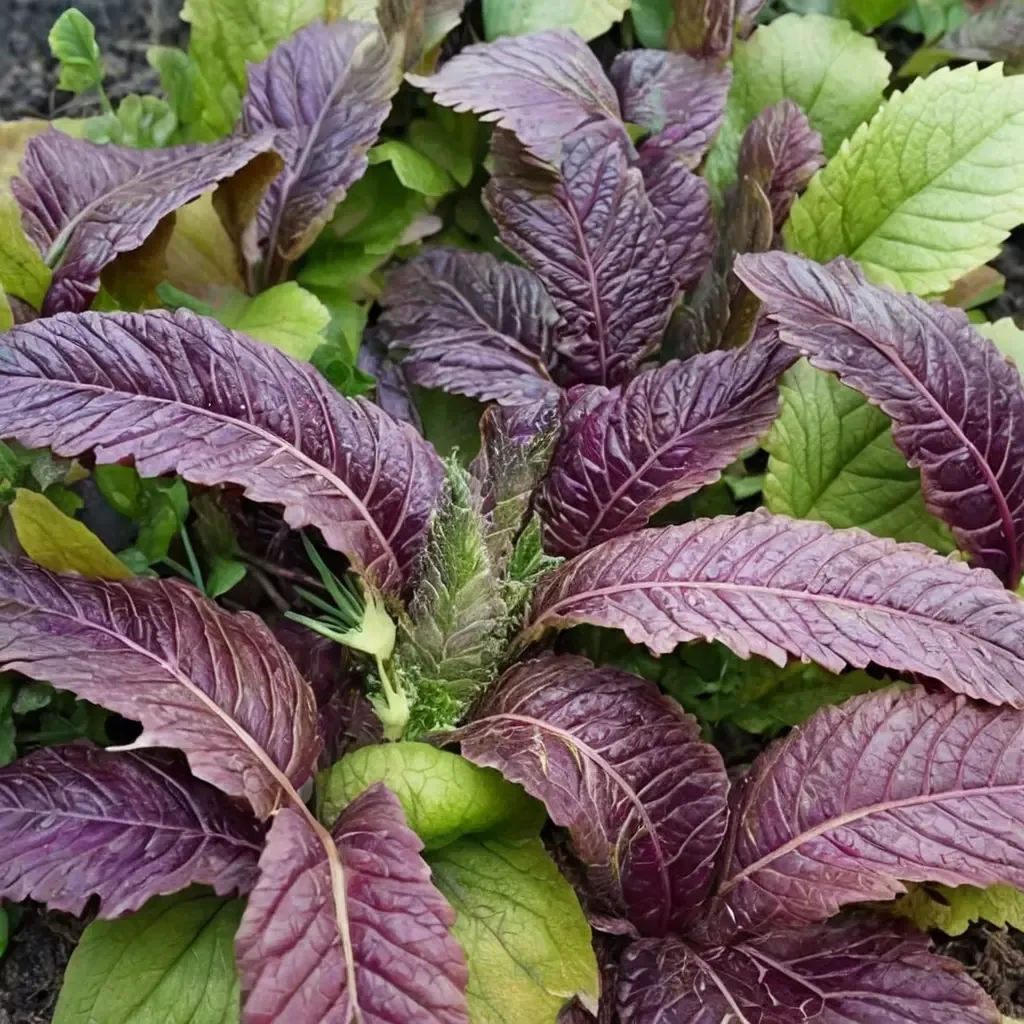
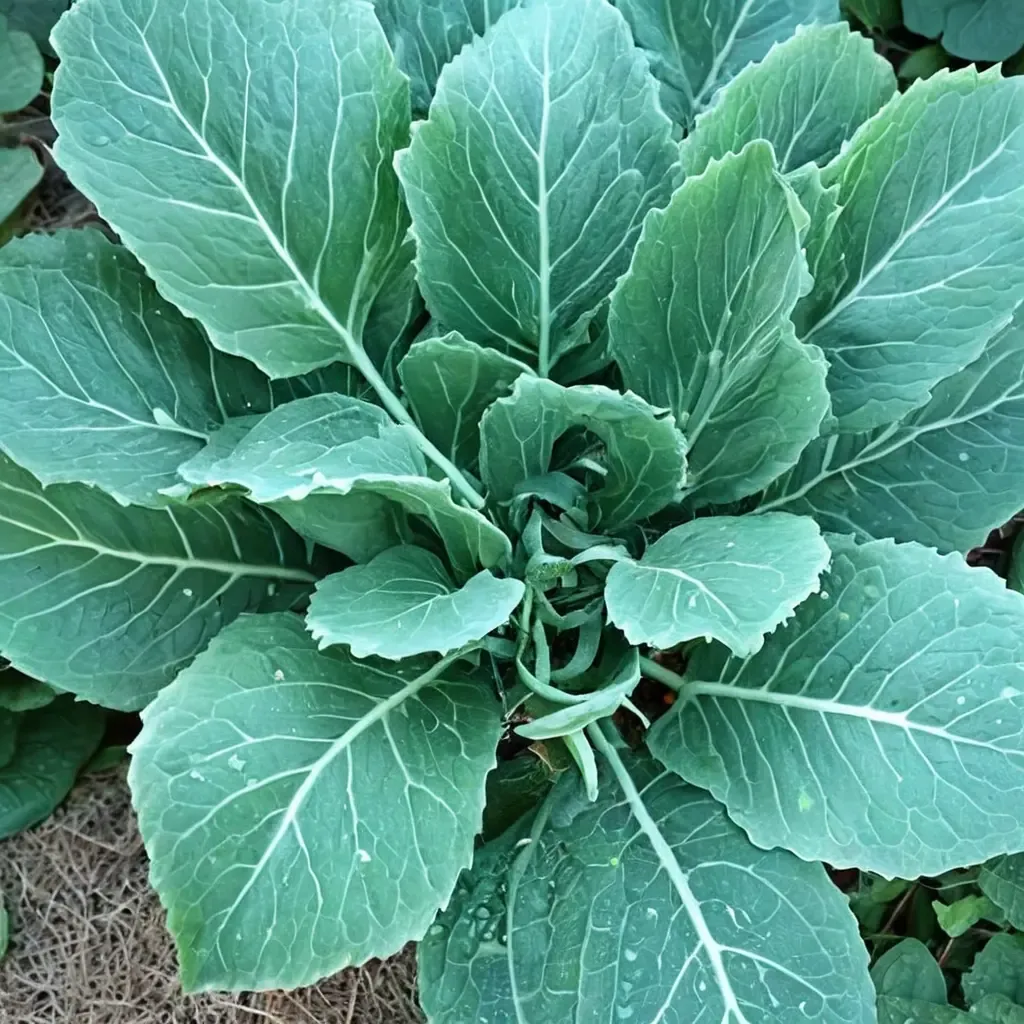
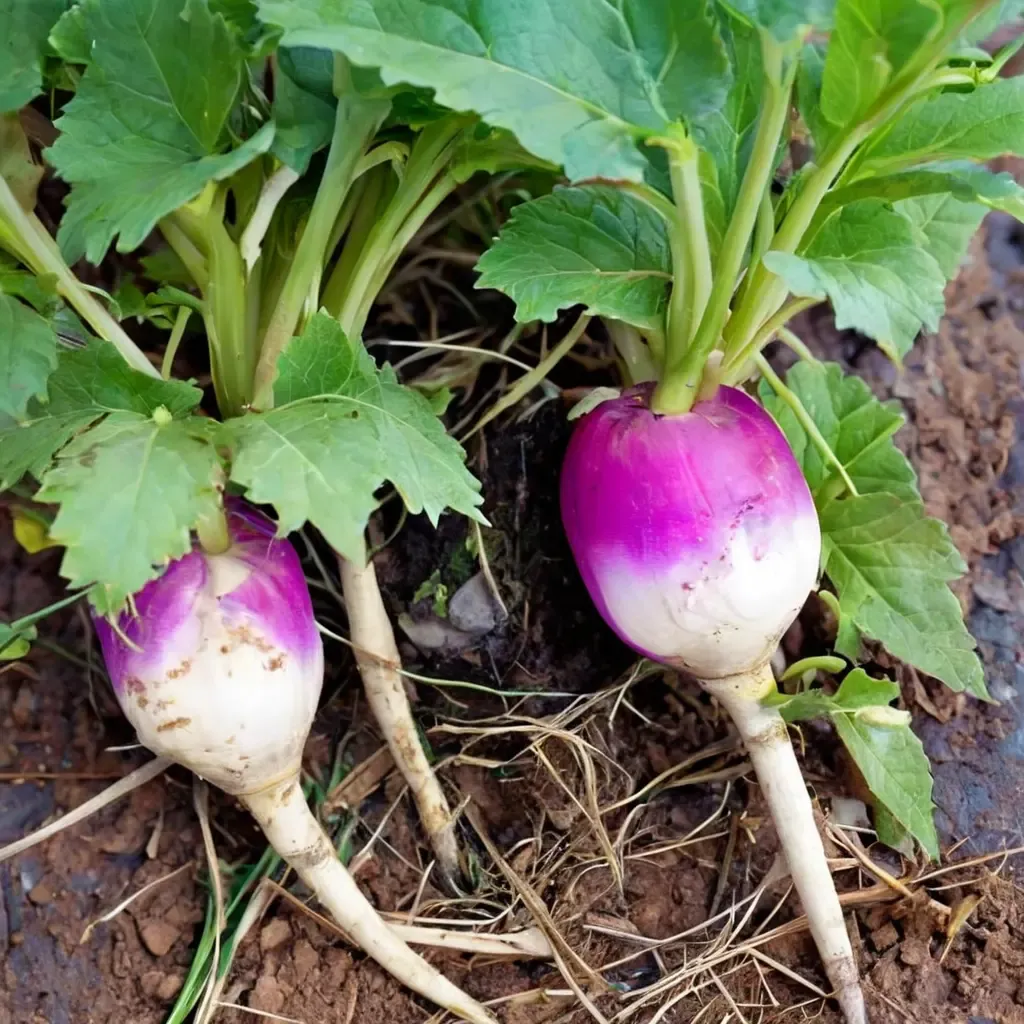
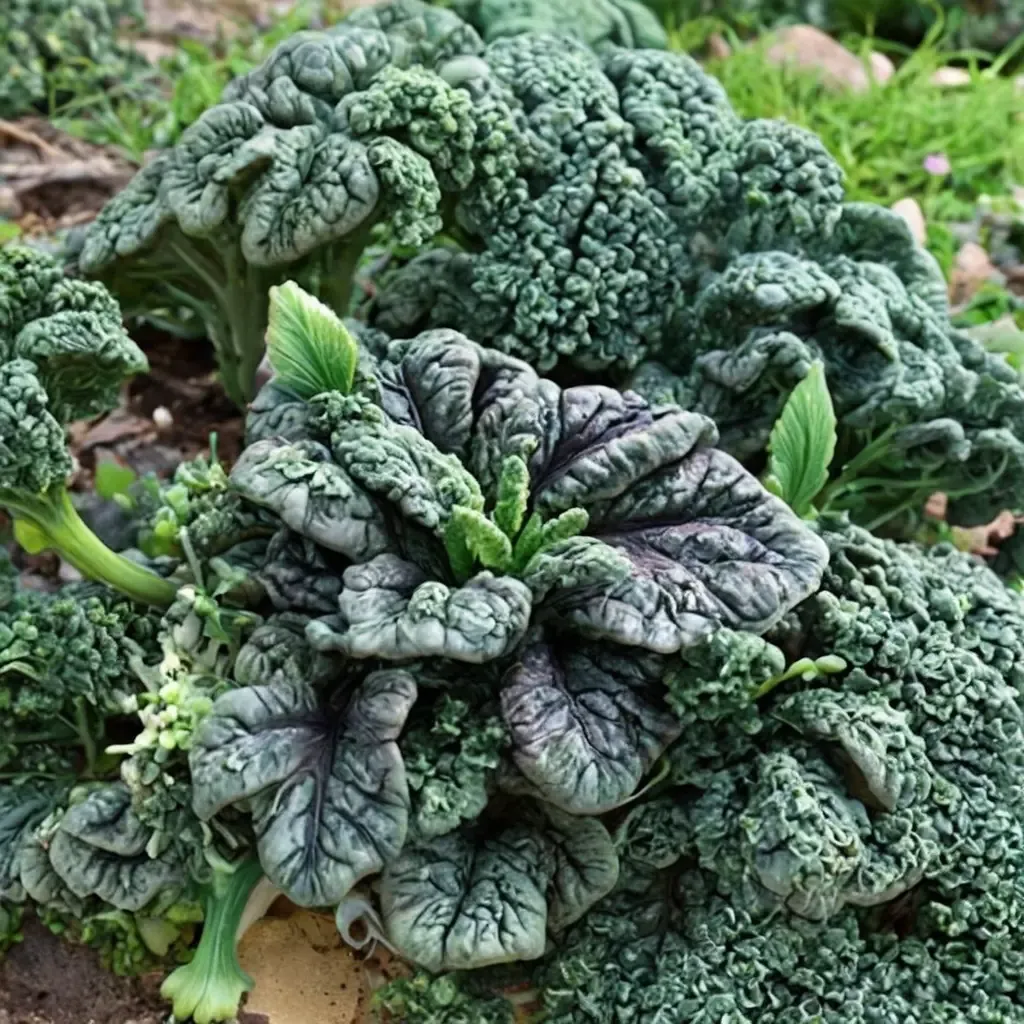
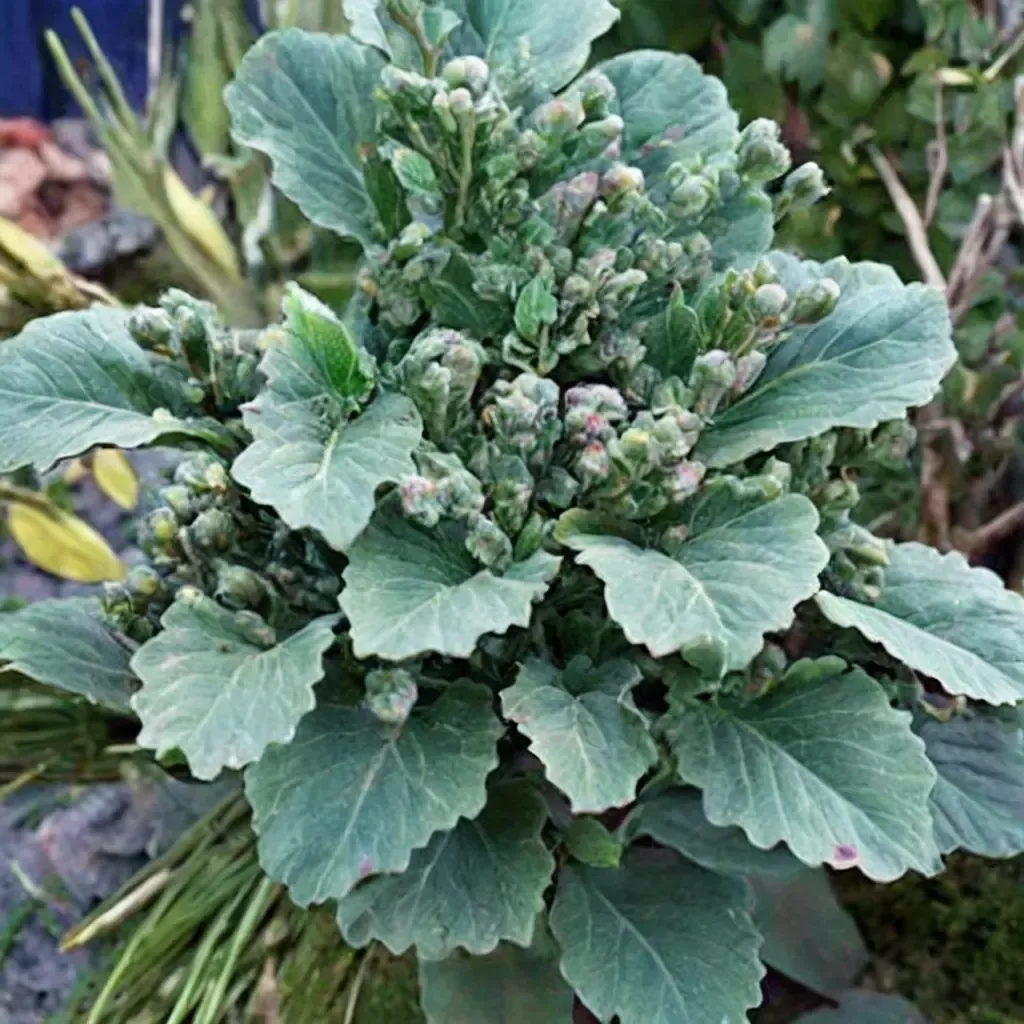
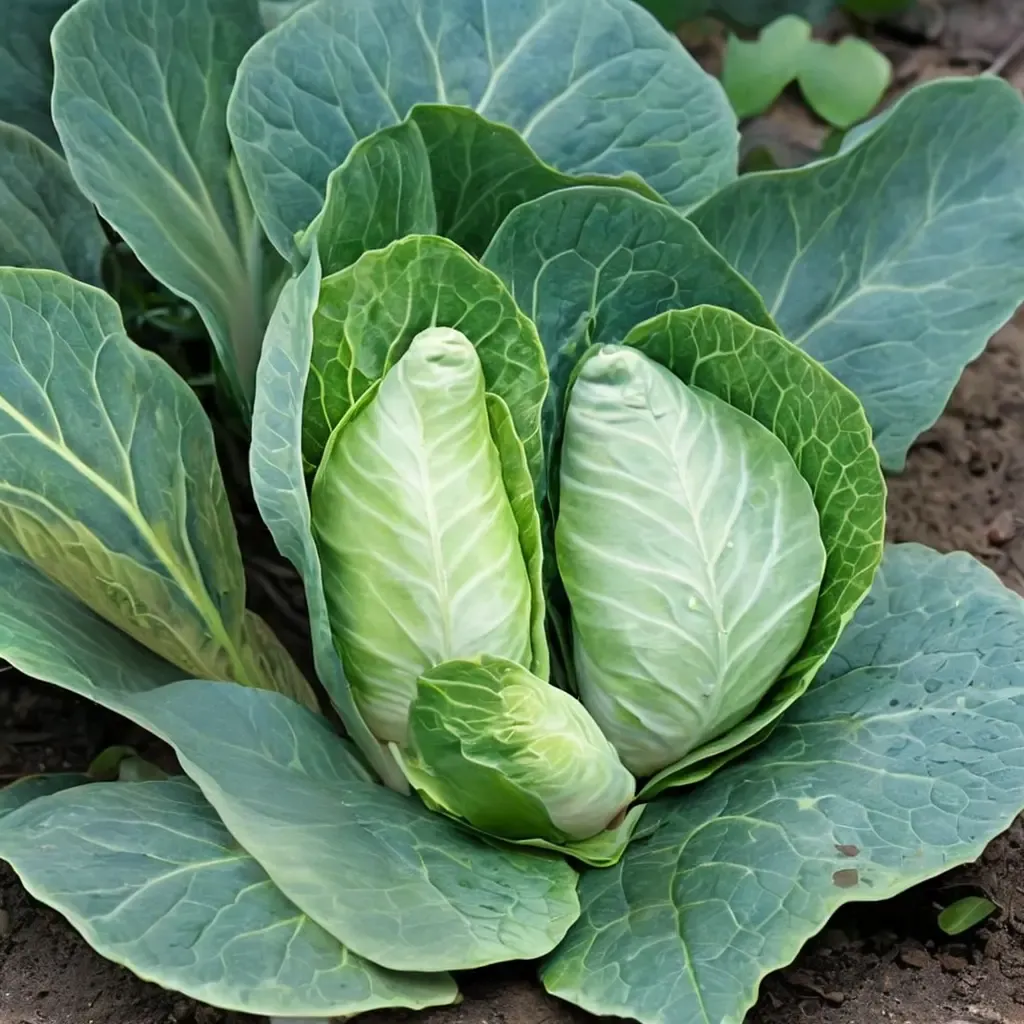
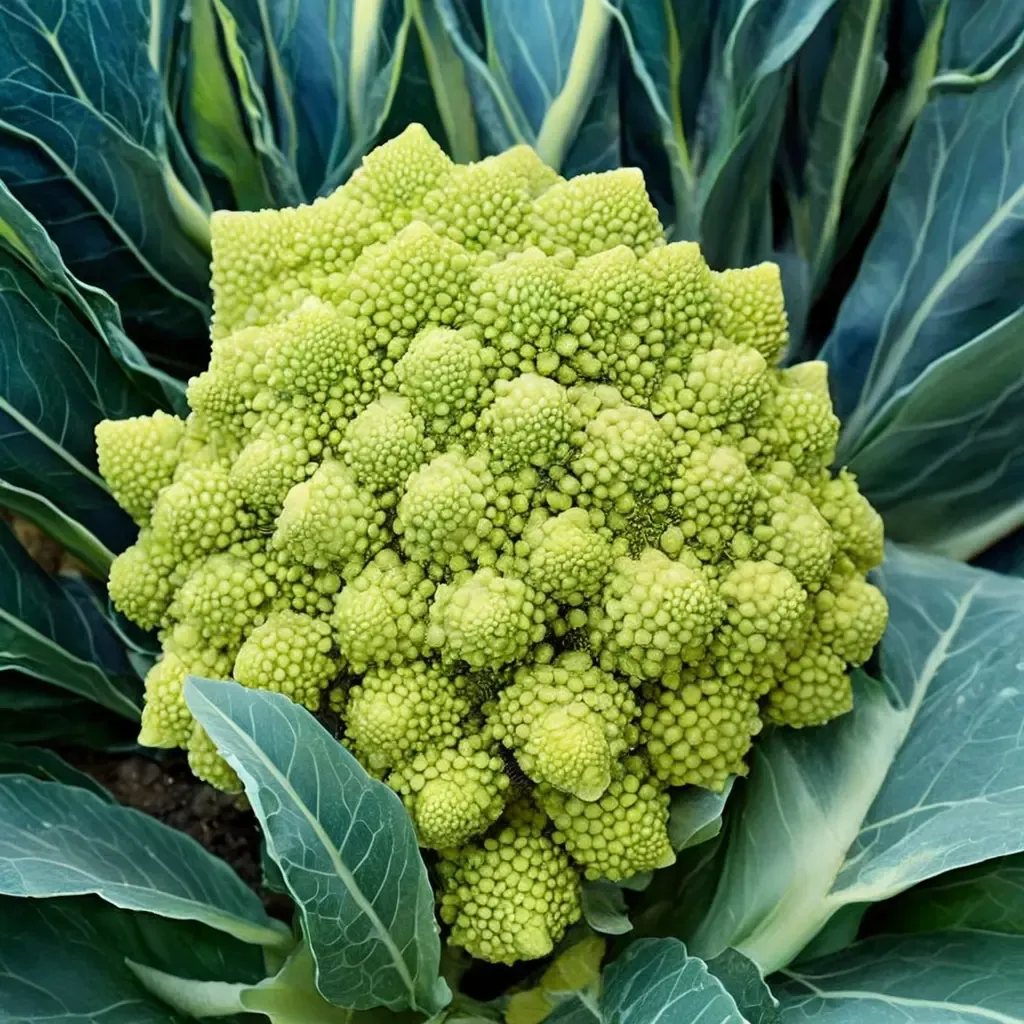
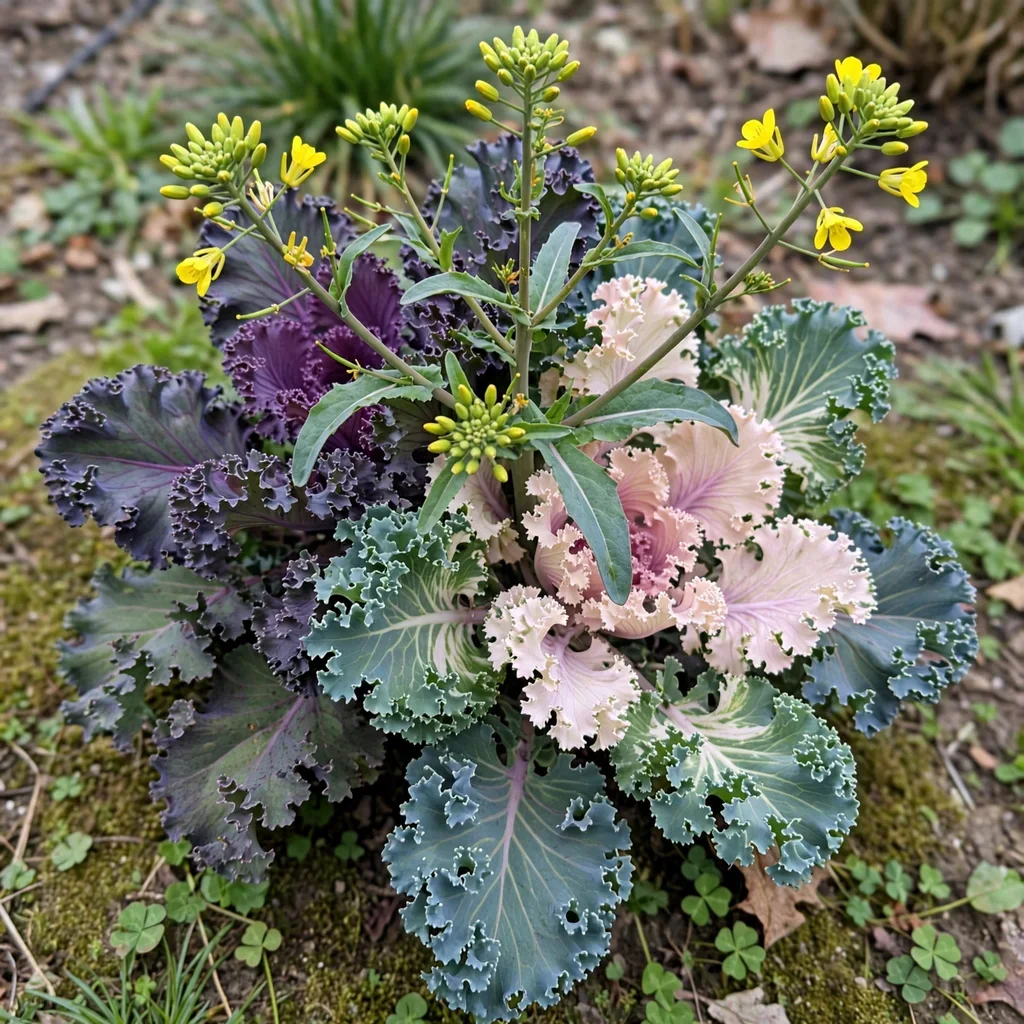
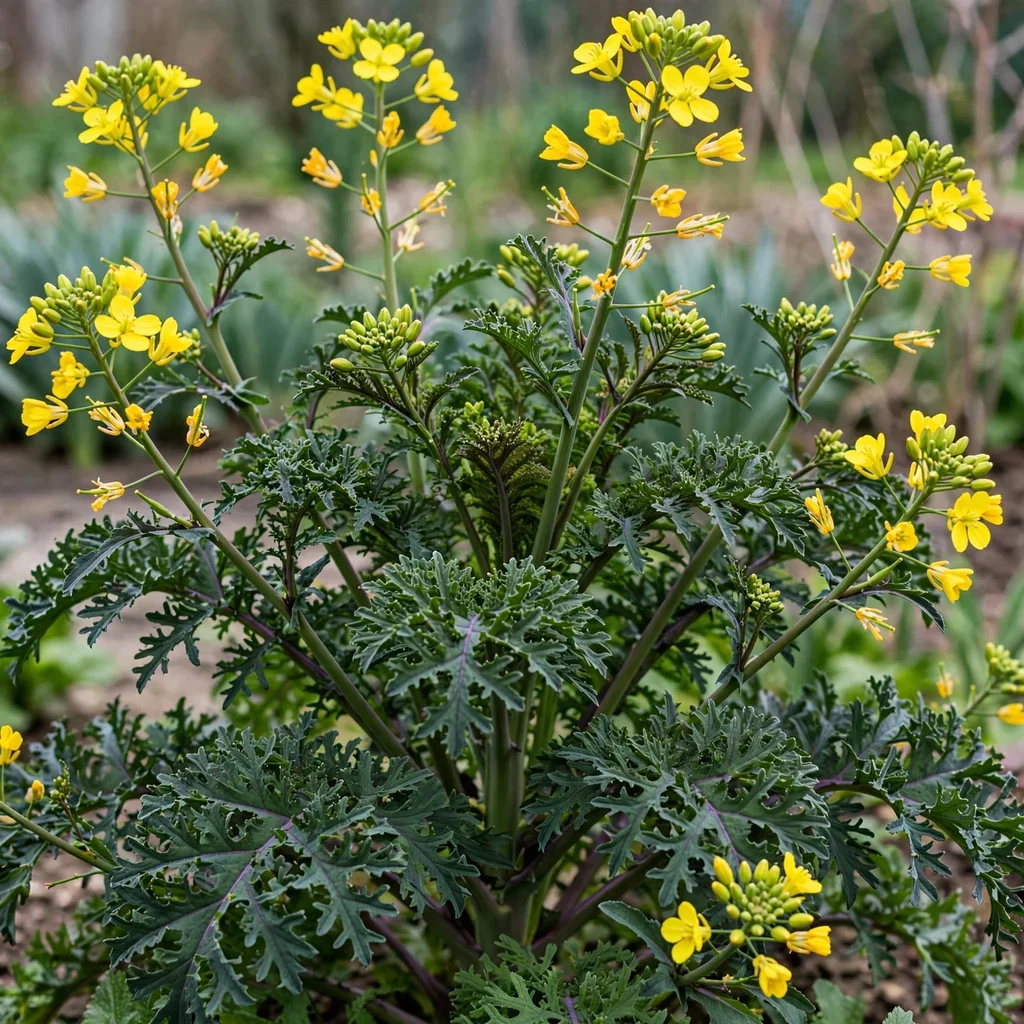
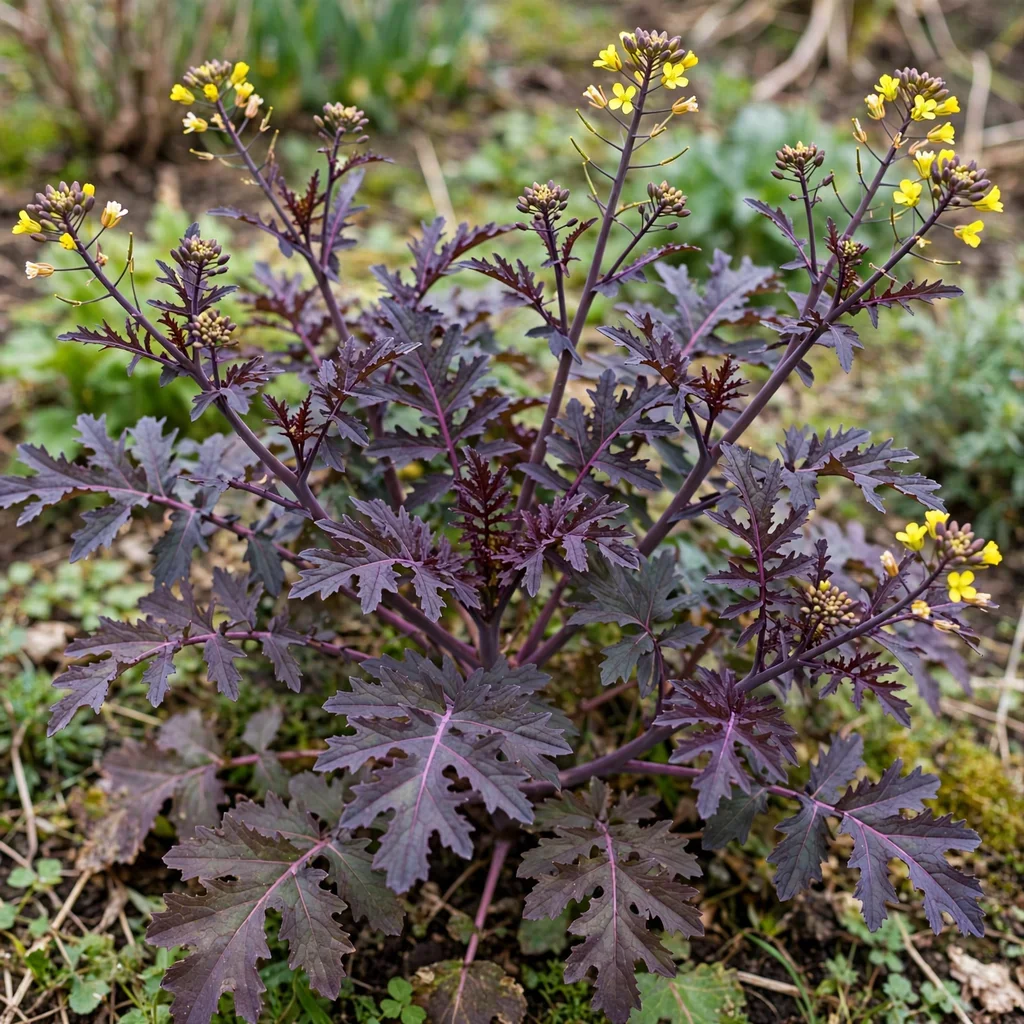
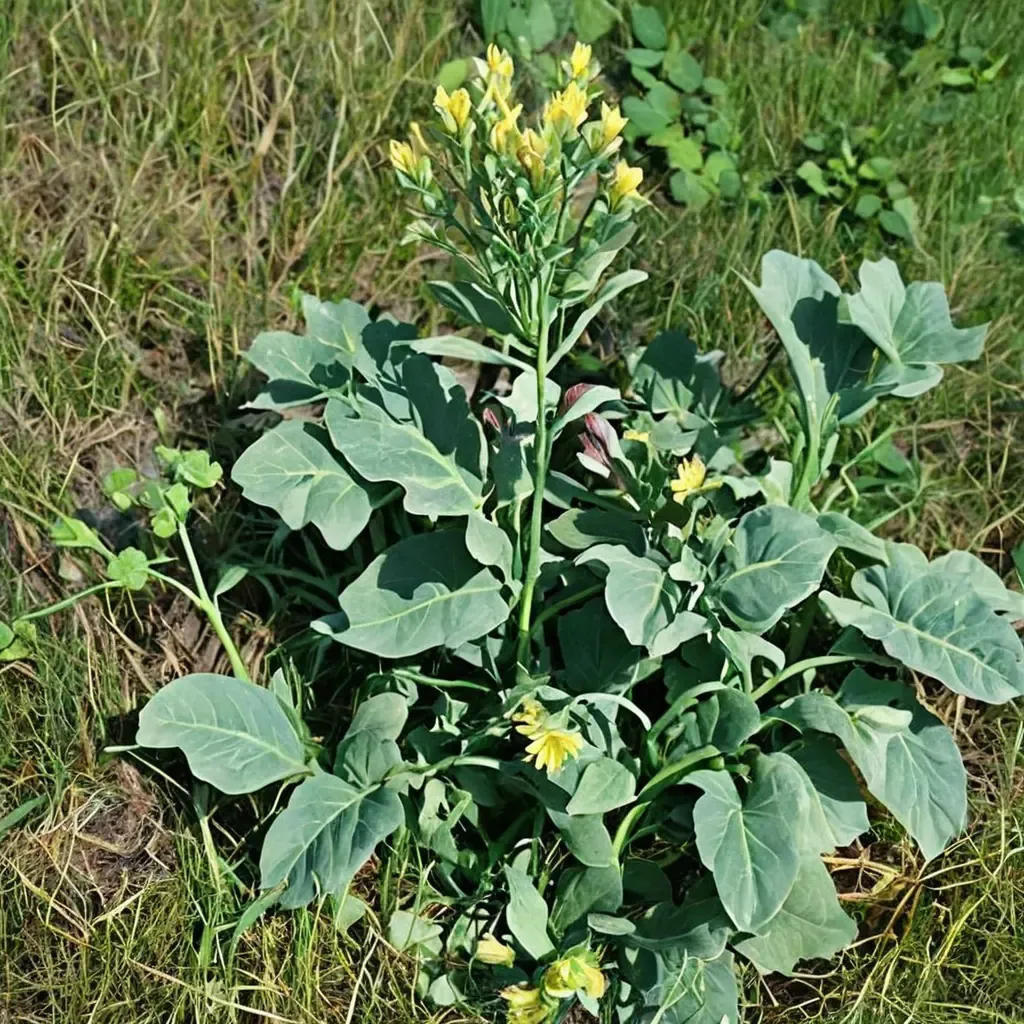
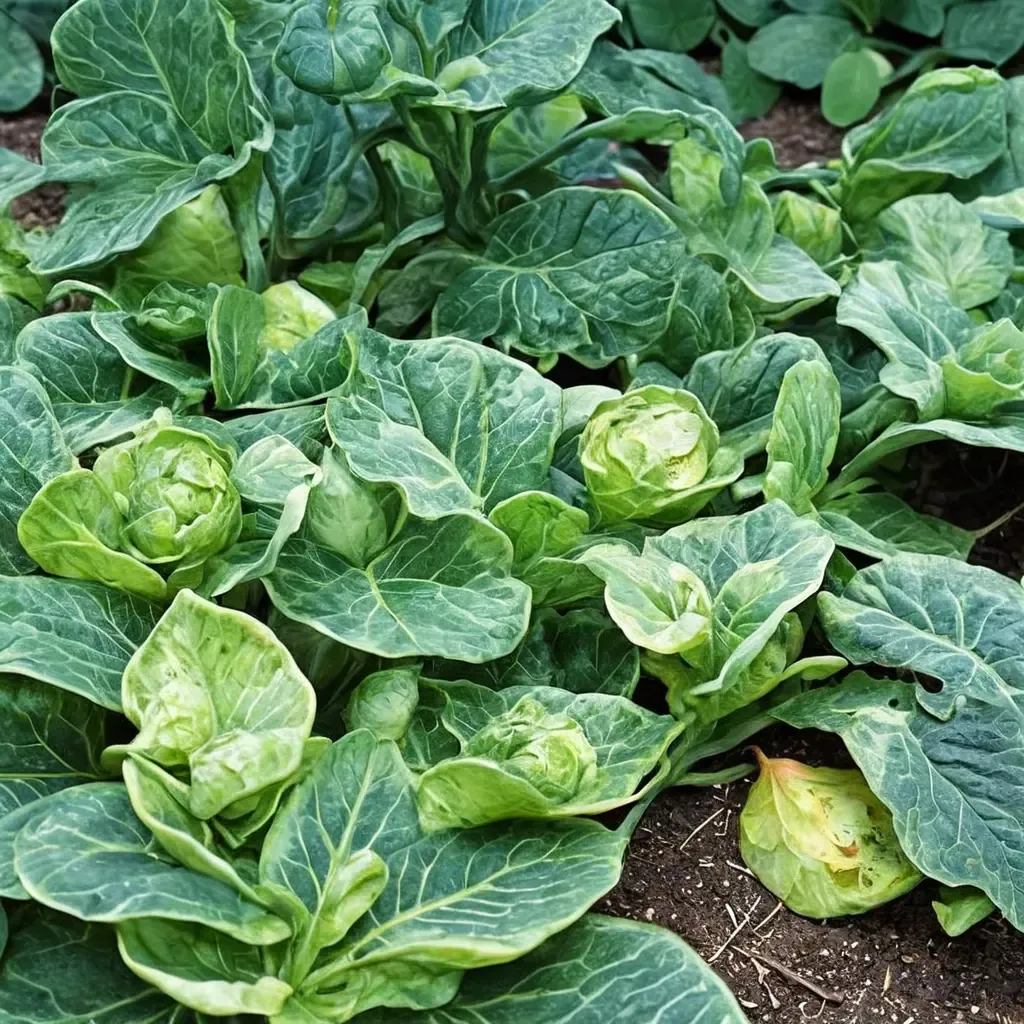
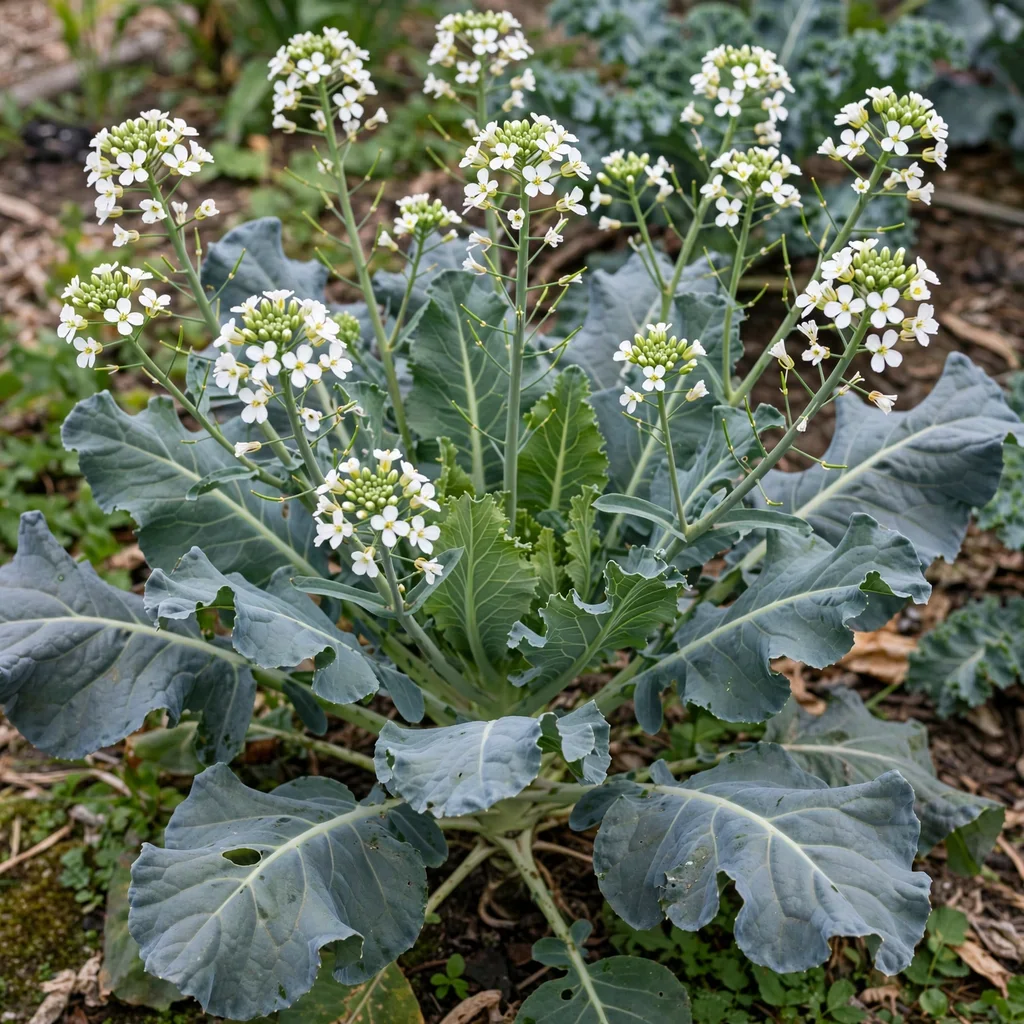
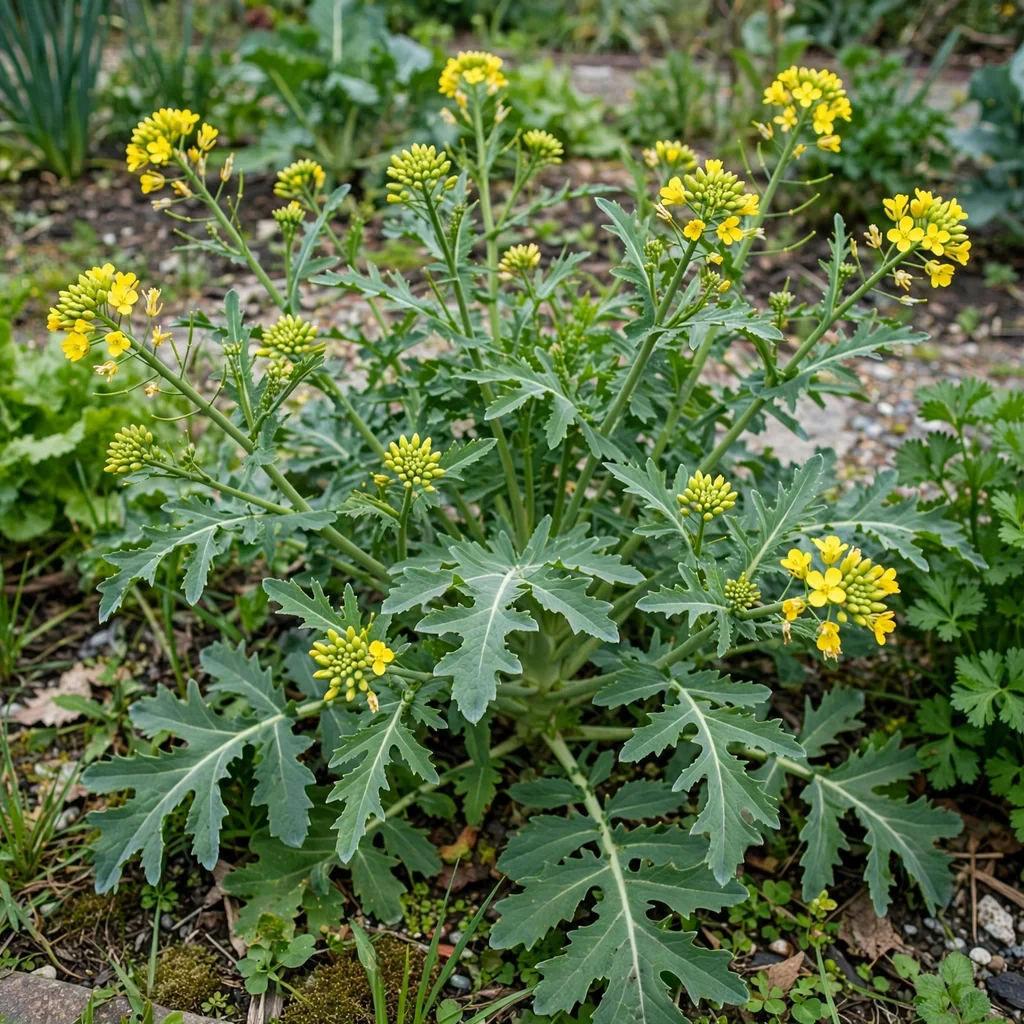
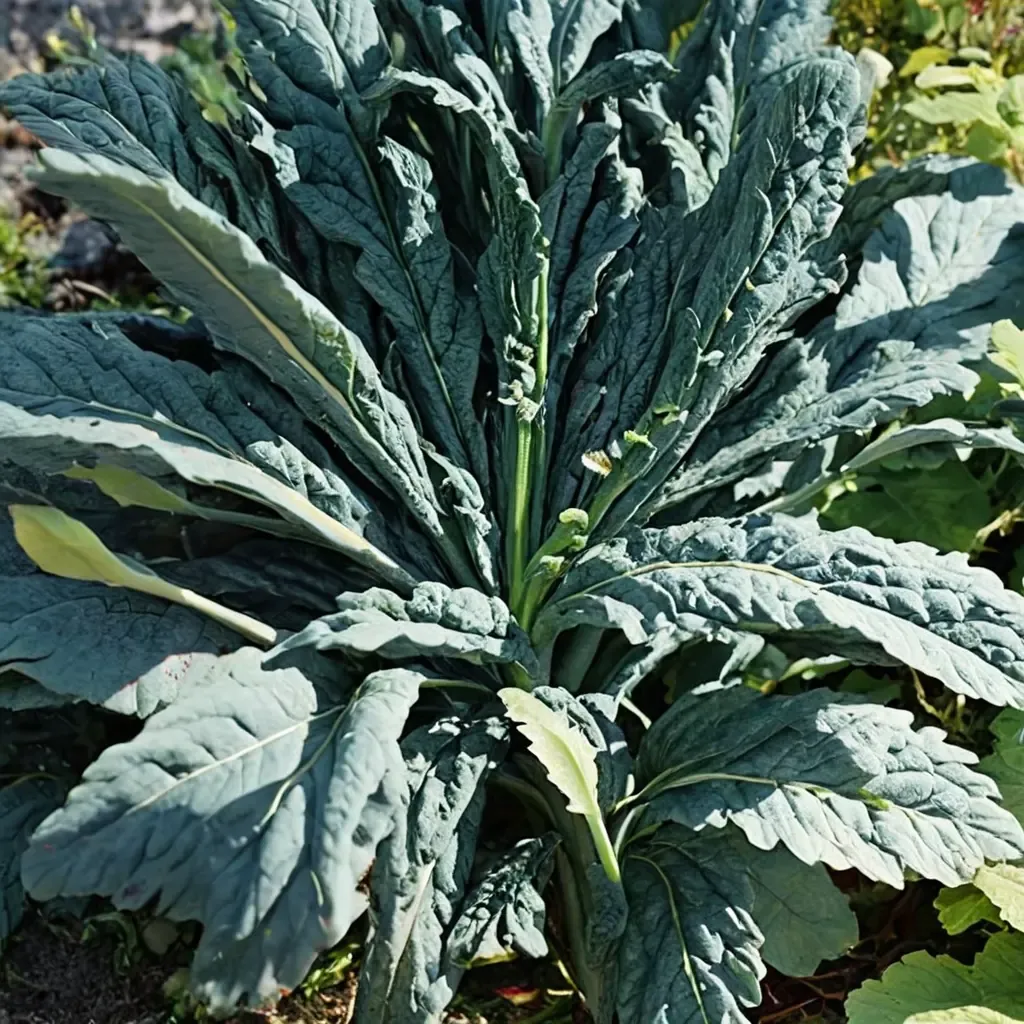
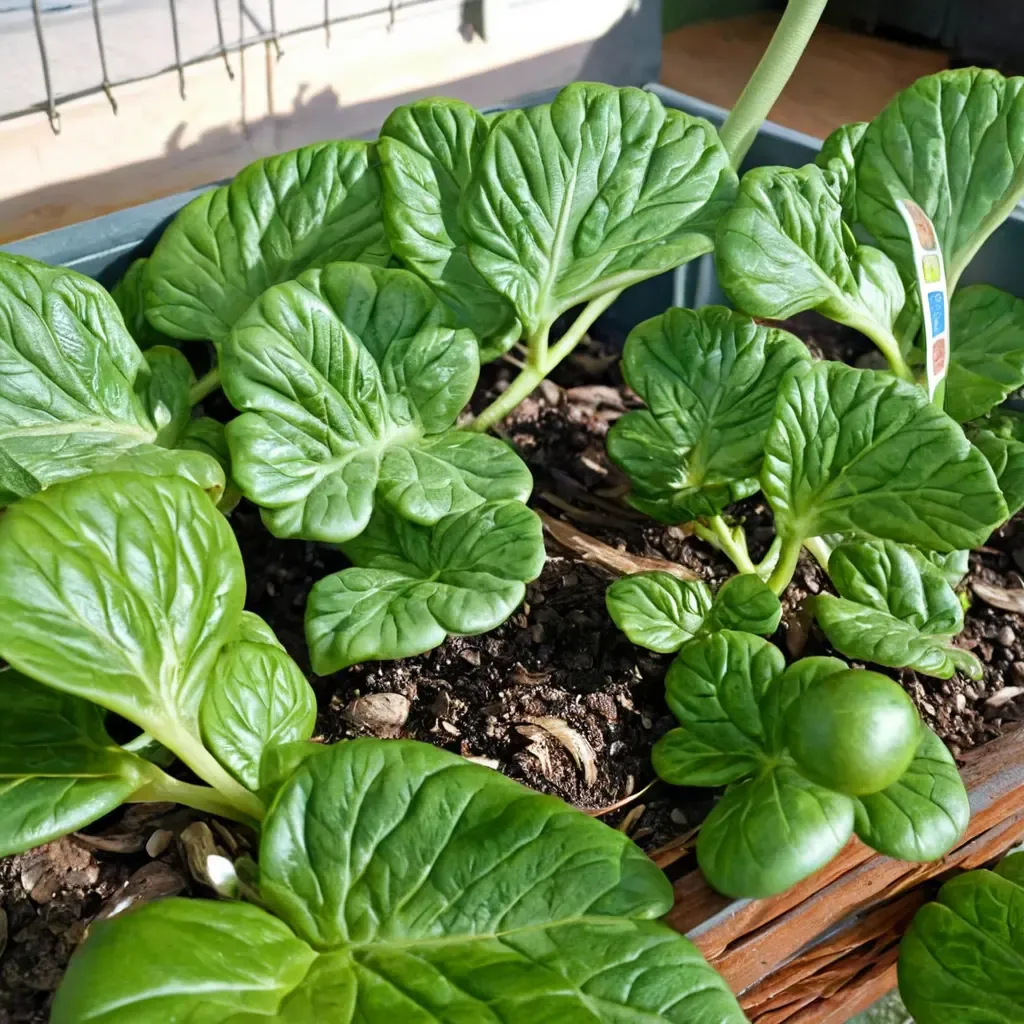
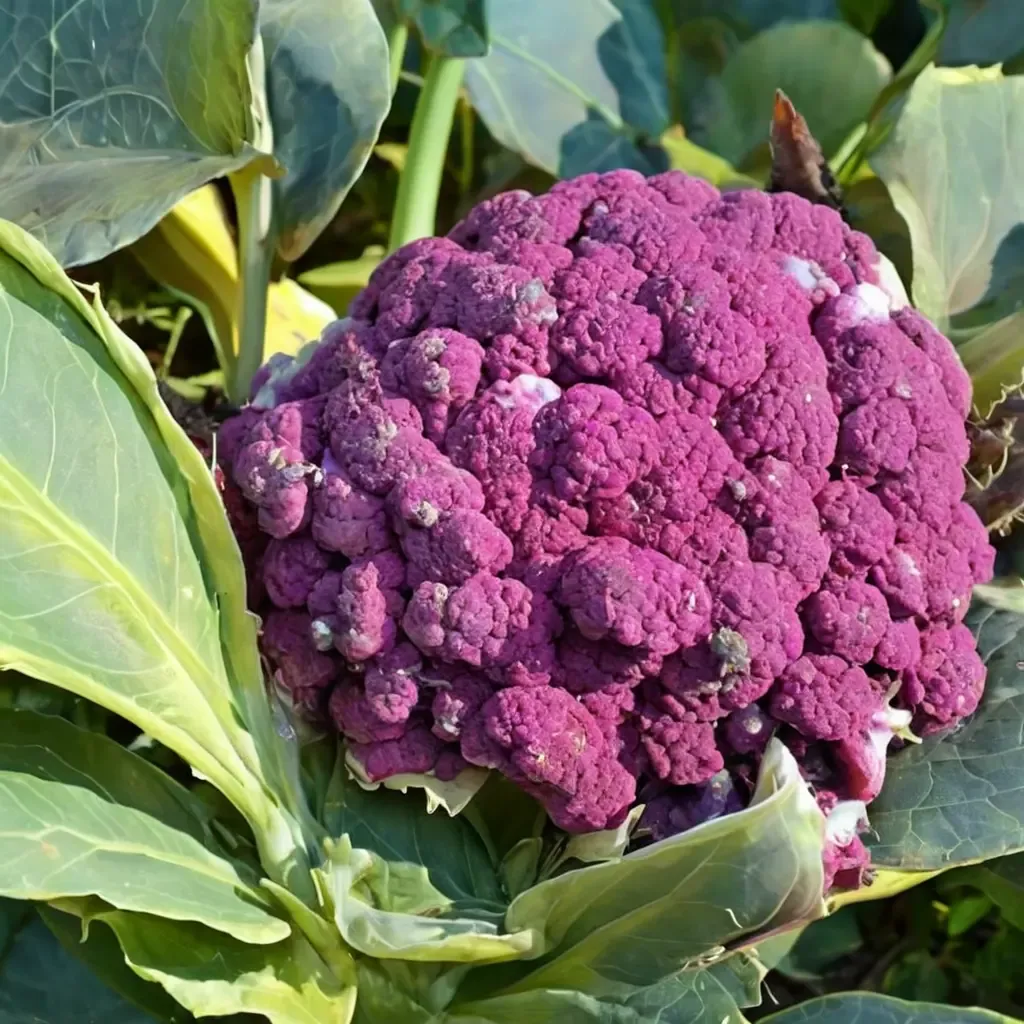
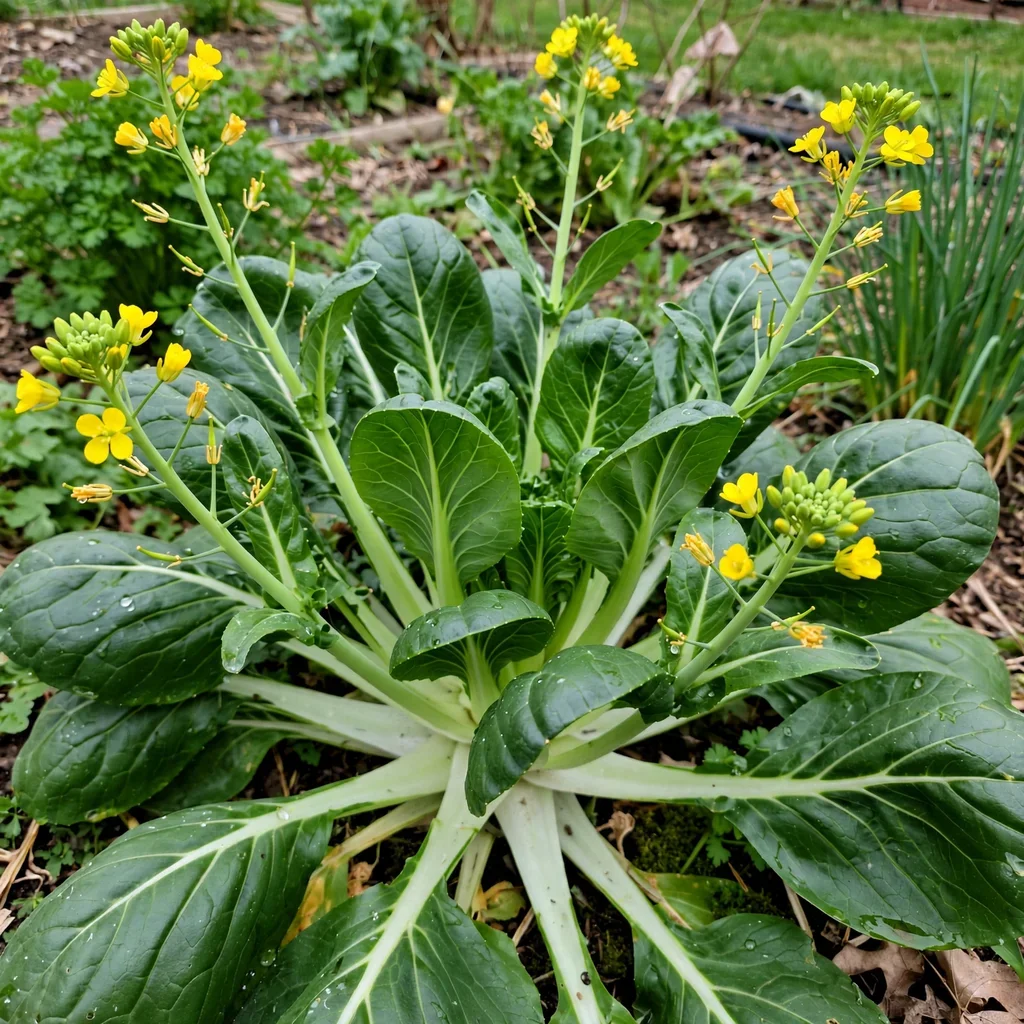
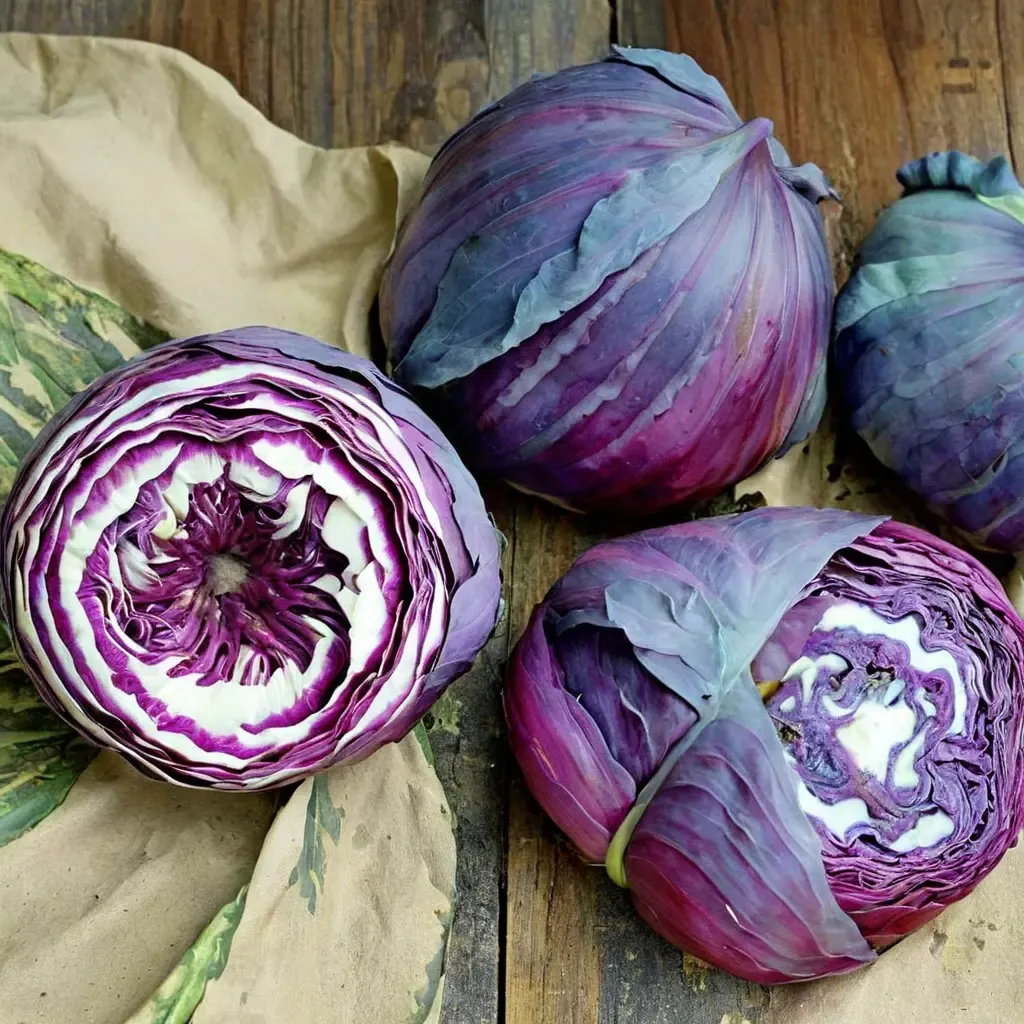
See all 27 Brassica varieties →Search this genus →
3 species of Brassica
Each one is a parent of the varieties above.
Track your Brassica in Sow
Save the Brassica you grow and get care reminders timed to your zone.
How to grow Brassica
Whats common across all Brassica varieties in our catalog — drawn from the care records of the 27 most-grown of them.
The Brassica year
- HarvestMay, June, July, October, November and December100% of varieties
Harvest outer leaves continuously (kale) or cut heads when firm (cabbage)
- PlantMarch, April, August and September96% of varieties
Sow seeds indoors 4-6 weeks before last frost, or direct sow in late summer for fall crop
- Check for PestsMay, June, July, September and October96% of varieties
Watch for cabbage worms, loopers, and aphids; inspect leaf undersides
- FertilizeApril, May, June, September and October93% of varieties
Apply high-nitrogen fertilizer every 4 weeks as heads/leaves develop
- MulchApril33% of varieties
Apply thick layer of mulch to keep soil cool and moist


Do
- Thin seedlings to prevent overcrowding
- Water regularly to keep soil moist but not waterlogged 🌱
- Water consistently to keep soil moist 🌱
- Mulch to conserve moisture and regulate soil temperature
- Keep soil consistently moist 🌱
Avoid
- Avoid overwatering to prevent root rot ❌
- Refrain from using chemical pesticides without organic options
- Avoid letting soil dry out completely ❌
- Avoid planting in poorly drained areas
What goes wrong with Brassica
| Problem | What you'll see | What to do |
|---|---|---|
| Aphids | Sticky residue and distorted leaves | Spray with insecticidal soap or neem oil |
| Cabbage worms | Chewed leaves and holes | Use Bacillus thuringiensis (Bt) or handpick worms |
| Cabbage Worms | Chewed leaves and holes | Use Bacillus thuringiensis (Bt) or handpick pests |
| Flea beetles | Small holes in leaves | Use row covers and organic insecticides |
| Downy mildew | Yellow patches and fuzzy growth on undersides of leaves | Improve air circulation and apply organic fungicide |
| Downy Mildew | Yellow patches with fuzzy gray mold | Improve air circulation and apply copper fungicide |
| Black rot | Vinegary smell and blackened veins | Practice crop rotation and remove infected plants |
Making more Brassica
seeds
- Tuck seeds into moist soil in early spring (6 weeks before last frost).
- Maintain consistent moisture throughout germination period.
- Thin seedlings to avoid overcrowding after emergence.
Seeds
- Tuck seeds ¼ inch deep in prepared soil
- Keep soil moist for germination over 7–10 days
- Thin seedlings to proper spacing after sprouting
Brassica questions
How many types of Brassica are there?
The Sow catalog tracks 27 distinct Brassica varieties. The most popular — ranked by 1.3k real gardeners — are shown first above.
What zones does Brassica grow in?
Across its varieties, Brassica covers USDA Zones 4–10. Individual varieties differ — each plant page lists its exact range, and Sow filters the catalog to your zone automatically.
When does Brassica bloom?
Most Brassica varieties bloom in early summer, late spring, late summer. Staggering early, mid, and late varieties extends the genus's season in one bed.
Which Brassica should I choose?
Start from the most-saved varieties above — popularity across thousands of gardens is a strong signal of reliability — then filter by your zone and sun. In the Sow app you can preview any of them in a photo of your actual yard before you buy.