Also known as Redbud · 1.6k saves
Cercis
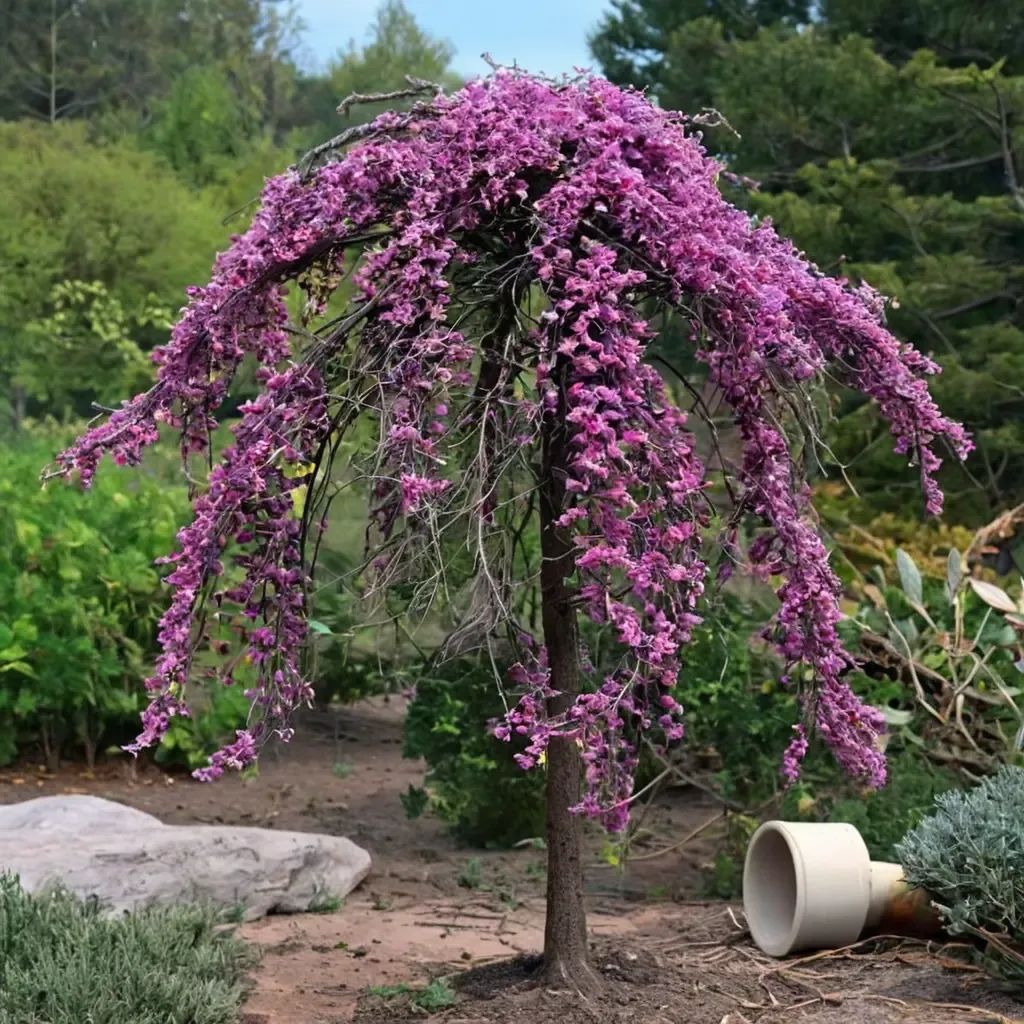
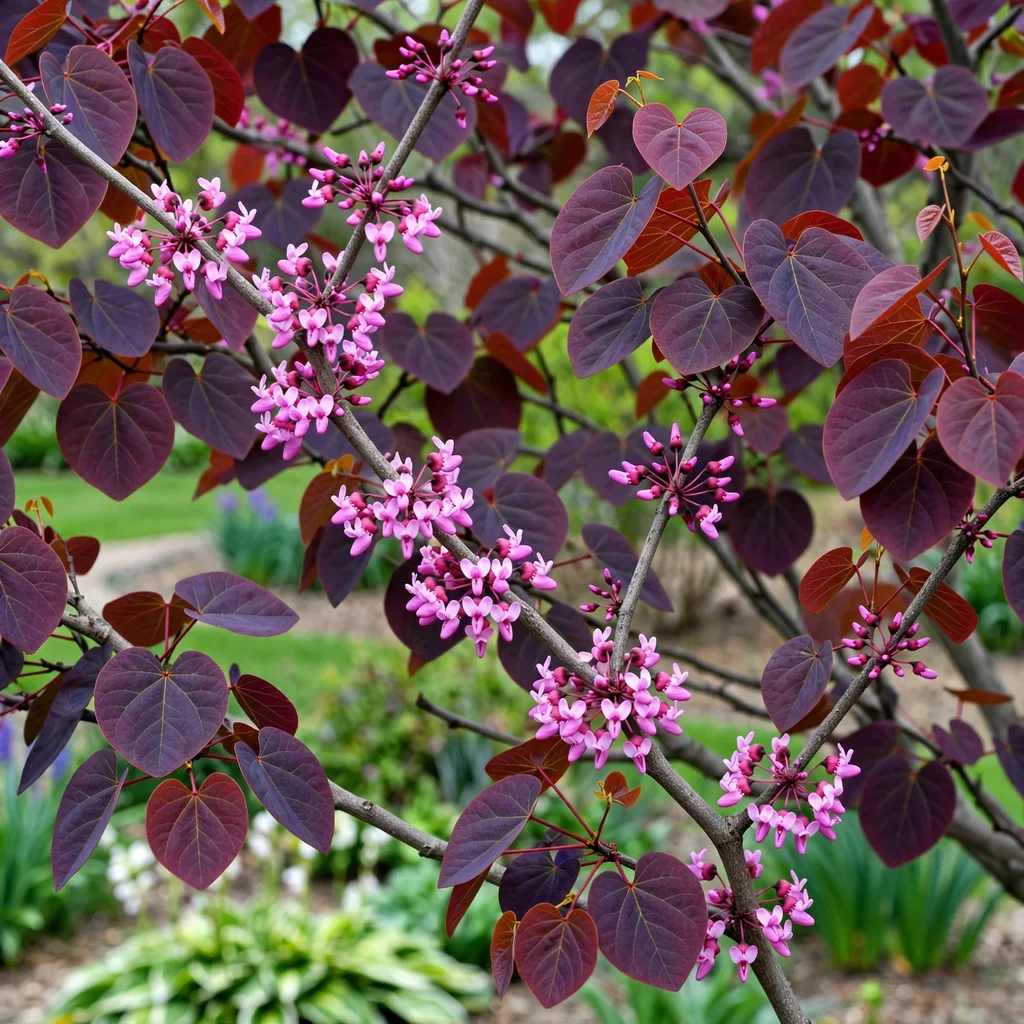
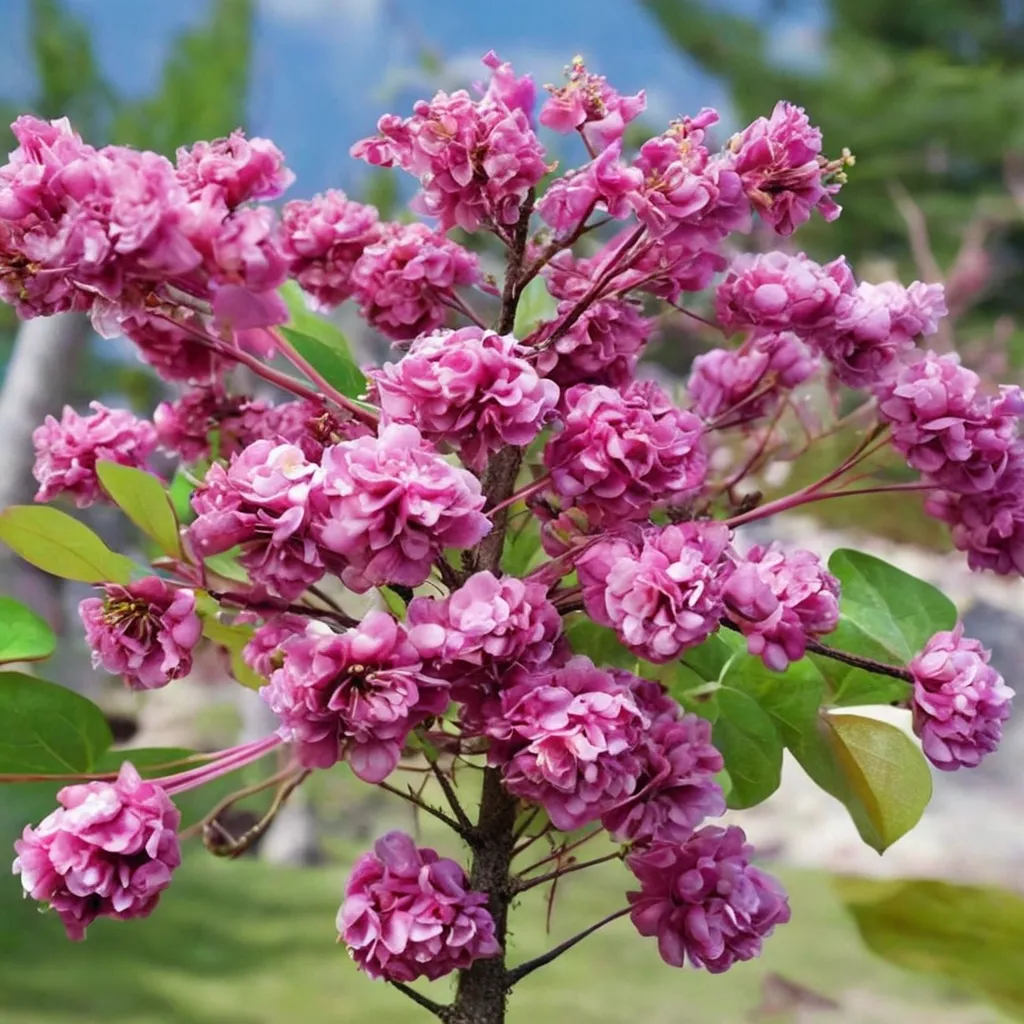
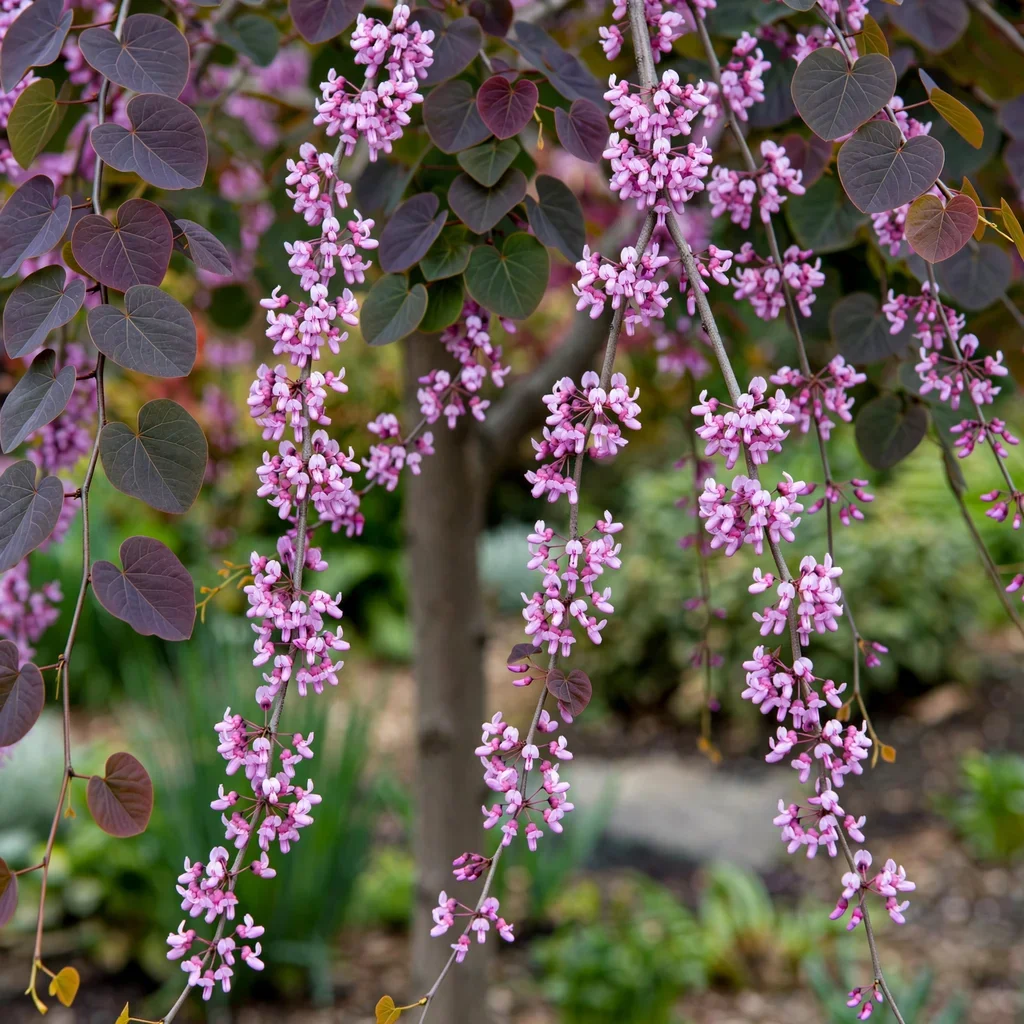
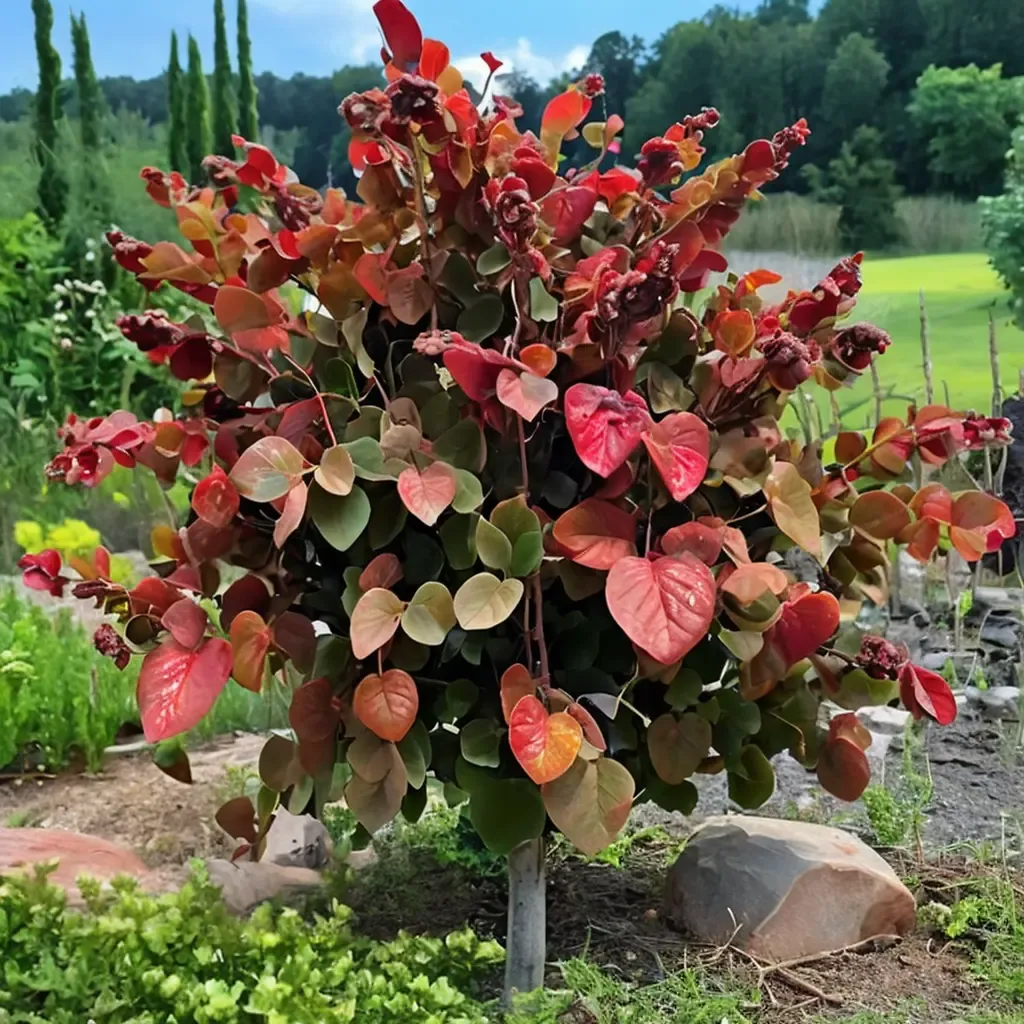
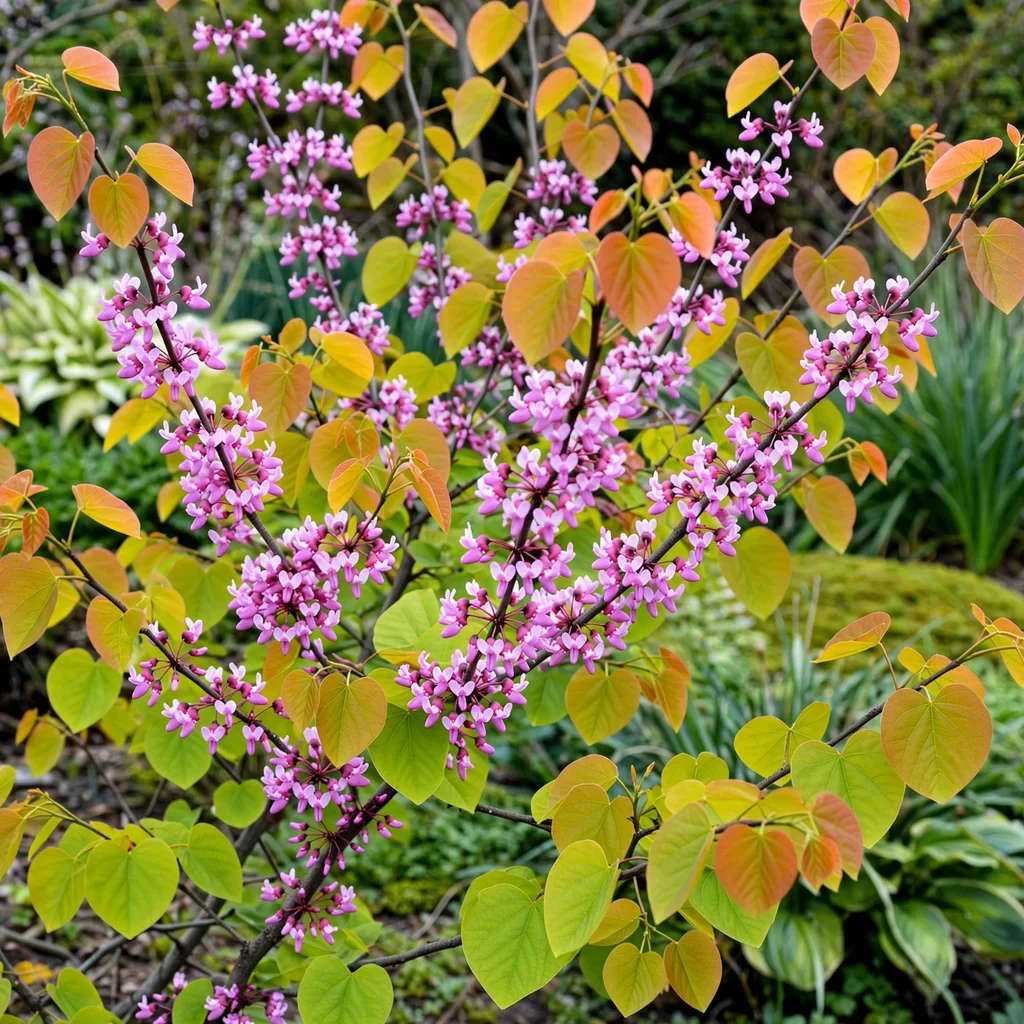
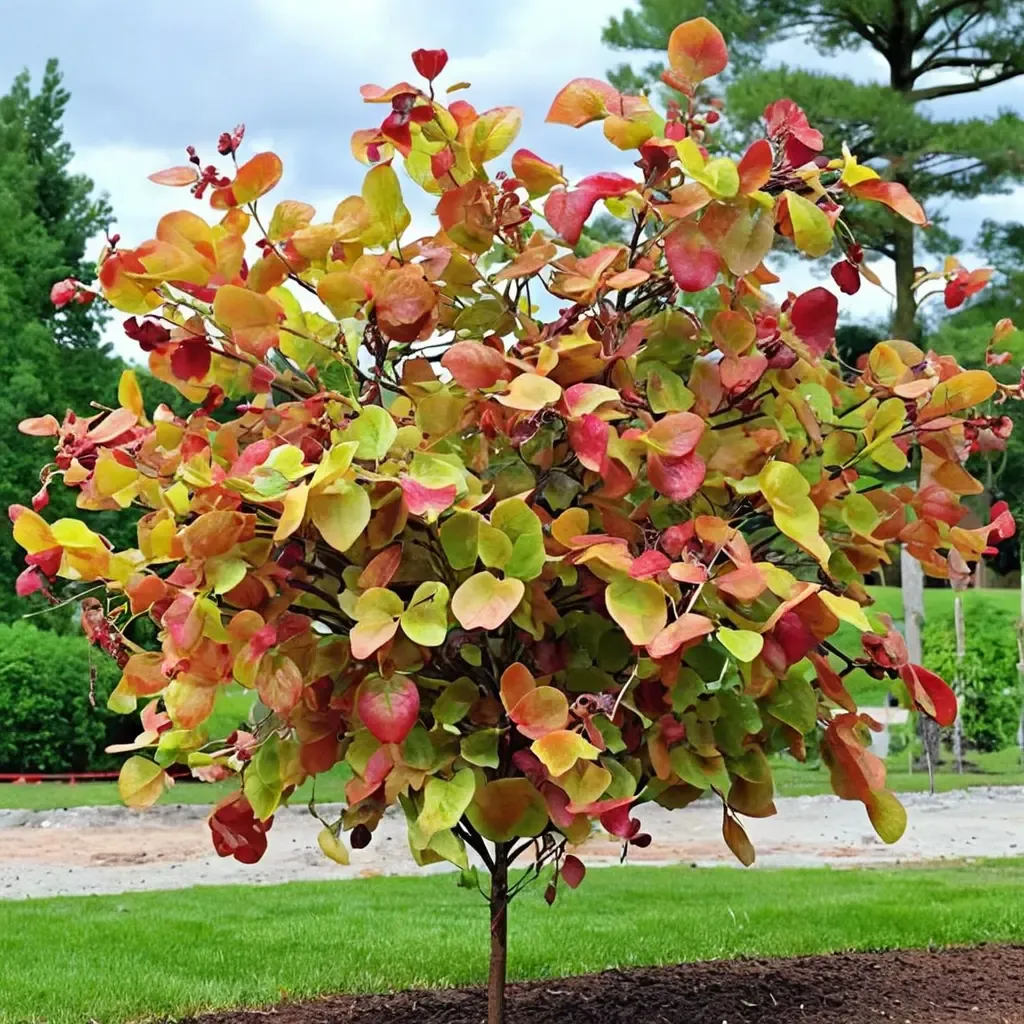
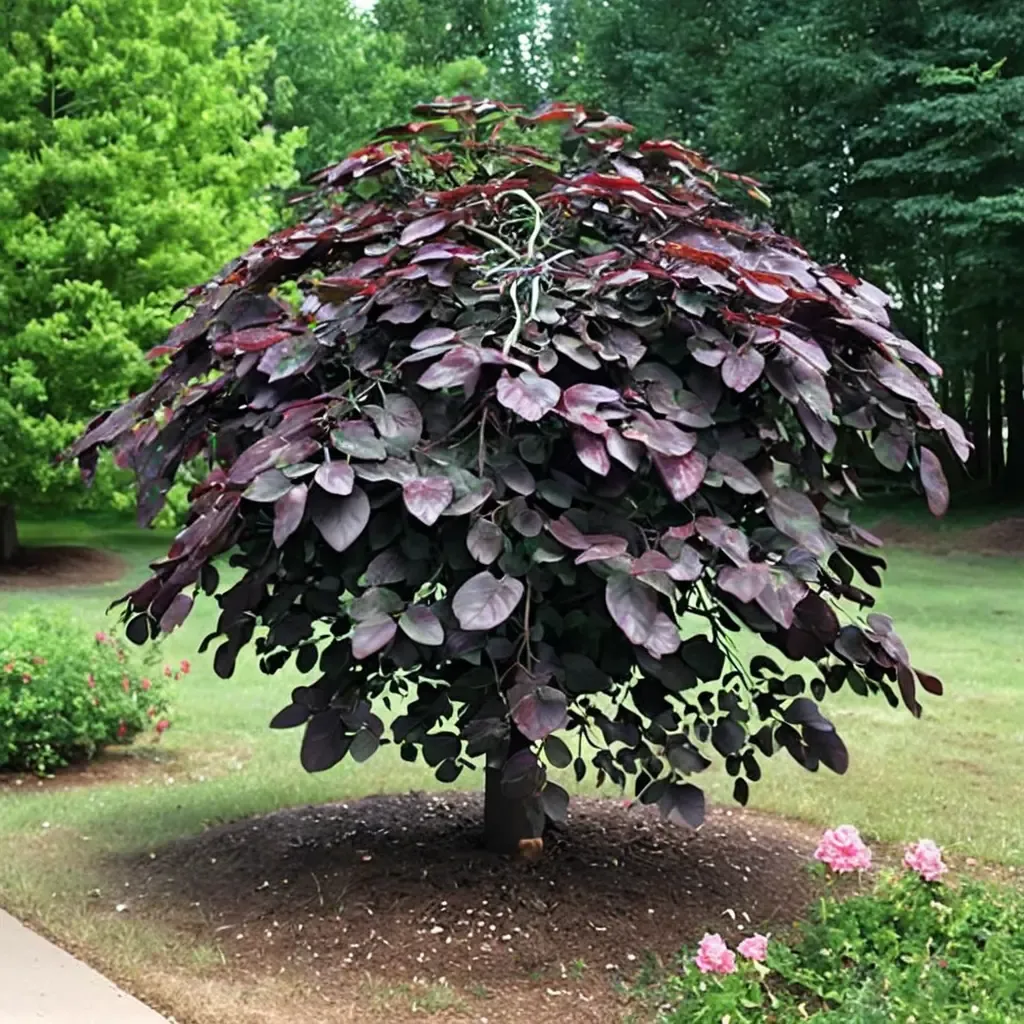
Cercis, the genus most gardeners know as redbud. We track 26 varieties; the ones most used by real gardeners.
The 24 most-saved Cercis varieties
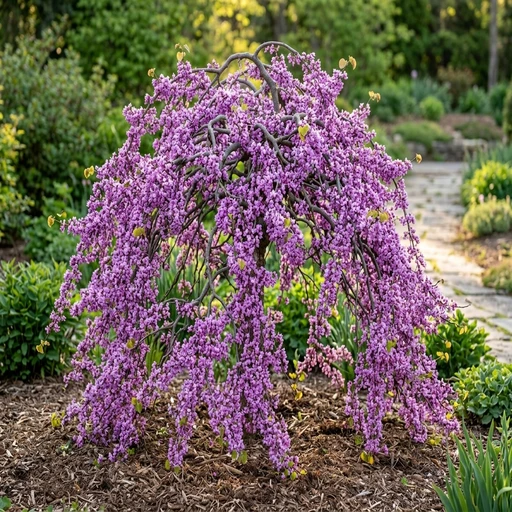
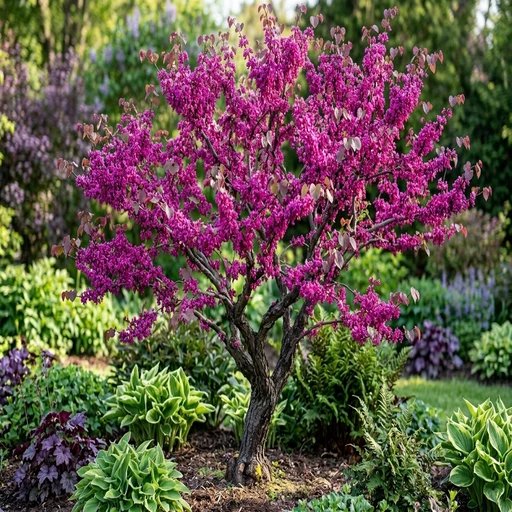
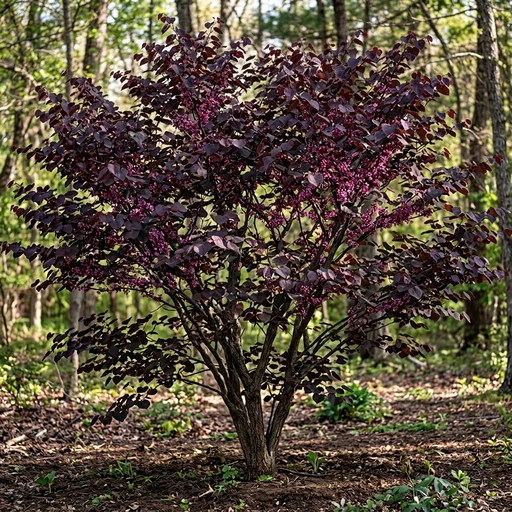
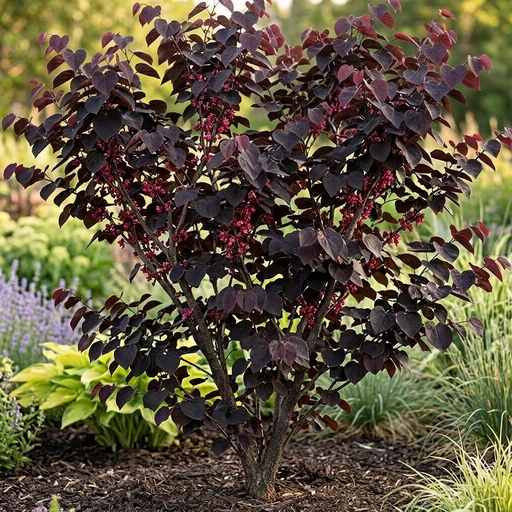
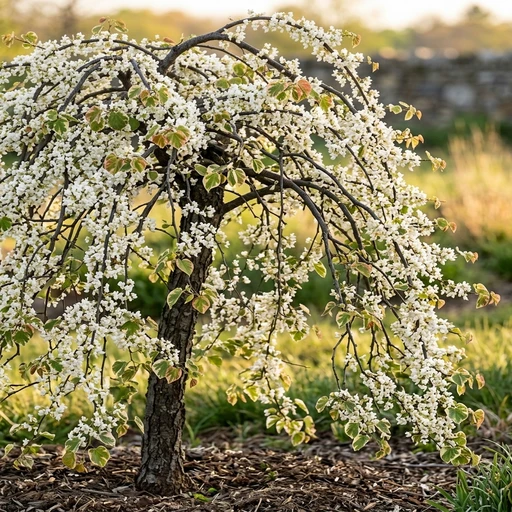
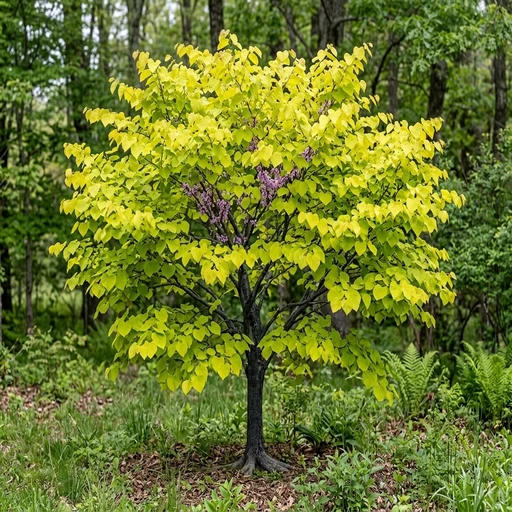
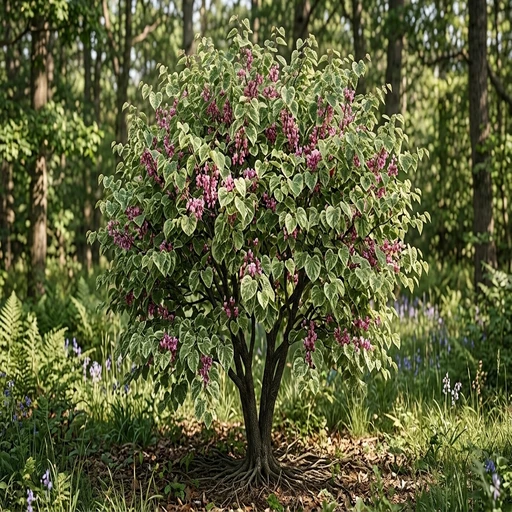
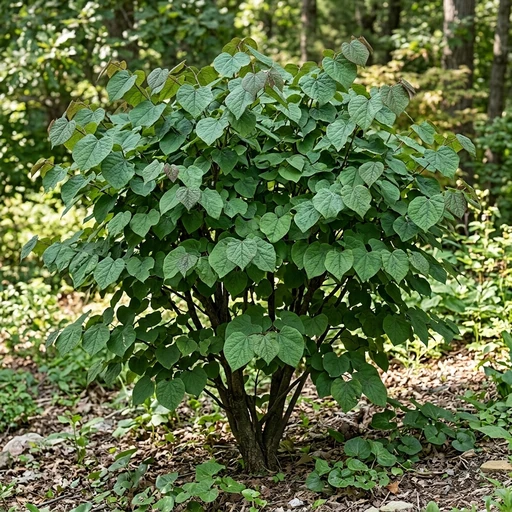
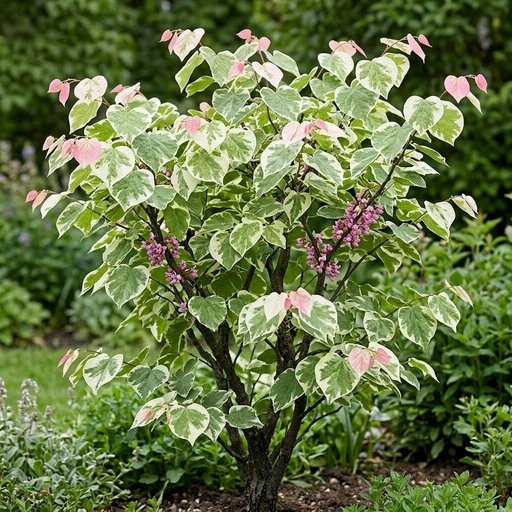
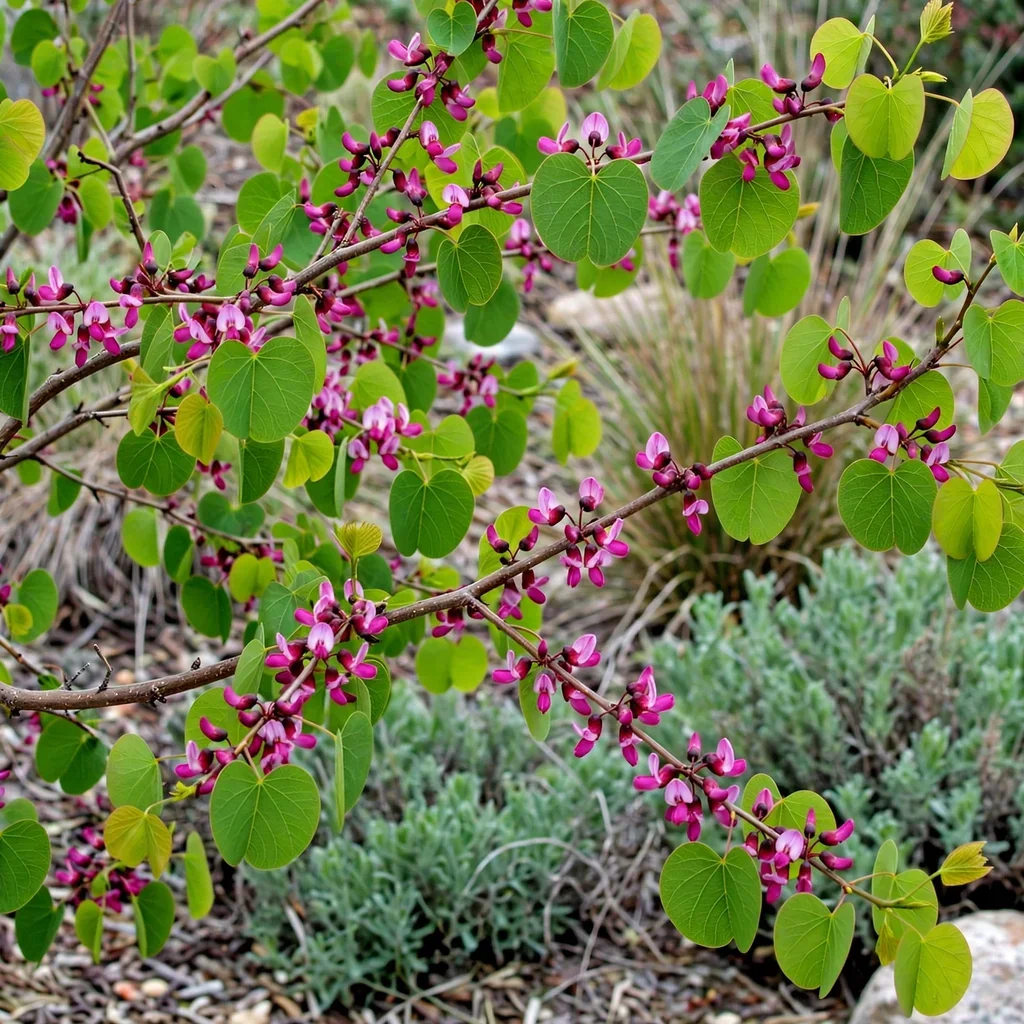
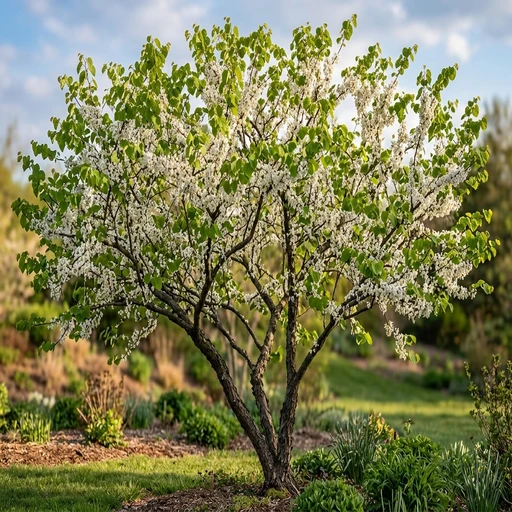
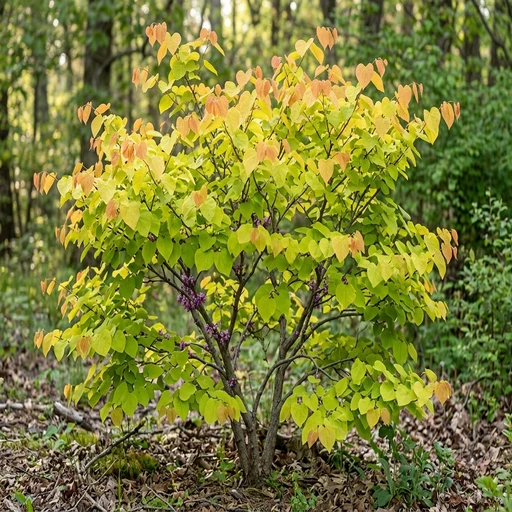
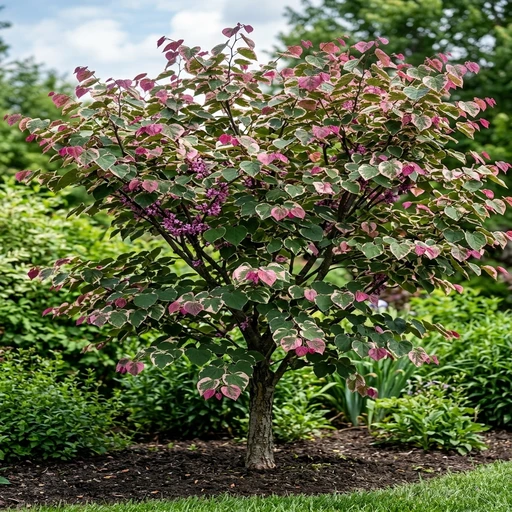
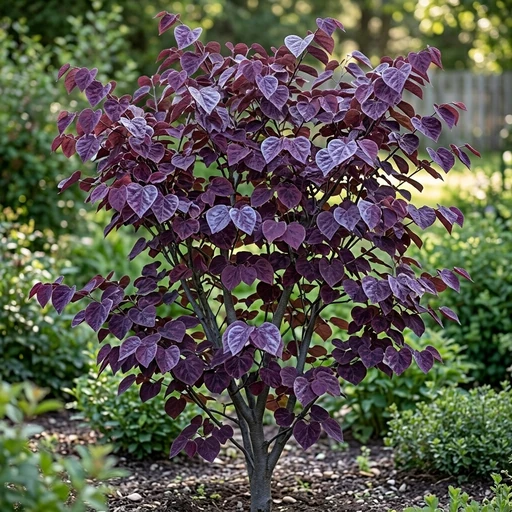
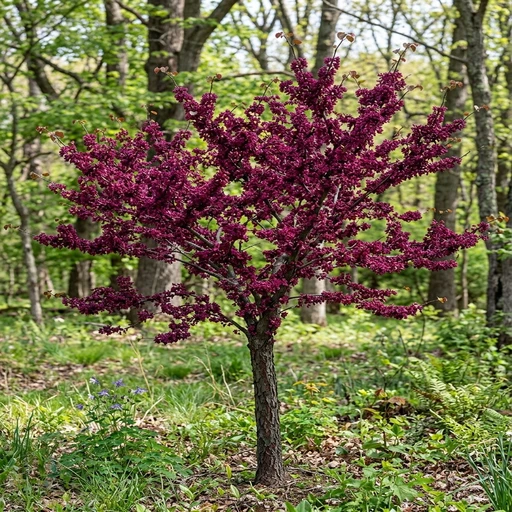
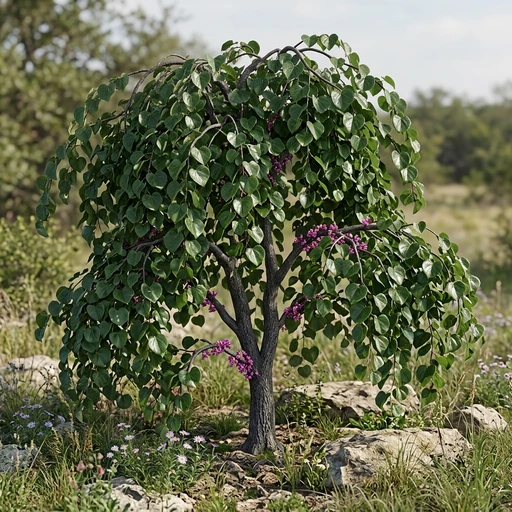
See all 26 Cercis varieties →Search this genus →
3 species of Cercis
Each one is a parent of the varieties above.
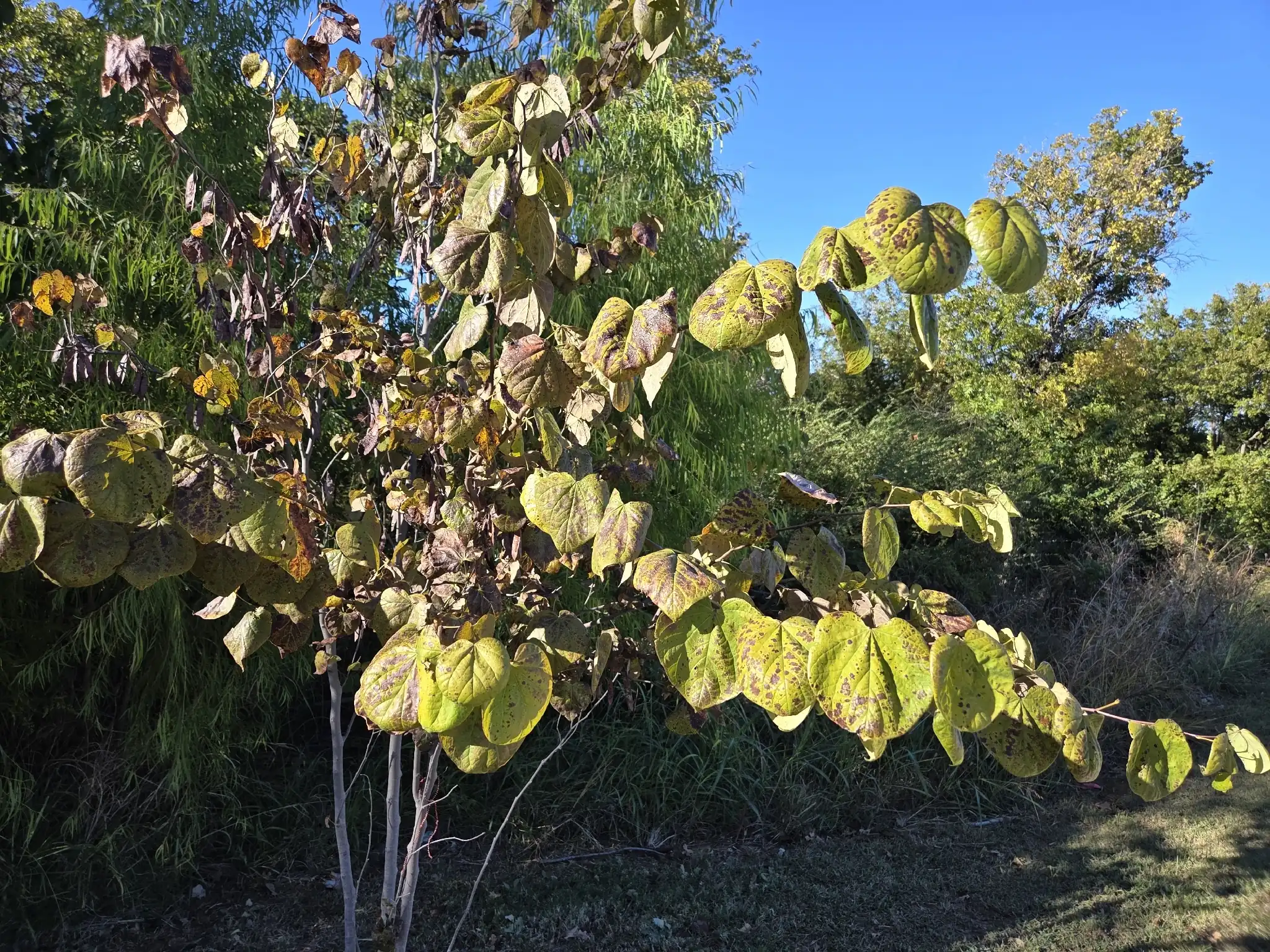
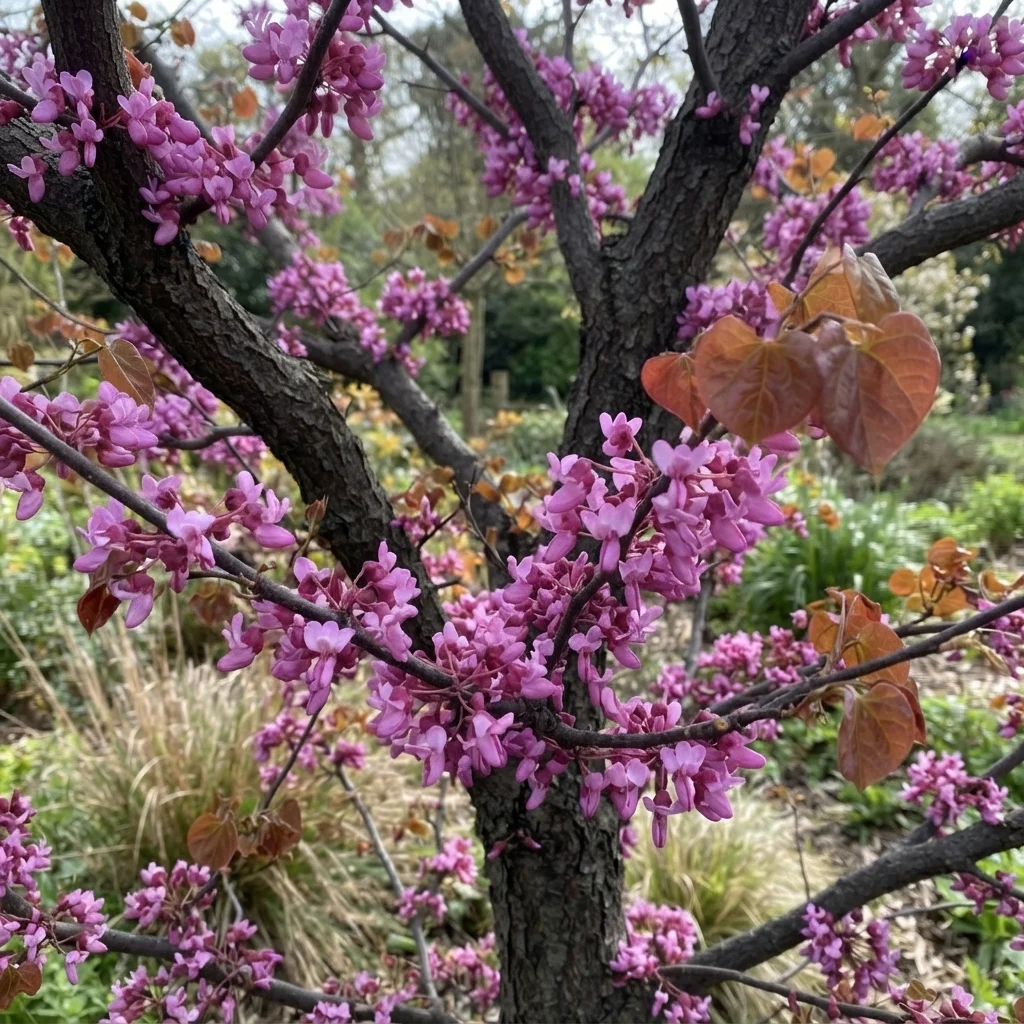
Track your Cercis in Sow
Save the Cercis you grow and get care reminders timed to your zone.
How to grow Cercis
Whats common across all Cercis varieties in our catalog — drawn from the care records of the 26 most-grown of them.
The Cercis year
- PruneMay and June100% of varieties
Prune only immediately after flowering, as it blooms on old wood
- MulchApril and November81% of varieties
Apply 2-3 inches of mulch to retain moisture and regulate soil temperature
- PlantMarch, April, May, October and November77% of varieties
Plant dormant bare-root trees in early spring; container trees spring or fall
- Check for PestsMay–August38% of varieties
Monitor for borers and cankers, especially on stressed or young trees


Do
- Water deeply during dry spells 🌱
- Protect the thin bark of young trees from mechanical damage.
- Mulch to keep the root zone cool and moist.
- Prune after flowering to shape the tree
- Mulch annually to conserve moisture
Avoid
- Avoid overwatering to prevent root rot ❌
- Avoid overwatering which can cause root rot ❌
- Refrain from planting in poorly drained soil
- Don’t fertilize late in the season
What goes wrong with Cercis
| Problem | What you'll see | What to do |
|---|---|---|
| Scale Insects | Small, immobile bumps on stems and branches, sometimes with sticky honeydew. | Apply dormant oil in late winter. Use horticultural oil or insecticidal soap during the growing season for crawlers. |
| Aphids | Sticky residue and distorted leaves | Use insecticidal soap or neem oil |
| Leafhoppers | White stippling on leaves; small, wedge-shaped insects that jump when disturbed. | Usually minor damage. Strong water spray can dislodge them. Insecticidal soap can help. |
| Treehoppers | Small, wedge-shaped insects on stems; may cause minor twig dieback. | Usually not a serious problem. A strong spray of water can dislodge them. Control is rarely needed. |
| Verticillium Wilt | Sudden wilting and yellowing of leaves on one side of the tree. | No chemical cure. Prune out dead branches. Provide good care to help the tree wall off the fungus. |
| Canker | Sunken, dead areas on branches | Prune out infected parts and apply wound paint |
| Botryosphaeria Canker | Wilting and death of branches, sunken discolored areas (cankers) on bark. | Prune out and destroy infected branches in dry weather. Disinfect tools between cuts. Keep tree healthy to resist infection. |
Making more Cercis
Cuttings
- Take 6-inch hardwood cuttings in late winter.
- Dip in rooting hormone and plant in moist, well-draining soil.
- Maintain high humidity and wait 6 weeks for roots to develop.
Seed
- Tuck seeds in moist sand in late fall for stratification, lasting 8 weeks.
- Plant in pots in early spring after stratification.
- Keep soil moist and place in indirect sunlight.
Cercis questions
How many types of Cercis are there?
The Sow catalog tracks 26 distinct Cercis varieties. The most popular — ranked by 1.6k real gardeners — are shown first above.
What zones does Cercis grow in?
Across its varieties, Cercis covers USDA Zones 4–10. Individual varieties differ — each plant page lists its exact range, and Sow filters the catalog to your zone automatically.
When does Cercis bloom?
Most Cercis varieties bloom in early spring, mid-spring. Staggering early, mid, and late varieties extends the genus's season in one bed.
Which Cercis should I choose?
Start from the most-saved varieties above — popularity across thousands of gardens is a strong signal of reliability — then filter by your zone and sun. In the Sow app you can preview any of them in a photo of your actual yard before you buy.