Also known as Jessamine · 39 saves
Cestrum
Cestrum, the genus most gardeners know as jessamine. We track 5 varieties; the ones most used by real gardeners.
The 5 most-saved Cestrum varieties
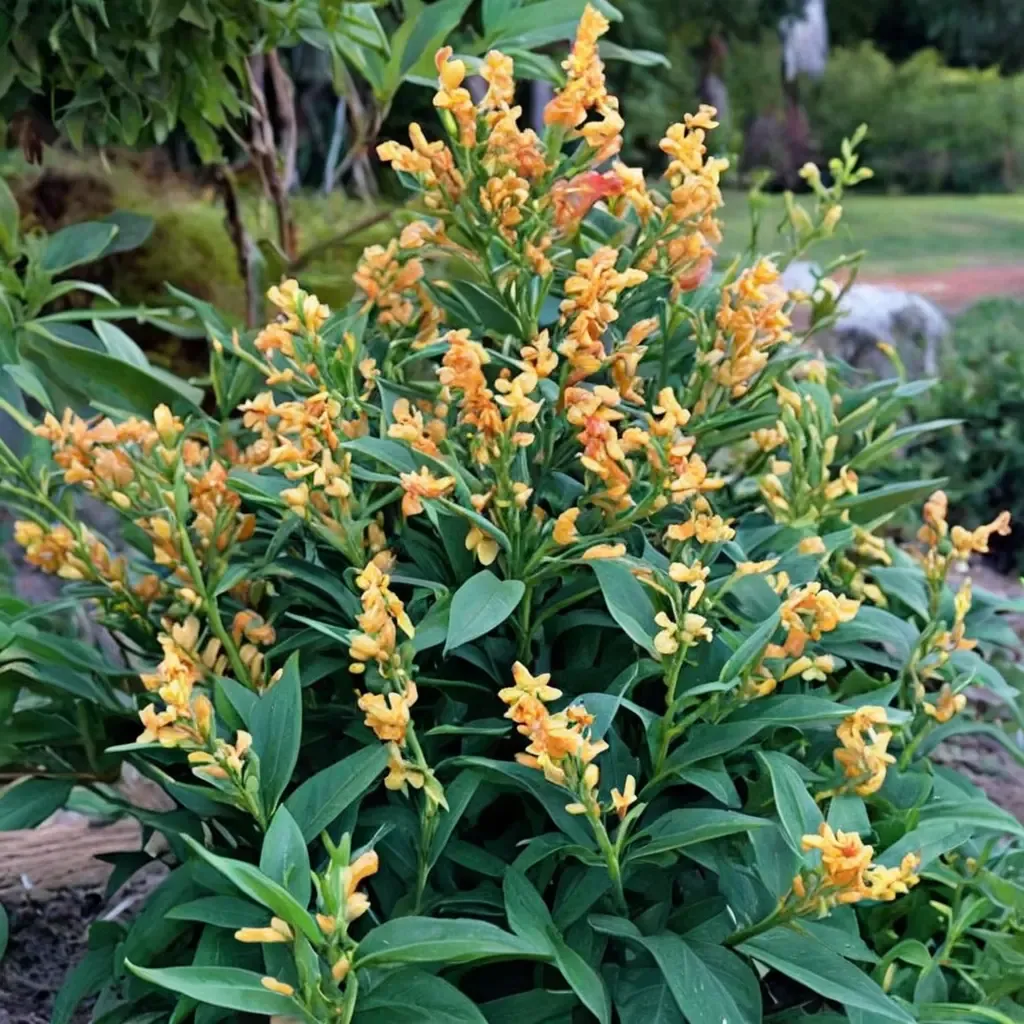
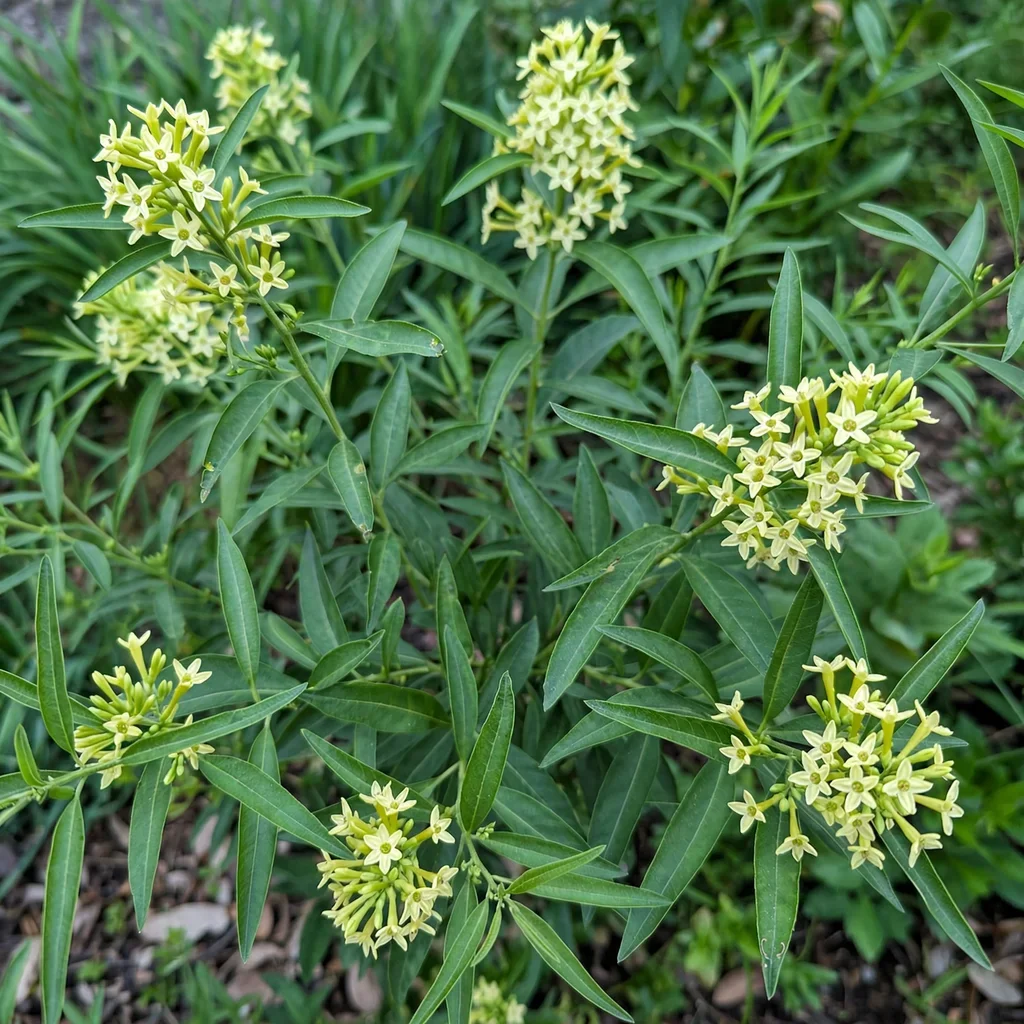
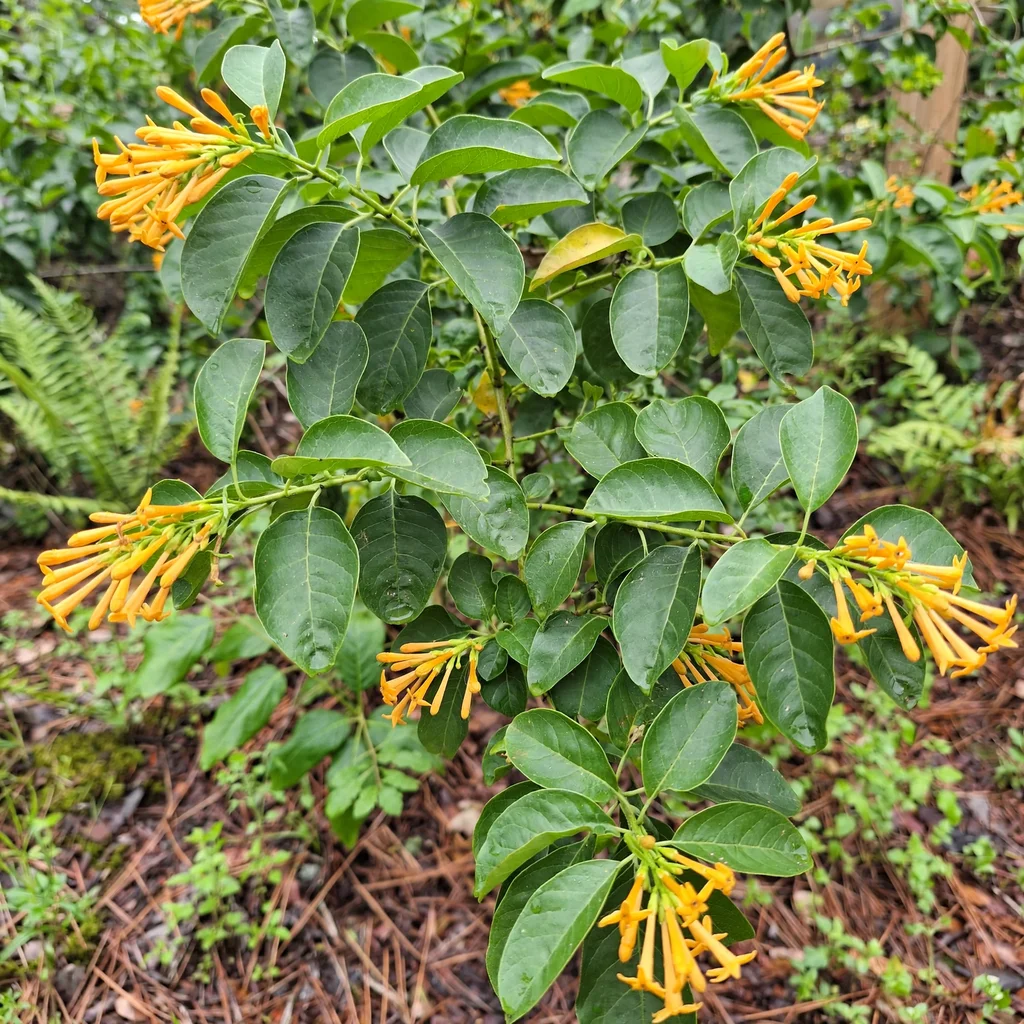
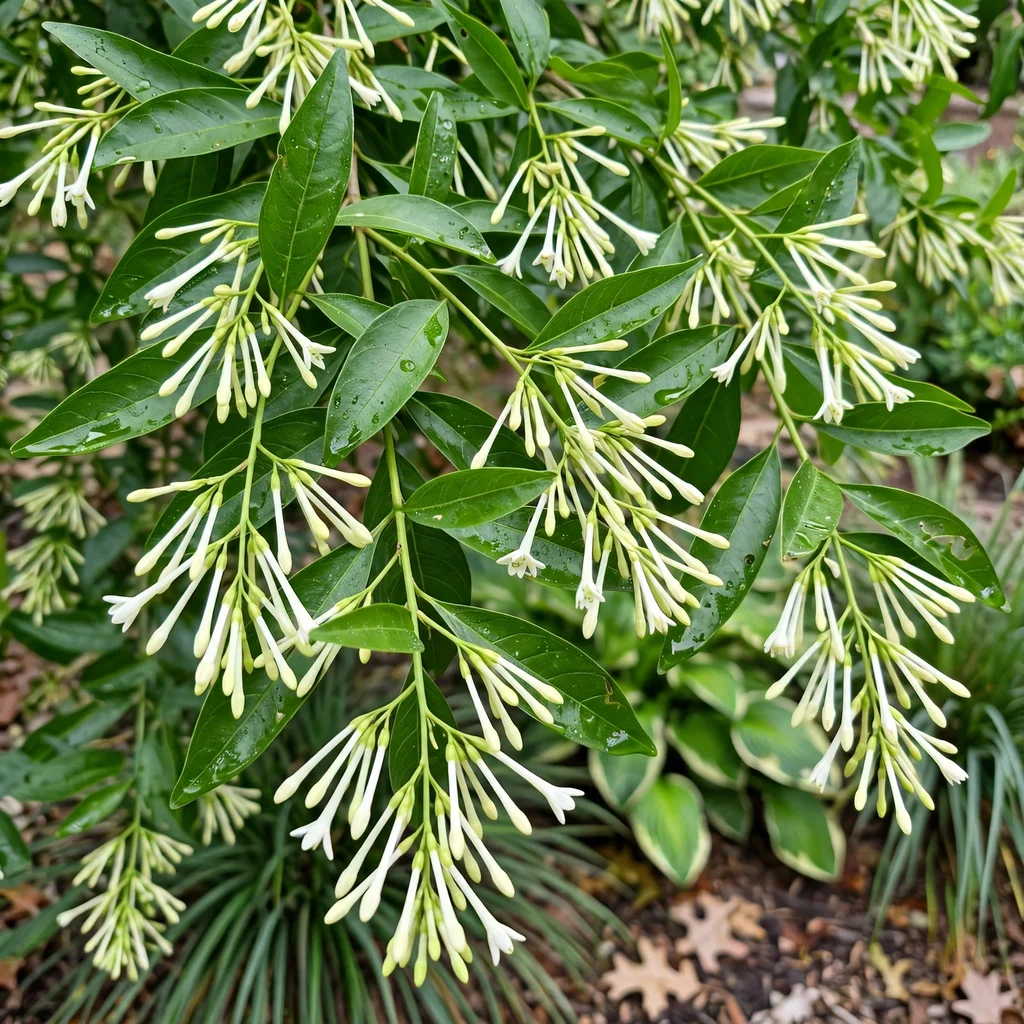
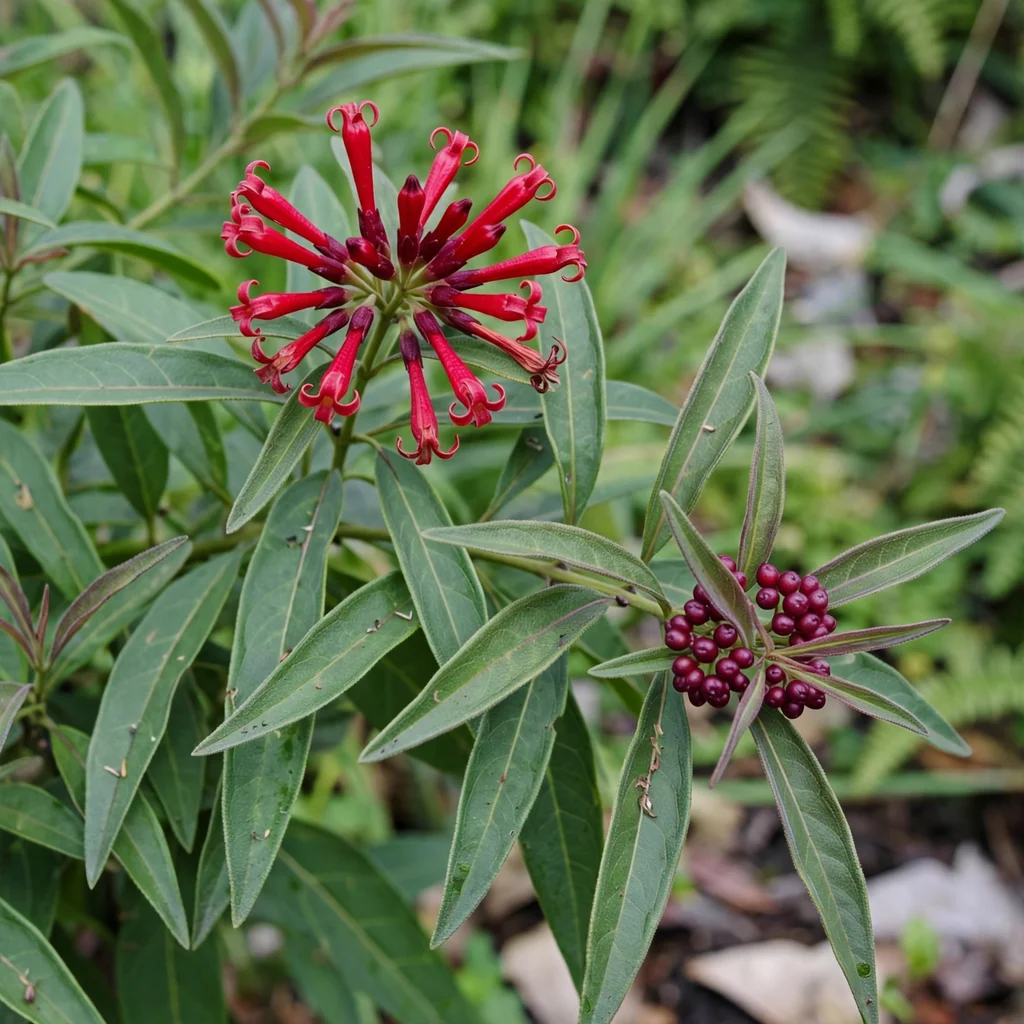
3 species of Cestrum
Each one is a parent of the varieties above.
Track your Cestrum in Sow
Save the Cestrum you grow and get care reminders timed to your zone.
How to grow Cestrum
Whats common across all Cestrum varieties in our catalog — drawn from the care records of the 5 most-grown of them.
The Cestrum year
- PruneMarch and April100% of varieties
Cut back any winter-damaged wood and shape lightly before spring growth begins
- Winter PrepNovember and December100% of varieties
Apply thick layer of mulch around base; move container plants indoors if hard freeze is expected
- PlantApril and May80% of varieties
Plant or transplant in early spring or early fall
- FertilizeJuly60% of varieties
Apply a balanced slow-release fertilizer in spring and mid-summer
- Check for PestsJune and August60% of varieties
Inspect shoot tips for aphids and wash off; infestation is rarely serious.


Do
- Water deeply but infrequently to encourage strong roots 🌱
- Prune to shape and remove dead or crossing branches
- Fertilize during active growth with a balanced fertilizer
- Mulch to retain soil moisture and regulate temperature
- Water deeply in summer heat and mulch to hold soil moisture
Avoid
- Avoid overwatering, which can cause root rot ❌
- Don’t neglect pruning, as it encourages bushier growth
- Refrain from planting in overly shady areas
- Don’t ignore pest signs—early detection is key
What goes wrong with Cestrum
| Problem | What you'll see | What to do |
|---|---|---|
| Aphids | Sticky residue and distorted leaves | Apply insecticidal soap or neem oil |
| Scale insects | Shell-like bumps on stems and leaves | Use horticultural oil or remove manually |
| Whiteflies | Tiny white flies rising from foliage when disturbed and yellowing leaves with sooty coating. | Monitor undersides, use yellow sticky traps, and apply insecticidal soap; improve air circulation. |
| Red spider mites | Fine stippling and bronzing of leaves with webbing in hot, dry weather. | Spray foliage with water, reduce dust stress, and treat with insecticidal soap or horticultural oil. |
| Root rot | Wilting and yellowing leaves, soft roots | Improve drainage and reduce watering |
| Powdery mildew | White powder on leaves | Increase air circulation and apply fungicide if needed |
| Root rot and leaf spot | Wilting, yellowing, and spotted leaves when soil stays wet. | Plant in well-drained soil, avoid overwatering, and discard badly rotted container plants. |
Making more Cestrum
cuttings
- Cut healthy stem sections in late spring
- Dip cut ends in rooting hormone
- Plant in moist potting mix - 4 weeks
- Maintain humidity and indirect light
Softwood cuttings
- Take 4-inch softwood tips in summer from non-flowering shoots.
- Strip lower leaves and dip cut end in rooting hormone.
- Insert in moist perlite-peat and hold humid at 70F in bright shade.
- Pot up once roots resist a gentle tug and grow on sheltered.
Cestrum questions
How many types of Cestrum are there?
The Sow catalog tracks 5 distinct Cestrum varieties. The most popular — ranked by 39 real gardeners — are shown first above.
What zones does Cestrum grow in?
Across its varieties, Cestrum covers USDA Zones 7–10. Individual varieties differ — each plant page lists its exact range, and Sow filters the catalog to your zone automatically.
When does Cestrum bloom?
Most Cestrum varieties bloom from spring to summer.
Which Cestrum should I choose?
Start from the most-saved varieties above — popularity across thousands of gardens is a strong signal of reliability — then filter by your zone and sun. In the Sow app you can preview any of them in a photo of your actual yard before you buy.