Also known as Turtlehead · 788 saves
Chelone
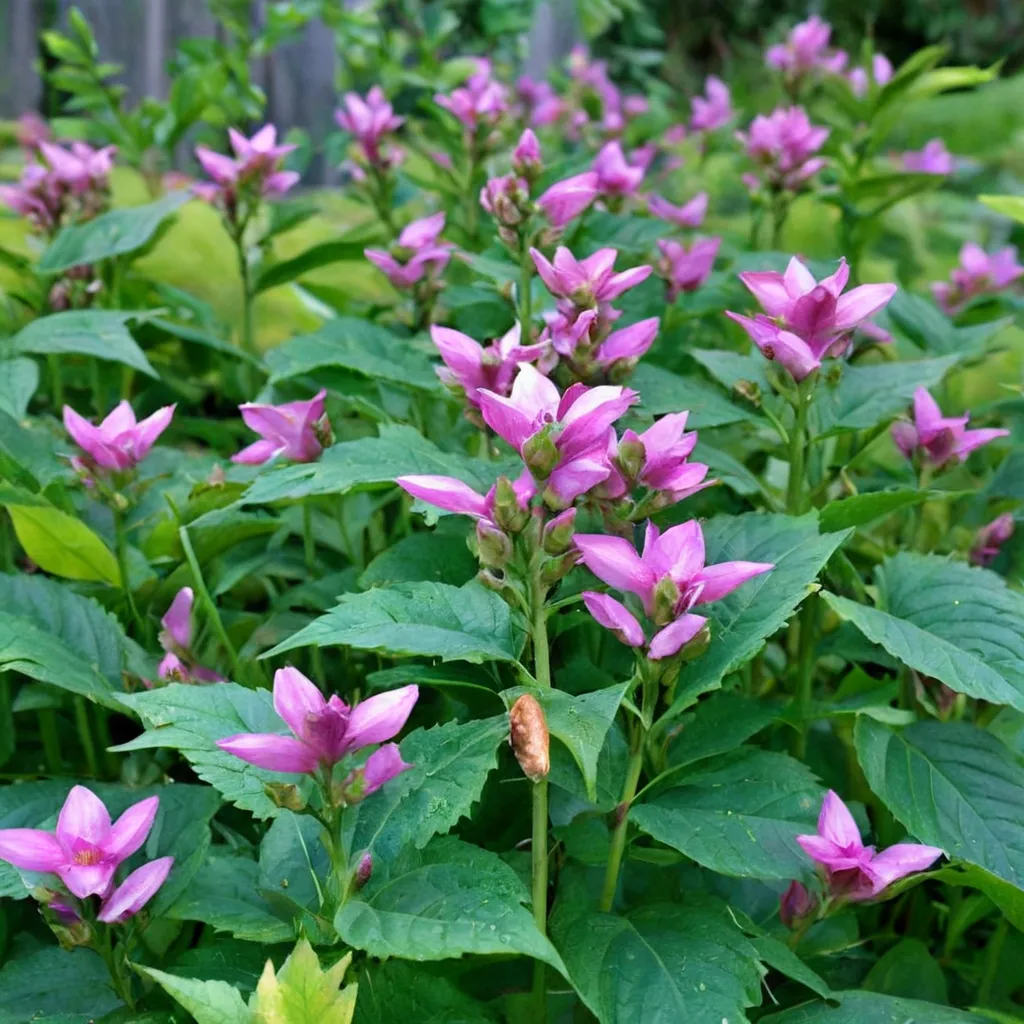
Chelone, the genus most gardeners know as turtlehead. We track 6 varieties; the ones most used by real gardeners.
The 6 most-saved Chelone varieties
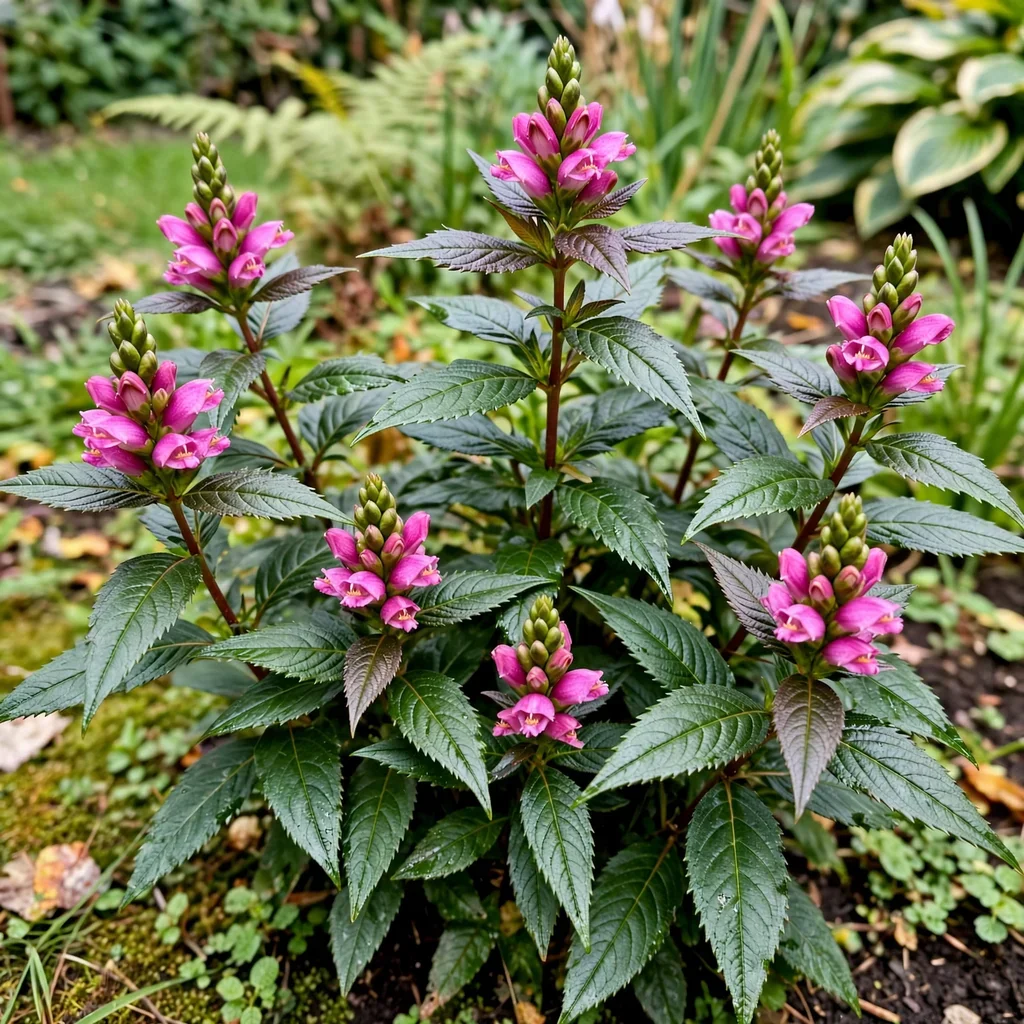
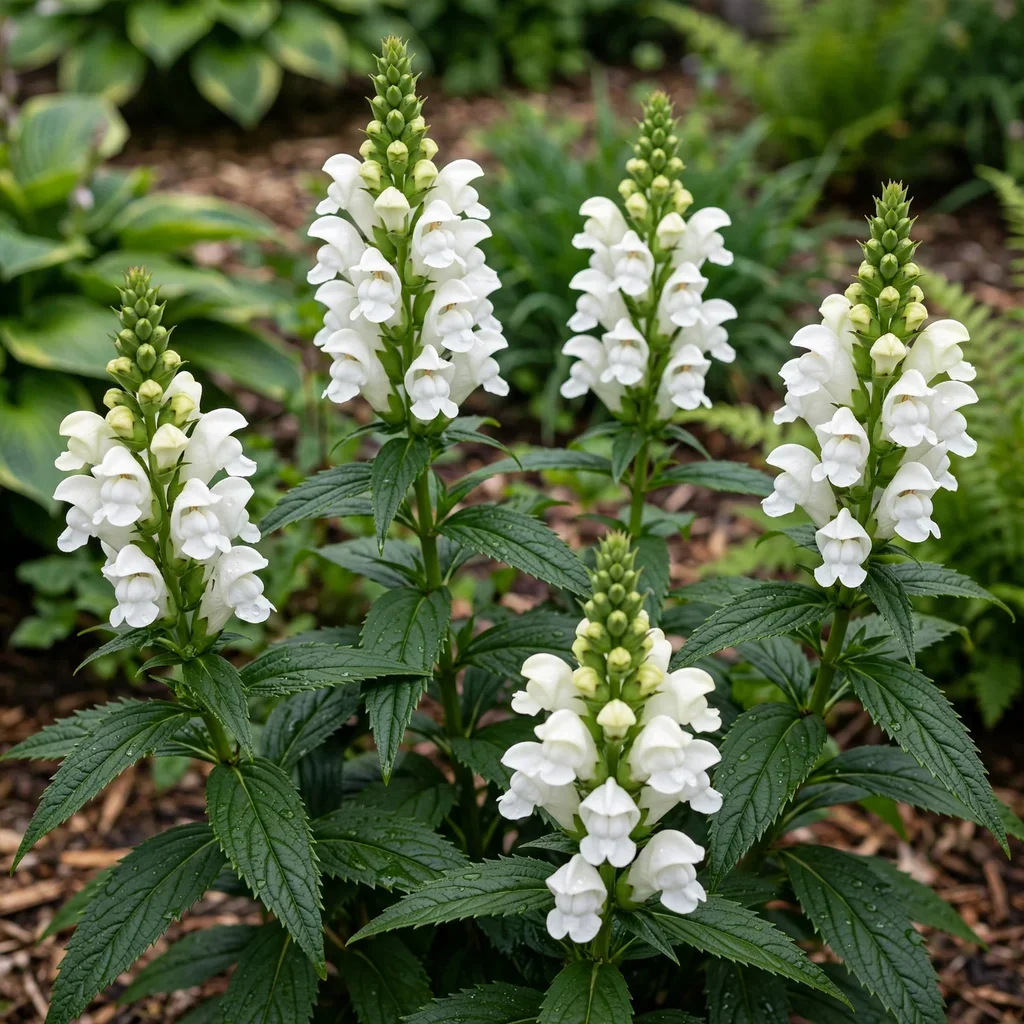
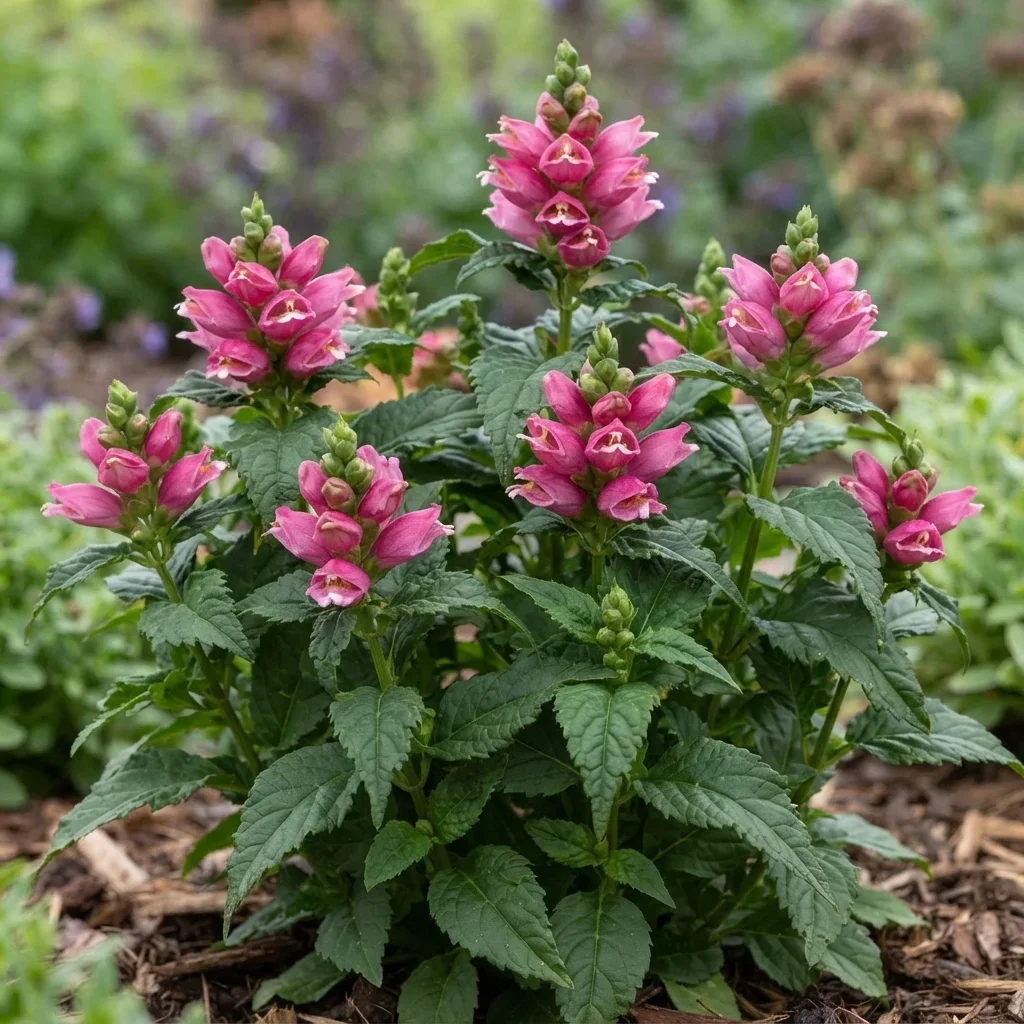
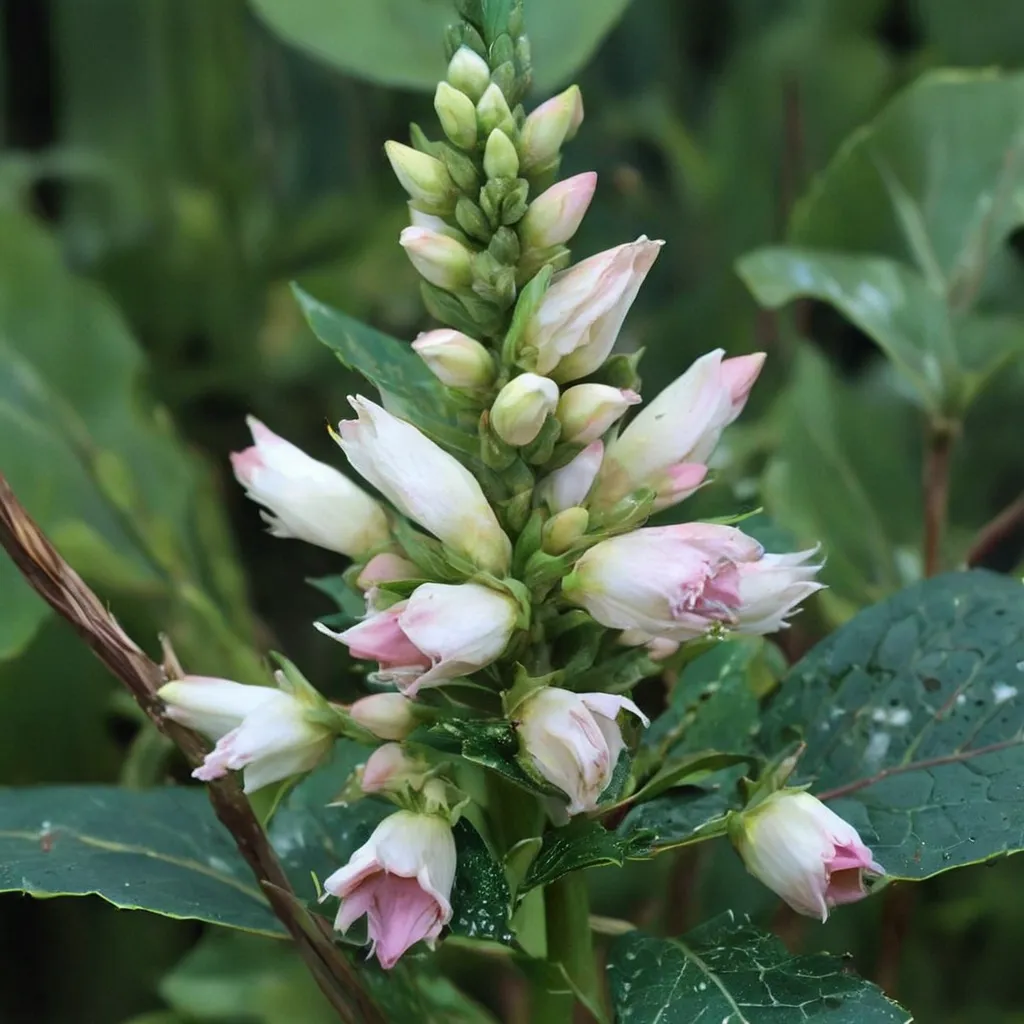
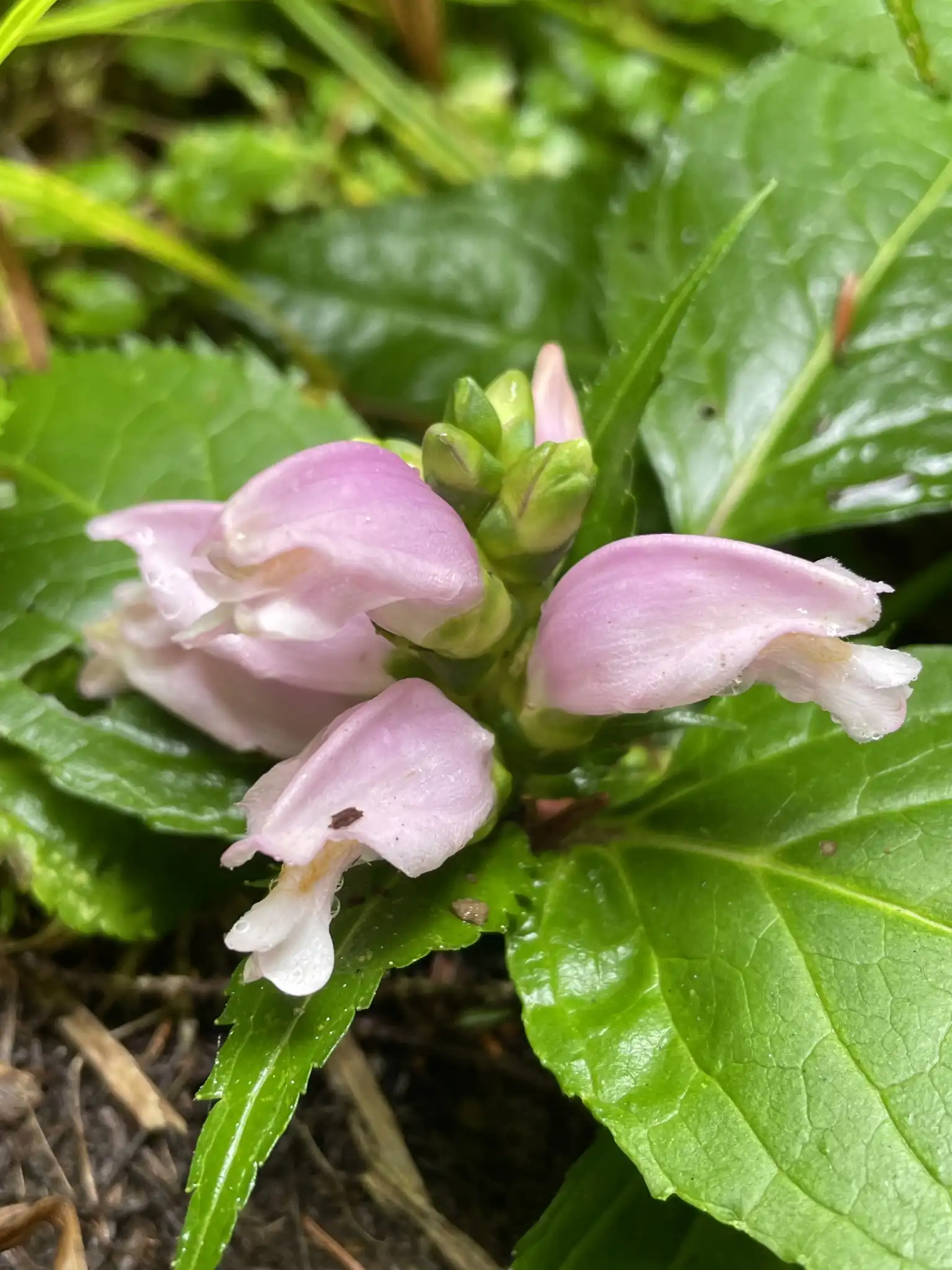
Species of Chelone
Each one is a parent of the varieties above.
Track your Chelone in Sow
Save the Chelone you grow and get care reminders timed to your zone.
How to grow Chelone
Whats common across all Chelone varieties in our catalog — drawn from the care records of the 6 most-grown of them.
The Chelone year
- Pinch TipsMay and June100% of varieties
Pinch the growing tips once to encourage branching and more flower spikes.
- DivideApril and October83% of varieties
Divide clumps every 3-5 years in spring or early fall to maintain vigor.
- Spring CleanupMarch and April50% of varieties
Cut back old stems to the ground before new growth emerges.
- Check for PestsJuly–September33% of varieties
Monitor for powdery mildew in high humidity; ensure good air circulation.


Do
- Give it wet or reliably moist ground 💧
- Use it in a rain garden 🌧️
- Pinch once in early summer ✂️
- Leave checkerspot caterpillars alone 🦋
- Water regularly to keep soil moist but not waterlogged 🌱
Avoid
- Avoid overwatering to prevent root rot ❌
- Let it dry out ❌
- Plant it in a hot dry border ❌
- Spray caterpillars on it ❌
What goes wrong with Chelone
| Problem | What you'll see | What to do |
|---|---|---|
| Aphids | Sticky residue and distorted leaves | Apply neem oil or insecticidal soap |
| Spider Mites | Fine webbing and speckled leaves | Increase humidity and spray with insecticidal soap |
| Baltimore checkerspot caterpillar | Foliage chewed by black and orange spiny caterpillars, sometimes in webbed groups | Leave them entirely. Turtlehead is their host plant and the population depends on it; plants recover easily |
| Powdery mildew | White powdery coating on leaves | Use a fungicide containing potassium bicarbonate |
| Powdery mildew | White floury film on the foliage in late summer, worst where soil has dried out | Keep the soil moist and improve airflow; drought stress is the usual trigger |
| Root Rot | Wilting and yellowing leaves | Ensure well-drained soil and reduce watering |
| Powdery Mildew | White powder on leaves | Improve air circulation and apply organic fungicide |
Making more Chelone
Seed
- Tuck seeds into moist soil in early spring.
- Maintain consistent moisture for 2-3 weeks until germination.
Division
- Lift the clump in early spring as growth resumes.
- Split into pieces with roots and shoots.
- Replant at once into moist soil.
Chelone questions
How many types of Chelone are there?
The Sow catalog tracks 6 distinct Chelone varieties. The most popular — ranked by 788 real gardeners — are shown first above.
What zones does Chelone grow in?
Across its varieties, Chelone covers USDA Zones 4–9. Individual varieties differ — each plant page lists its exact range, and Sow filters the catalog to your zone automatically.
When does Chelone bloom?
Most Chelone varieties bloom in late summer, late summer to early fall, late summer to fall. Staggering early, mid, and late varieties extends the genus's season in one bed.
Which Chelone should I choose?
Start from the most-saved varieties above — popularity across thousands of gardens is a strong signal of reliability — then filter by your zone and sun. In the Sow app you can preview any of them in a photo of your actual yard before you buy.