Also known as Toad Lily · 844 saves
Tricyrtis
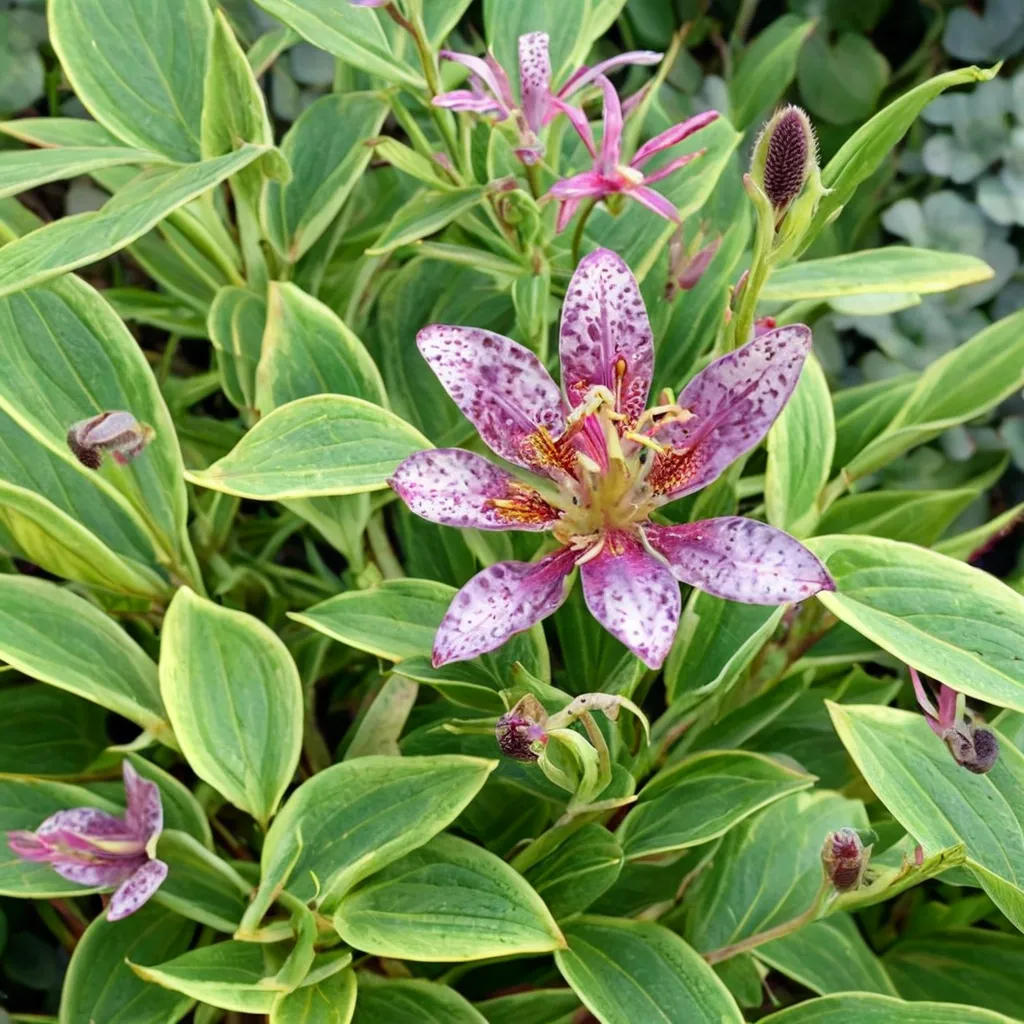
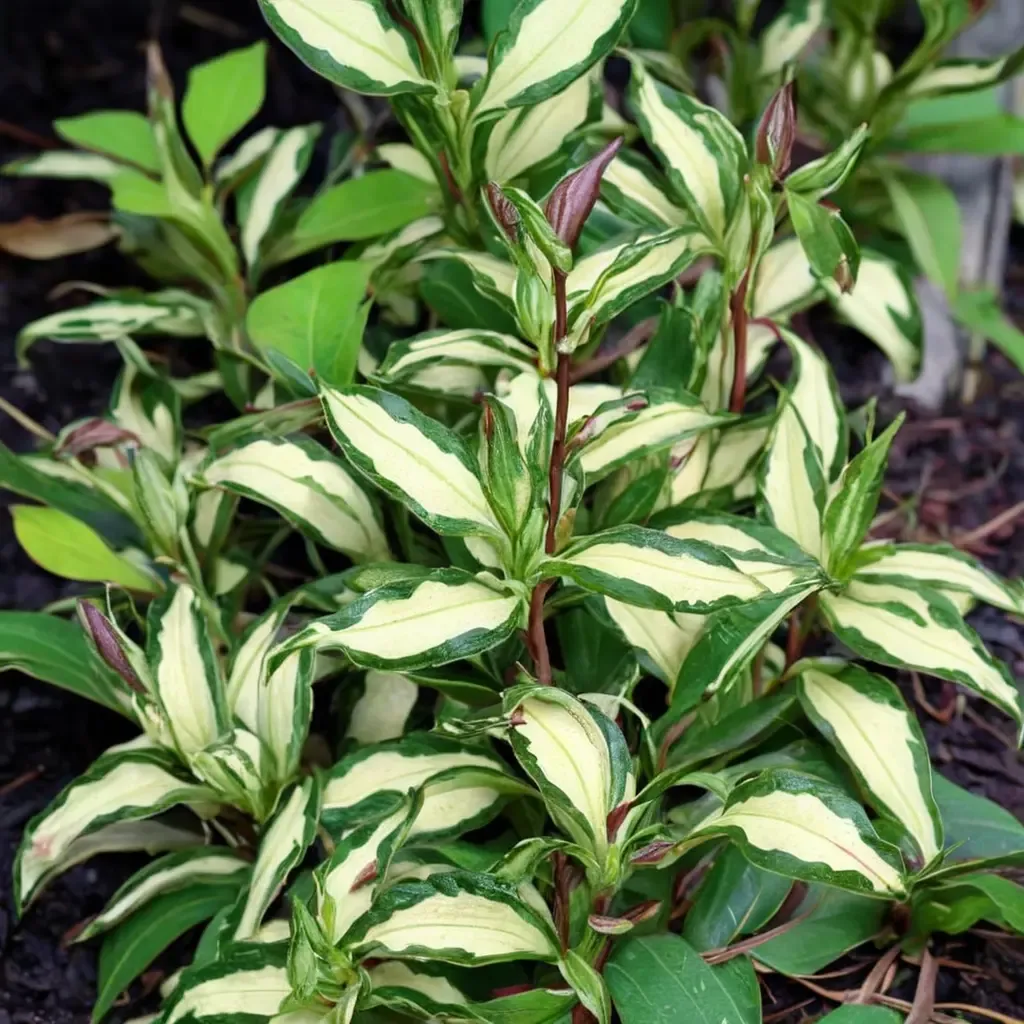
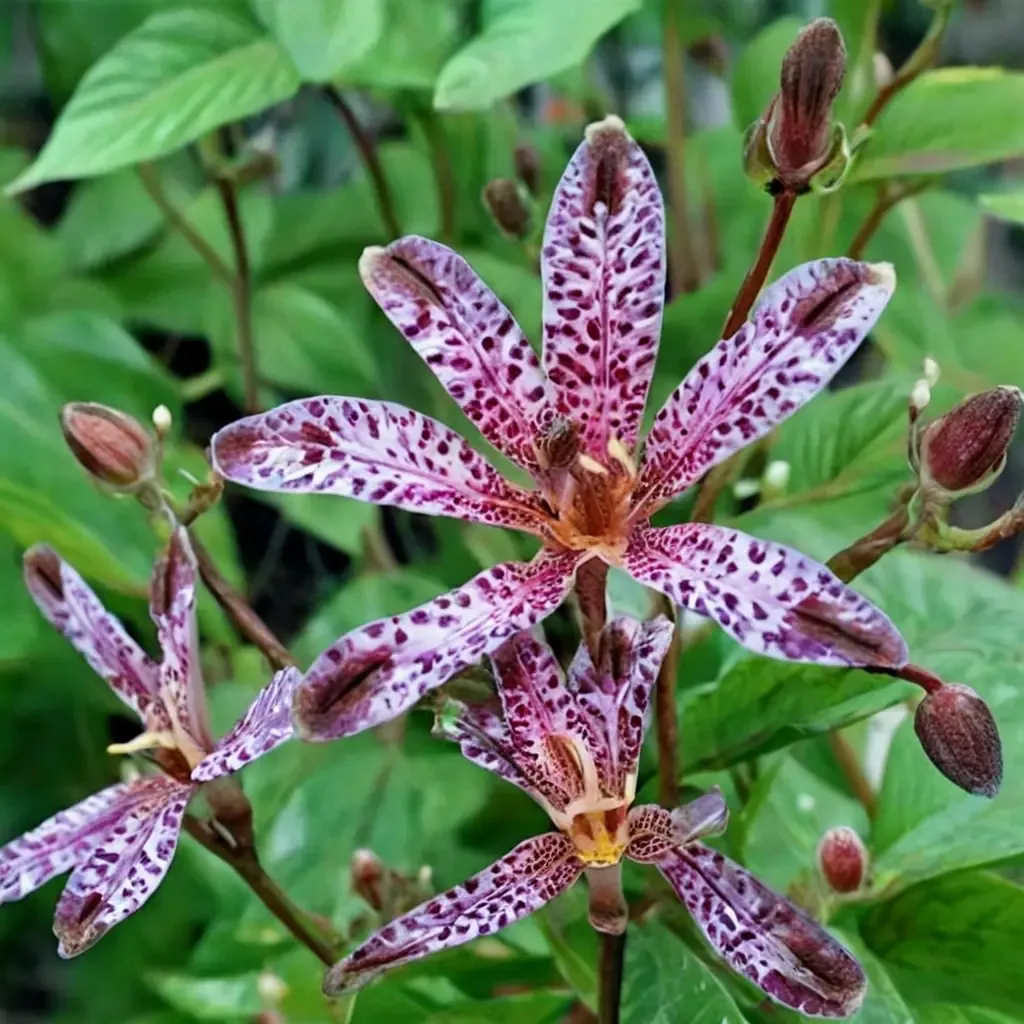
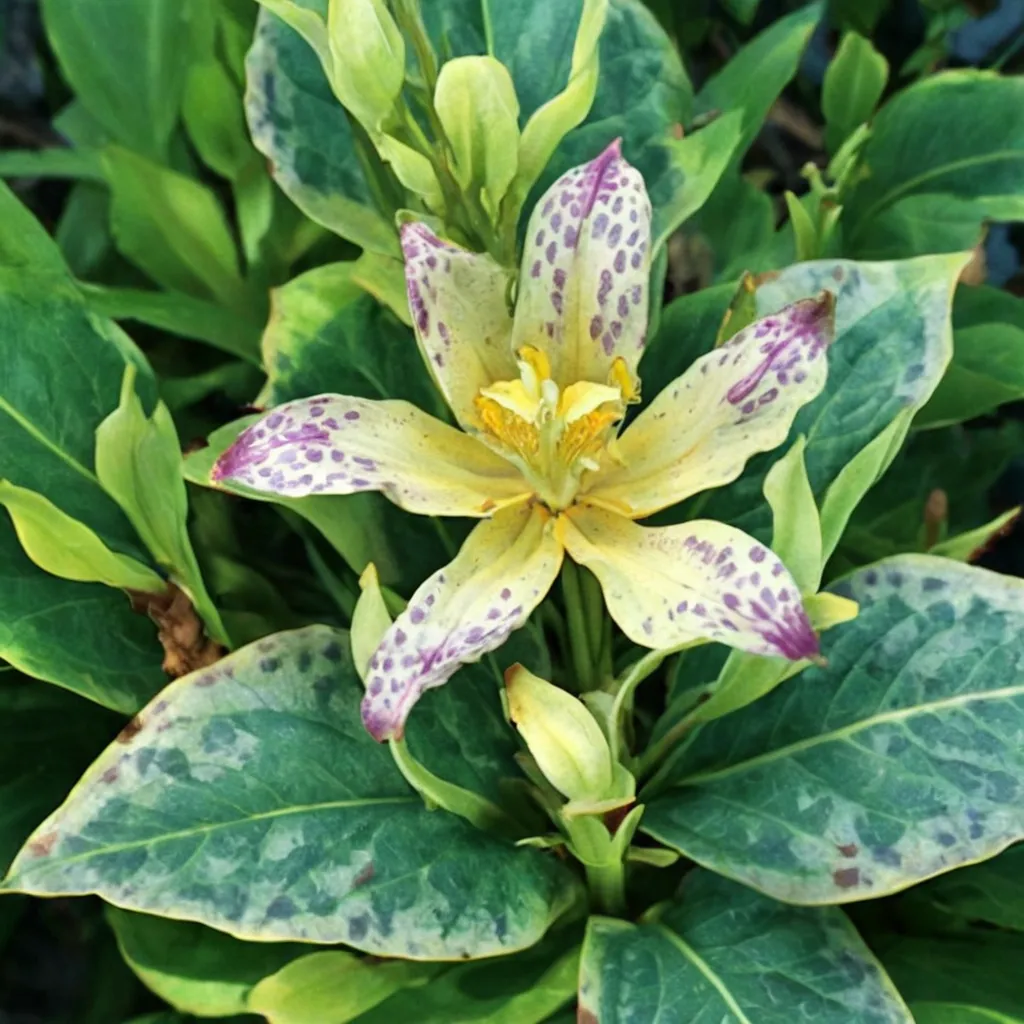
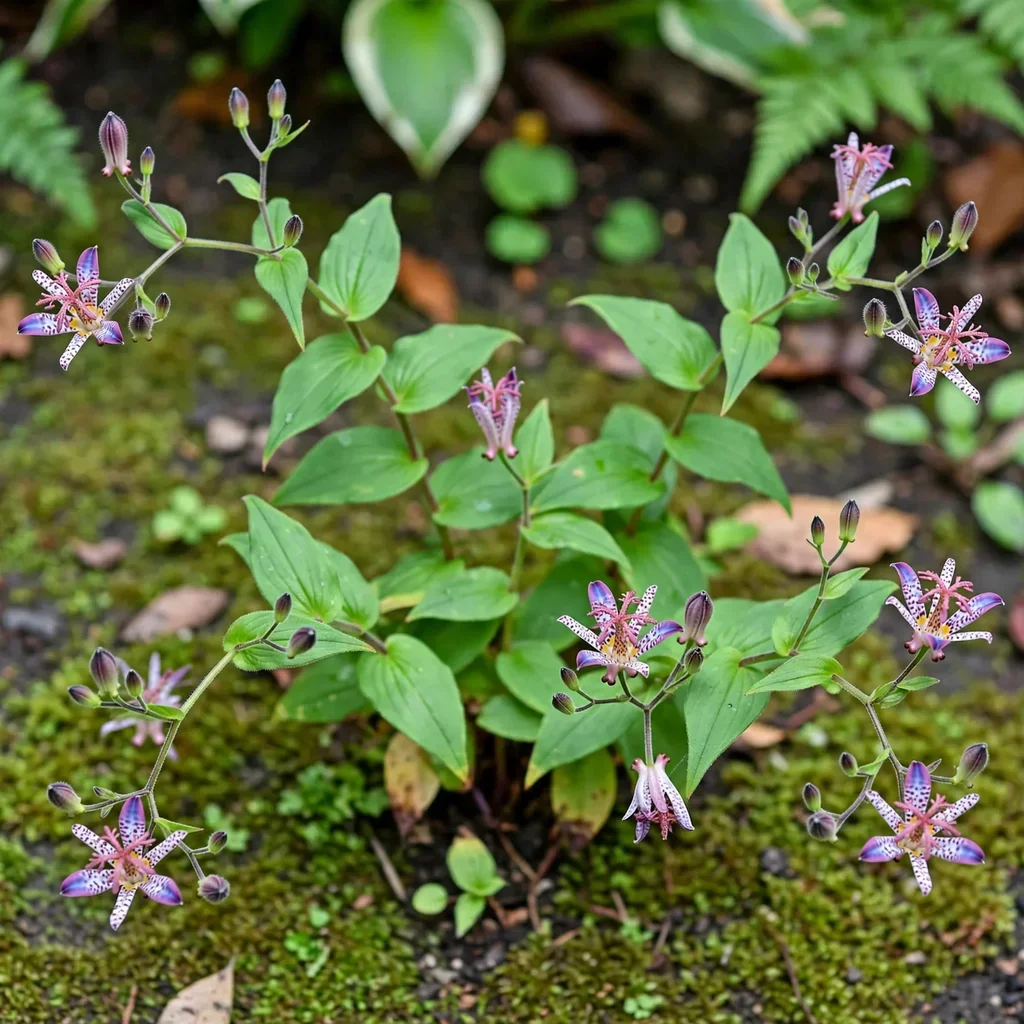
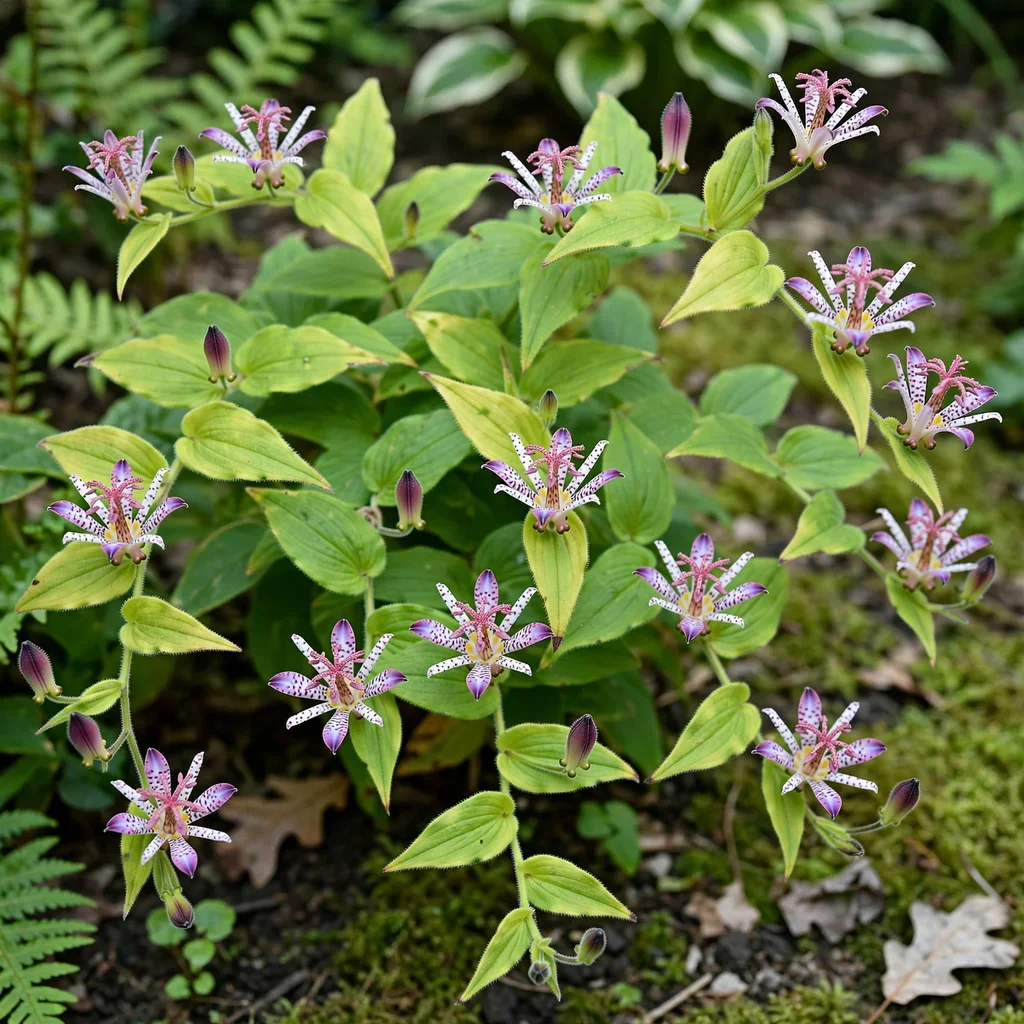
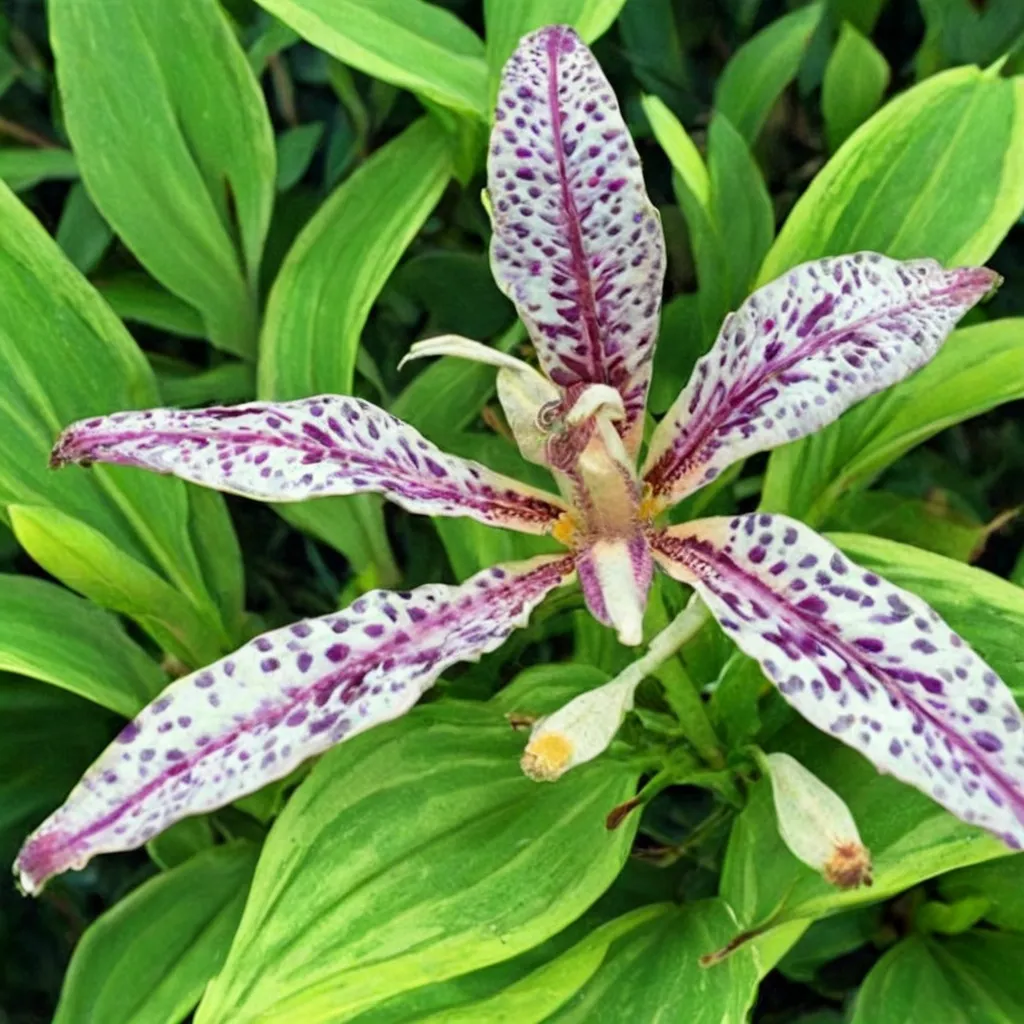
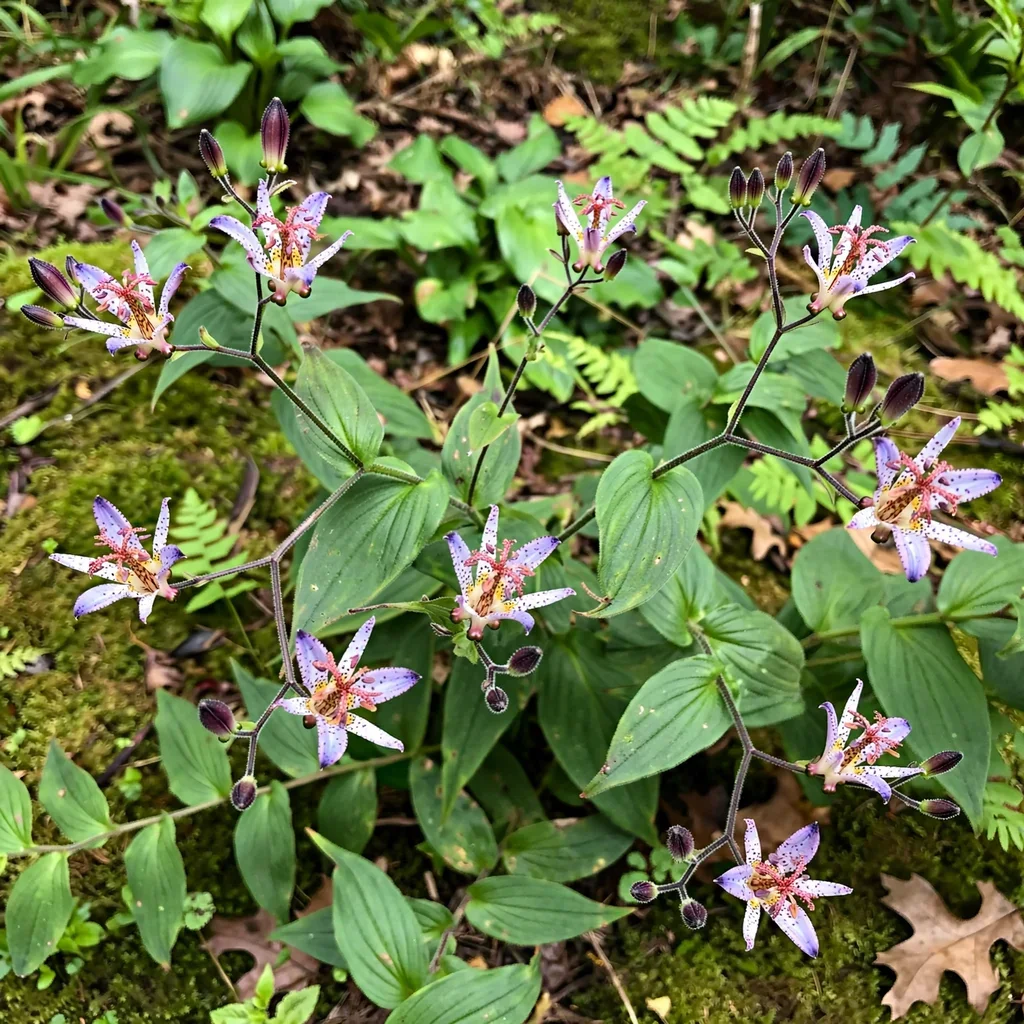
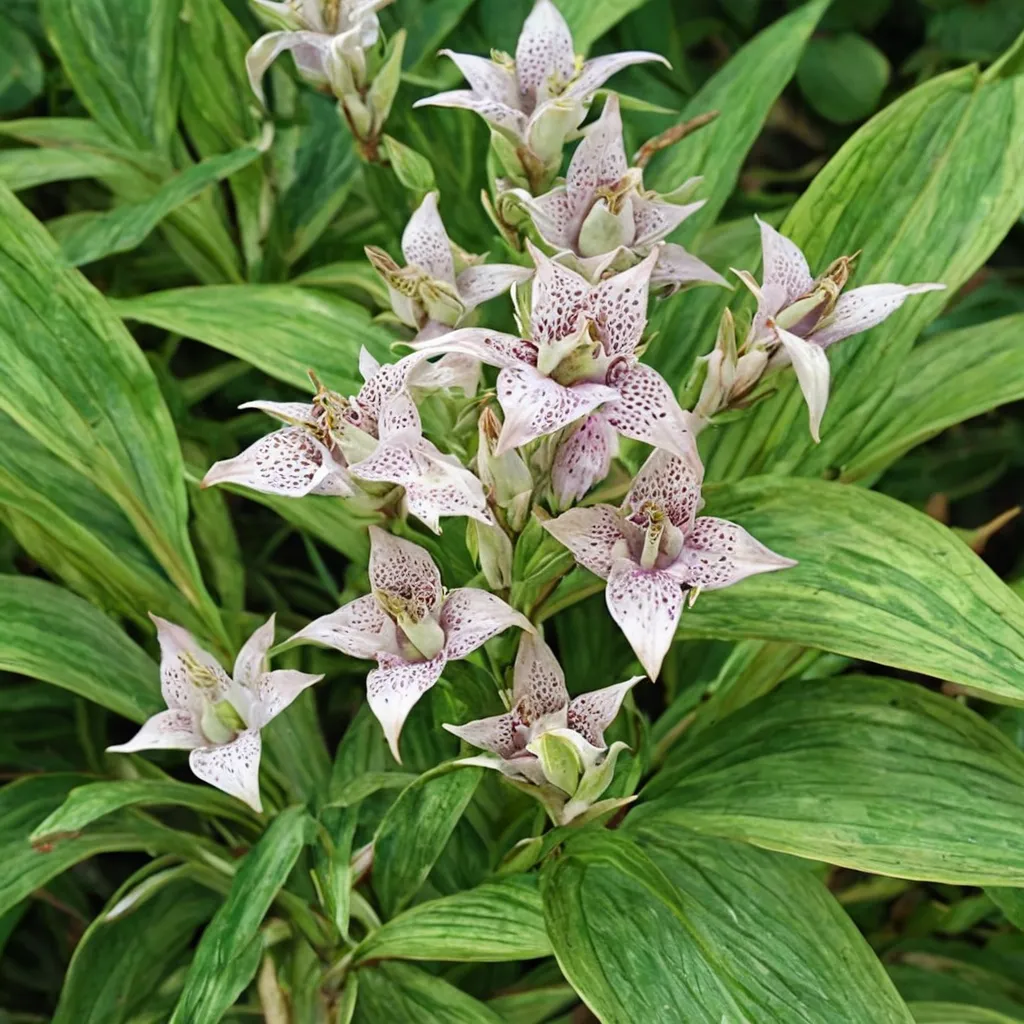
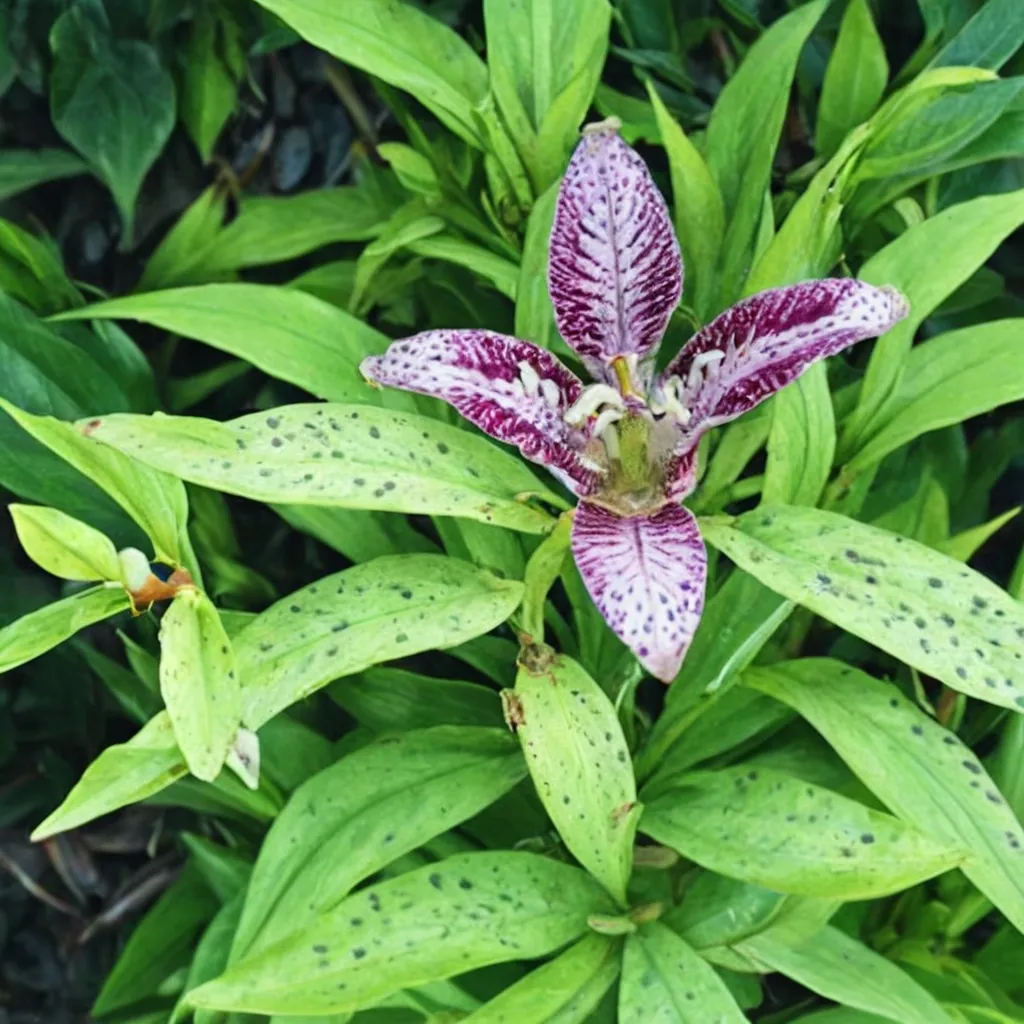
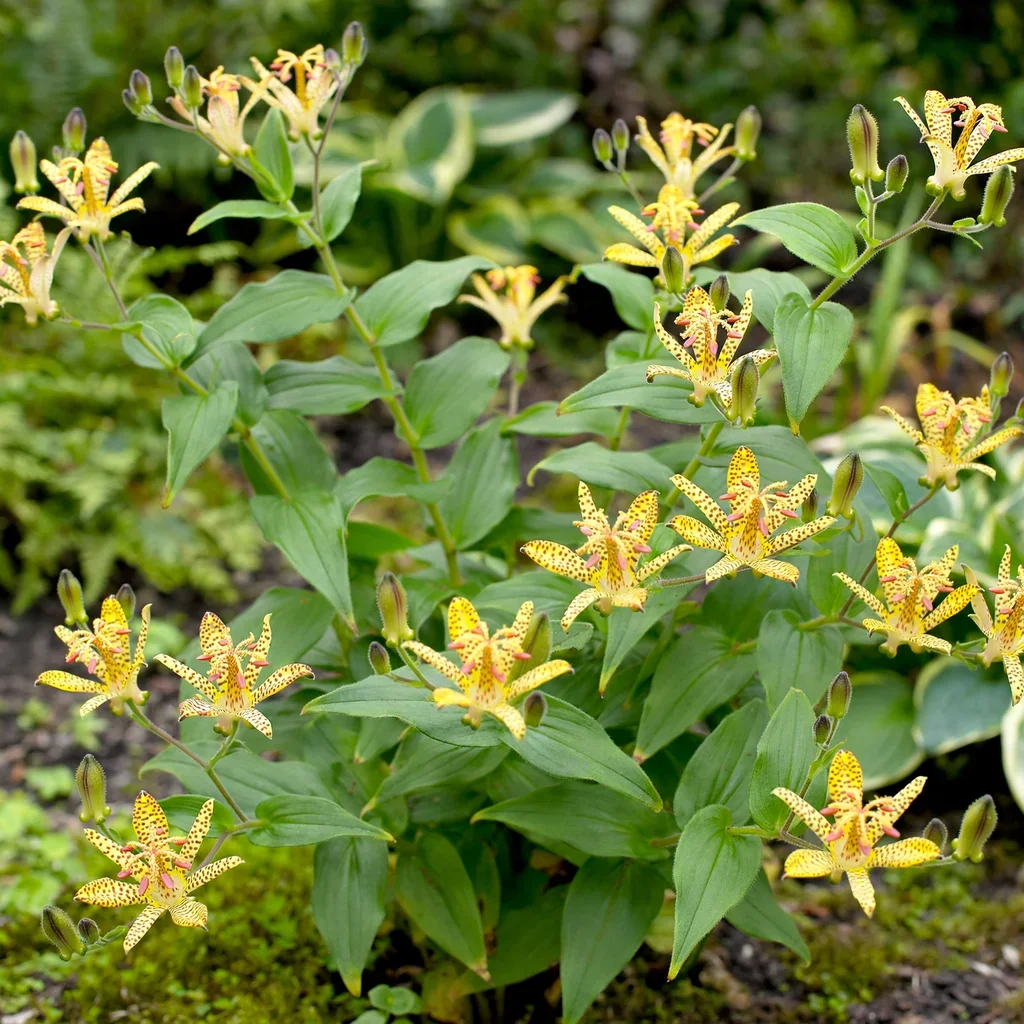
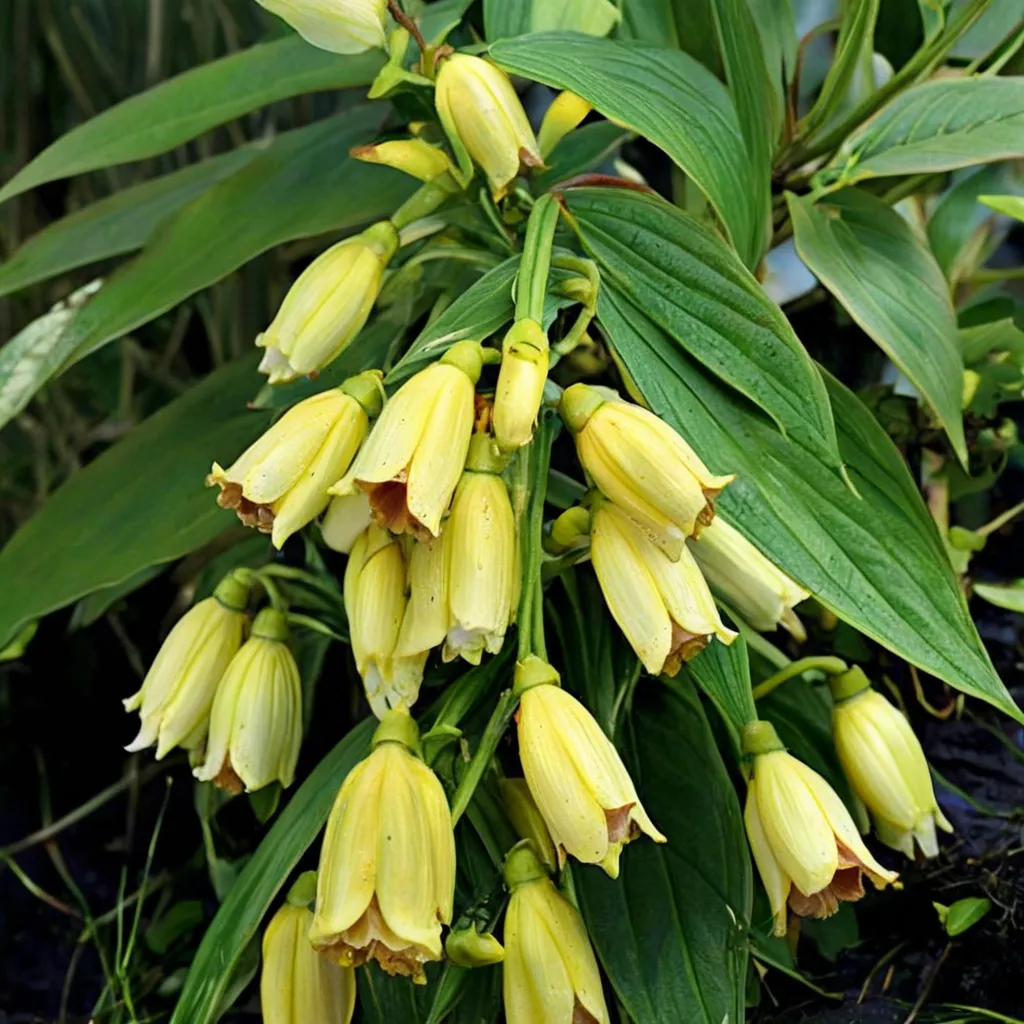
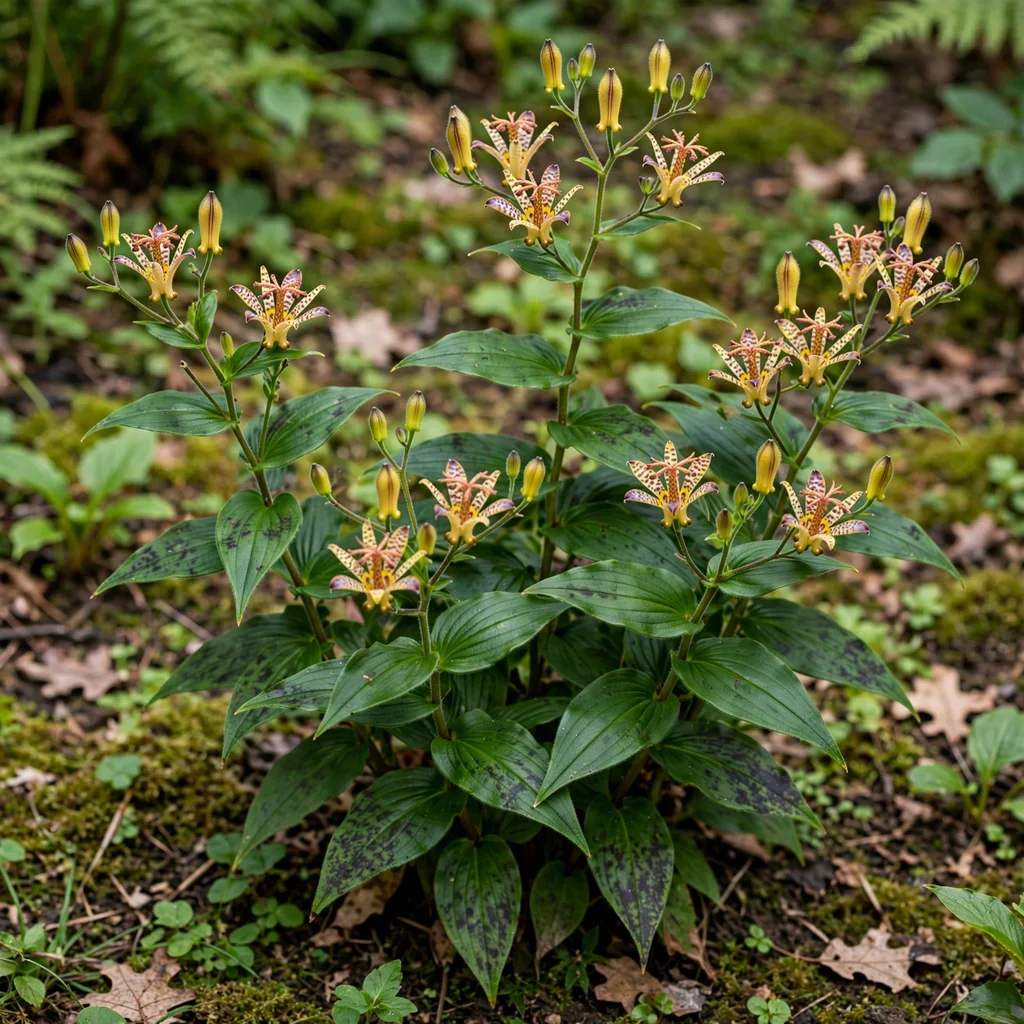
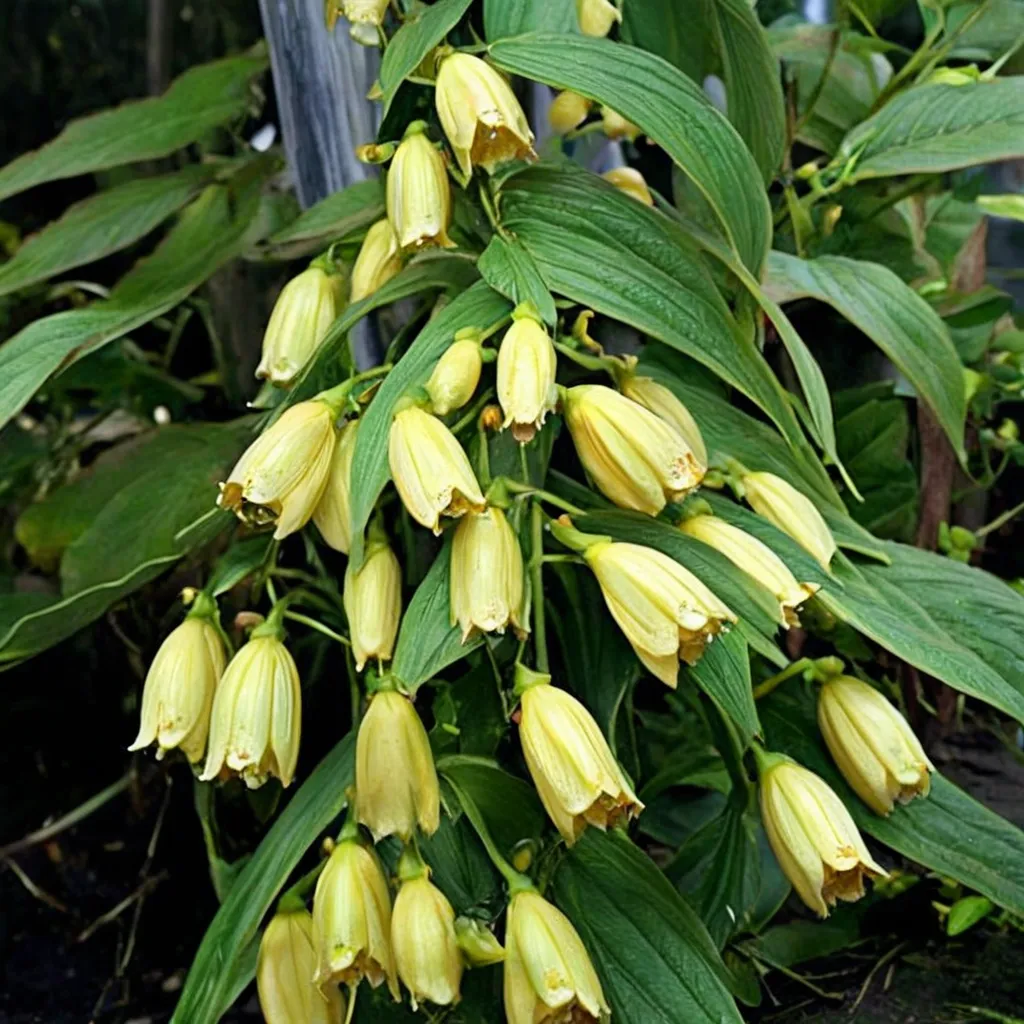
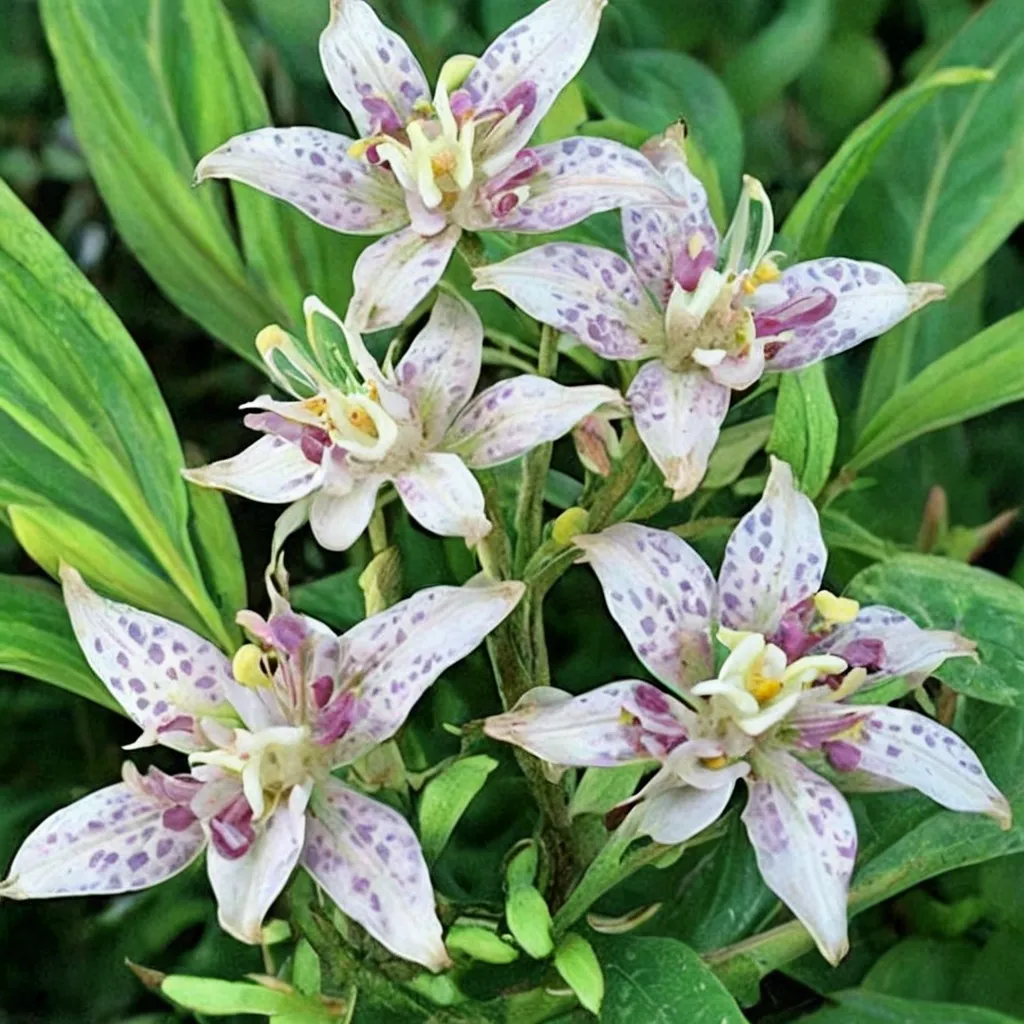
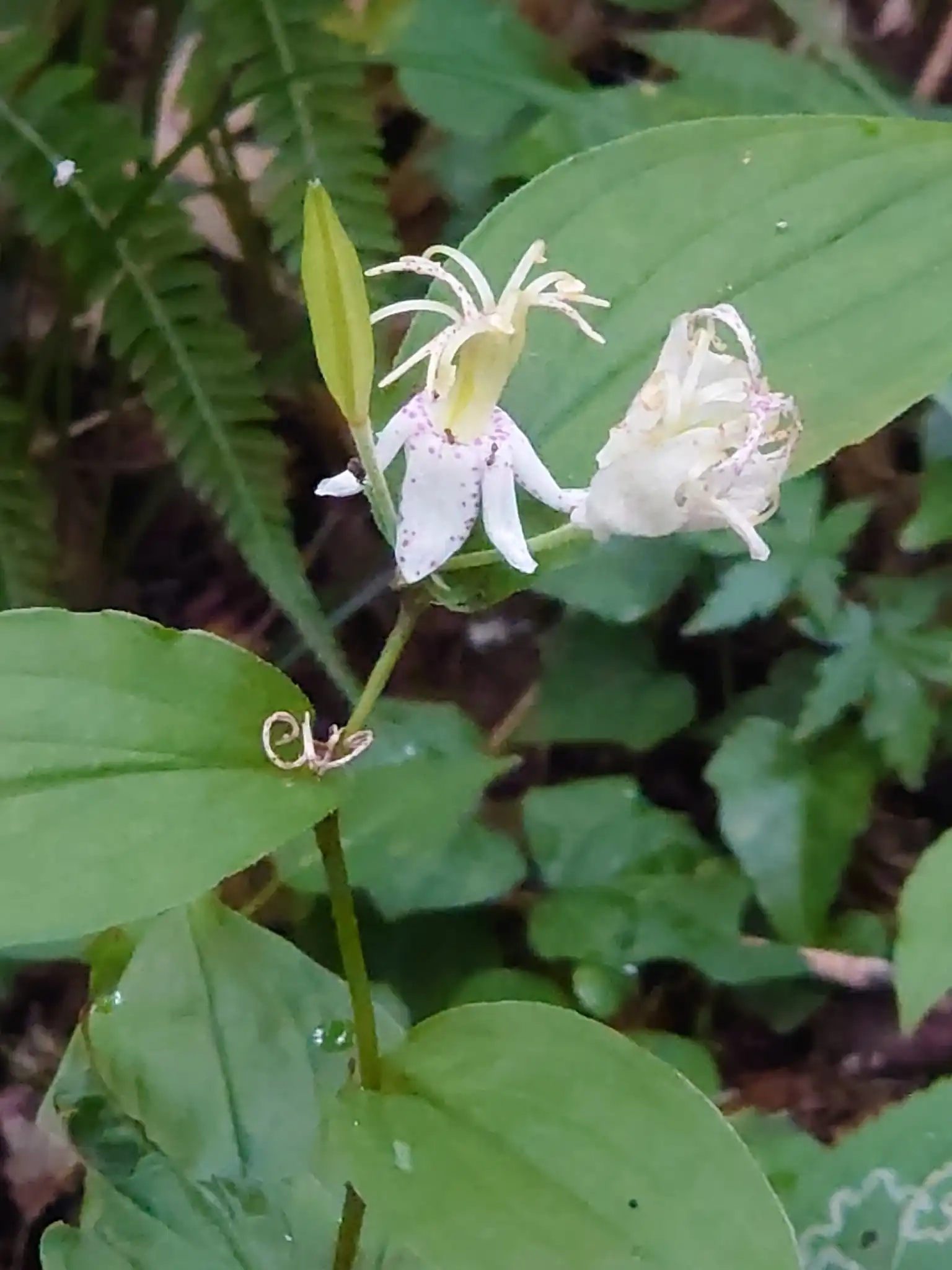
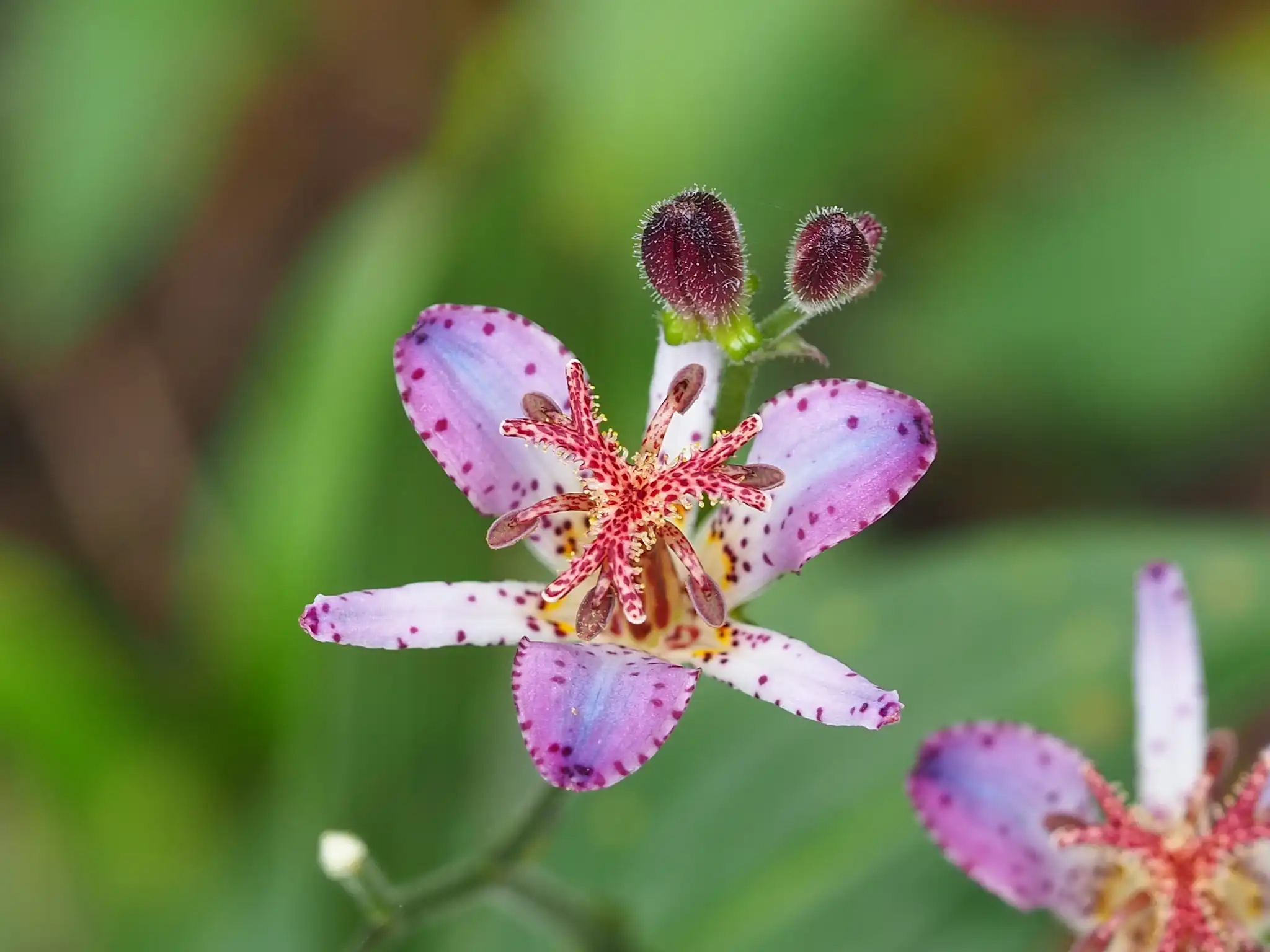
Tricyrtis, the genus most gardeners know as toad lily. We track 33 varieties; the ones most used by real gardeners.
The 24 most-saved Tricyrtis varieties
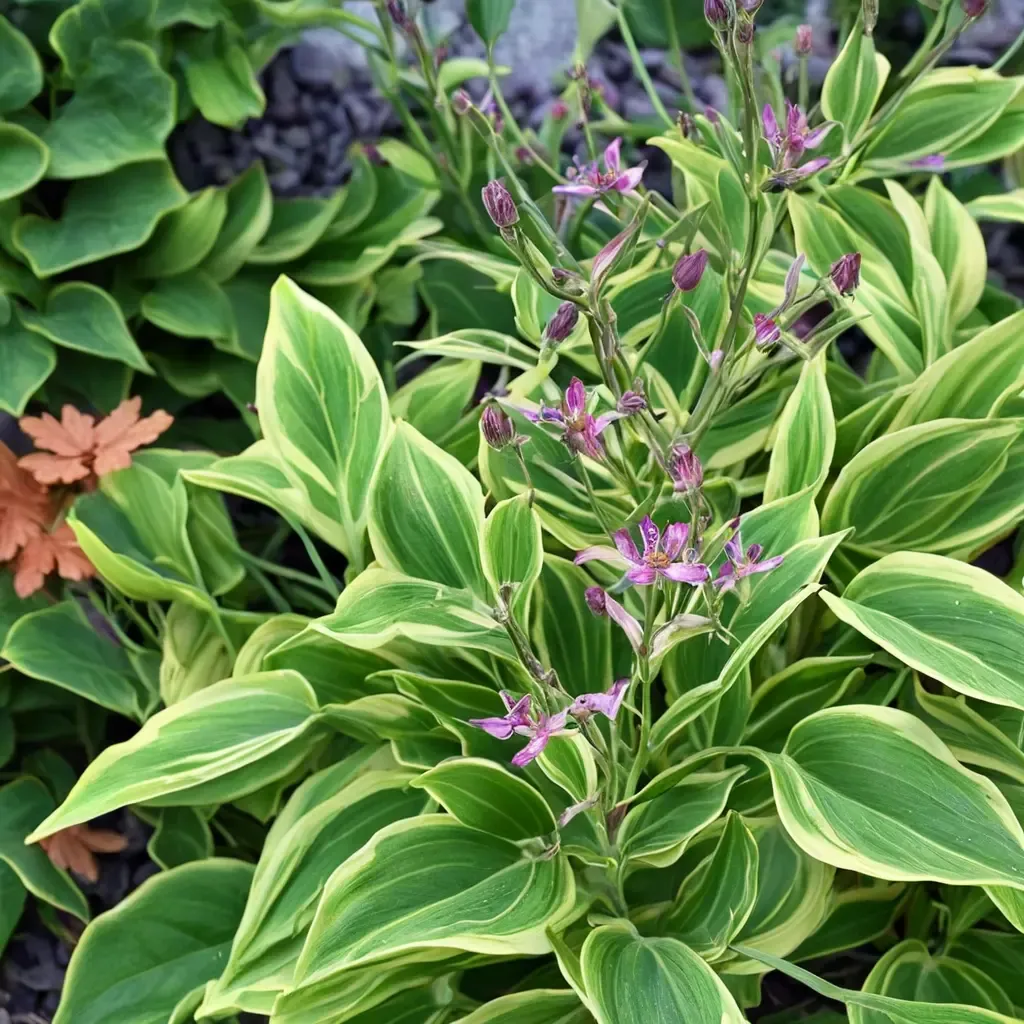
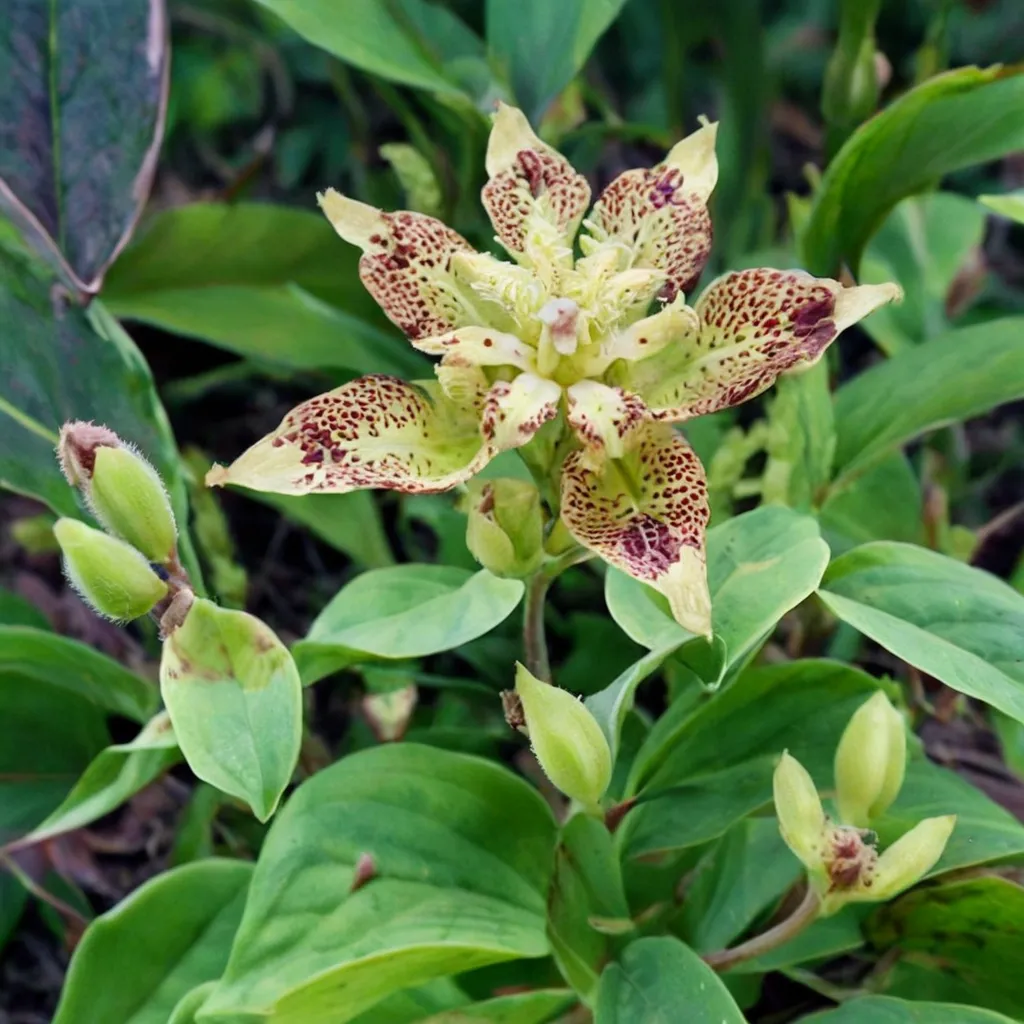
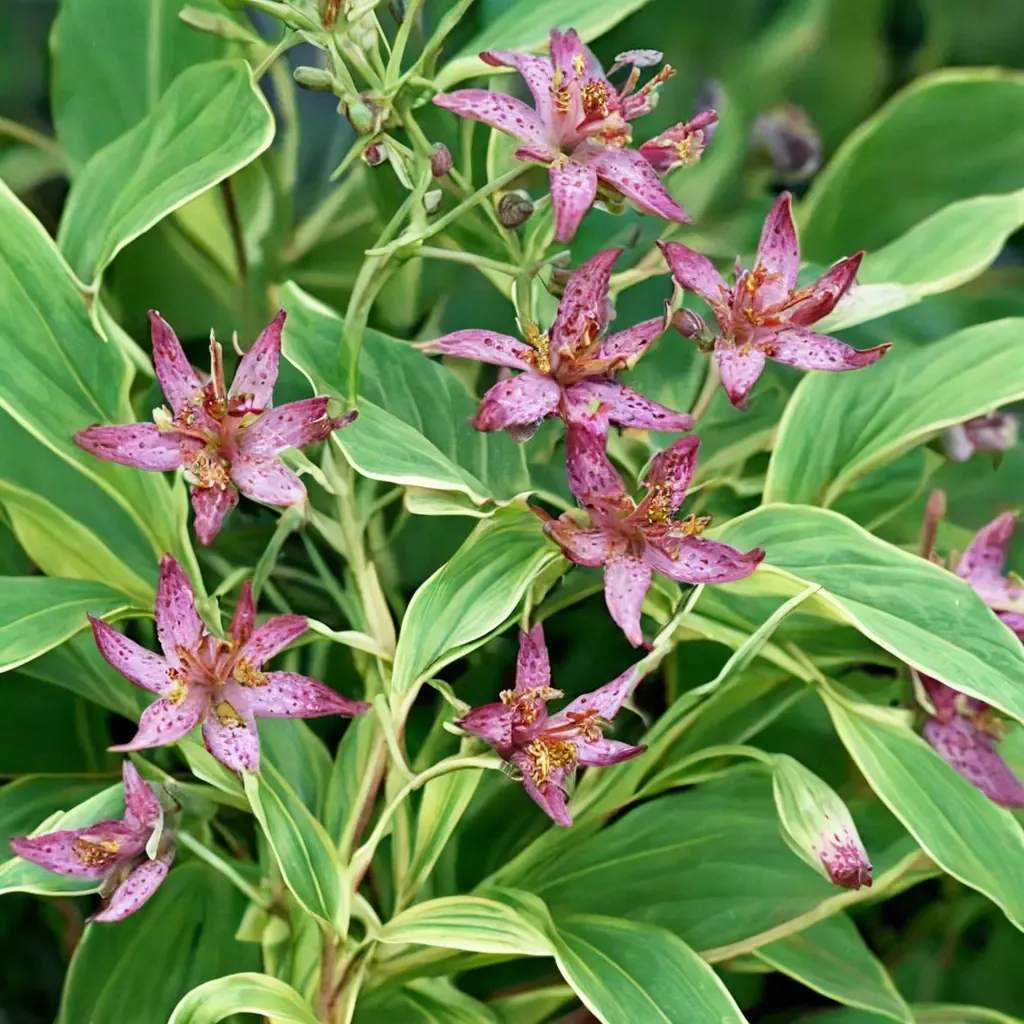

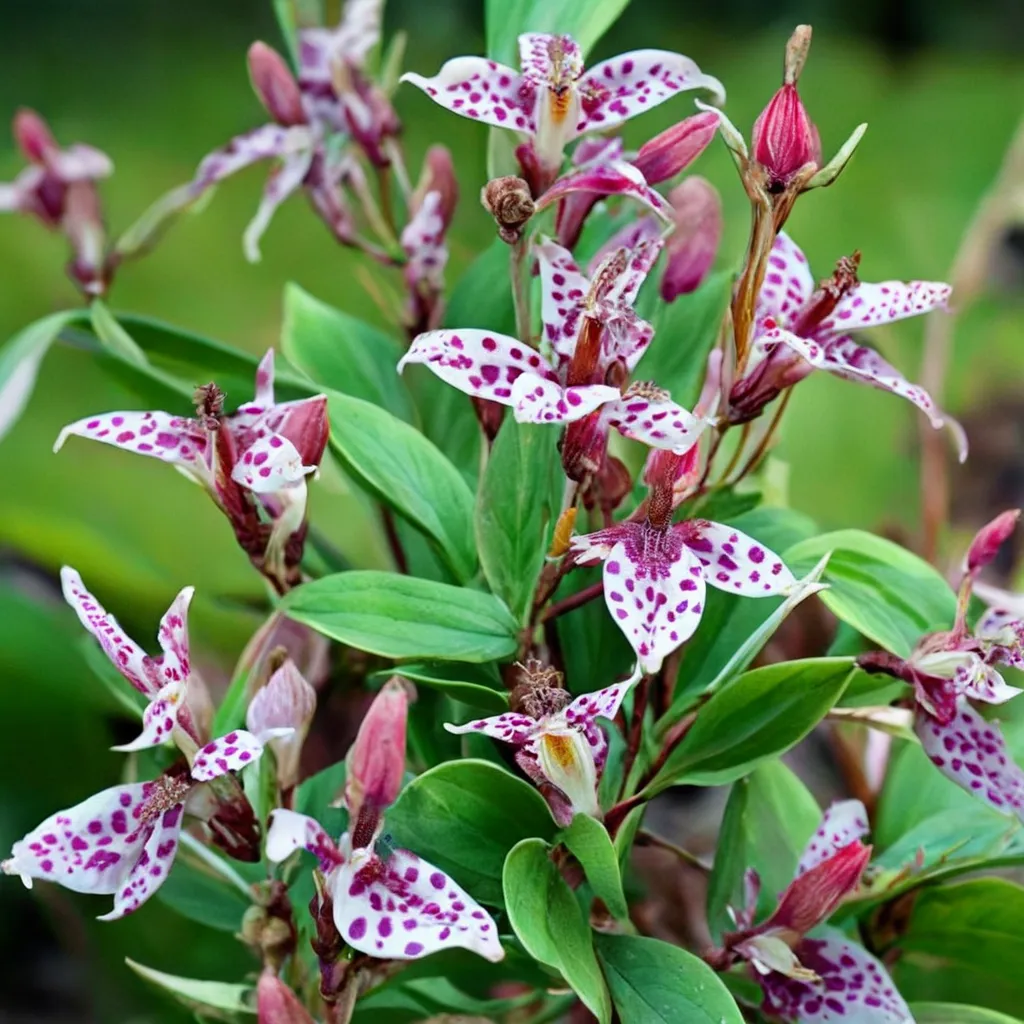
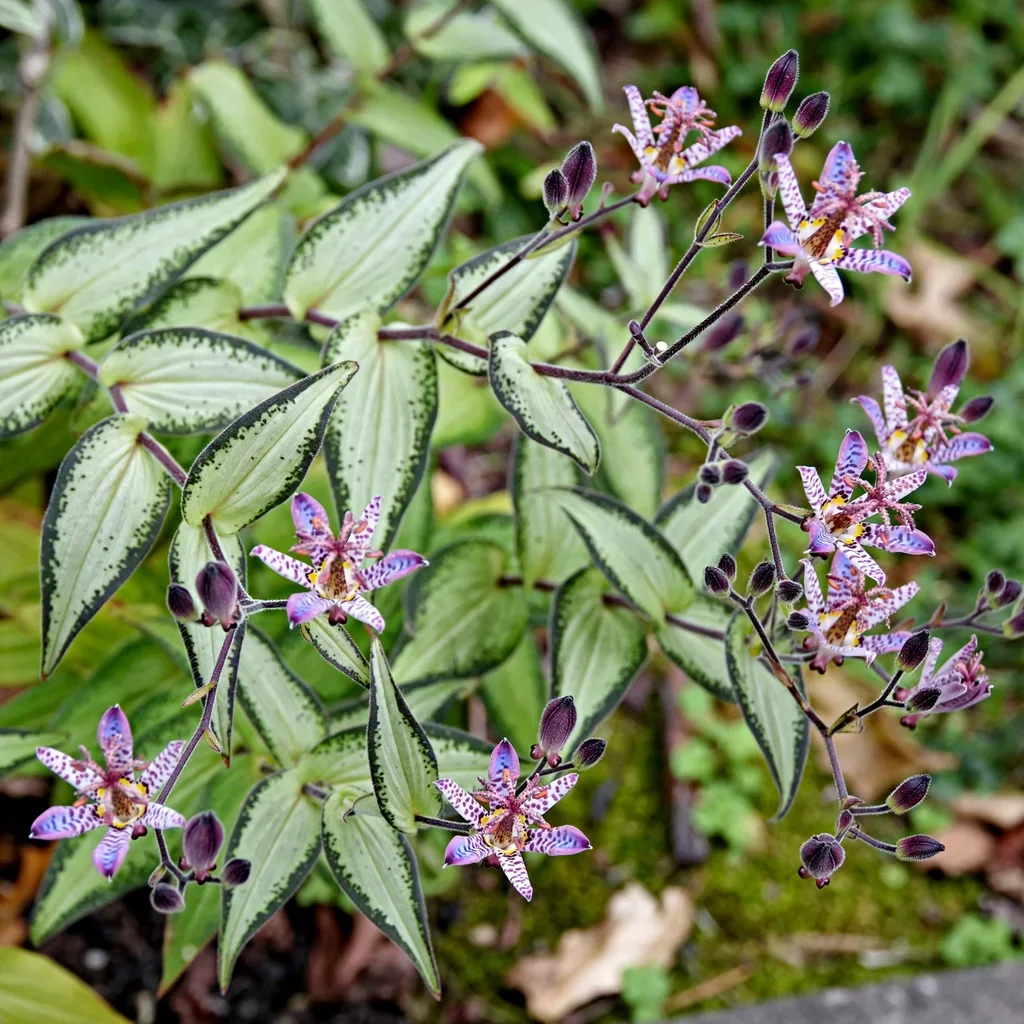
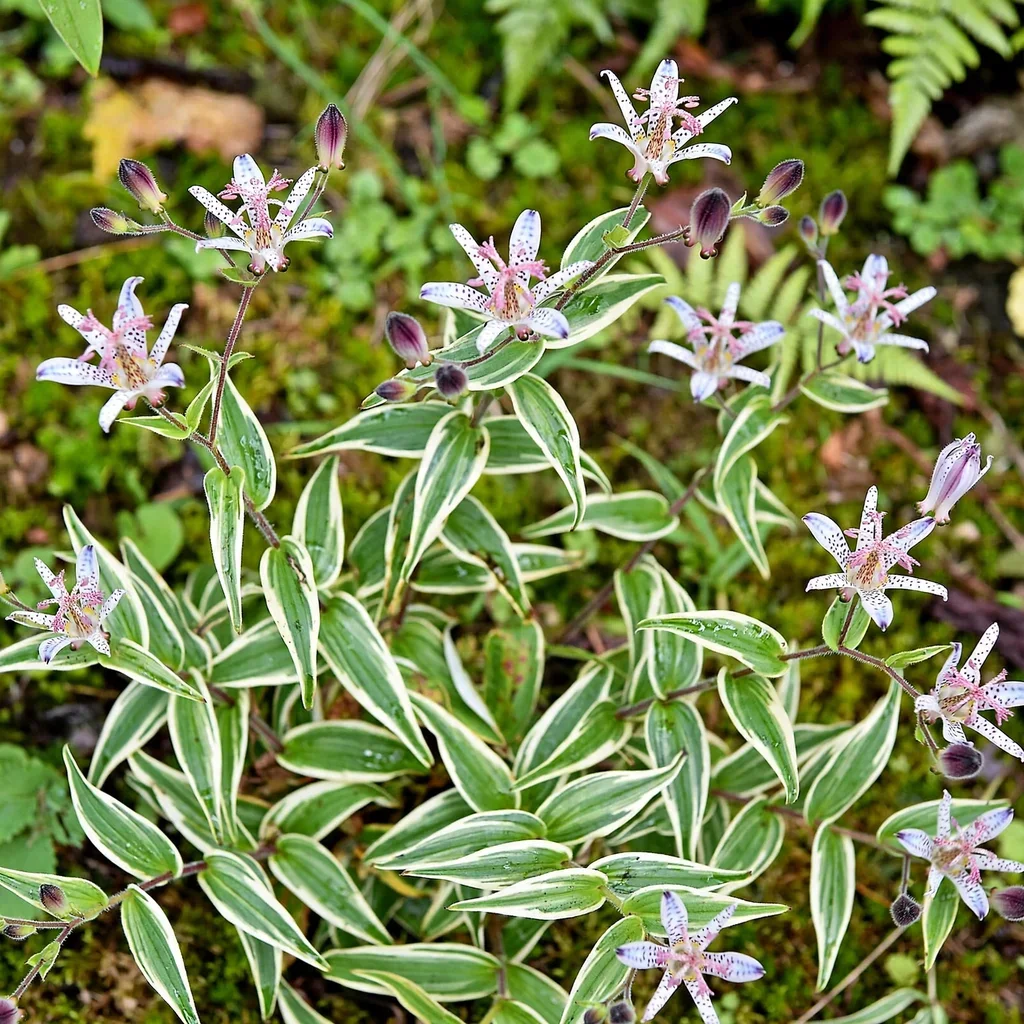
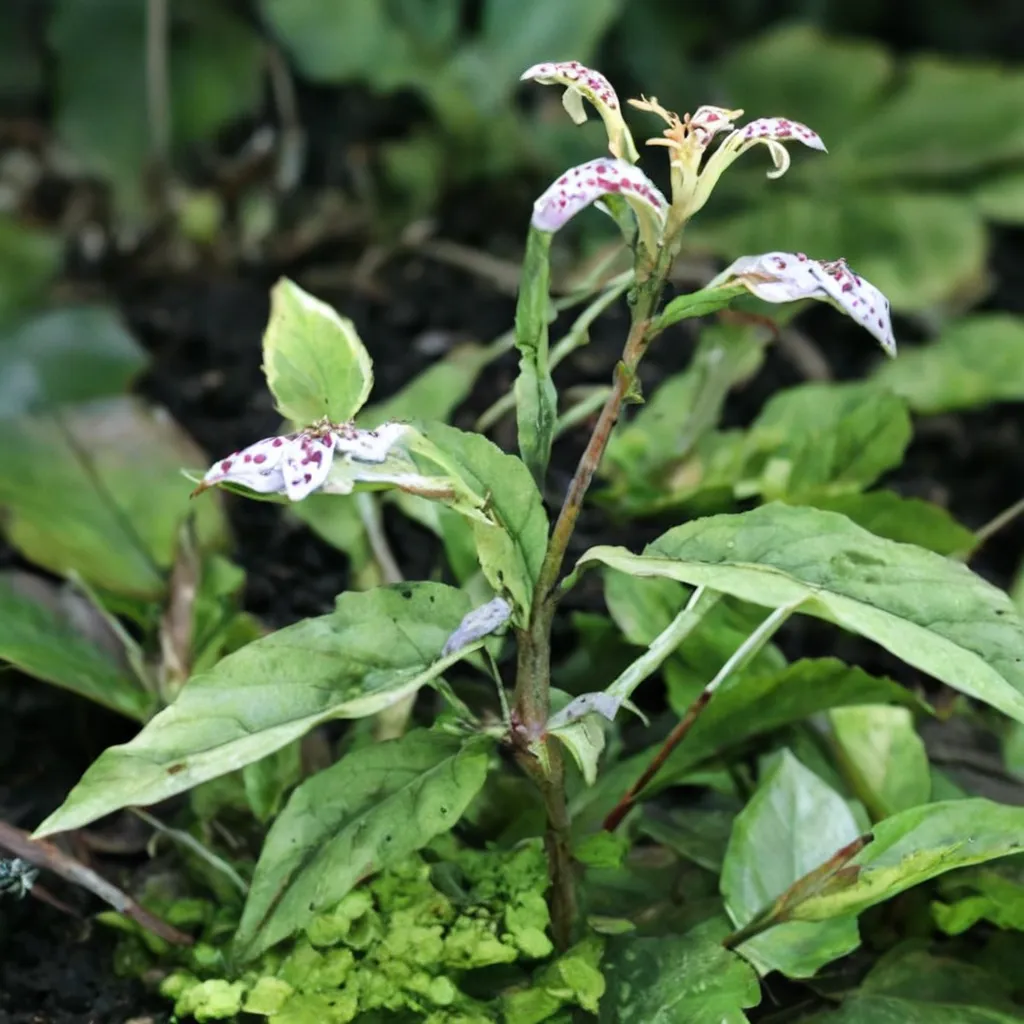
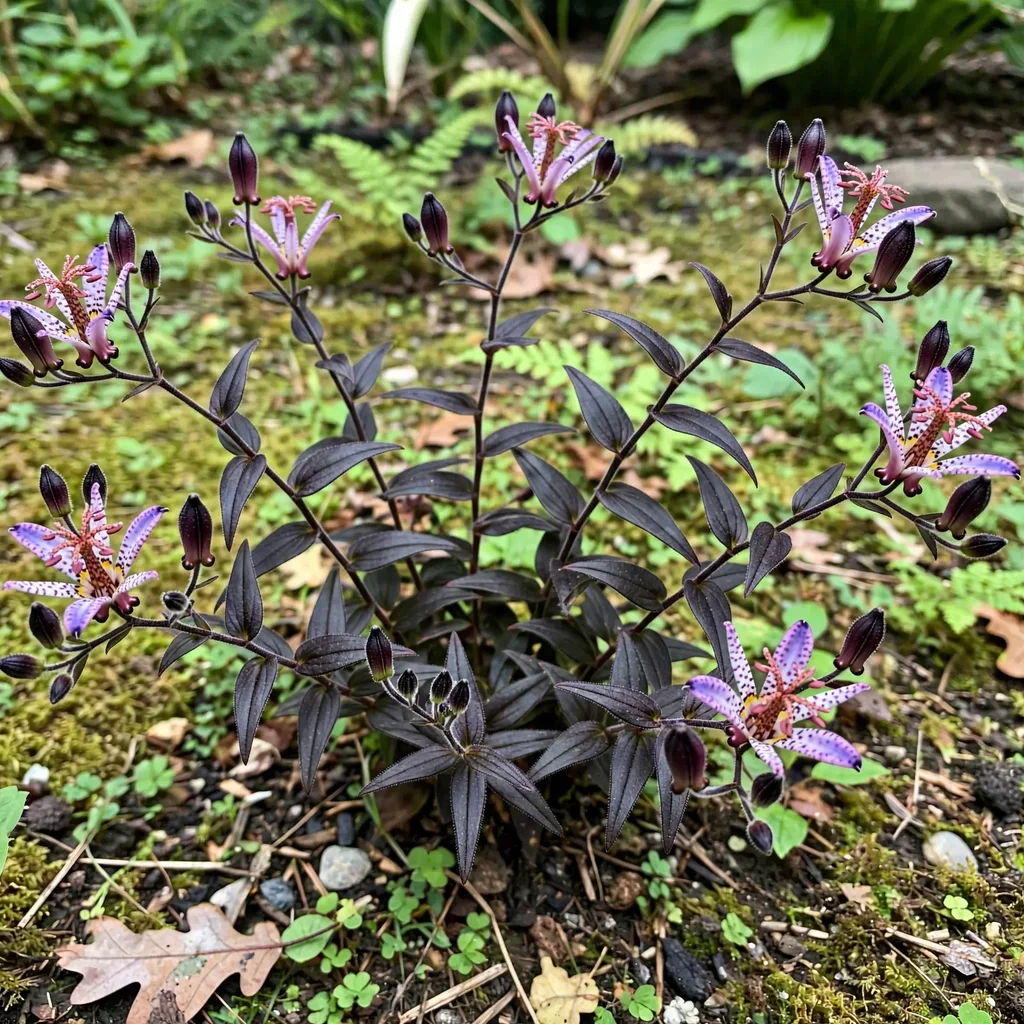
See all 33 Tricyrtis varieties →Search this genus →
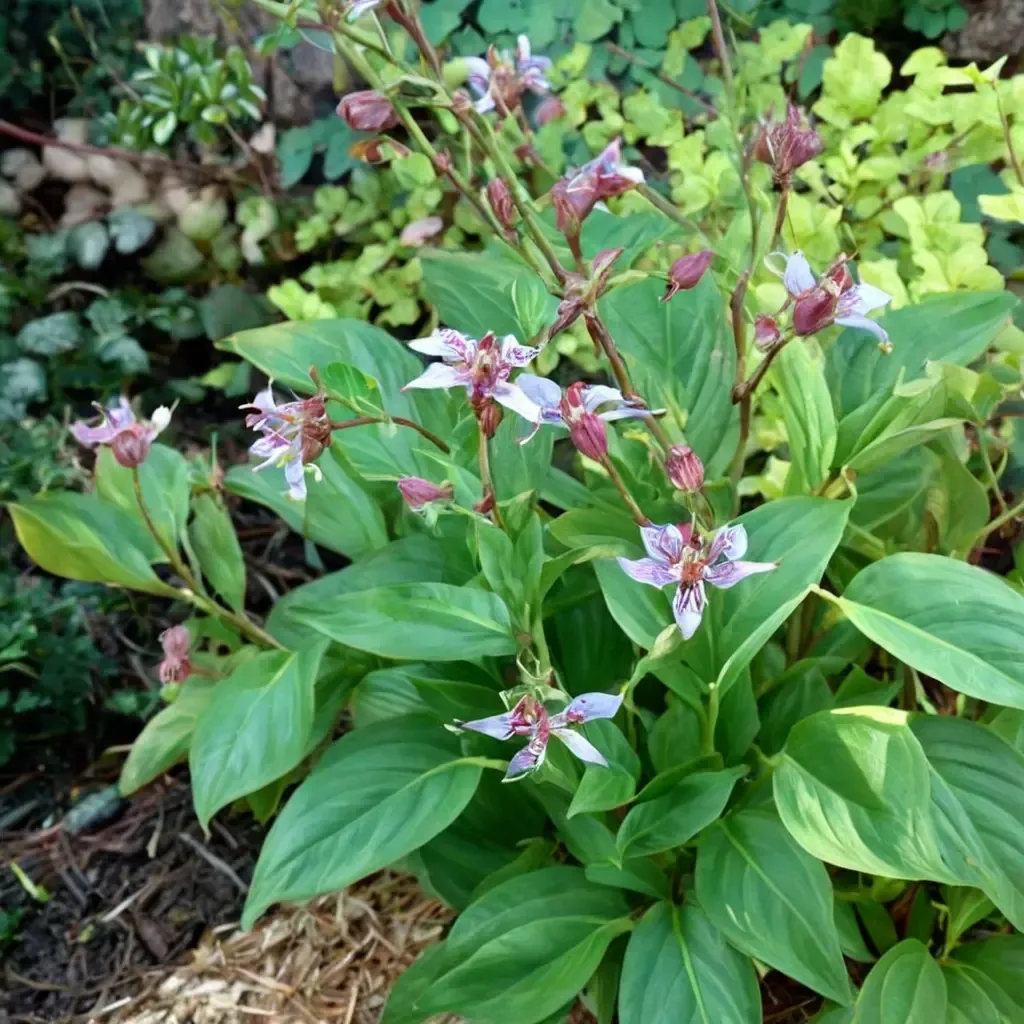
4 species of Tricyrtis
Each one is a parent of the varieties above.
Track your Tricyrtis in Sow
Save the Tricyrtis you grow and get care reminders timed to your zone.
How to grow Tricyrtis
Whats common across all Tricyrtis varieties in our catalog — drawn from the care records of the 33 most-grown of them.
The Tricyrtis year
- DivideApril91% of varieties
Divide crowded clumps every 3-5 years to maintain vigor.
- MulchApril and May82% of varieties
Apply 2 inches of organic mulch to keep roots cool and moist.
- FertilizeApril70% of varieties
Apply a balanced slow-release fertilizer as new growth begins.
- Spring CleanupMarch64% of varieties
Cut back old stems and dead foliage before new growth emerges.
- Check for PestsMay–July48% of varieties
Monitor for slugs and snails, especially in moist conditions
- PlantApril, May and October33% of varieties
Plant or transplant in early spring or early fall.


Do
- Water regularly to keep soil moist 🌱
- Mulch to conserve moisture and suppress weeds
- Water consistently to keep soil moist 🌱
- Apply mulch to conserve moisture
- Mulch around plants to conserve moisture
Avoid
- Avoid overwatering to prevent root rot ❌
- Do not let soil dry out completely
- Refrain from heavy pruning after flowering
- Refrain from heavy fertilizing late in the season
What goes wrong with Tricyrtis
| Problem | What you'll see | What to do |
|---|---|---|
| Aphids | Sticky residue on leaves | Spray with insecticidal soap |
| Slugs | Chewed leaves and slime trails | Handpick or set slug traps |
| Slugs and snails | Ragged holes chewed through the soft new spring foliage, with slime trails nearby | Clear damp hiding places near the clump and use traps or barriers as the shoots emerge |
| Deer and rabbits | New shoots grazed off at ground level in spring, so the clump never develops | Cage or net the crown as growth begins; browsing pressure is heaviest before other greenery is available |
| Botrytis | Gray mold on flowers and stems | Improve air circulation and remove affected parts |
| Root rot | Wilting and yellowing leaves | Improve drainage and reduce watering |
| Gray mold | Gray fuzzy patches on foliage | Improve air circulation and remove affected parts |
Making more Tricyrtis
Division
- Dig up mature plants in early spring.
- Separate clumps with a sharp knife or spade.
- Plant divisions immediately at same depth.
- Water thoroughly and mulch.
Seed
- Sow seeds on moist surface in early spring.
- Keep soil consistently moist.
- Germination takes approximately 2–3 weeks.
- Transplant seedlings when large enough.
Tricyrtis questions
How many types of Tricyrtis are there?
The Sow catalog tracks 33 distinct Tricyrtis varieties. The most popular — ranked by 844 real gardeners — are shown first above.
What zones does Tricyrtis grow in?
Across its varieties, Tricyrtis covers USDA Zones 4–9. Individual varieties differ — each plant page lists its exact range, and Sow filters the catalog to your zone automatically.
When does Tricyrtis bloom?
Most Tricyrtis varieties bloom in late summer to early fall, mid-summer, late summer to early fall. Staggering early, mid, and late varieties extends the genus's season in one bed.
Which Tricyrtis should I choose?
Start from the most-saved varieties above — popularity across thousands of gardens is a strong signal of reliability — then filter by your zone and sun. In the Sow app you can preview any of them in a photo of your actual yard before you buy.