Also known as Amaryllis · 143 saves
Hippeastrum
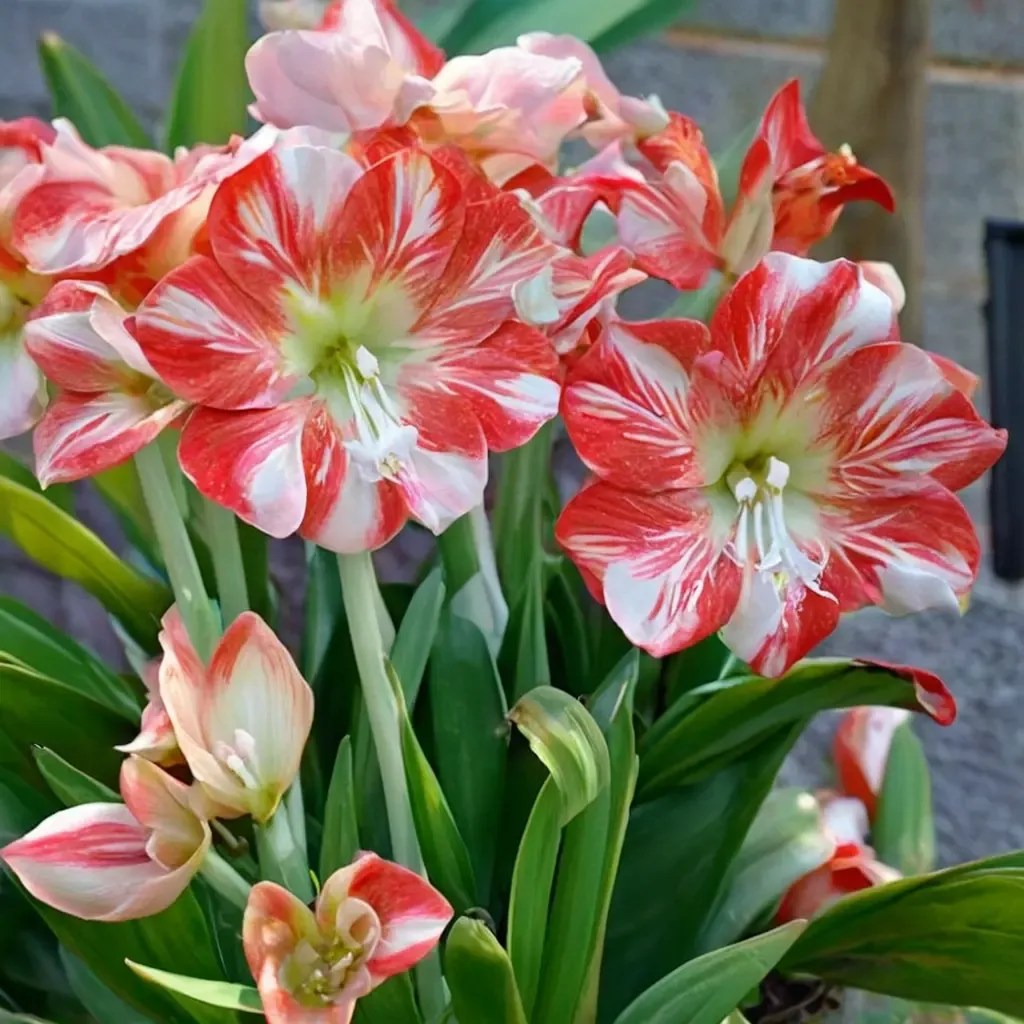
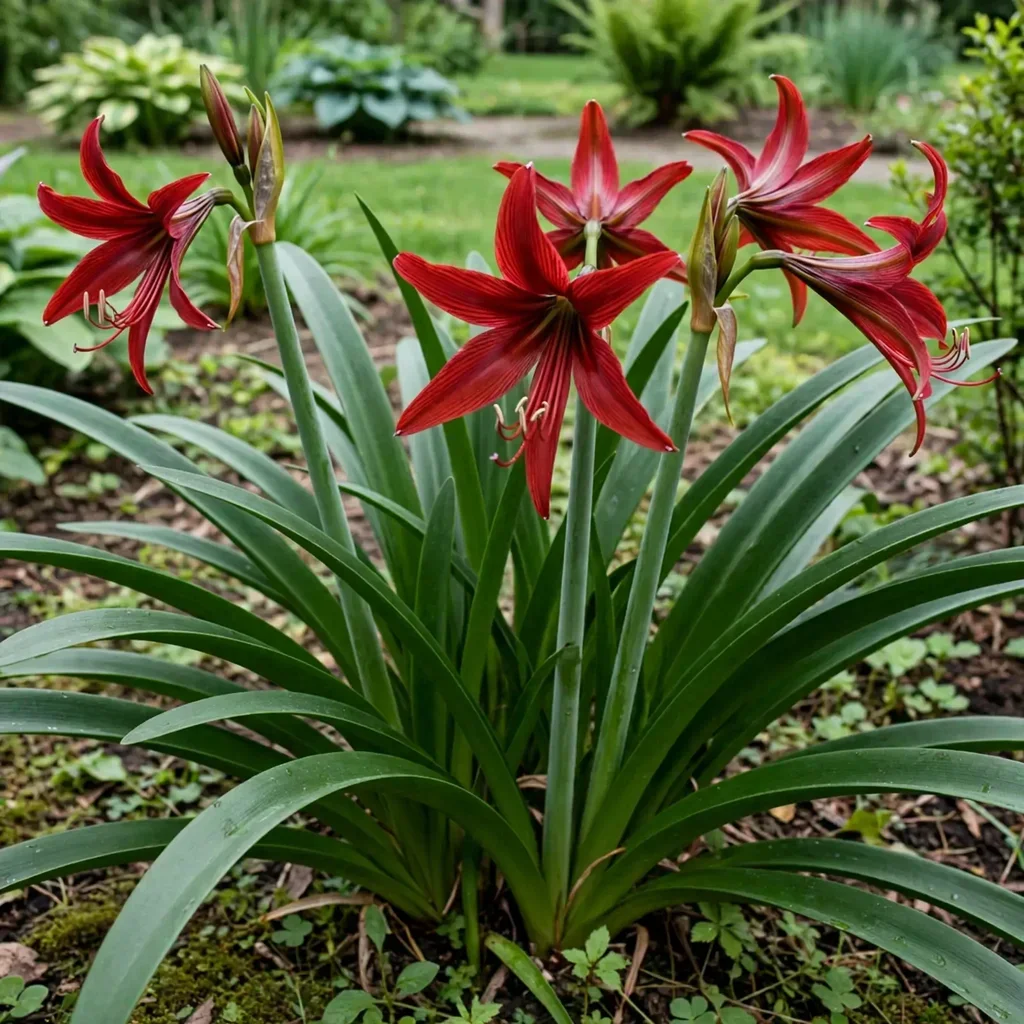
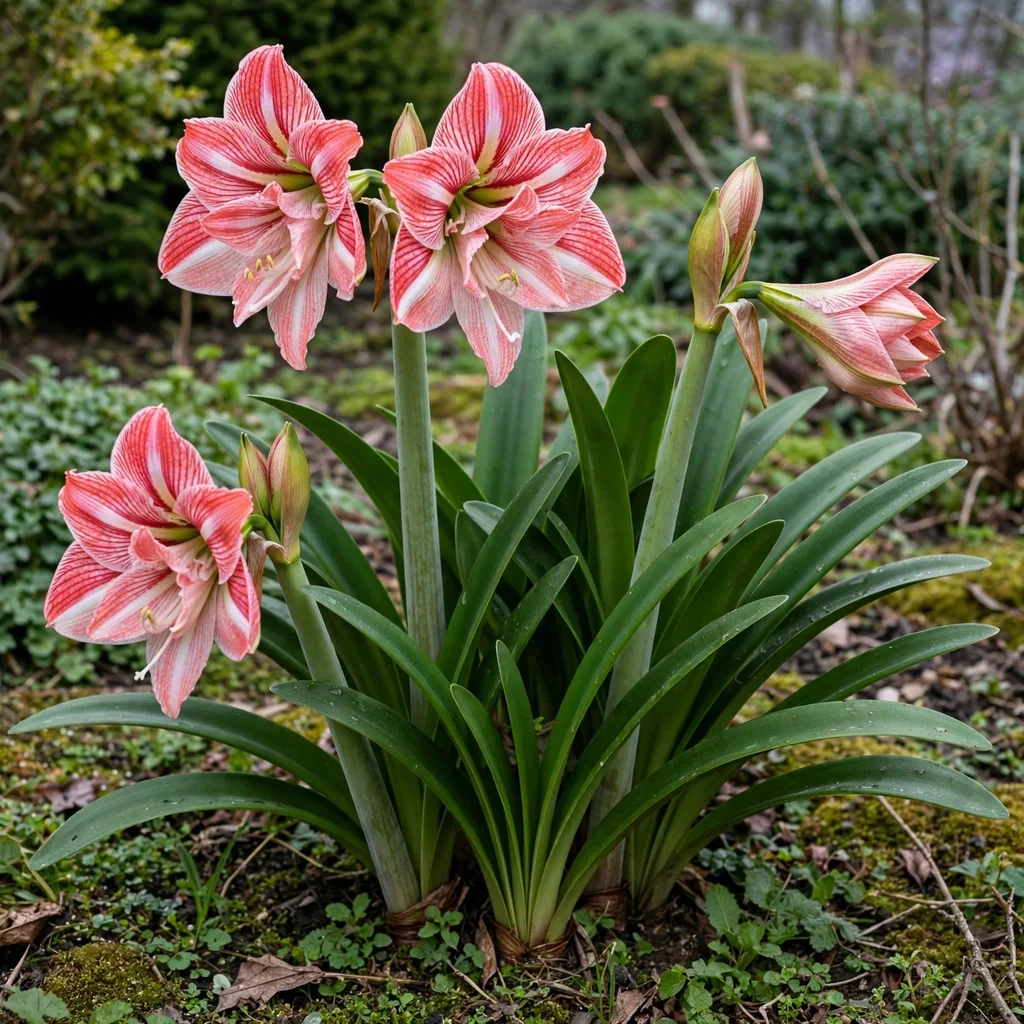
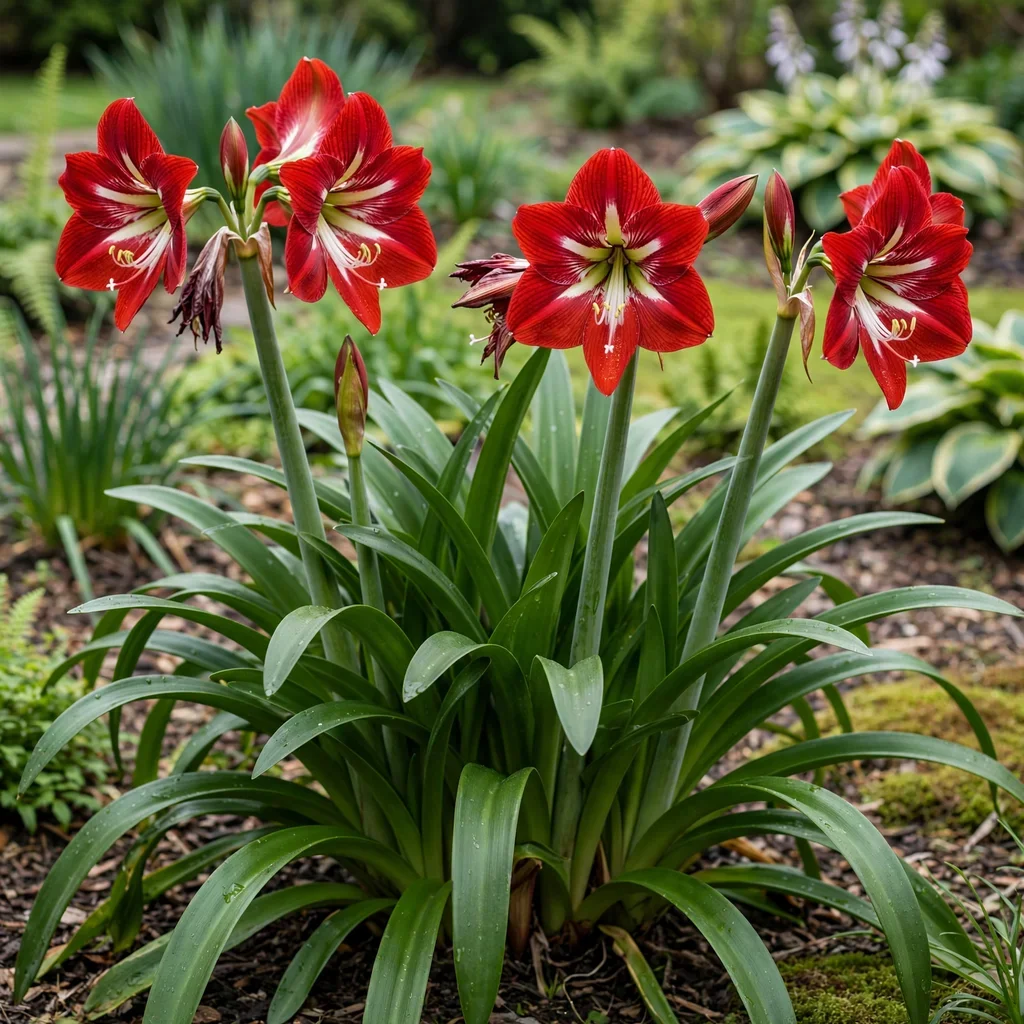
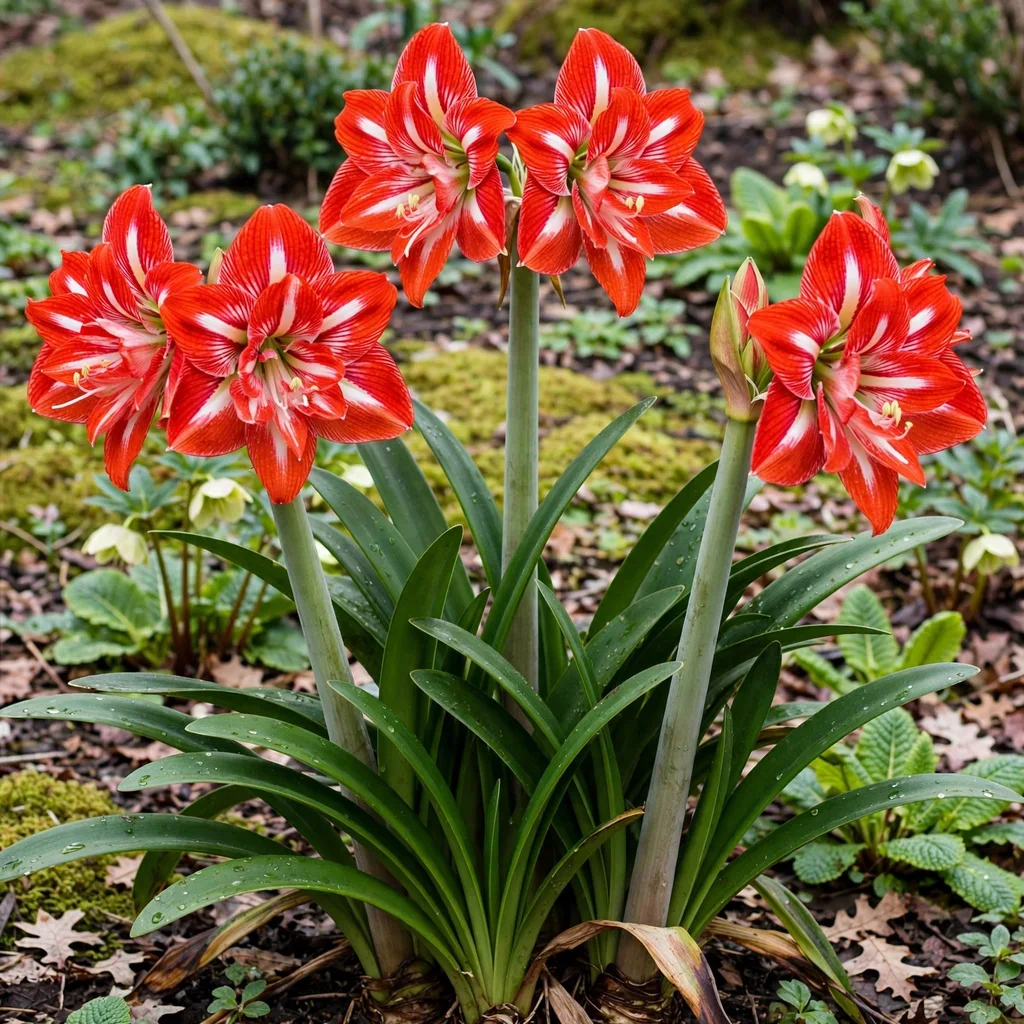
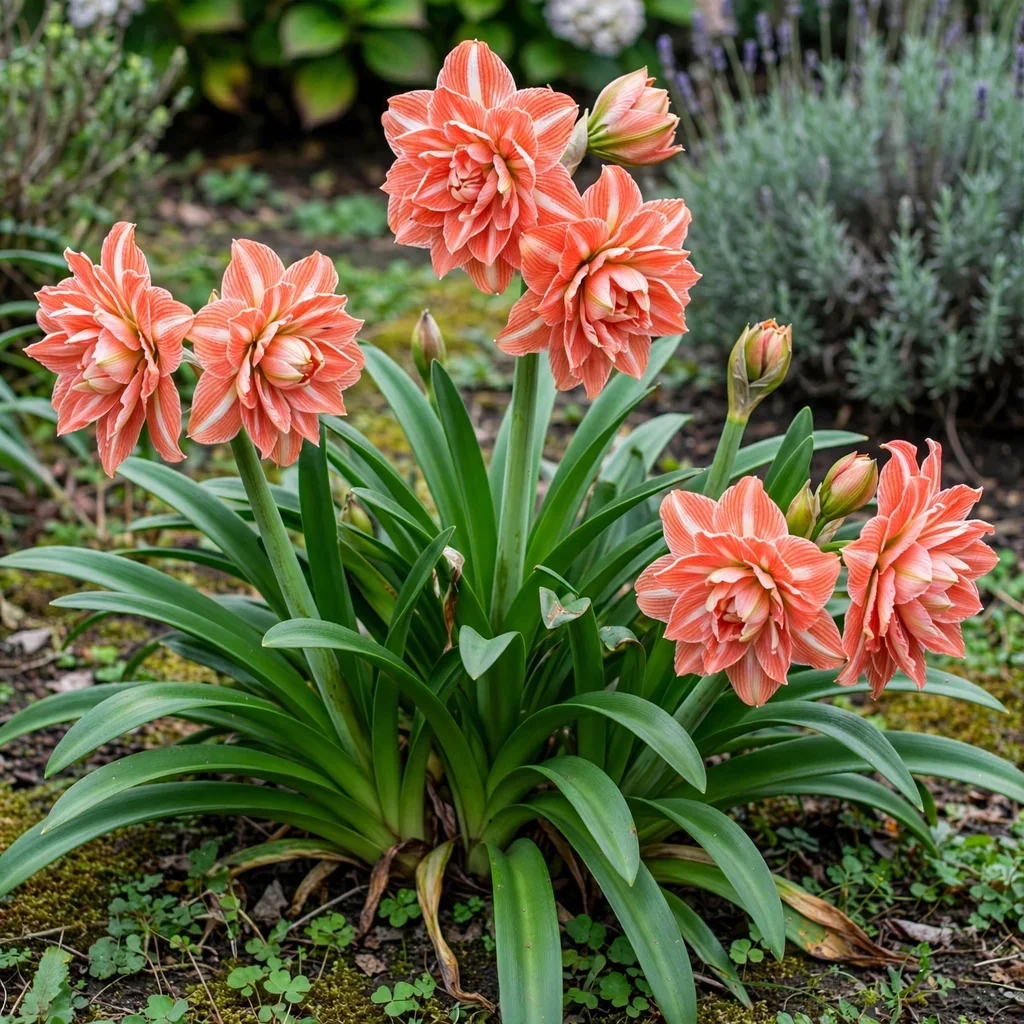
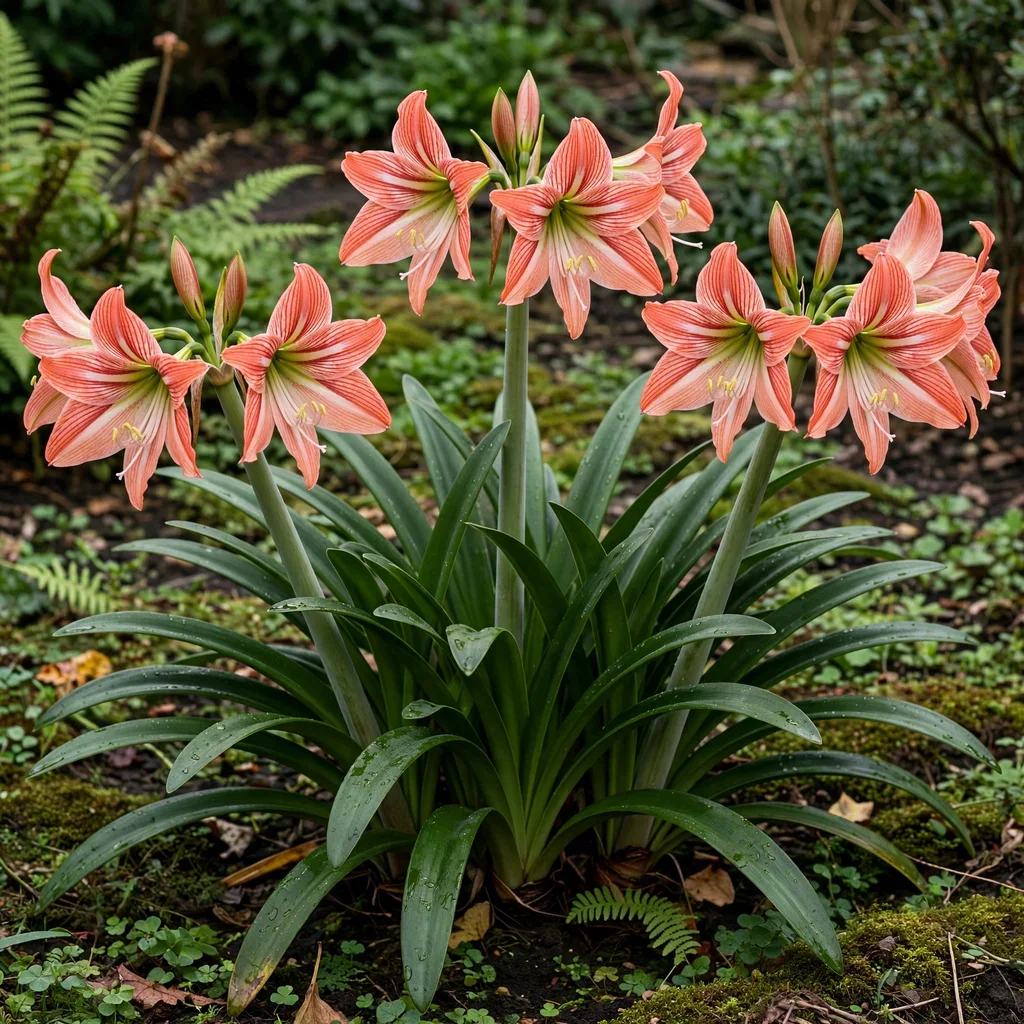
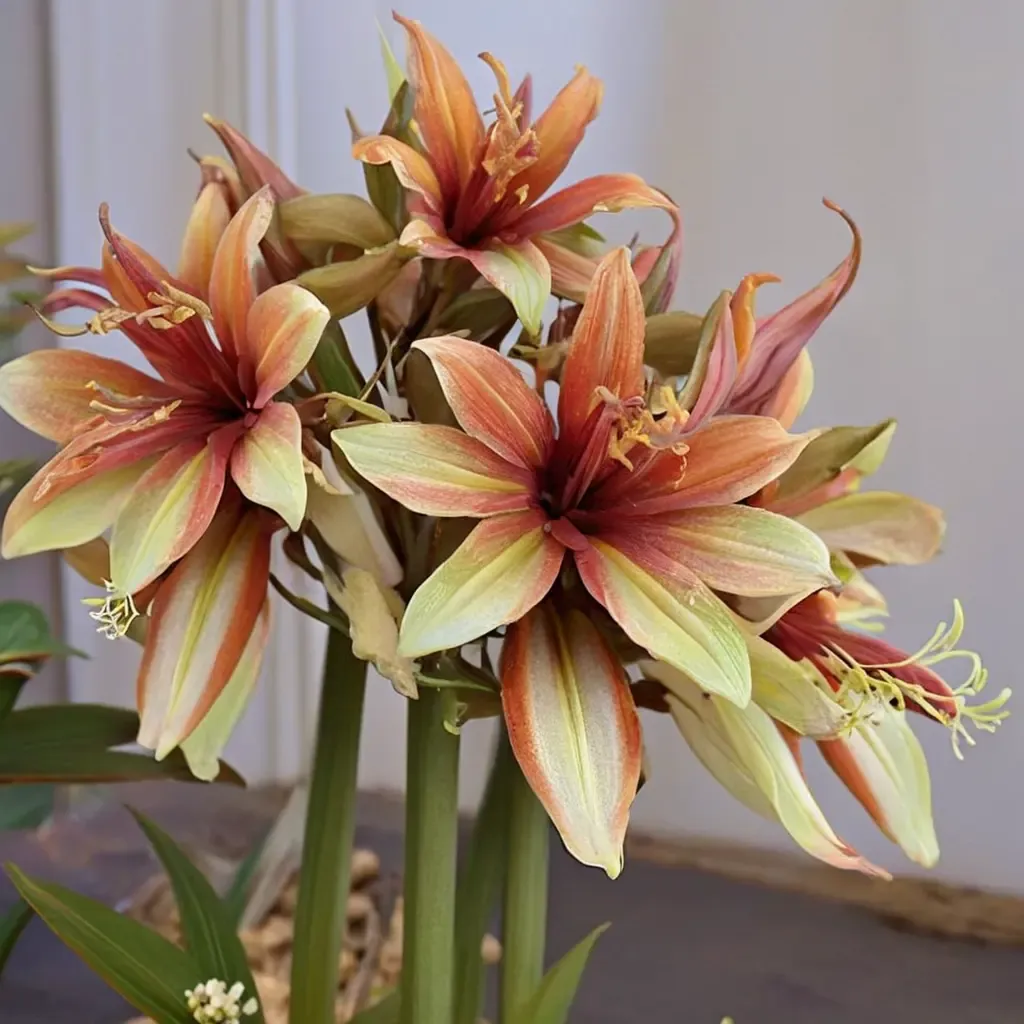
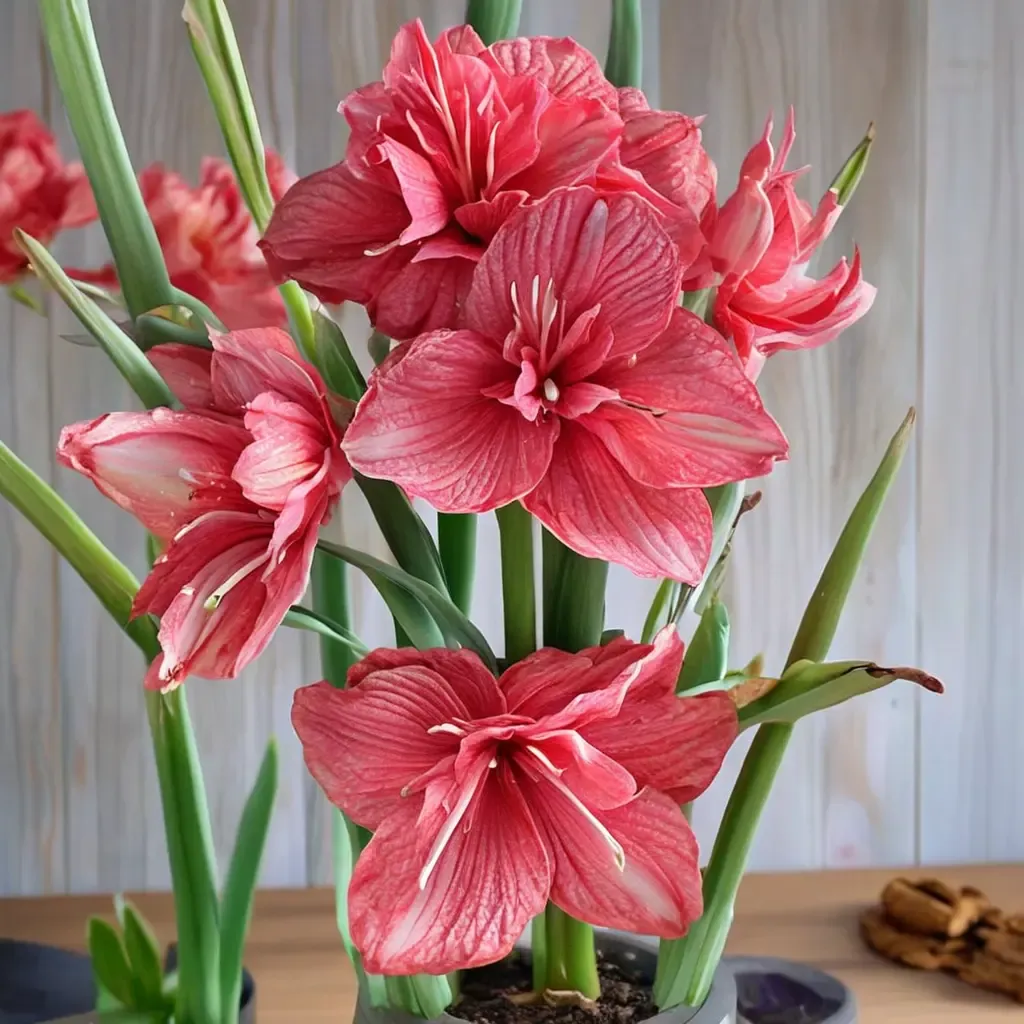
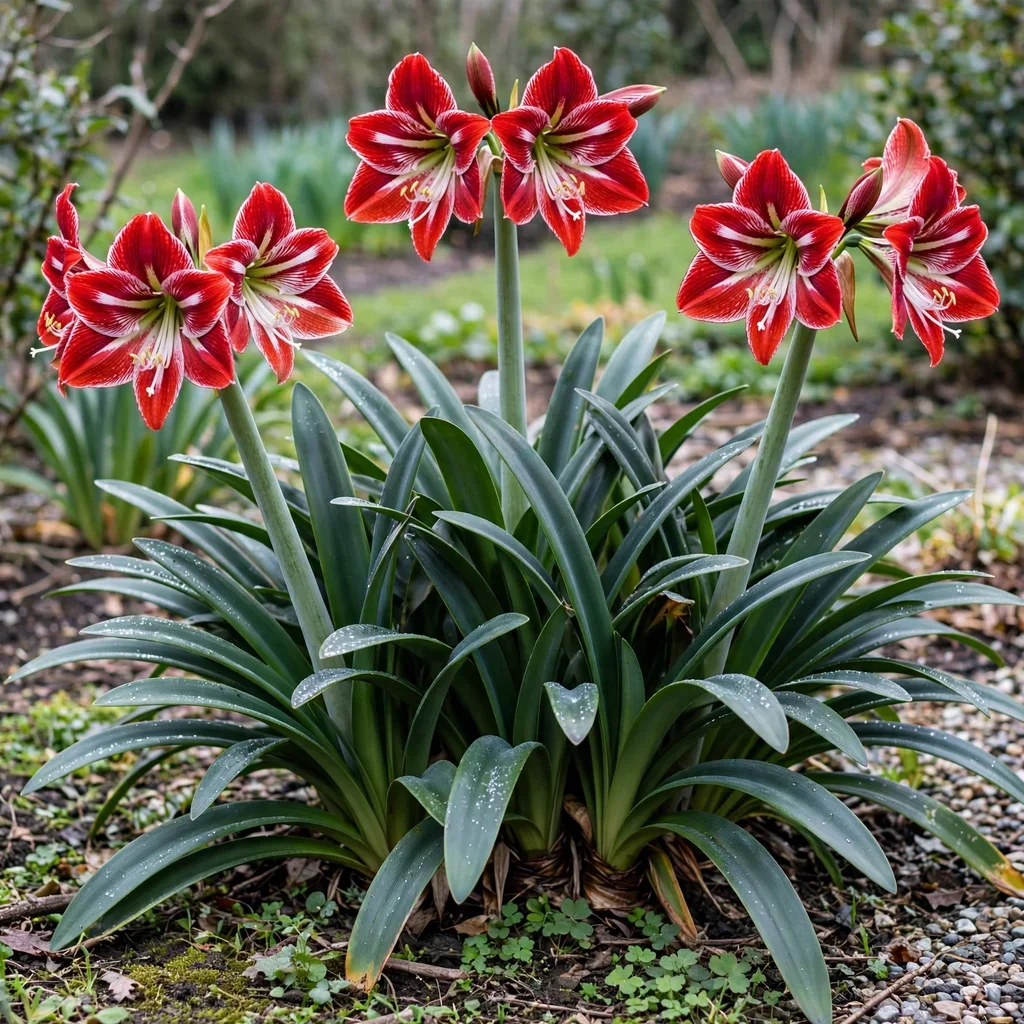
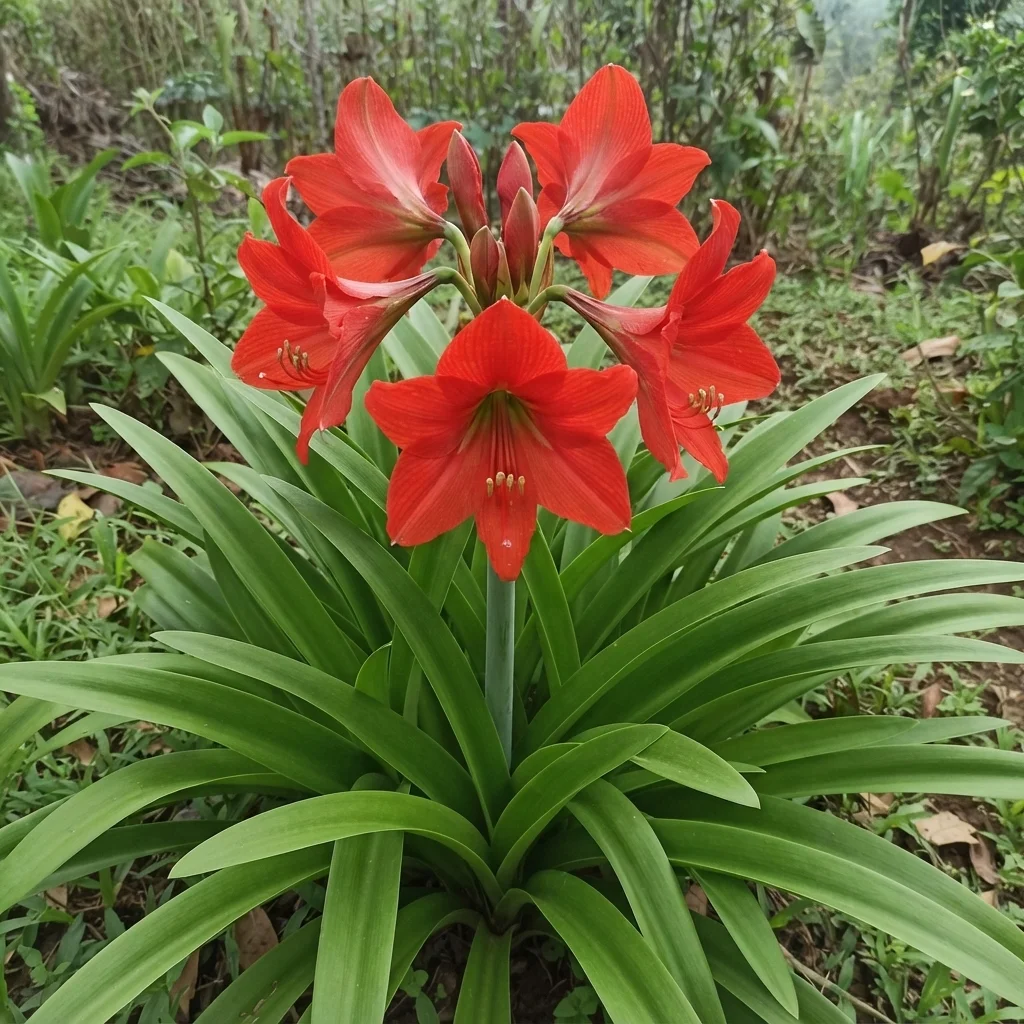
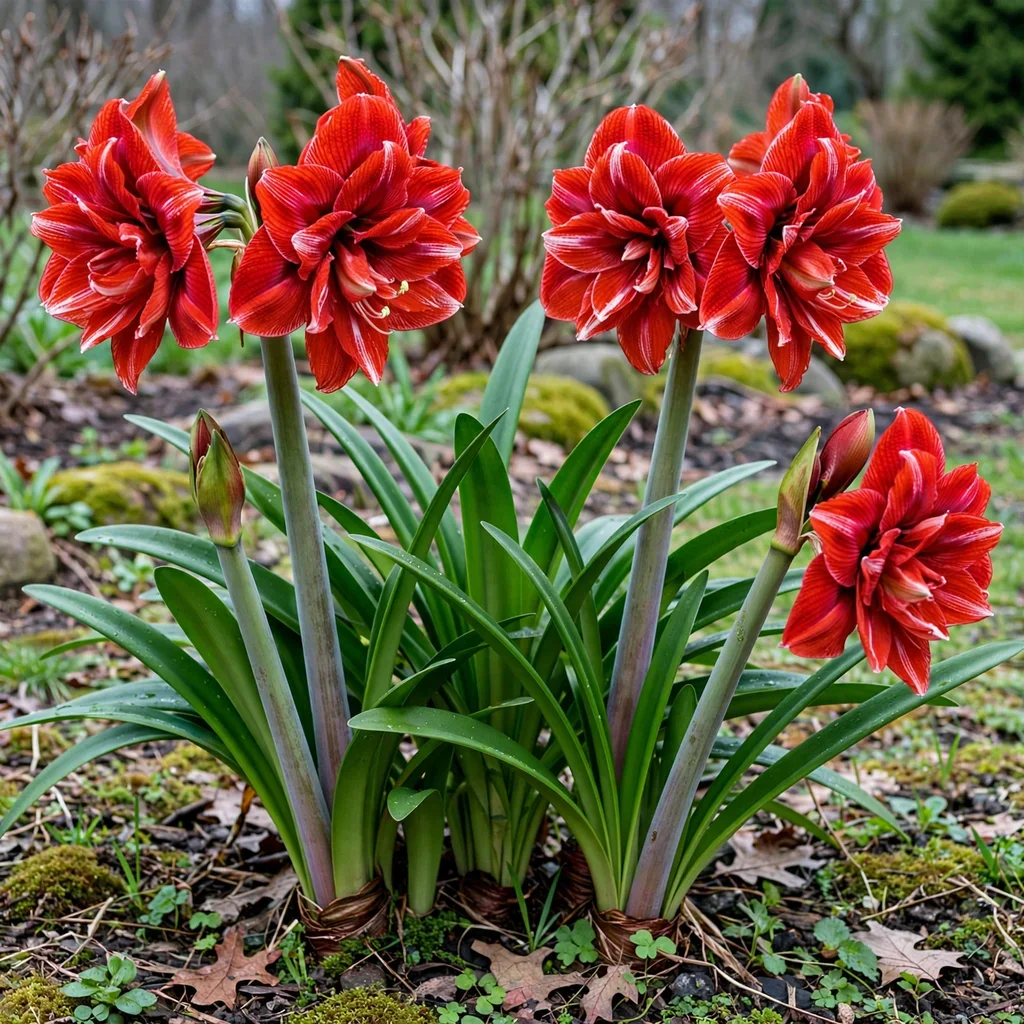
Hippeastrum, the genus most gardeners know as amaryllis. We track 27 varieties; the ones most used by real gardeners.
The 24 most-saved Hippeastrum varieties
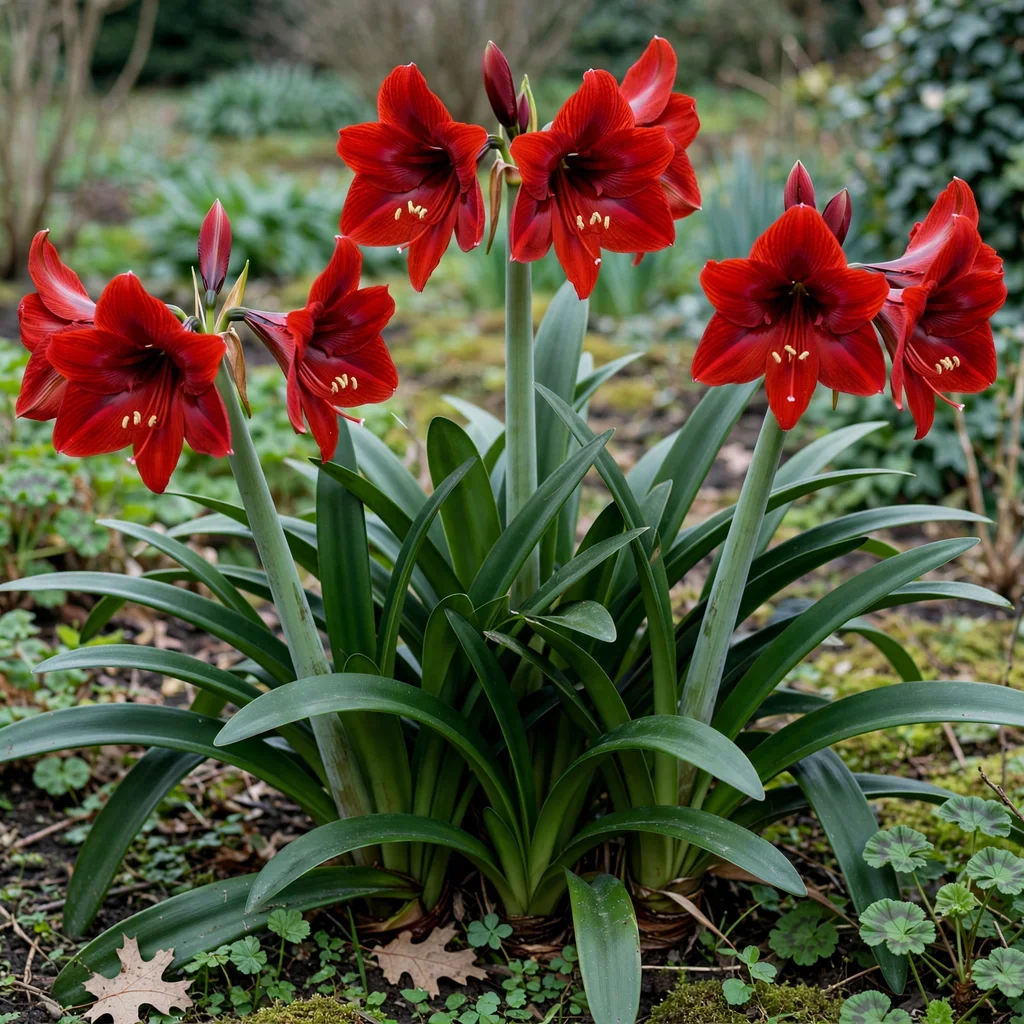
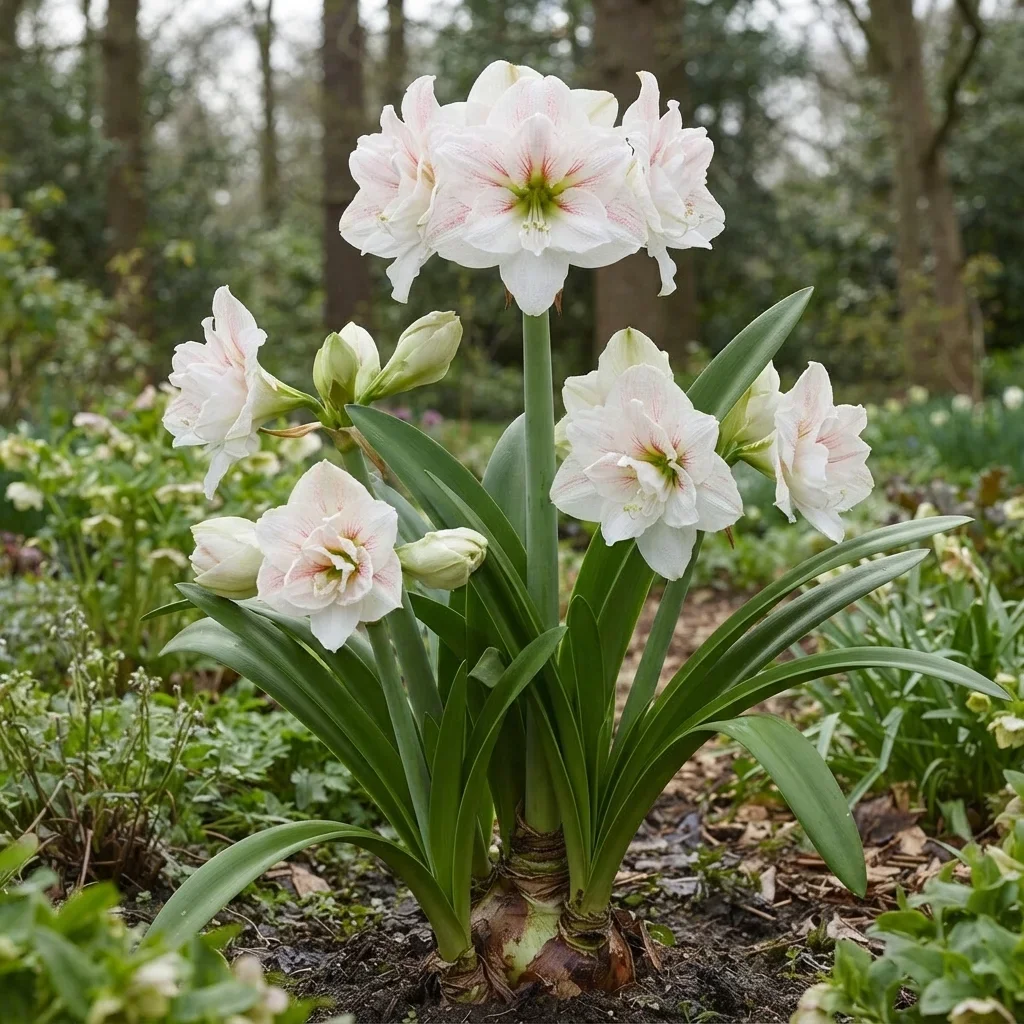
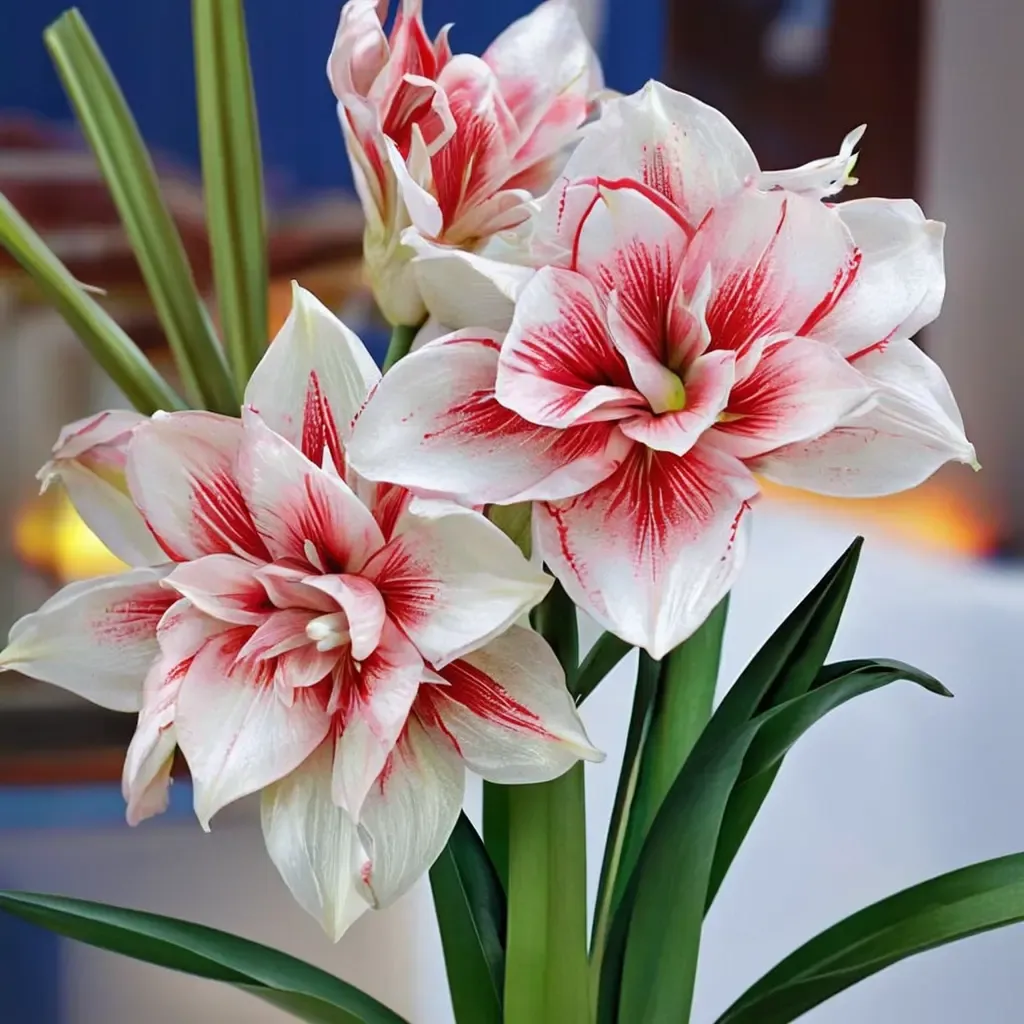
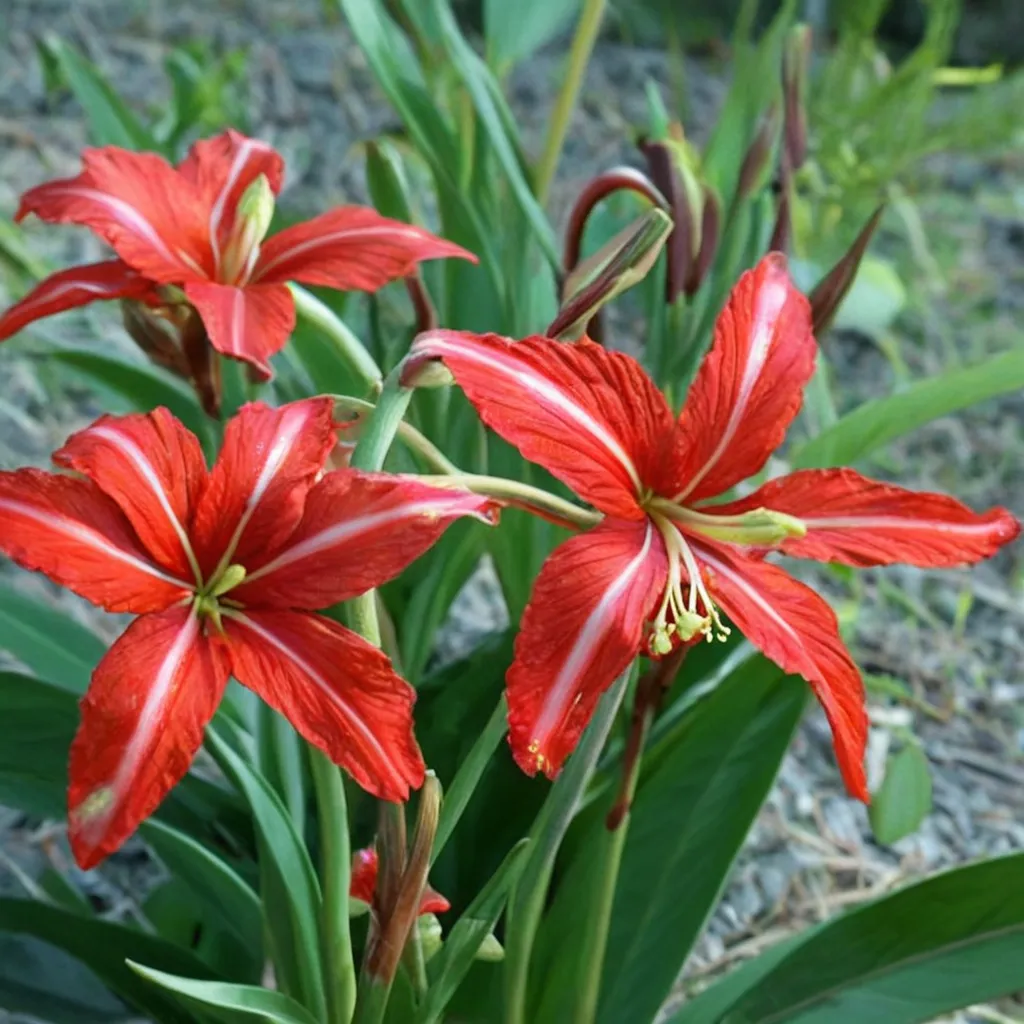
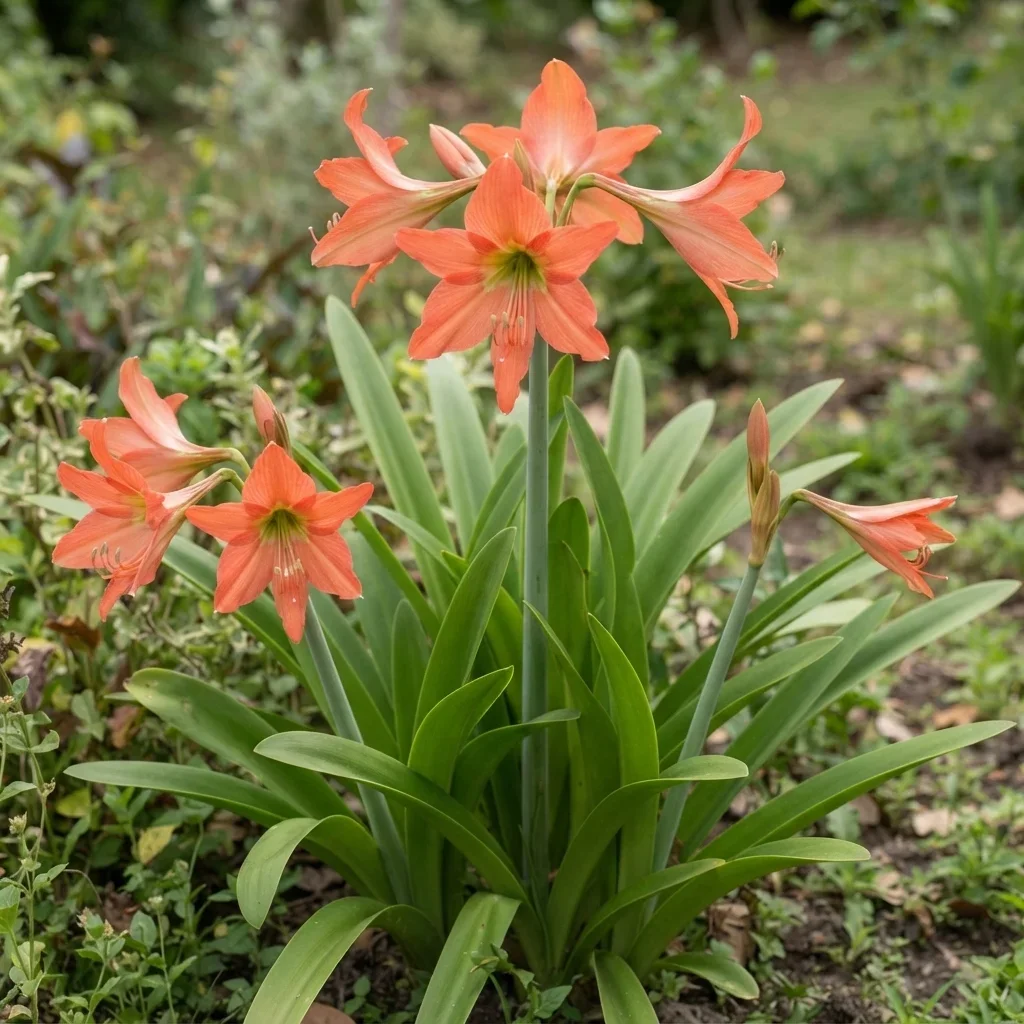
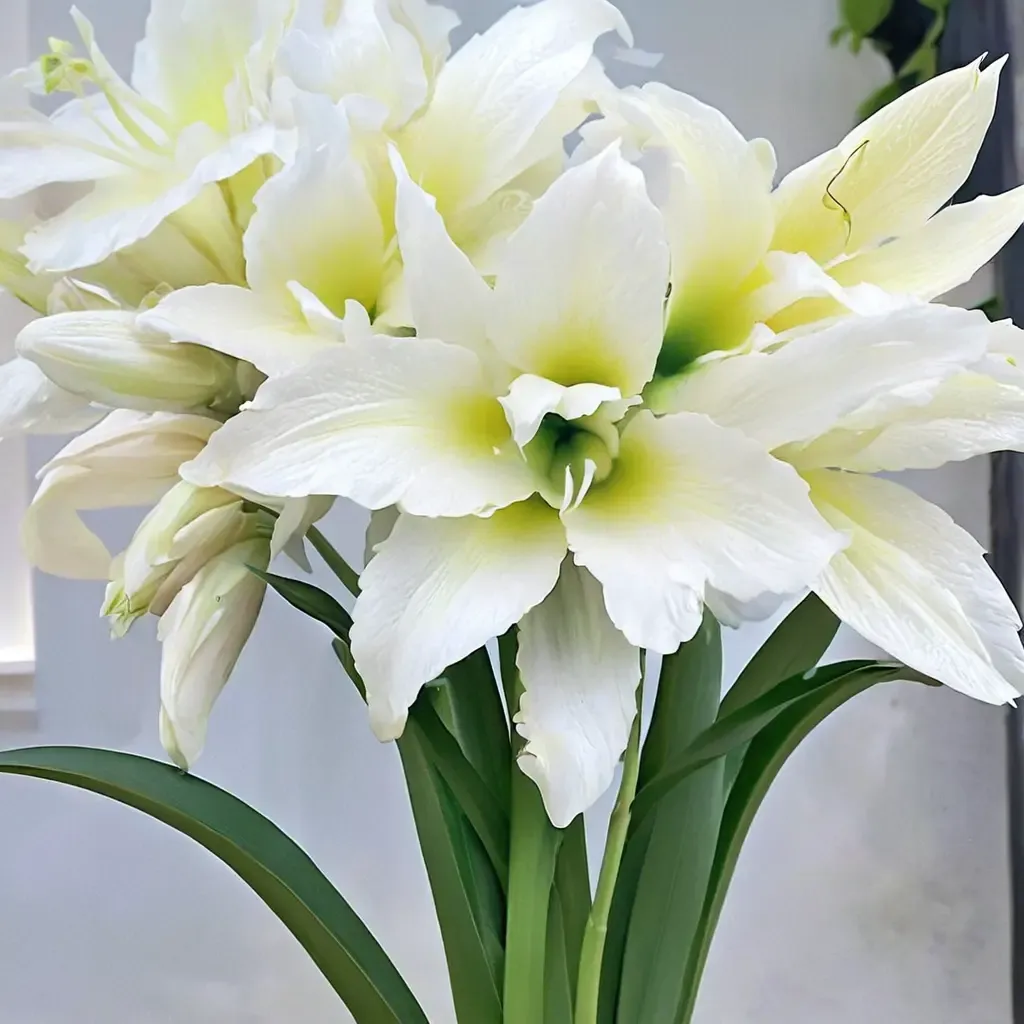
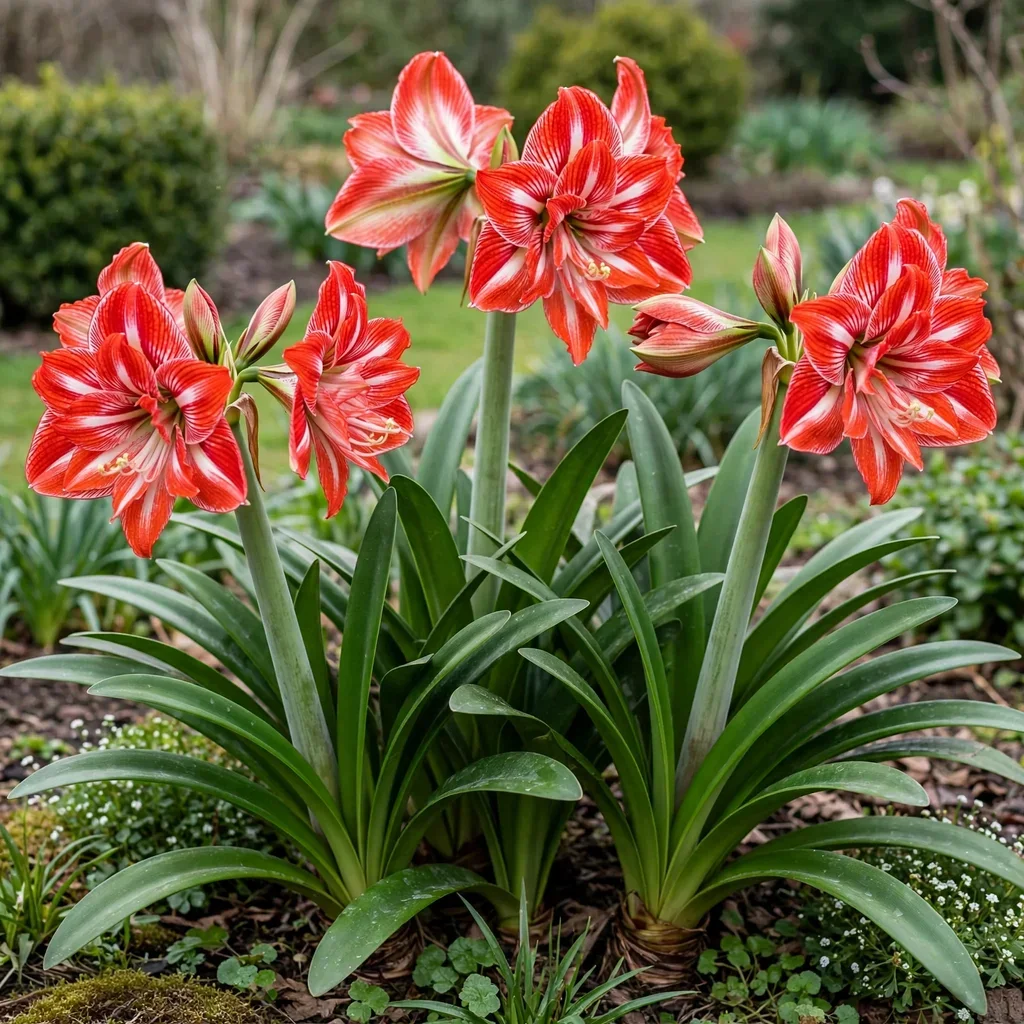
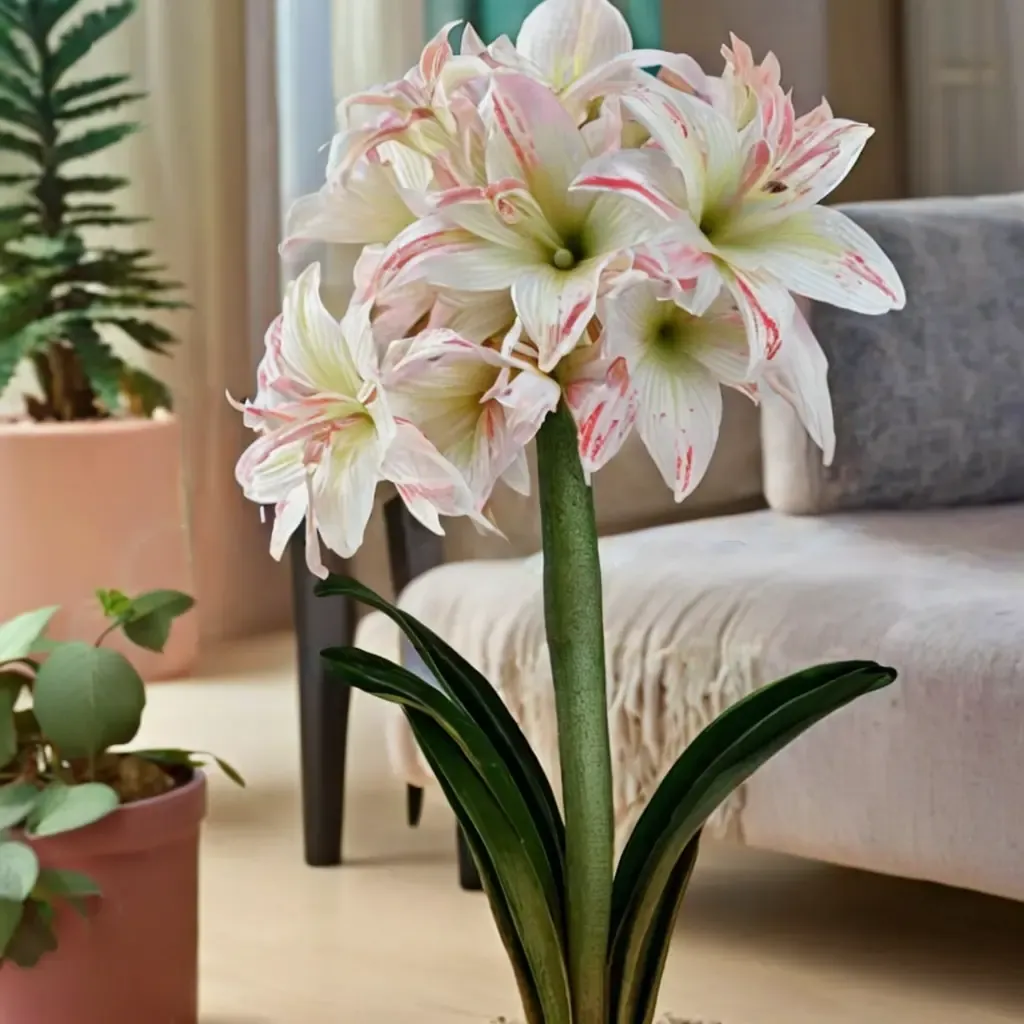
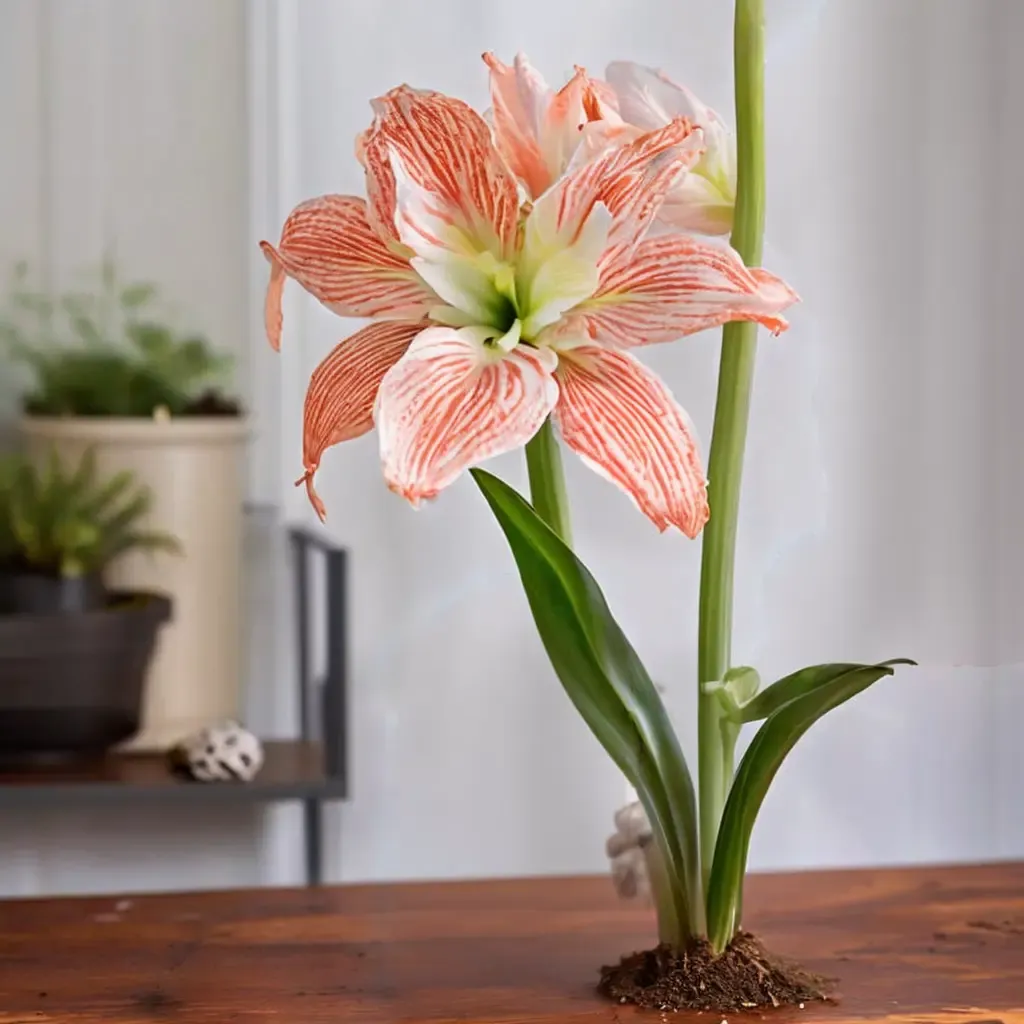
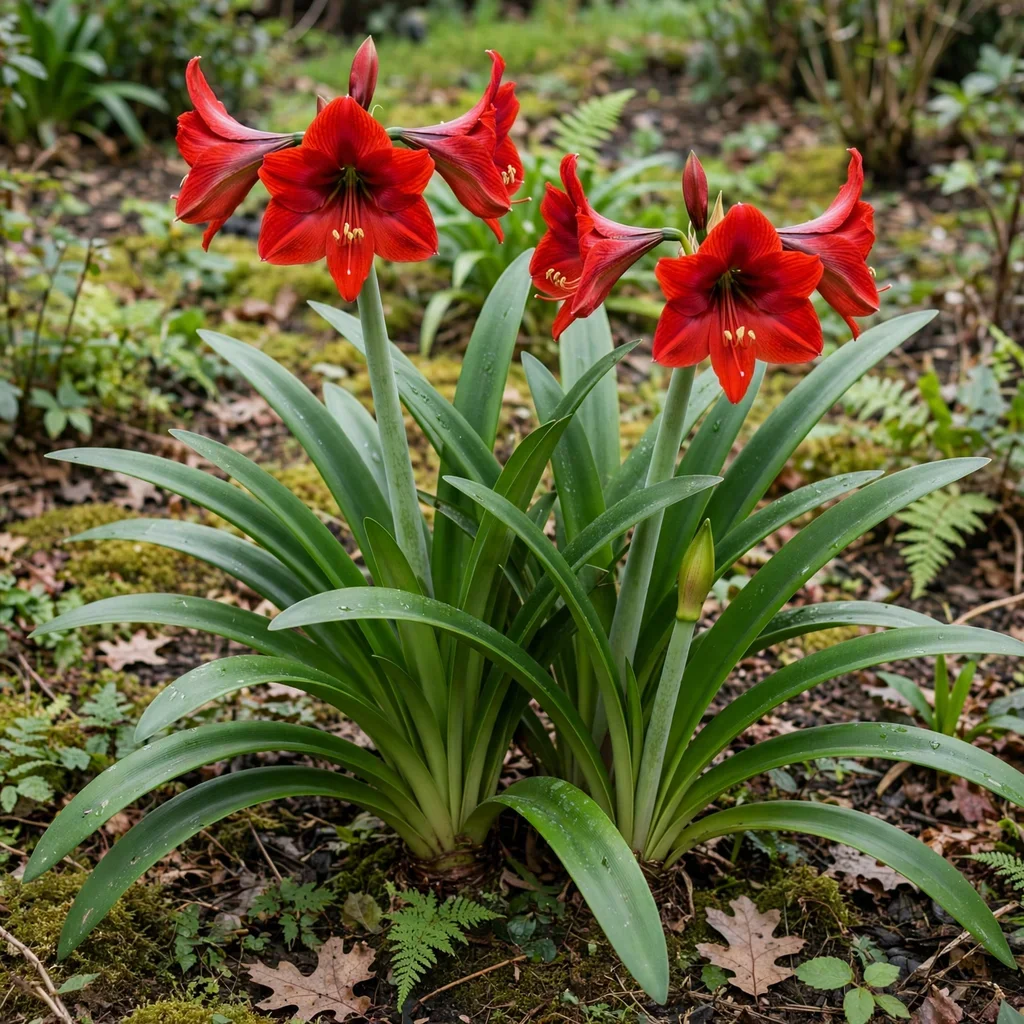
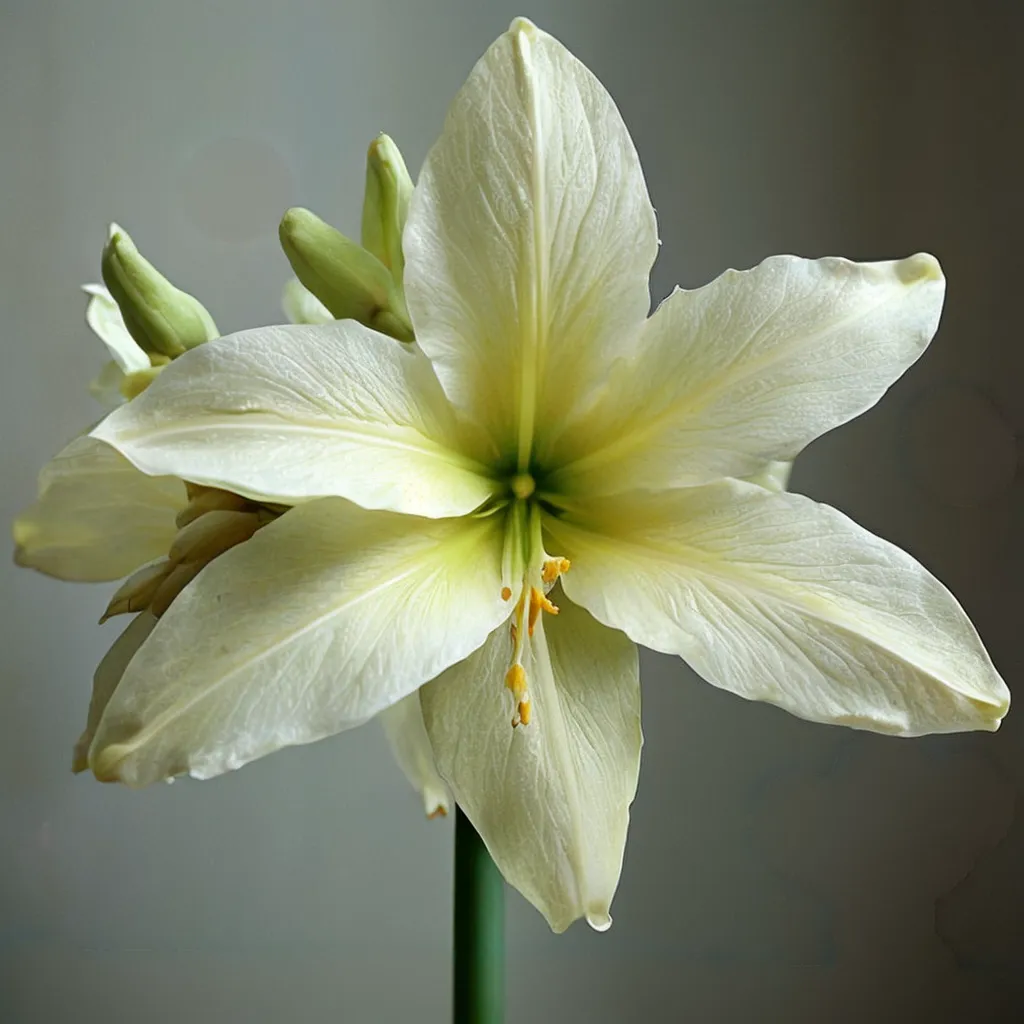
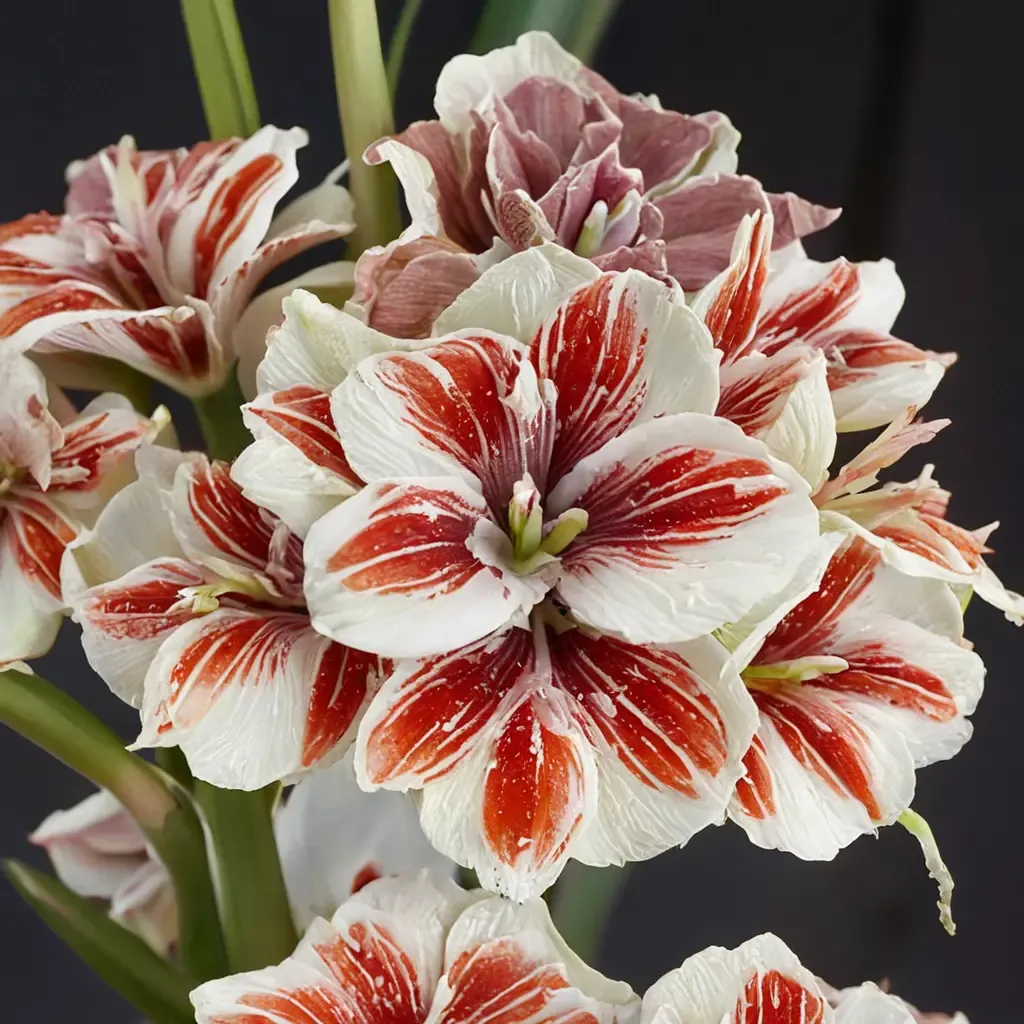
See all 27 Hippeastrum varieties →Search this genus →
4 species of Hippeastrum
Each one is a parent of the varieties above.
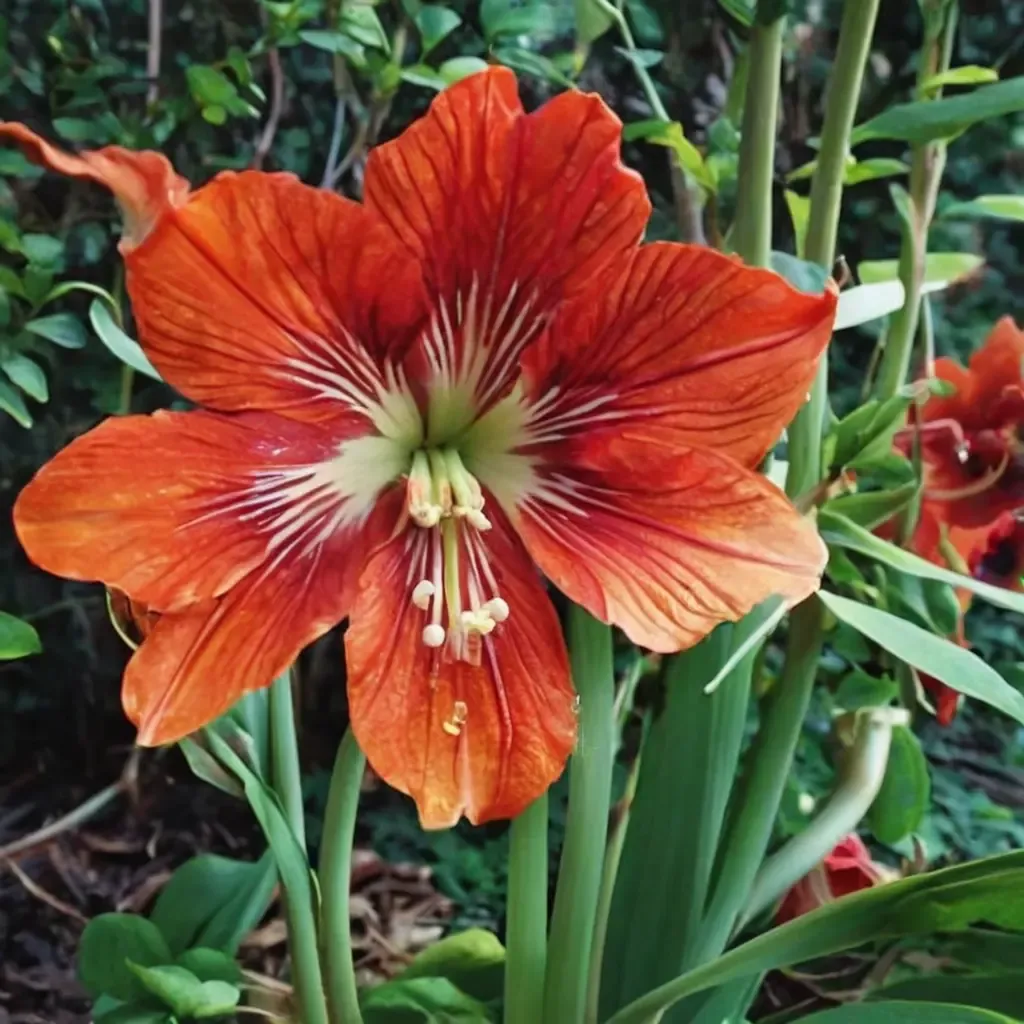
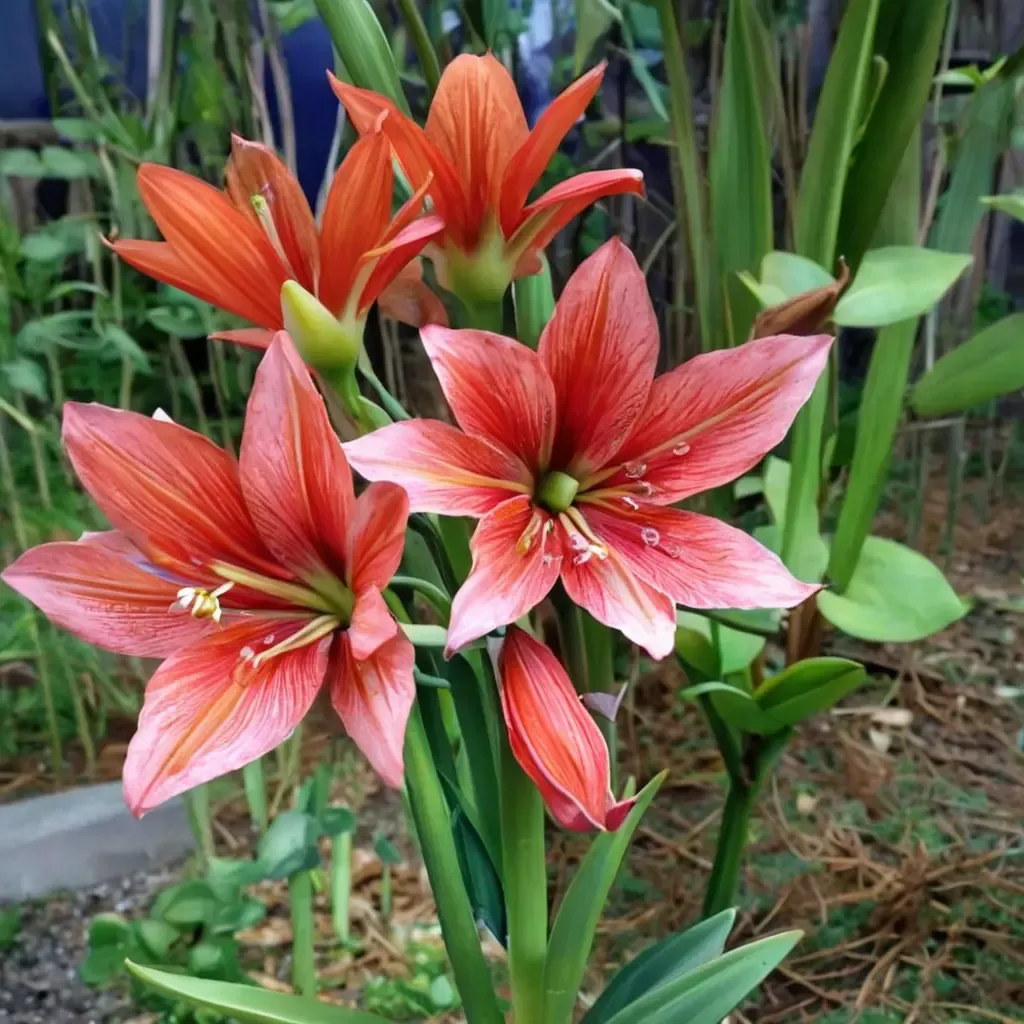
Track your Hippeastrum in Sow
Save the Hippeastrum you grow and get care reminders timed to your zone.
How to grow Hippeastrum
Whats common across all Hippeastrum varieties in our catalog — drawn from the care records of the 27 most-grown of them.
The Hippeastrum year
- FertilizeApril–July100% of varieties
Feed monthly with balanced liquid fertilizer while foliage is actively growing
- PlantOctober and November96% of varieties
Plant bulbs in pots for indoor winter forcing or outdoors after frost danger
- DeadheadFebruary–May89% of varieties
Cut spent flower stalk near the bulb neck; leave foliage intact
- Lift & StoreOctober and November52% of varieties
Stop watering; induce dormancy by storing bulbs cool (40-55°F) for 8-10 weeks
- Winter PrepSeptember and October52% of varieties
Stop watering and feeding to allow foliage to die back and induce dormancy


Do
- Provide bright, indirect sunlight
- Fertilize monthly during active growth
- Apply balanced fertilizer monthly
- Water moderately during active growth 🌱
- Remove spent flowers to encourage new blooms
Avoid
- Avoid overwatering to prevent bulb rot ❌
- Refrain from disturbing bulbs during dormancy
- Avoid disturbing bulbs during dormancy
- Avoid overwatering, which can cause bulb rot ❌
What goes wrong with Hippeastrum
| Problem | What you'll see | What to do |
|---|---|---|
| Spider Mites | Fine webbing and speckled leaves | Spray with insecticidal soap or neem oil |
| Aphids | Sticky residue on leaves, curled or distorted foliage | Apply insecticidal soap or neem oil |
| Mealybugs | White cottony masses on bulbs and leaves | Apply insecticidal soap or remove manually |
| Spider mites | Fine webbing and speckled leaves | Spray with insecticidal soap or neem oil |
| Bulb Rot | Soft, decayed bulbs with foul smell | Remove infected bulbs and treat soil with fungicide |
| Bulb rot | Soft, discolored bulbs with foul smell | Remove affected bulbs, reduce watering, and improve soil drainage |
| Botrytis | Gray mold on flowers and leaves | Improve air circulation and remove affected parts |
Making more Hippeastrum
Bulb division
- Carefully dig up mature bulbs after foliage dies back.
- Separate offsets with a sharp, sterile knife.
- Allow cut surfaces to callous for 24 hours.
- Plant divisions in well-draining soil immediately.
- Water lightly and keep in bright, indirect light for establishment.
Division
- Wait until the plant is dormant, about late summer
- Gently lift bulbs from soil using a garden fork
- Separate offsets carefully with a sharp knife
- Allow cuts to callus for 24 hours
- Plant divisions in prepared soil and water well
Hippeastrum questions
How many types of Hippeastrum are there?
The Sow catalog tracks 27 distinct Hippeastrum varieties. The most popular — ranked by 143 real gardeners — are shown first above.
What zones does Hippeastrum grow in?
Across its varieties, Hippeastrum covers USDA Zones 6–10. Individual varieties differ — each plant page lists its exact range, and Sow filters the catalog to your zone automatically.
When does Hippeastrum bloom?
Most Hippeastrum varieties bloom in early spring, late winter to spring, spring. Staggering early, mid, and late varieties extends the genus's season in one bed.
Which Hippeastrum should I choose?
Start from the most-saved varieties above — popularity across thousands of gardens is a strong signal of reliability — then filter by your zone and sun. In the Sow app you can preview any of them in a photo of your actual yard before you buy.