Also known as Morning Glory · 137 saves
Ipomoea
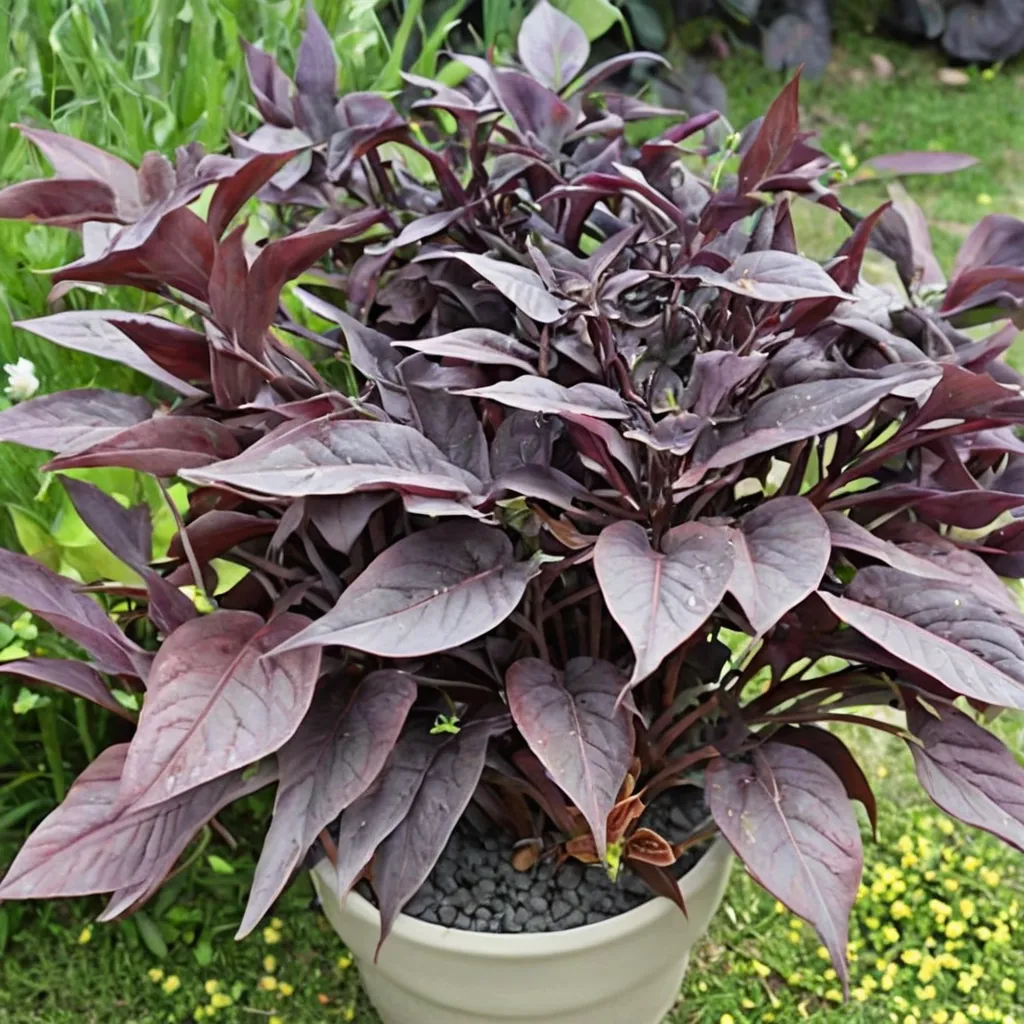
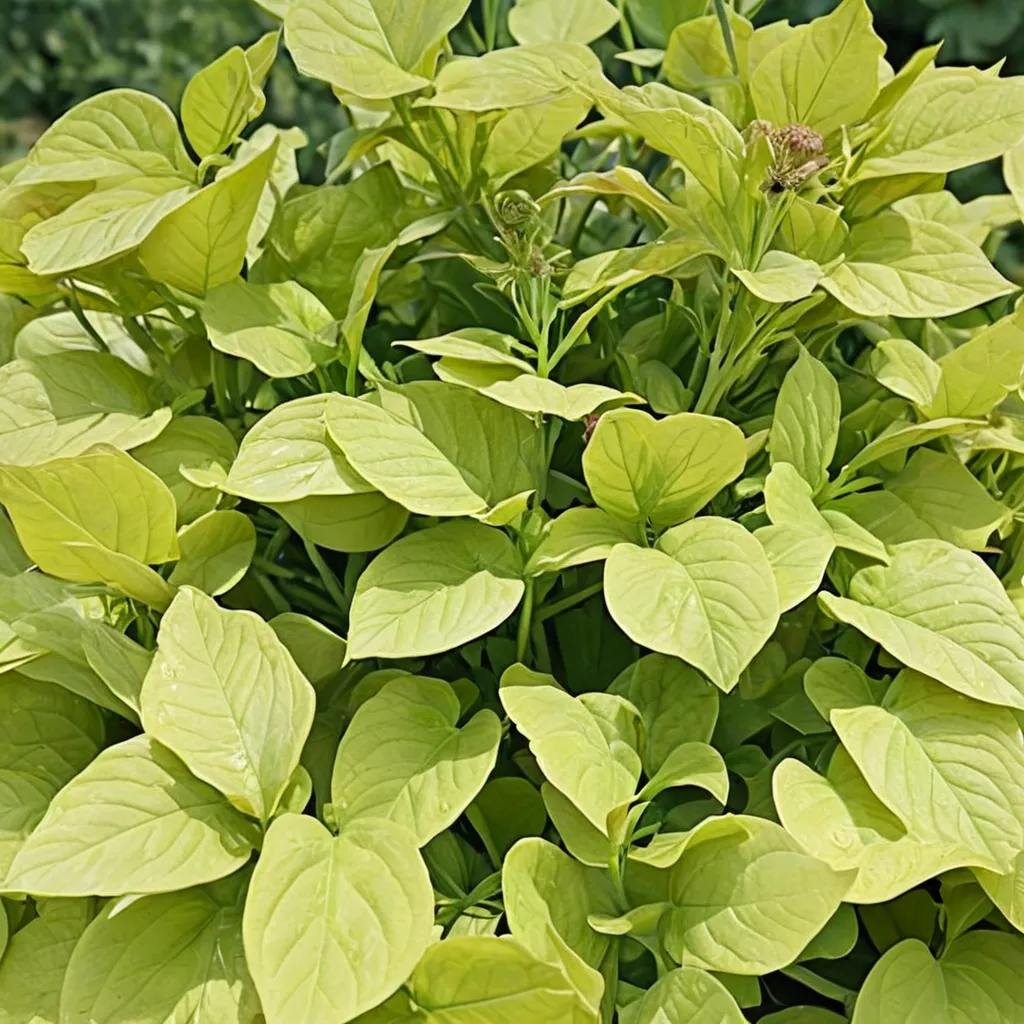
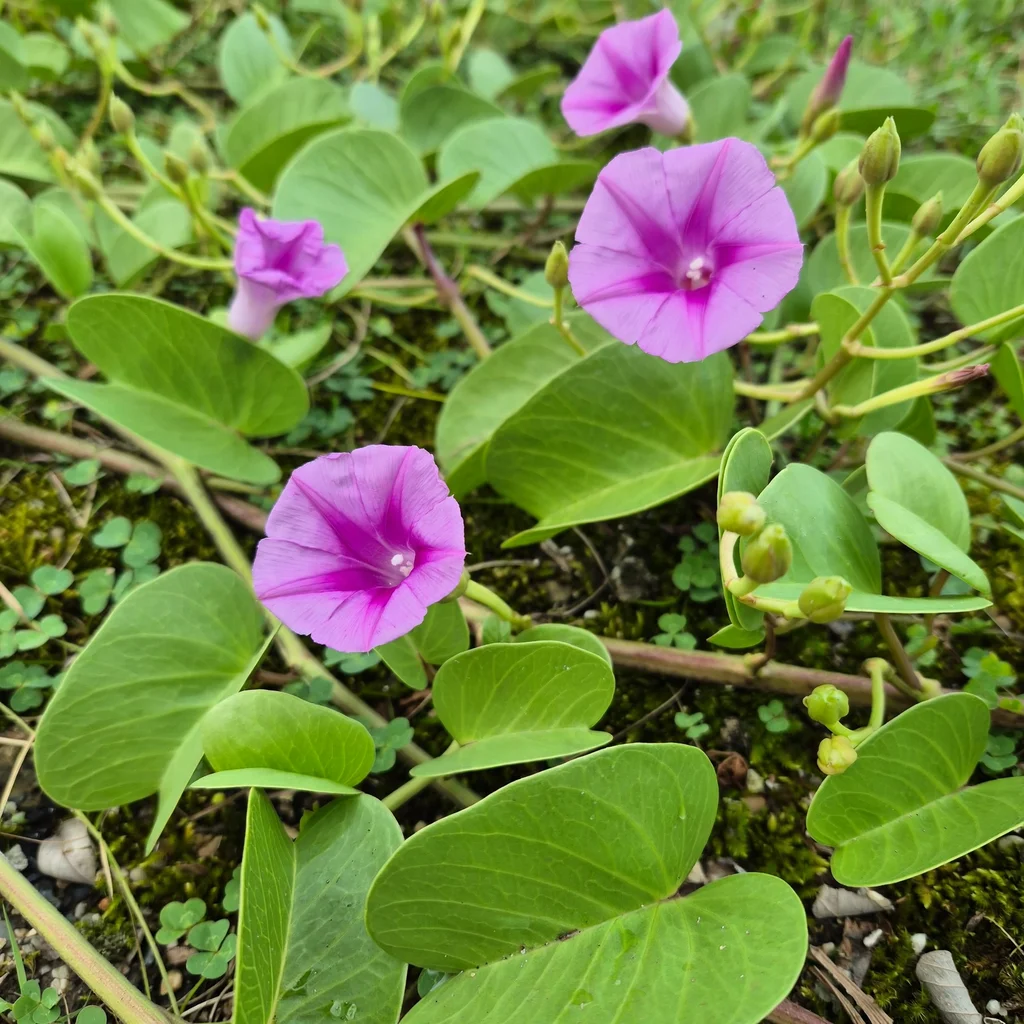
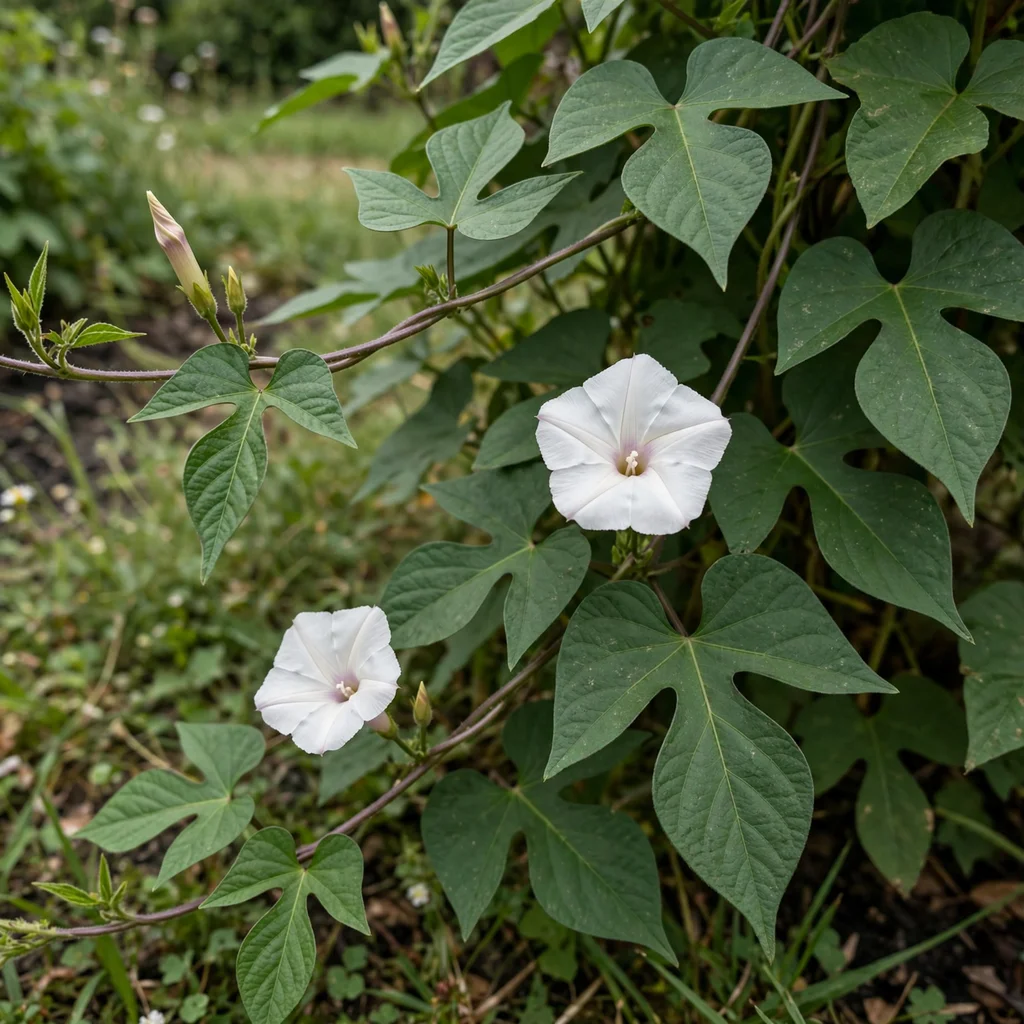
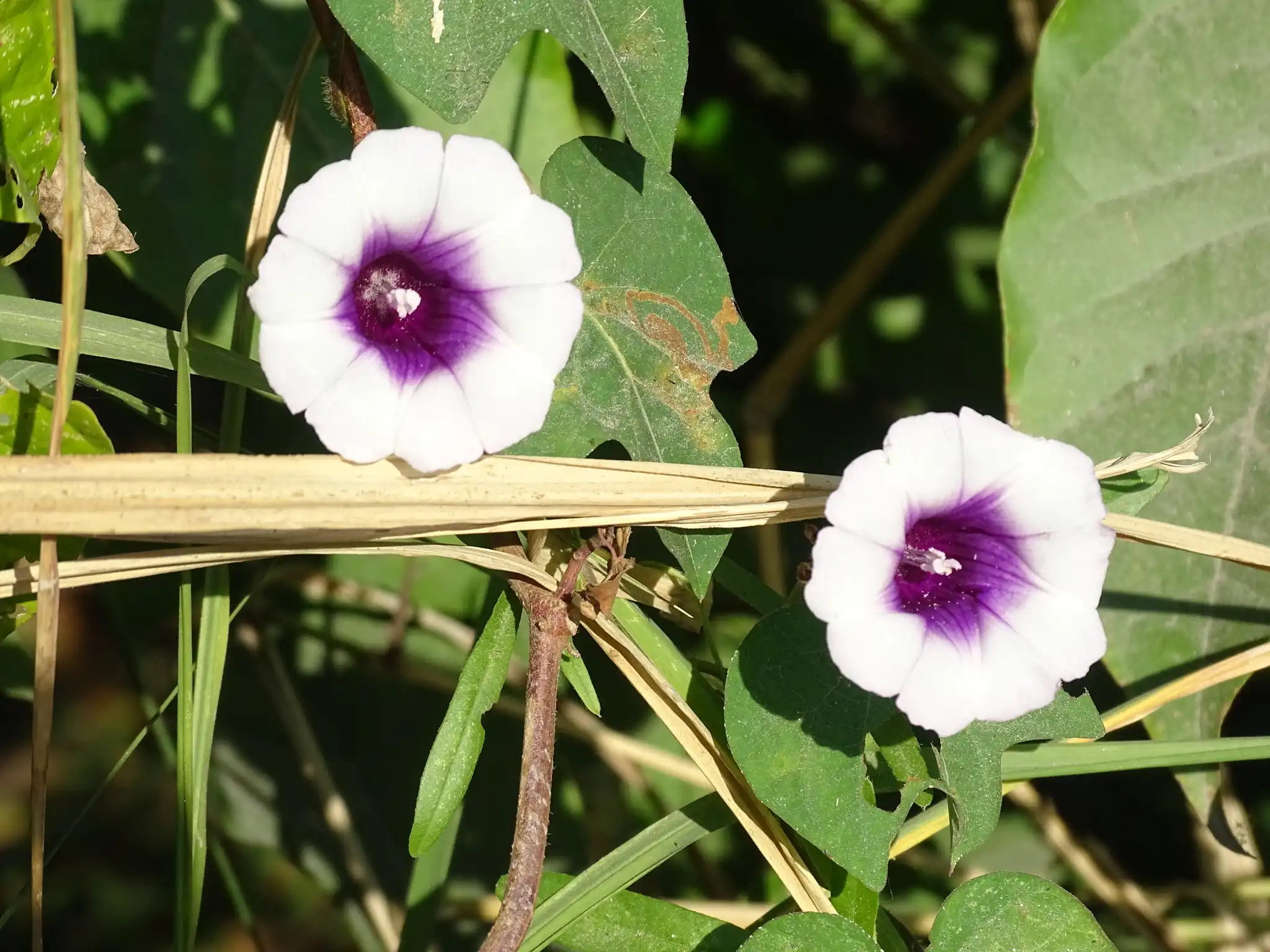
Ipomoea, the genus most gardeners know as morning glory. We track 17 varieties; the ones most used by real gardeners.
The 16 most-saved Ipomoea varieties
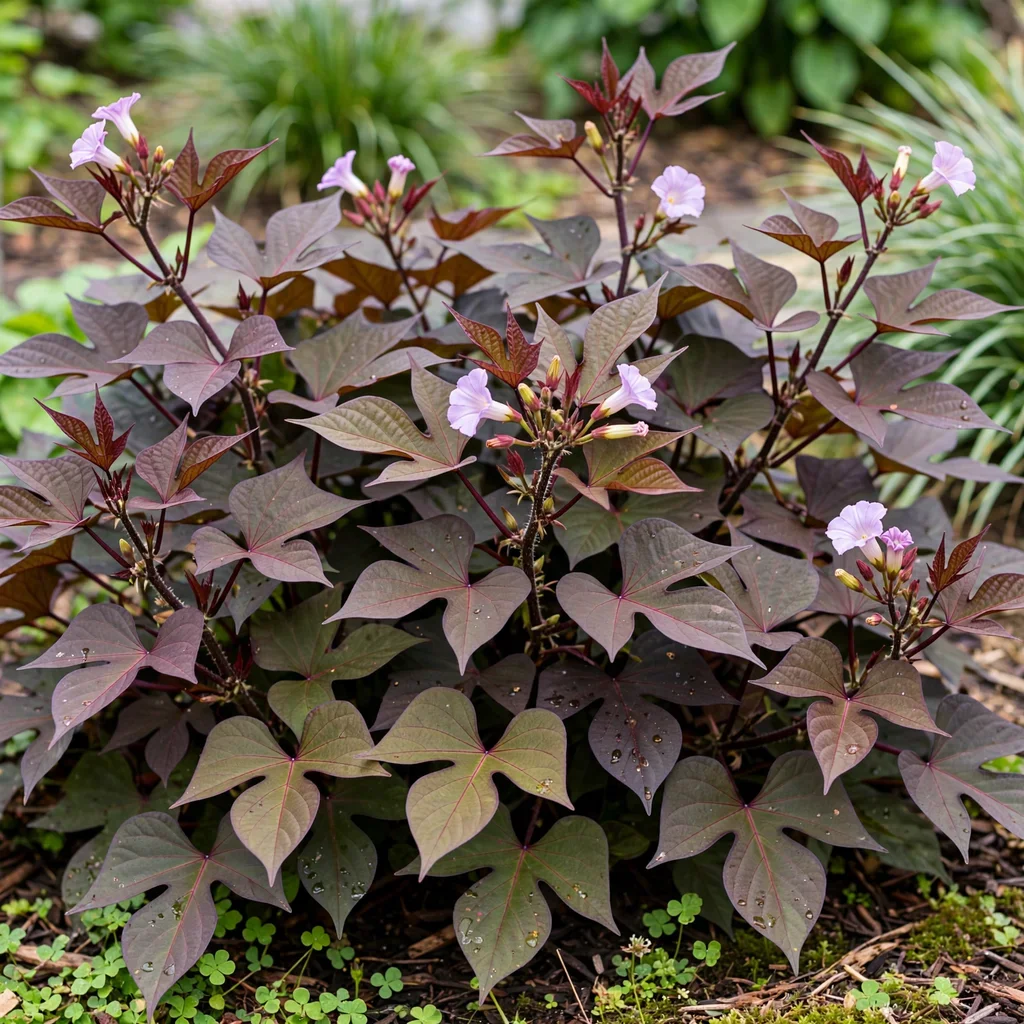
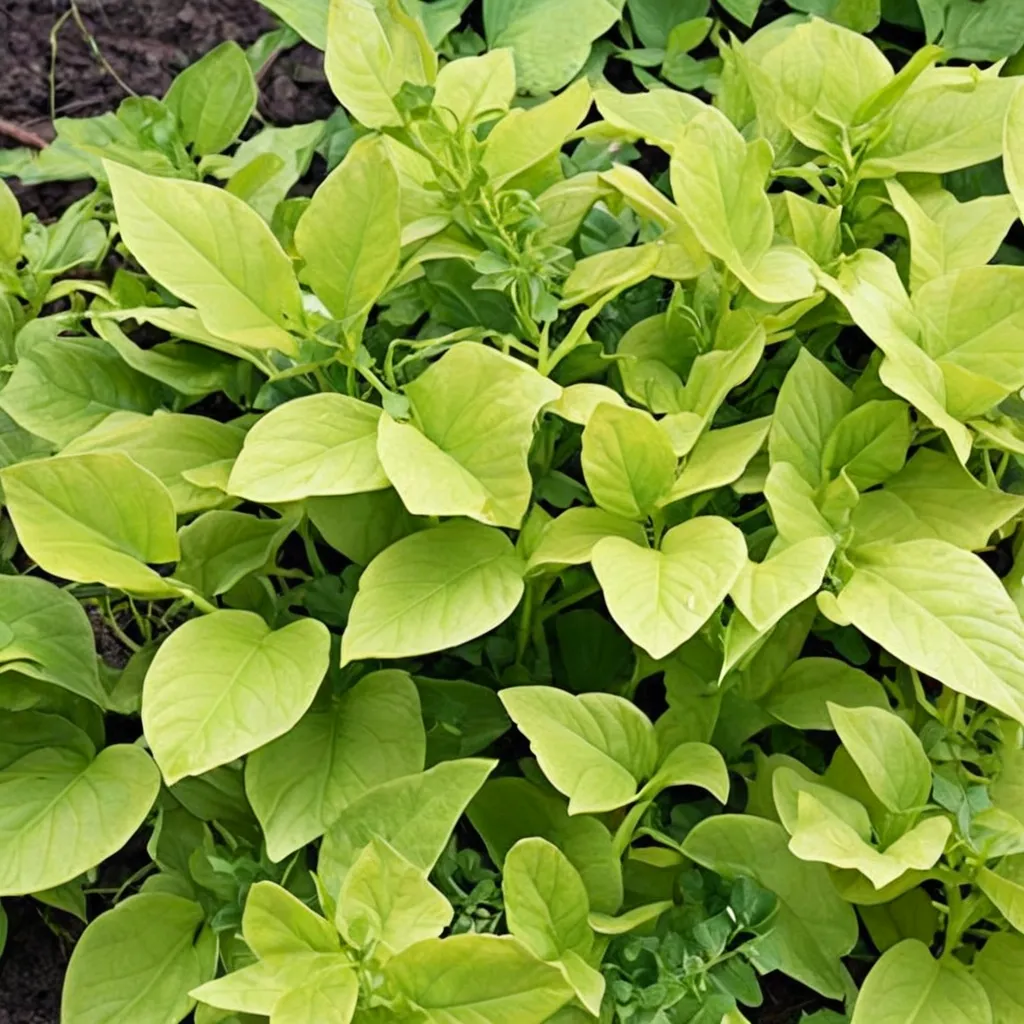
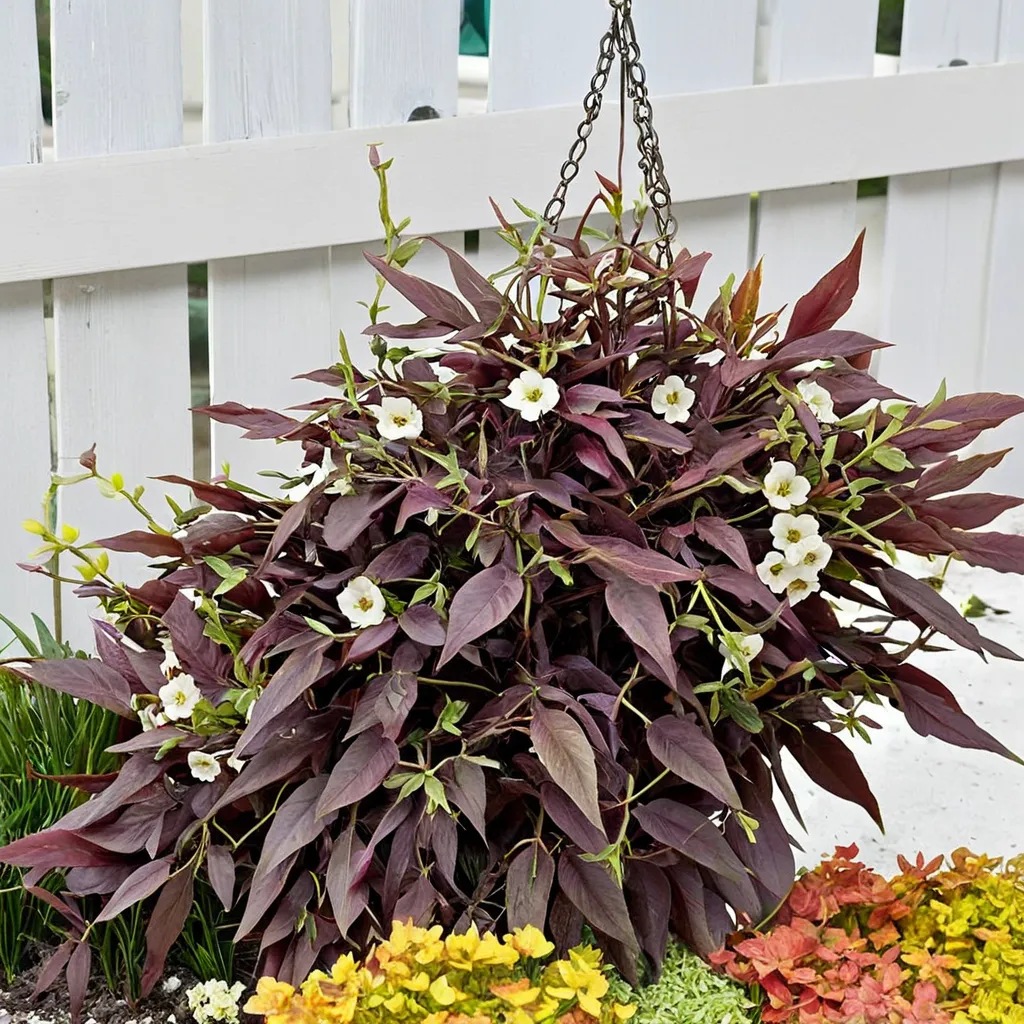
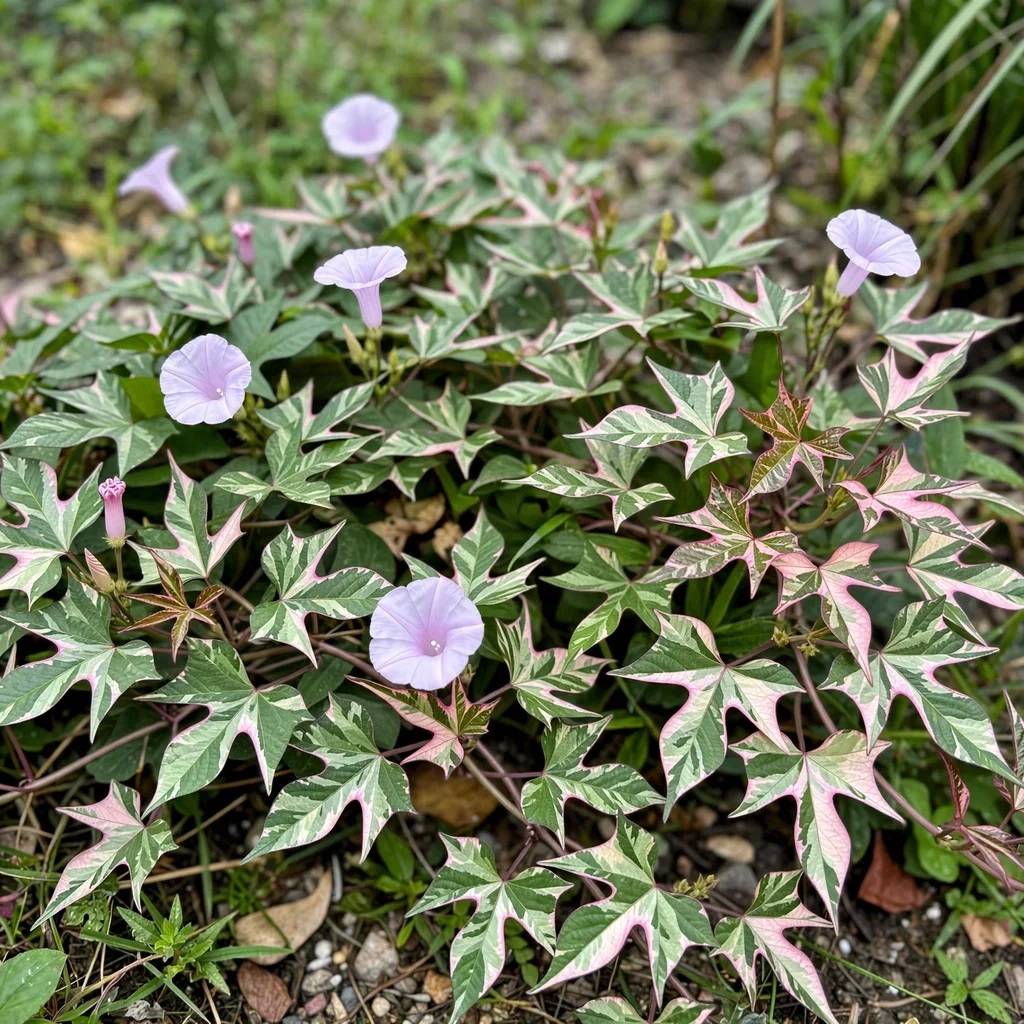
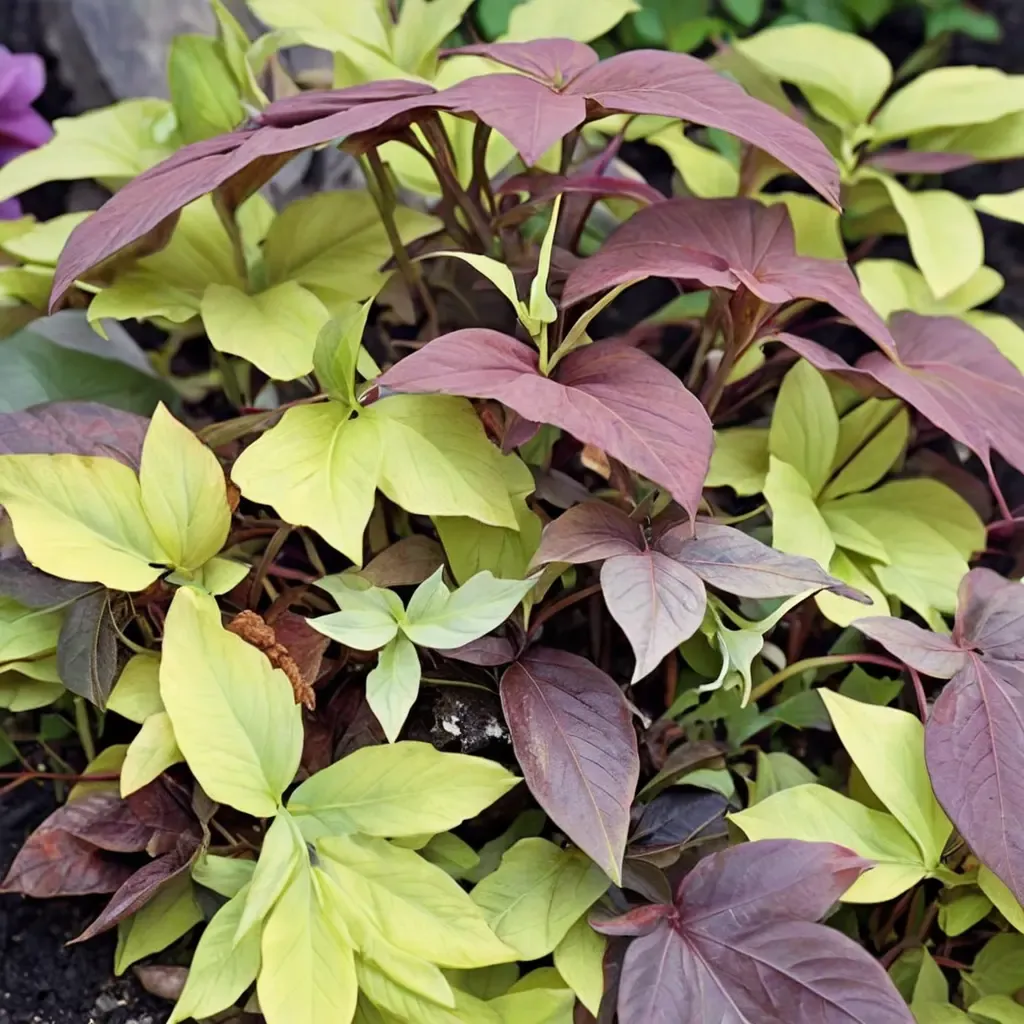
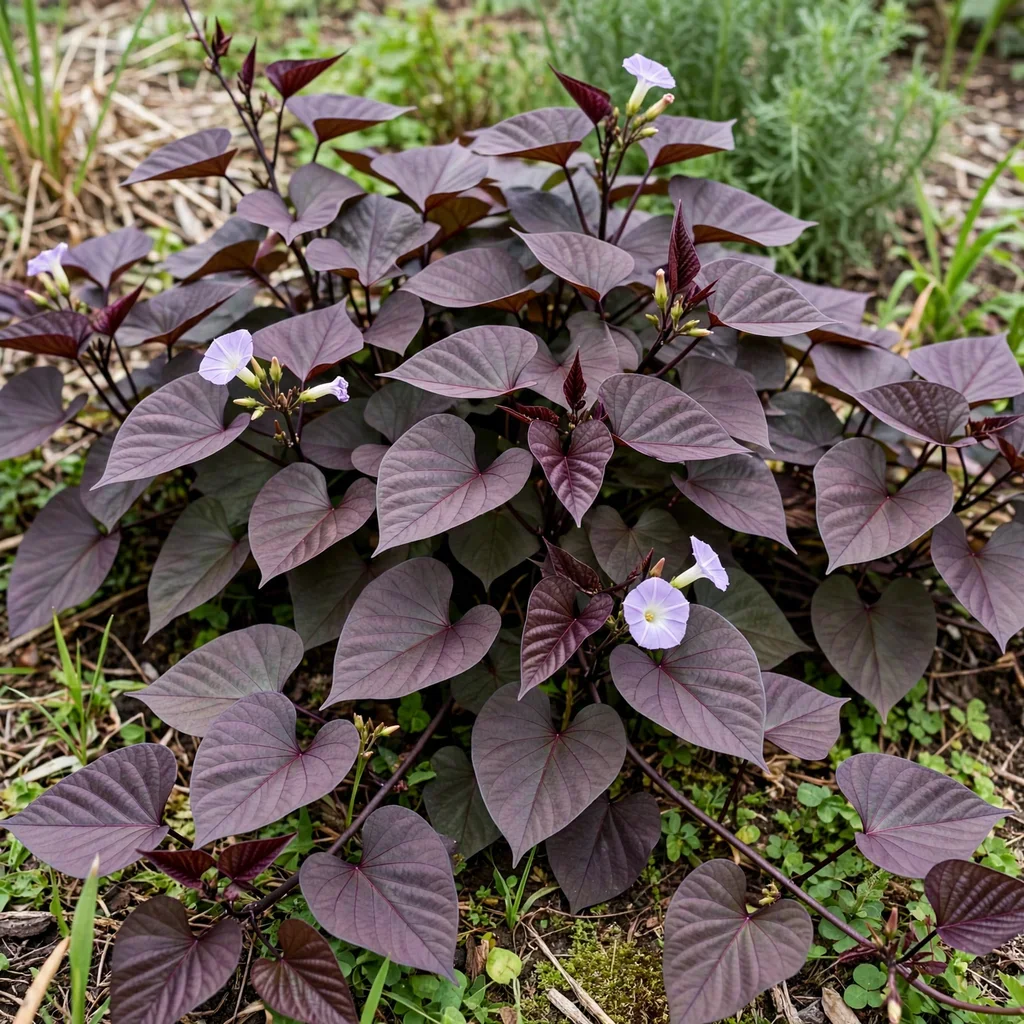
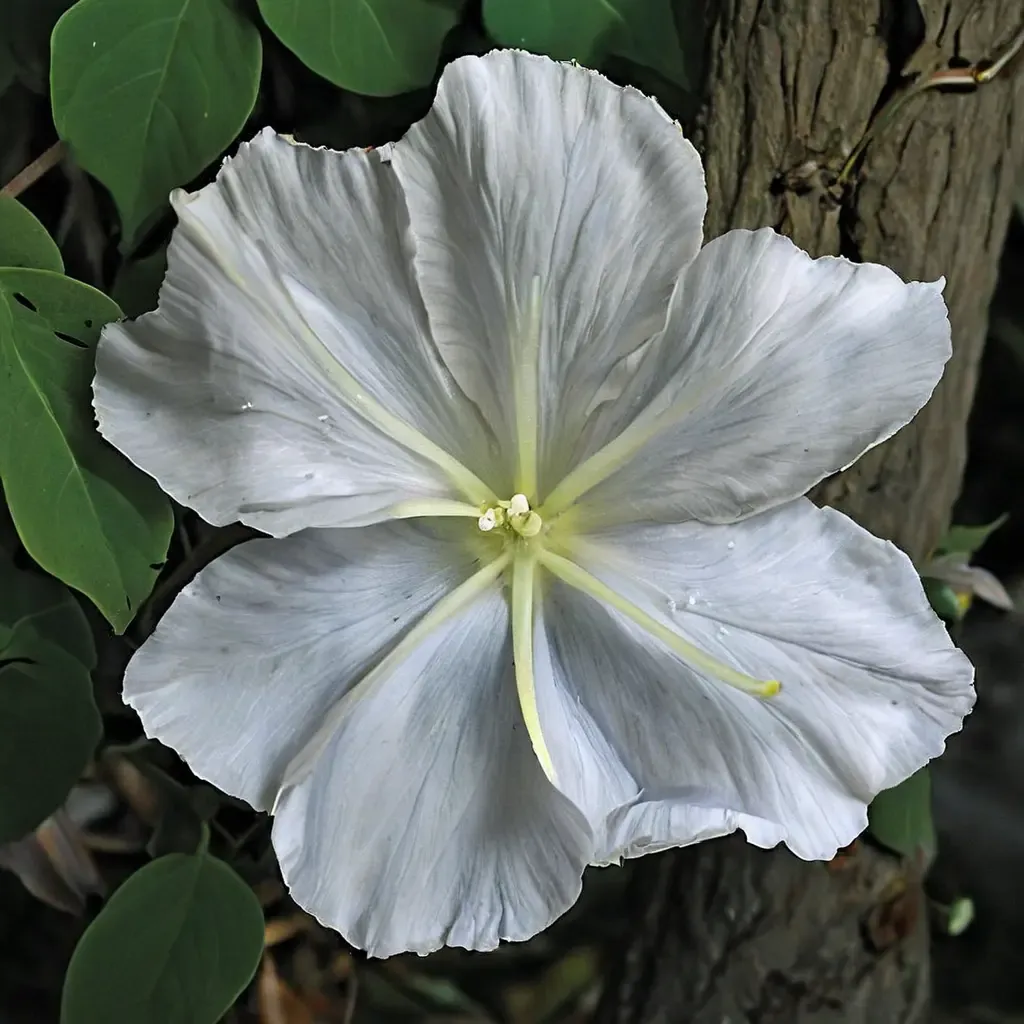
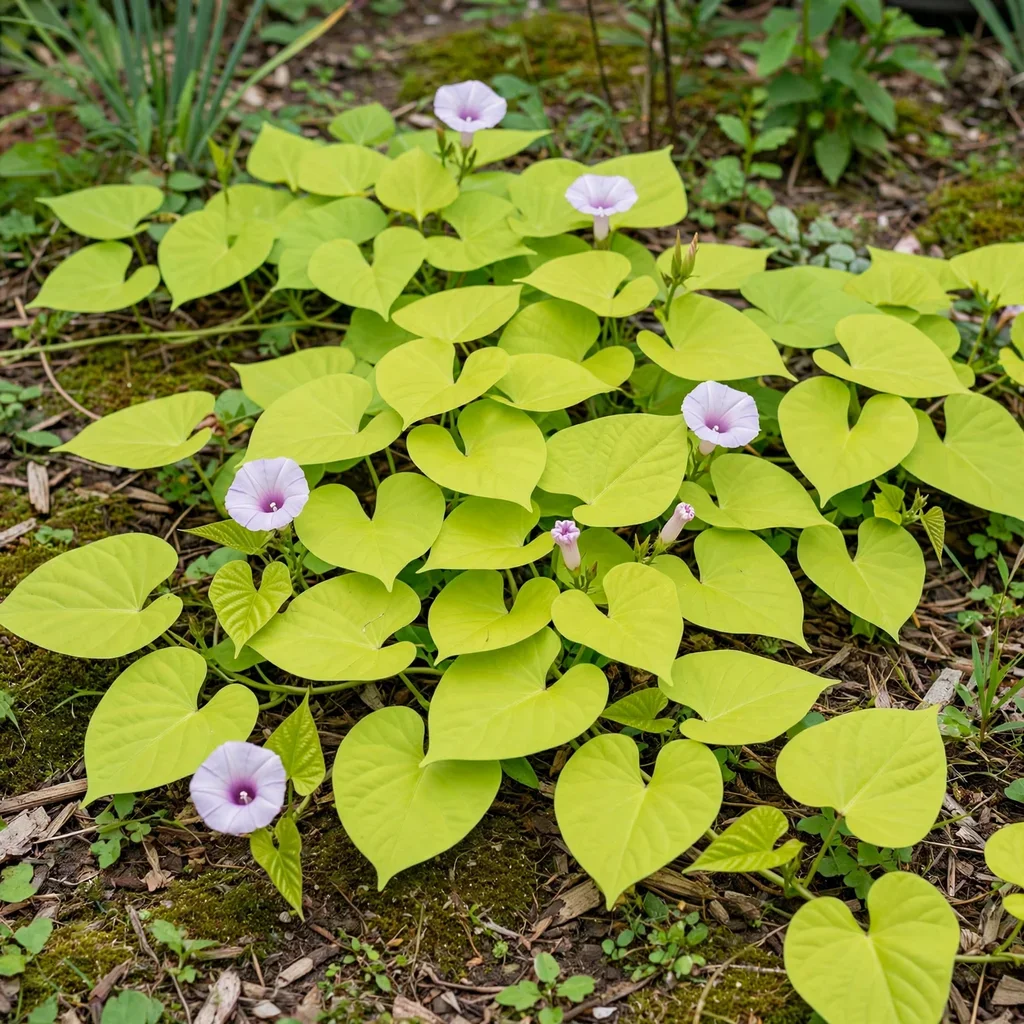




Browse all 17 Ipomoea varieties →
6 species of Ipomoea
Each one is a parent of the varieties above.
Track your Ipomoea in Sow
Save the Ipomoea you grow and get care reminders timed to your zone.
How to grow Ipomoea
Whats common across all Ipomoea varieties in our catalog — drawn from the care records of the 17 most-grown of them.
The Ipomoea year
- PlantMay and June94% of varieties
Set out slips two to four weeks after the last frost, once the soil is genuinely warm.
- PruneJune–September65% of varieties
Cut back dead stems to ground level before new growth emerges in spring.
- FertilizeJune–September65% of varieties
Use a balanced liquid fertilizer monthly, especially for container plants.
- Check for PestsJune–August35% of varieties
Monitor young shoots for deer or rabbit browsing and apply protection if needed.
- Pinch TipsJune and July35% of varieties
Pinch tips early in the season to promote fuller, denser growth.
- Lift & StoreOctober and November35% of varieties
Dig up tubers after first light frost, cure, and store in a cool, dry place for winter.


Do
- Mulch to conserve moisture
- Water consistently during growing season 💧
- Support vines with trellises
- Water regularly during dry spells 🌱
- Provide full sun for vigorous growth
Avoid
- Overwater to prevent rot ❌
- Overwater to prevent root rot ❌
- Feed heavily with nitrogen ❌
- Plant it out before the last frost ❌
What goes wrong with Ipomoea
| Problem | What you'll see | What to do |
|---|---|---|
| Aphids | Sticky residue and distorted leaves | Apply insecticidal soap or neem oil |
| Sweet potato weevil | Tunnelled, bitter-tasting roots and wilting vines, mainly in the warm southern states | Plant certified clean slips, rotate the bed each year and destroy infested roots rather than composting them |
| Wireworms | Uneven tuber development, holes in roots | Use crop rotation and organic bait traps |
| Golden tortoise beetle | Small round shot-holes across the leaves, with metallic gold beetles feeding on them | Pick beetles off by hand; ornamental plantings tolerate the damage and rarely need treatment |
| Fungal leaf spot | Spotted leaves and reduced vigor | Apply organic fungicide and improve air circulation |
| Root rot | Mushy roots and wilting | Improve soil drainage and reduce watering |
| Fungal rot | Soft, darkened tubers | Ensure proper drainage and crop rotation |
Making more Ipomoea
Cuttings
- Select healthy vine cuttings in early spring.
- Dip cuttings in rooting hormone.
- Plant in moist soil or water for roots to develop.
- Keep soil moist for 6 weeks until established.
Tuber division
- Dig up mature tubers in fall.
- Cut into sections, each with at least one eye.
- Allow cut surfaces to dry for 24 hours.
- Plant sections in spring after last frost.
Ipomoea questions
How many types of Ipomoea are there?
The Sow catalog tracks 17 distinct Ipomoea varieties. The most popular — ranked by 137 real gardeners — are shown first above.
What zones does Ipomoea grow in?
Across its varieties, Ipomoea covers USDA Zones 4–10. Individual varieties differ — each plant page lists its exact range, and Sow filters the catalog to your zone automatically.
When does Ipomoea bloom?
Most Ipomoea varieties bloom in mid-summer, rarely flowers, late summer. Staggering early, mid, and late varieties extends the genus's season in one bed.
Which Ipomoea should I choose?
Start from the most-saved varieties above — popularity across thousands of gardens is a strong signal of reliability — then filter by your zone and sun. In the Sow app you can preview any of them in a photo of your actual yard before you buy.