Also known as Indigo · 138 saves
Indigofera
Indigofera, the genus most gardeners know as indigo. We track 8 varieties; the ones most used by real gardeners.
The 8 most-saved Indigofera varieties
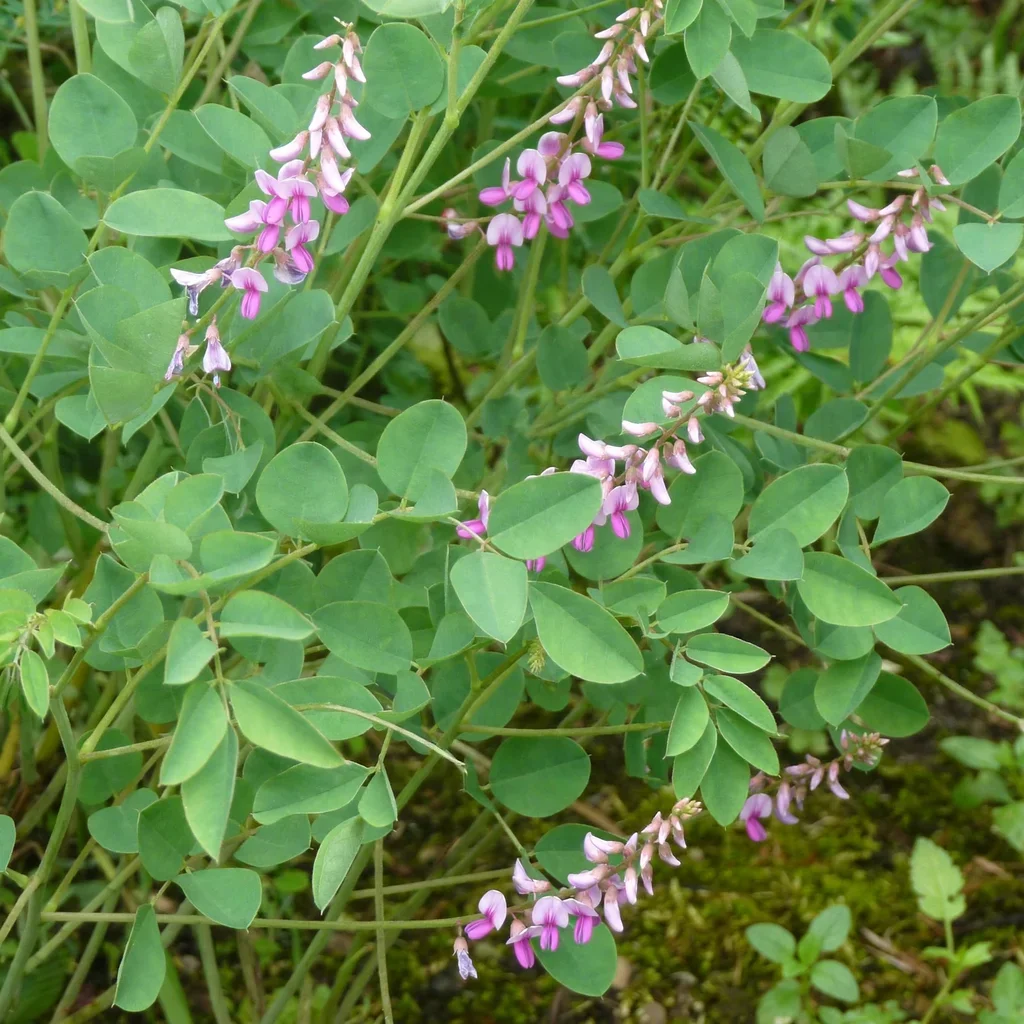
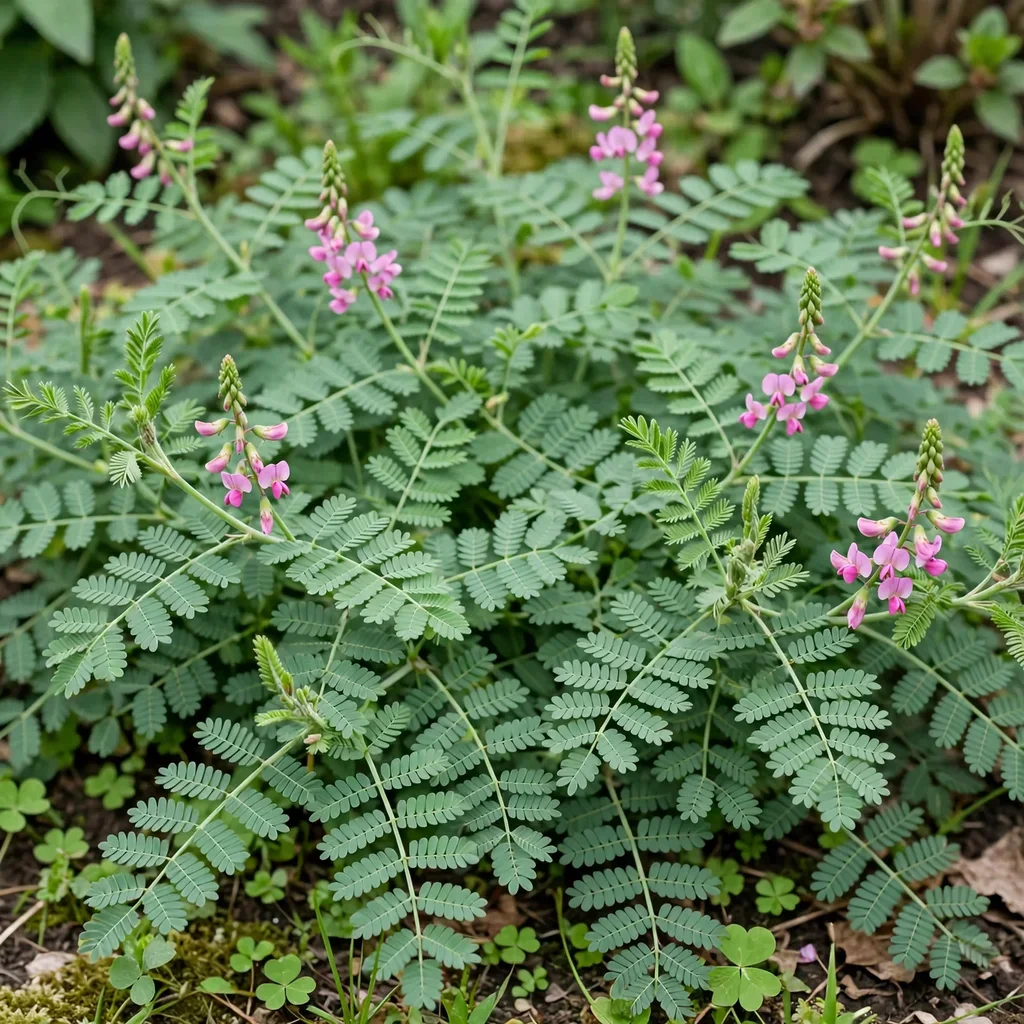
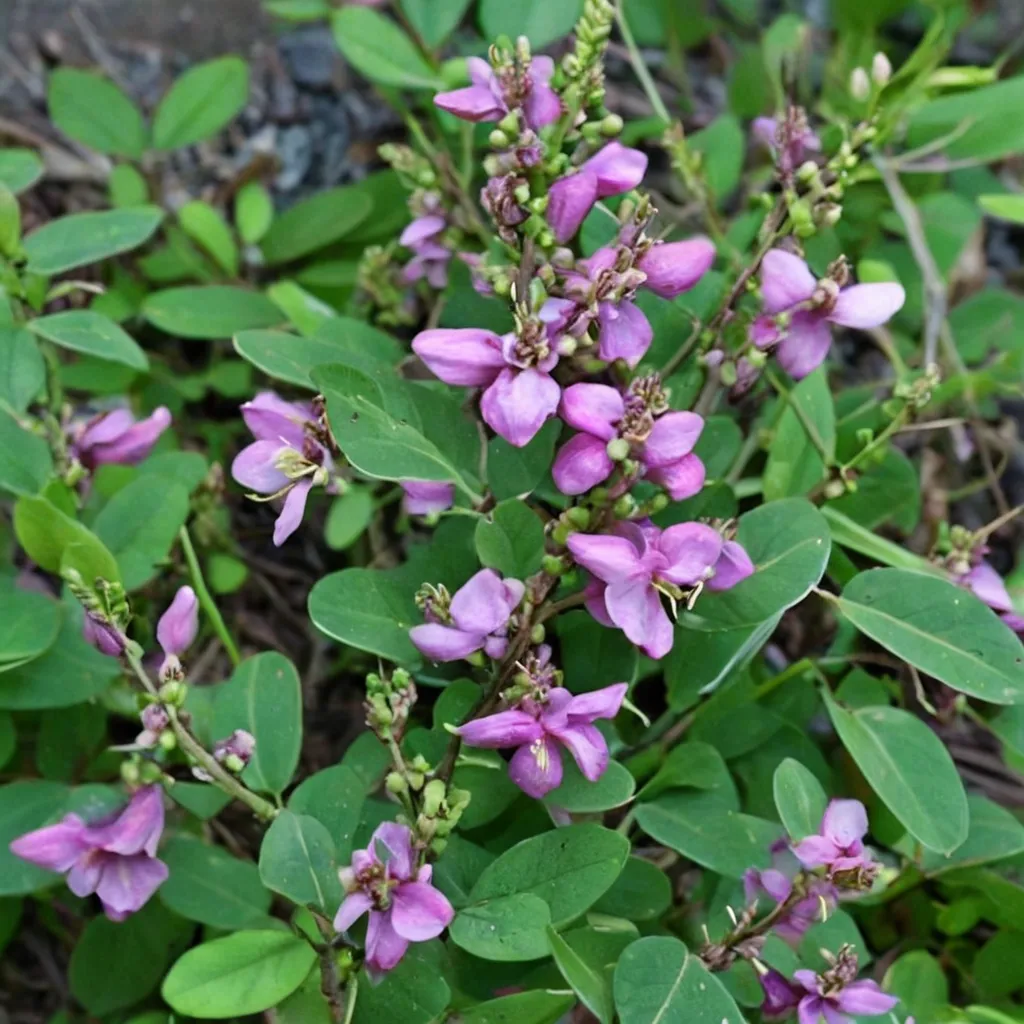
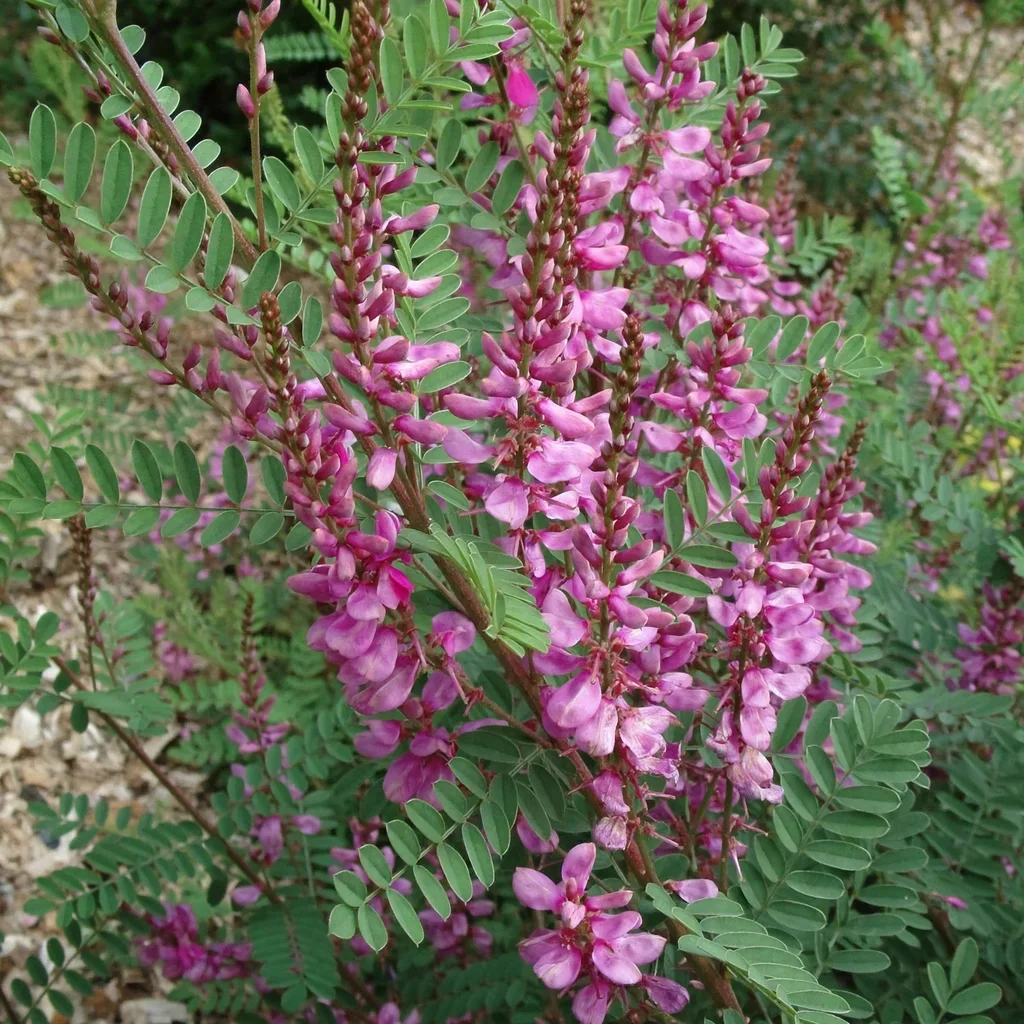
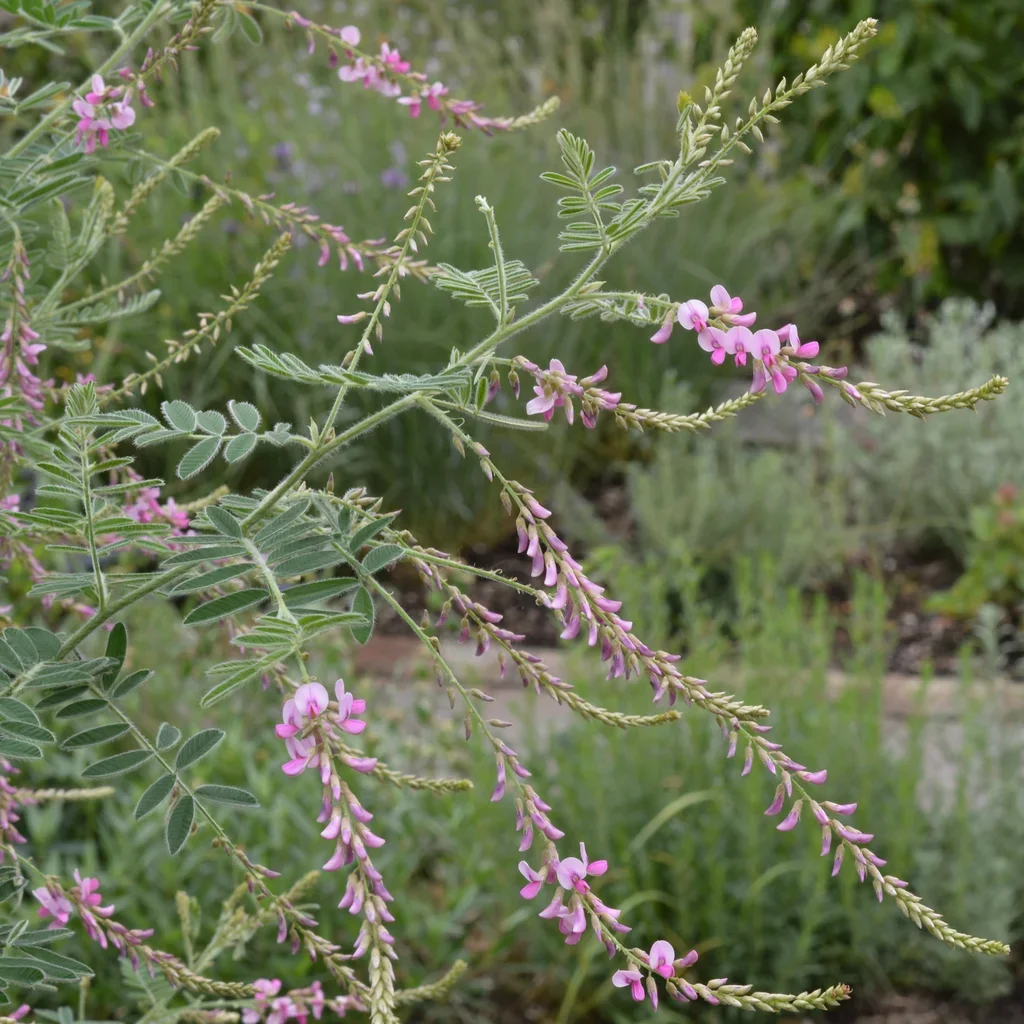
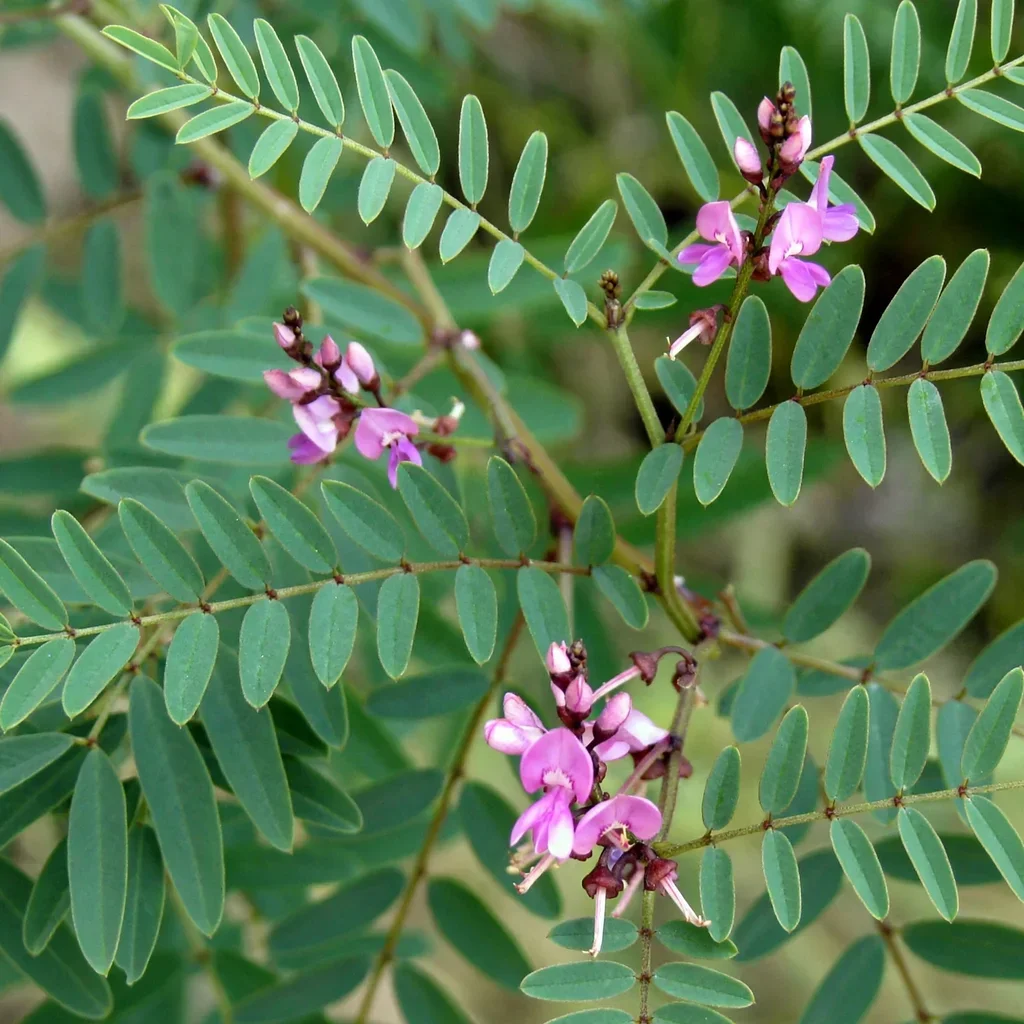
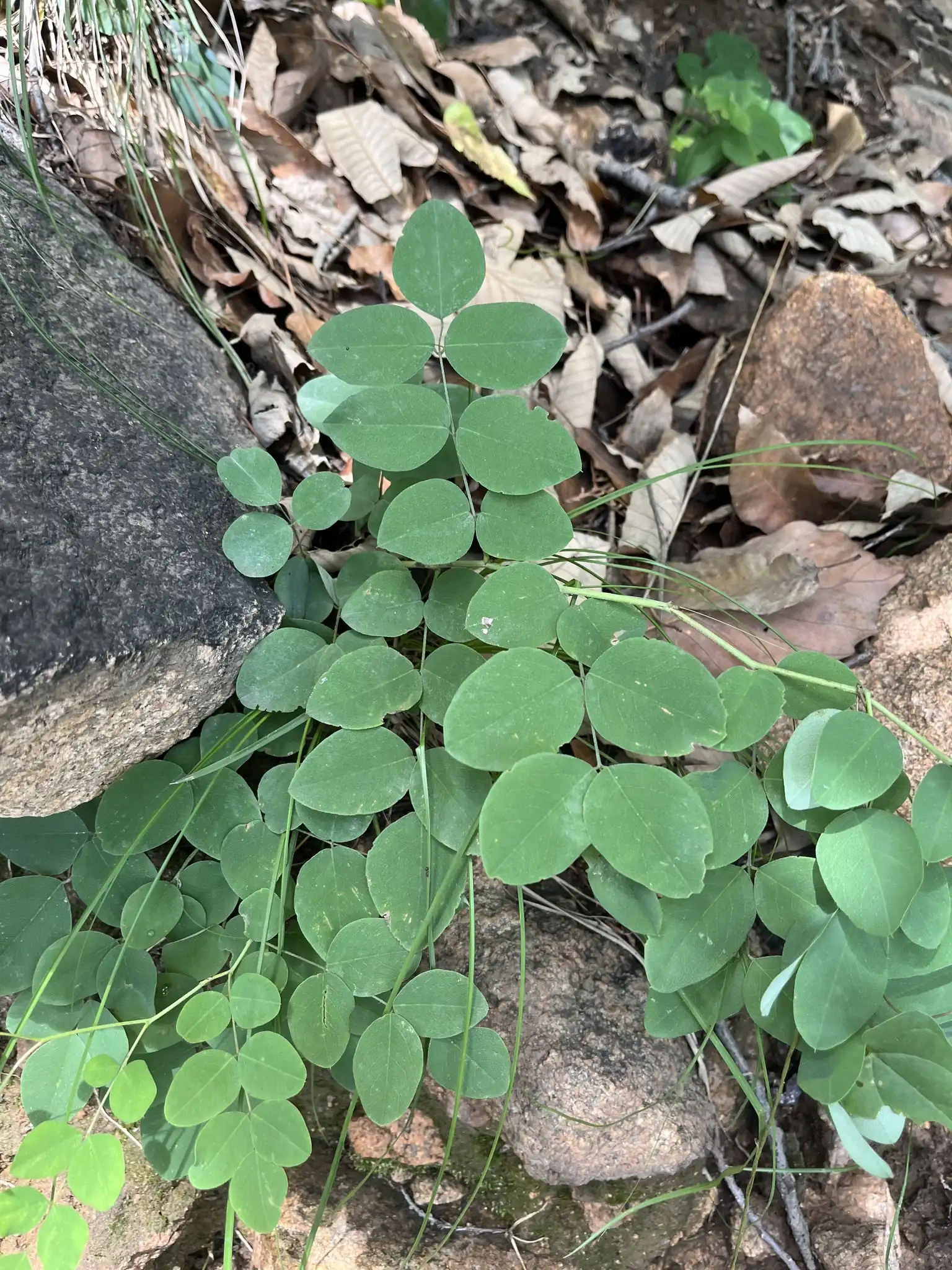
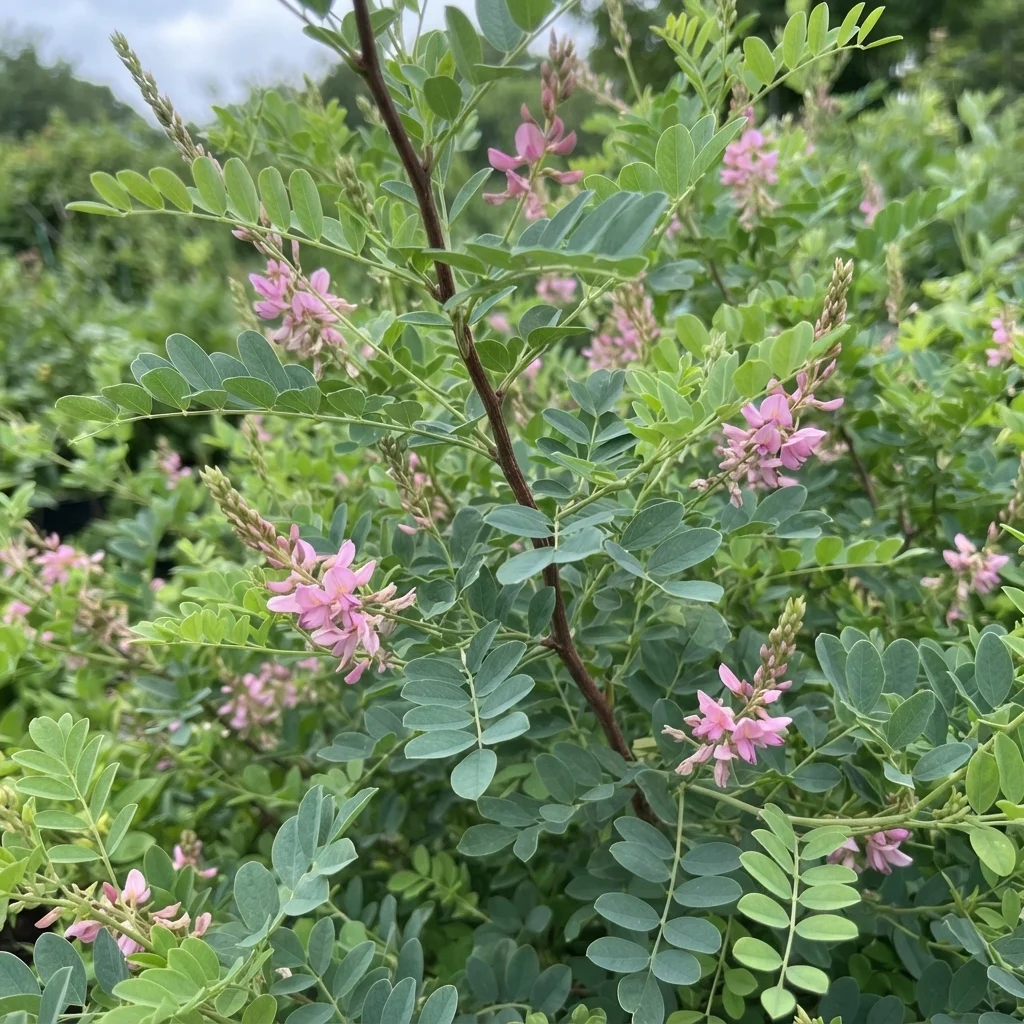
3 species of Indigofera
Each one is a parent of the varieties above.
Track your Indigofera in Sow
Save the Indigofera you grow and get care reminders timed to your zone.
How to grow Indigofera
Whats common across all Indigofera varieties in our catalog — drawn from the care records of the 8 most-grown of them.
The Indigofera year
- PruneMarch100% of varieties
Cut the plant back hard to near ground level before new spring growth begins.
- MulchApril63% of varieties
Apply 2-3 inches of organic mulch around the base in spring.
- PlantApril, May, October and November50% of varieties
Transplant container-grown starts or sow scarified seeds after the last frost.


Do
- Water deeply during dry spells 🌱
- Prune stems back hard in late winter to stimulate vigorous new growth.
- Ensure the soil drains rapidly to prevent root rot.
- Provide light afternoon shade in regions with extreme summer heat.
- Prune after flowering to shape plant
Avoid
- Overwater, which can cause root rot ❌
- Do not apply high-nitrogen fertilizers, which suppress the plant's natural dye production.
- Do not prune deep into old, leafless wood lacking visible buds.
- Do not allow the soil to remain waterlogged or oversaturated.
What goes wrong with Indigofera
| Problem | What you'll see | What to do |
|---|---|---|
| Aphids | Distorted new growth and sticky honeydew on foliage | Apply insecticidal soap or dislodge with a strong stream of water |
| Spider mites | Fine webbing and stippled, pale leaves | Spray with horticultural oils or miticides |
| Japanese beetles | Skeletonized foliage on upper branches | Hand-pick beetles into soapy water or apply appropriate insecticides |
| Deer and rabbits | Chewed stems and foliage, particularly on tender young growth. | Install physical fencing or apply scent-based repellents to vulnerable plants. |
| Root rot | Wilting foliage and mushy, dark roots | Improve soil drainage and reduce watering frequency |
| Powdery mildew | White, powdery fungal coating on leaves | Improve air circulation and apply a sulfur-based fungicide |
| Generally disease-free | No significant disease issues are typical | Monitor only; no routine treatment needed |
Making more Indigofera
Seed
- Scarify the hard seed coat using sandpaper or nicking with a blade.
- Soak the treated seeds in warm water for 24 hours to initiate swelling.
- Sow seeds in a well-draining seed-starting mix at a depth of one-quarter inch.
- Maintain a temperature of 70 degrees Fahrenheit and keep the soil consistently moist until germination.
Cuttings
- Take semi-hardwood cuttings in late summer.
- Dip in rooting hormone and plant in moist soil.
- Keep humidity high for 4 weeks.
Indigofera questions
How many types of Indigofera are there?
The Sow catalog tracks 8 distinct Indigofera varieties. The most popular — ranked by 138 real gardeners — are shown first above.
What zones does Indigofera grow in?
Across its varieties, Indigofera covers USDA Zones 5–10. Individual varieties differ — each plant page lists its exact range, and Sow filters the catalog to your zone automatically.
When does Indigofera bloom?
Most Indigofera varieties bloom in mid-summer, late spring, summer. Staggering early, mid, and late varieties extends the genus's season in one bed.
Which Indigofera should I choose?
Start from the most-saved varieties above — popularity across thousands of gardens is a strong signal of reliability — then filter by your zone and sun. In the Sow app you can preview any of them in a photo of your actual yard before you buy.