Also known as Parrot's Beak · 12 saves
Lotus
Lotus, the genus most gardeners know as parrot's beak. We track 6 varieties; the ones most used by real gardeners.
The 6 most-saved Lotus varieties
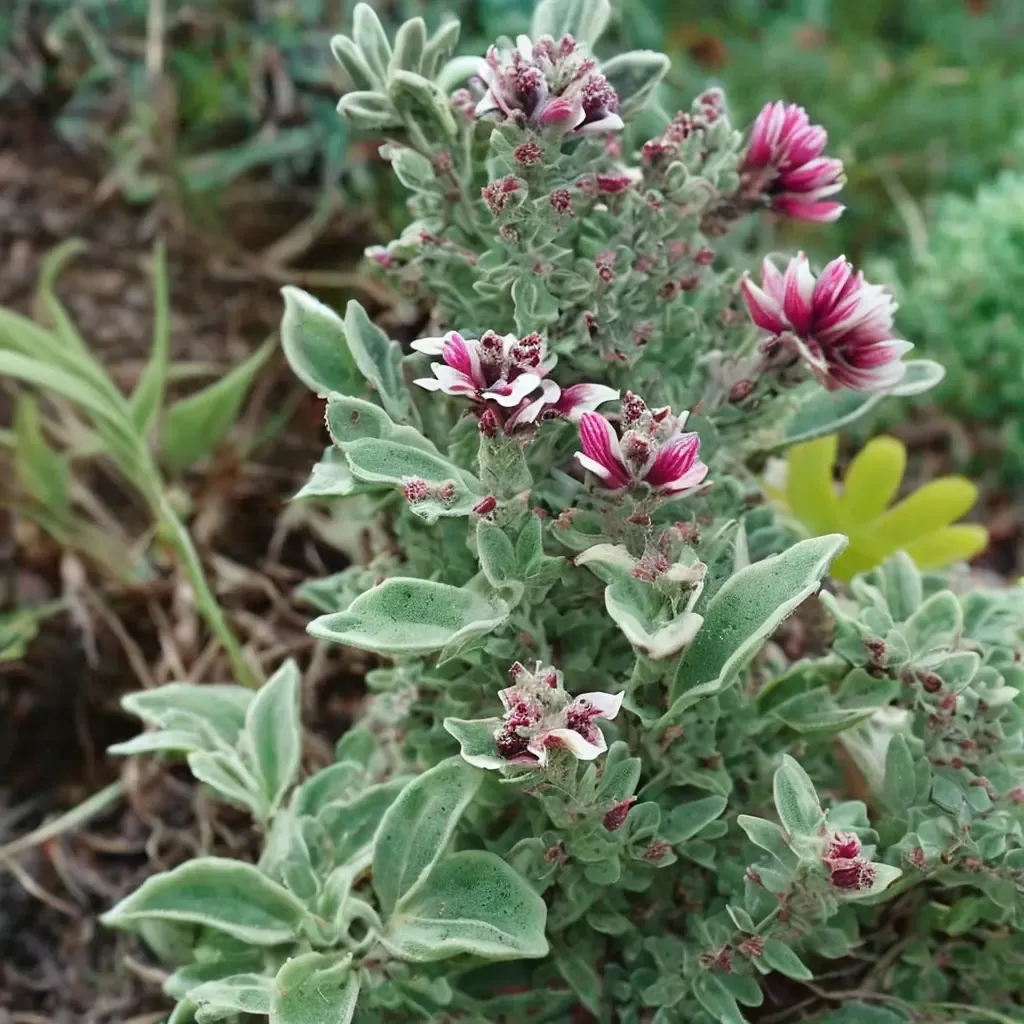
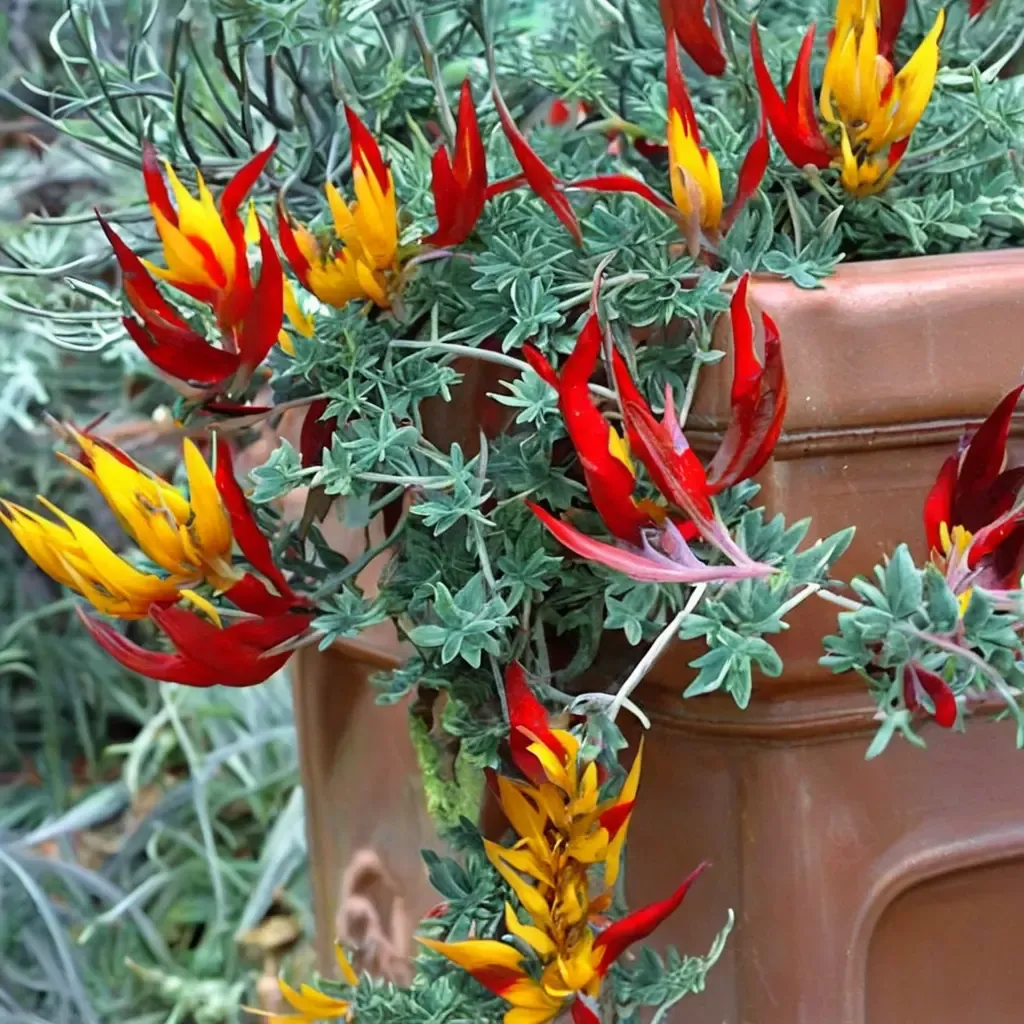
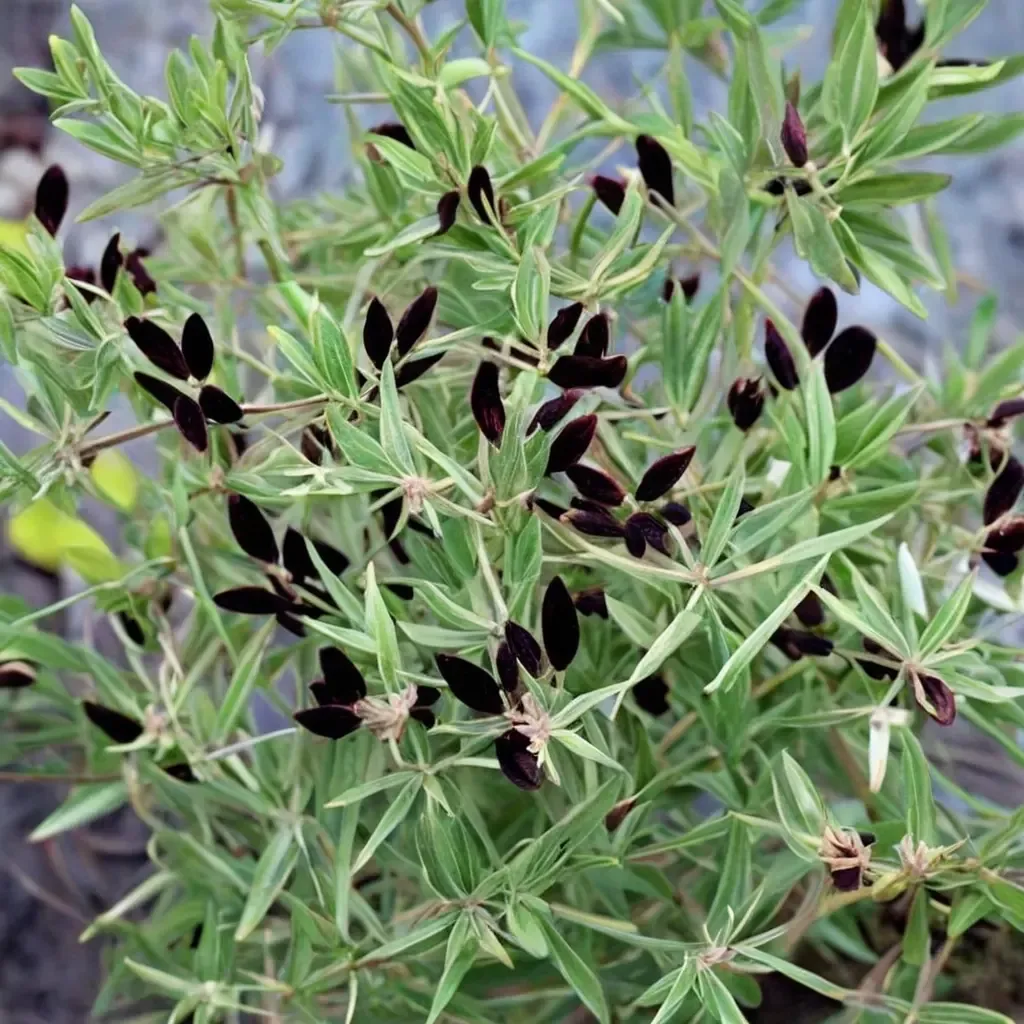
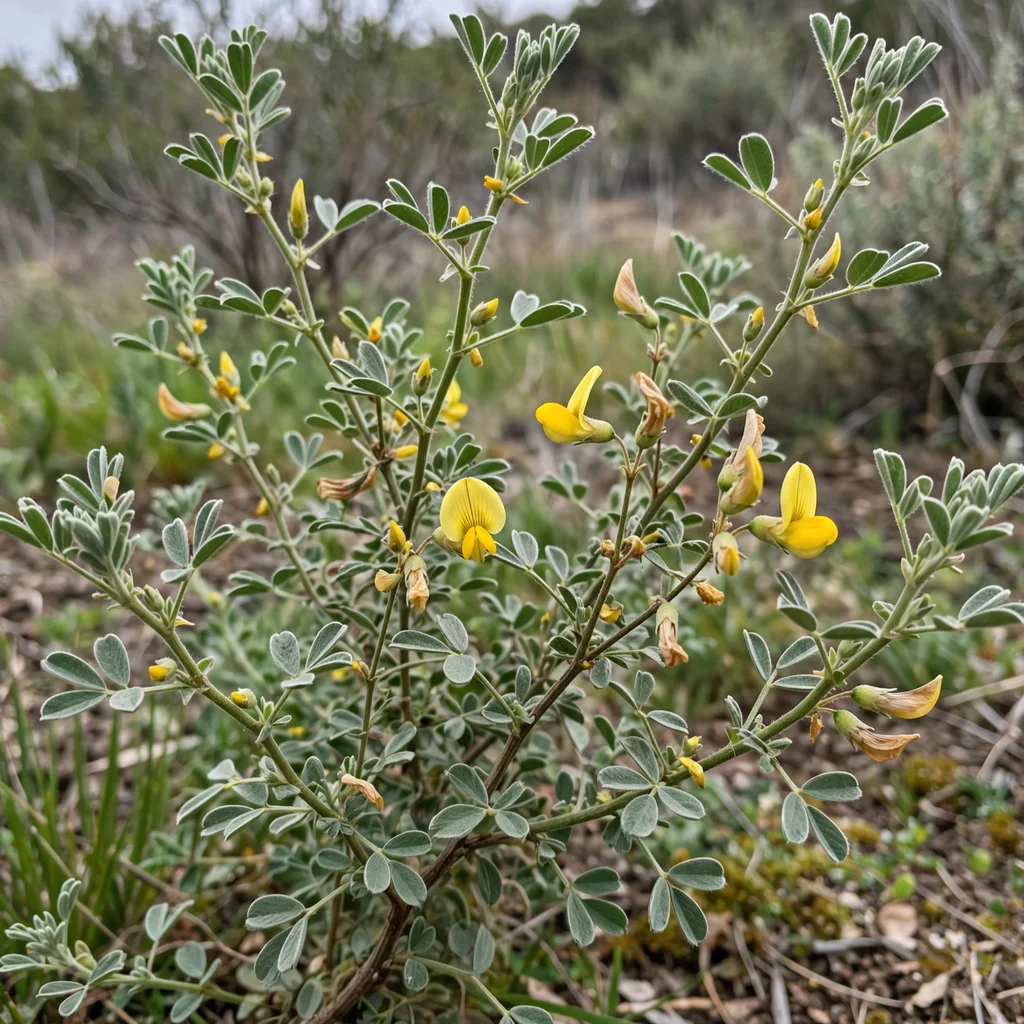
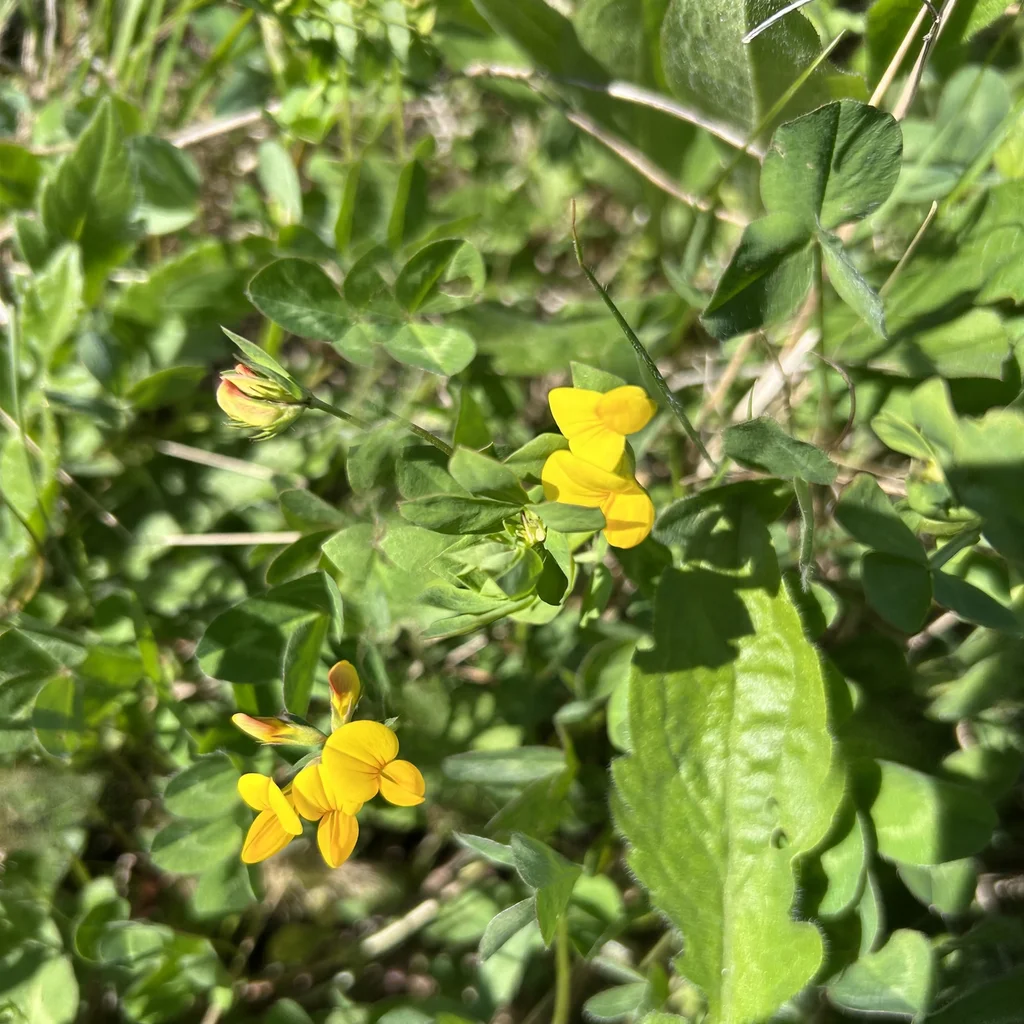
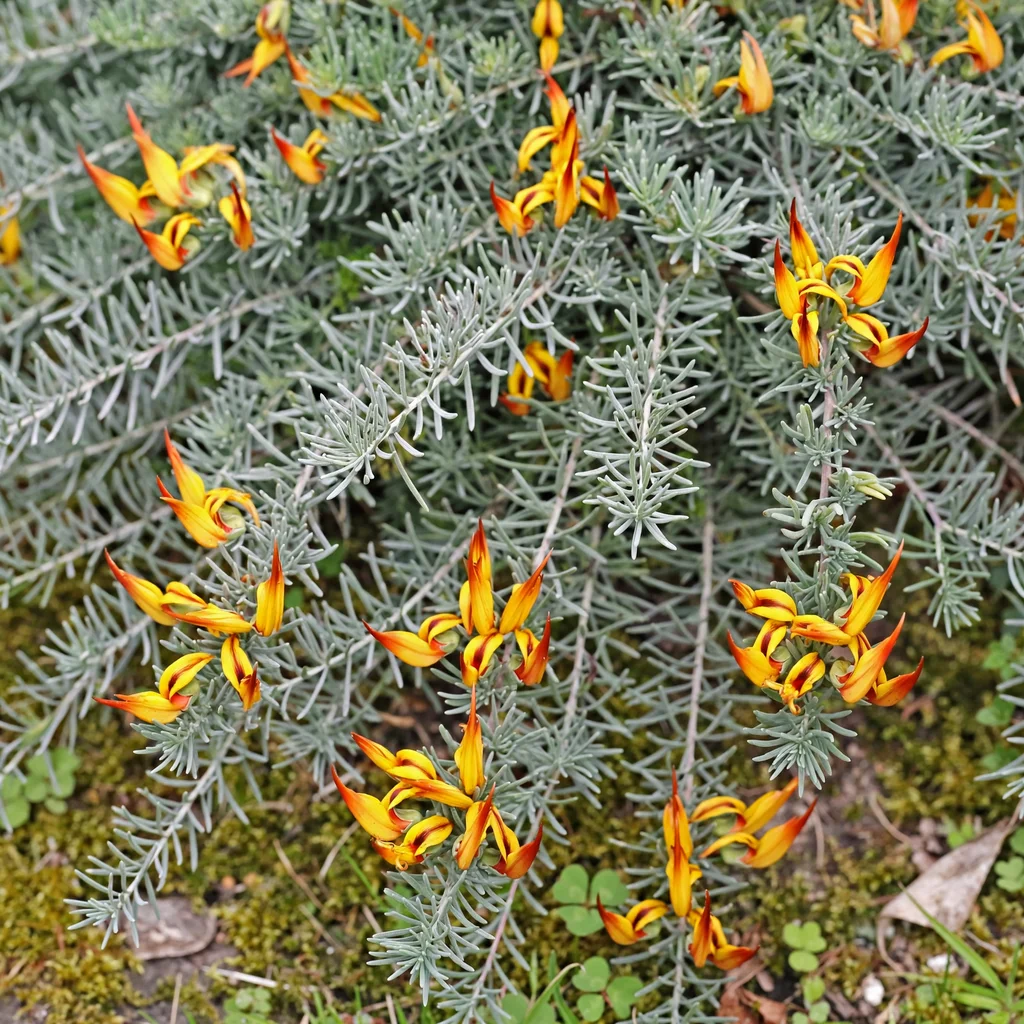
4 species of Lotus
Each one is a parent of the varieties above.
Track your Lotus in Sow
Save the Lotus you grow and get care reminders timed to your zone.
How to grow Lotus
Whats common across all Lotus varieties in our catalog — drawn from the care records of the 6 most-grown of them.
The Lotus year
- PlantApril, May, June and October83% of varieties
Plant outdoors after danger of frost has passed (treat as annual in Zone 7)
- PruneMay, June and September67% of varieties
Lightly trim back leggy stems to encourage bushier growth
- FertilizeJune50% of varieties
Apply a balanced liquid fertilizer monthly, especially for container plants
- Check for PestsJune and July50% of varieties
Check shoot tips for aphids during heat; wash off if present.
- Winter PrepNovember33% of varieties
Move containers indoors before first frost if attempting to overwinter
- DeadheadJuly and August33% of varieties
Remove spent blooms to maintain a tidy appearance


Do
- Ensure full sun exposure for vibrant flowering 🌞
- Water consistently during active growth
- Prune after flowering to promote bushiness
- Water regularly to keep soil moist but not soggy 🌱
- Apply balanced fertilizer during the growing season
Avoid
- Avoid overwatering which can cause root rot ❌
- Don’t neglect pruning; it helps maintain shape
- Keep away from heavy clay soils that retain water
- Avoid overwatering which can lead to root rot ❌
What goes wrong with Lotus
| Problem | What you'll see | What to do |
|---|---|---|
| Aphids | Sticky residue and distorted leaves | Spray with insecticidal soap or neem oil |
| Spider mites | Fine webbing and speckled leaves | Use insecticidal soap and increase humidity |
| Thrips | Scarred buds and streaked petals that fail to open cleanly. | Remove damaged buds and control weeds; spray spinosad in the evening if needed. |
| Japanese beetle | Chewed, skeletonized leaves and damaged flower heads. | Hand-pick beetles into soapy water or use contact insecticides. |
| Root rot | Wilting and blackened roots | Improve drainage and reduce watering |
| Powdery mildew | White powder on leaves | Apply fungicide and improve air circulation |
| Root Rot | Wilting and yellowing leaves | Improve drainage and reduce watering |
Making more Lotus
Seed
- Tuck seeds into moist soil in spring for 6 weeks.
- Keep soil consistently moist and in full sun.
Cuttings
- Take 4-inch softwood cuttings in late spring.
- Remove lower leaves and dip in rooting hormone.
- Plant in moist, well-draining soil.
- Maintain high humidity with plastic cover.
- Roots develop in 4-6 weeks.
Lotus questions
How many types of Lotus are there?
The Sow catalog tracks 6 distinct Lotus varieties. The most popular — ranked by 12 real gardeners — are shown first above.
What zones does Lotus grow in?
Across its varieties, Lotus covers USDA Zones 4–10. Individual varieties differ — each plant page lists its exact range, and Sow filters the catalog to your zone automatically.
When does Lotus bloom?
Most Lotus varieties bloom from spring to summer.
Which Lotus should I choose?
Start from the most-saved varieties above — popularity across thousands of gardens is a strong signal of reliability — then filter by your zone and sun. In the Sow app you can preview any of them in a photo of your actual yard before you buy.