1.2k saves
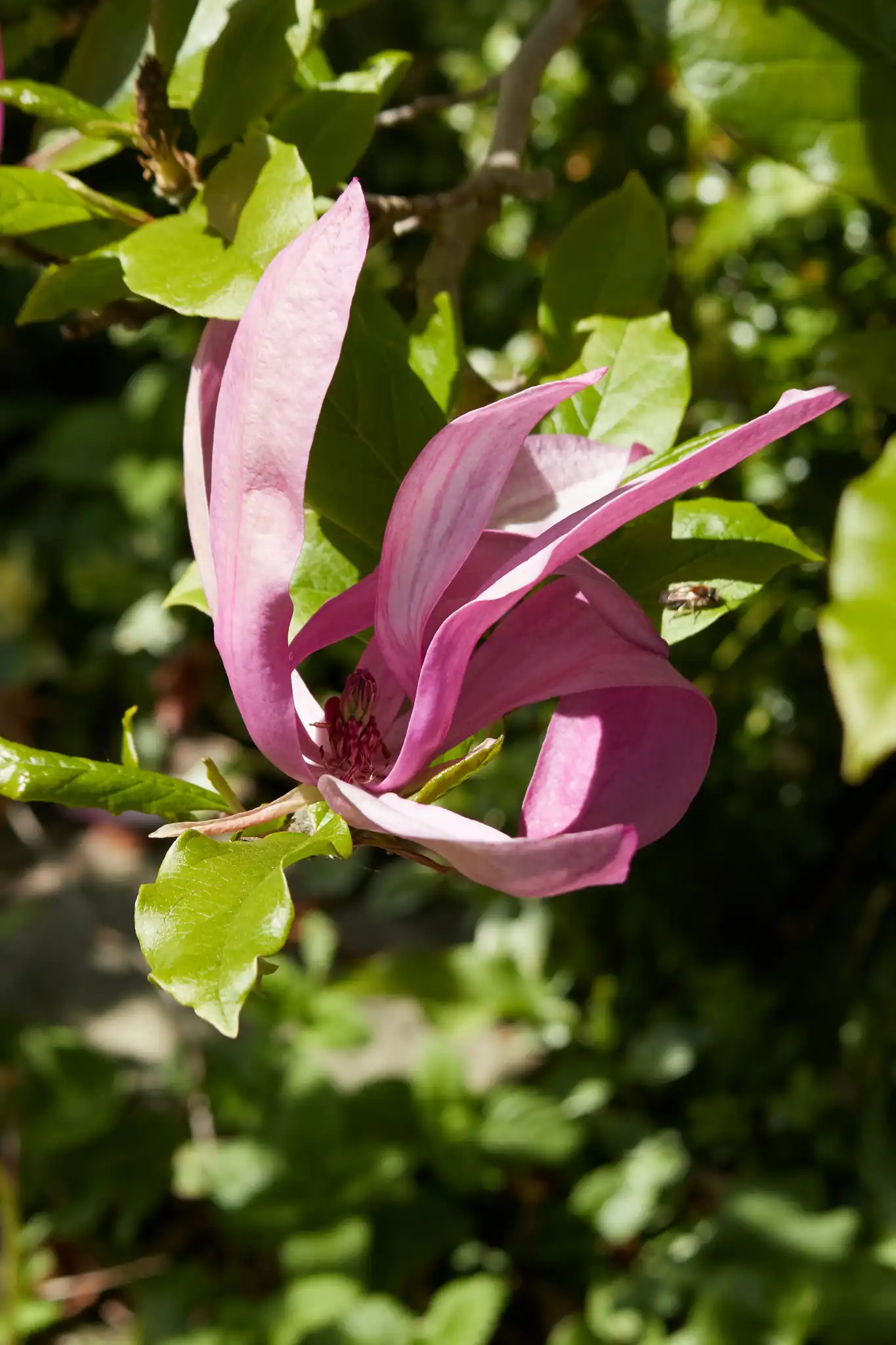
Magnolia
We track 44 varieties; the ones most used by real gardeners.
The 24 most-saved Magnolia varieties
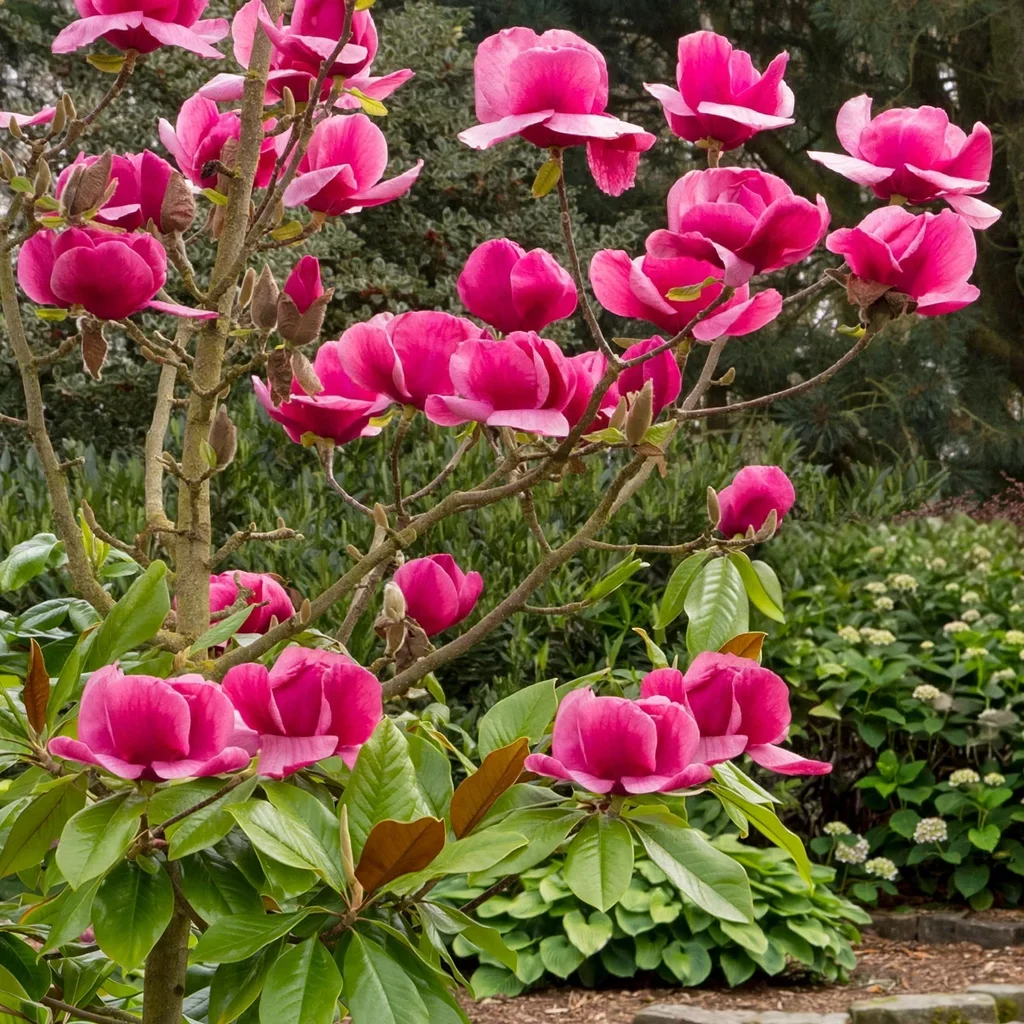
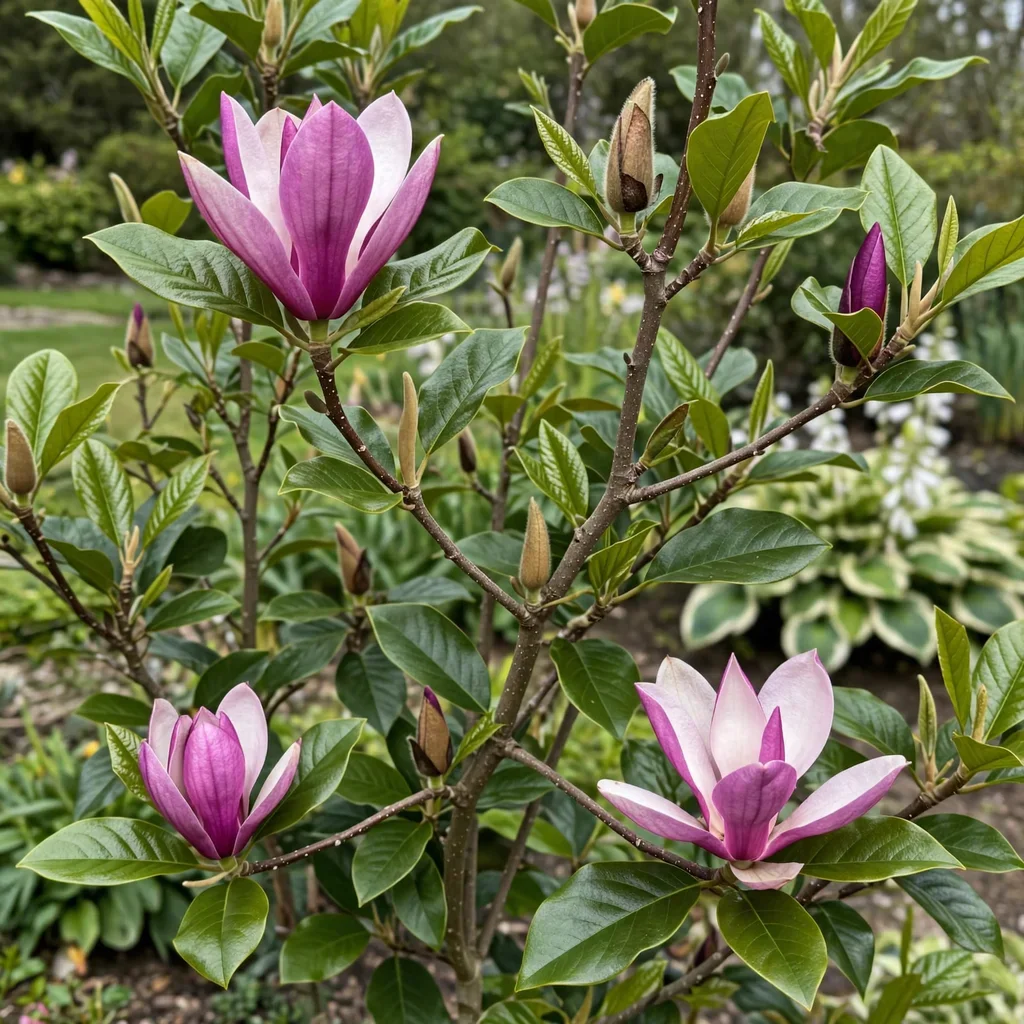
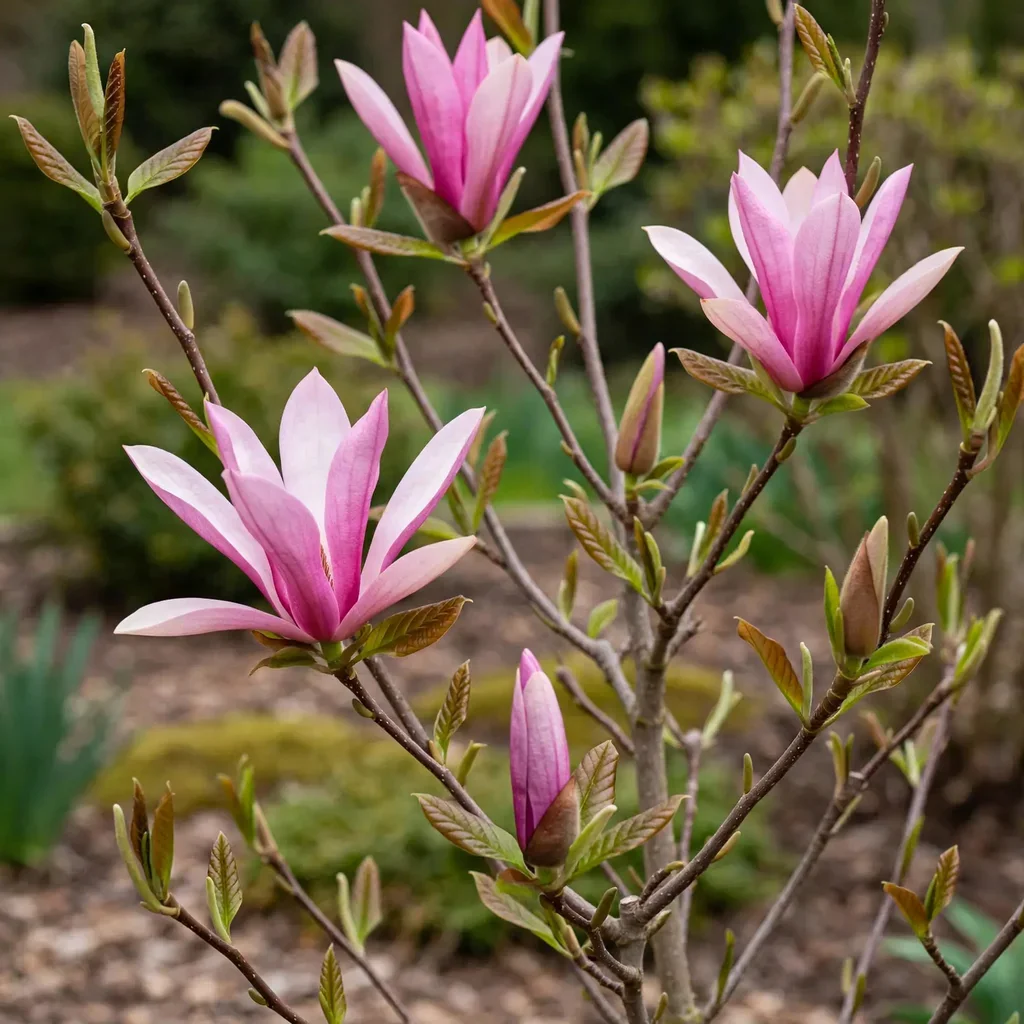
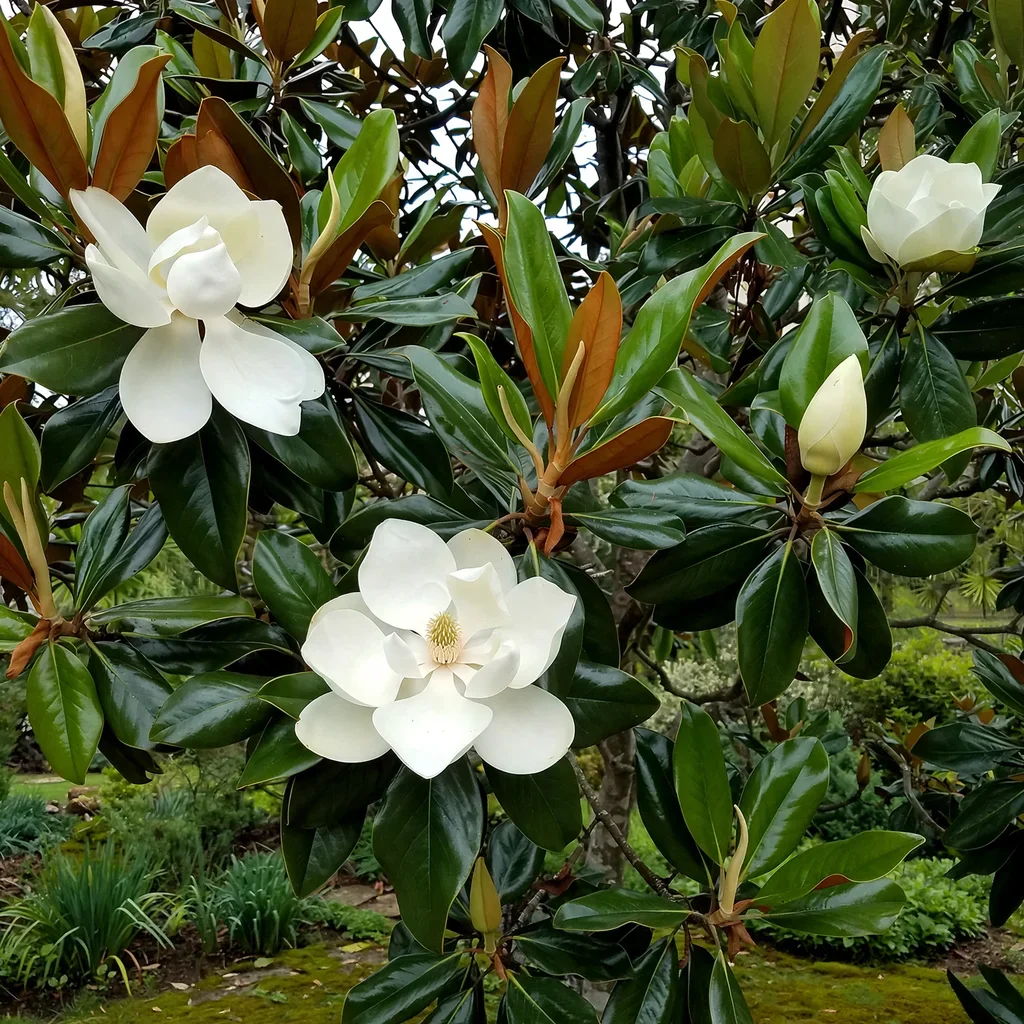
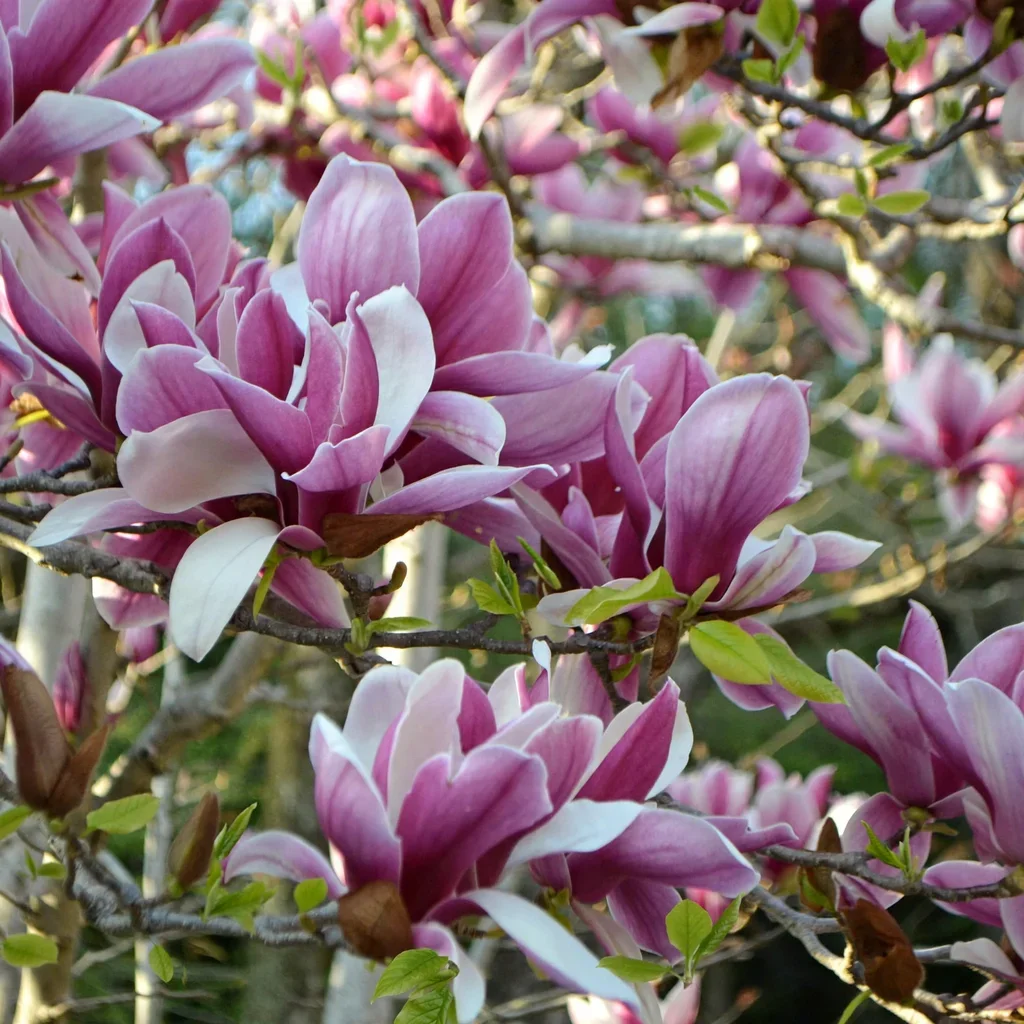
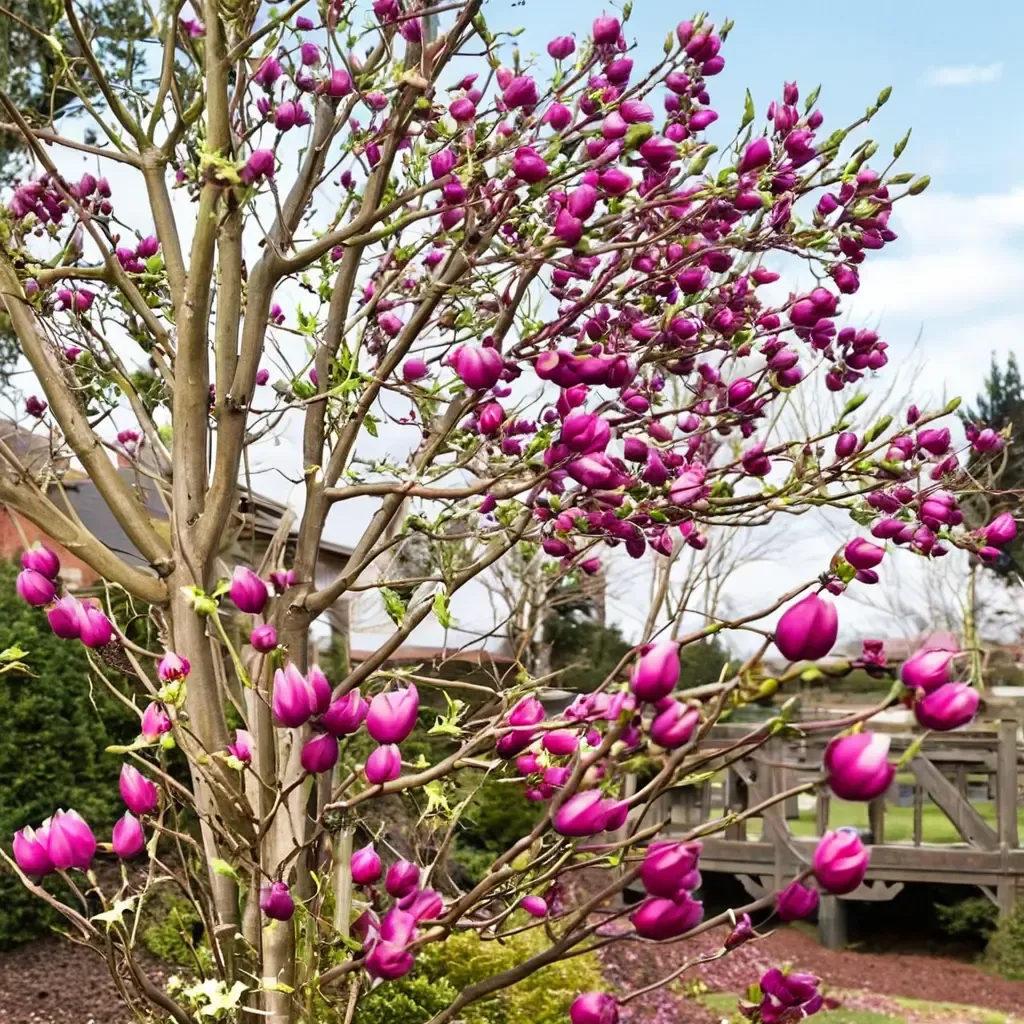
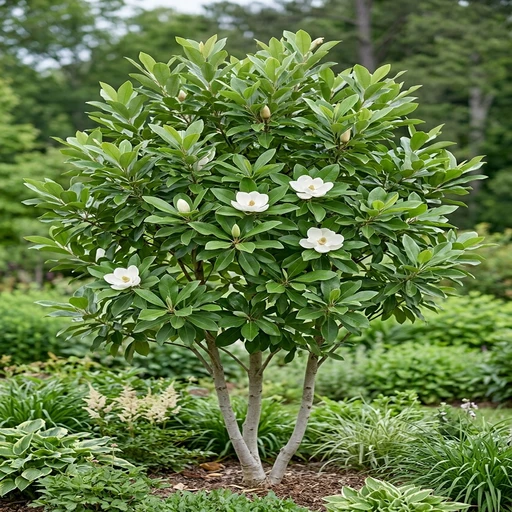
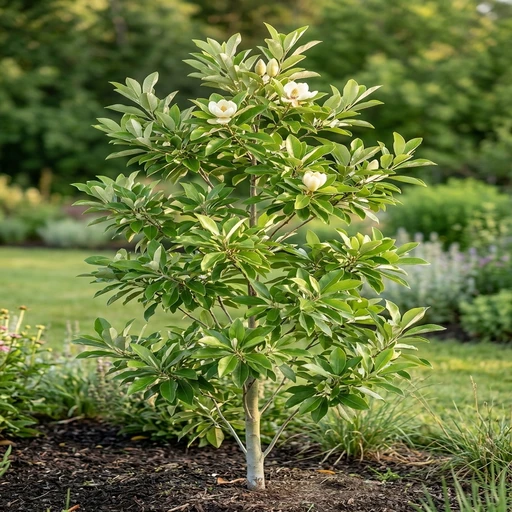
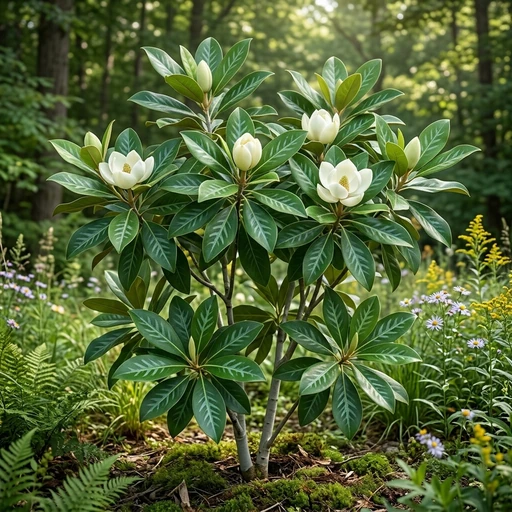
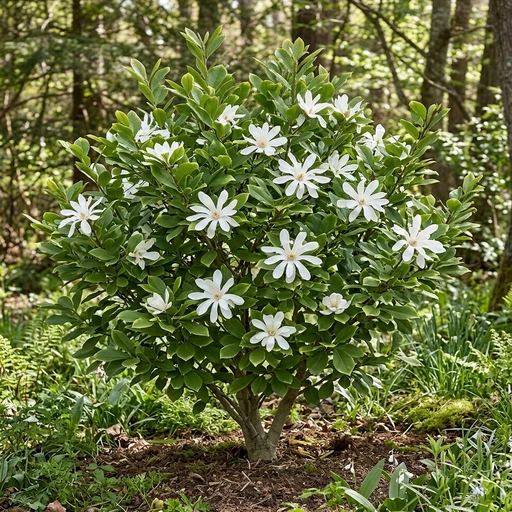
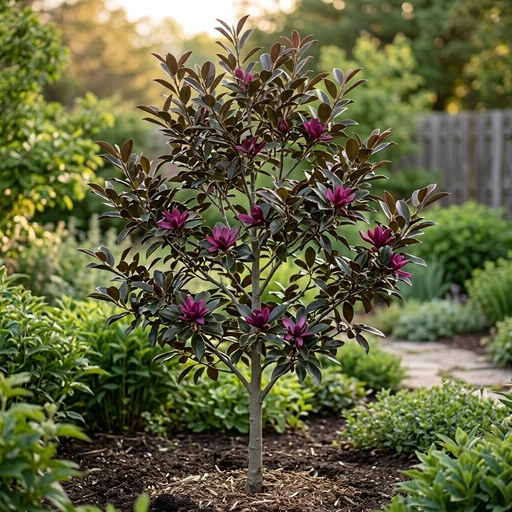
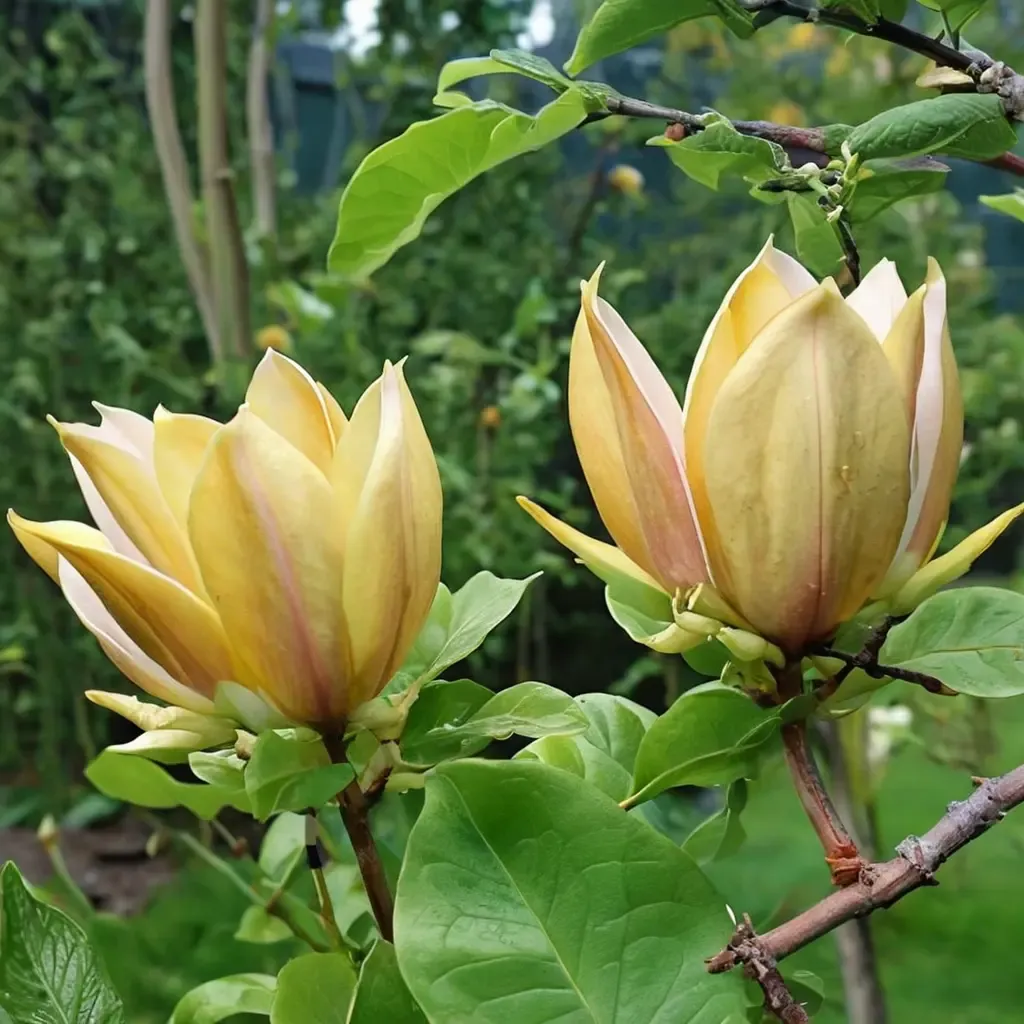
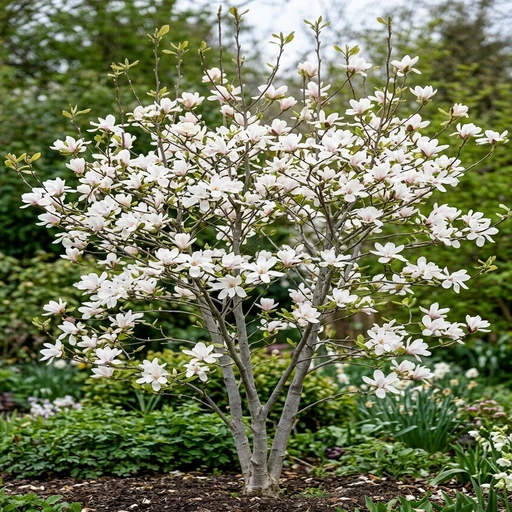
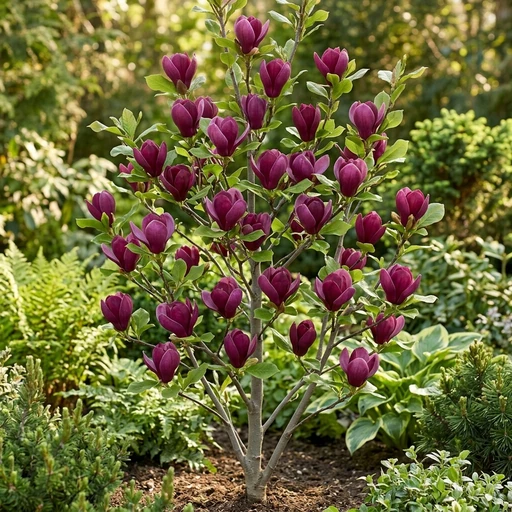
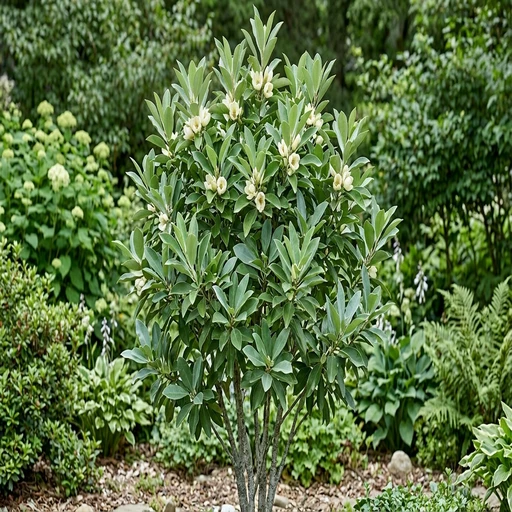
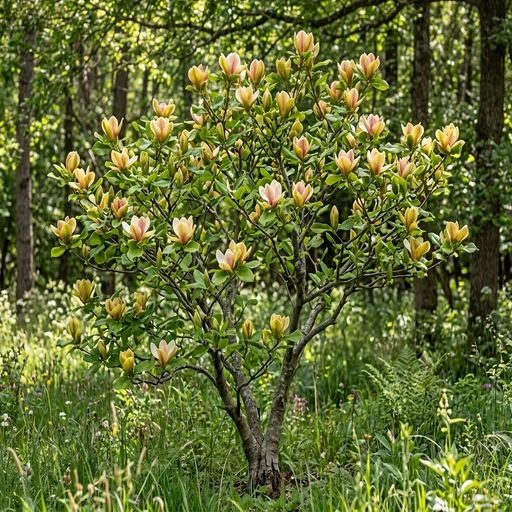
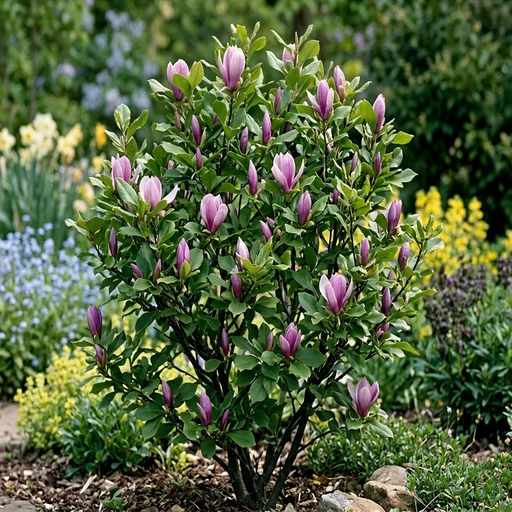
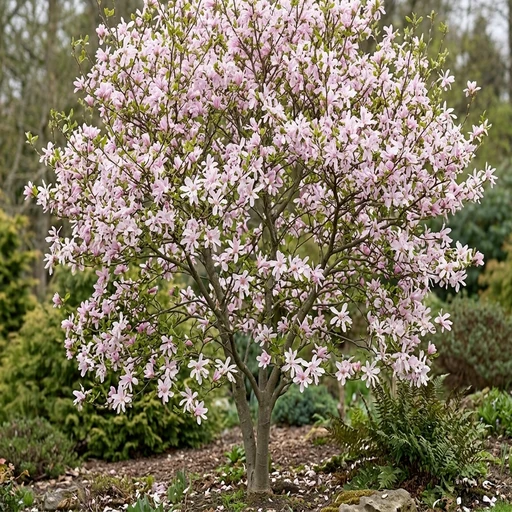
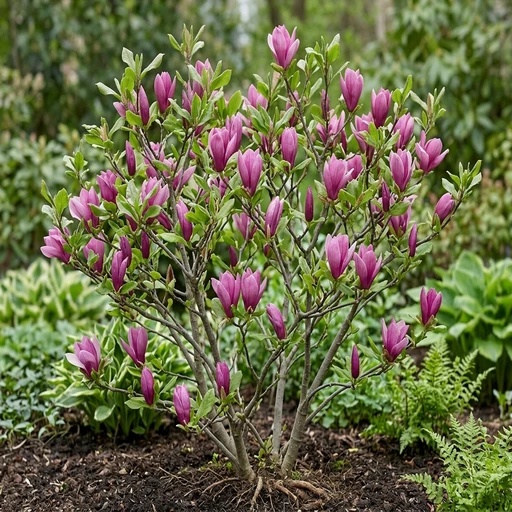
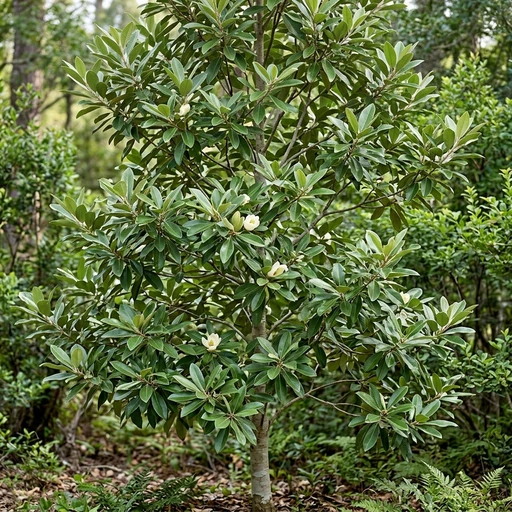
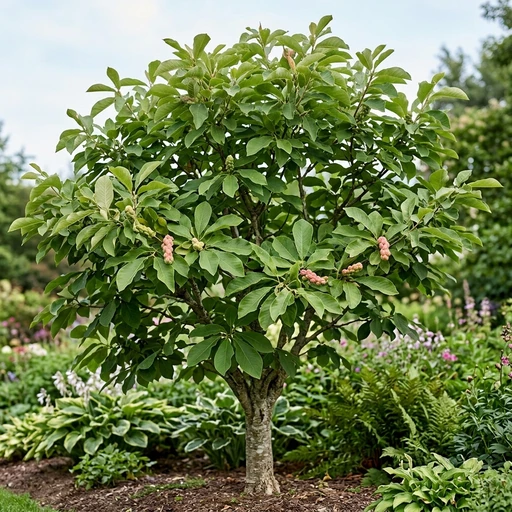
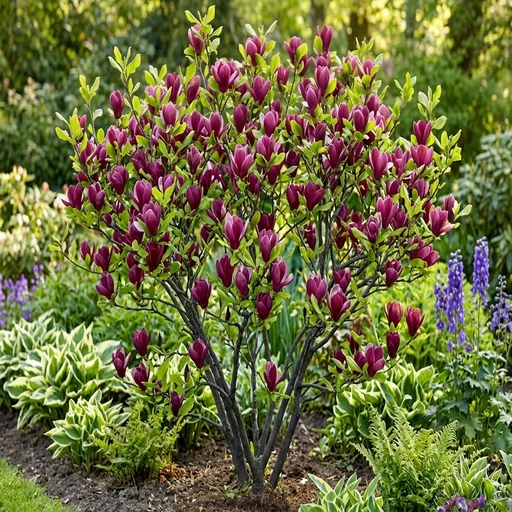
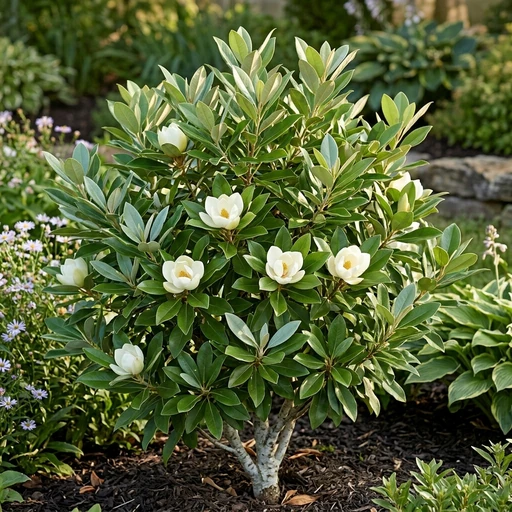
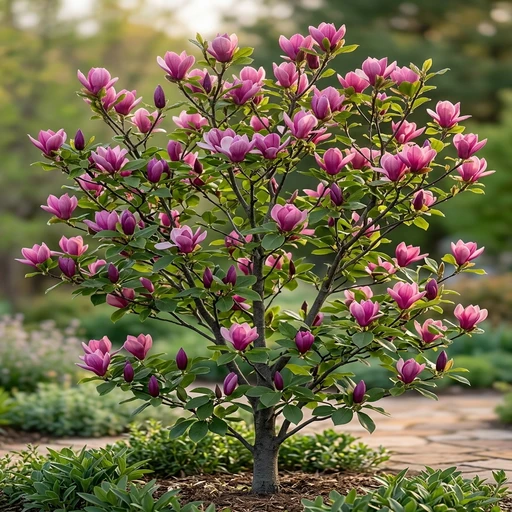
See all 44 Magnolia varieties →Search this genus →
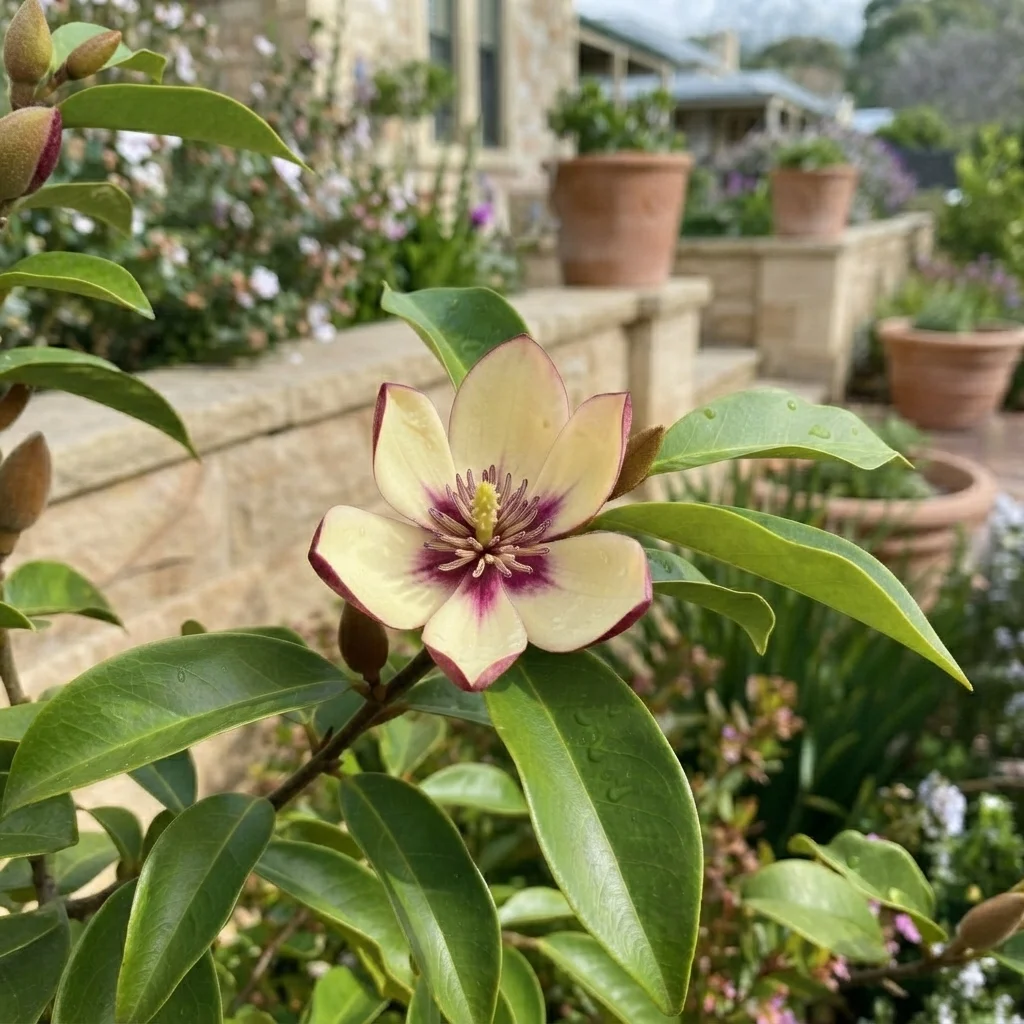
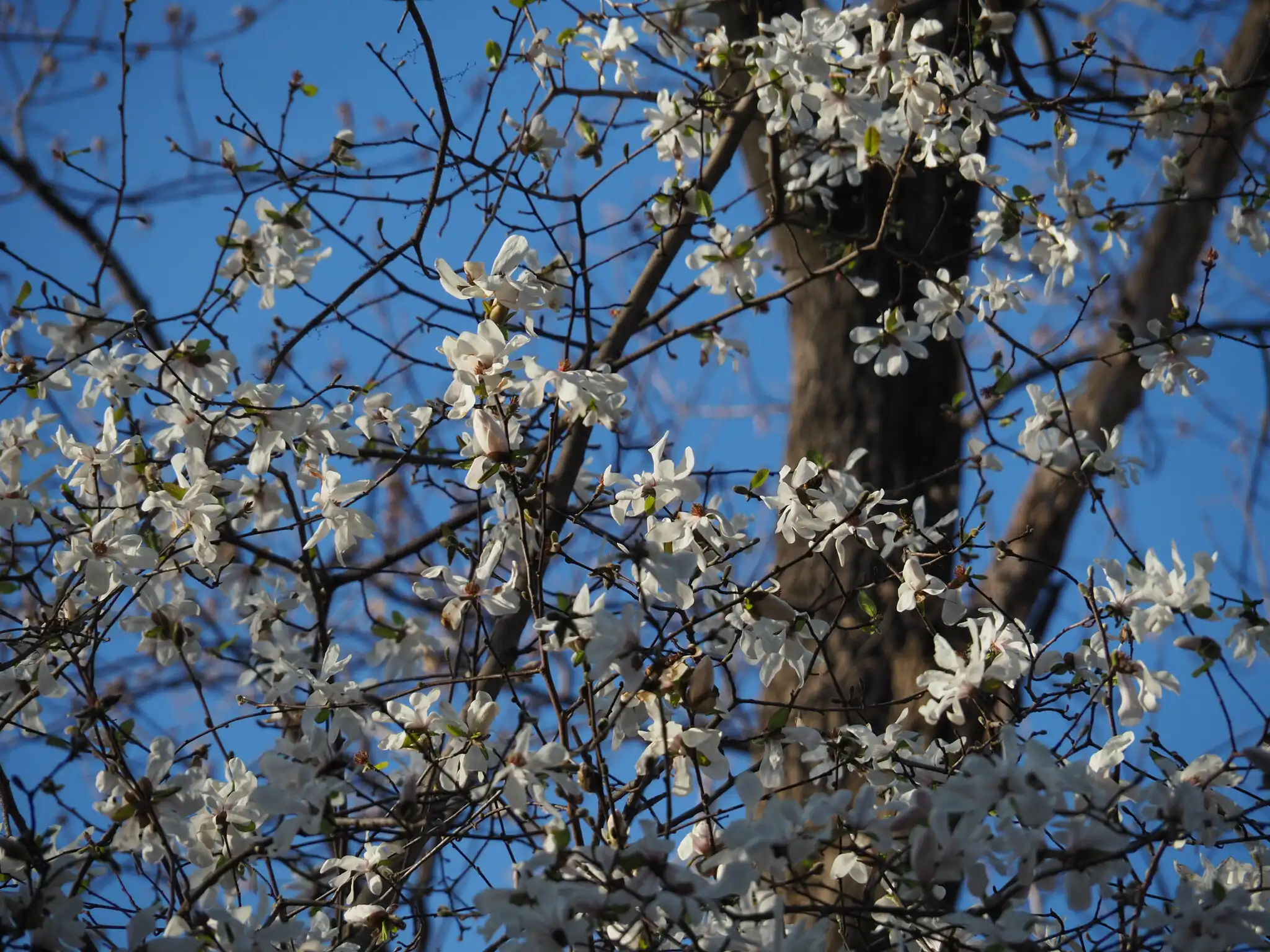
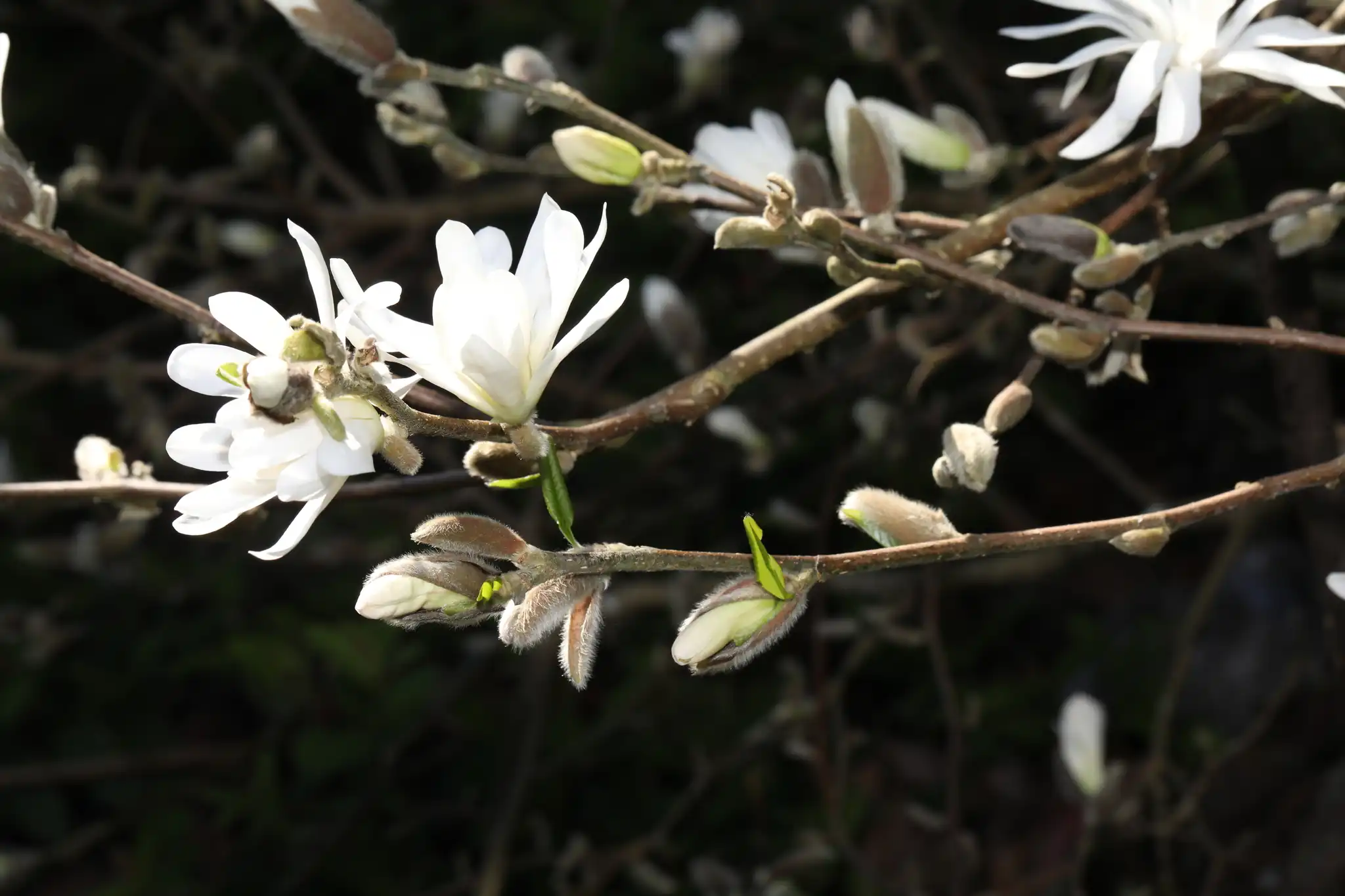
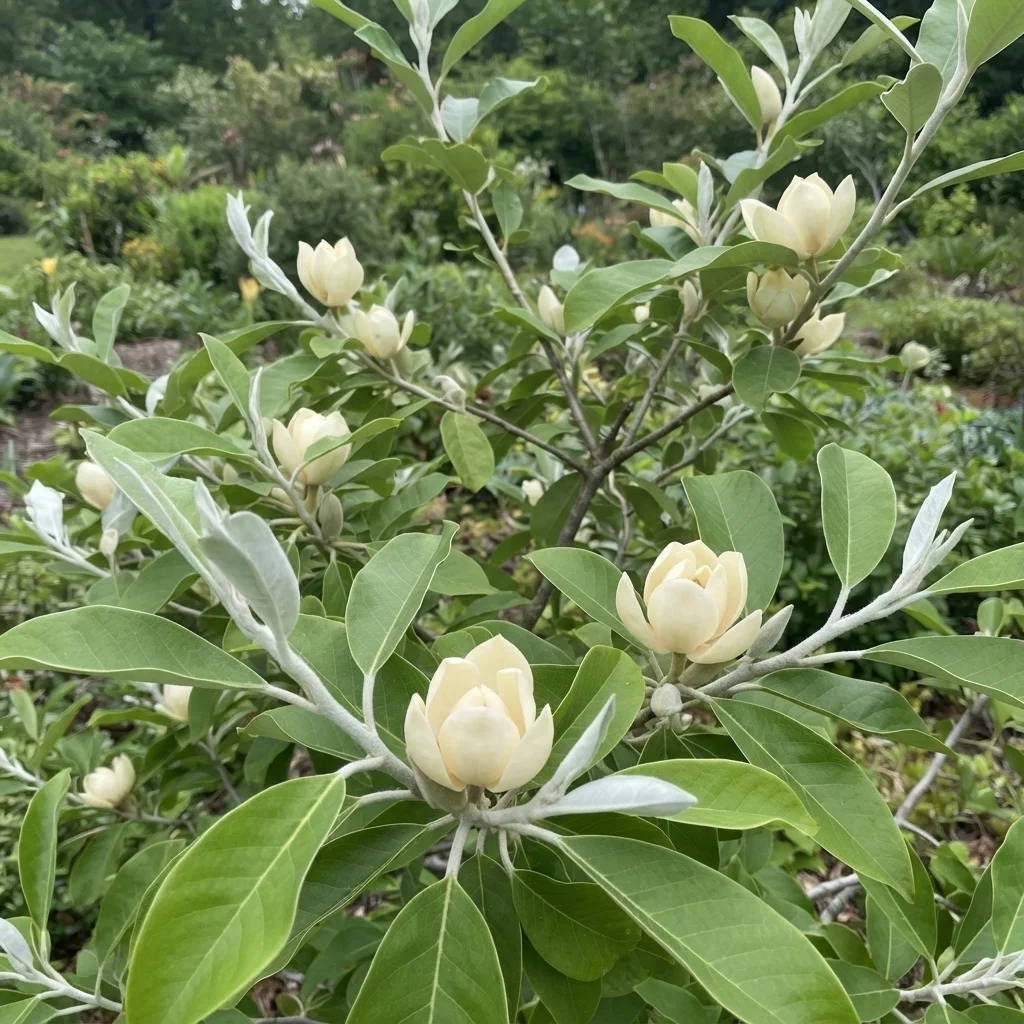
6 species of Magnolia
Each one is a parent of the varieties above.

Track your Magnolia in Sow
Save the Magnolia you grow and get care reminders timed to your zone.
How to grow Magnolia
Whats common across all Magnolia varieties in our catalog — drawn from the care records of the 40 most-grown of them.
The Magnolia year
- MulchApril, May and November95% of varieties
Maintain a mulch layer over the root zone to keep soil cool and moist.
- PruneJune and July93% of varieties
Prune after flowering only to remove dead or broken branches.
- FertilizeApril85% of varieties
Apply a fertilizer for acid-loving plants in early spring if needed.
- PlantApril, May, October and November45% of varieties
Plant in spring or fall. Ensure soil is rich and well-drained.
- Check for PestsJune–August30% of varieties
Check for magnolia scale on twigs and branches.


Do
- Mulch annually to protect the shallow root system.
- Prune after flowering to maintain shape
- Provide consistent moisture, especially during dry periods.
- Provide consistent moisture, especially during the first few years.
- Provide consistent moisture, especially when young.
Avoid
- Avoid overwatering to prevent root rot ❌
- Do not allow the soil to dry out completely
- Avoid planting in alkaline or poorly drained soil
- Don't prune unless absolutely necessary to remove a dead branch
What goes wrong with Magnolia
| Problem | What you'll see | What to do |
|---|---|---|
| Magnolia Scale | Large, white, waxy bumps on twigs in late summer, with sticky honeydew. | Scrub off small infestations. Apply horticultural oil in late summer after crawlers have emerged. |
| Magnolia scale | White, cottony or hemispherical bumps on twigs and branches accompanied by sticky honeydew and black sooty mold. | Apply horticultural oils during the winter dormant phase or systemic insecticides in spring. |
| Spider mites | Fine stippling on leaves and delicate webbing on the undersides of foliage. | Spray the foliage with a strong stream of water or apply insecticidal soaps. |
| Aphids | Sticky residue and distorted leaves | Use neem oil spray or insecticidal soap |
| Leaf Spot | Various fungal or bacterial spots on leaves. | Generally not serious. Rake up and dispose of fallen leaves. Improve air circulation. |
| Verticillium Wilt | Sudden wilting, yellowing, and dieback of one or more branches. | There is no cure. Prune out affected branches. Provide excellent care to reduce stress on the plant. If the plant dies, do not replant with another susceptible species. |
| Algal leaf spot | Raised, velvety, reddish-brown spots on the upper surfaces of mature leaves. | Improve air circulation around the canopy and apply copper-based fungicides if the infection is severe. |
Making more Magnolia
Softwood Cuttings
- Take cuttings from new growth in early summer.
- Treat with a rooting hormone.
- Place under mist with bottom heat.
- Rooting can be difficult and slow.
Semi-hardwood cuttings
- Take 4- to 6-inch semi-hardwood cuttings in late summer, selecting current season's growth that has begun to mature.
- Remove the lower leaves, leaving only the top two, and wound the base of the stem by scraping a small strip of bark.
- Dip the wounded base in a high-concentration rooting hormone powder or gel.
- Insert the cutting into a moist medium of perlite and peat, cover with a plastic dome to maintain high humidity, and apply bottom heat.
Magnolia questions
How many types of Magnolia are there?
The Sow catalog tracks 44 distinct Magnolia varieties. The most popular — ranked by 1.2k real gardeners — are shown first above.
What zones does Magnolia grow in?
Across its varieties, Magnolia covers USDA Zones 4–10. Individual varieties differ — each plant page lists its exact range, and Sow filters the catalog to your zone automatically.
When does Magnolia bloom?
Most Magnolia varieties bloom in early spring, mid-spring, late spring. Staggering early, mid, and late varieties extends the genus's season in one bed.
Which Magnolia should I choose?
Start from the most-saved varieties above — popularity across thousands of gardens is a strong signal of reliability — then filter by your zone and sun. In the Sow app you can preview any of them in a photo of your actual yard before you buy.