Also known as Nightshade · 1.1k saves
Solanum
Solanum, the genus most gardeners know as nightshade. We track 50 varieties; the ones most used by real gardeners.
The 24 most-saved Solanum varieties
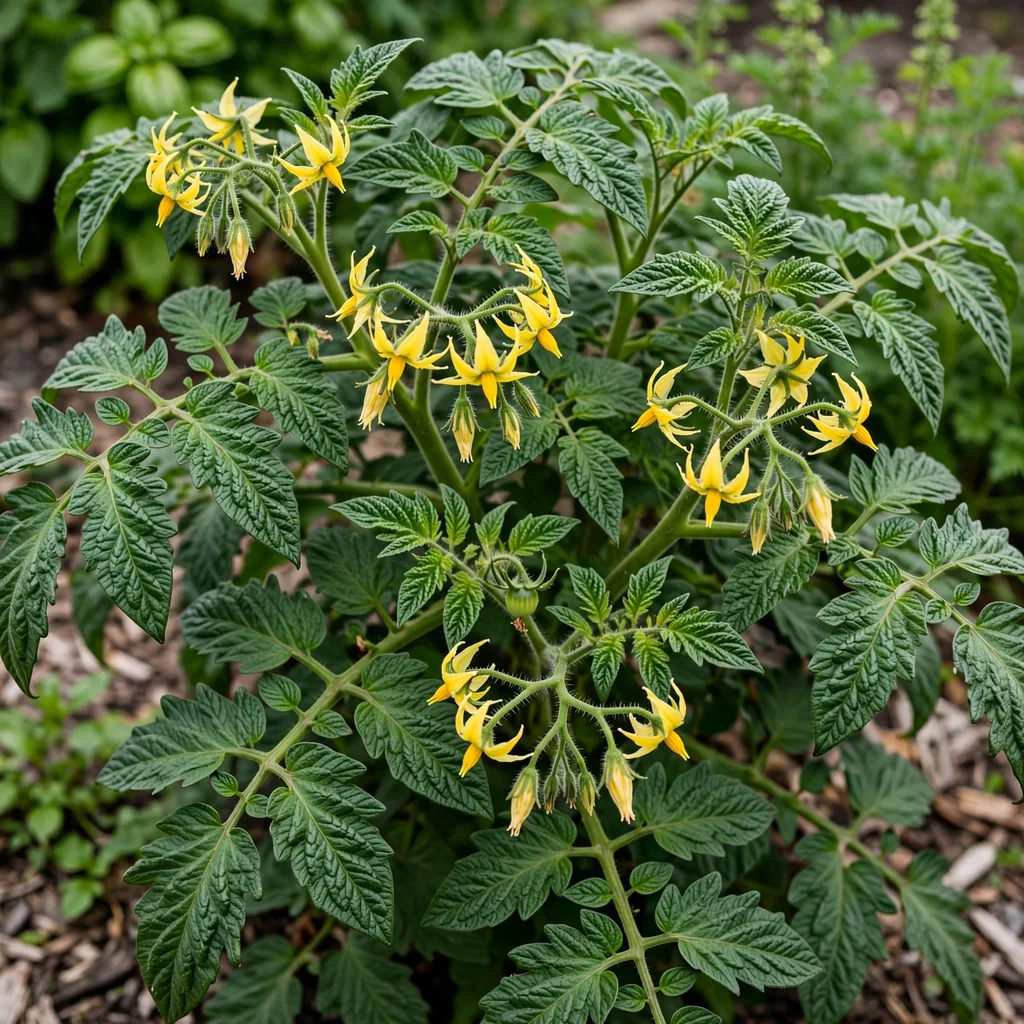
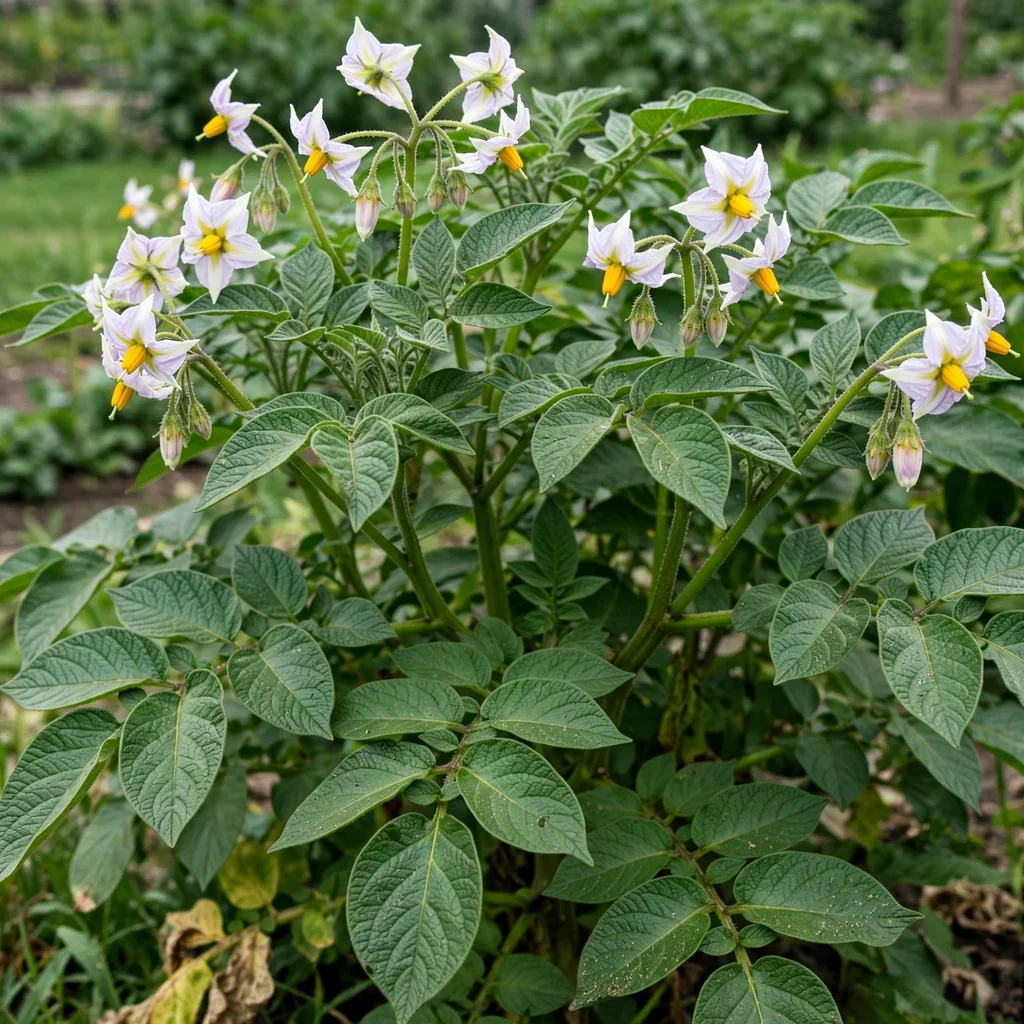
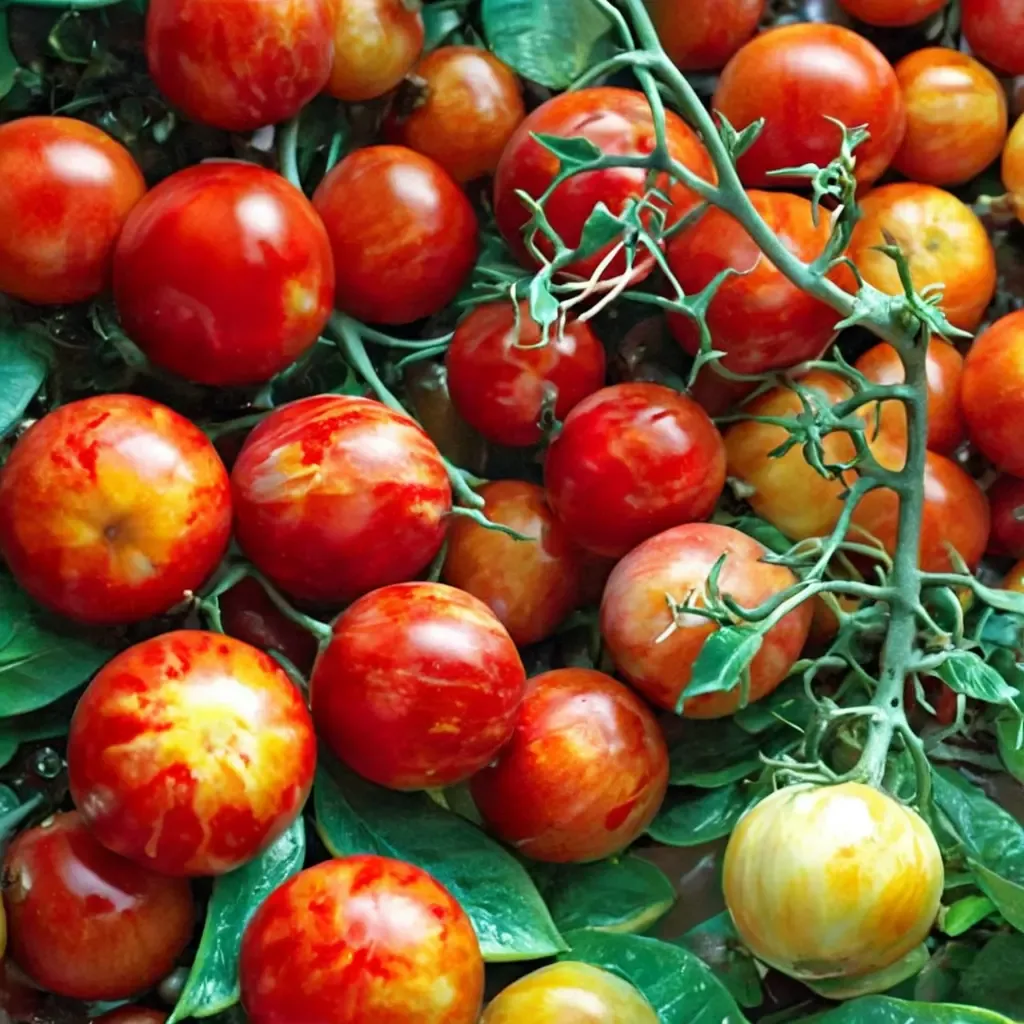
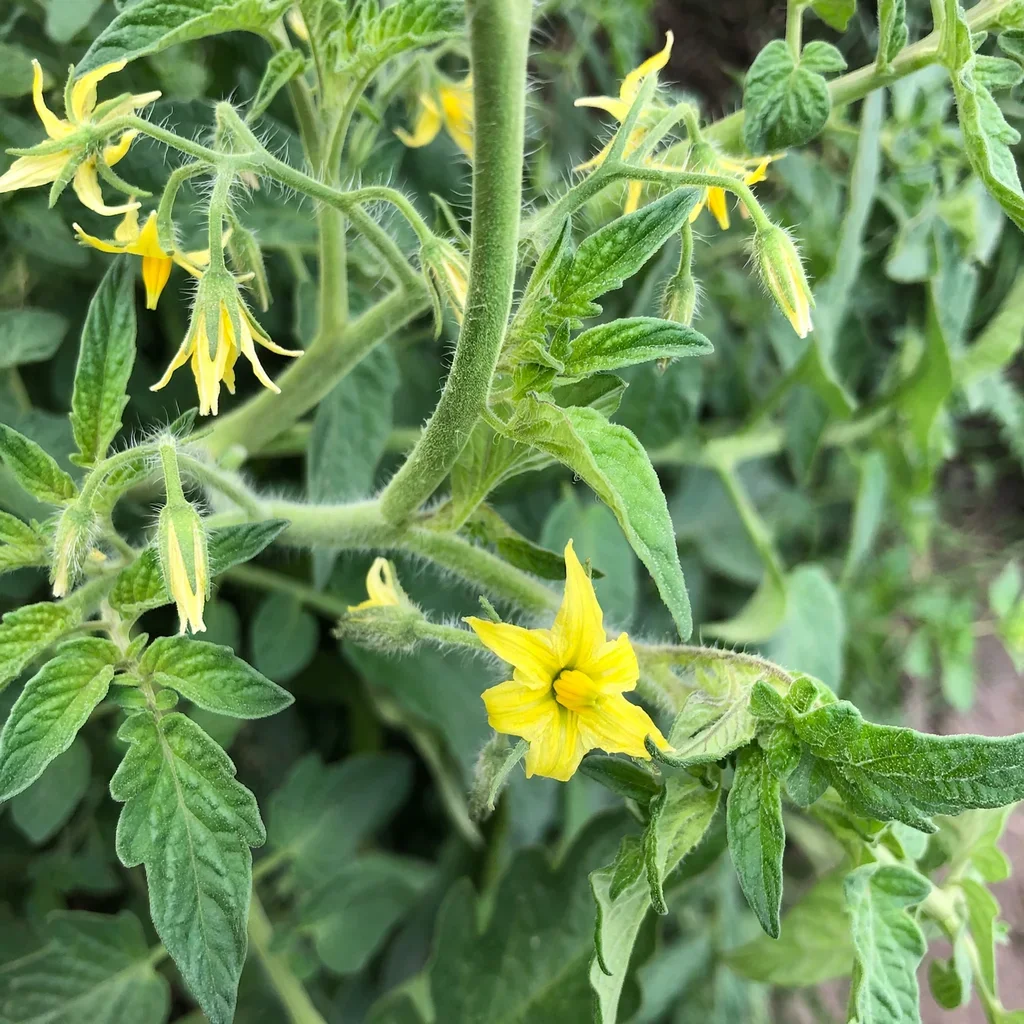
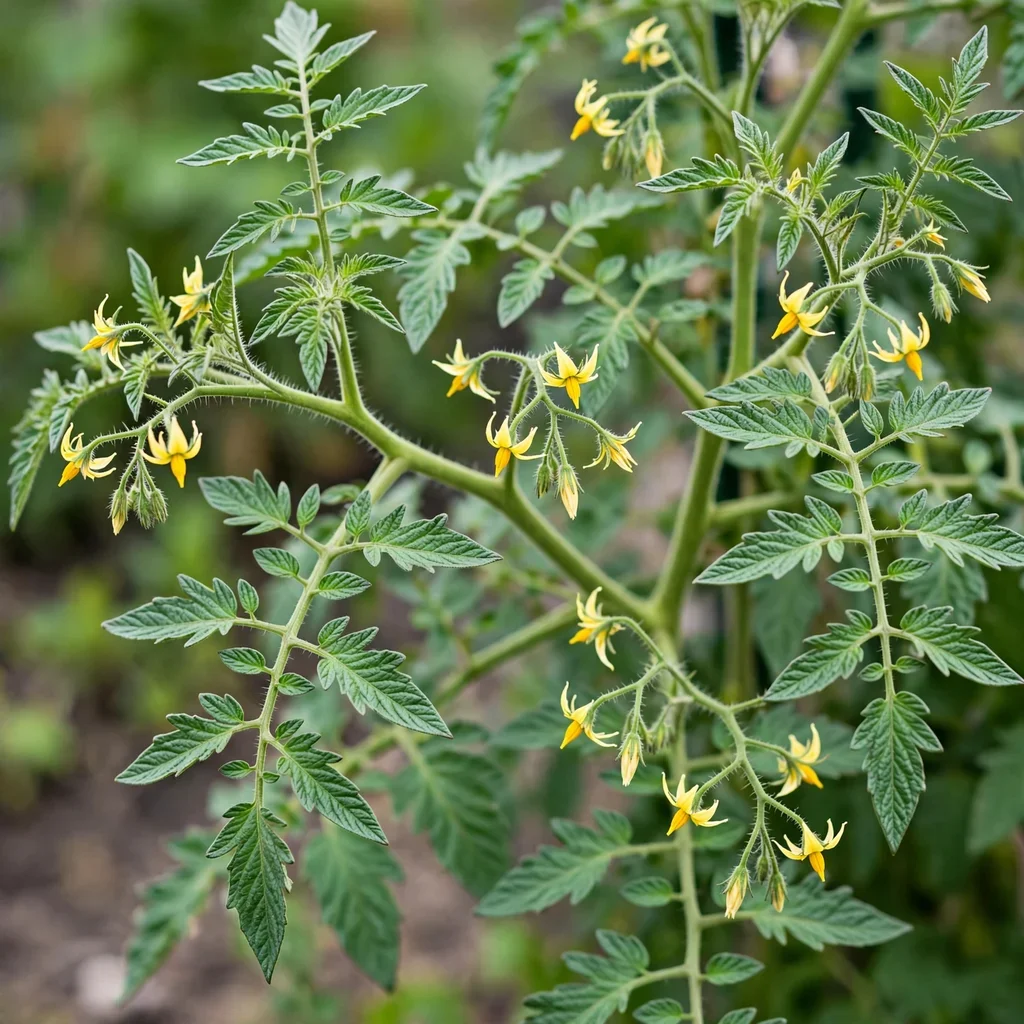
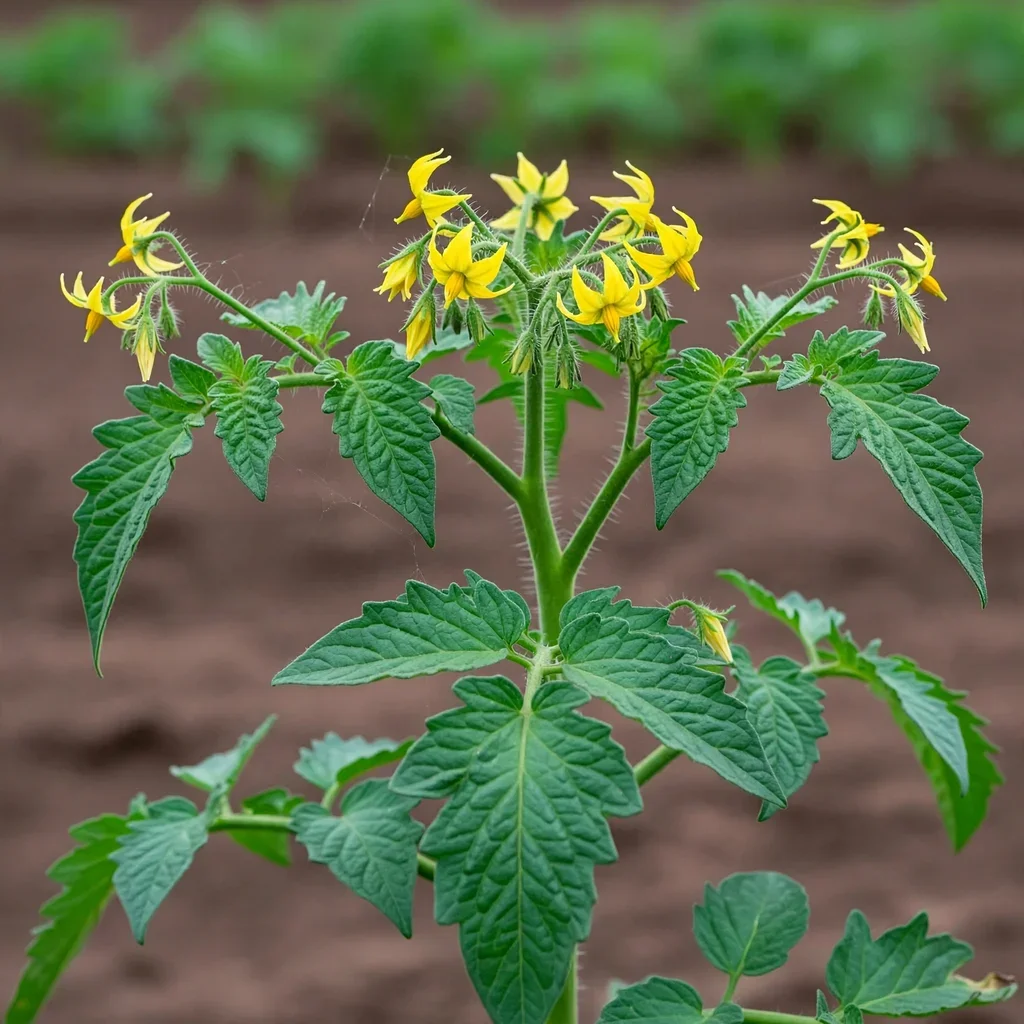
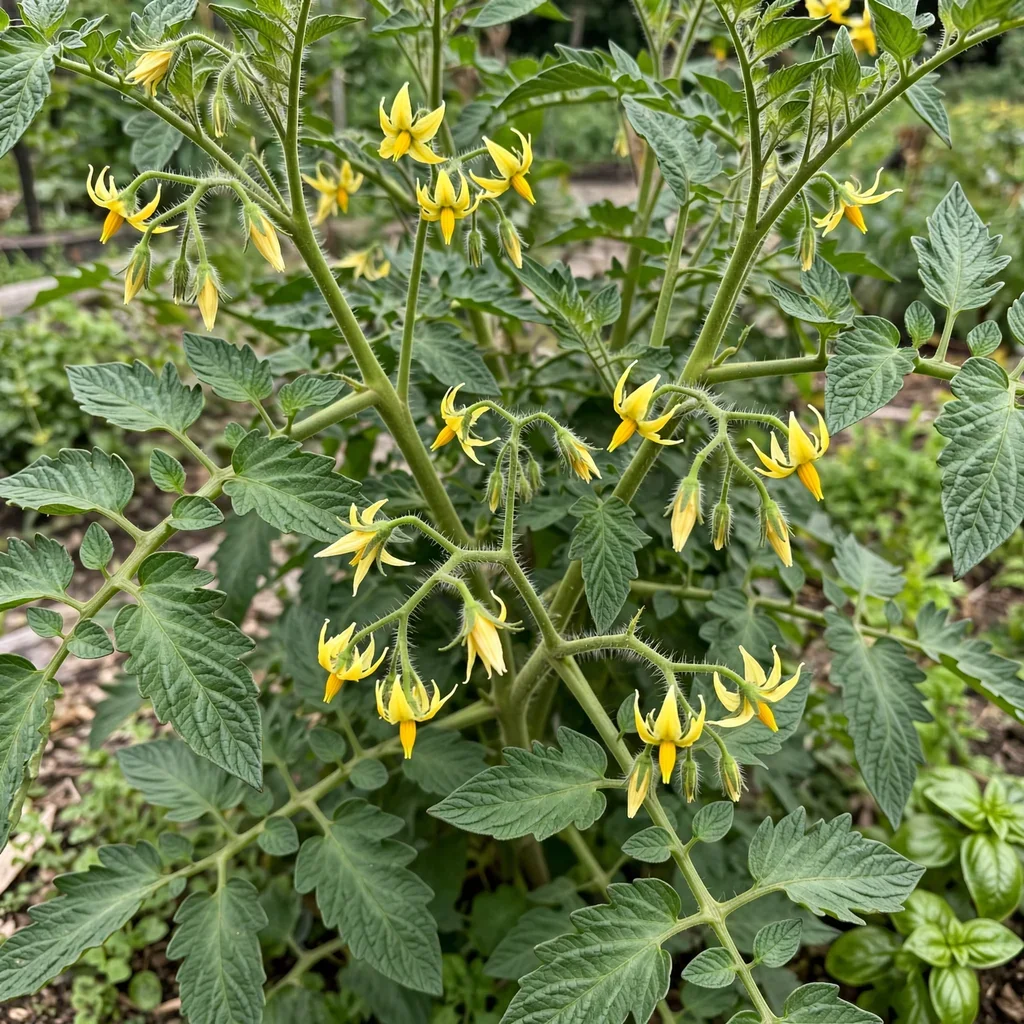
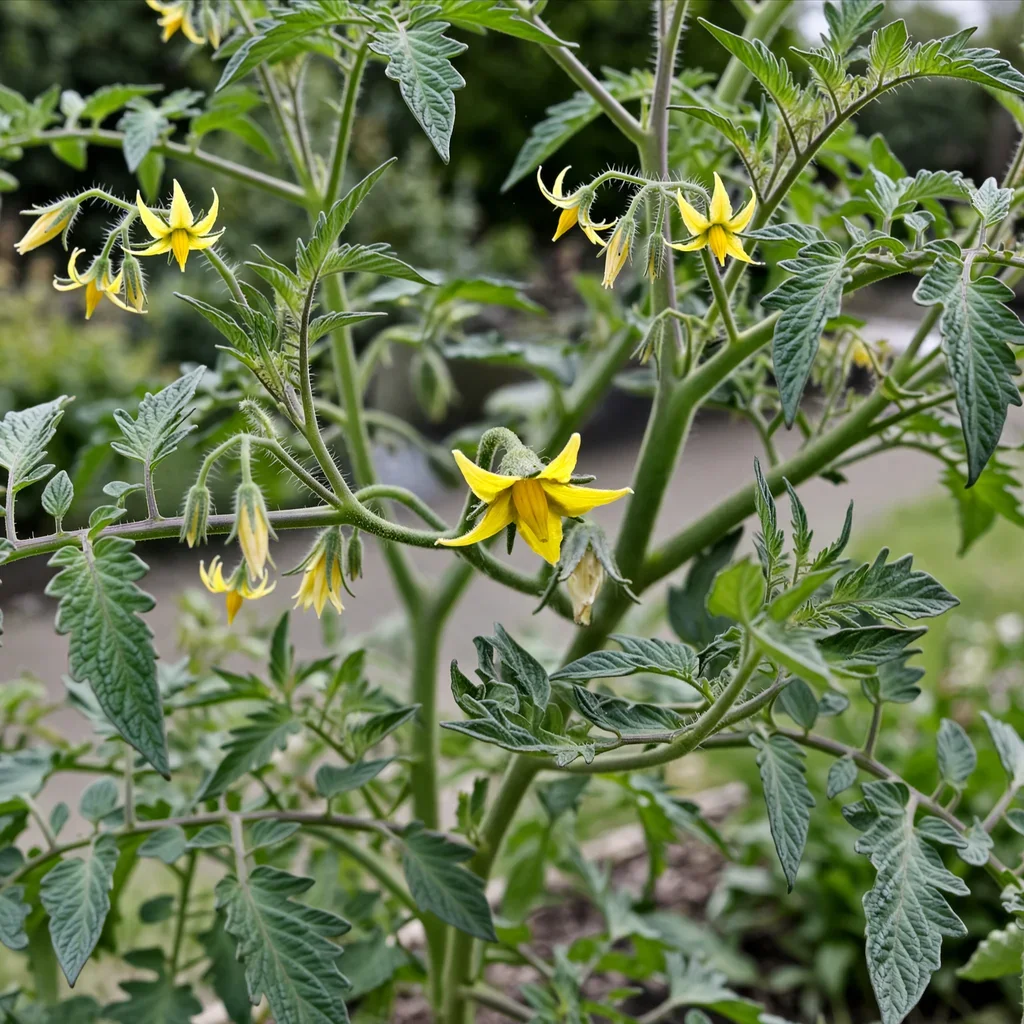
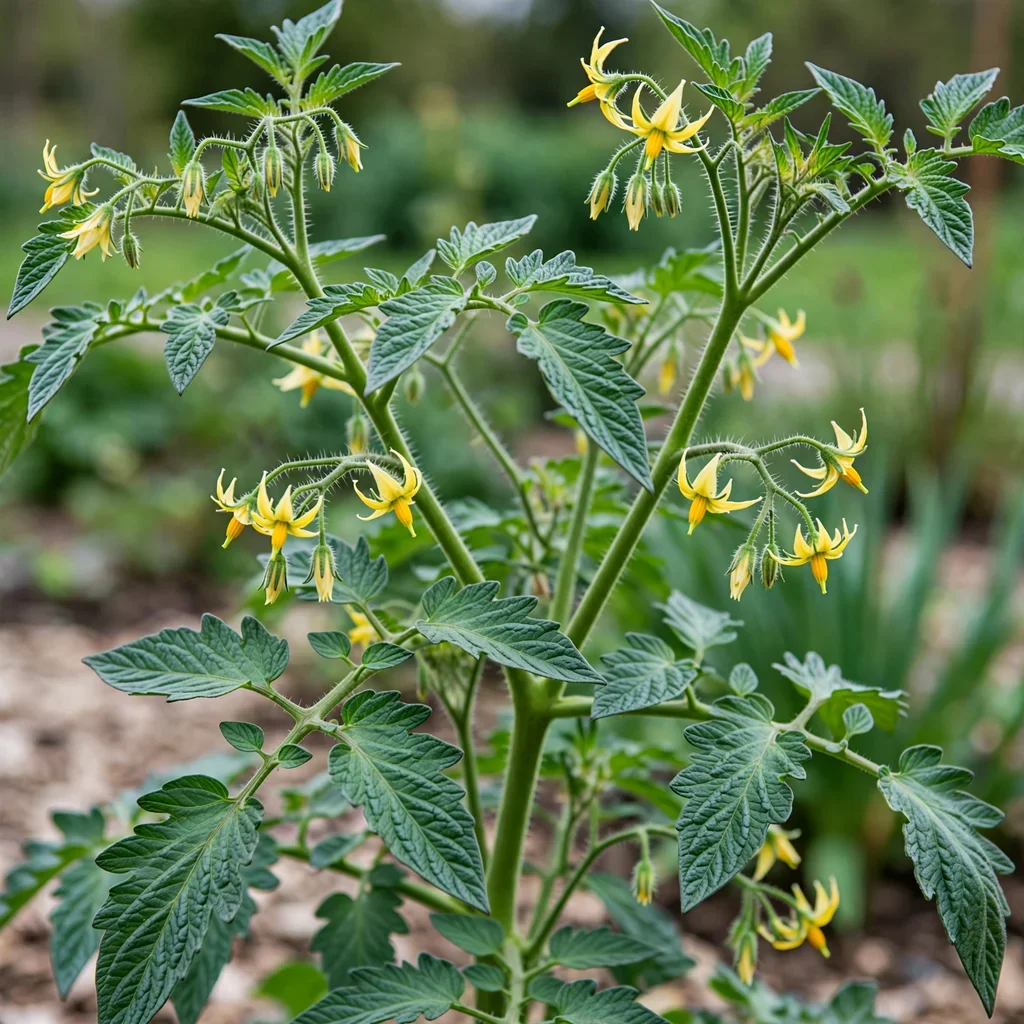
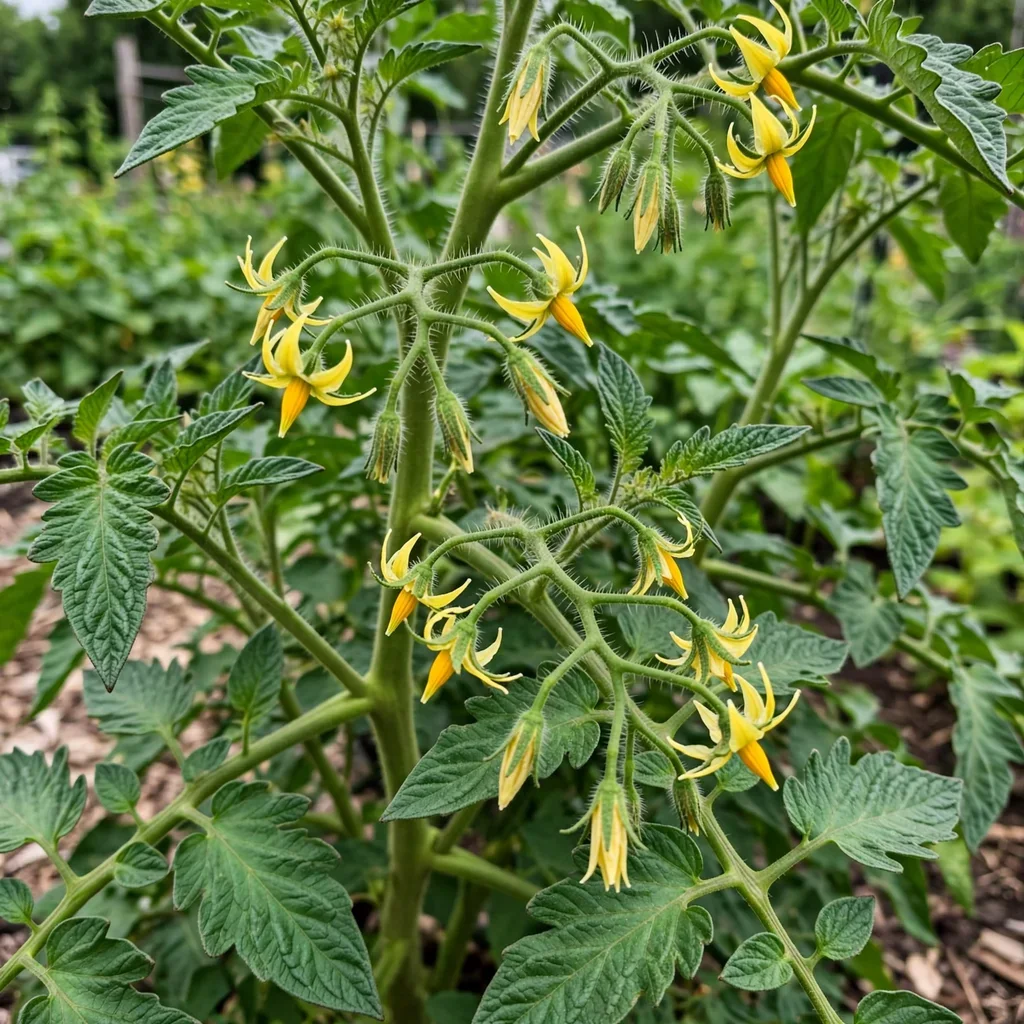
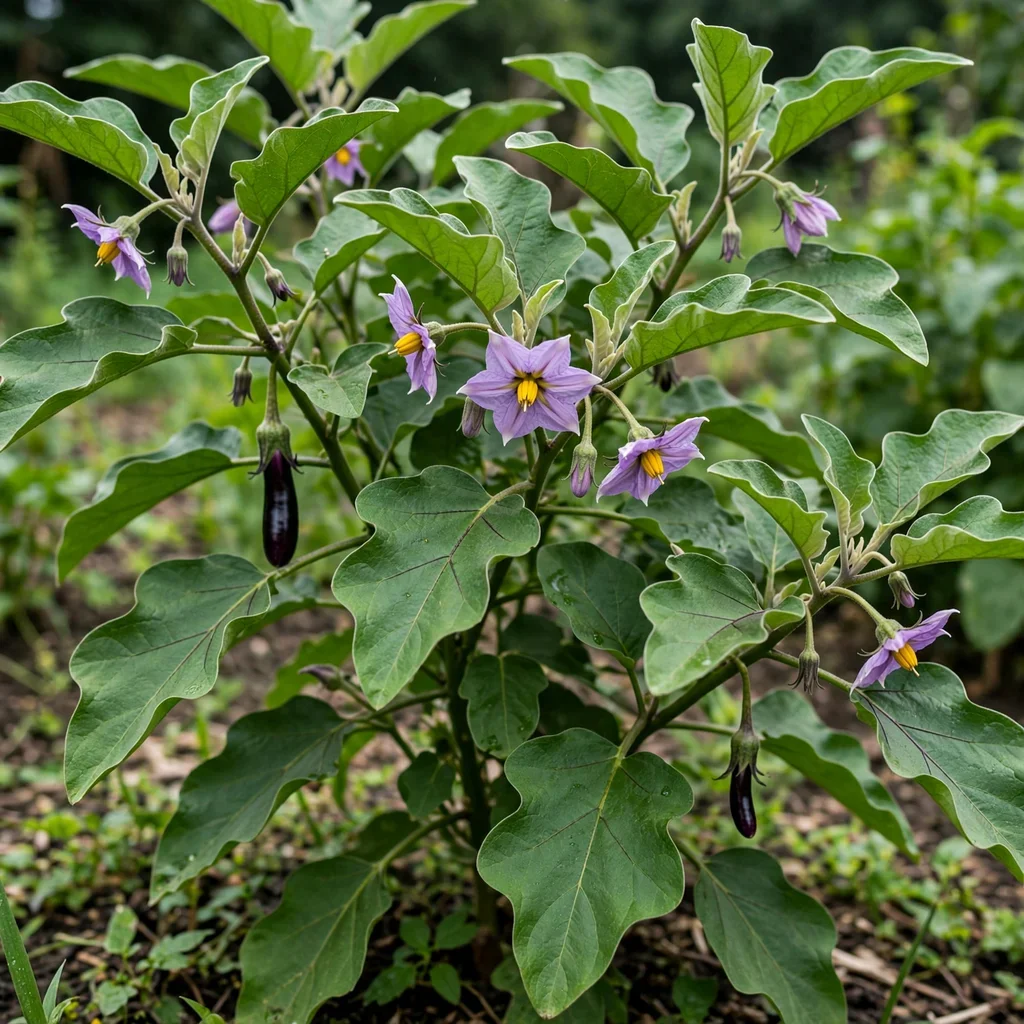
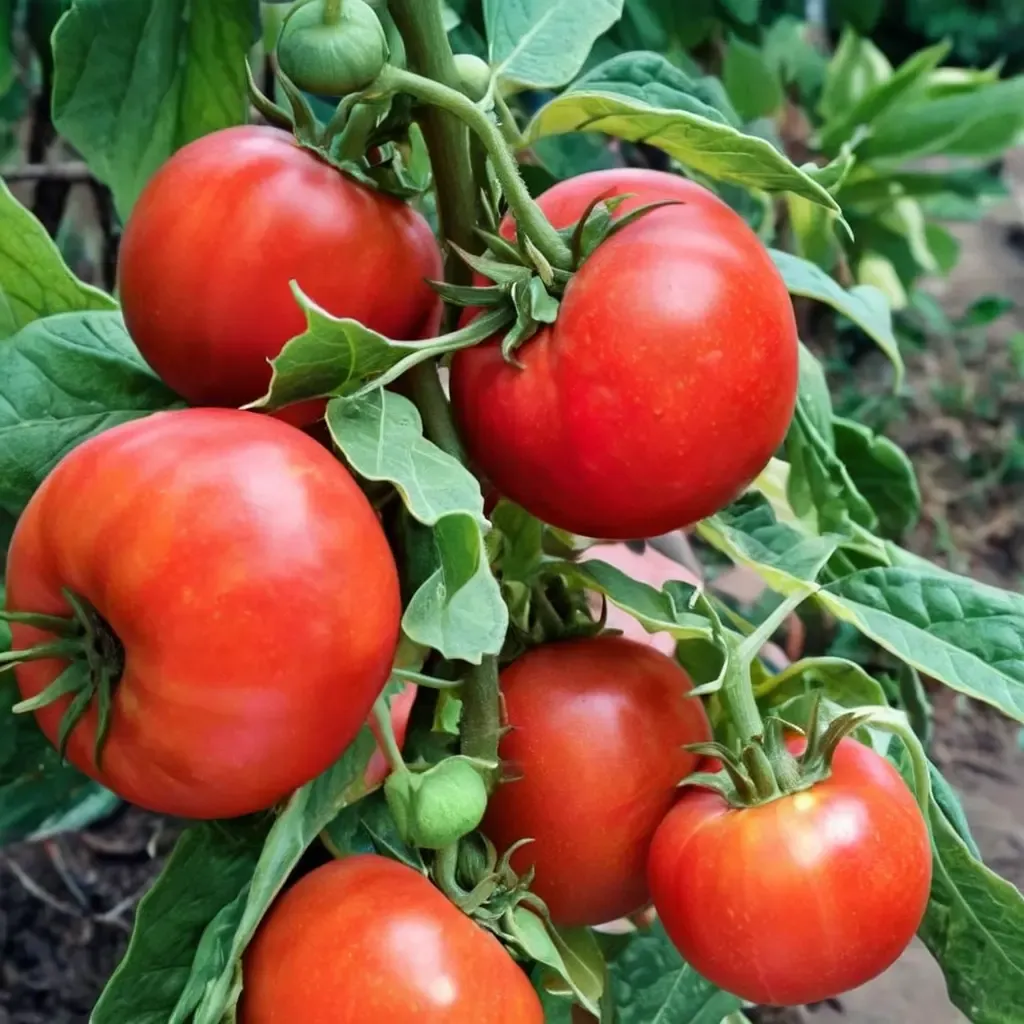
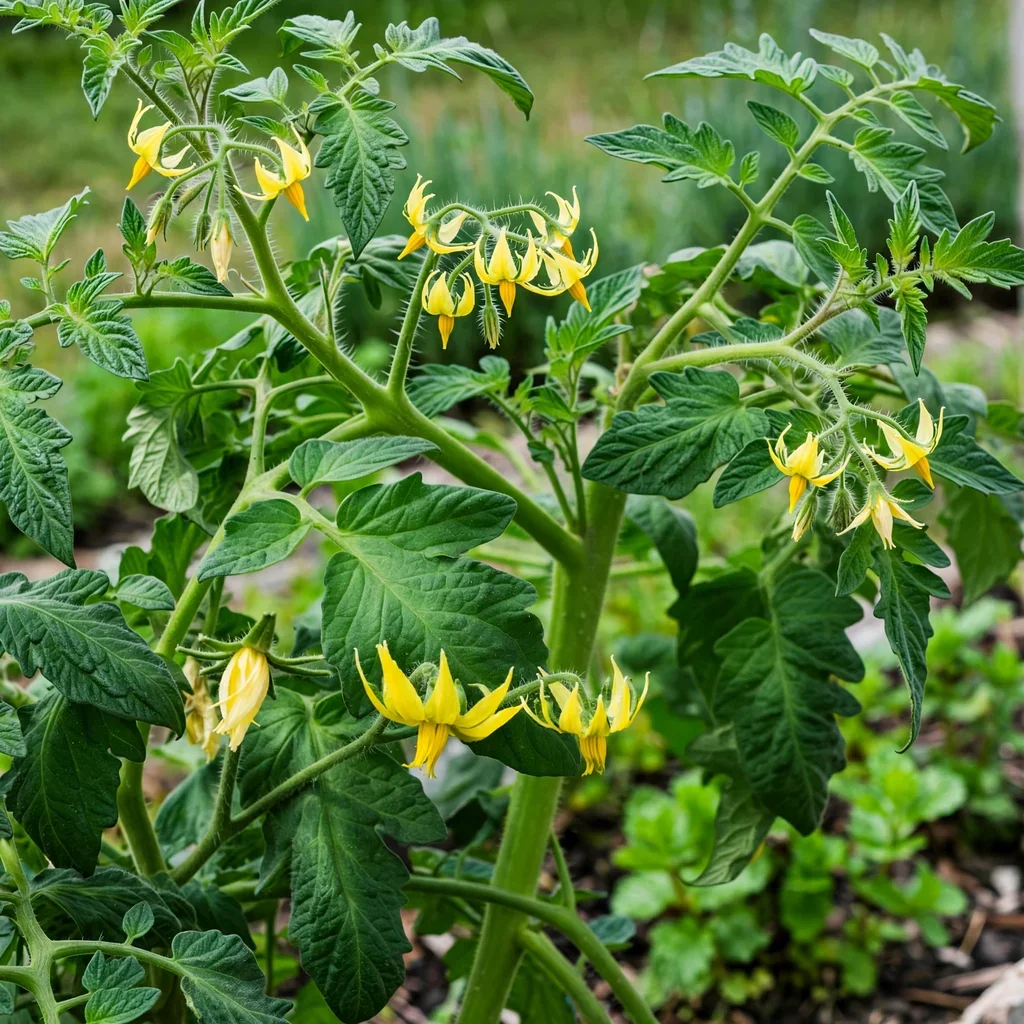
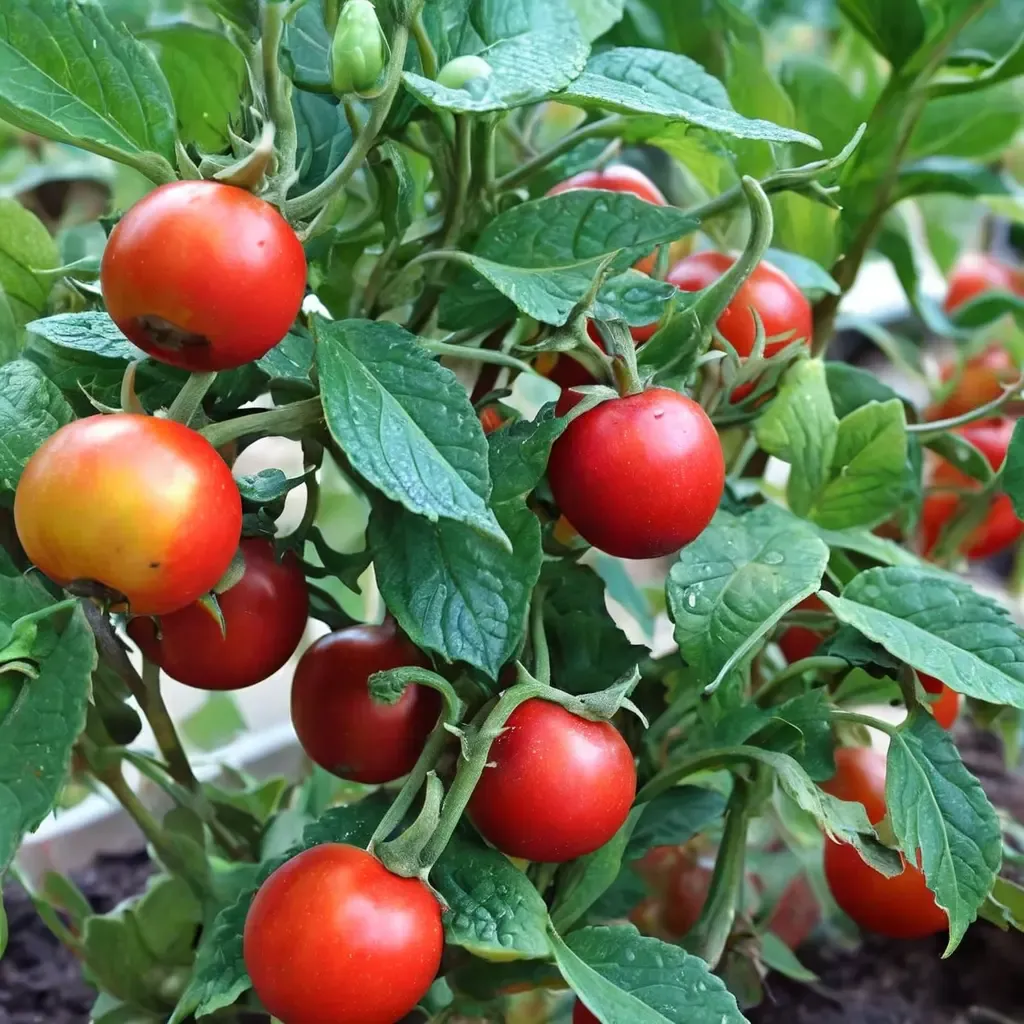
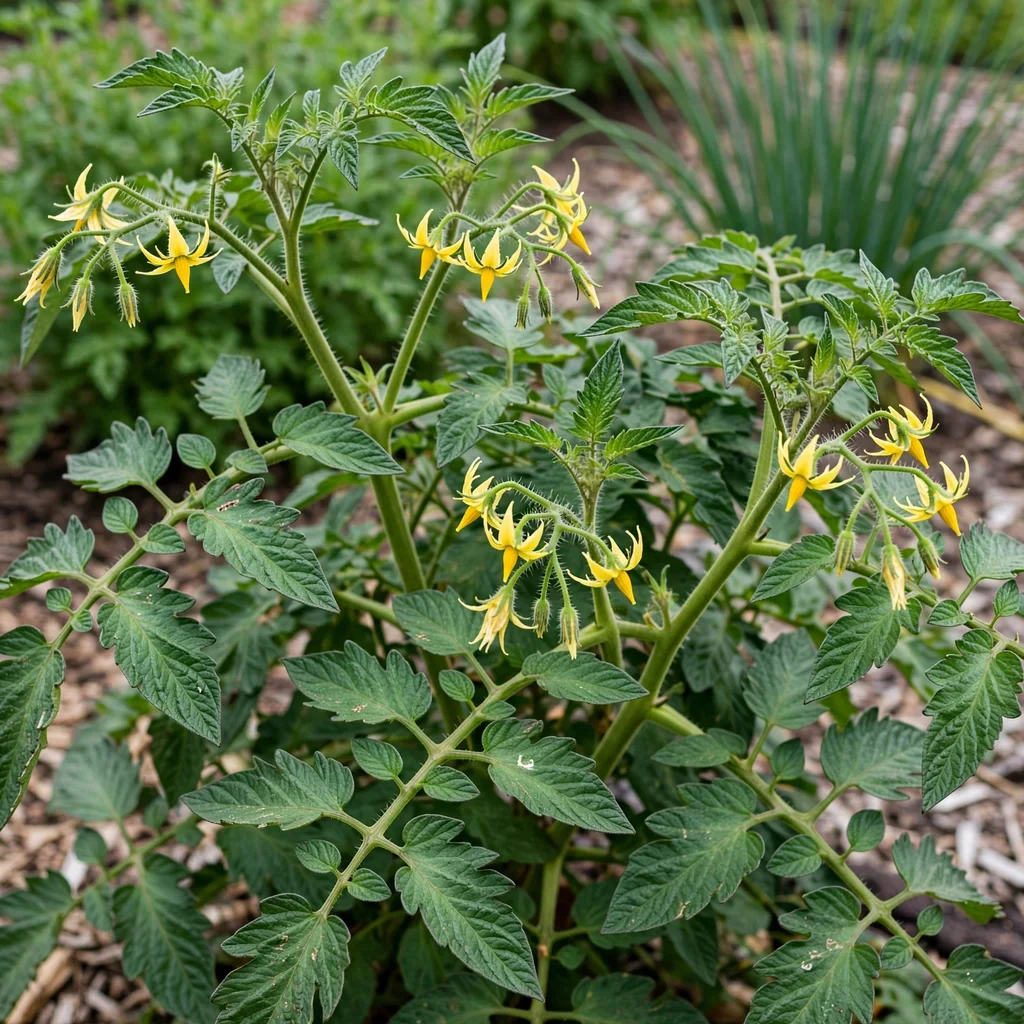
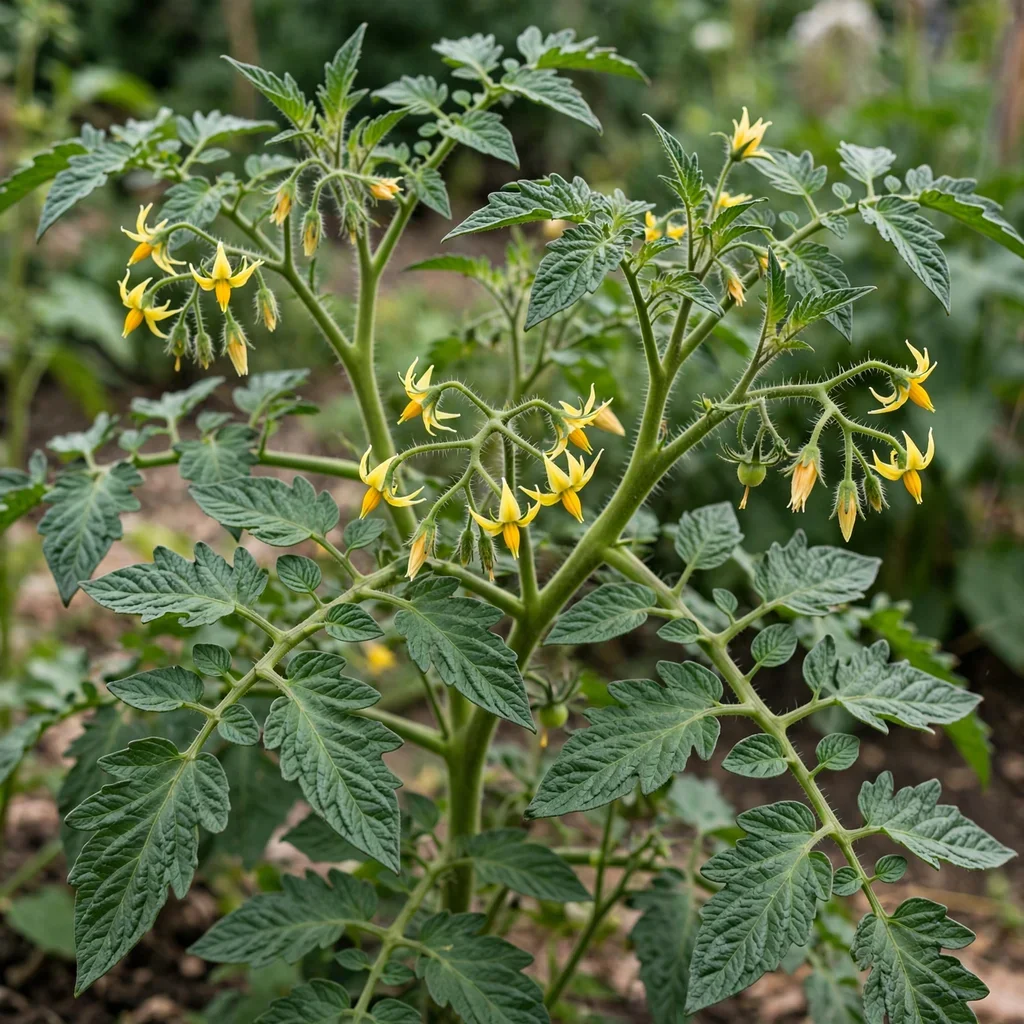
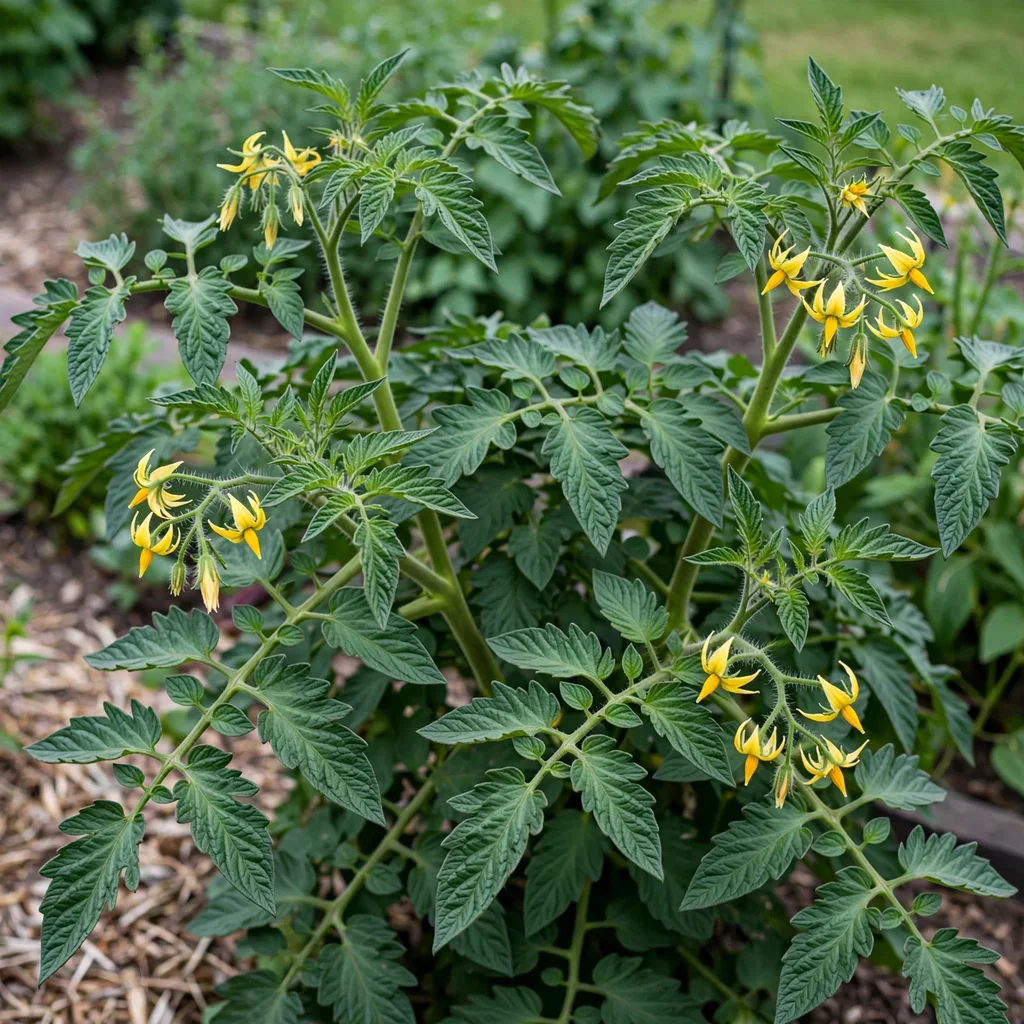
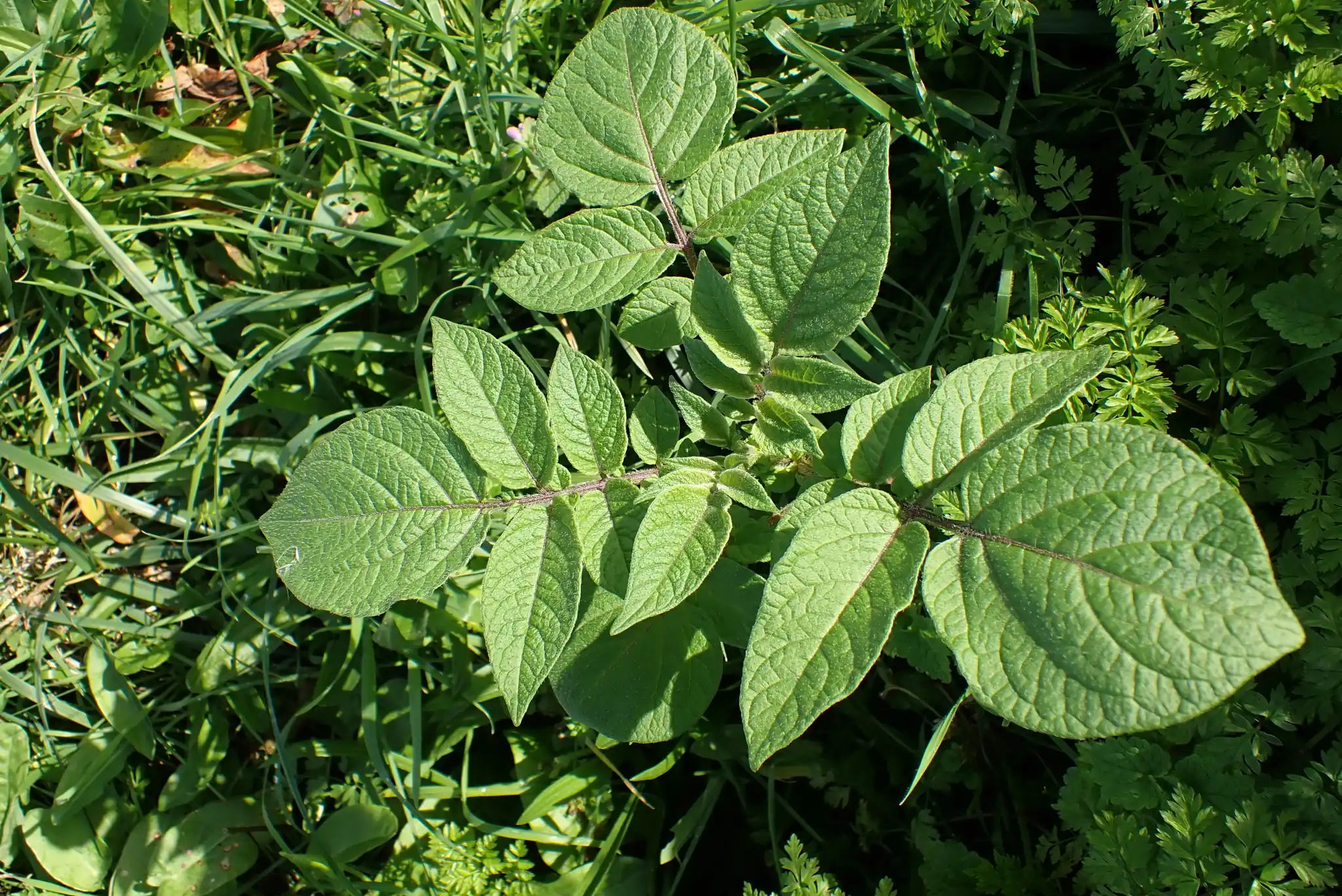
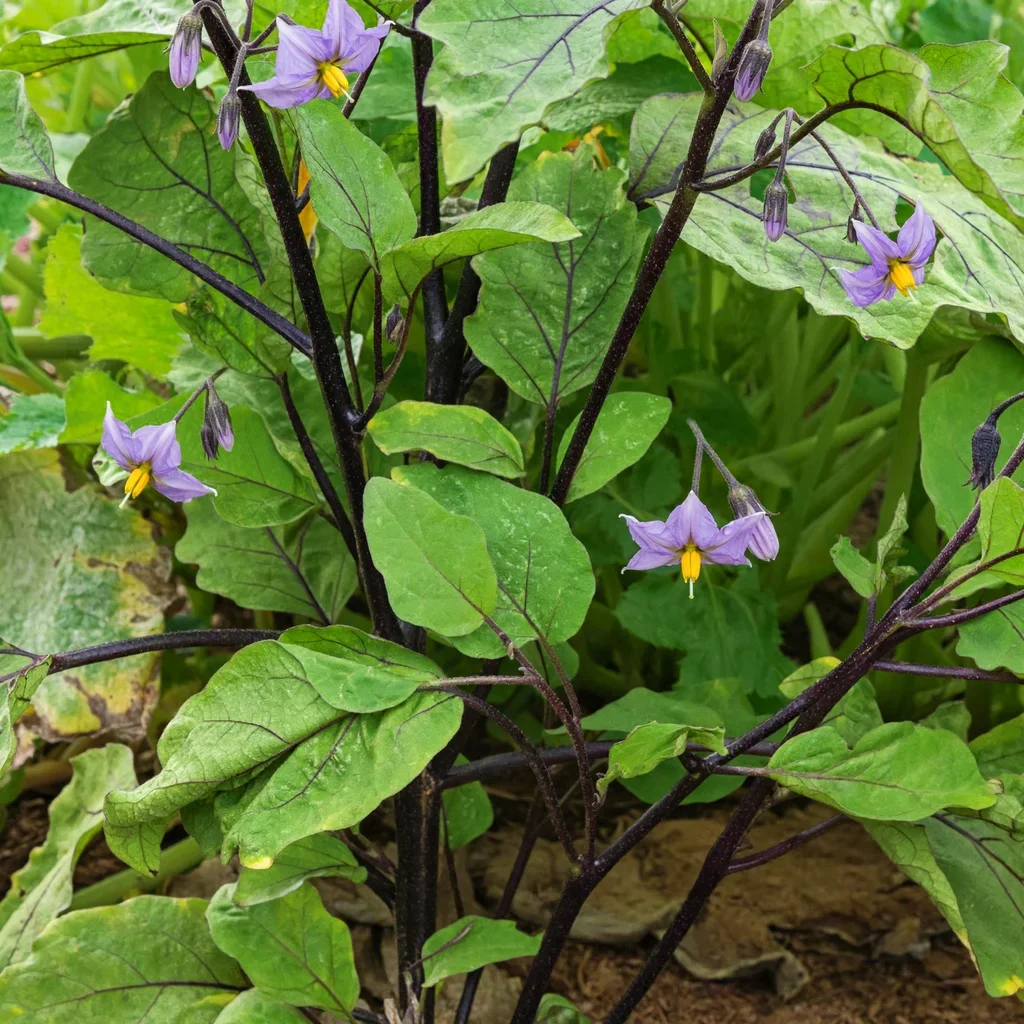
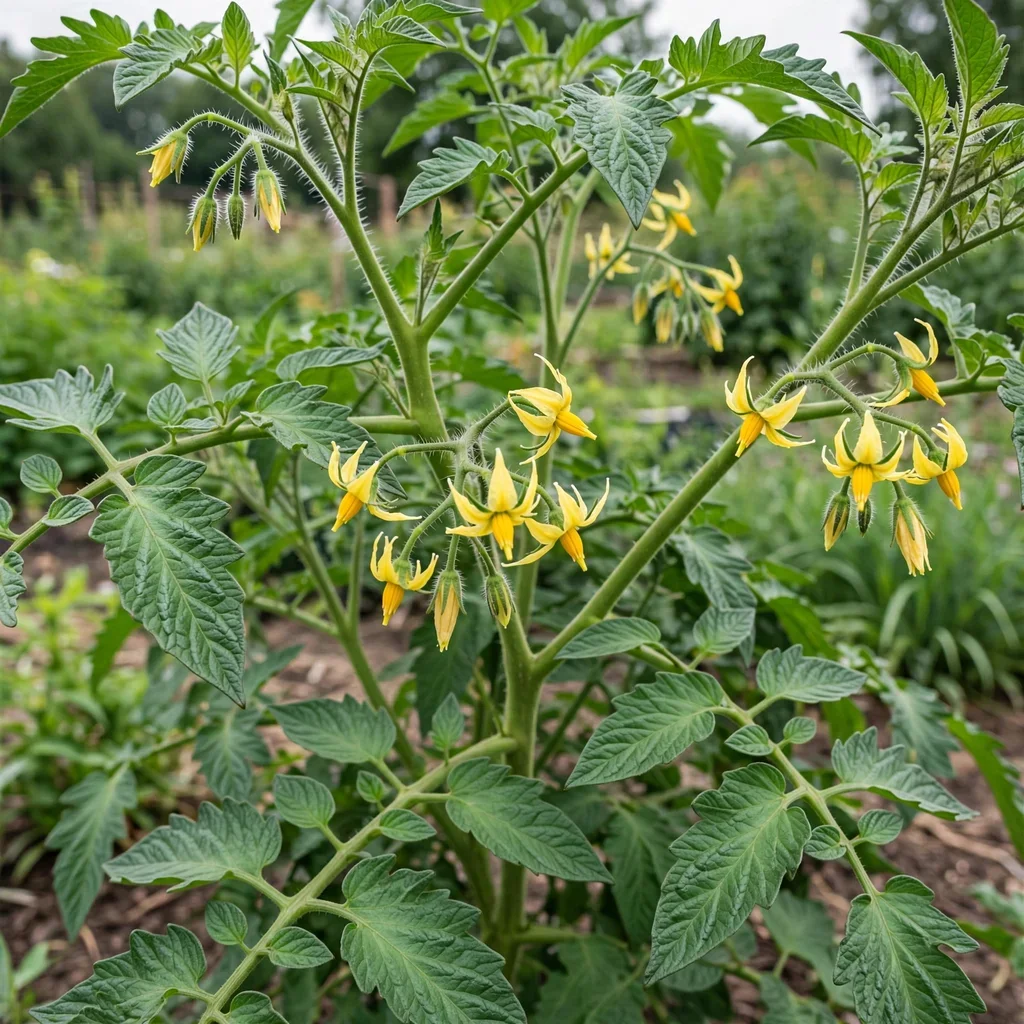
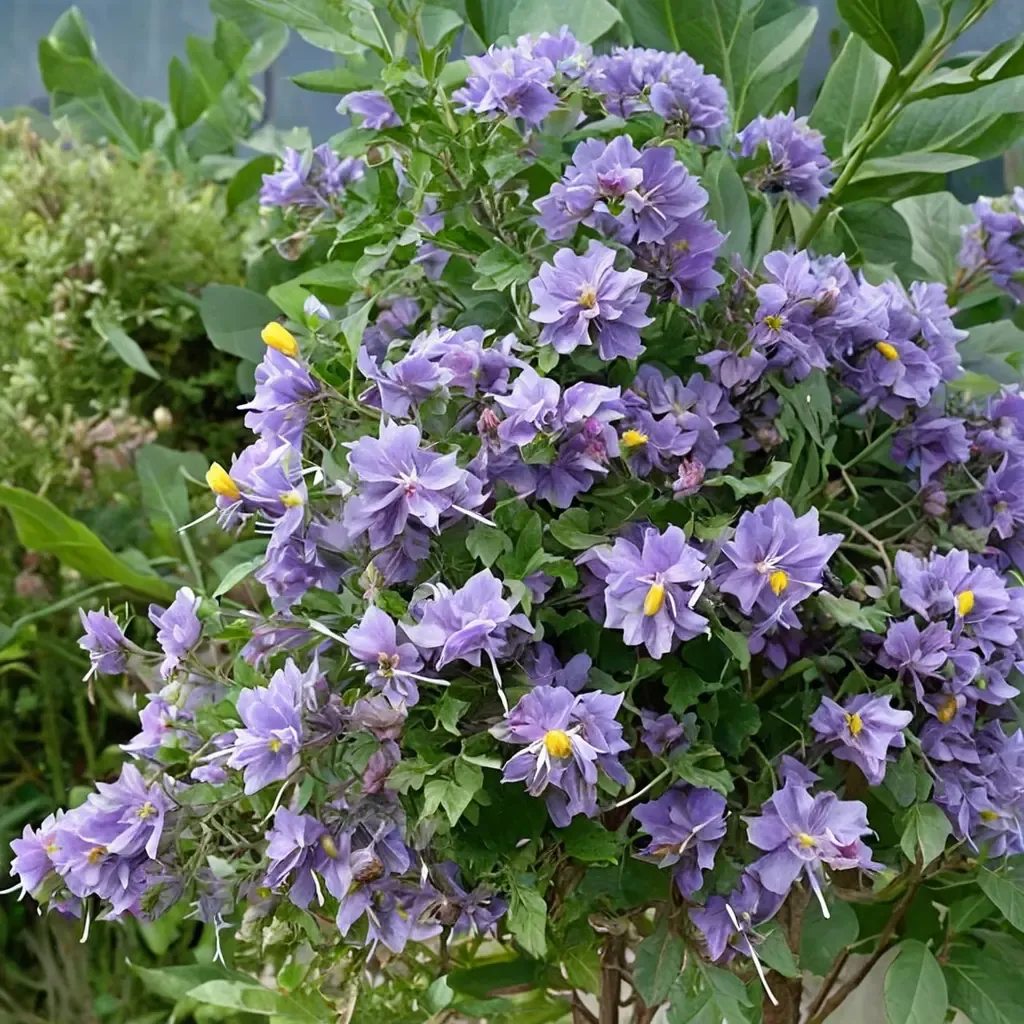
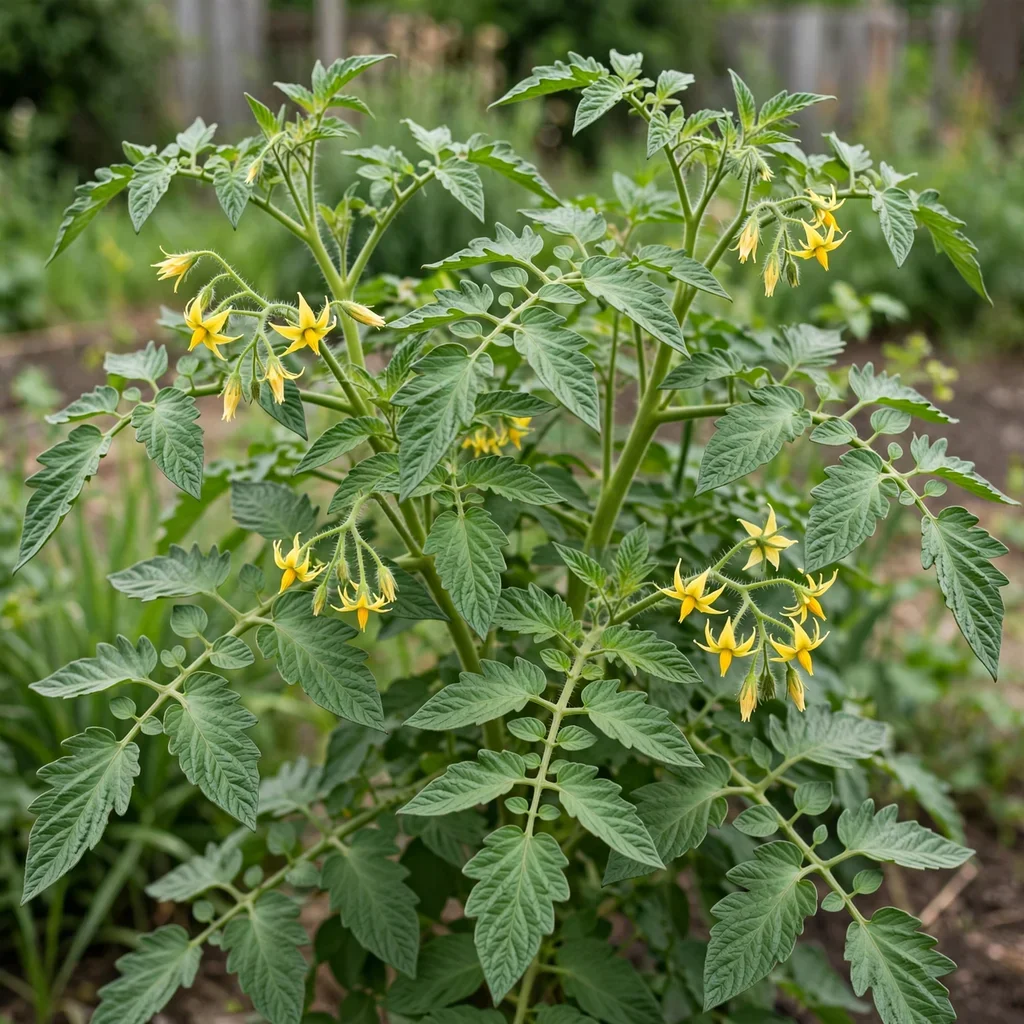
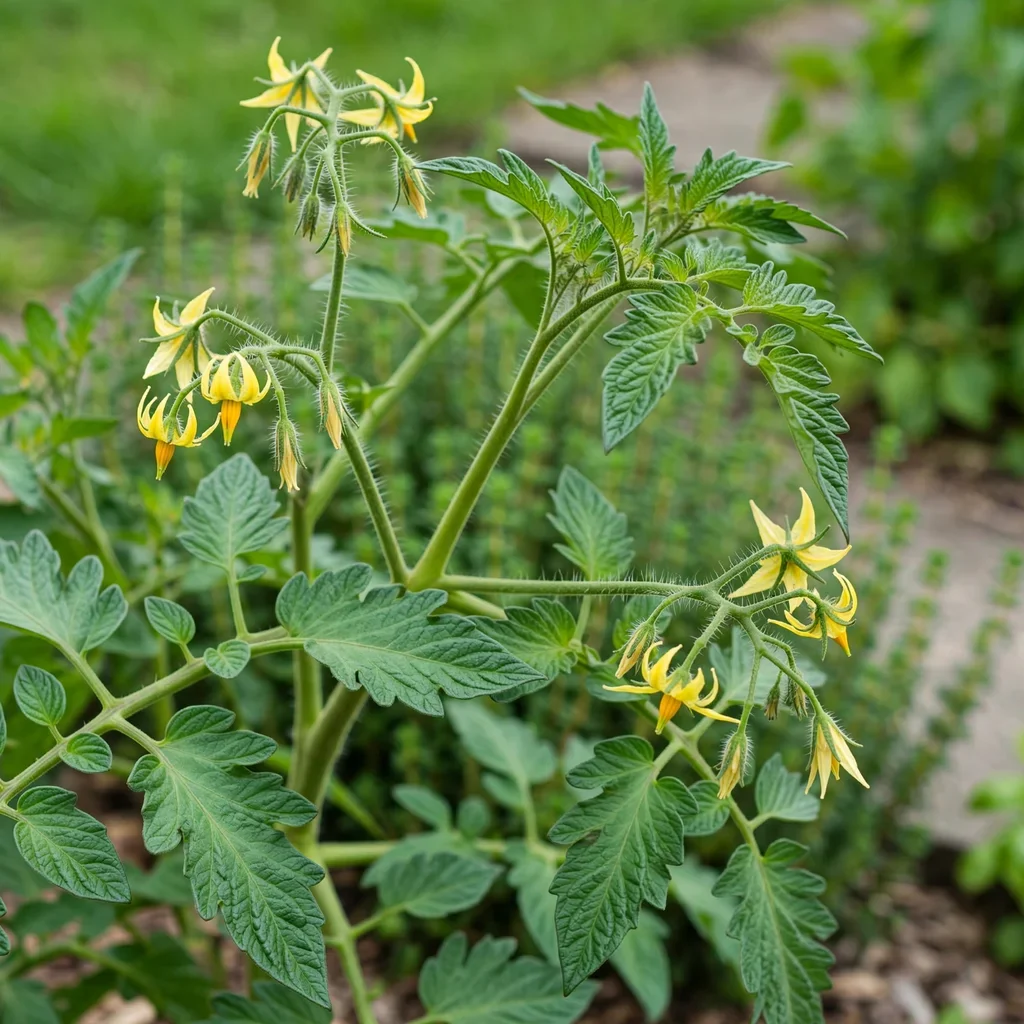
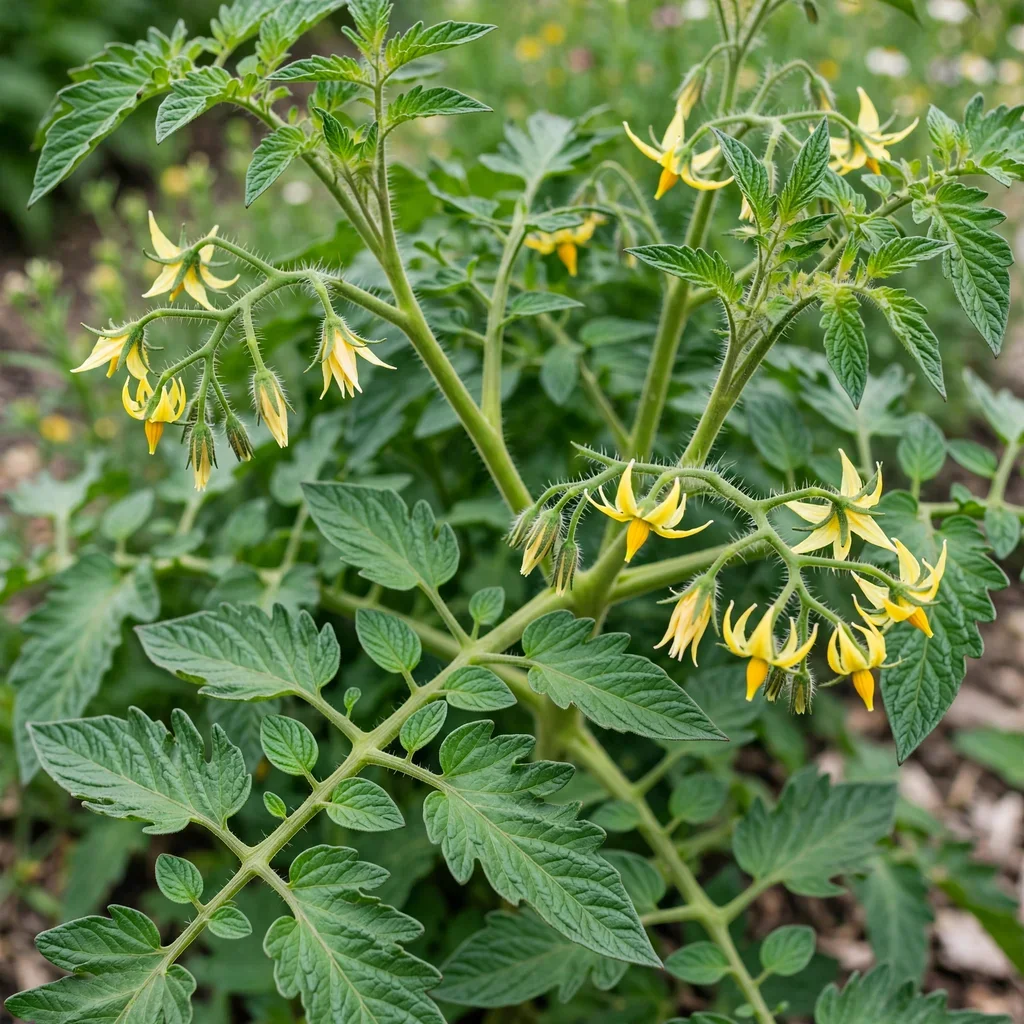
See all 50 Solanum varieties →Search this genus →
13 species of Solanum
Each one is a parent of the varieties above.
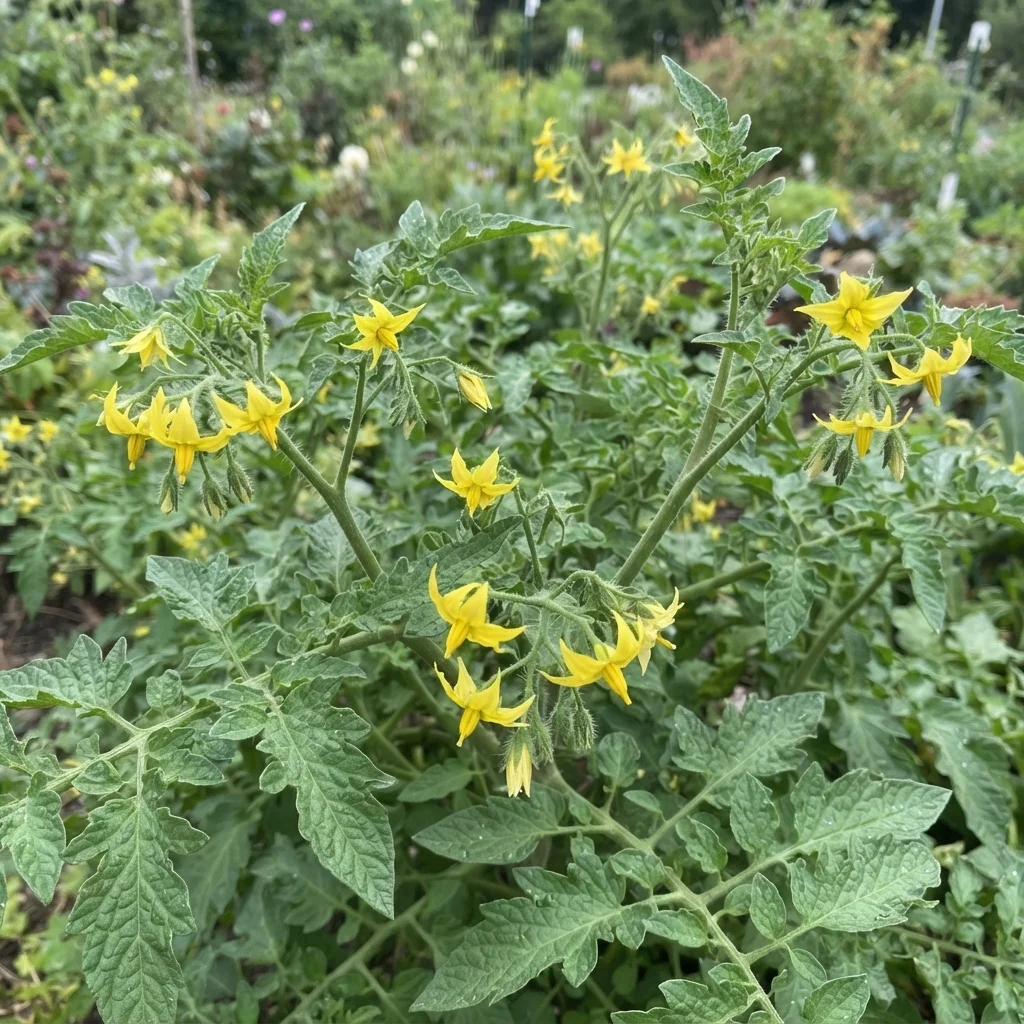
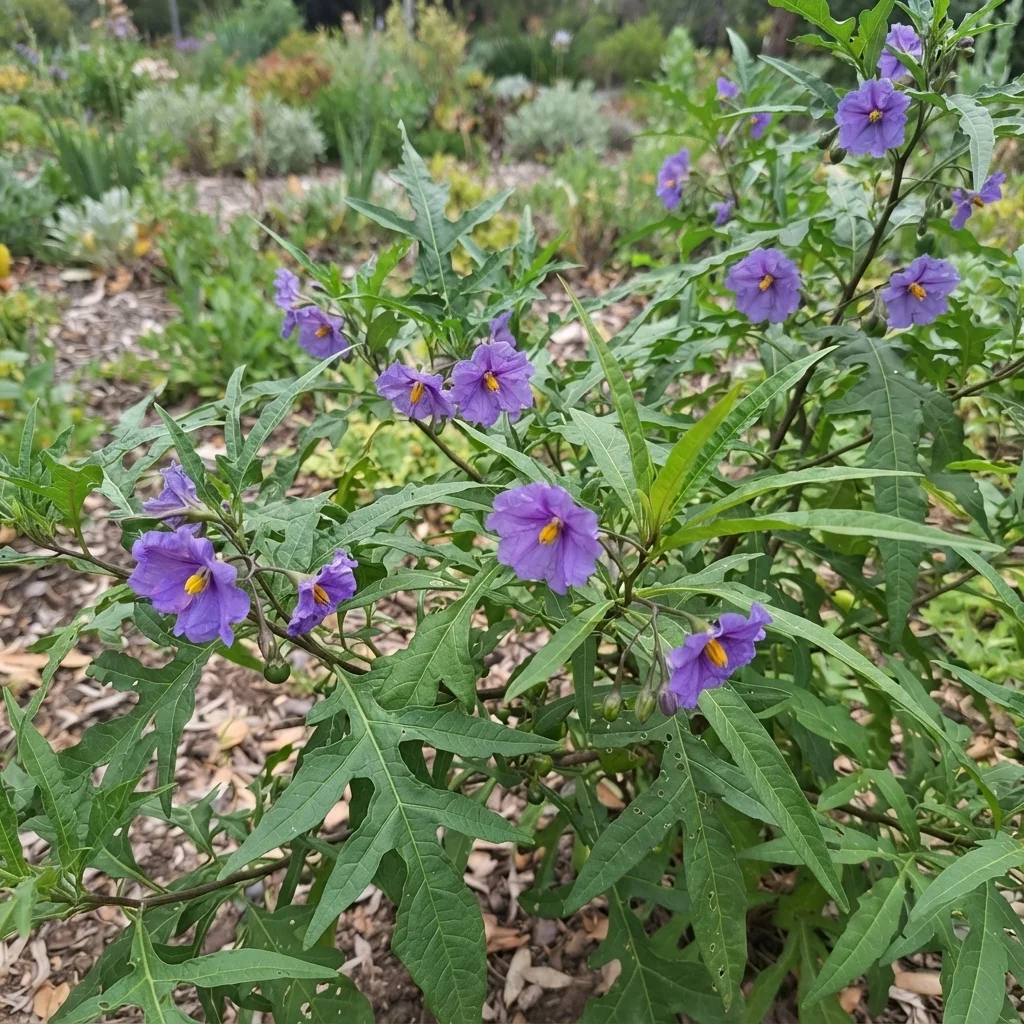
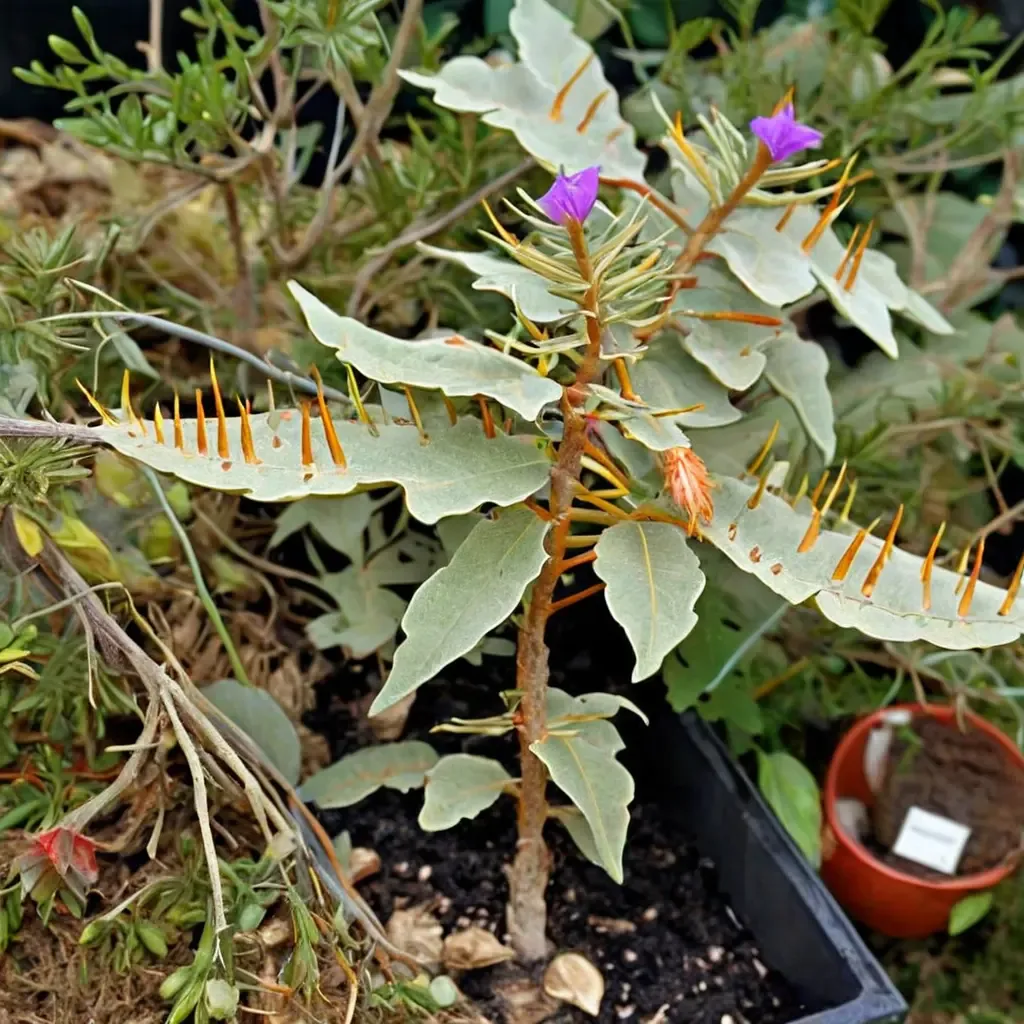
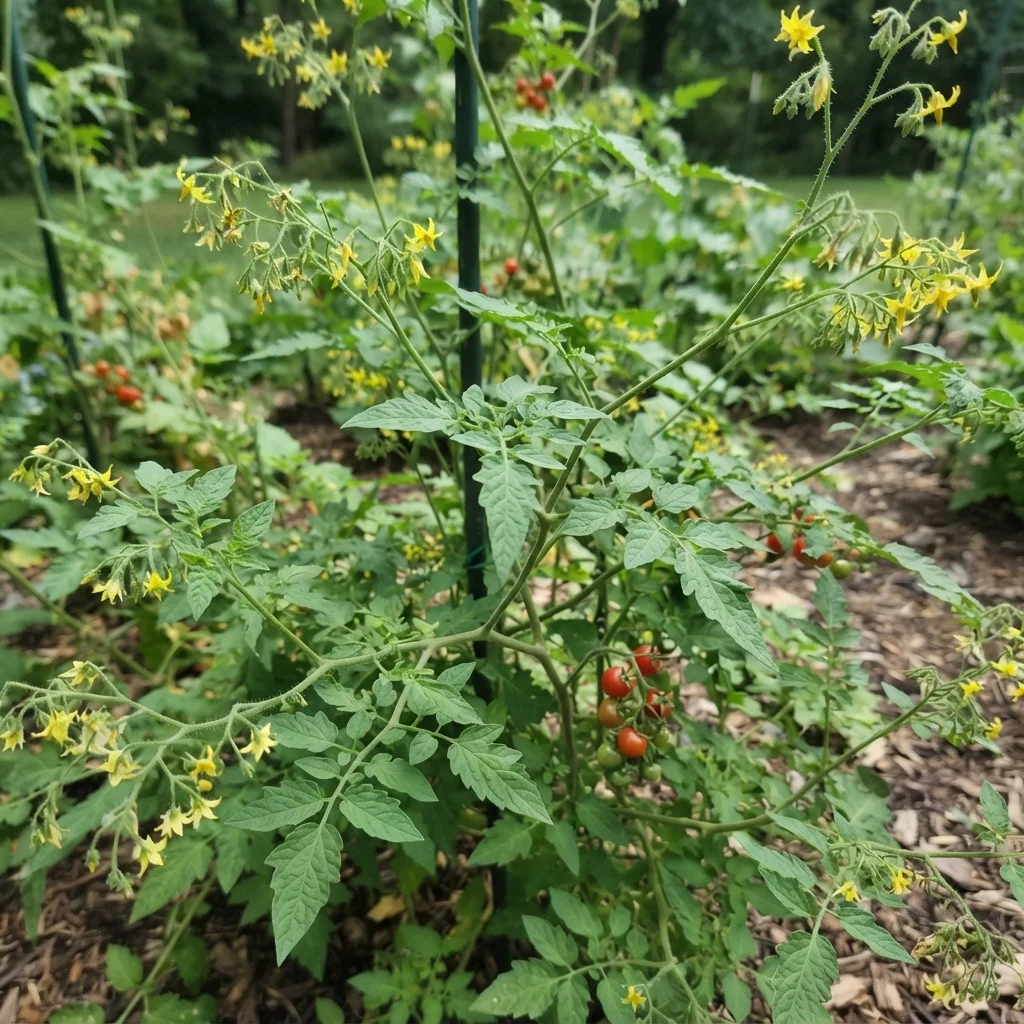
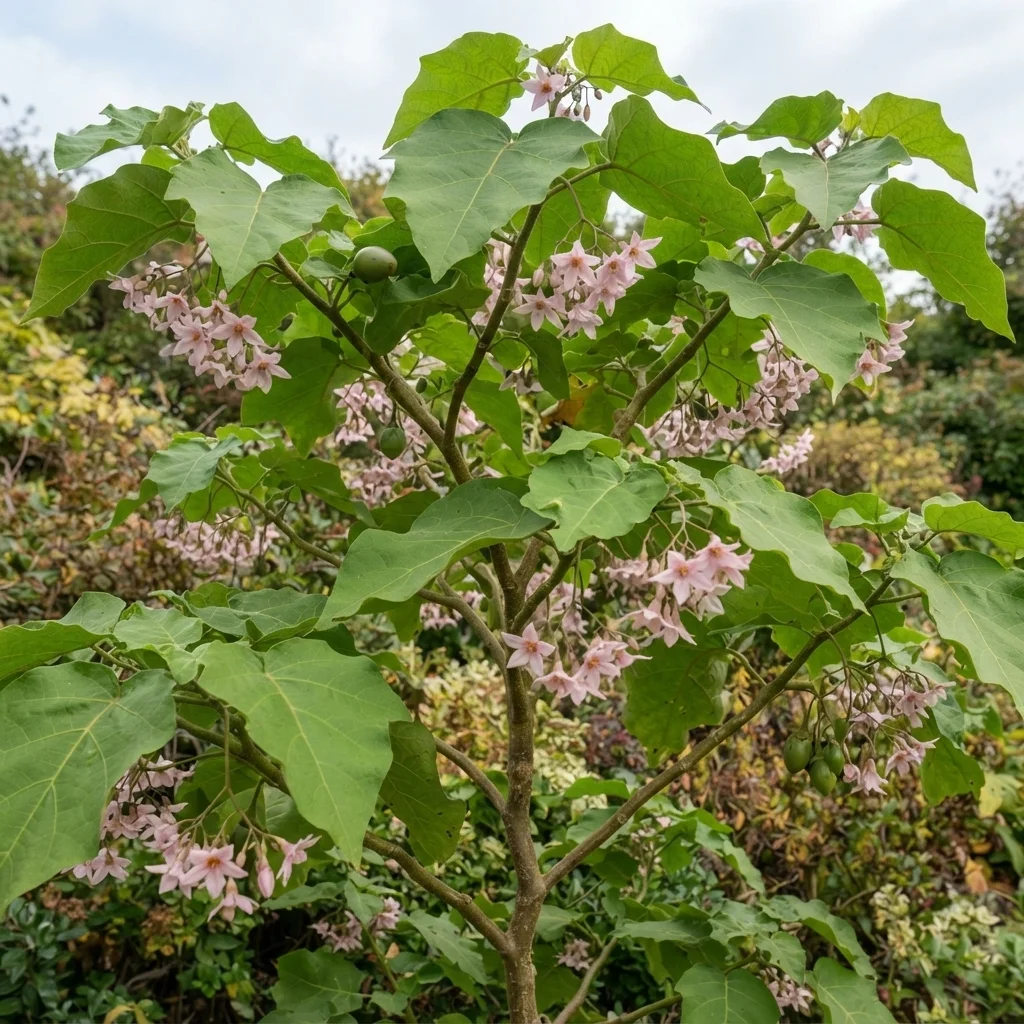
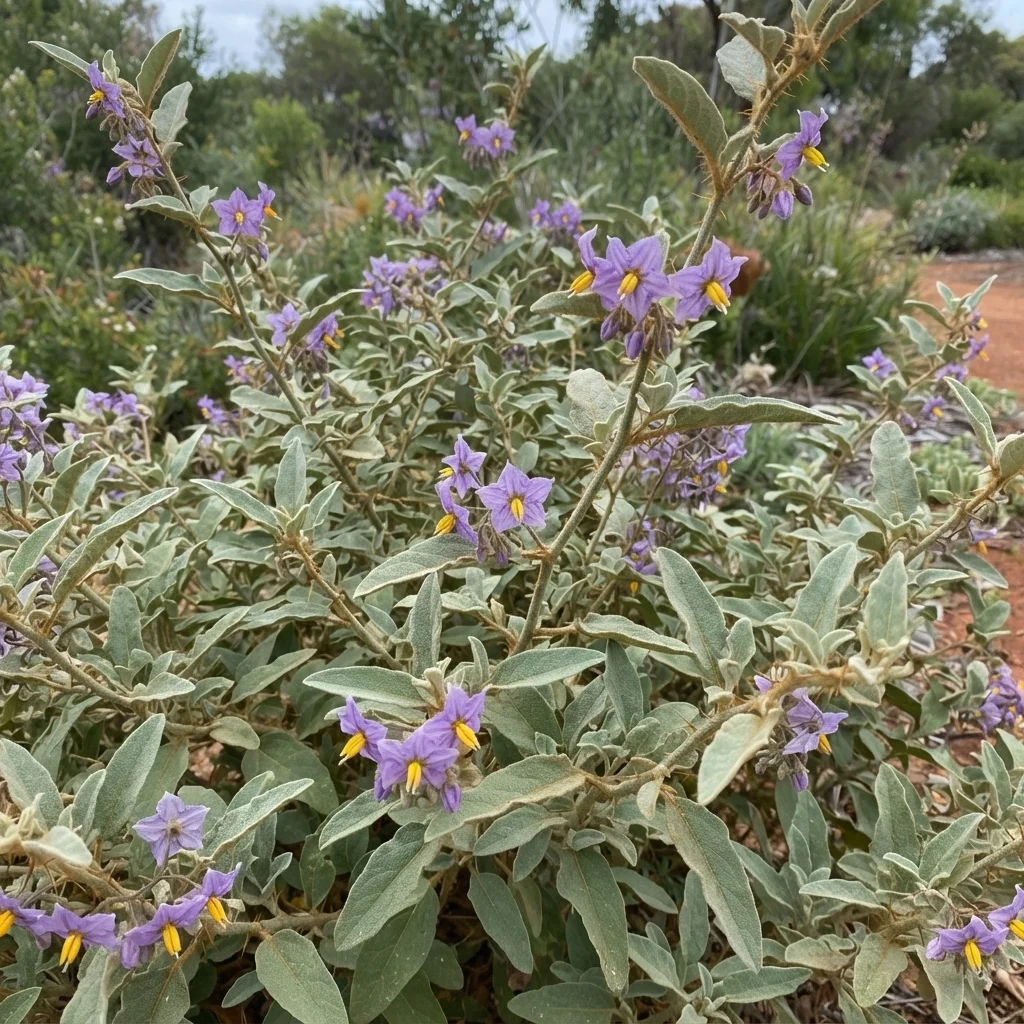
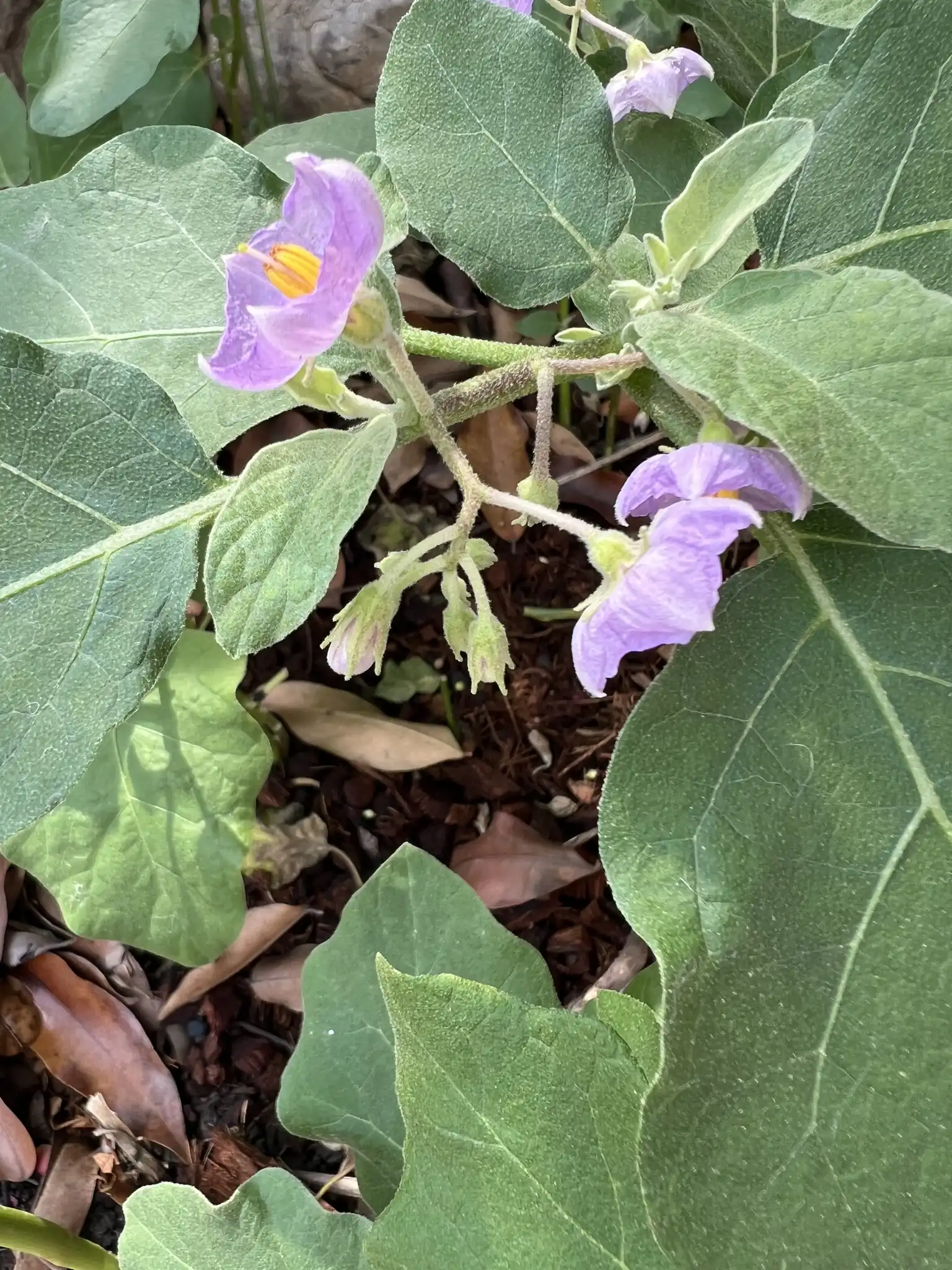
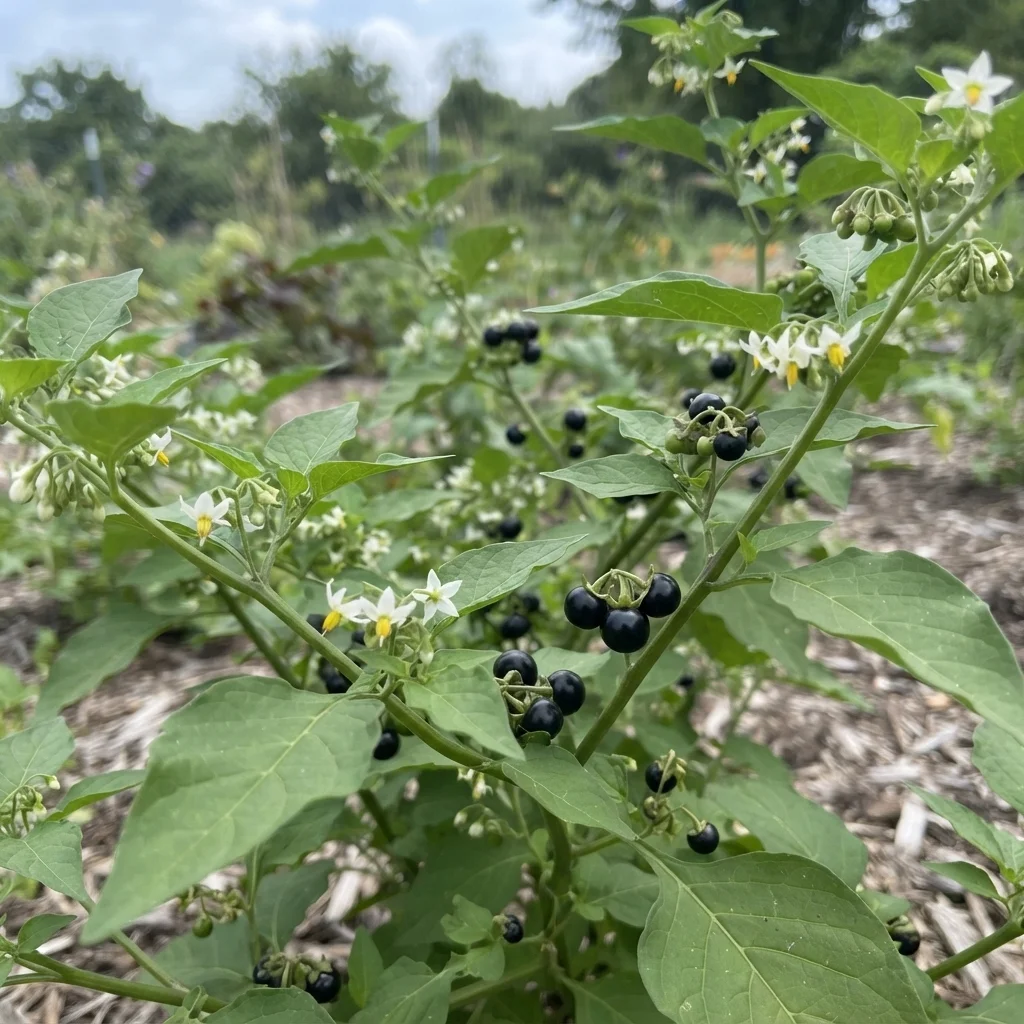
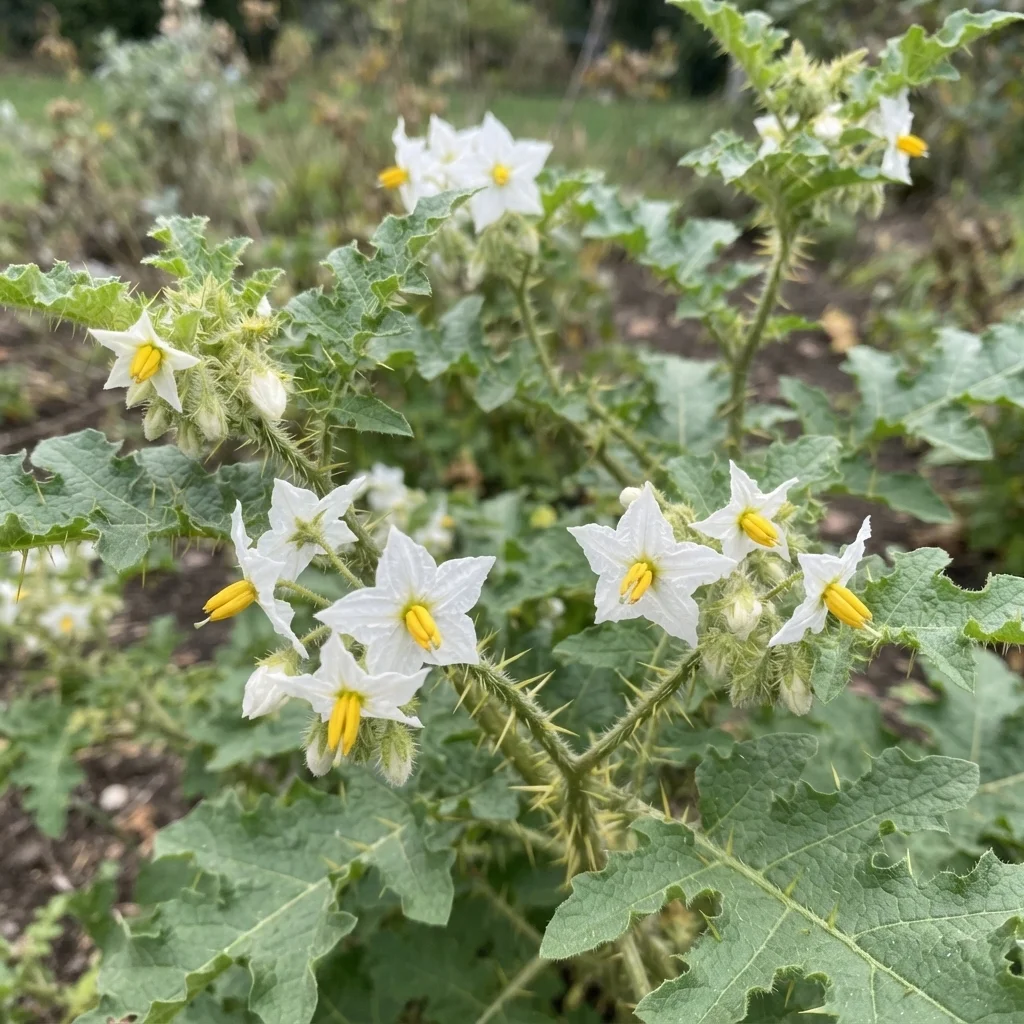
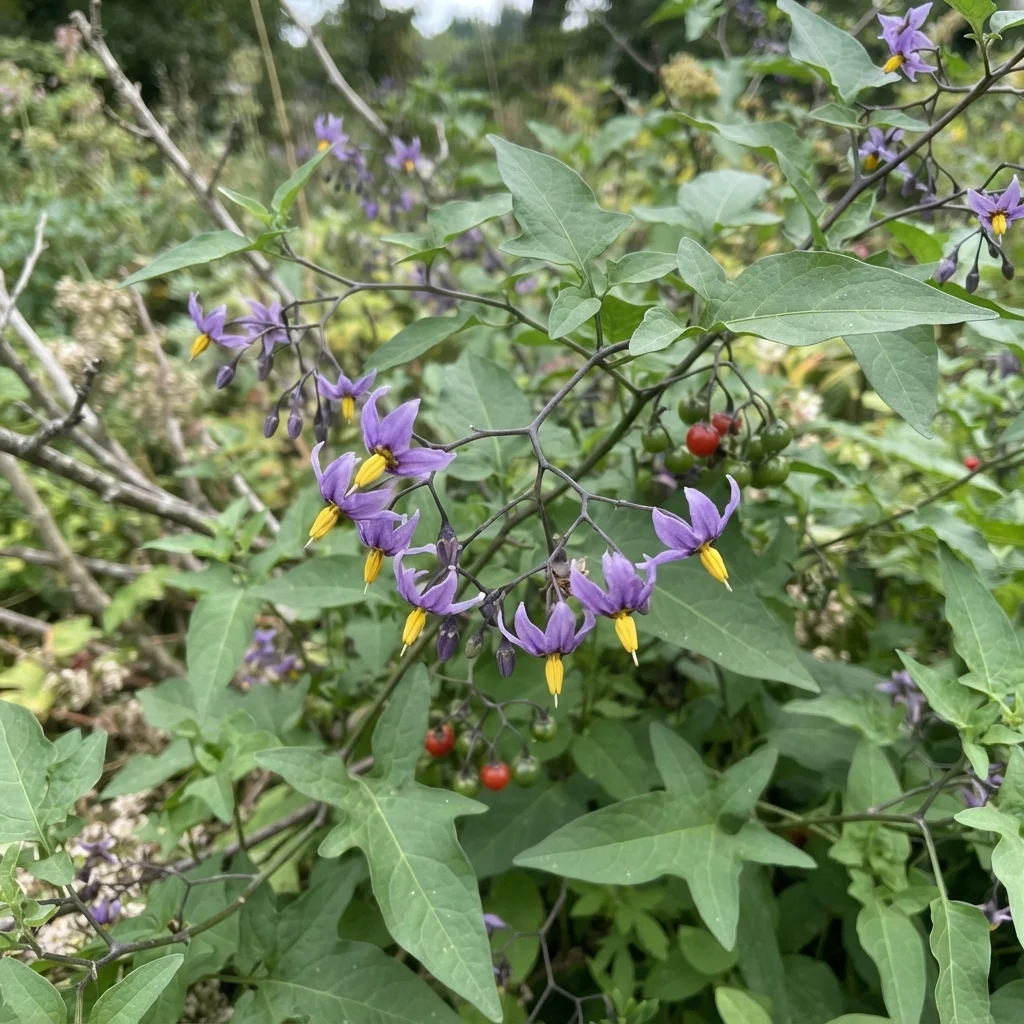
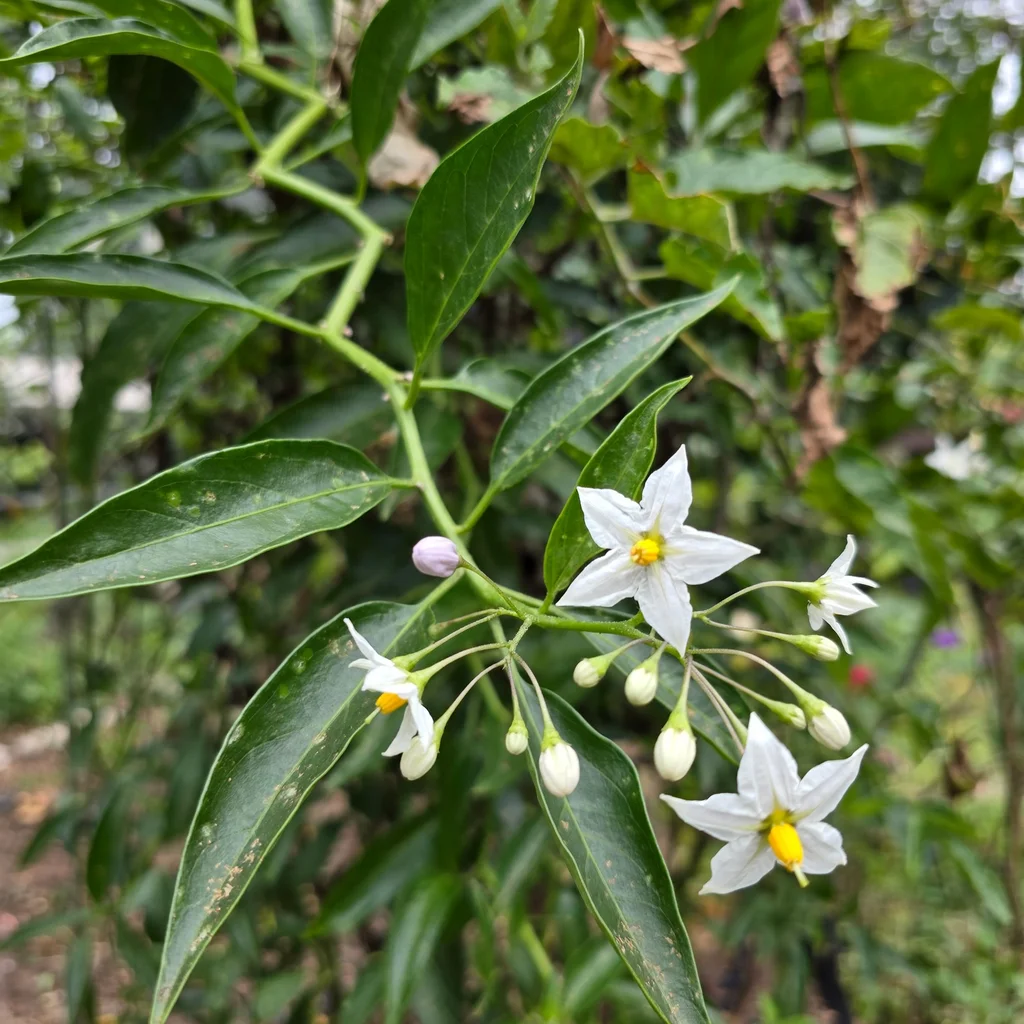
Track your Solanum in Sow
Save the Solanum you grow and get care reminders timed to your zone.
How to grow Solanum
Whats common across all Solanum varieties in our catalog — drawn from the care records of the 40 most-grown of them.
The Solanum year
- PlantMay and June95% of varieties
Plant seed potatoes directly into deeply dug, loose soil once soil temperatures reach 45 degrees Fahrenheit.
- HarvestJuly–October93% of varieties
Dig up tubers carefully after the foliage has died back and the skins have cured.
- FertilizeJune–September90% of varieties
Apply a balanced, low-nitrogen organic vegetable fertilizer monthly to encourage flowering.
- Check for PestsJune–September75% of varieties
Inspect leaf undersides regularly for Colorado potato beetle eggs and larvae.
- StakeMay and June75% of varieties
Install tall stakes or cages immediately after transplanting
- PruneJune–August50% of varieties
Prune suckers weekly to maintain shape and airflow


Do
- Mulch around plants to retain moisture and suppress weeds
- Prune suckers to improve airflow and fruit production
- Provide full sun for at least 6 hours daily 🌞
- Water consistently to keep soil evenly moist 💧
- Mulch to retain soil moisture and suppress weeds
Avoid
- Avoid overwatering to prevent root rot ❌
- Avoid overhead watering to prevent fungal diseases ❌
- Don’t plant in poorly drained soil
- Don’t let soil dry out completely
What goes wrong with Solanum
| Problem | What you'll see | What to do |
|---|---|---|
| Aphids | Curled leaves, sticky honeydew, and stunted shoot growth. | Knock insects off with a strong stream of water or apply insecticidal soap. |
| Tomato hornworm | Large green caterpillars on plants | Handpick or use Bacillus thuringiensis (Bt). |
| Tomato Hornworm | Defoliates stems and consumes fruit. | Handpick caterpillars or apply Bacillus thuringiensis (Bt). |
| Colorado potato beetle | Defoliated leaves and orange egg clusters on leaf undersides. | Handpick beetles and larvae, or apply organic spinosad-based sprays when larvae are small. |
| Early blight | Dark spots on leaves and stems | Apply copper fungicide and rotate crops |
| Early Blight | Dark concentric spots on older leaves, leading to defoliation. | Practice crop rotation, prune lower leaves, and apply copper-based fungicides. |
| Blossom end rot | Dark, sunken spots on the fruit | Maintain even watering and add calcium to soil |
Making more Solanum
Cuttings
- Select healthy non-flowering stems.
- Cut 4-6 inch pieces and remove lower leaves.
- Dip cut end in rooting hormone.
- Plant in moist potting soil and keep humid environment for 3-4 weeks.
Seed starting
- Tuck seeds into moist soil indoors or in a greenhouse (4 weeks).
- Keep soil consistently moist and warm (~70°F).
- Transplant seedlings after 6 weeks when they have 2-3 true leaves.
Solanum questions
How many types of Solanum are there?
The Sow catalog tracks 50 distinct Solanum varieties. The most popular — ranked by 1.1k real gardeners — are shown first above.
What zones does Solanum grow in?
Across its varieties, Solanum covers USDA Zones 4–10. Individual varieties differ — each plant page lists its exact range, and Sow filters the catalog to your zone automatically.
When does Solanum bloom?
Most Solanum varieties bloom in mid-summer, summer, late summer. Staggering early, mid, and late varieties extends the genus's season in one bed.
Which Solanum should I choose?
Start from the most-saved varieties above — popularity across thousands of gardens is a strong signal of reliability — then filter by your zone and sun. In the Sow app you can preview any of them in a photo of your actual yard before you buy.