Also known as Willow · 1k saves
Salix
Salix, the genus most gardeners know as willow. We track 21 varieties; the ones most used by real gardeners.
The 18 most-saved Salix varieties
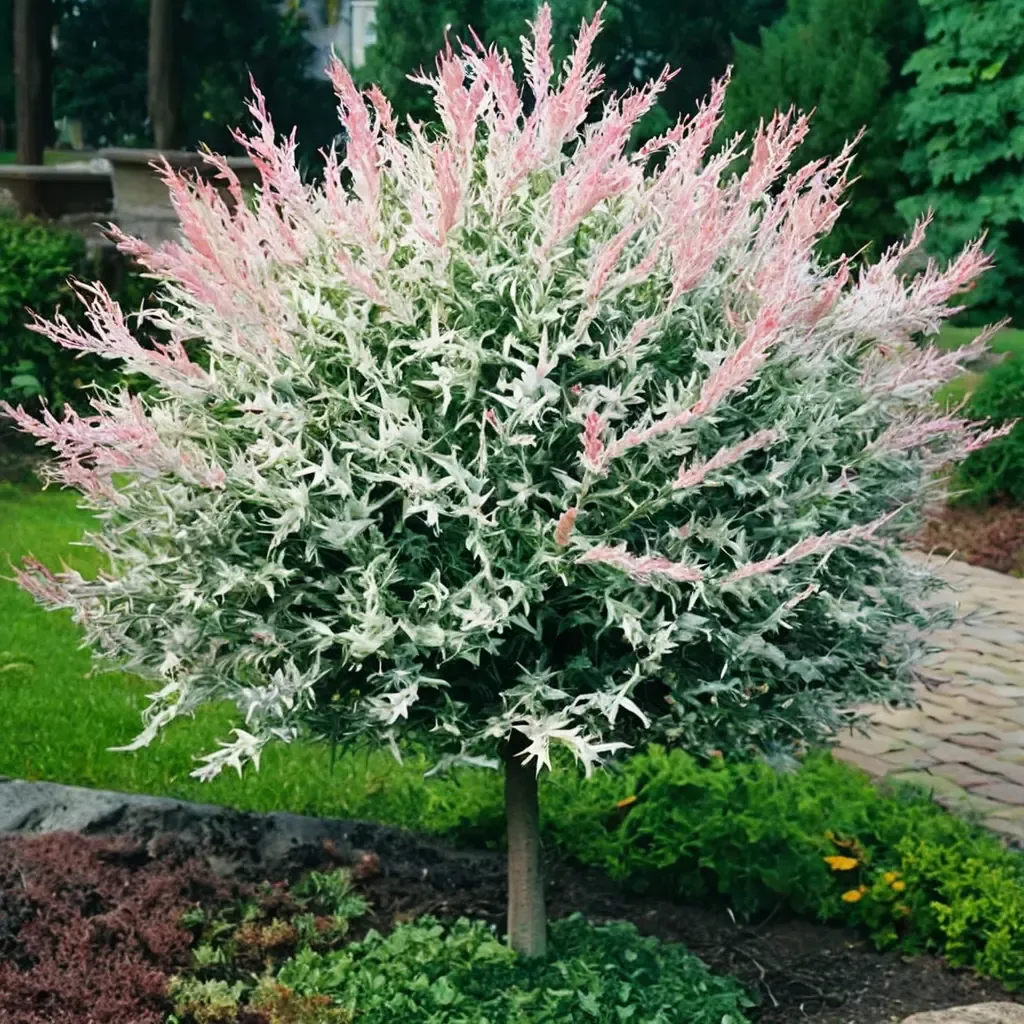
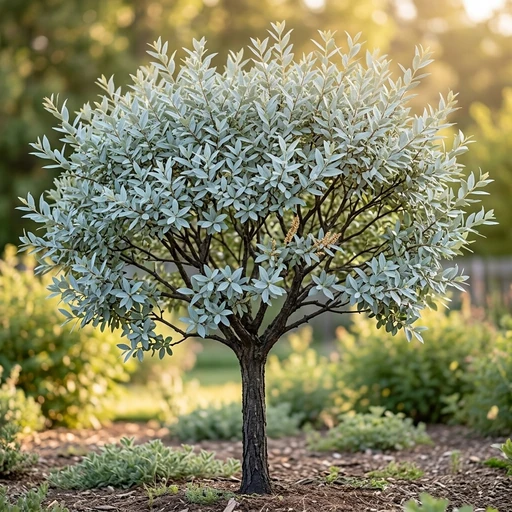
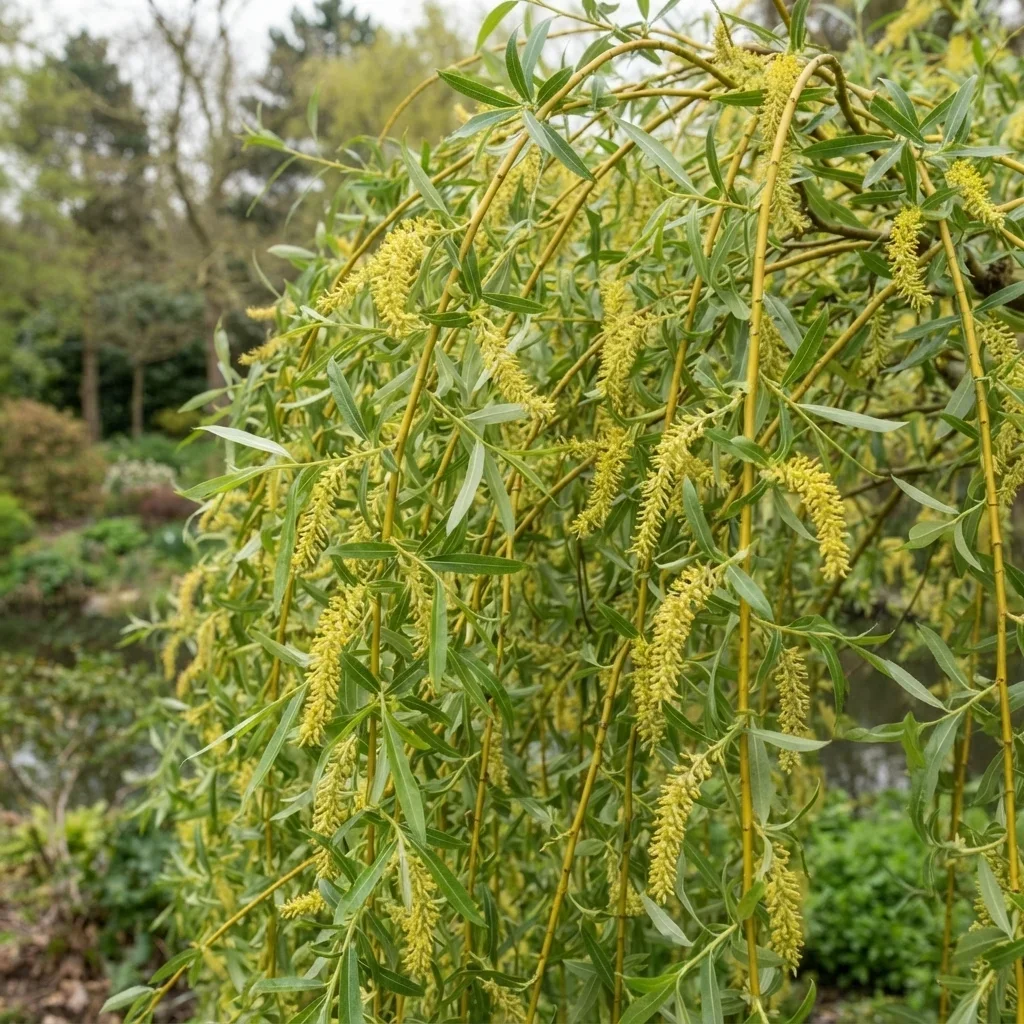
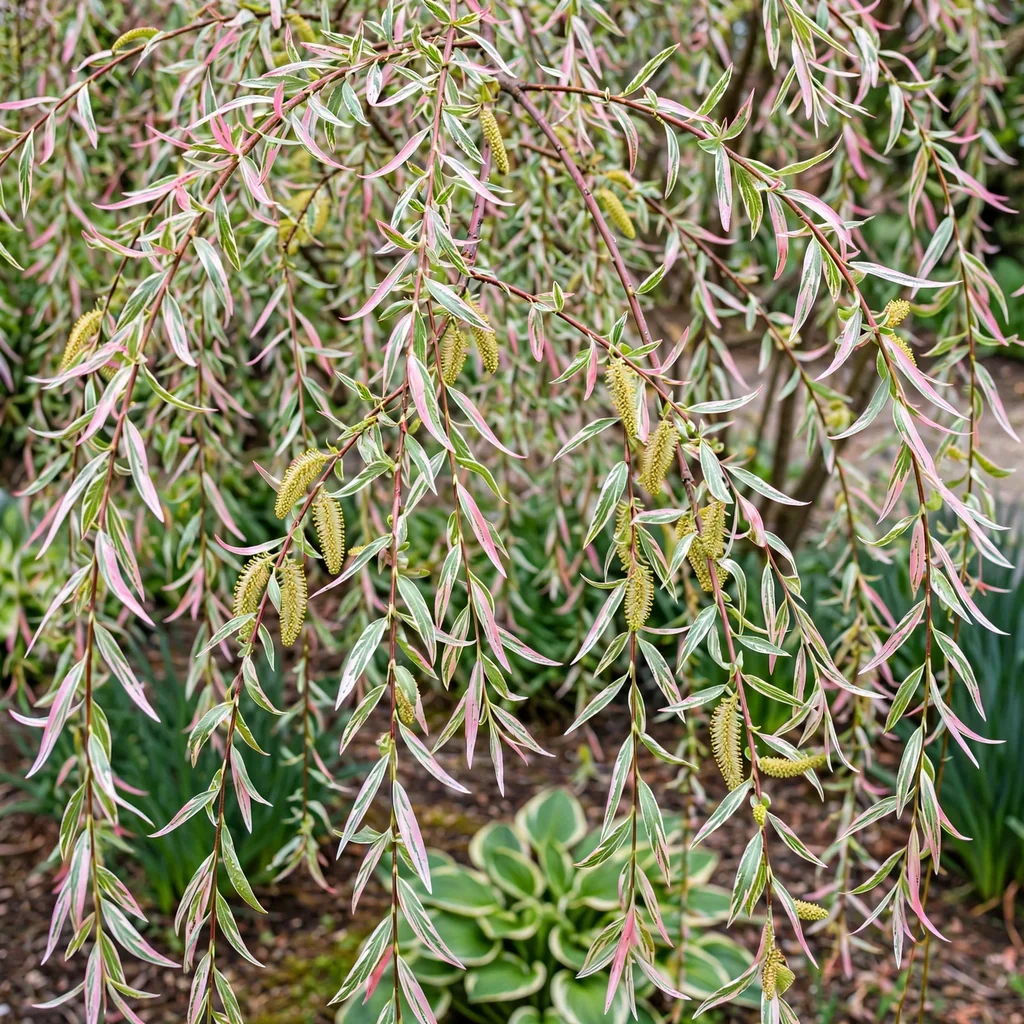
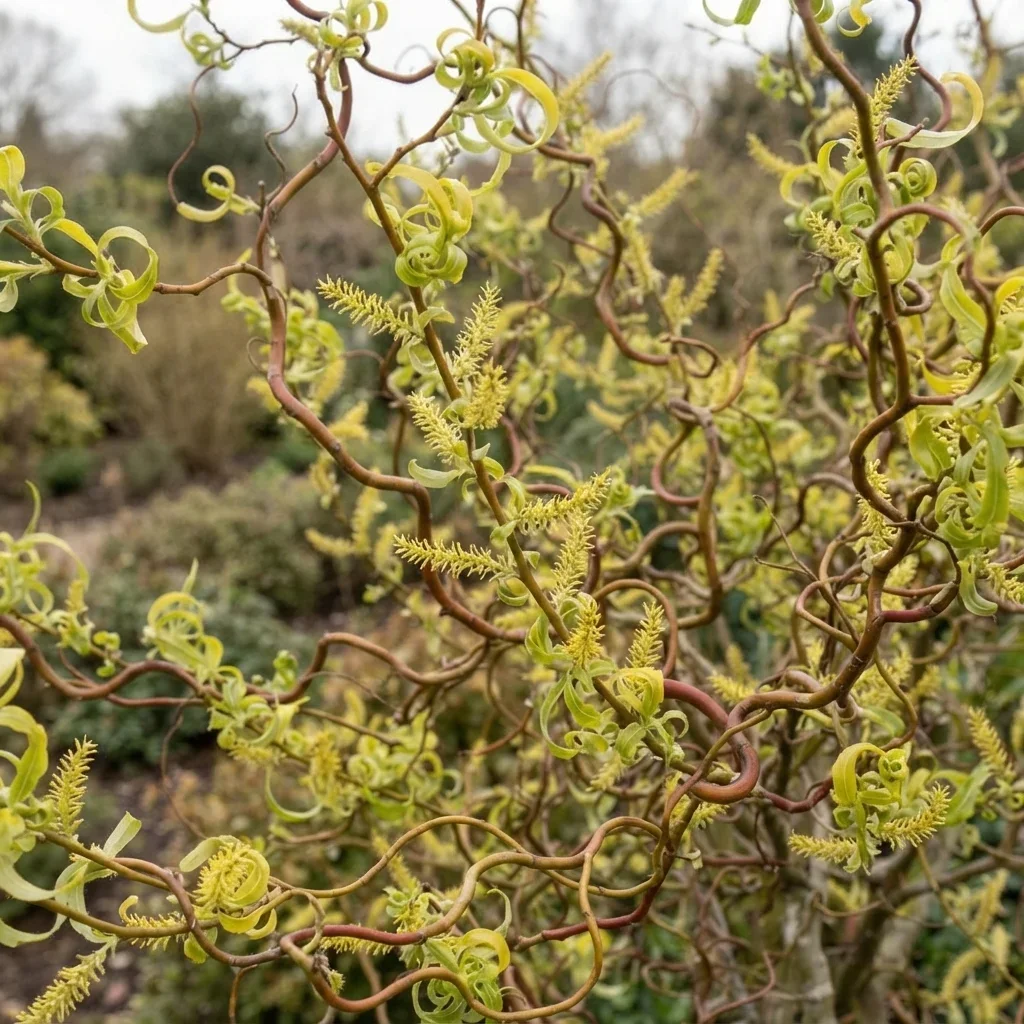
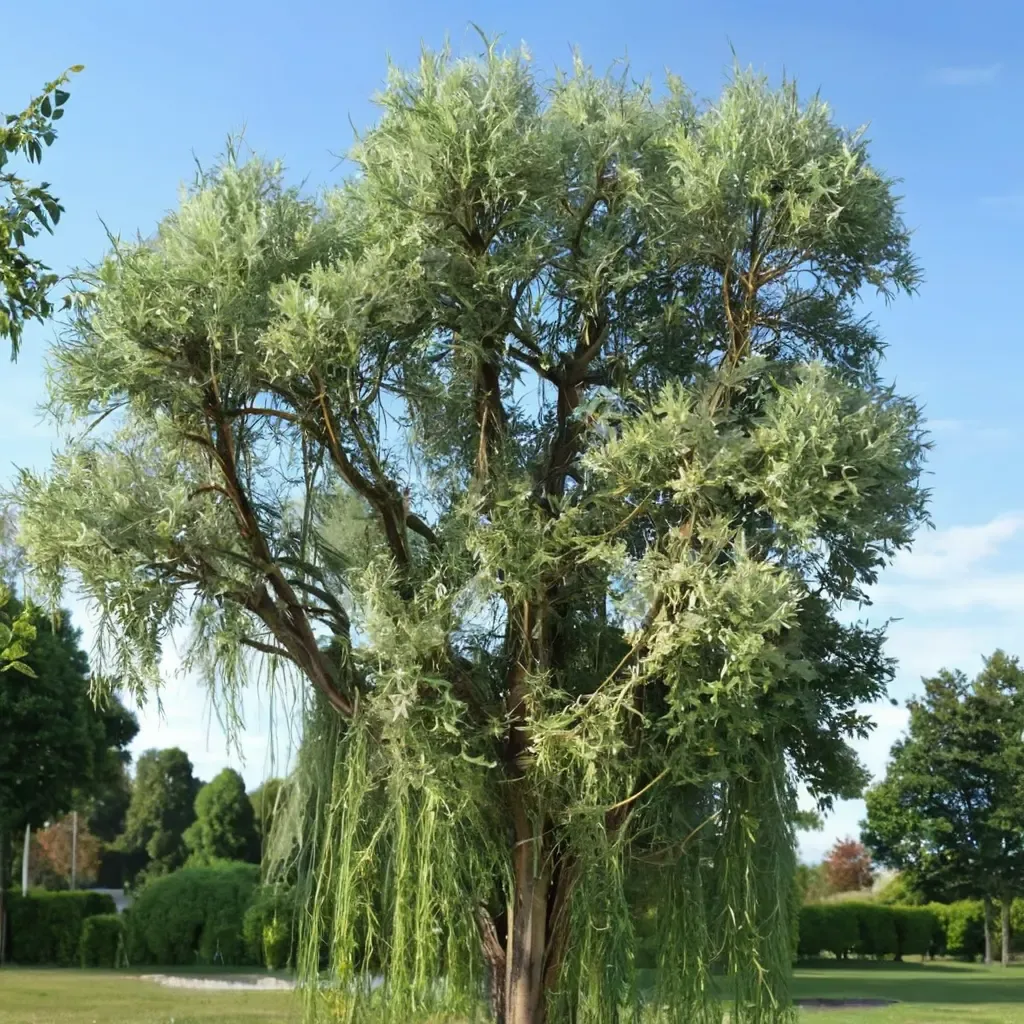
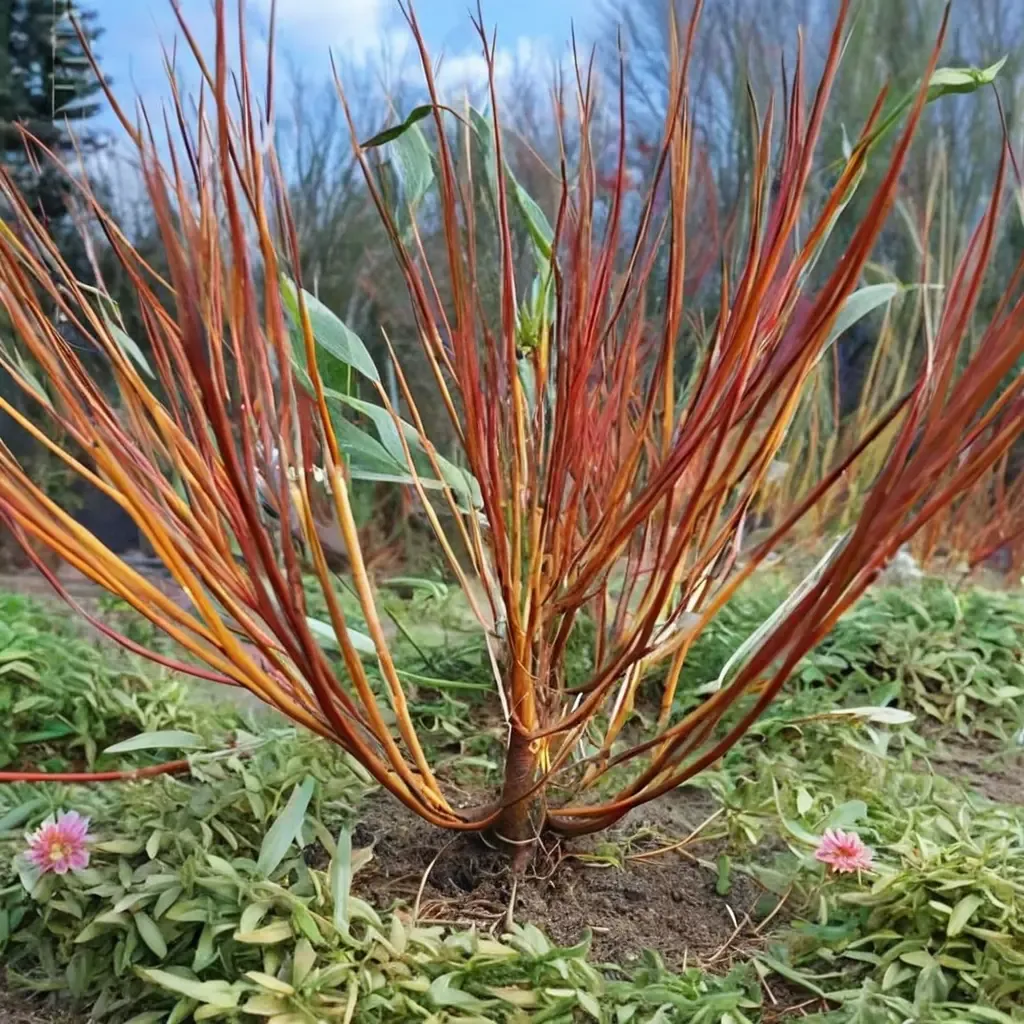
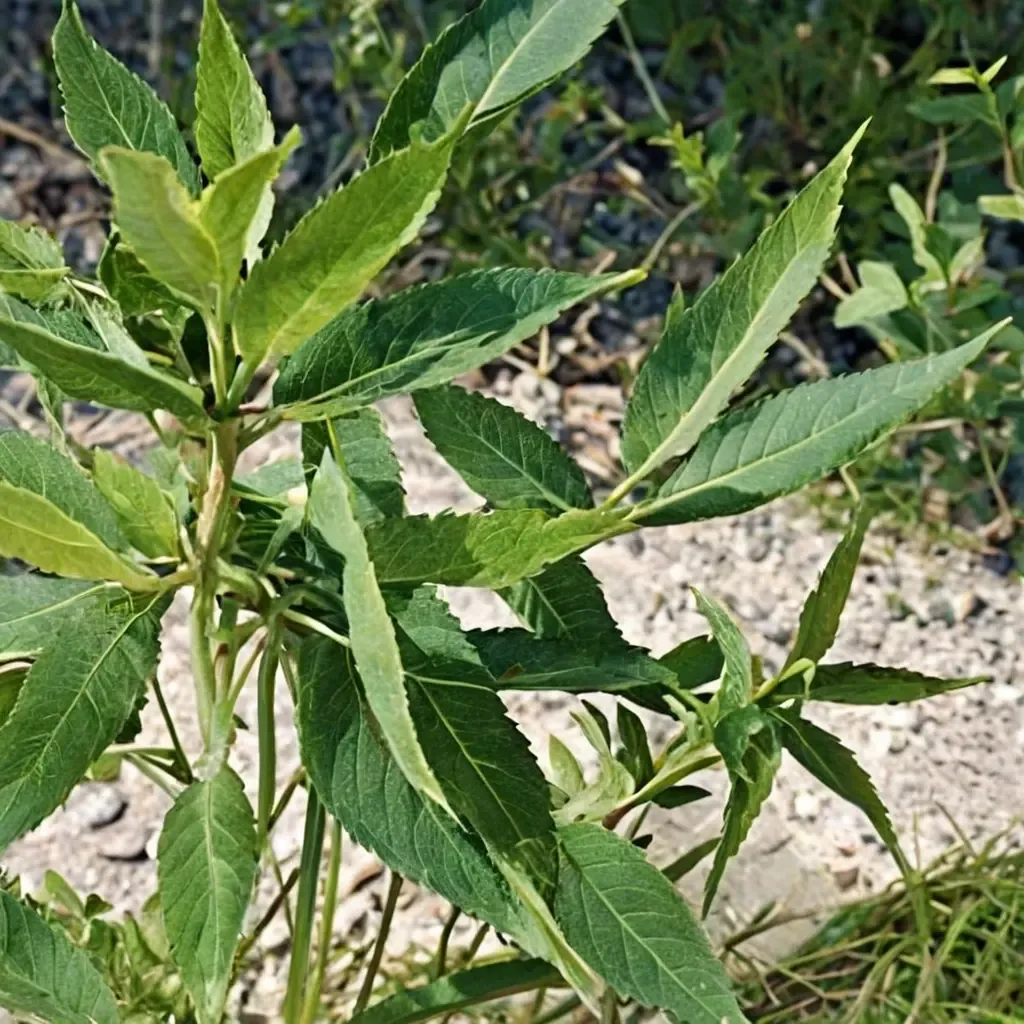
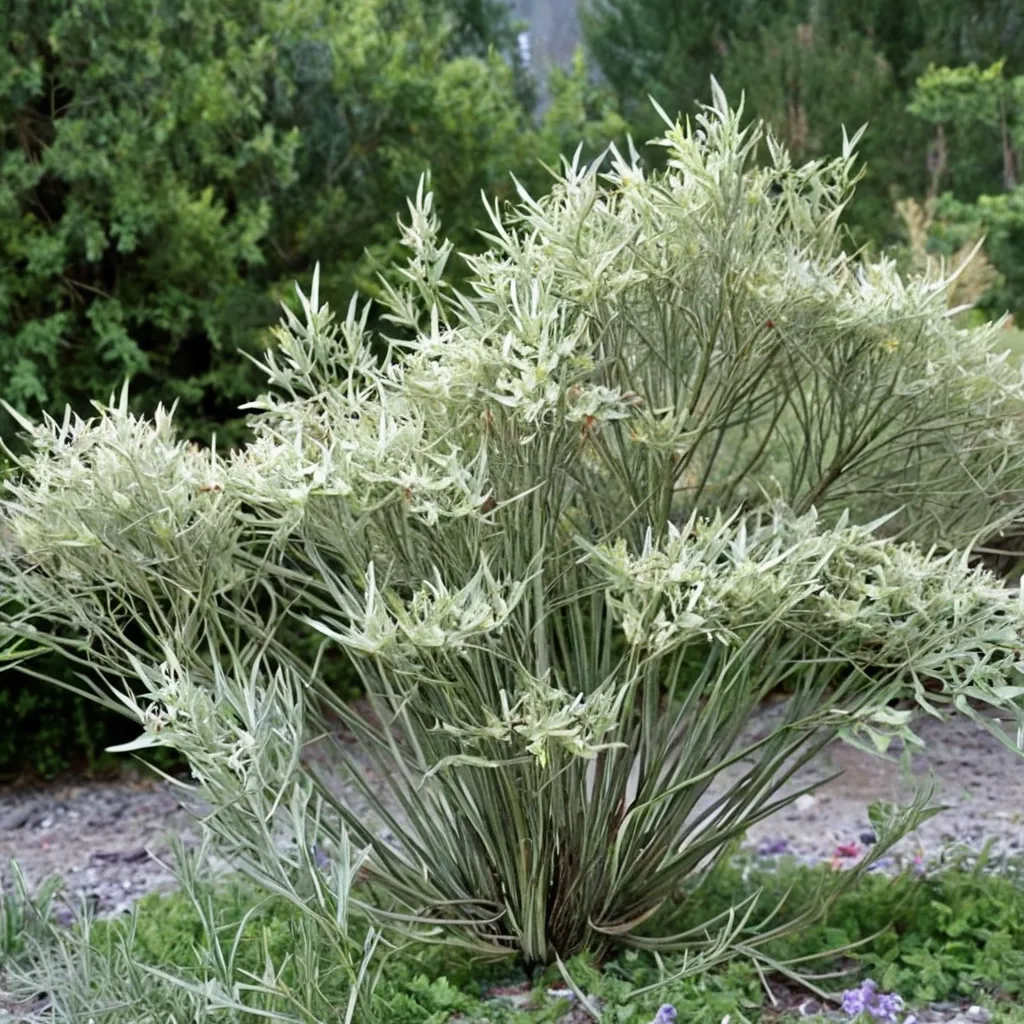
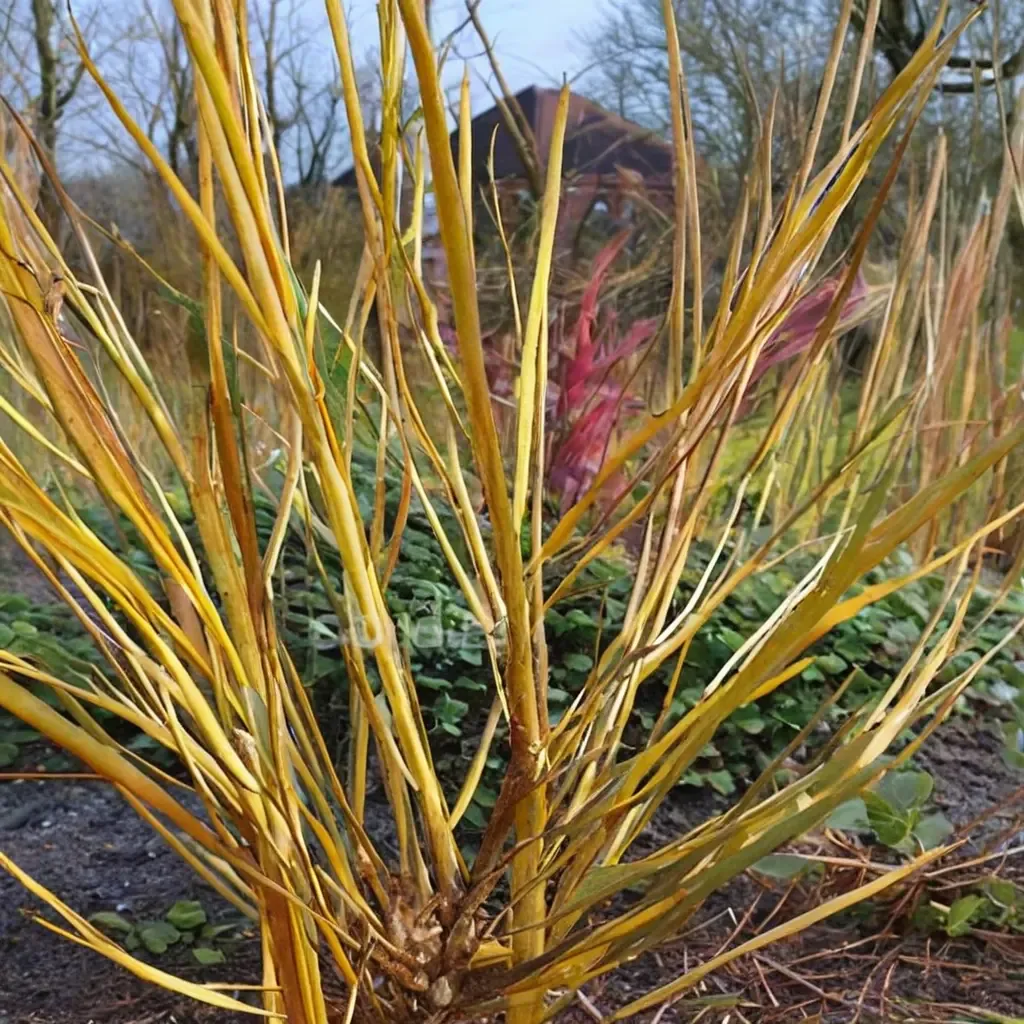
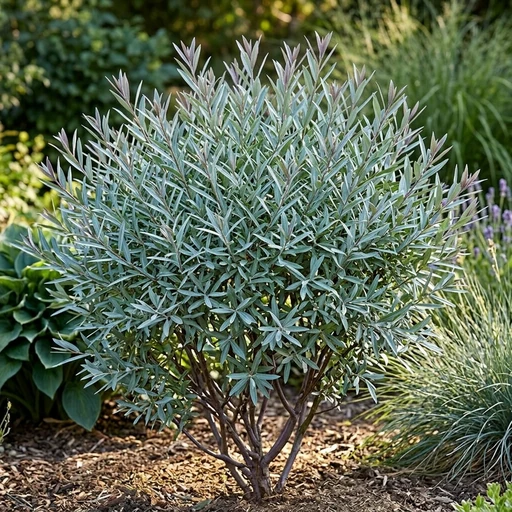
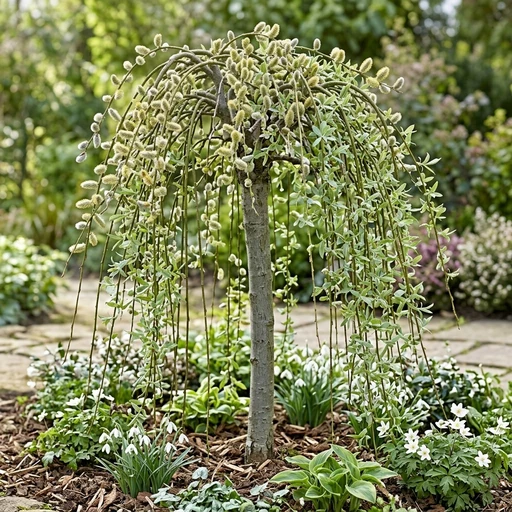
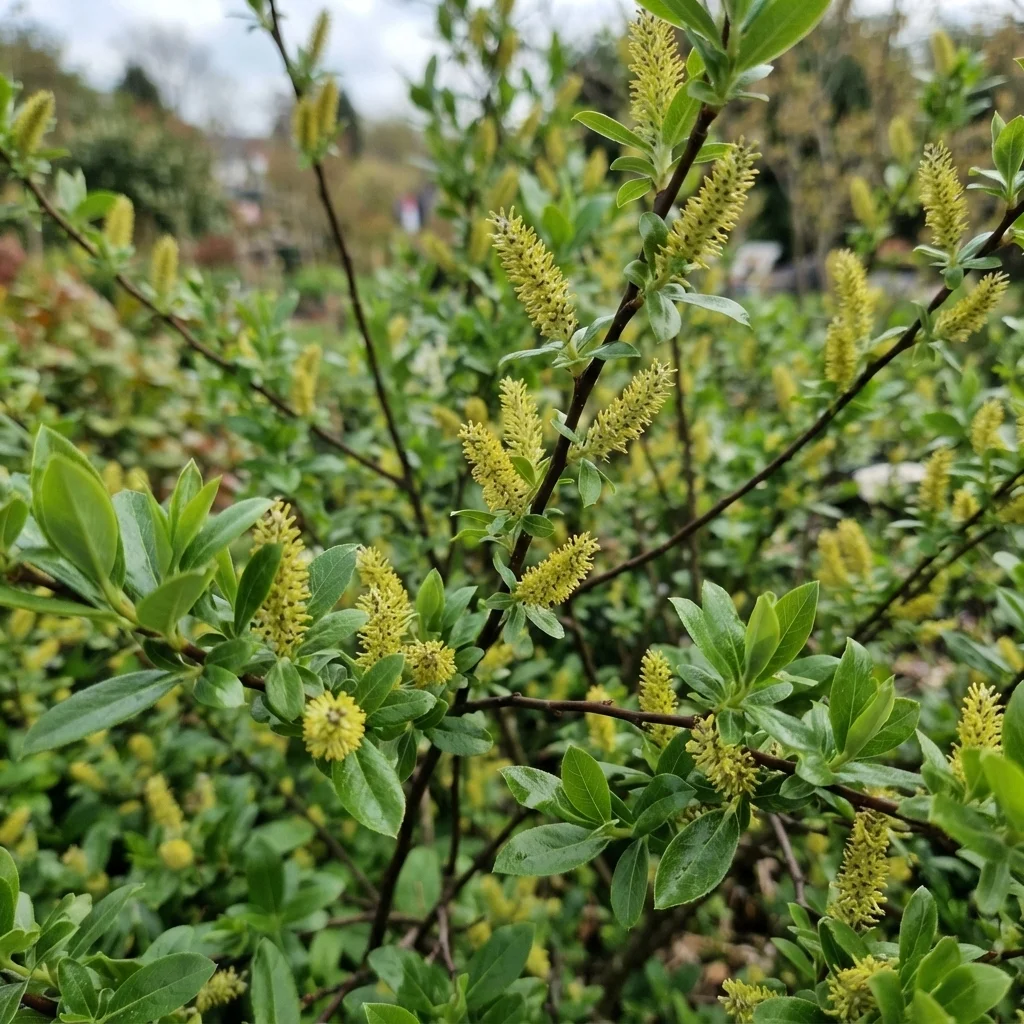
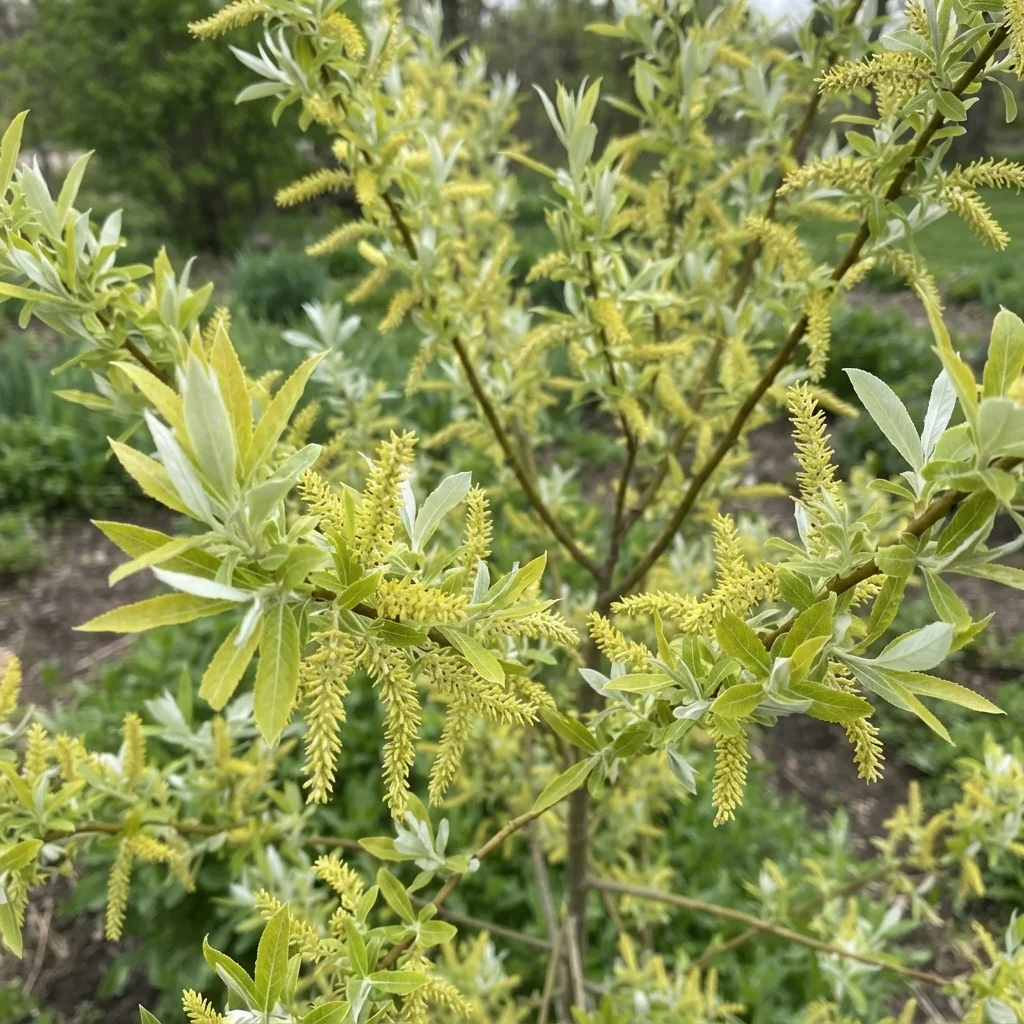
Browse all 21 Salix varieties →
8 species of Salix
Each one is a parent of the varieties above.
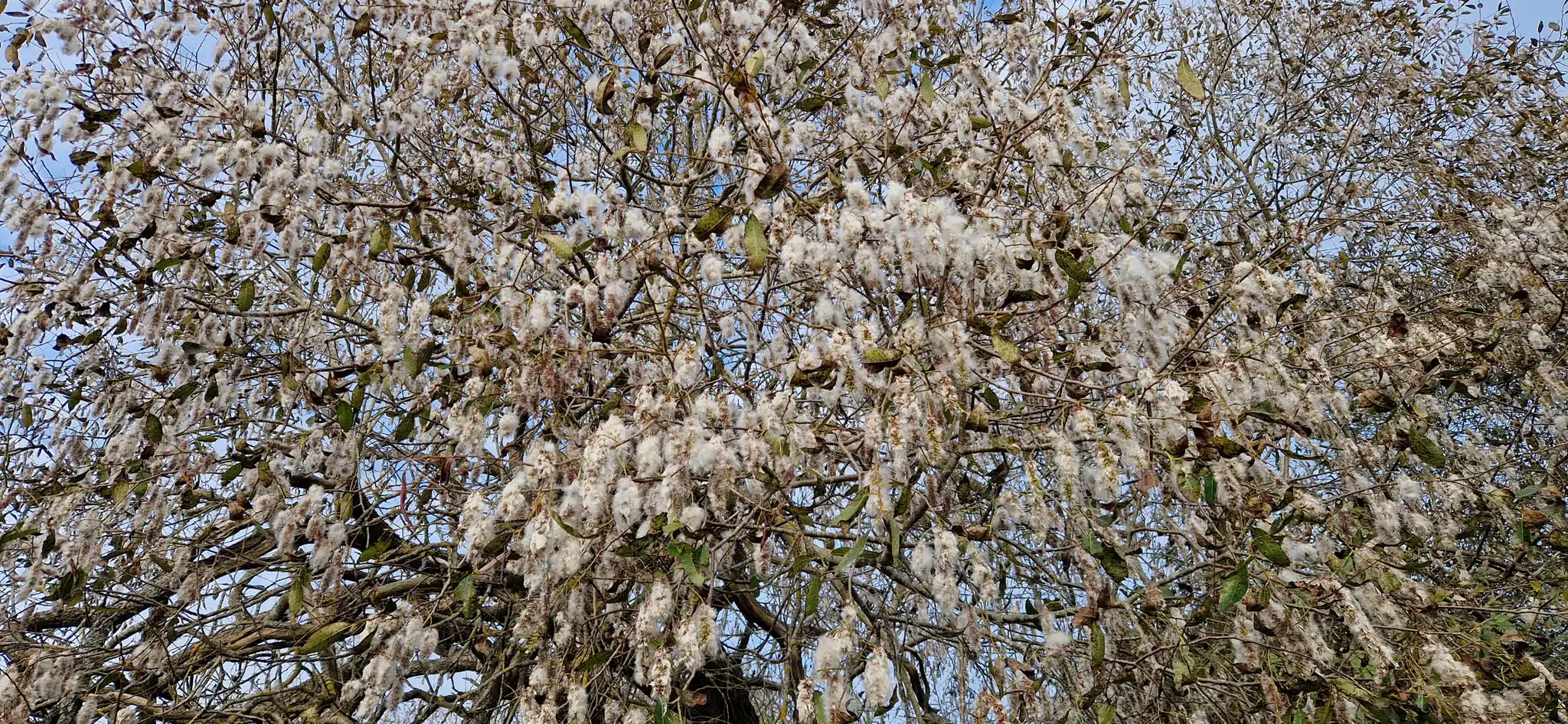

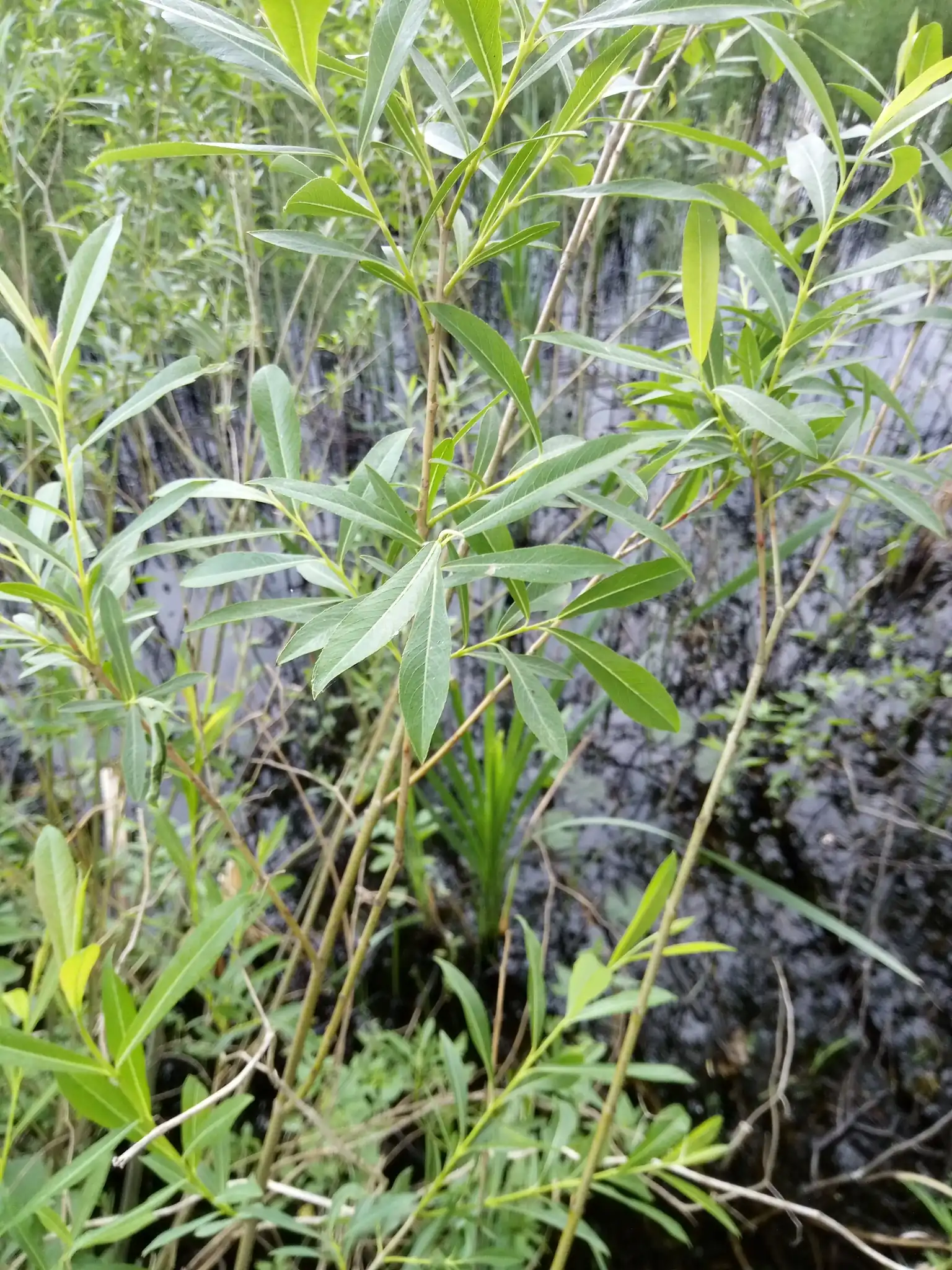
Track your Salix in Sow
Save the Salix you grow and get care reminders timed to your zone.
How to grow Salix
Whats common across all Salix varieties in our catalog — drawn from the care records of the 21 most-grown of them.
The Salix year
- PruneFebruary and March95% of varieties
Remove damaged and crossing limbs while dormant, before growth starts.
- PropagateJanuary, February, November and December62% of varieties
Take hardwood or softwood cuttings; they root very easily in water or moist soil.
- Check for PestsMay–July52% of varieties
Monitor foliage for willow leaf beetles and aphids as temperatures warm.
- PlantMarch, April, May, October and November48% of varieties
Plant bare root or container stock during dormancy.


Do
- Prune in late winter to maintain shape
- Water regularly to keep soil moist 🌱
- Mulch annually to conserve moisture
- Plant it well away from drains 🚱
- Site it beside a pond or stream 💧
Avoid
- Avoid overwatering to prevent root rot ❌
- Avoid overwatering, which can cause root rot ❌
- Plant it near pipes or foundations ❌
- Plant it near a house or septic field ❌
What goes wrong with Salix
| Problem | What you'll see | What to do |
|---|---|---|
| Aphids | Heavy honeydew dripping from the canopy, followed by sooty mould on whatever sits below | Nothing practical on a mature tree; avoid seating or parking directly beneath it |
| Borers | Wilting branches, sawdust-like frass | Use organic insecticides and remove affected wood |
| Caterpillars | Chewed leaves and webbing | Handpick or use Bacillus thuringiensis |
| Willow sawfly | Foliage grazed to the veins by pale larvae, sometimes stripping whole branches | A vigorous tree outgrows it; no treatment is practical at this size |
| Canker | Sunken, dead areas on stems and branches, which can girdle and kill them. | Prune out and destroy infected branches well below the canker. Keep the plant vigorous through proper care. |
| Crown Gall | Large, woody, tumor-like growths at the soil line or on roots. | There is no cure. Remove and destroy the infected plant. Do not replant willows or other susceptible plants in the same spot. |
| Powdery mildew | White, powdery fungal coating on leaf surfaces. | Ensure proper spacing and airflow around the branches to reduce humidity. |
Making more Salix
Cuttings
- Select healthy, semi-hardwood stems in late summer.
- Cut 6-8 inch segments and remove lower leaves.
- Dip cut ends in rooting hormone powder.
- Plant in moist, well-draining soil or water for rooting.
- Maintain humidity and indirect light for 6 weeks.
Hardwood cuttings
- Cut pencil-thick dormant stems in late winter.
- Push two-thirds deep into damp ground.
- Expect roots without any further help.
Salix questions
How many types of Salix are there?
The Sow catalog tracks 21 distinct Salix varieties. The most popular — ranked by 1k real gardeners — are shown first above.
What zones does Salix grow in?
Across its varieties, Salix covers USDA Zones 4–9. Individual varieties differ — each plant page lists its exact range, and Sow filters the catalog to your zone automatically.
When does Salix bloom?
Most Salix varieties bloom in early spring, late spring, mid-spring. Staggering early, mid, and late varieties extends the genus's season in one bed.
Which Salix should I choose?
Start from the most-saved varieties above — popularity across thousands of gardens is a strong signal of reliability — then filter by your zone and sun. In the Sow app you can preview any of them in a photo of your actual yard before you buy.