Also known as Four O'Clock · 73 saves
Mirabilis
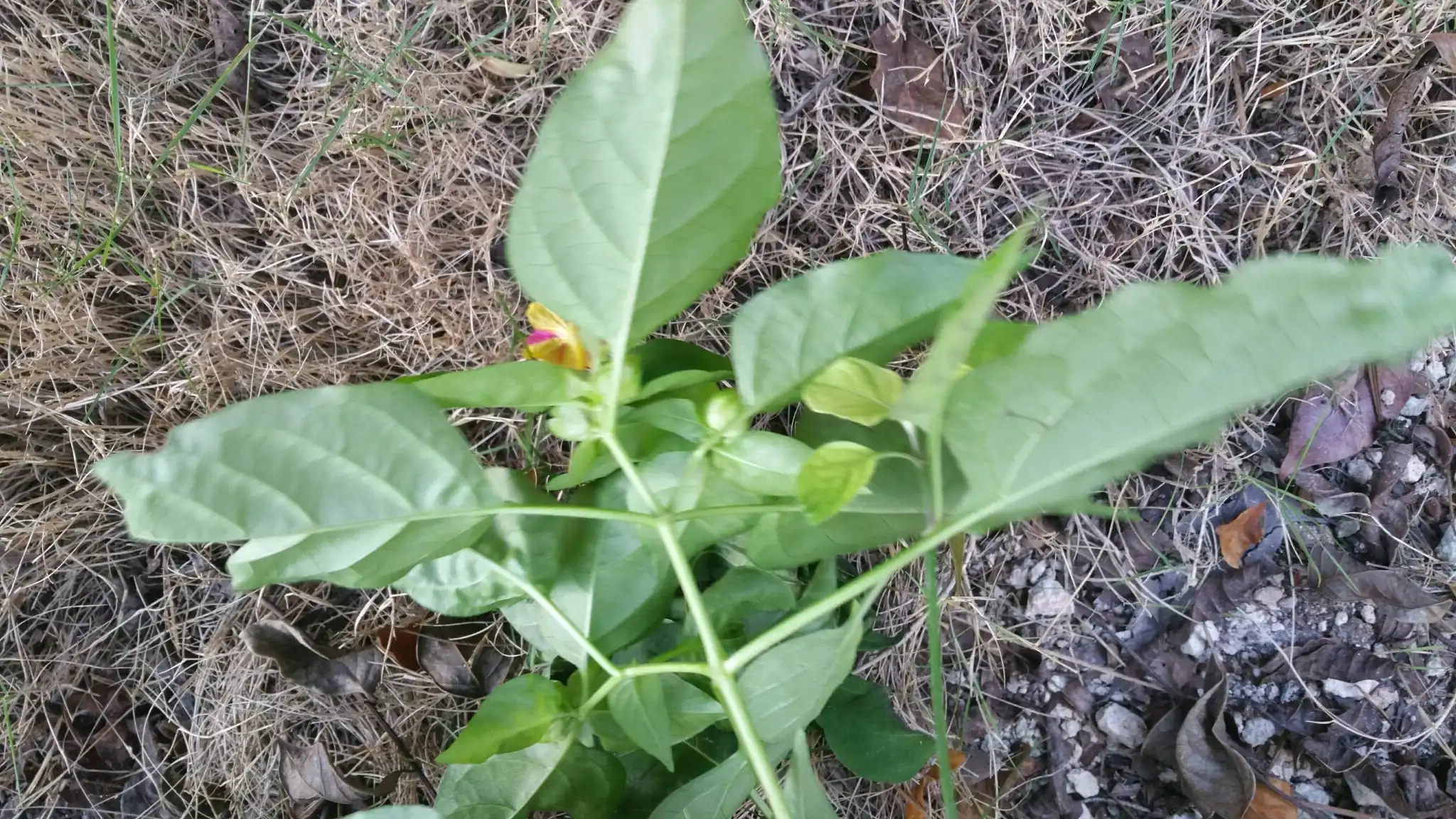
Mirabilis, the genus most gardeners know as four o'clock. We track 5 varieties; the ones most used by real gardeners.
The 4 most-saved Mirabilis varieties
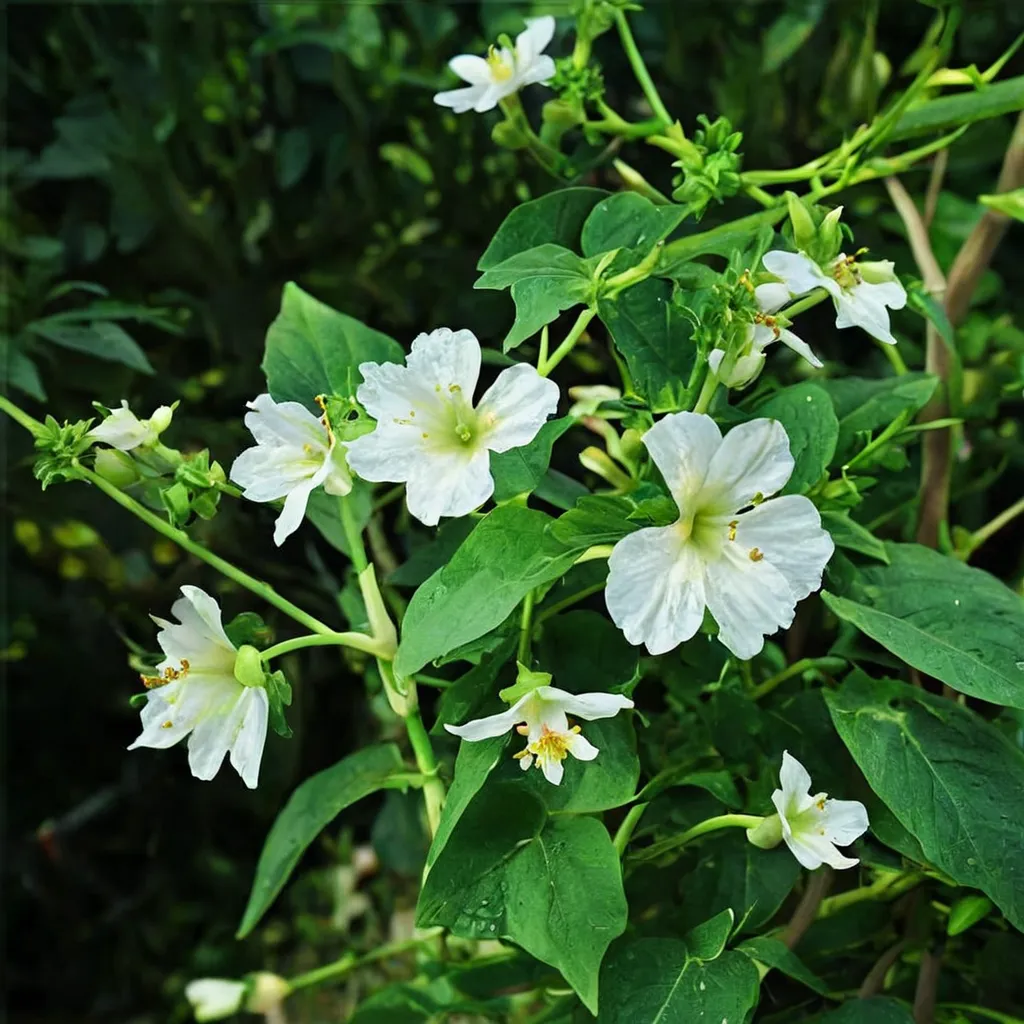
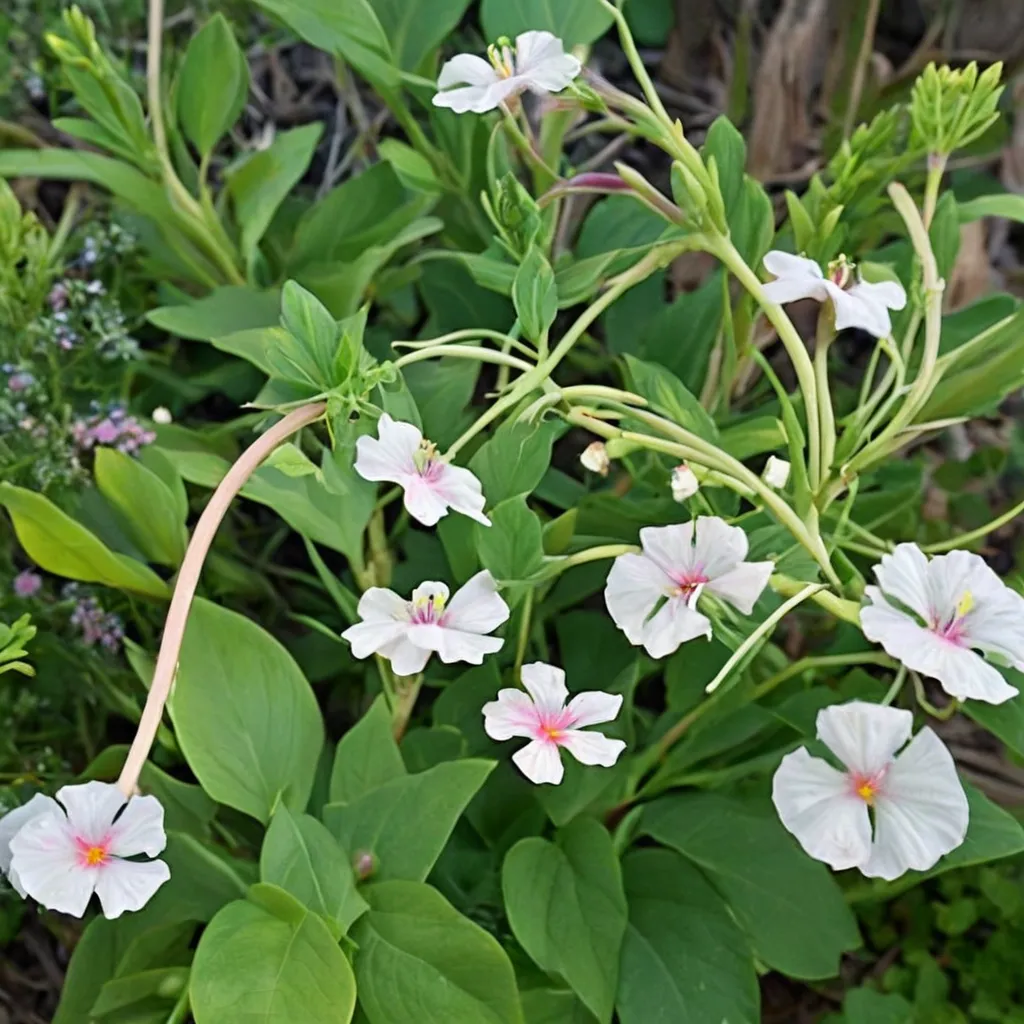
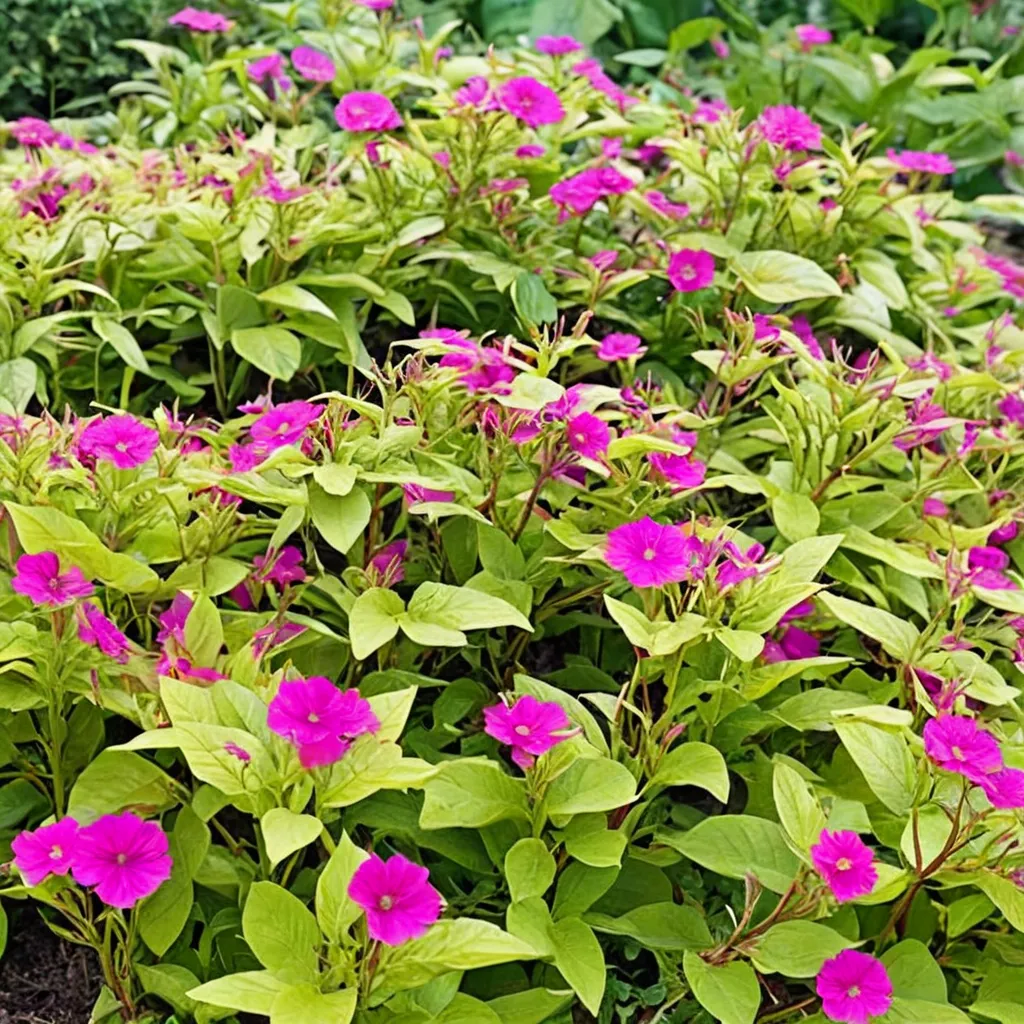
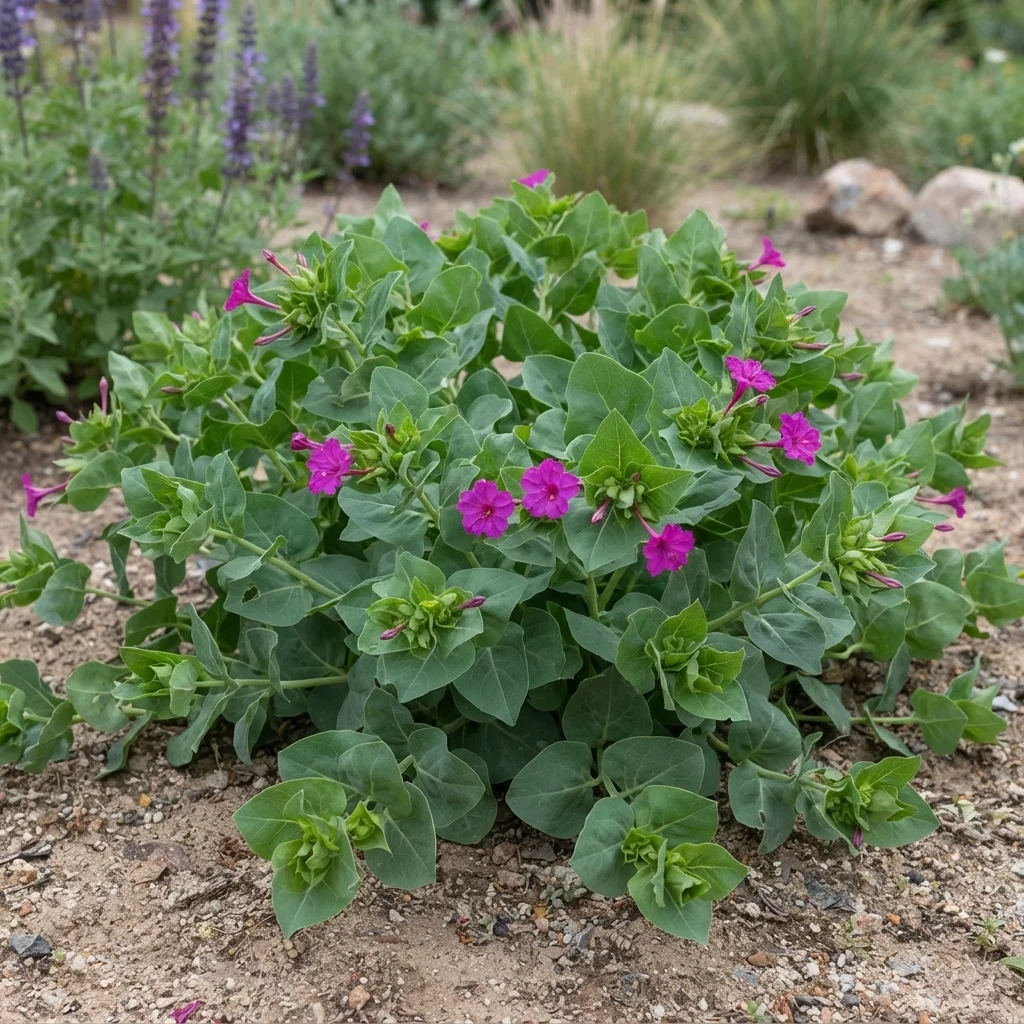
Browse all 5 Mirabilis varieties →
2 species of Mirabilis
Each one is a parent of the varieties above.
Track your Mirabilis in Sow
Save the Mirabilis you grow and get care reminders timed to your zone.
How to grow Mirabilis
Whats common across all Mirabilis varieties in our catalog — drawn from the care records of the 5 most-grown of them.
The Mirabilis year
- PlantApril–June80% of varieties
Sow seeds or plant tubers after the danger of the last spring frost
- Lift & StoreNovember60% of varieties
Dig up tuberous roots after first frost and store in a cool, dry place
- DeadheadAugust–October40% of varieties
Remove spent flowers to maintain appearance and limit aggressive self-seeding
- PropagateSeptember and October40% of varieties
Collect mature seeds for planting next season


Do
- Plant it where you sit in the evening 🌙
- Give it full sun and ordinary soil ☀️
- Lift tubers in cold zones to overwinter 🥔
- Deadhead to limit self-seeding ✂️
- Water deeply once a week during dry periods 🌱
Avoid
- Avoid overwatering to prevent root rot ❌
- Let children collect the black seeds ❌
- Expect flowers open at midday ❌
- Leave tubers in frozen ground below zone 7 ❌
What goes wrong with Mirabilis
| Problem | What you'll see | What to do |
|---|---|---|
| Aphids | Sticky residue and curled leaves | Spray with neem oil or insecticidal soap |
| Generally pest-free | No significant insect damage is typical | Monitor only; no routine treatment needed |
| Japanese beetle | Leaves skeletonised between the veins in midsummer, with beetles feeding openly | Knock beetles into soapy water early in the morning; plants generally outgrow the damage |
| Deer and rabbits | Chewed foliage and stems on young growth | Install physical barriers or apply repellents during early spring when browsing pressure is high. |
| Root rot | Decay, softening, and collapse of the underground tuberous root | Ensure sharp winter drainage and avoid supplemental watering once established. |
| Leaf spot | Dark spots spreading on the foliage in prolonged wet weather, with some leaf drop | Space plants for airflow and water at soil level; the damage is cosmetic and rarely worth treating |
| Powdery Mildew | White powder on leaves | Improve air circulation and apply sulfur fungicide |
Making more Mirabilis
Seed
- Sow the hard black seed after the last frost.
- Soak or nick the seed coat to speed germination.
- Expect flowering in the first season.
Division
- Lift the tubers after the first frost blackens the top.
- Store them dry and frost-free through winter.
- Divide and replant once frost has passed.
Mirabilis questions
How many types of Mirabilis are there?
The Sow catalog tracks 5 distinct Mirabilis varieties. The most popular — ranked by 73 real gardeners — are shown first above.
What zones does Mirabilis grow in?
Across its varieties, Mirabilis covers USDA Zones 5–10. Individual varieties differ — each plant page lists its exact range, and Sow filters the catalog to your zone automatically.
When does Mirabilis bloom?
Most Mirabilis varieties bloom in summer to fall, summer to fall, mid-summer. Staggering early, mid, and late varieties extends the genus's season in one bed.
Which Mirabilis should I choose?
Start from the most-saved varieties above — popularity across thousands of gardens is a strong signal of reliability — then filter by your zone and sun. In the Sow app you can preview any of them in a photo of your actual yard before you buy.