From 2.2k real designs
What to plant with Miscanthus
These are what gardeners actually planted. We measured every Sow design containing Miscanthus and ranked the plants that turn up alongside it far more often than chance would explain.
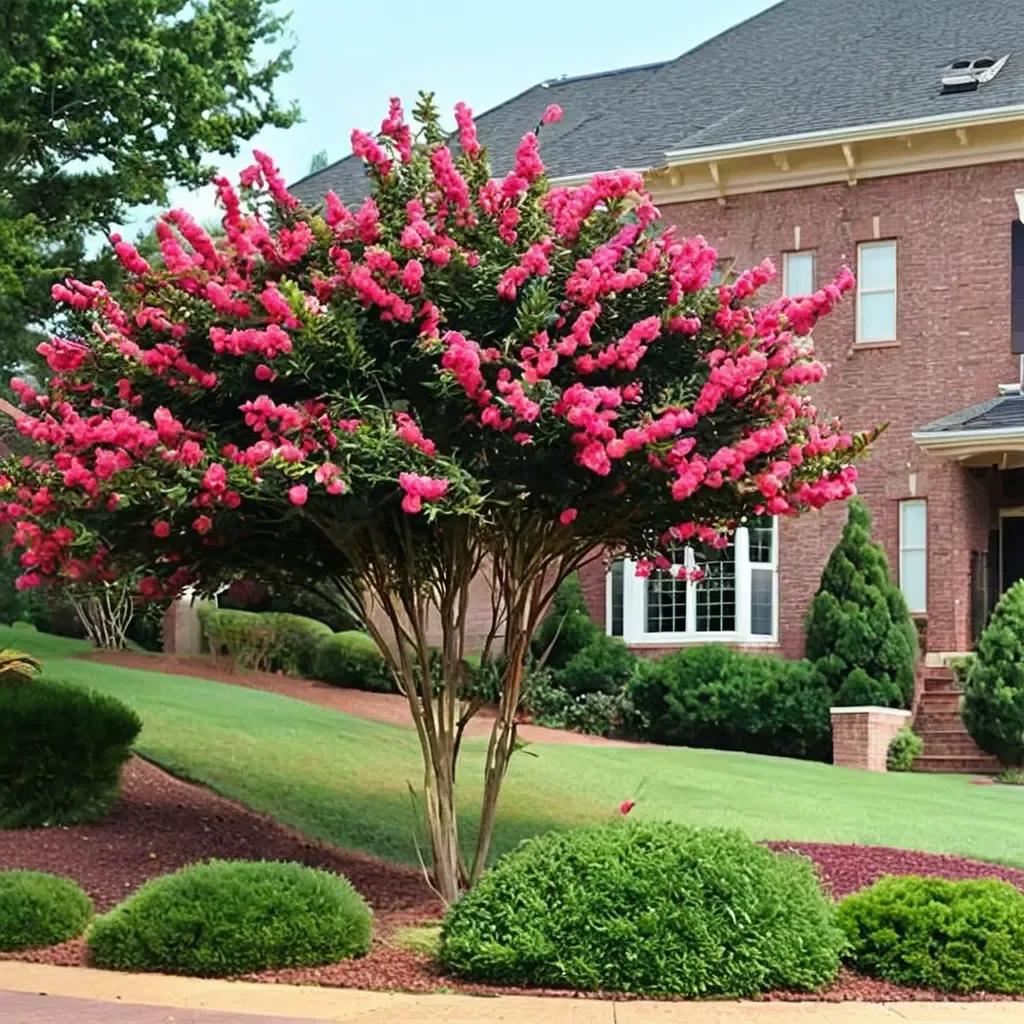
Used together in 79 designs — 5.68× more often than this plant appears in gardens generally.
Why it works: shares Zones 6–9 with Miscanthus; wants the same full sun; blooms mid-summer to Miscanthus's late summer.
Zones 6–10See plant →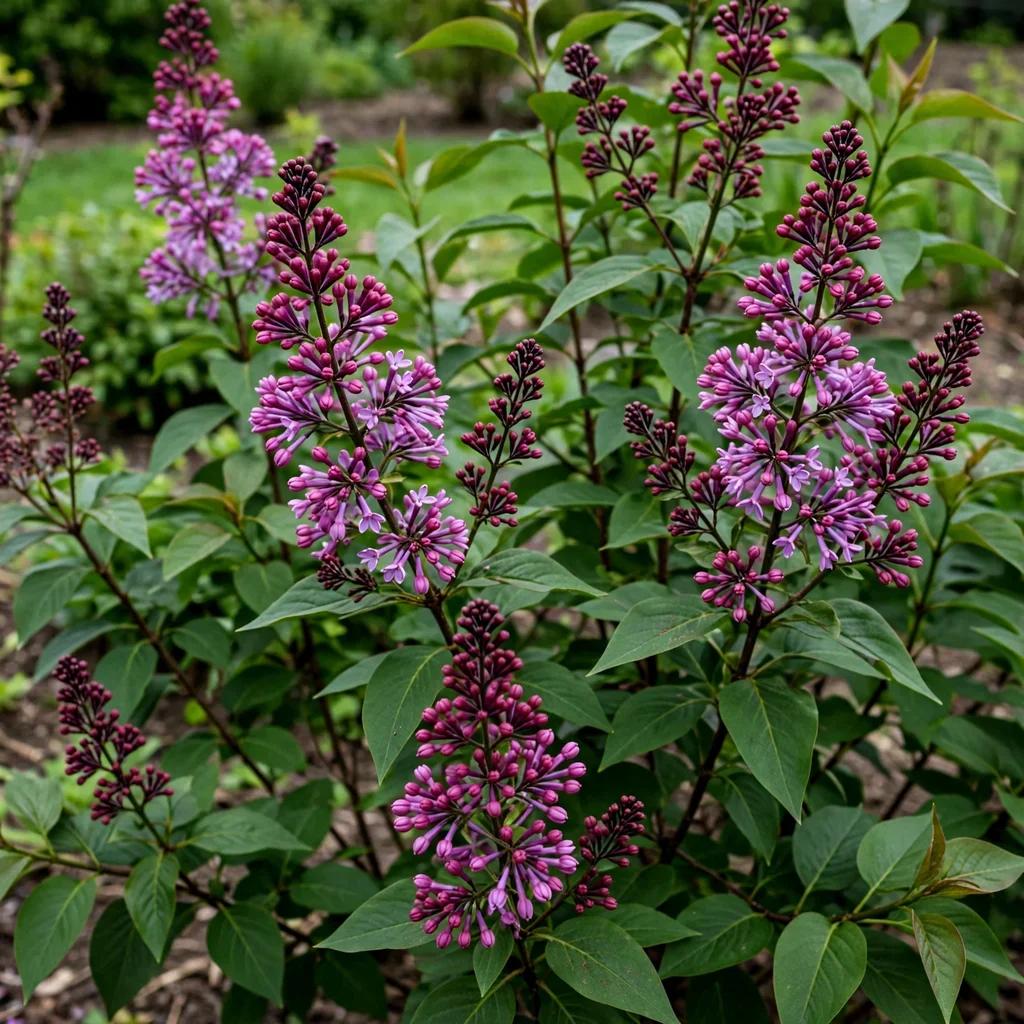
Used together in 43 designs — 4.57× more often than this plant appears in gardens generally.
Why it works: shares Zones 4–7 with Miscanthus; wants the same full sun; blooms late spring to early summer to Miscanthus's late summer.
Zones 4–7See plant →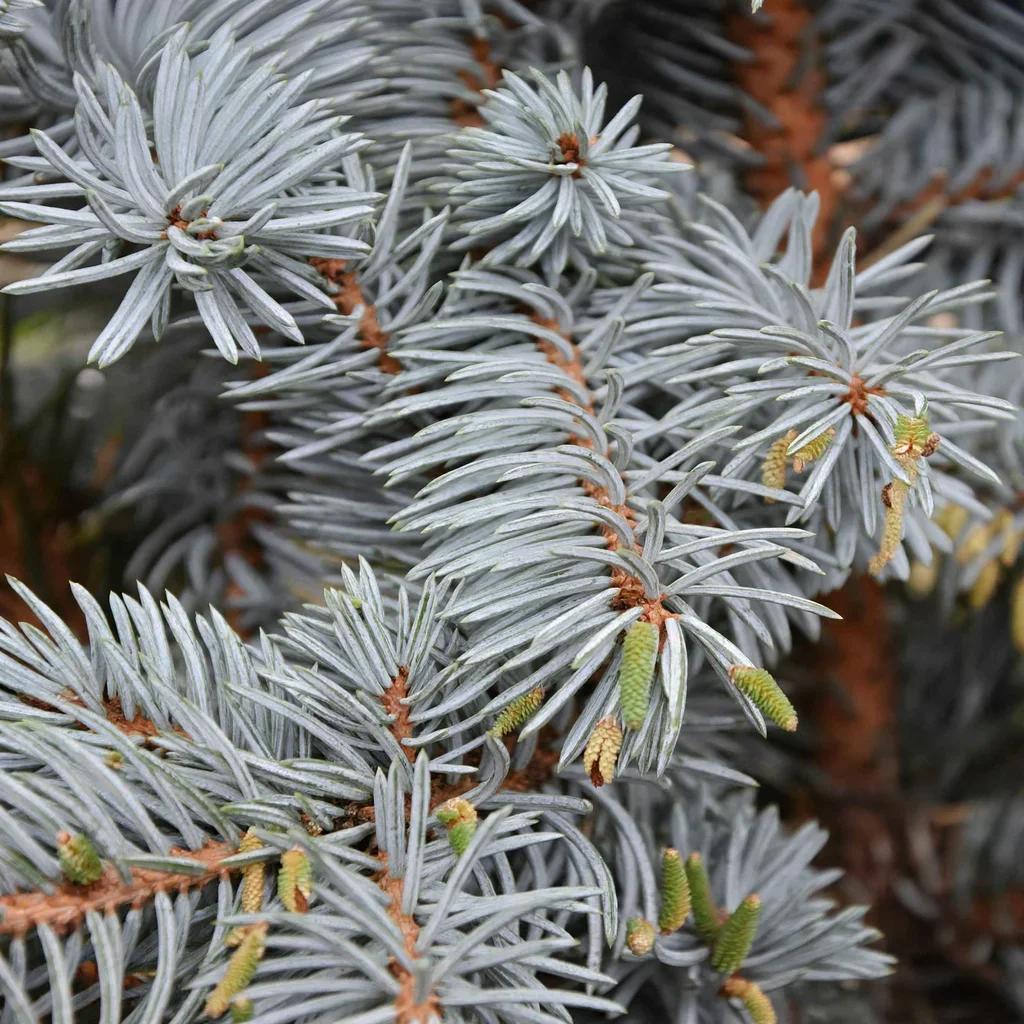
Used together in 88 designs — 4.4× more often than this plant appears in gardens generally.
Why it works: shares Zones 4–7 with Miscanthus; wants the same full sun; adds height behind Miscanthus.
Zones 4–7See plant →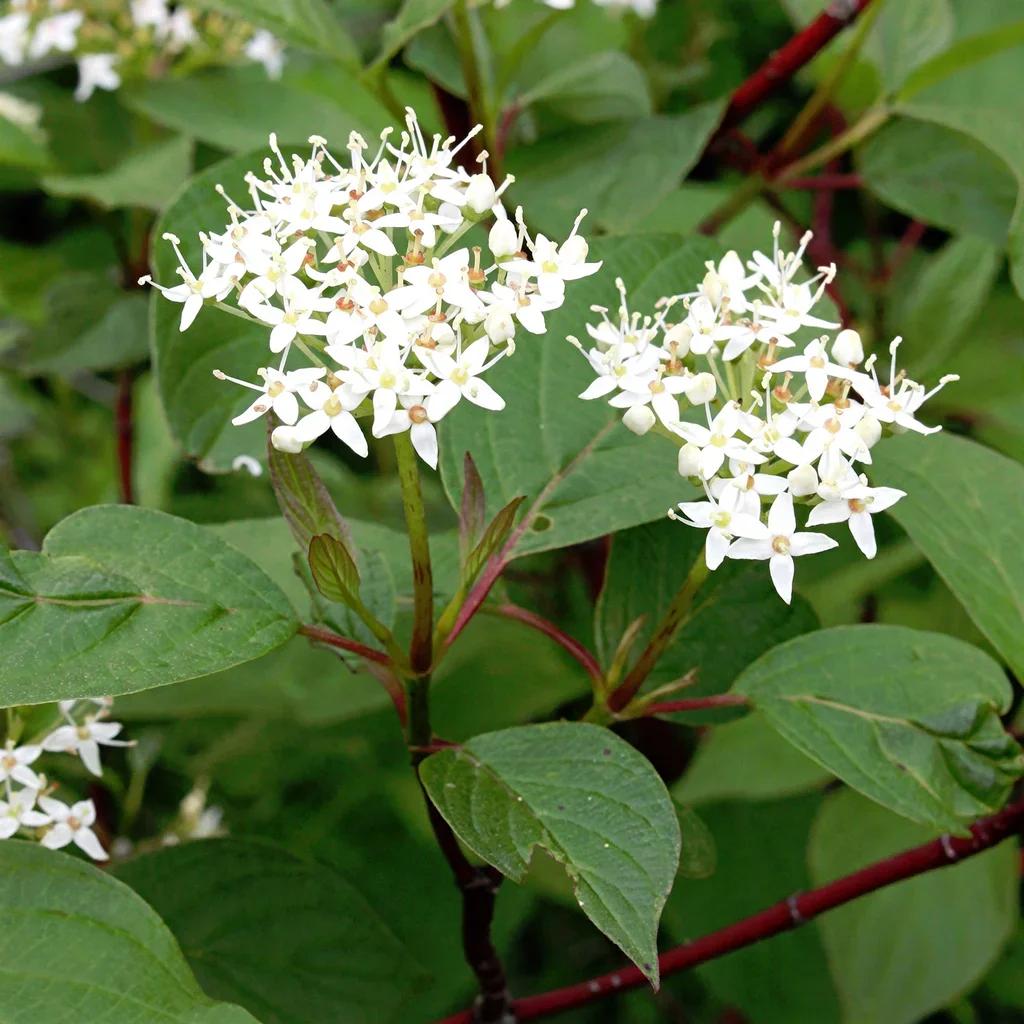
Used together in 55 designs — 4.38× more often than this plant appears in gardens generally.
Why it works: shares Zones 4–7 with Miscanthus; wants the same full sun; blooms late spring to Miscanthus's late summer.
Zones 4–7See plant →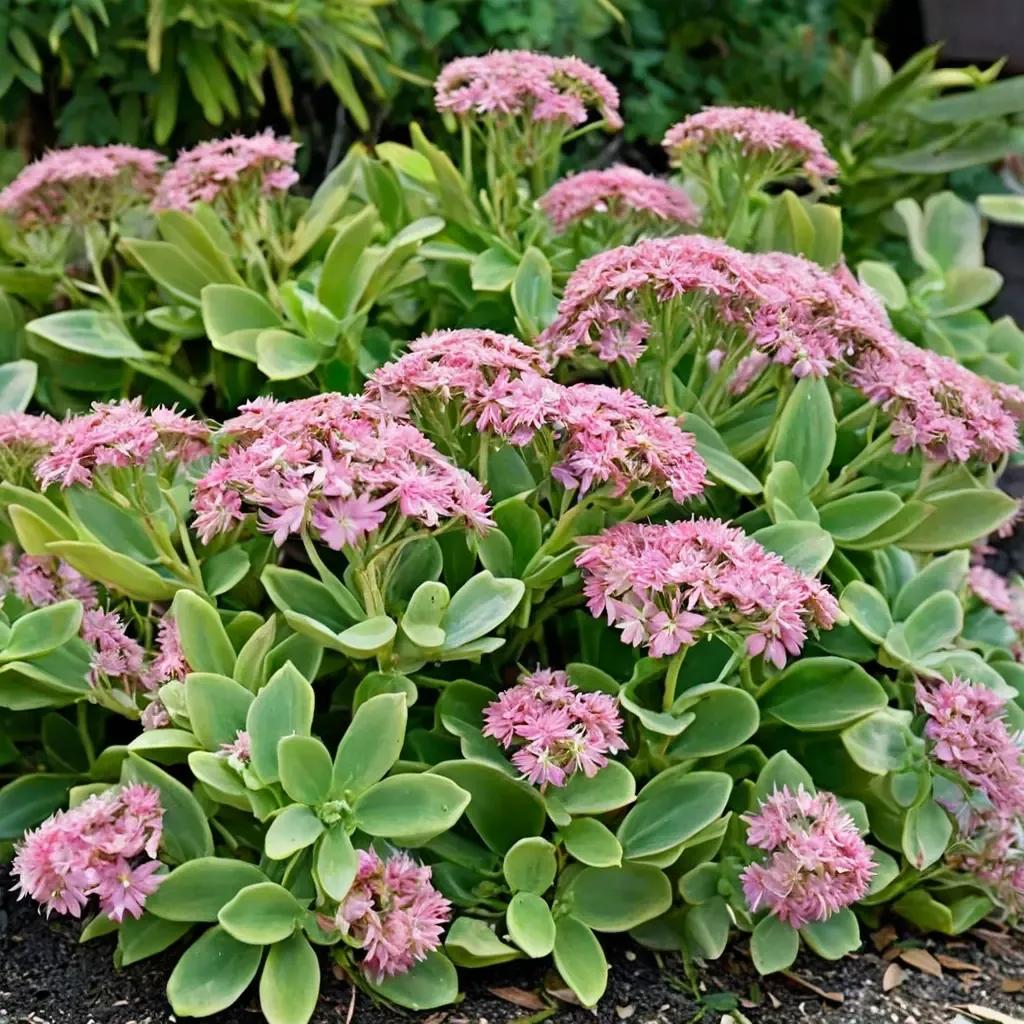
Used together in 46 designs — 4.01× more often than this plant appears in gardens generally.
Why it works: shares Zones 4–9 with Miscanthus; wants the same full sun; fills in front of Miscanthus.
Zones 4–9See plant →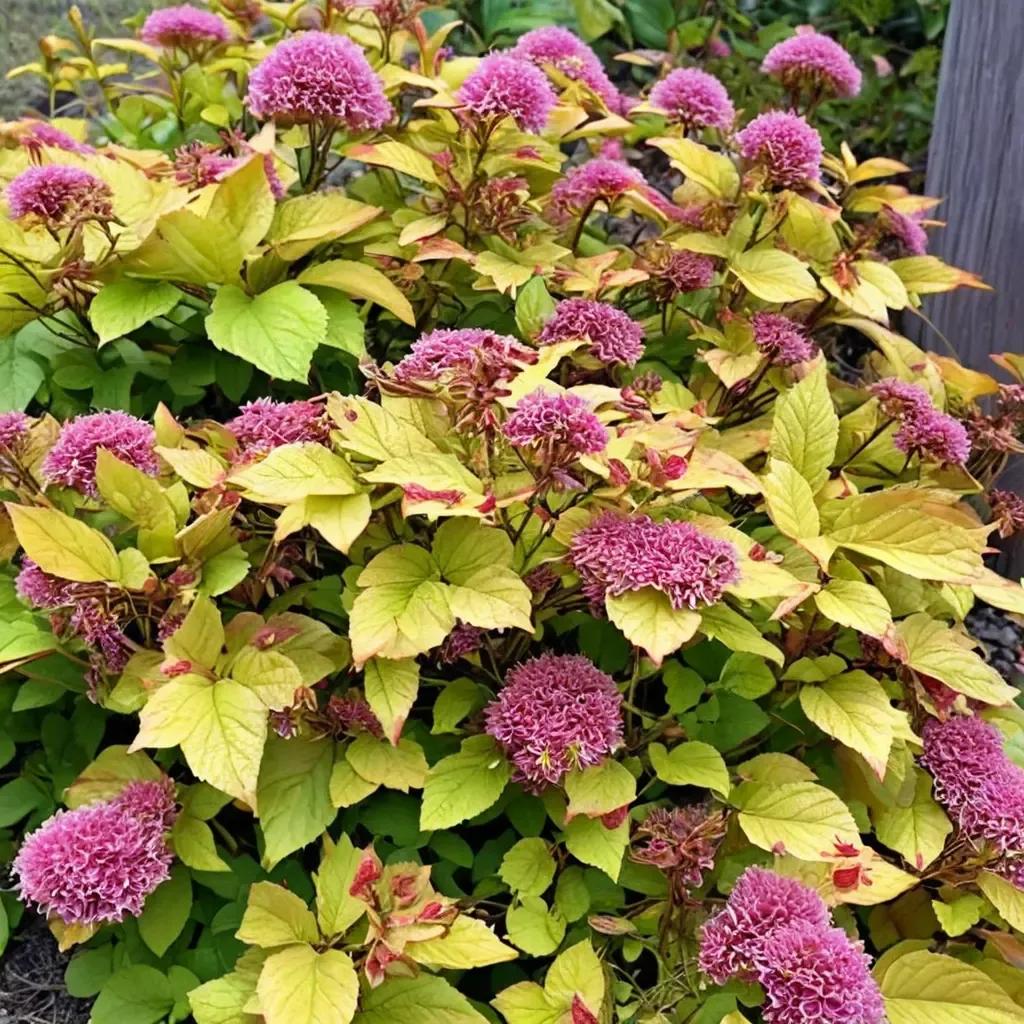
Used together in 81 designs — 3.68× more often than this plant appears in gardens generally.
Why it works: shares Zones 4–8 with Miscanthus; wants the same full sun; blooms summer to Miscanthus's late summer; fills in front of Miscanthus.
Zones 4–8See plant →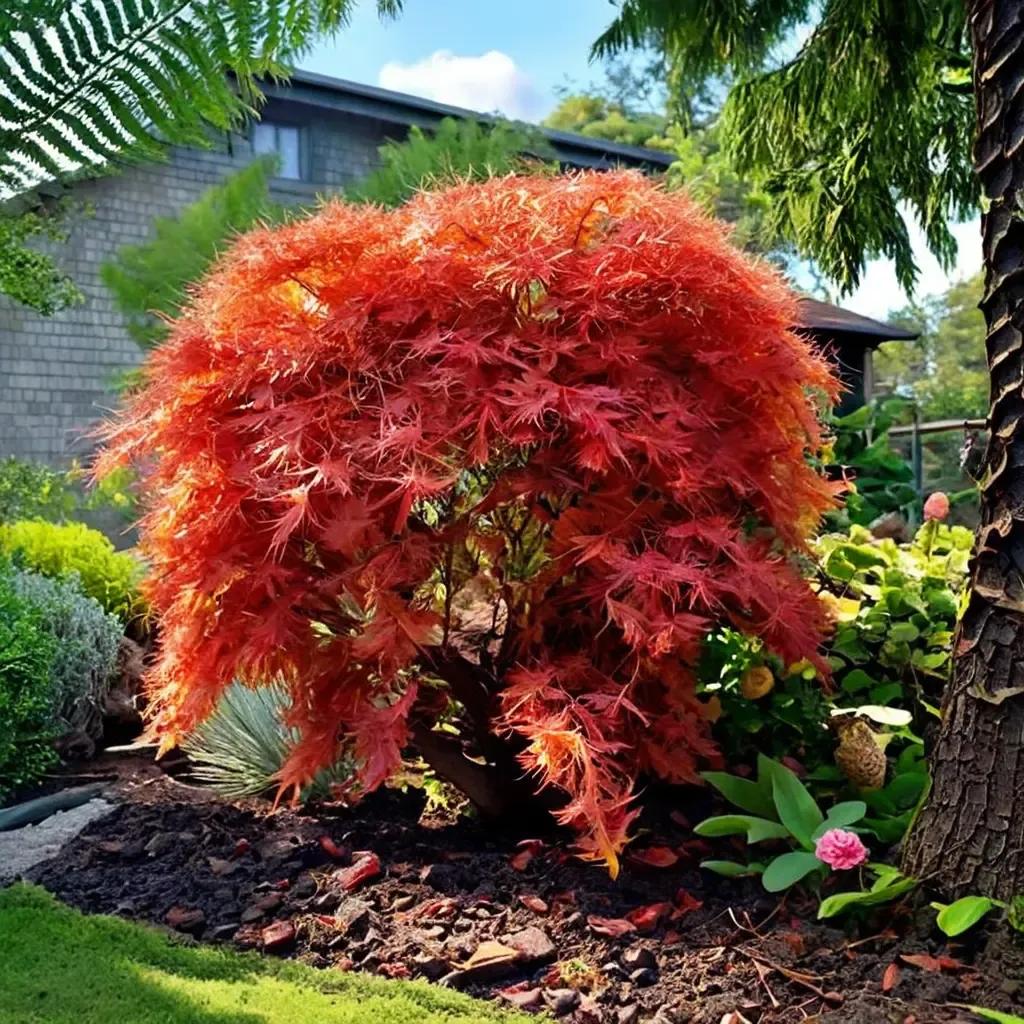
Used together in 123 designs — 3.48× more often than this plant appears in gardens generally.
Why it works: shares Zones 5–9 with Miscanthus; wants the same full sun; blooms early spring to Miscanthus's late summer.
Zones 5–9See plant →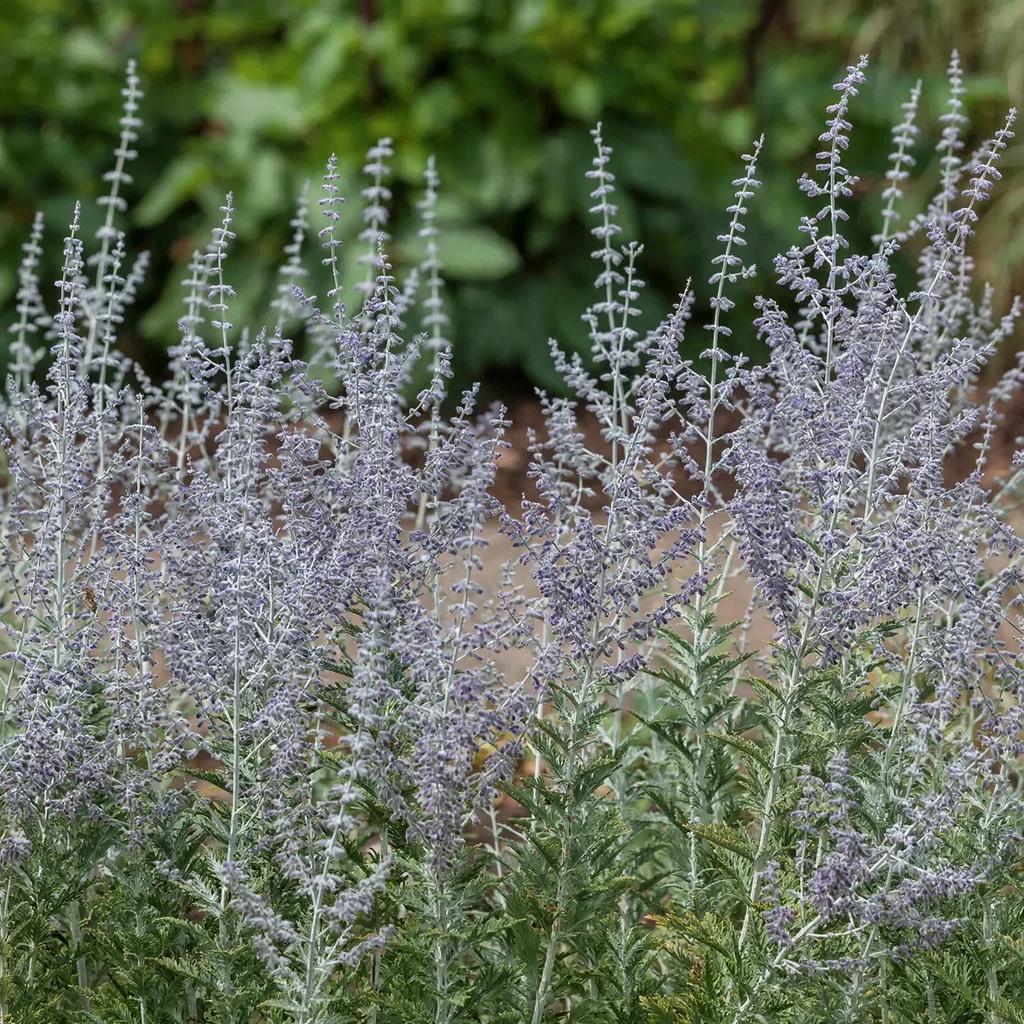
Used together in 94 designs — 3.4× more often than this plant appears in gardens generally.
Why it works: shares Zones 4–9 with Miscanthus; wants the same full sun; blooms mid-summer to fall to Miscanthus's late summer.
Zones 4–9See plant →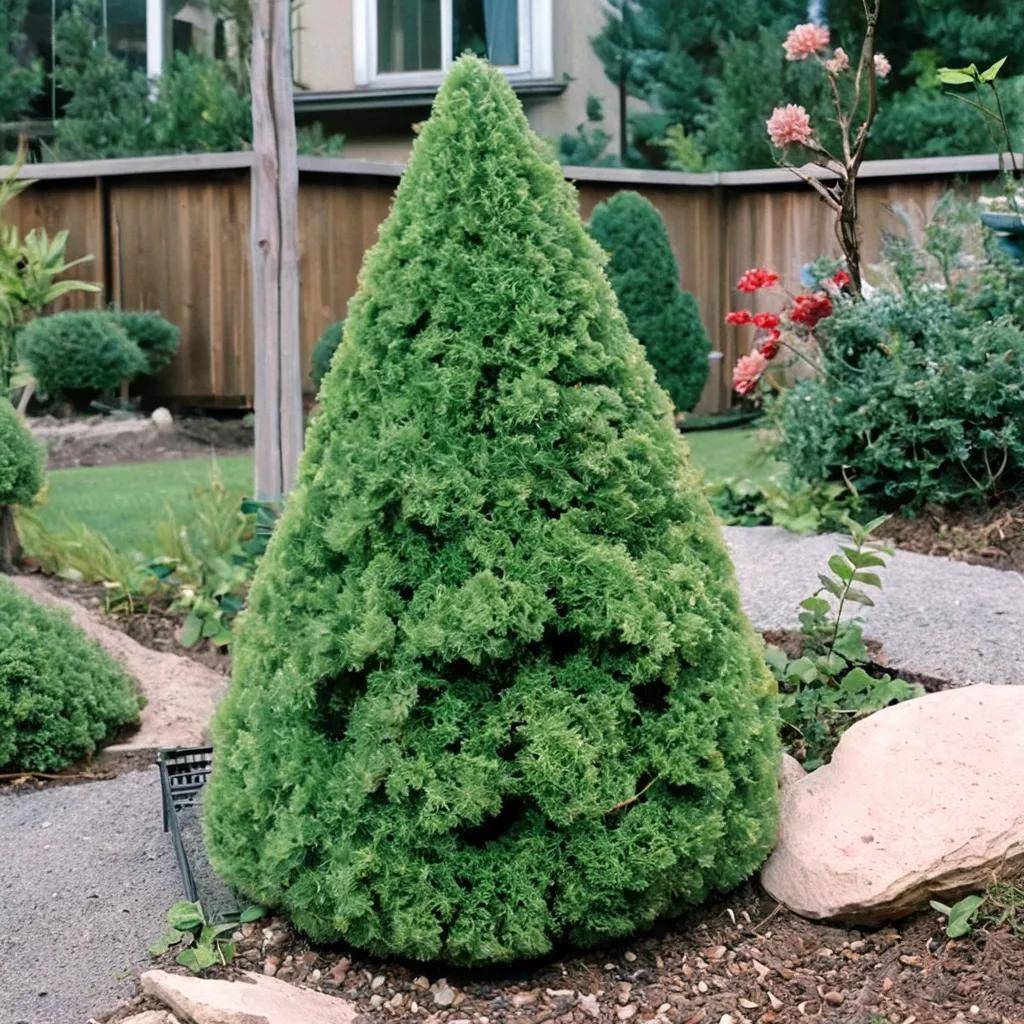
Used together in 104 designs — 3.17× more often than this plant appears in gardens generally.
Why it works: shares Zones 4–6 with Miscanthus; wants the same full sun.
Zones 4–6See plant →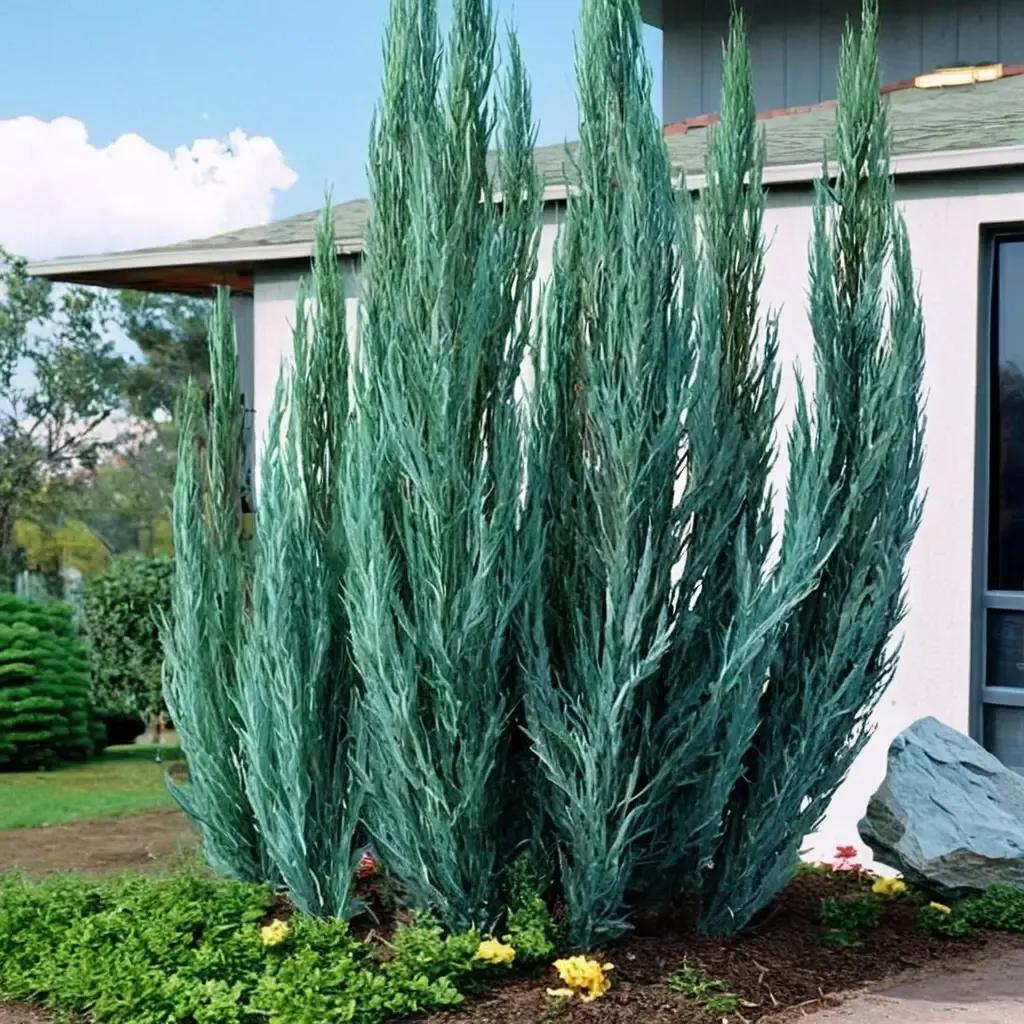
Used together in 76 designs — 3.05× more often than this plant appears in gardens generally.
Why it works: shares Zones 4–8 with Miscanthus; wants the same full sun; adds height behind Miscanthus.
Zones 4–8See plant →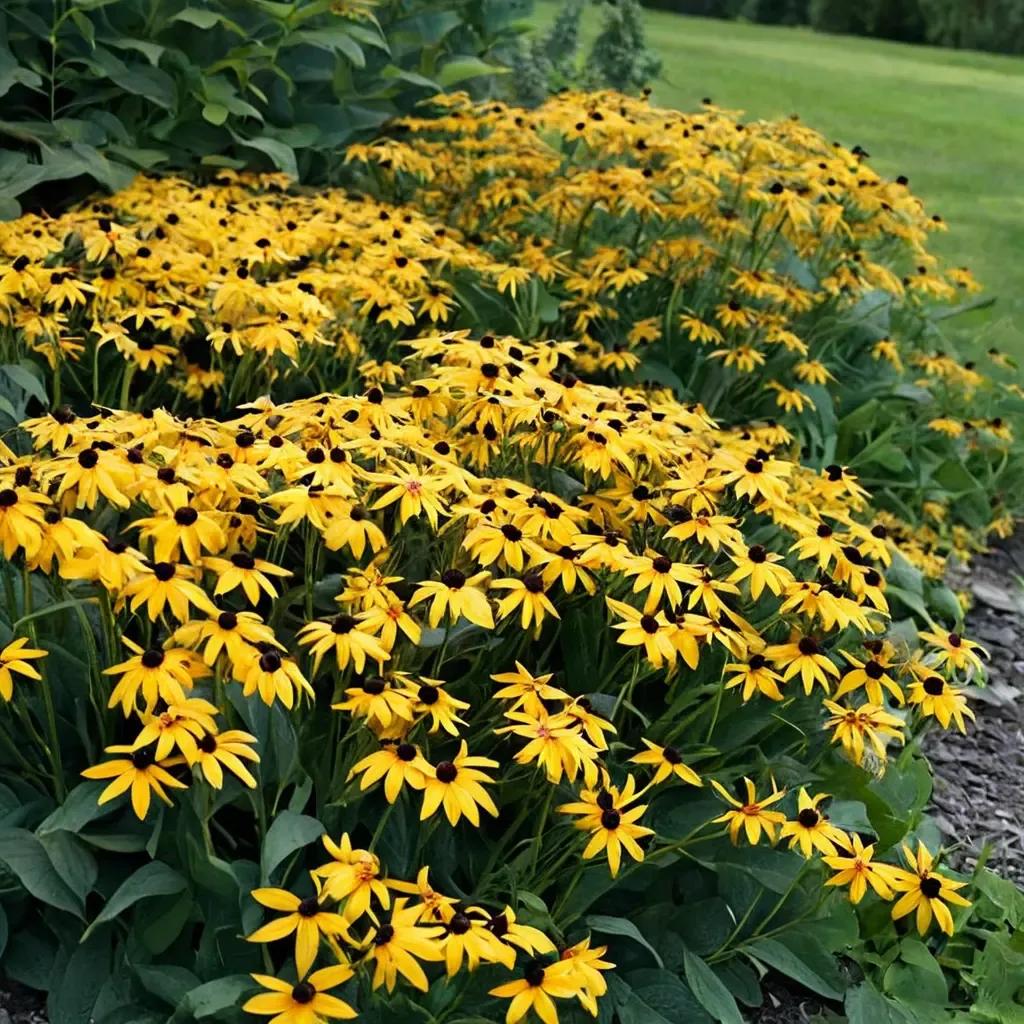
Used together in 249 designs — 2.88× more often than this plant appears in gardens generally.
Why it works: shares Zones 4–9 with Miscanthus; wants the same full sun; blooms mid-summer to Miscanthus's late summer; fills in front of Miscanthus.
Zones 4–9See plant →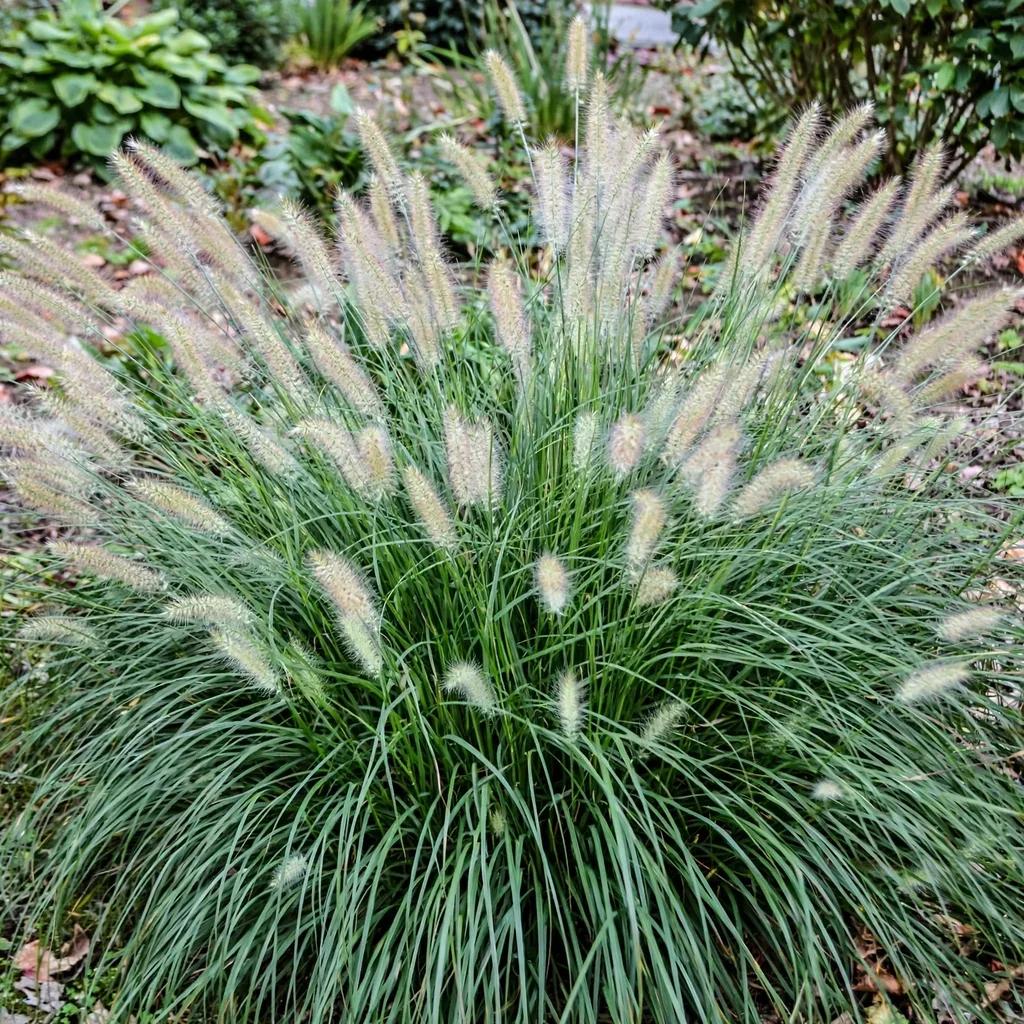
Used together in 66 designs — 2.87× more often than this plant appears in gardens generally.
Why it works: shares Zones 5–9 with Miscanthus; wants the same full sun; fills in front of Miscanthus.
Zones 5–9See plant →
Method: we counted every Sow design containing Miscanthus (2.2k of them), then scored each other plant by how much more often it appears in those designs than in designs generally (lift), requiring at least 40 shared designs. Ranking by lift rather than raw count is what stops the list collapsing into “the most popular plants”.
Miscanthus pairing questions
What should I plant with Miscanthus?
Across 2.2k real garden designs containing Miscanthus, the partner that shows the strongest affinity is Tonto Crape Myrtle — it appears alongside Miscanthus far more often than its overall popularity would predict. The full ranked list is above.
How was this companion list decided?
From data, not opinion. We looked at every Sow design containing Miscanthus and measured which other plants appear with it more often than chance would explain (a lift score), requiring at least 40 shared designs so nothing here is a small-sample fluke. That is why the list reads like a coherent planting palette rather than a list of bestsellers.
Do companion plants need the same conditions as Miscanthus?
Yes — that is the first filter. A companion has to share the hardiness range and light exposure, or one of the two will struggle. Each entry above states the zones it shares with Miscanthus and whether it wants the same light; pairings that differ in bloom time or height are noted, because that contrast is usually the point.
Keep exploring
Try these pairings in your own yard
Snap a photo of your space and place Miscanthus and its companions in it at true mature size — before you buy any of them.