Also known as Needlegrass · 131 saves
Nassella
Nassella, the genus most gardeners know as needlegrass. We track 5 varieties; the ones most used by real gardeners.
The 5 most-saved Nassella varieties
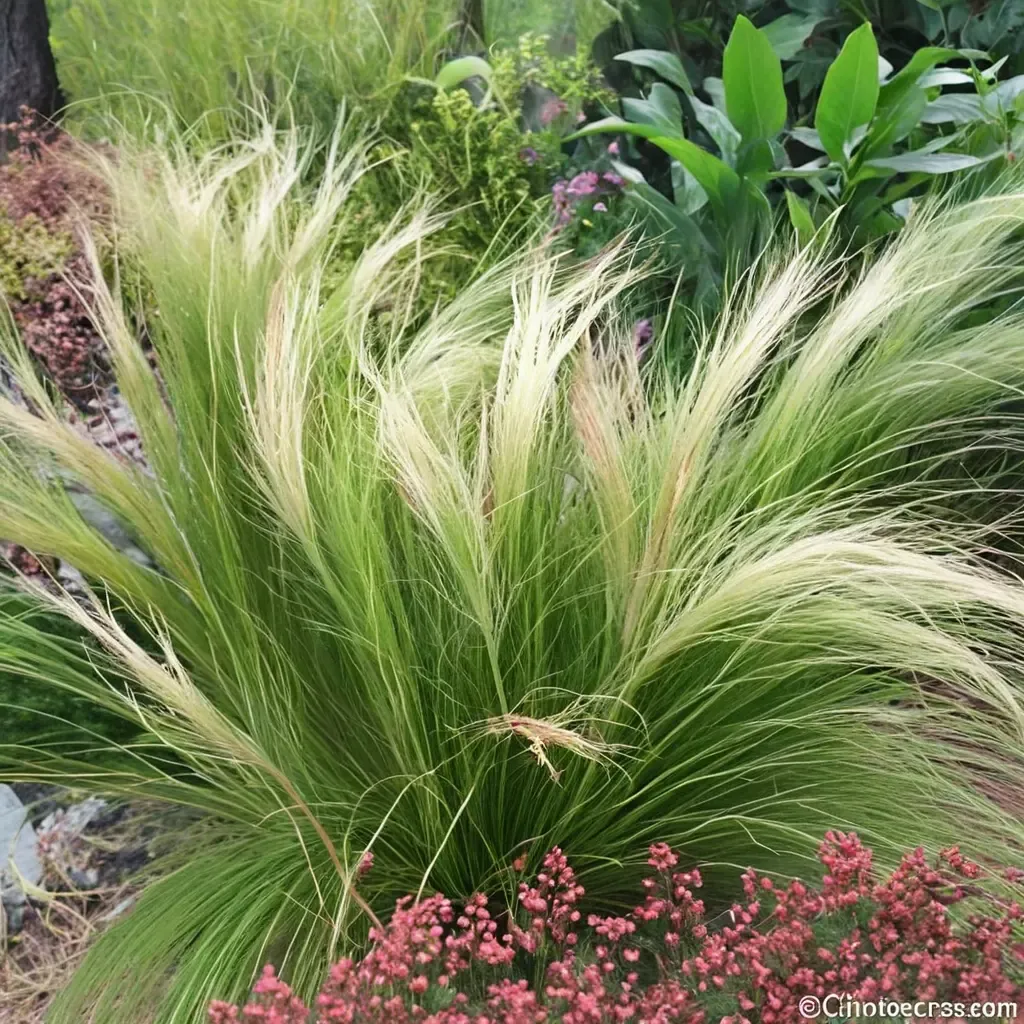
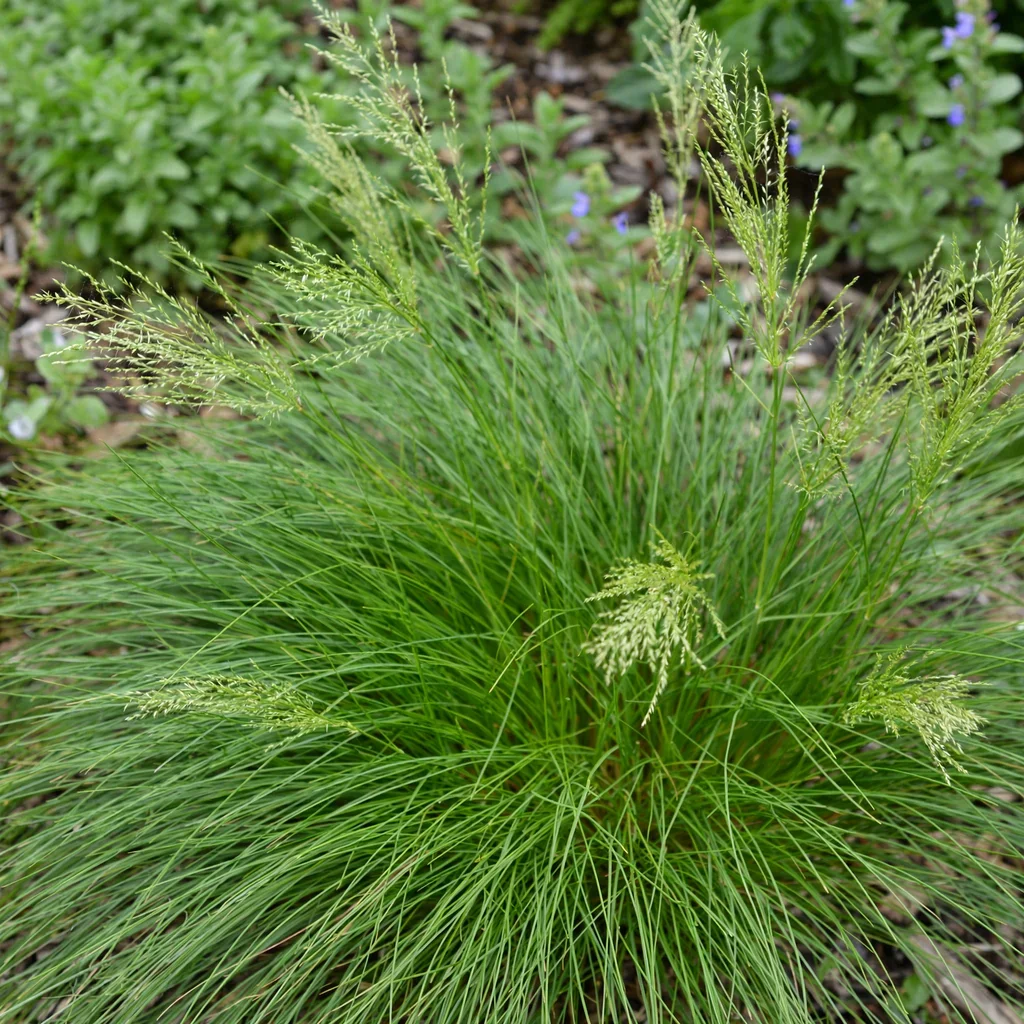
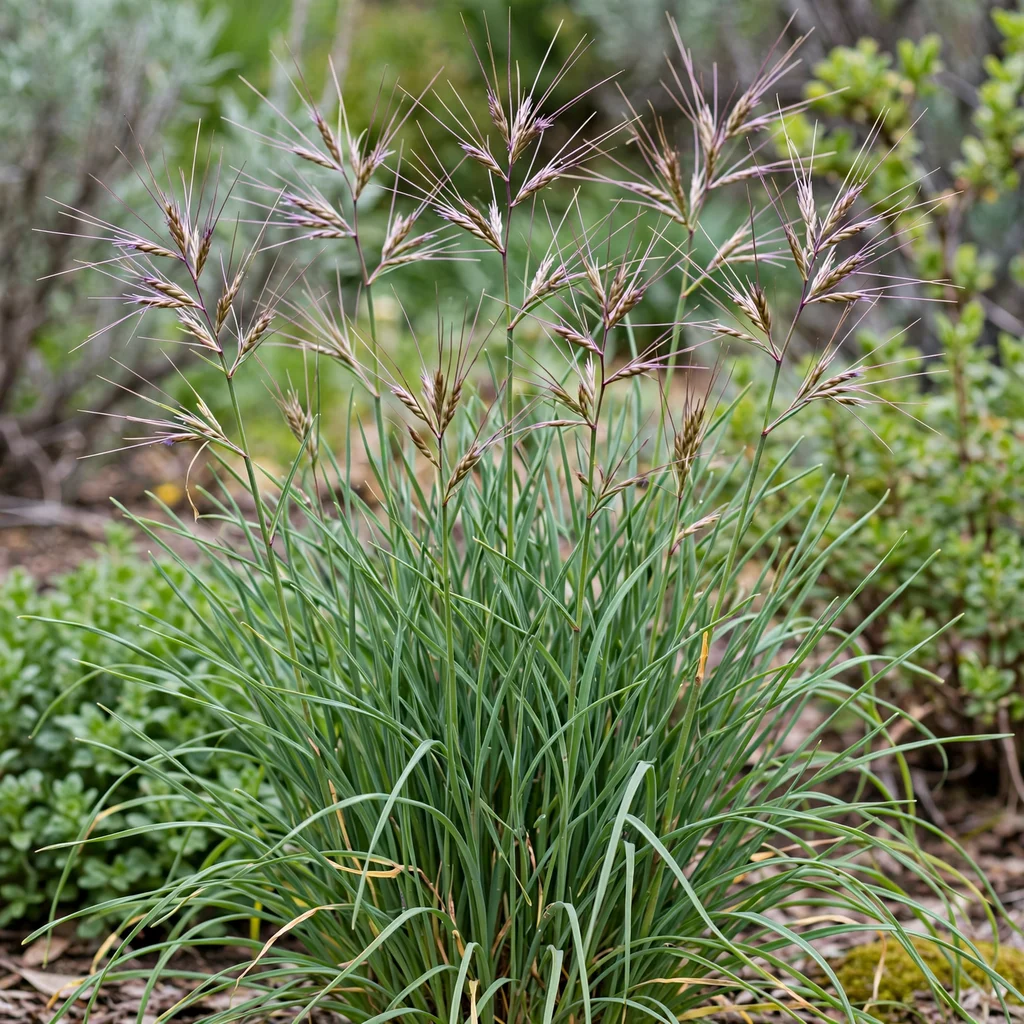
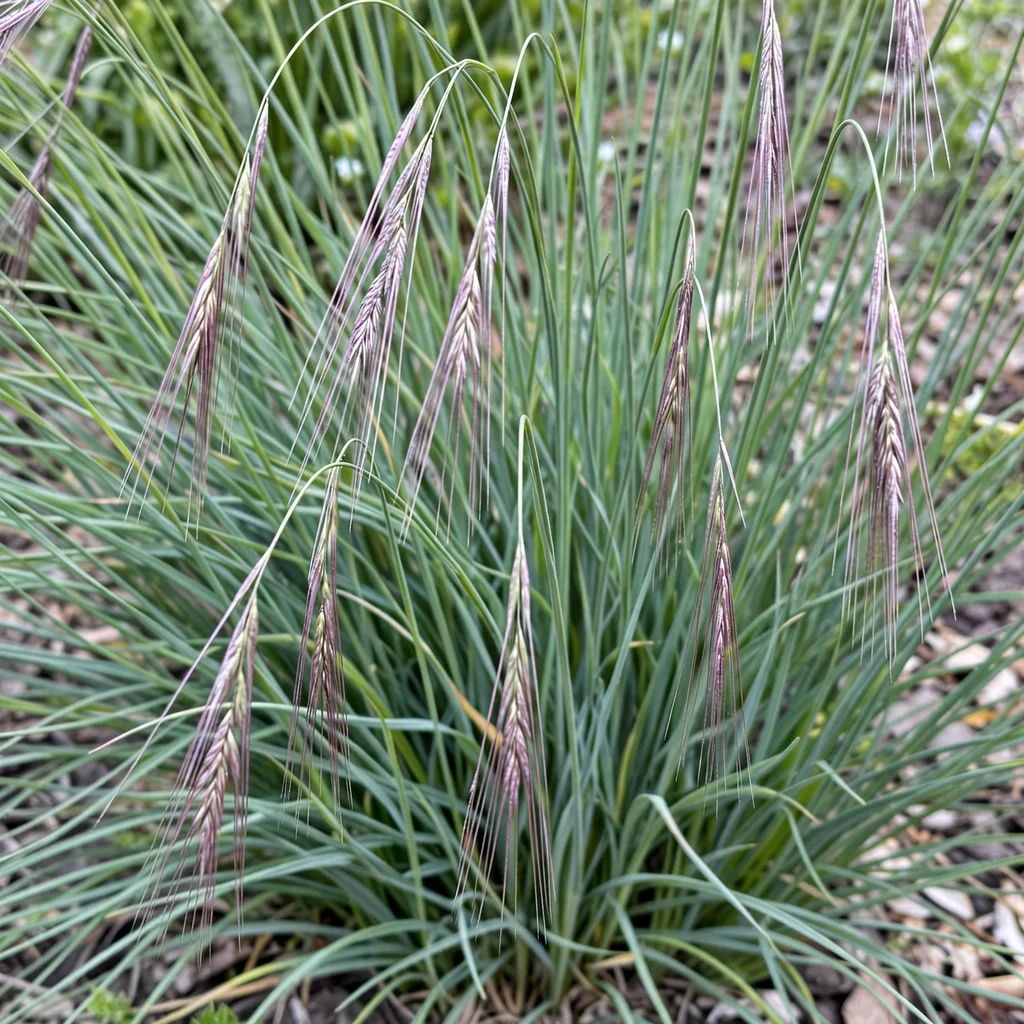
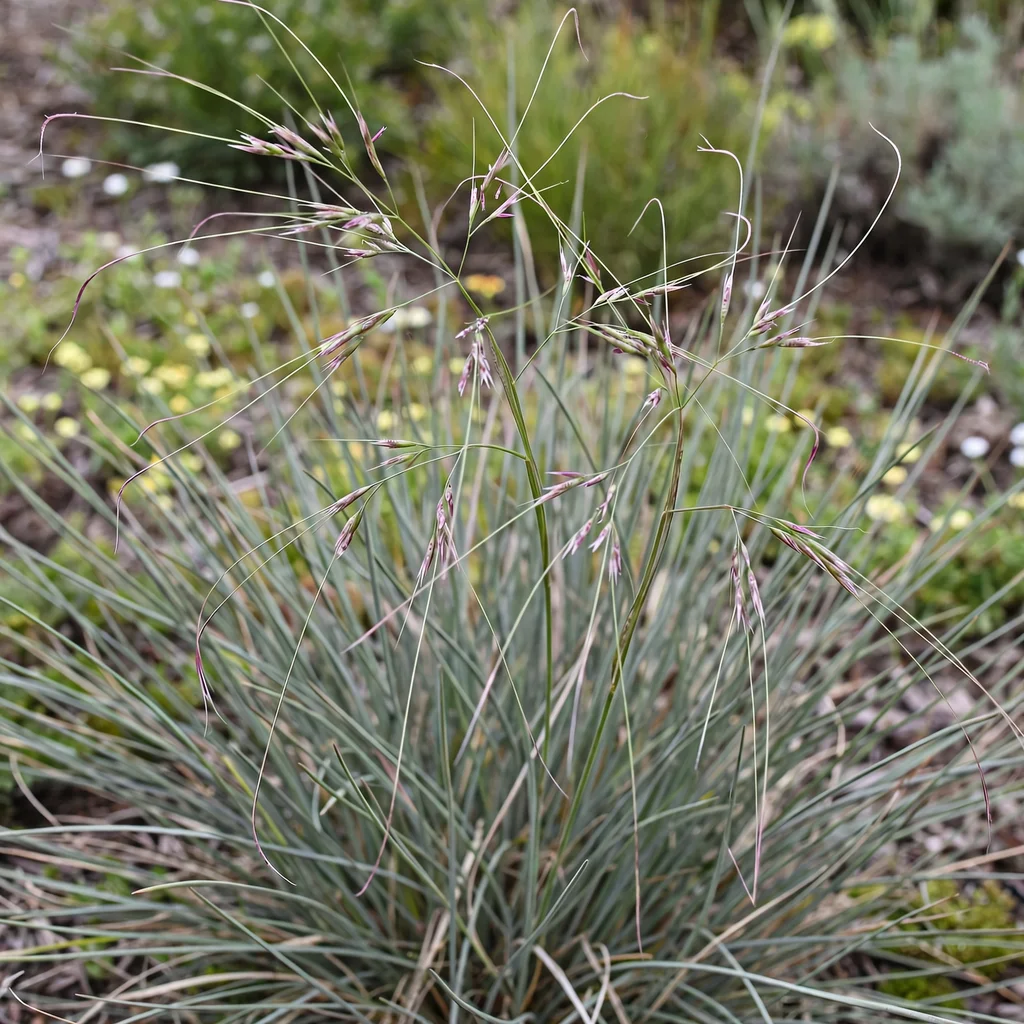
4 species of Nassella
Each one is a parent of the varieties above.
Track your Nassella in Sow
Save the Nassella you grow and get care reminders timed to your zone.
How to grow Nassella
Whats common across all Nassella varieties in our catalog — drawn from the care records of the 5 most-grown of them.
The Nassella year
- Spring CleanupMarch and April80% of varieties
Leave spring panicles for seed; comb out dead leaves only.
- PlantOctober and November60% of varieties
Set potted plants into well-drained soil in fall to catch winter rain.
- Check for PestsMay and June60% of varieties
Look for aphids on emerging panicles; wash off if honeydew appears.
- DivideApril40% of varieties
Divide clumps in early spring every few years if they become overcrowded.
- DeadheadAugust and September40% of varieties
Remove flower plumes before they set seed to help control unwanted spread.


Do
- Water regularly during dry spells 🌱
- Prune dead or damaged leaves in late winter
- Apply balanced fertilizer in spring
- Plant on dry slopes and in chaparral, sage scrub and oak grassland plantings.
- Leave spring seed heads to ripen and shatter.
Avoid
- Avoid overwatering to prevent fungal issues ❌
- Do not fertilize in late fall
- Avoid heavy soil without proper drainage
- Do not overwater or fertilize during summer dormancy.
What goes wrong with Nassella
| Problem | What you'll see | What to do |
|---|---|---|
| Aphids | Sticky residue and distorted leaves | Use insecticidal soap or neem oil |
| Root rot | Wilting and blackened roots | Improve soil drainage and reduce watering |
| Grasshoppers | Chewed leaf blades and clipped seed heads in summer. | Tolerate light feeding; protect small restoration plantings with netting and encourage bird predators. |
| Spider mites | Stippled, dusty foliage in hot dry weather. | Hose foliage with a sharp spray of water; avoid miticides that kill predators. |
| Crown rot | Mushy crown and collapsing clump after summer watering in poorly drained soil. | Plant high in fast-draining soil and keep dry during summer dormancy; discard rotted crowns. |
| Rust | Orange-brown pustules on leaves in damp spring weather. | Improve air flow, avoid overhead water, and remove affected leaves; infection is rarely serious. |
| Fungal rust | Orange pustules on leaves | Apply fungicide and remove affected foliage |
Making more Nassella
Seed
- Tuck seeds into moist soil in early spring.
- Keep soil consistently moist for 4-6 weeks.
- Germination occurs within 2 weeks.
Division
- Dig up mature clumps in early spring.
- Divide using a sharp knife or spade into sections.
- Replant divisions immediately in prepared soil.
Nassella questions
How many types of Nassella are there?
The Sow catalog tracks 5 distinct Nassella varieties. The most popular — ranked by 131 real gardeners — are shown first above.
What zones does Nassella grow in?
Across its varieties, Nassella covers USDA Zones 5–10. Individual varieties differ — each plant page lists its exact range, and Sow filters the catalog to your zone automatically.
When does Nassella bloom?
Most Nassella varieties bloom from early spring to early fall.
Which Nassella should I choose?
Start from the most-saved varieties above — popularity across thousands of gardens is a strong signal of reliability — then filter by your zone and sun. In the Sow app you can preview any of them in a photo of your actual yard before you buy.