Also known as Olive · 68 saves
Olea
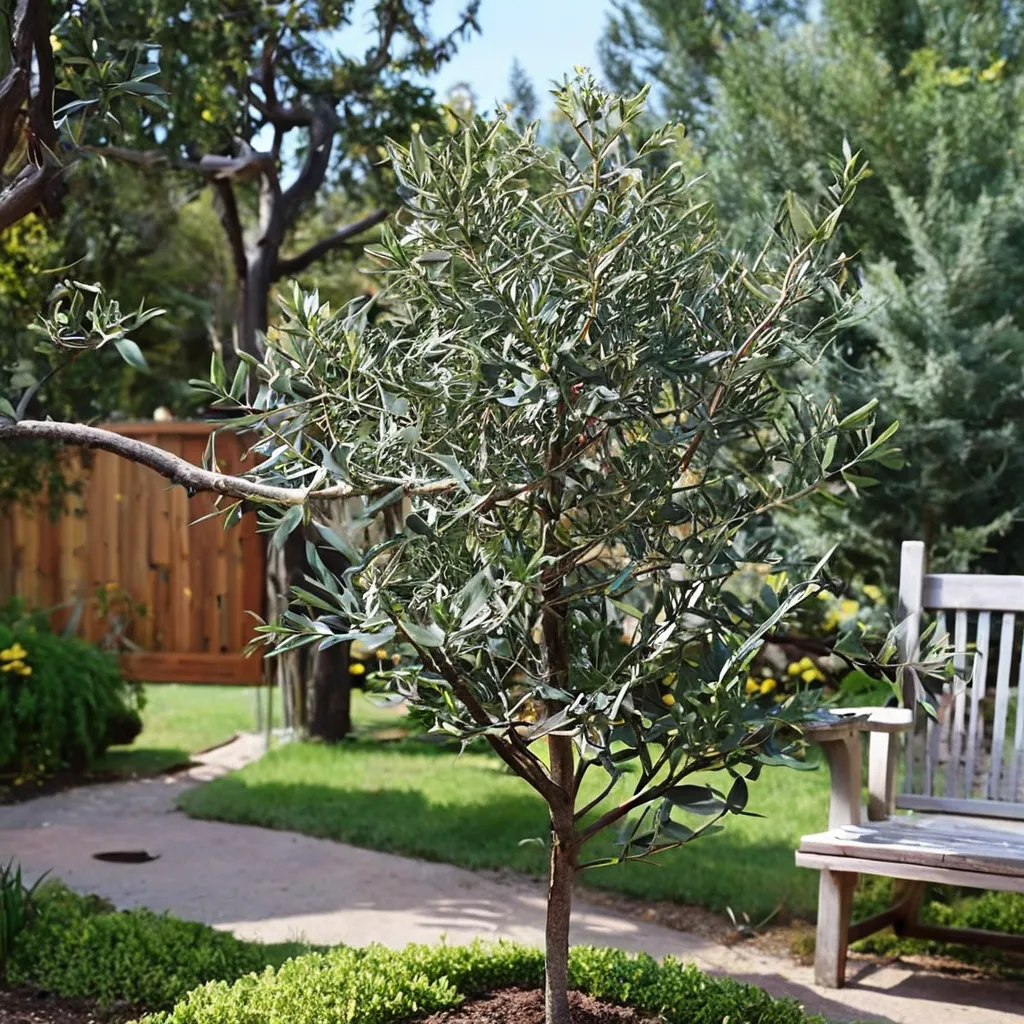
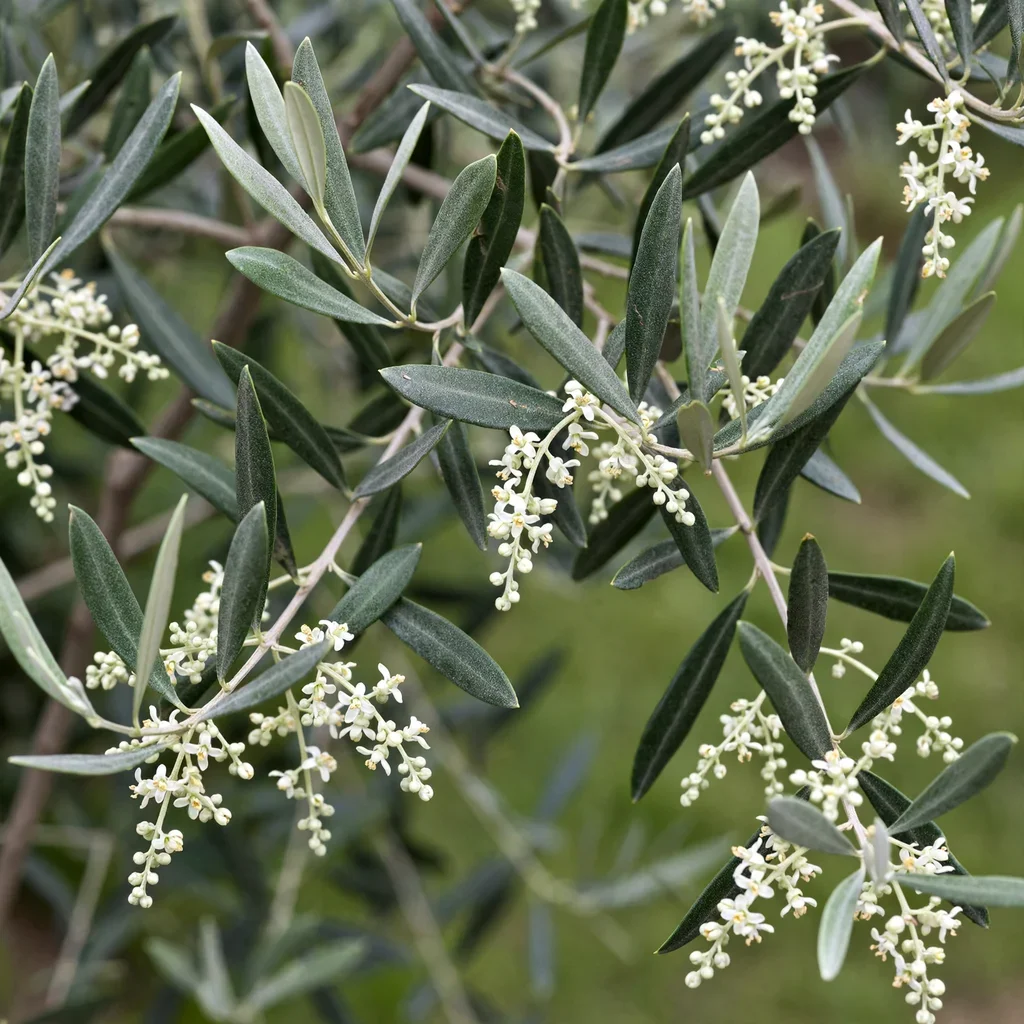
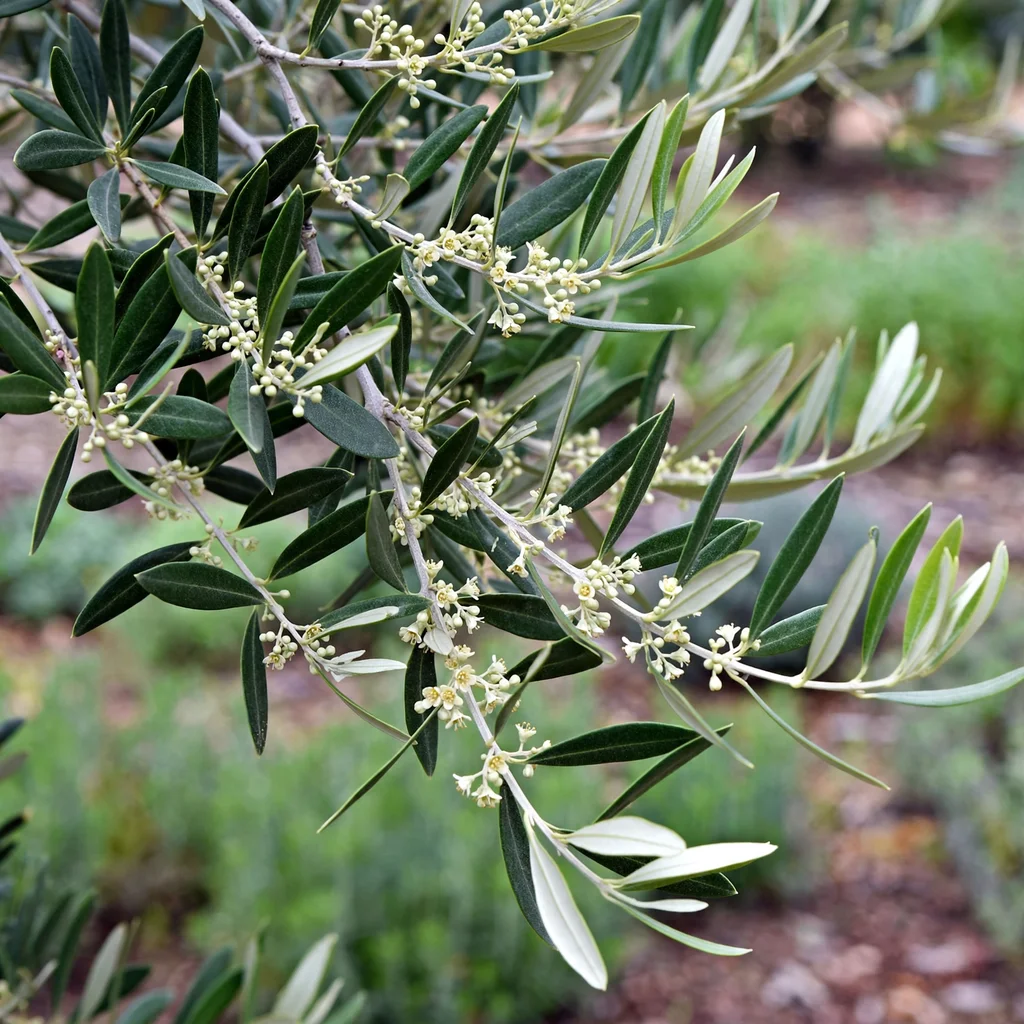
Olea, the genus most gardeners know as olive. We track 3 varieties; the ones most used by real gardeners.
The 3 most-saved Olea varieties
Species of Olea
Each one is a parent of the varieties above.
Track your Olea in Sow
Save the Olea you grow and get care reminders timed to your zone.
How to grow Olea
Whats common across all Olea varieties in our catalog — drawn from the care records of the 3 most-grown of them.
The Olea year
- PruneMarch and April100% of varieties
Prune in spring to open the canopy for light and air circulation.
- HarvestOctober–December100% of varieties
Harvest olives in fall when they change from green to purple-black.
- FertilizeApril100% of varieties
Apply a balanced fertilizer in early spring before new growth begins.
- Winter PrepNovember and December67% of varieties
Protect from harsh winter winds and extreme cold, especially when young.


Do
- Water deeply during dry spells 🌱
- Prune to shape and remove dead branches ✂️
- Apply mulch to retain soil moisture 🌱
- Fertilize annually with a balanced fertilizer 🌱
- Prune in late winter to maintain shape
Avoid
- Overwater to prevent root rot ❌
- Avoid heavy clay soils without proper drainage ❌
- Do not prune excessively during winter ❌
- Ignore pest signs early ❌
What goes wrong with Olea
| Problem | What you'll see | What to do |
|---|---|---|
| Olive Fruit Fly | Bores into fruit, causing premature fruit drop | Use organic insecticidal soap or bait traps |
| Scale Insects | Sticky honeydew and sooty mold on leaves | Apply horticultural oil or insecticidal soap |
| Olive scale | Sticky honeydew, black sooty mold, and twig dieback. | Apply horticultural oils during the dormant winter season or release beneficial parasitoids. |
| Black scale | Raised circular bumps on stems and leaves causing reduced vigor. | Treat with insecticidal soaps or horticultural oils. |
| Root Rot | Wilting despite watering, blackened roots | Ensure excellent drainage and reduce watering |
| Verticillium Wilt | Wilting and yellowing leaves, branch dieback | Improve soil drainage and remove infected branches |
| Peel Spot | Dark spots on leaves and fruit | Improve air circulation and apply copper fungicide |
Making more Olea
Cuttings
- Select healthy semi-hardwood cuttings in late summer.
- Dip cuttings in rooting hormone.
- Plant in well-draining soil mix.
- Keep moist and provide indirect light.
- Roots develop in approximately 6 weeks.
Grafting
- Choose compatible rootstock and scion in early spring.
- Make matching cuts and join scion to rootstock.
- Secure graft with grafting tape.
- Keep in protected environment until established.
Olea questions
How many types of Olea are there?
The Sow catalog tracks 3 distinct Olea varieties. The most popular — ranked by 68 real gardeners — are shown first above.
What zones does Olea grow in?
Across its varieties, Olea covers USDA Zones 8–10. Individual varieties differ — each plant page lists its exact range, and Sow filters the catalog to your zone automatically.
When does Olea bloom?
Most Olea varieties bloom in spring, late spring. Staggering early, mid, and late varieties extends the genus's season in one bed.
Which Olea should I choose?
Start from the most-saved varieties above — popularity across thousands of gardens is a strong signal of reliability — then filter by your zone and sun. In the Sow app you can preview any of them in a photo of your actual yard before you buy.