Also known as Pear · 528 saves
Pyrus
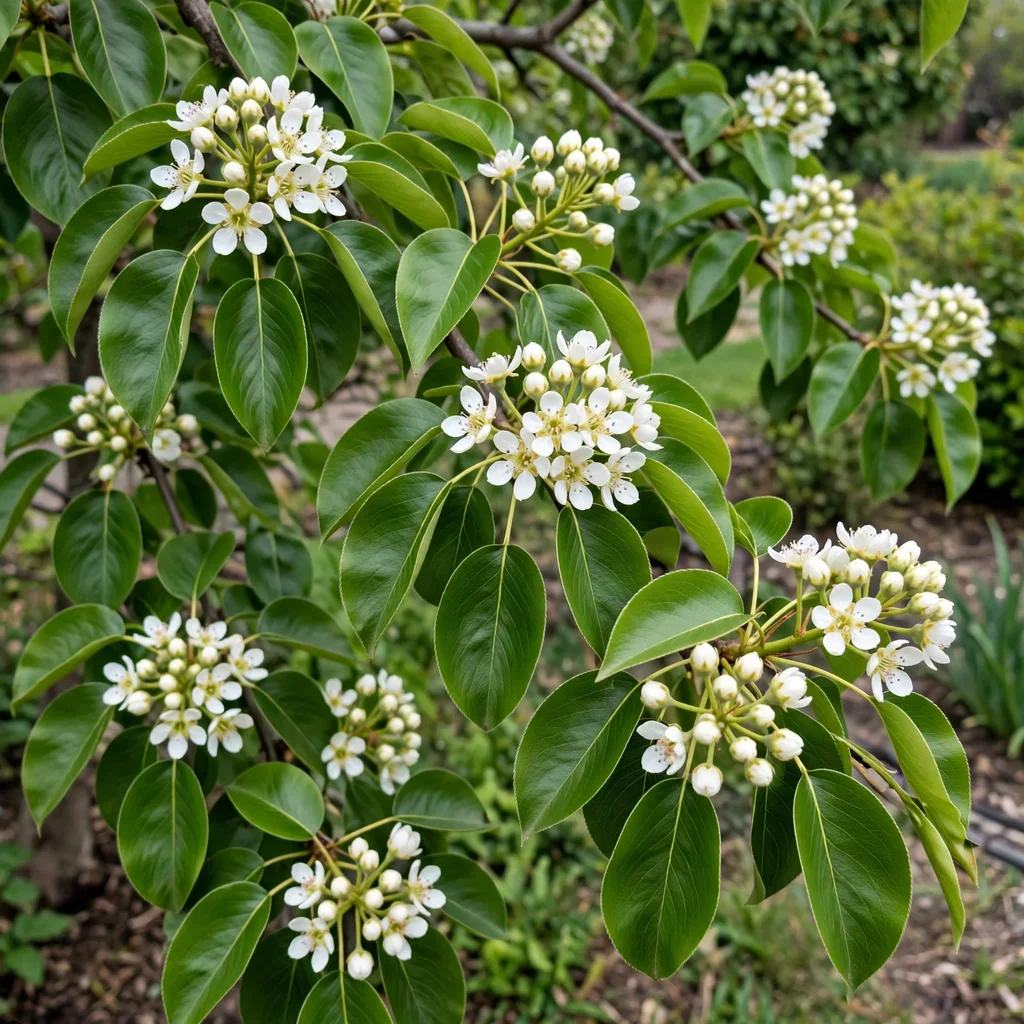
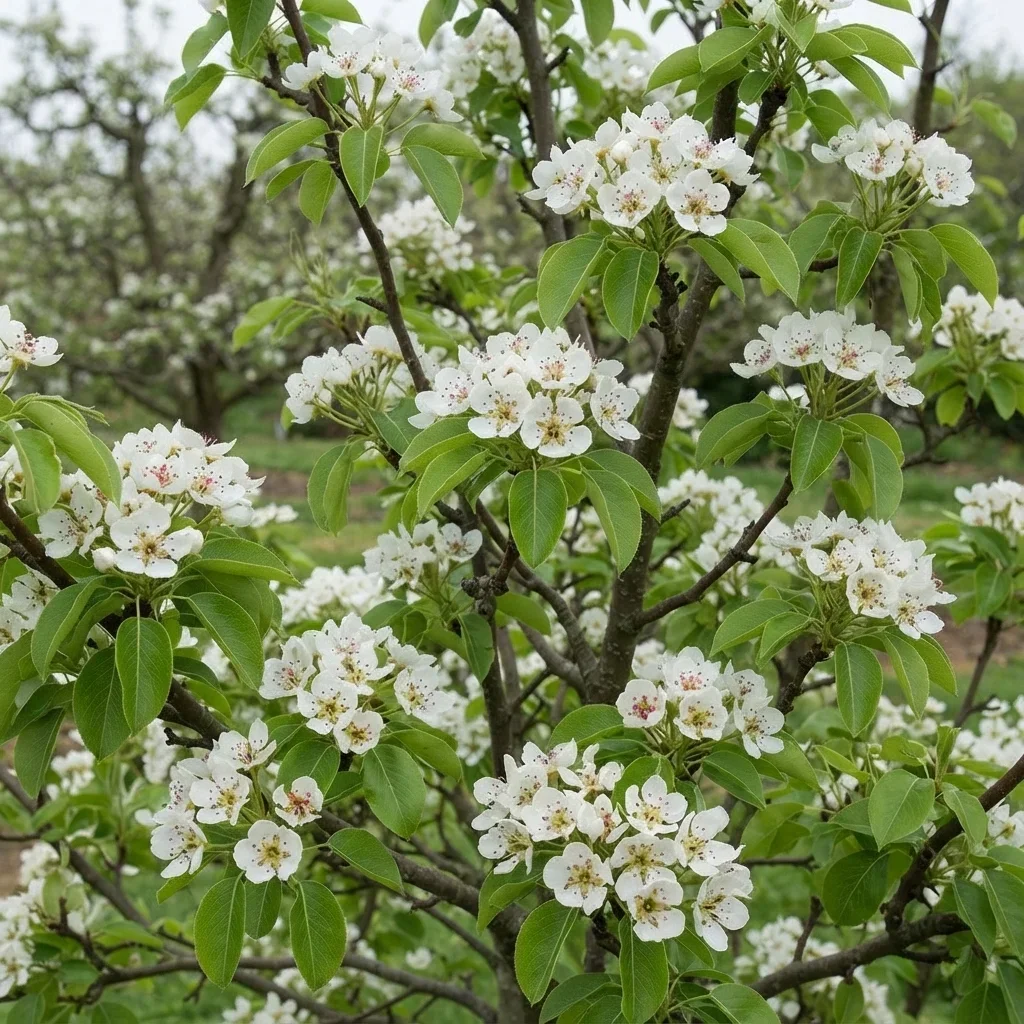
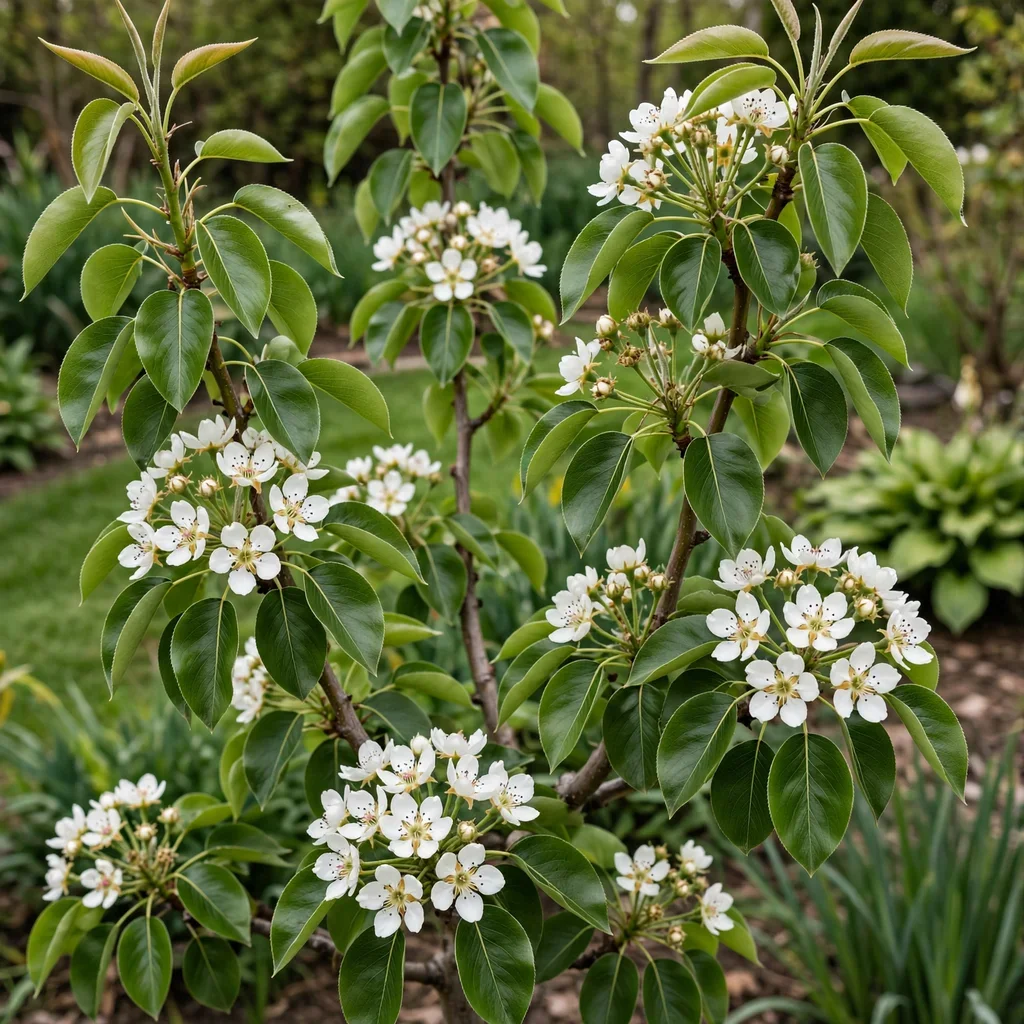
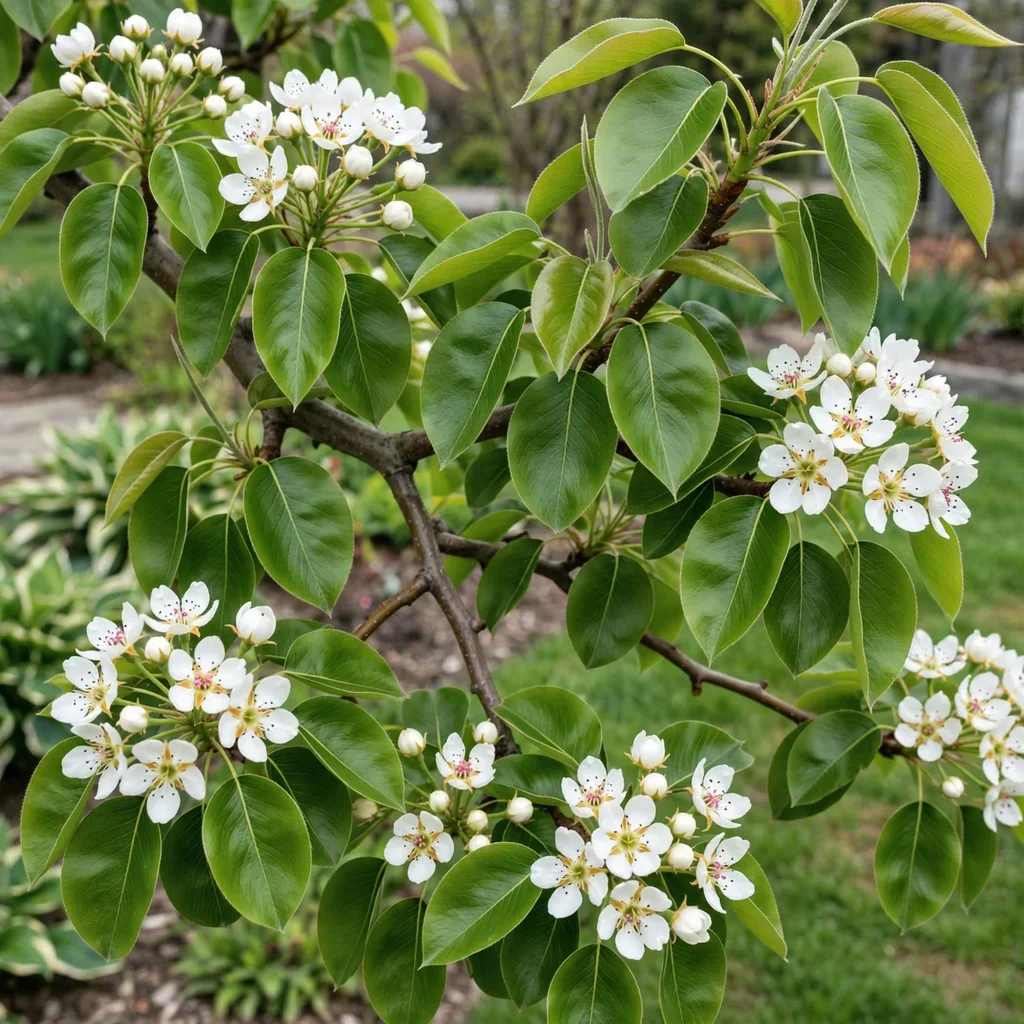
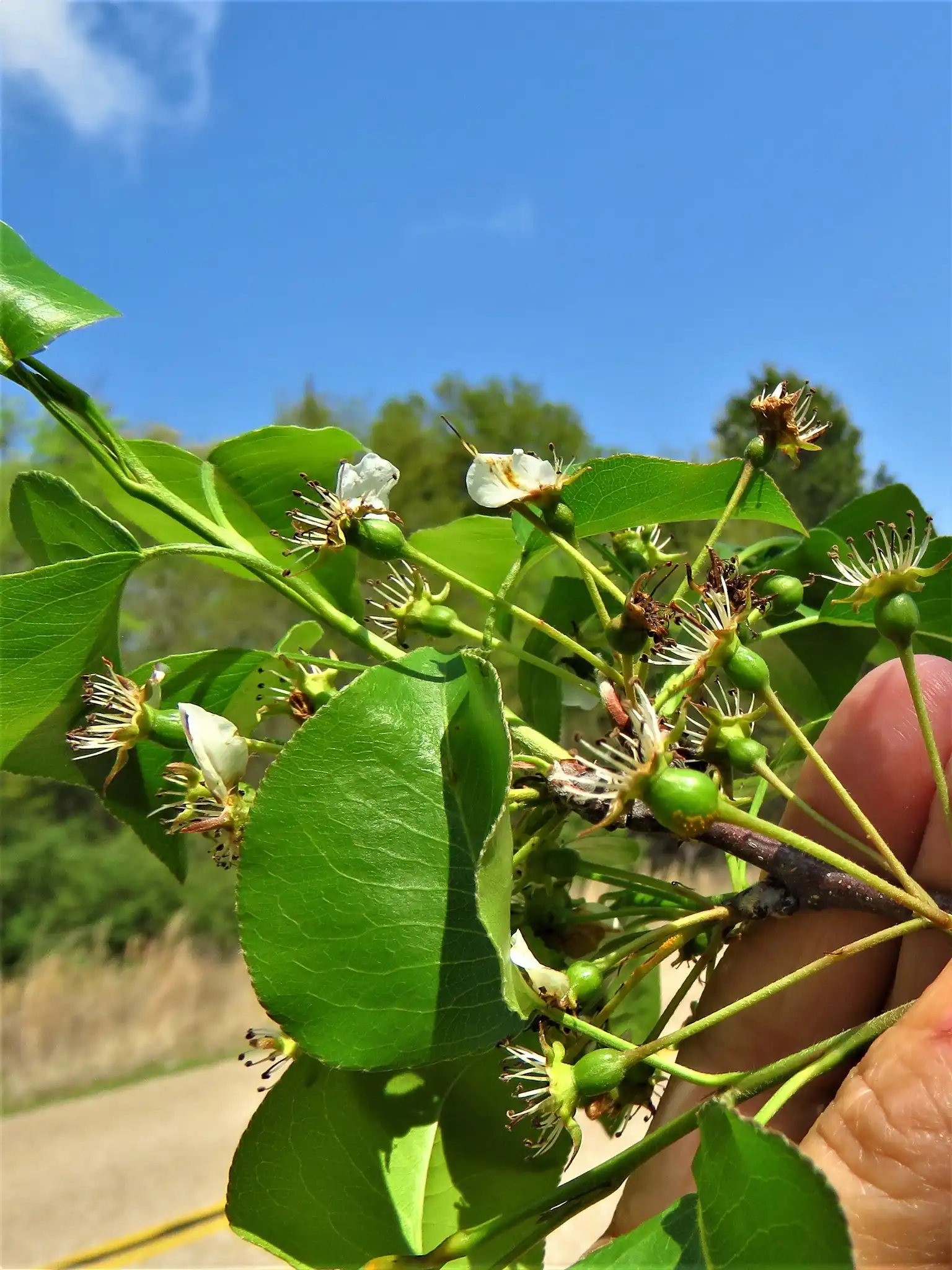
Pyrus, the genus most gardeners know as pear. We track 18 varieties; the ones most used by real gardeners.
The 16 most-saved Pyrus varieties
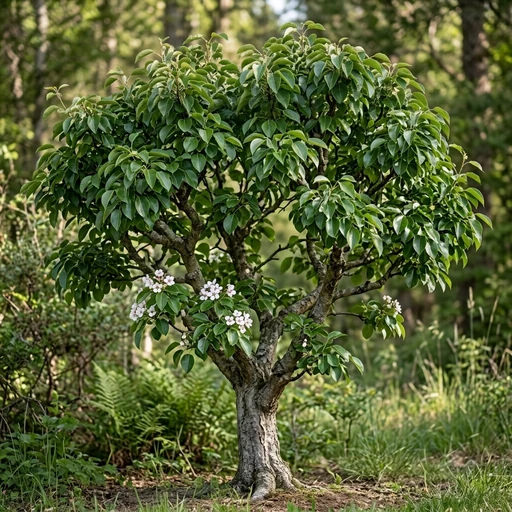
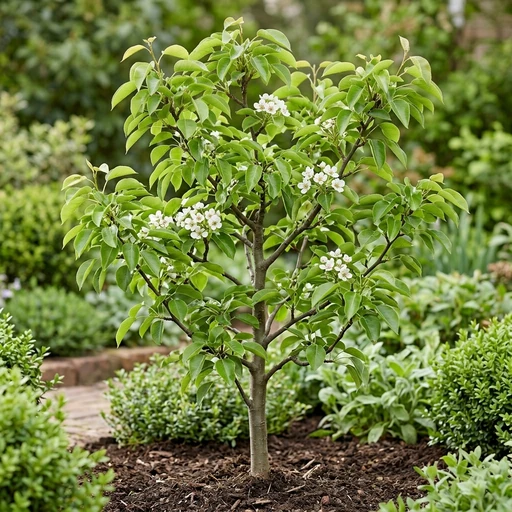
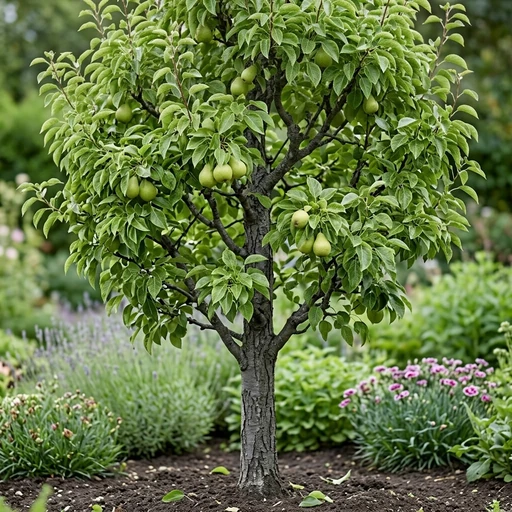
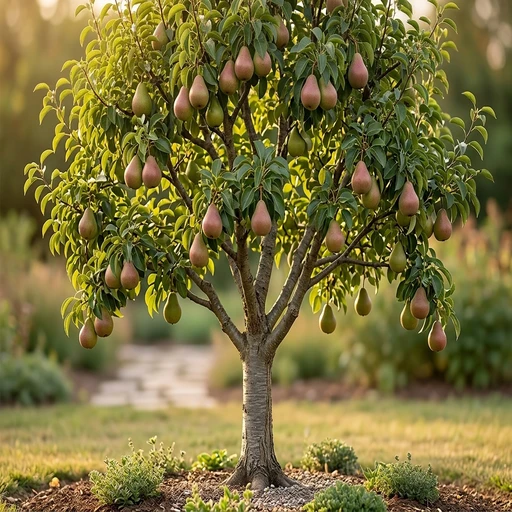
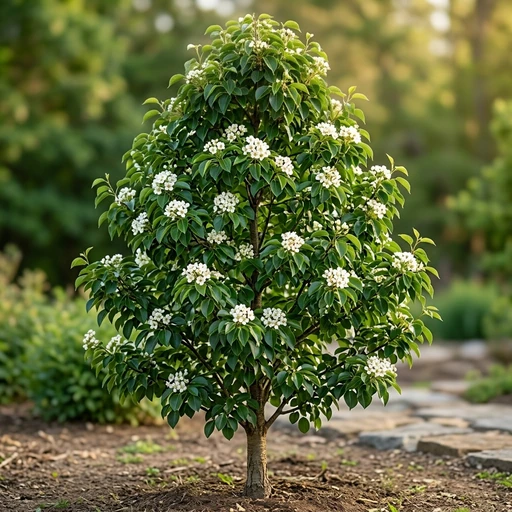
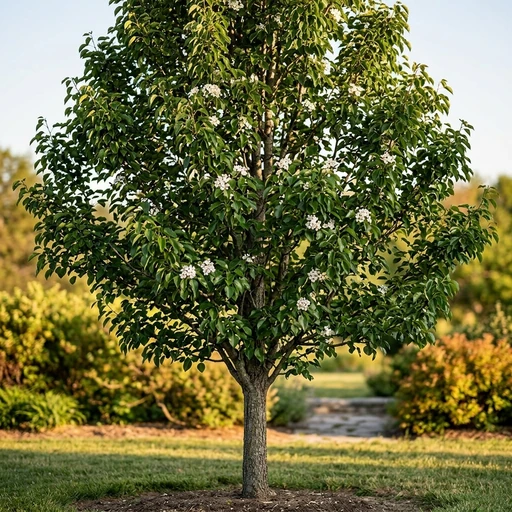
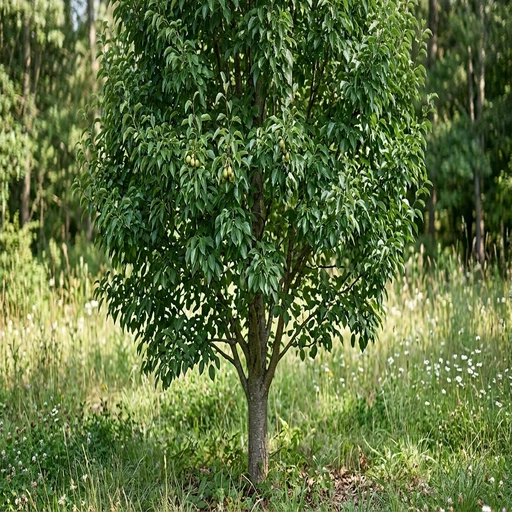
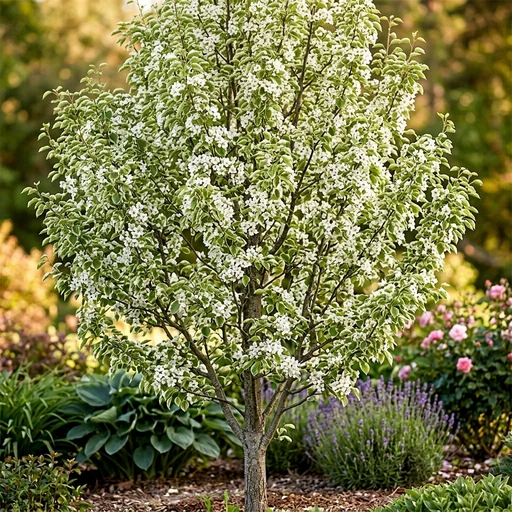
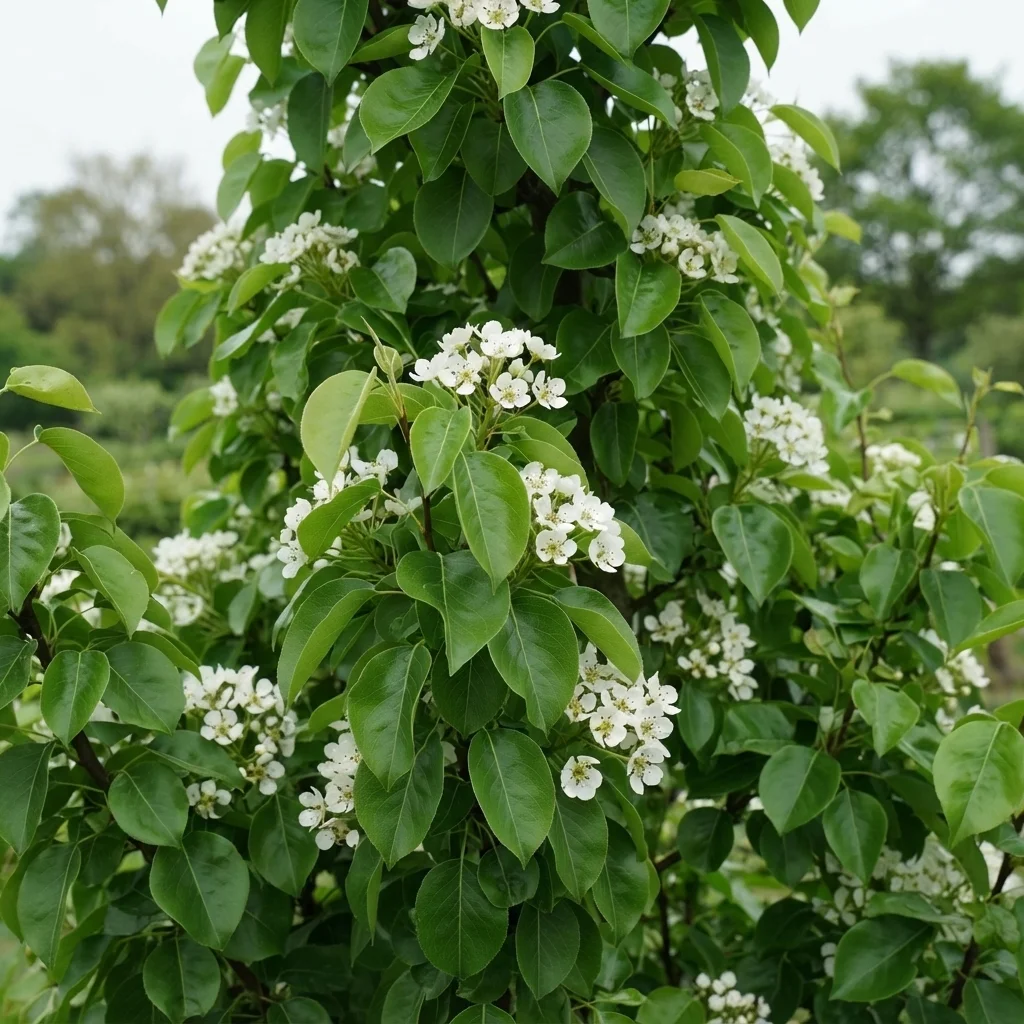
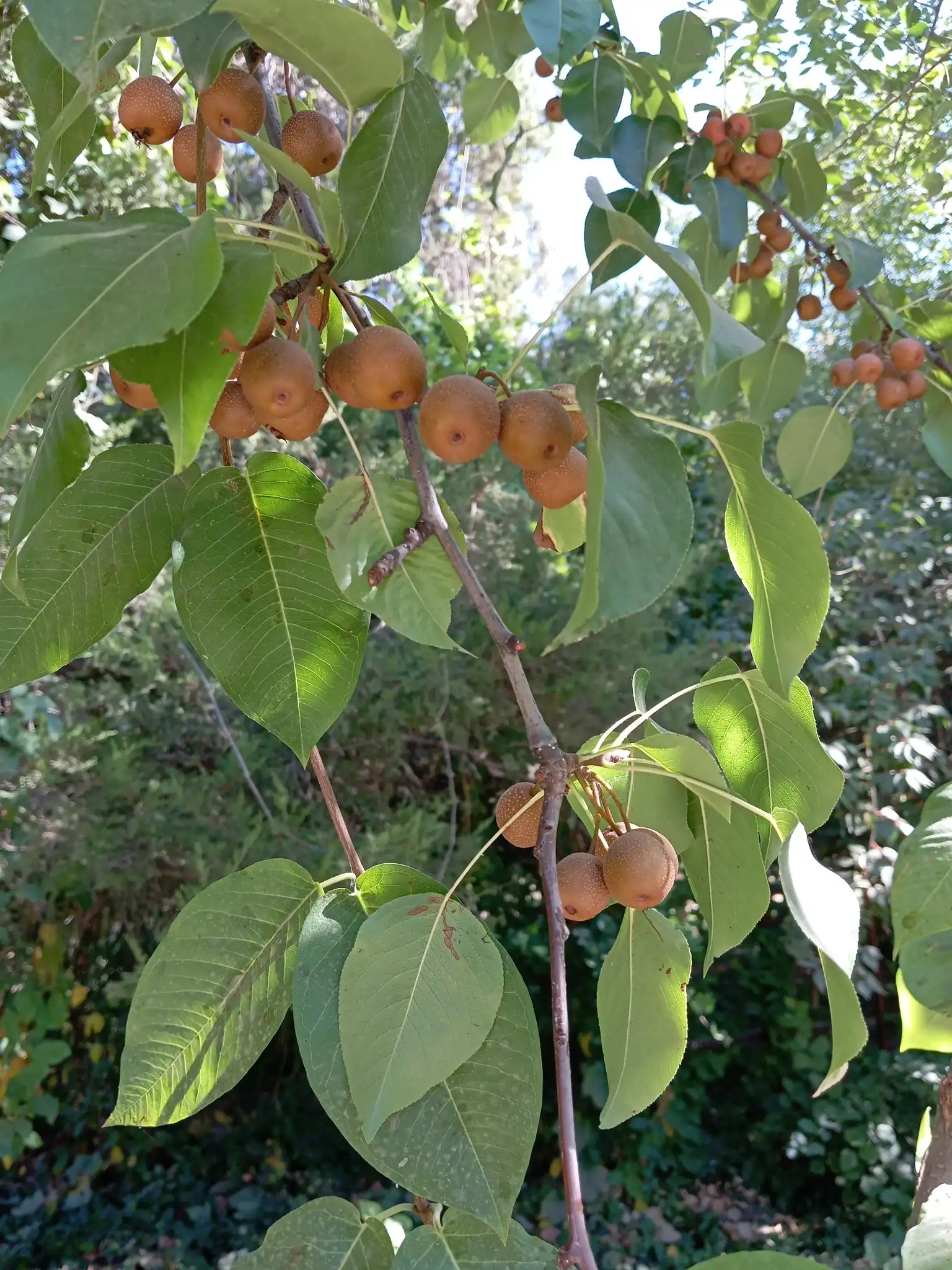
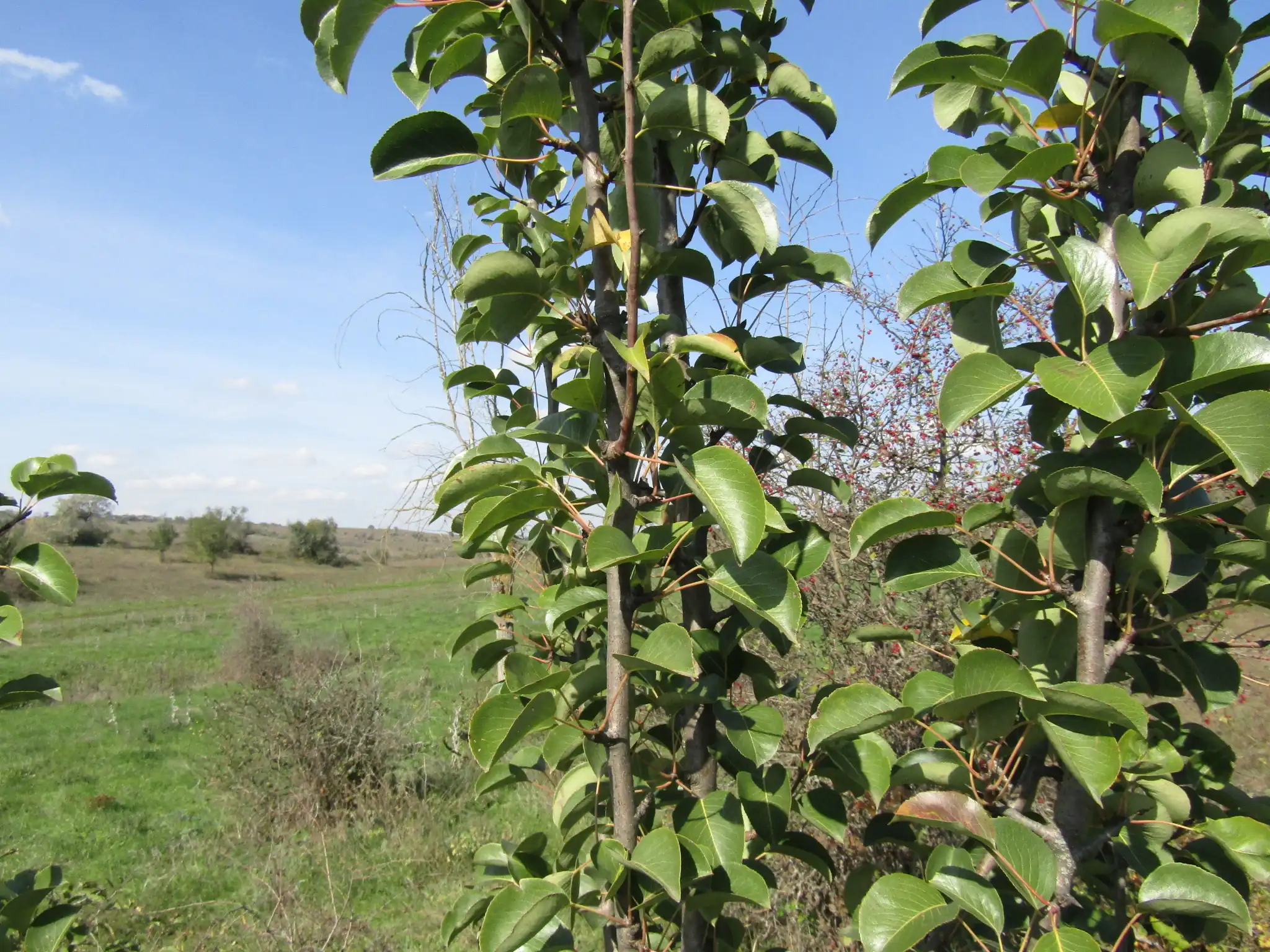
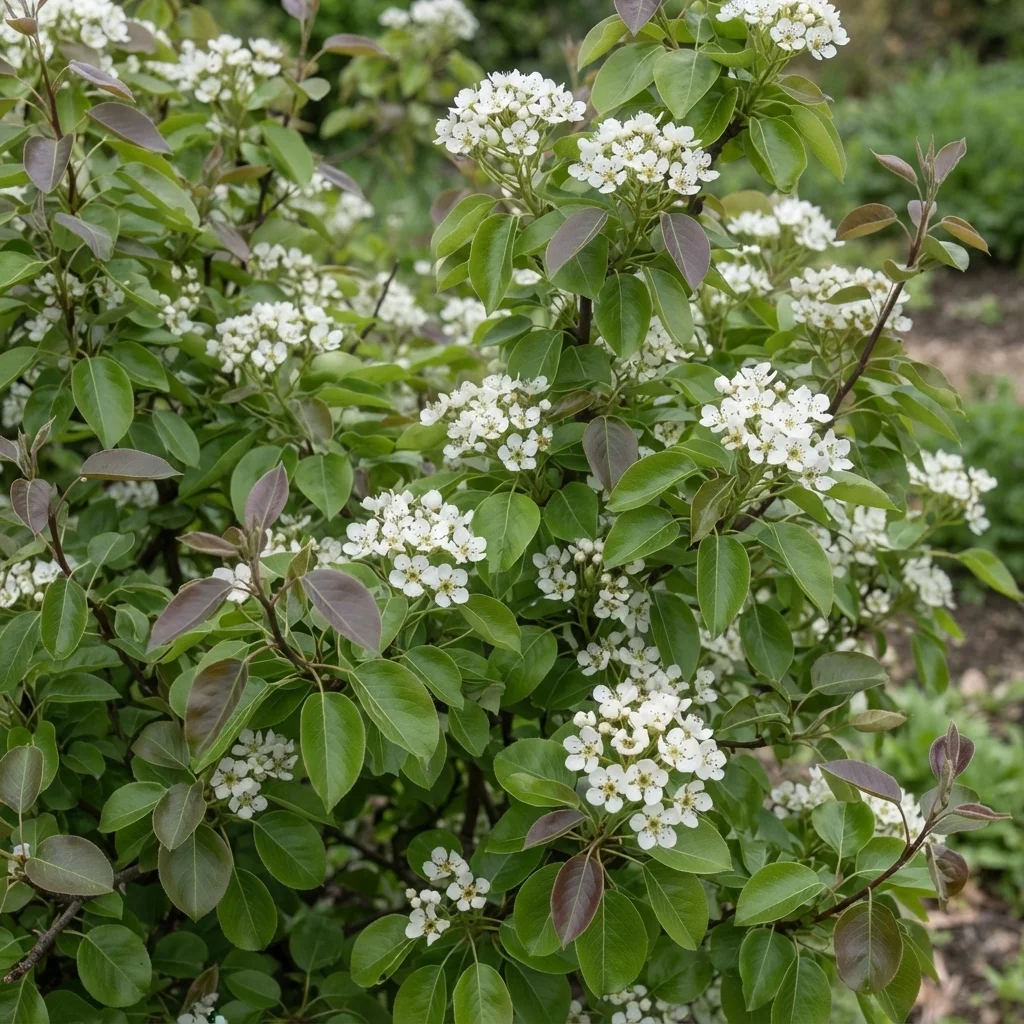
Browse all 18 Pyrus varieties →
4 species of Pyrus
Each one is a parent of the varieties above.
Track your Pyrus in Sow
Save the Pyrus you grow and get care reminders timed to your zone.
How to grow Pyrus
Whats common across all Pyrus varieties in our catalog — drawn from the care records of the 18 most-grown of them.
The Pyrus year
- PruneFebruary and March83% of varieties
Prune in late winter to remove any crossing or damaged branches.
- FertilizeApril61% of varieties
Apply a balanced fertilizer before new growth starts in spring.
- HarvestAugust–October50% of varieties
Harvest when mature but still firm; pears ripen best off the tree.
- Spray TreatmentMarch44% of varieties
Apply dormant oil for overwintering pests; use preventative fungicides for scab.
- Check for PestsMay–July39% of varieties
Monitor for signs of fire blight after bloom, especially in wet weather.


Do
- Water deeply during dry spells 🌱
- Water regularly during the first few years to establish a deep root system.
- Prune to remove any suckers from the base or water sprouts.
- Check for and remove any branches with narrow, weak attachment angles.
- Consider alternatives in regions where Callery Pear is known to be invasive.
Avoid
- Do not plant in shade, as it will become sparse and weak.
- Avoid excessive fertilization, which can encourage weak growth susceptible to damage.
- Do not top the tree; this destroys its natural form and health.
- Do not plant near utility lines without considering its mature height.
What goes wrong with Pyrus
| Problem | What you'll see | What to do |
|---|---|---|
| Aphids | Curled new leaves, sticky honeydew on leaves and surfaces below the tree. | Usually controlled by natural predators. A strong spray of water or insecticidal soap can be used if necessary. |
| Codling Moth | Holes in fruit leading to a tunneled, frass-filled core. | Use pheromone traps. Bag fruit on the tree. Apply spinosad or carbaryl at recommended intervals after petal fall. |
| Pear Psylla | Sticky honeydew on leaves and fruit, leading to sooty mold. | Apply dormant oil in late winter. Encourage beneficial insects. Use insecticidal soap or pyrethrin sprays. |
| Spider mites | Fine webbing on leaves and stippled, yellowing foliage. | Apply horticultural oils or insecticidal soaps to leaf undersides. |
| Fire Blight | Sudden wilting and blackening of blossoms and branch tips, appearing as if scorched by fire. | Prune infected branches 12 inches into healthy wood, disinfecting tools between each cut. Avoid high-nitrogen fertilizer. Some resistance but can still be affected. |
| Fire blight | Blackened, withered twigs and branches that bend into a characteristic shepherd's crook. | Prune out infected wood at least several inches below the visible damage using tools sterilized between cuts. |
| Entomosporium Leaf Spot | Small, circular, reddish-purple spots on leaves that can cause premature leaf drop. | Rake and destroy fallen leaves. Improve air circulation. Fungicides are available but rarely warranted. |
Making more Pyrus
Grafting
- Collect scion wood in winter from the desired cultivar.
- In early spring, graft onto a compatible rootstock.
- Use a whip-and-tongue or cleft graft.
- Wrap securely until the union heals.
Budding
- In summer, collect budwood from a 'Glen's Form' tree.
- Make a T-shaped cut in the bark of a Pyrus calleryana rootstock.
- Insert a single bud into the cut and wrap it with budding tape.
- The bud will fuse in a few weeks and begin growth the next spring.
Pyrus questions
How many types of Pyrus are there?
The Sow catalog tracks 18 distinct Pyrus varieties. The most popular — ranked by 528 real gardeners — are shown first above.
What zones does Pyrus grow in?
Across its varieties, Pyrus covers USDA Zones 4–10. Individual varieties differ — each plant page lists its exact range, and Sow filters the catalog to your zone automatically.
When does Pyrus bloom?
Most Pyrus varieties bloom in late spring, mid-spring, early spring. Staggering early, mid, and late varieties extends the genus's season in one bed.
Which Pyrus should I choose?
Start from the most-saved varieties above — popularity across thousands of gardens is a strong signal of reliability — then filter by your zone and sun. In the Sow app you can preview any of them in a photo of your actual yard before you buy.