Also known as Pasque Flower · 136 saves
Pulsatilla
Pulsatilla, the genus most gardeners know as pasque flower. We track 5 varieties; the ones most used by real gardeners.
The 5 most-saved Pulsatilla varieties
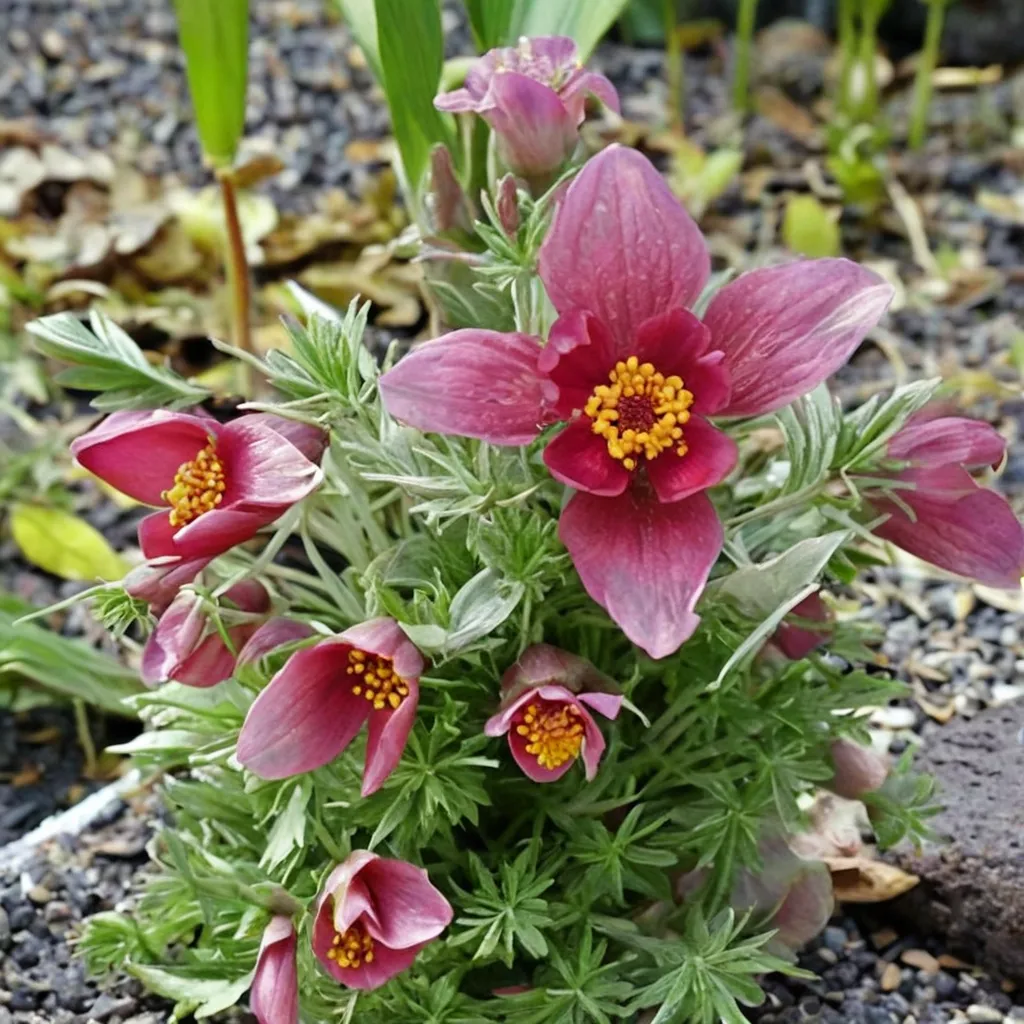
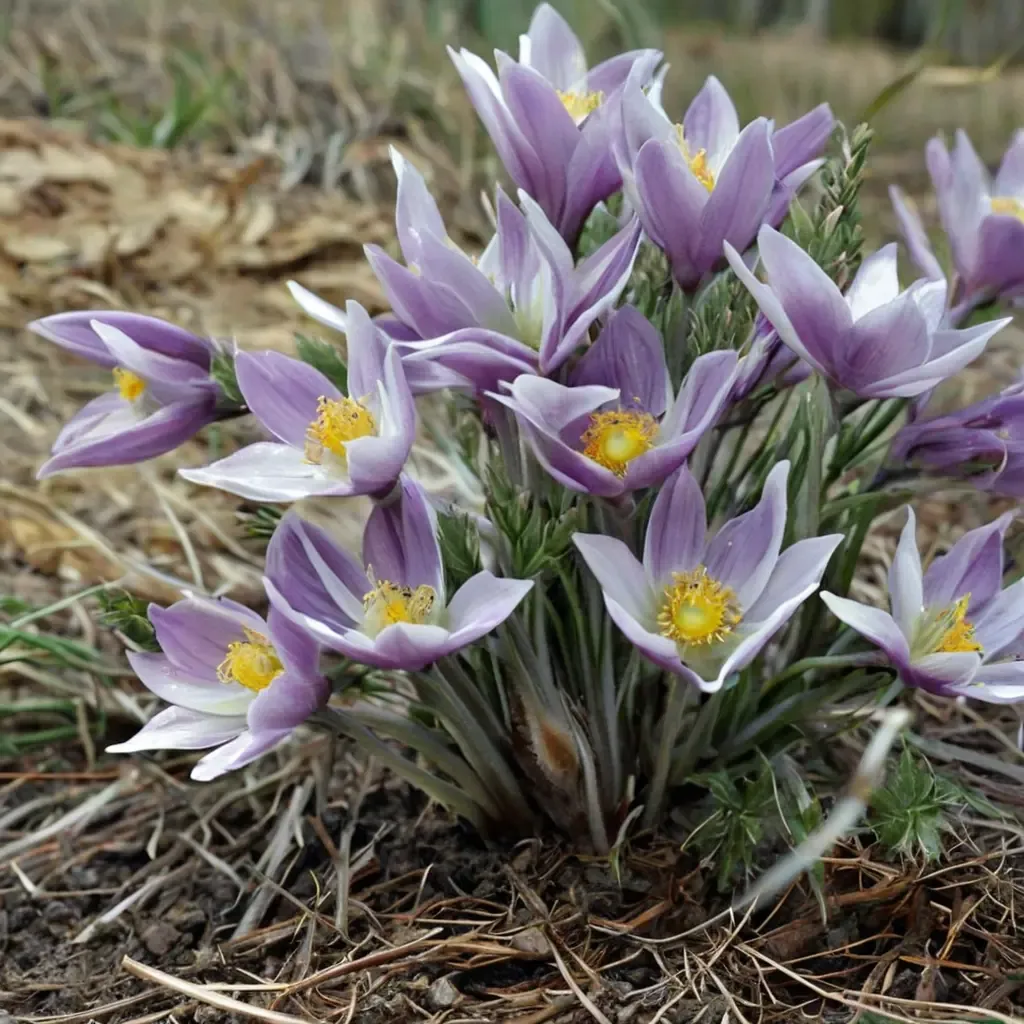
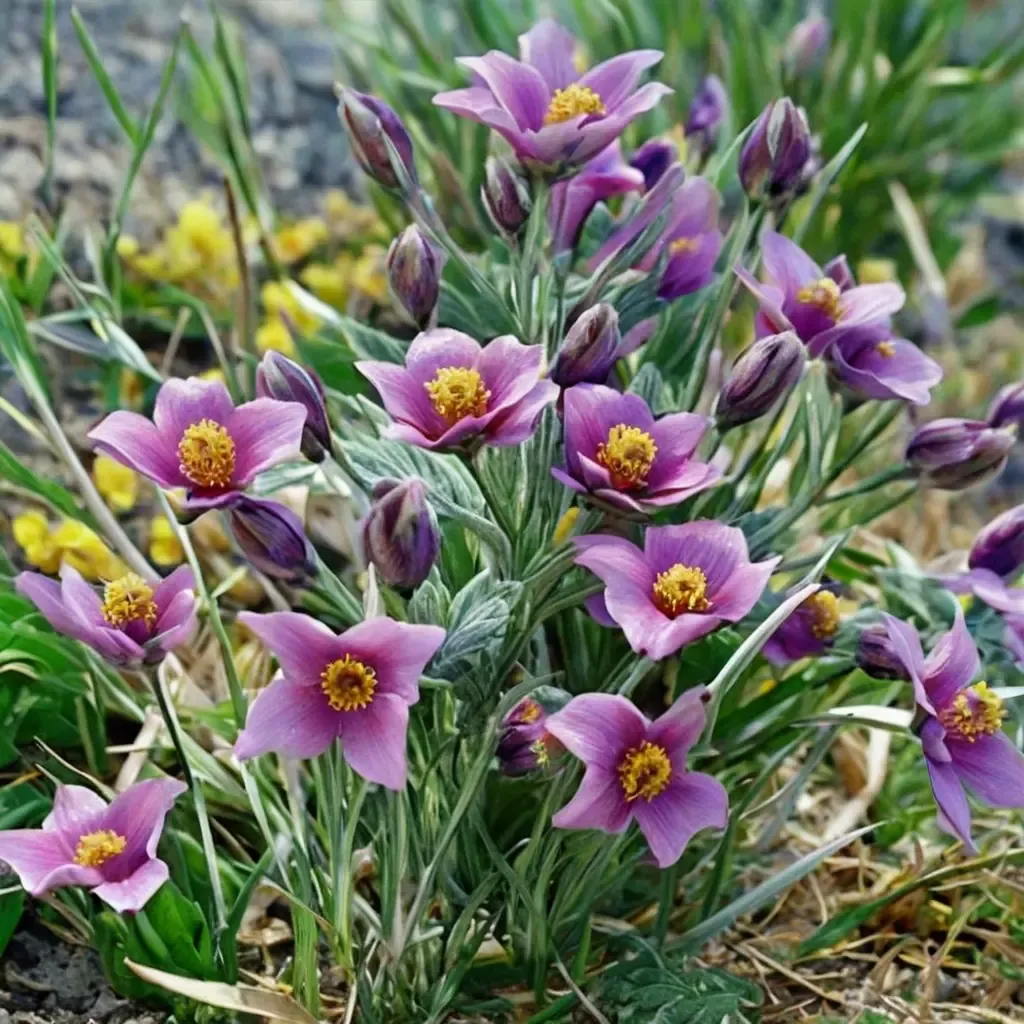
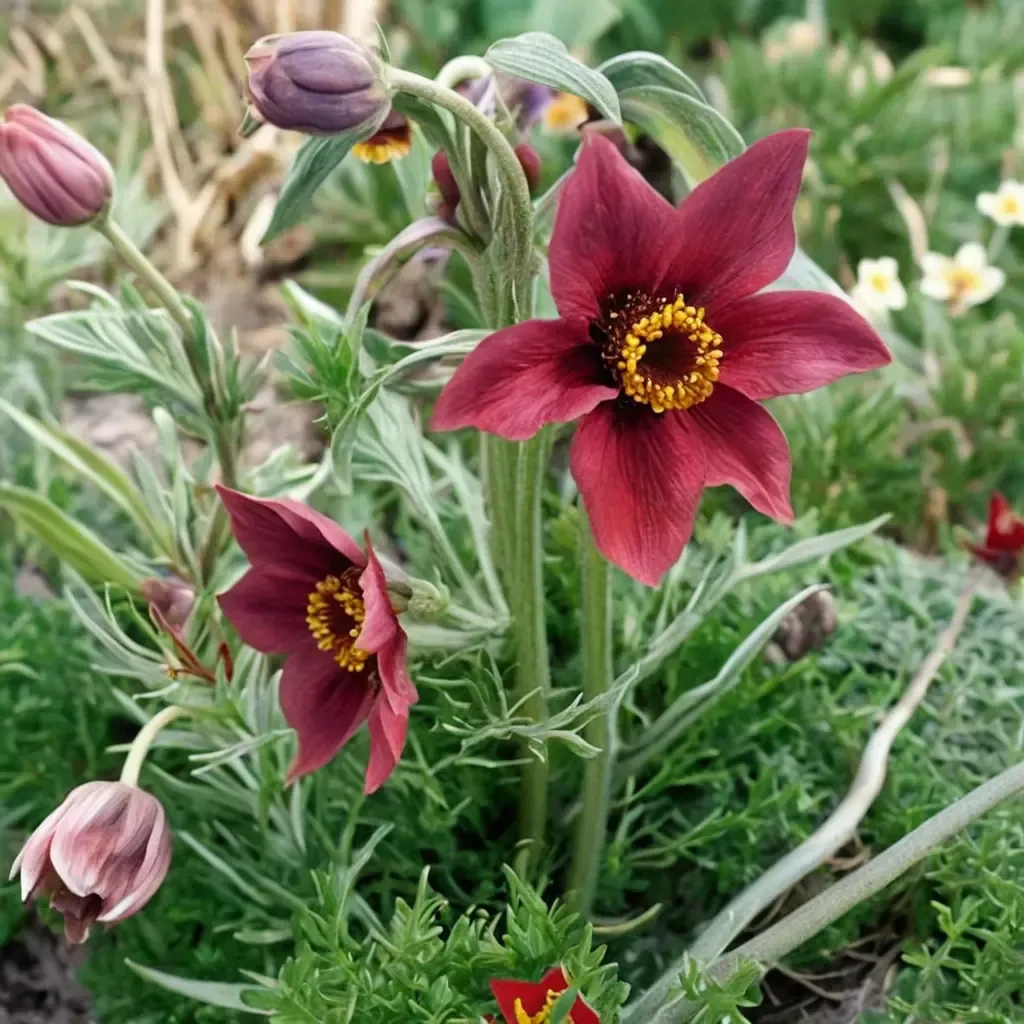
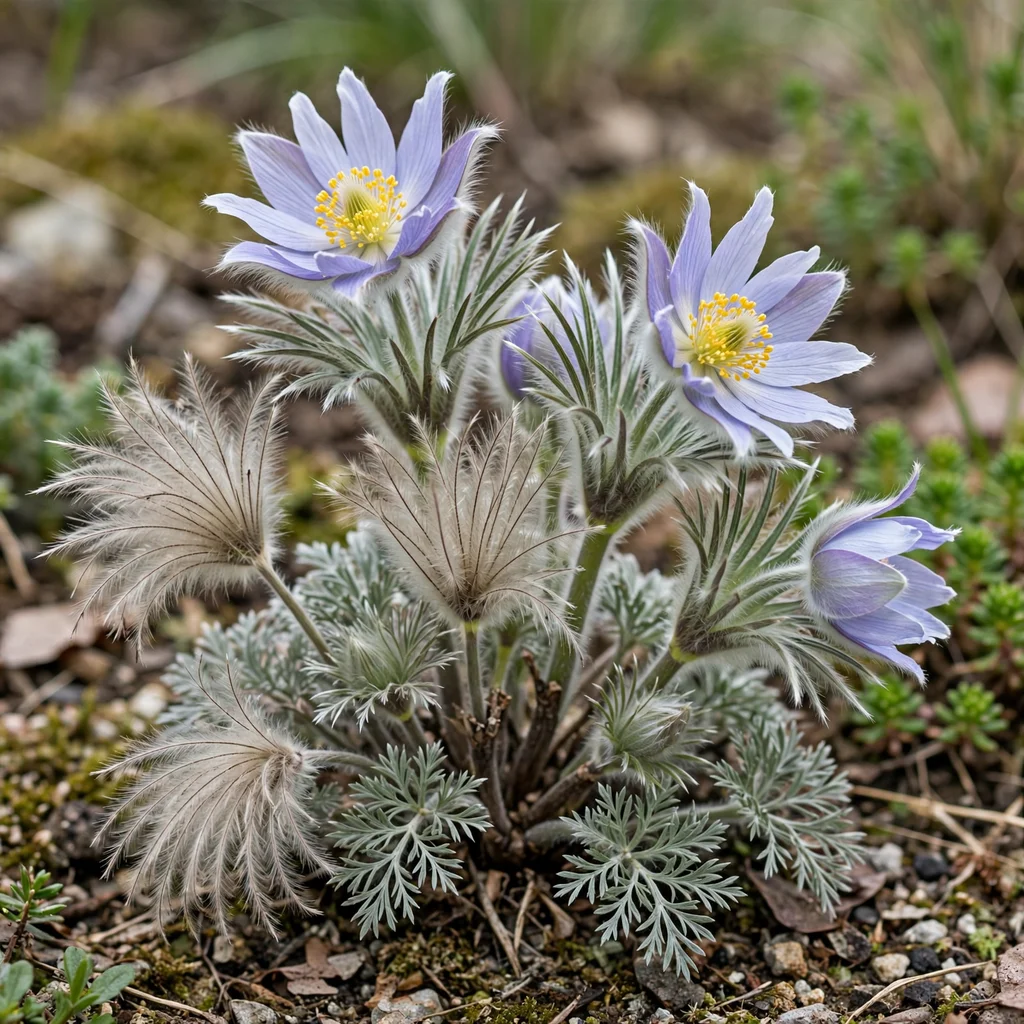
3 species of Pulsatilla
Each one is a parent of the varieties above.
Track your Pulsatilla in Sow
Save the Pulsatilla you grow and get care reminders timed to your zone.
How to grow Pulsatilla
Whats common across all Pulsatilla varieties in our catalog — drawn from the care records of the 5 most-grown of them.
The Pulsatilla year
- PlantApril, May, September, October and November100% of varieties
Plant in well-drained soil. Avoid transplanting once established.
- Spring CleanupMarch80% of varieties
Gently clear away winter debris from around the crown in late winter.
- MulchMay40% of varieties
Apply a gravel or grit mulch to improve drainage and prevent crown rot.


Do
- Apply a balanced fertilizer in early spring
- Water regularly during dry periods 🌱
- Remove spent flowers to encourage rebloom
- Water consistently to keep soil moist but not soggy 🌱
- Provide full sun for optimal flowering and growth
Avoid
- Avoid overwatering to prevent root rot ❌
- Avoid overwatering, which can cause root rot ❌
- Don’t disturb roots when dividing
- Never use heavy clay soil without amendments
What goes wrong with Pulsatilla
| Problem | What you'll see | What to do |
|---|---|---|
| Aphids | Sticky residue and distorted leaves | Apply insecticidal soap or neem oil |
| Spider mites | Fine webbing and stippled foliage under hot, dry conditions. | Spray leaf undersides with water to dislodge mites and increase airflow around plants. |
| Slugs | Holes in leaves, slime trails | Handpick or set slug traps |
| Root rot | Wilting and yellowing leaves | Improve drainage and reduce watering |
| Powdery mildew | White powder-like coating on crowded basal foliage during warm weather. | Space plants to improve air circulation and clear away crowding vegetation. |
| Crown rot | Softening, blackening, and collapsing of the central caudex in damp or poorly drained soil. | Ensure soil is lean and sharply drained; remove and destroy affected plants. |
Making more Pulsatilla
Seed
- Sow seeds outdoors in fall for natural stratification.
- Keep soil moist and in full sun.
- Germination occurs in 2-3 weeks, typically in spring.
Division
- Divide mature plants in early spring or fall.
- Carefully dig up clumps and separate with a sharp knife.
- Replant divisions immediately at same depth.
Pulsatilla questions
How many types of Pulsatilla are there?
The Sow catalog tracks 5 distinct Pulsatilla varieties. The most popular — ranked by 136 real gardeners — are shown first above.
What zones does Pulsatilla grow in?
Across its varieties, Pulsatilla covers USDA Zones 4–8. Individual varieties differ — each plant page lists its exact range, and Sow filters the catalog to your zone automatically.
When does Pulsatilla bloom?
Most Pulsatilla varieties bloom in early to mid-spring.
Which Pulsatilla should I choose?
Start from the most-saved varieties above — popularity across thousands of gardens is a strong signal of reliability — then filter by your zone and sun. In the Sow app you can preview any of them in a photo of your actual yard before you buy.