Also known as Rhododendron / Azalea · 3.2k saves
Rhododendron
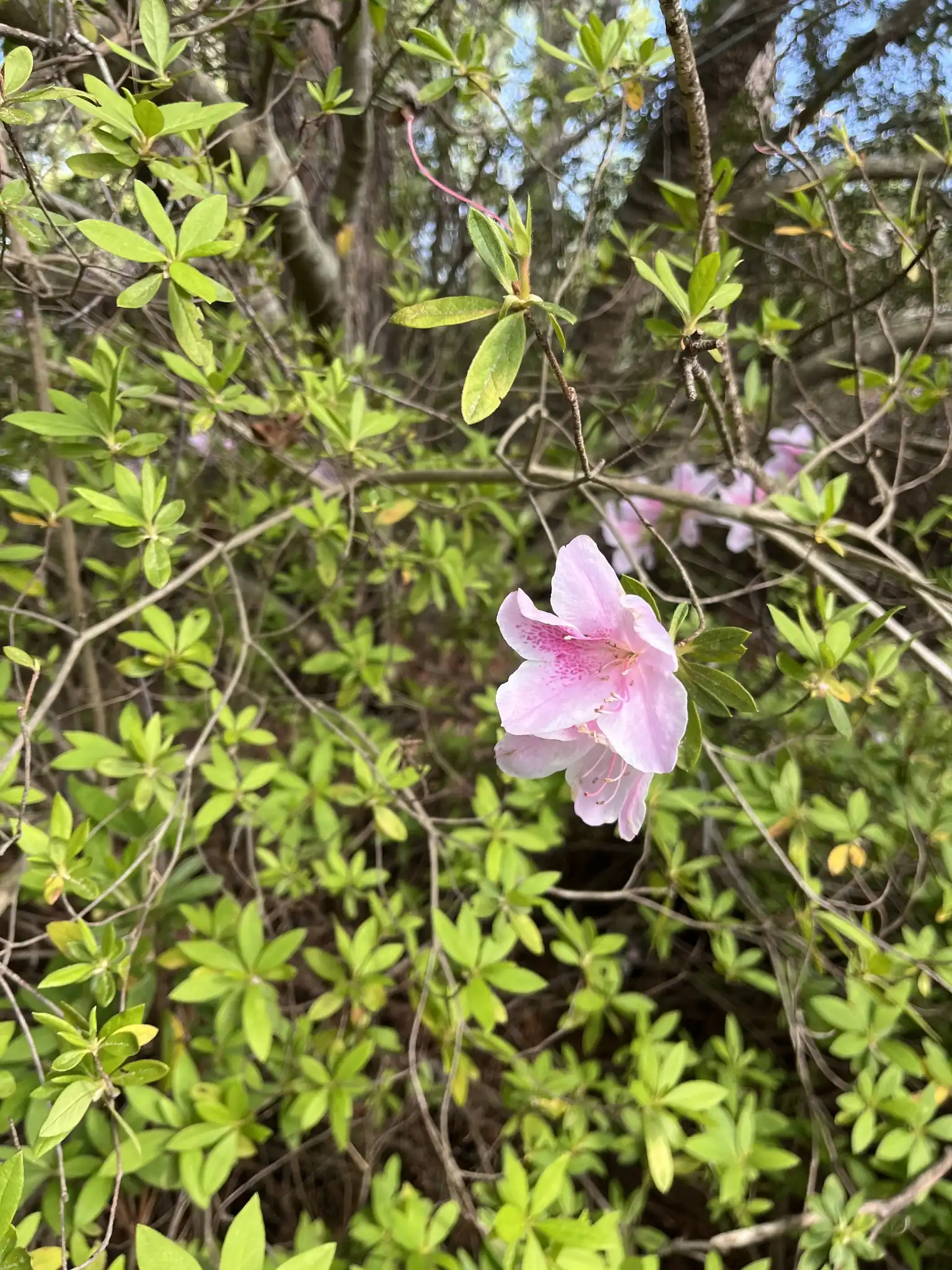
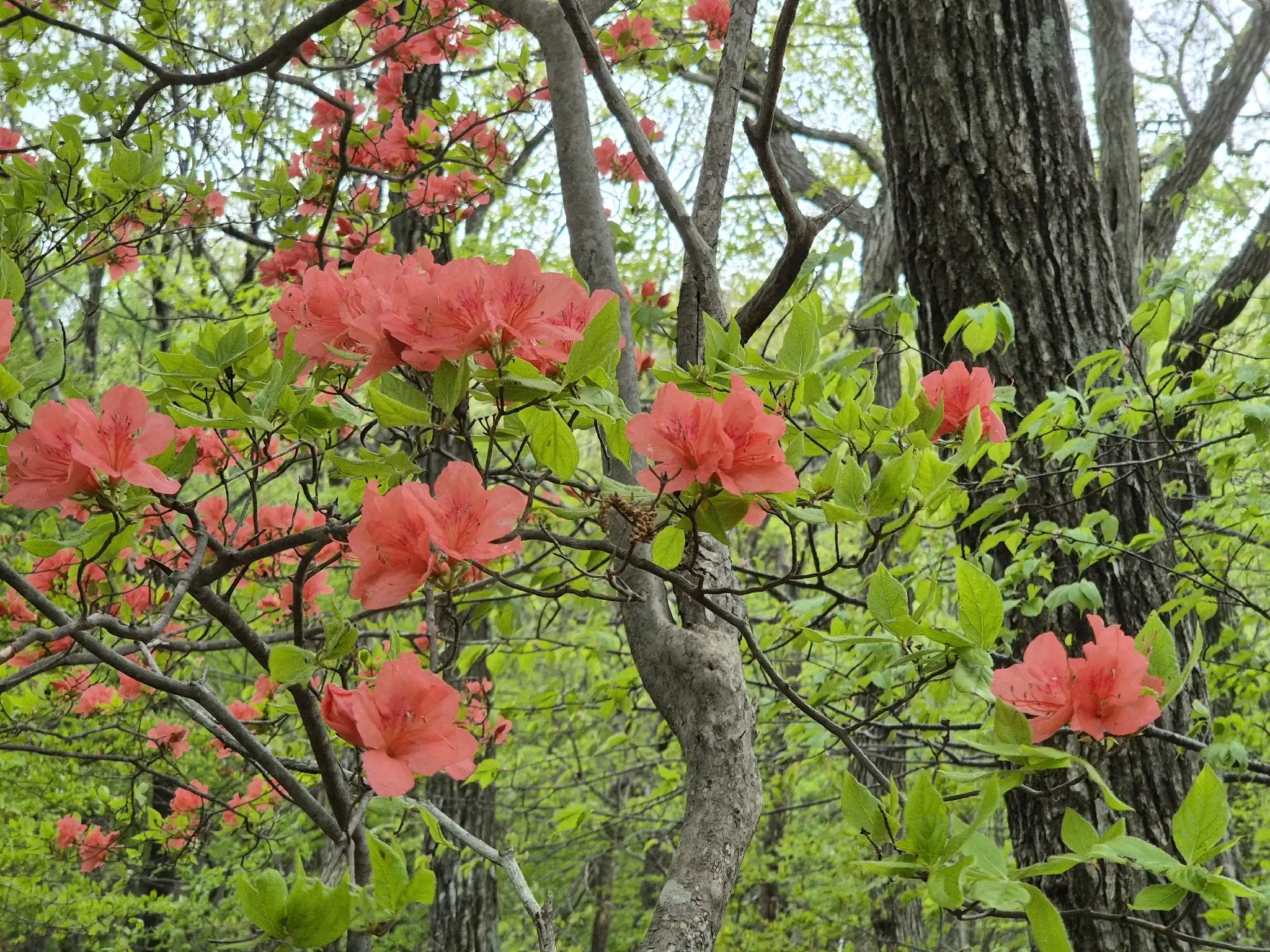
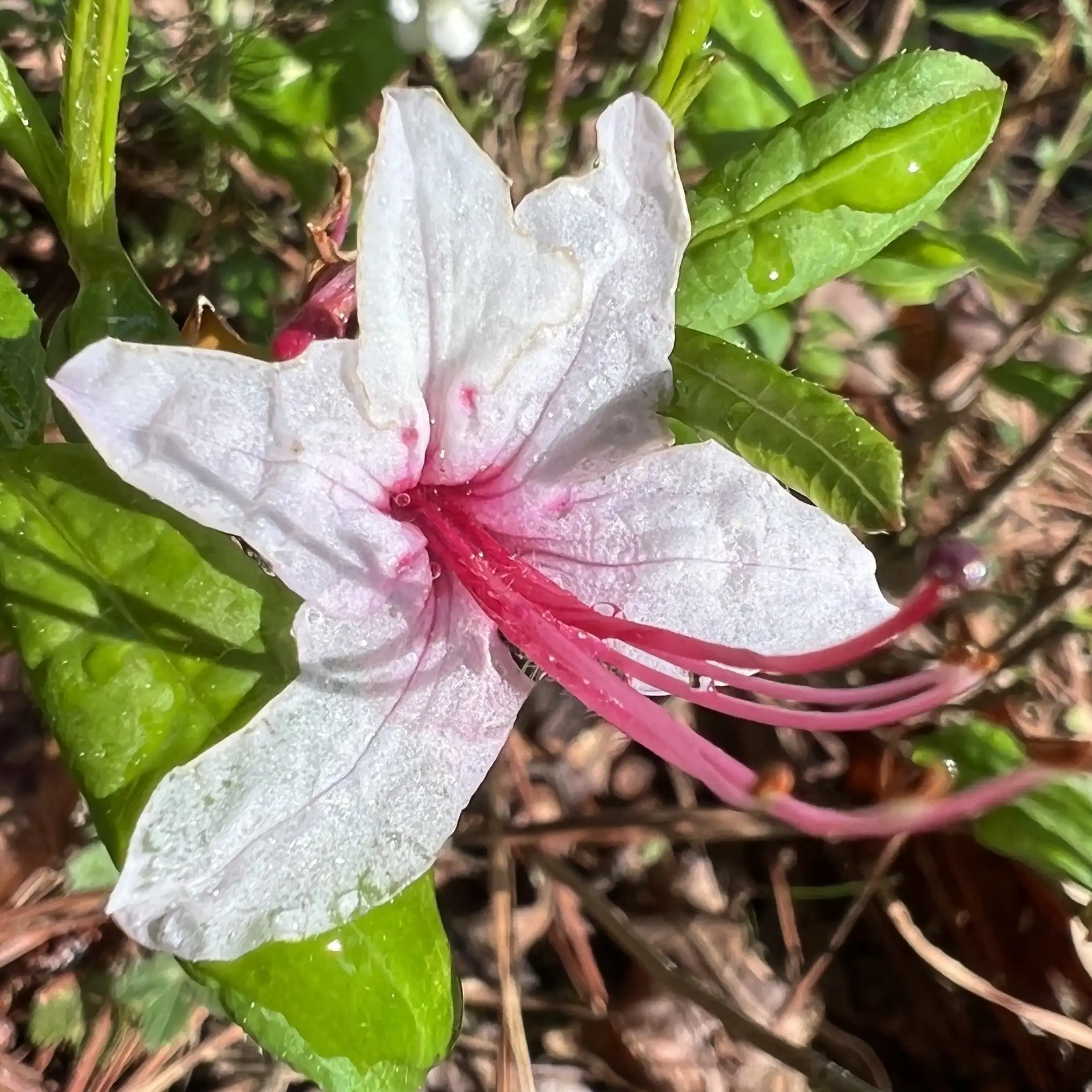
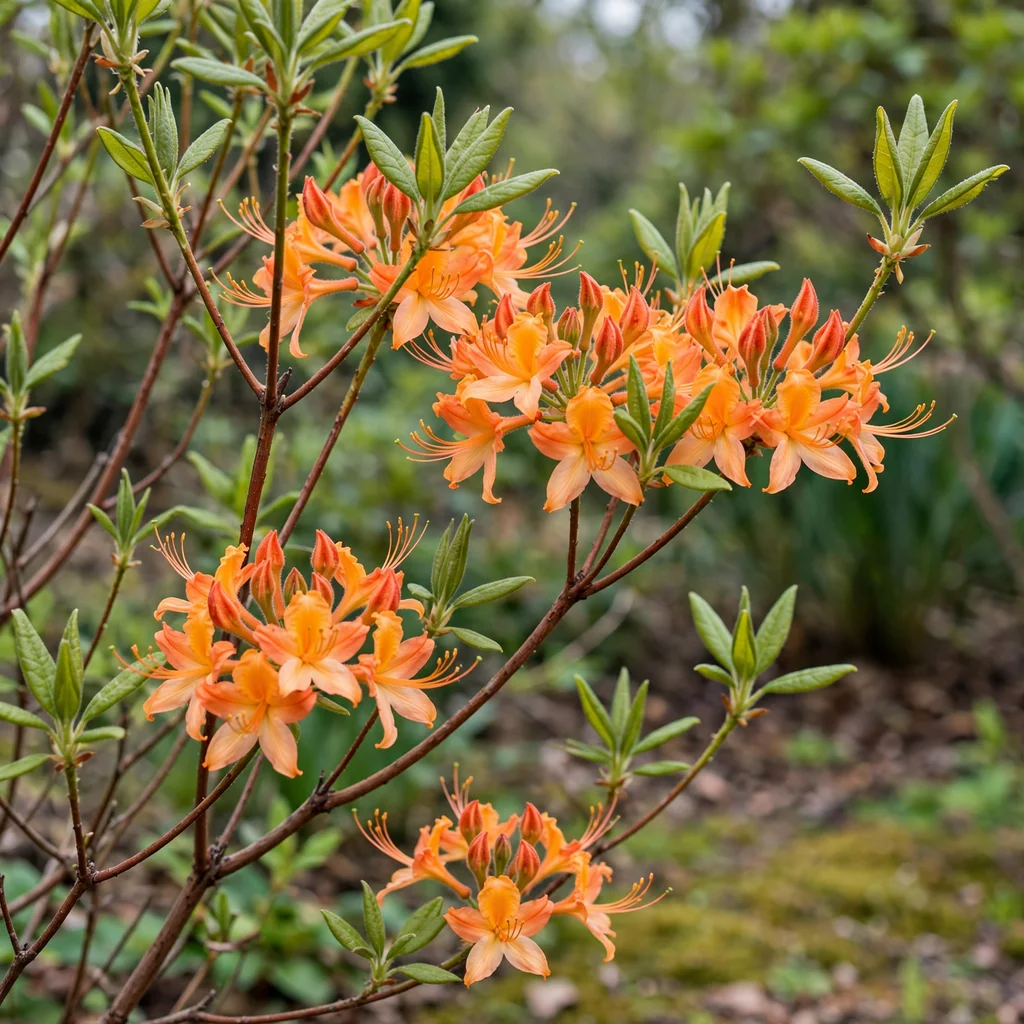
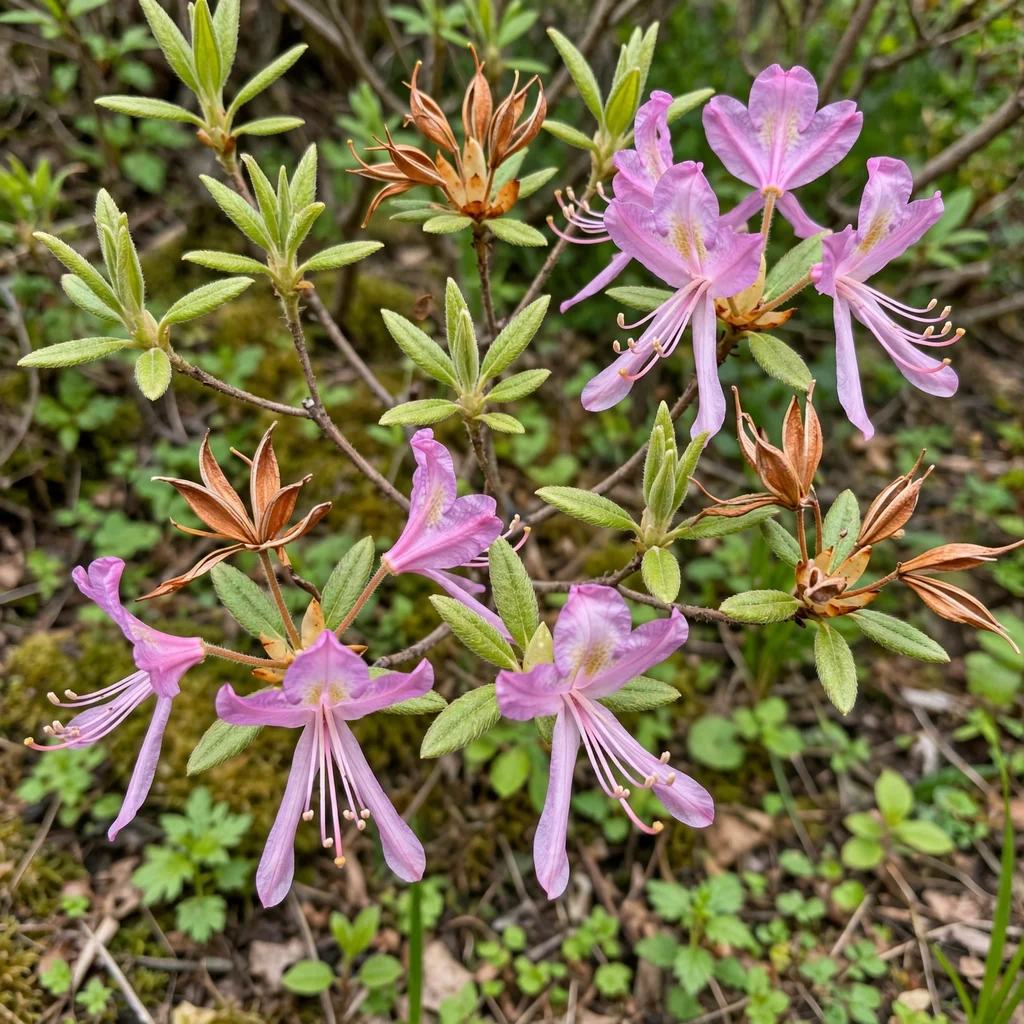
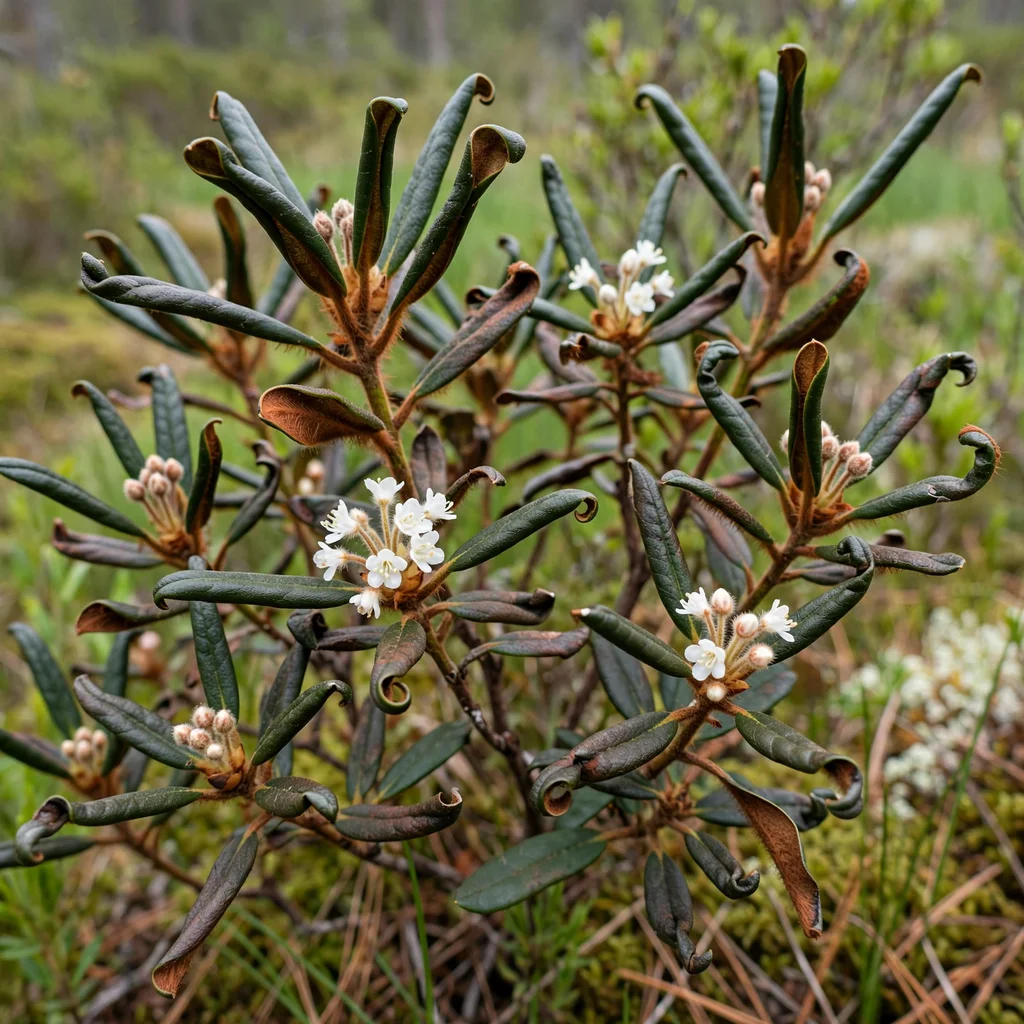
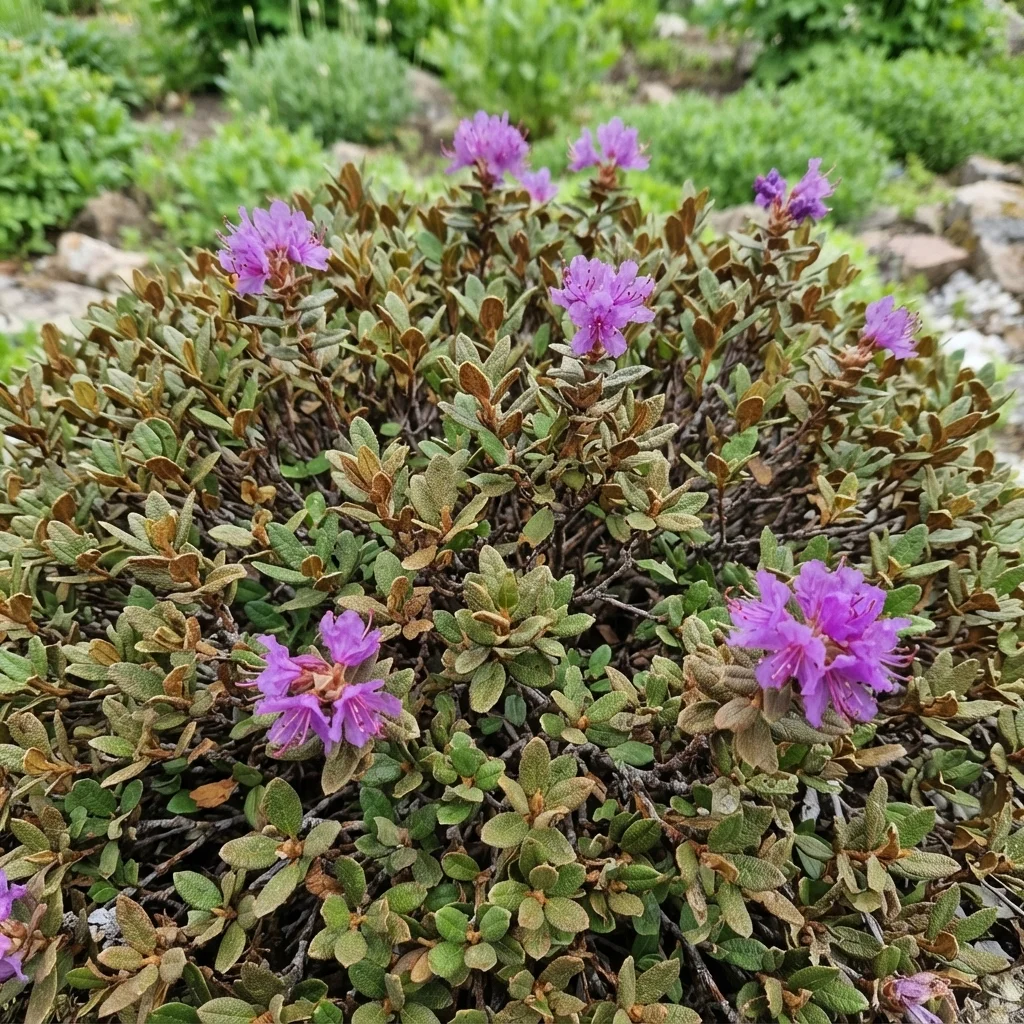
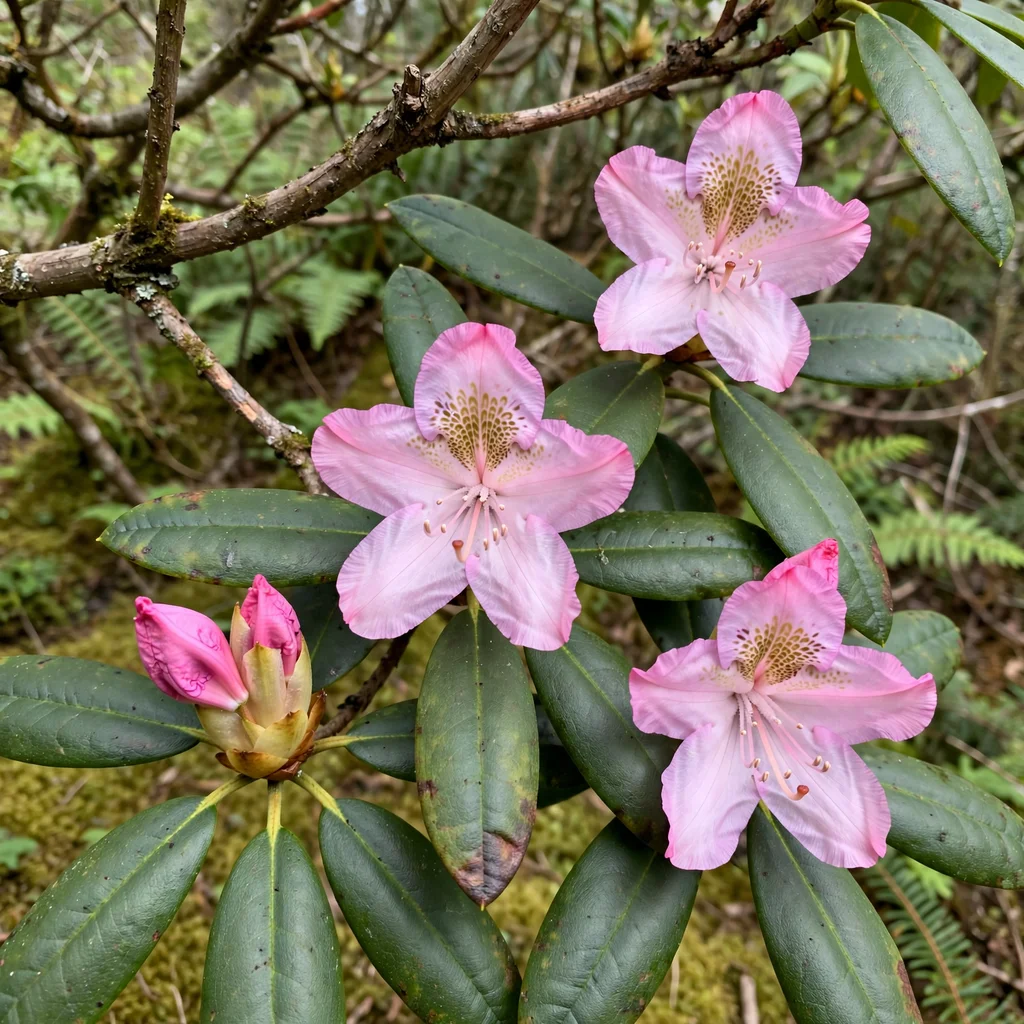
Rhododendron, the genus most gardeners know as rhododendron / azalea. We track 134 varieties; the ones most used by real gardeners.
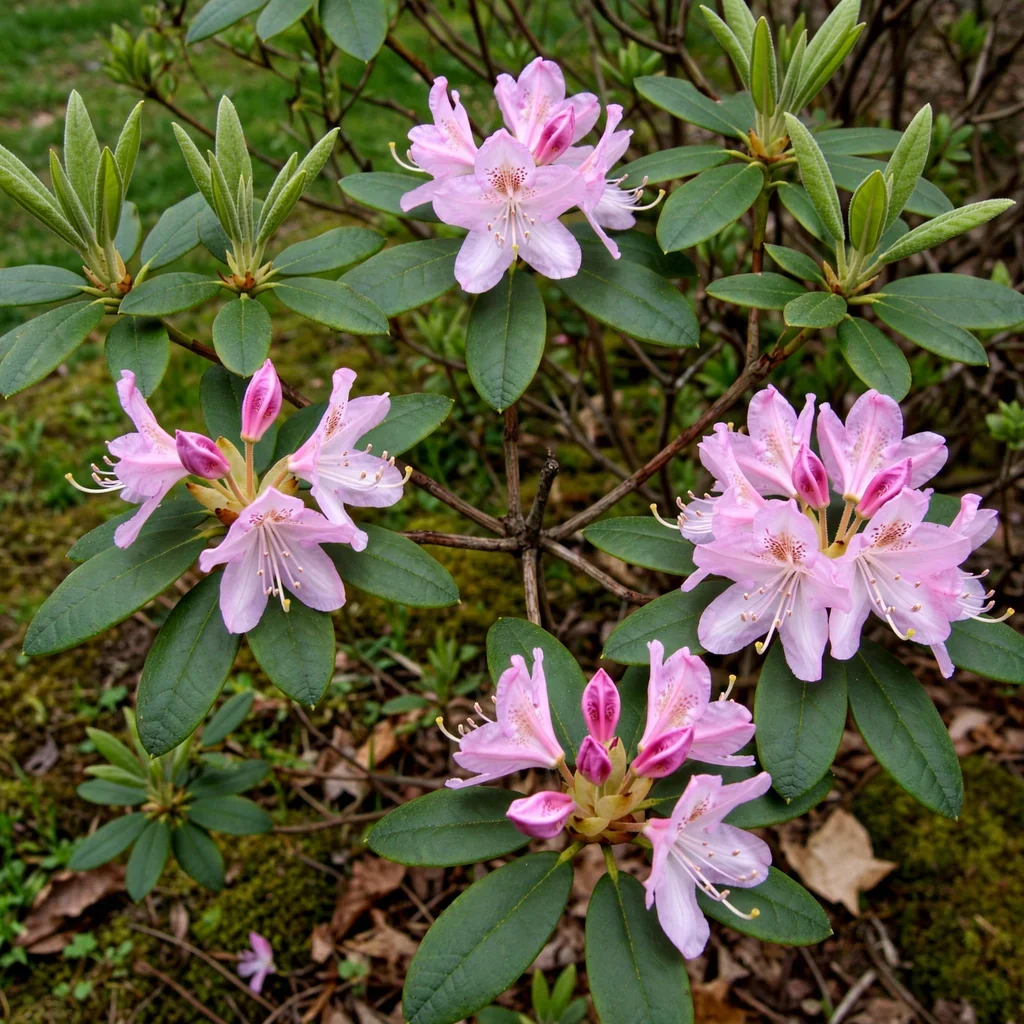
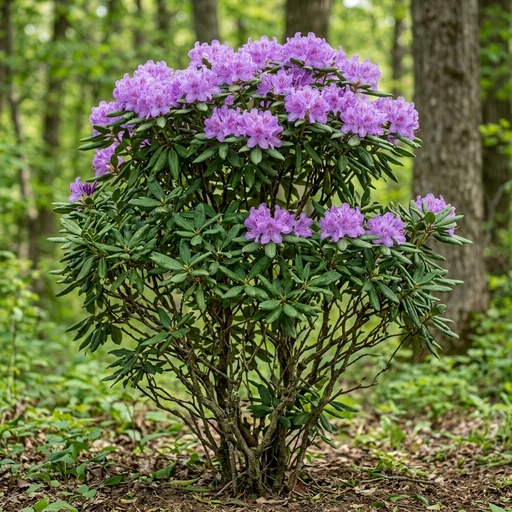
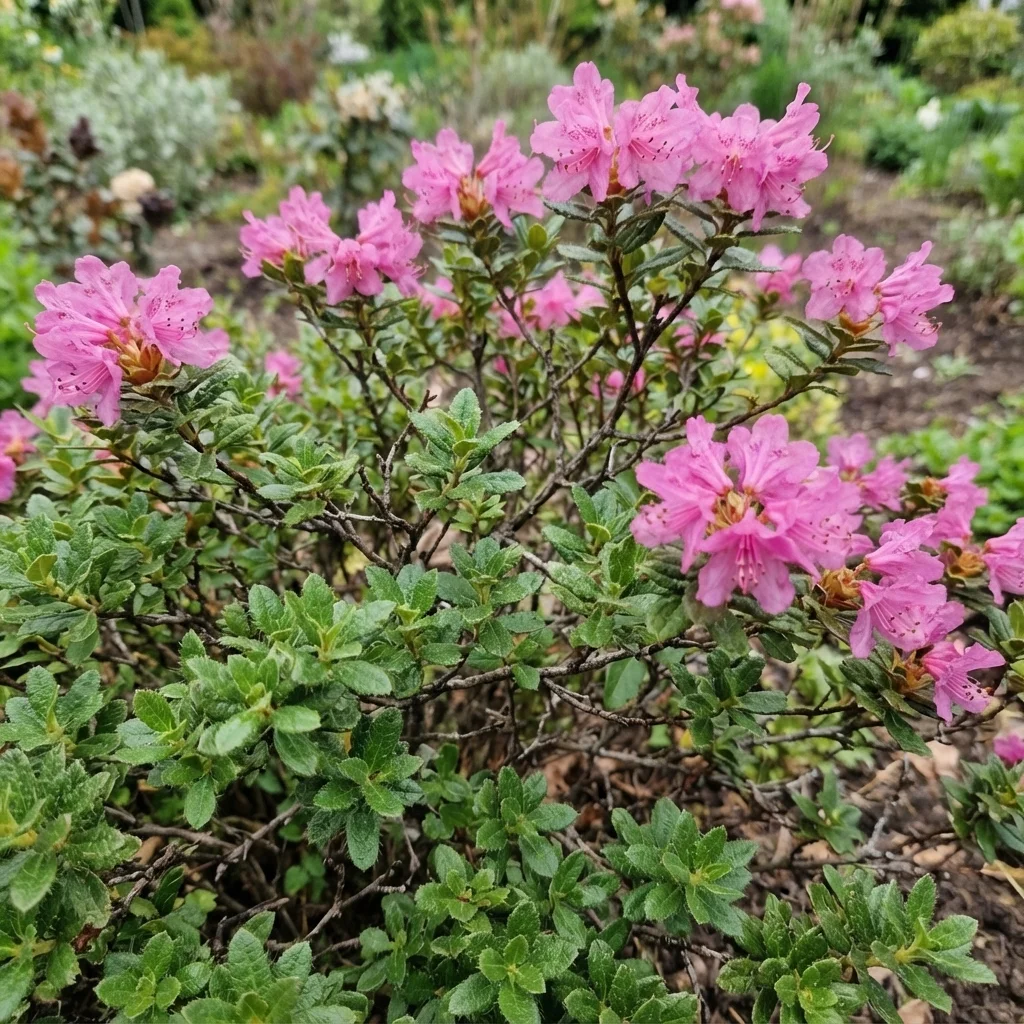
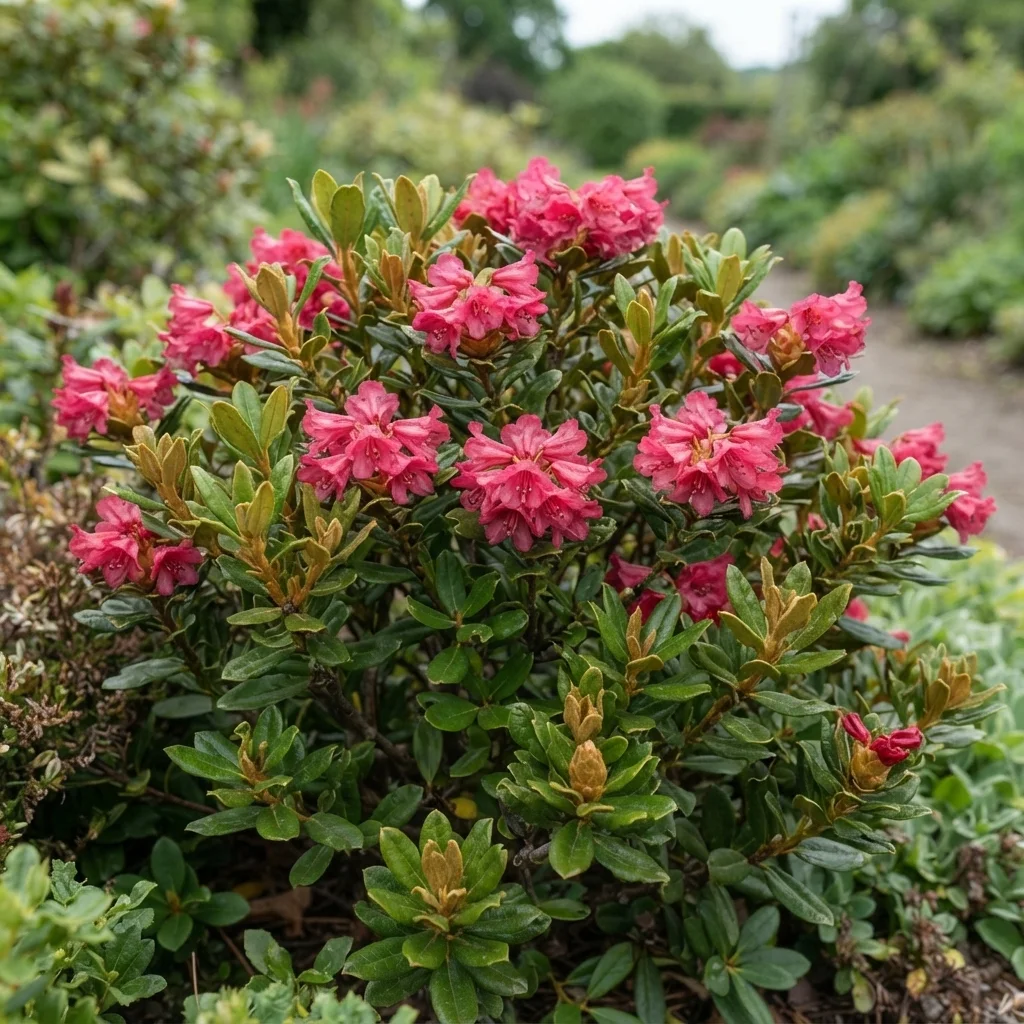
The 24 most-saved Rhododendron varieties
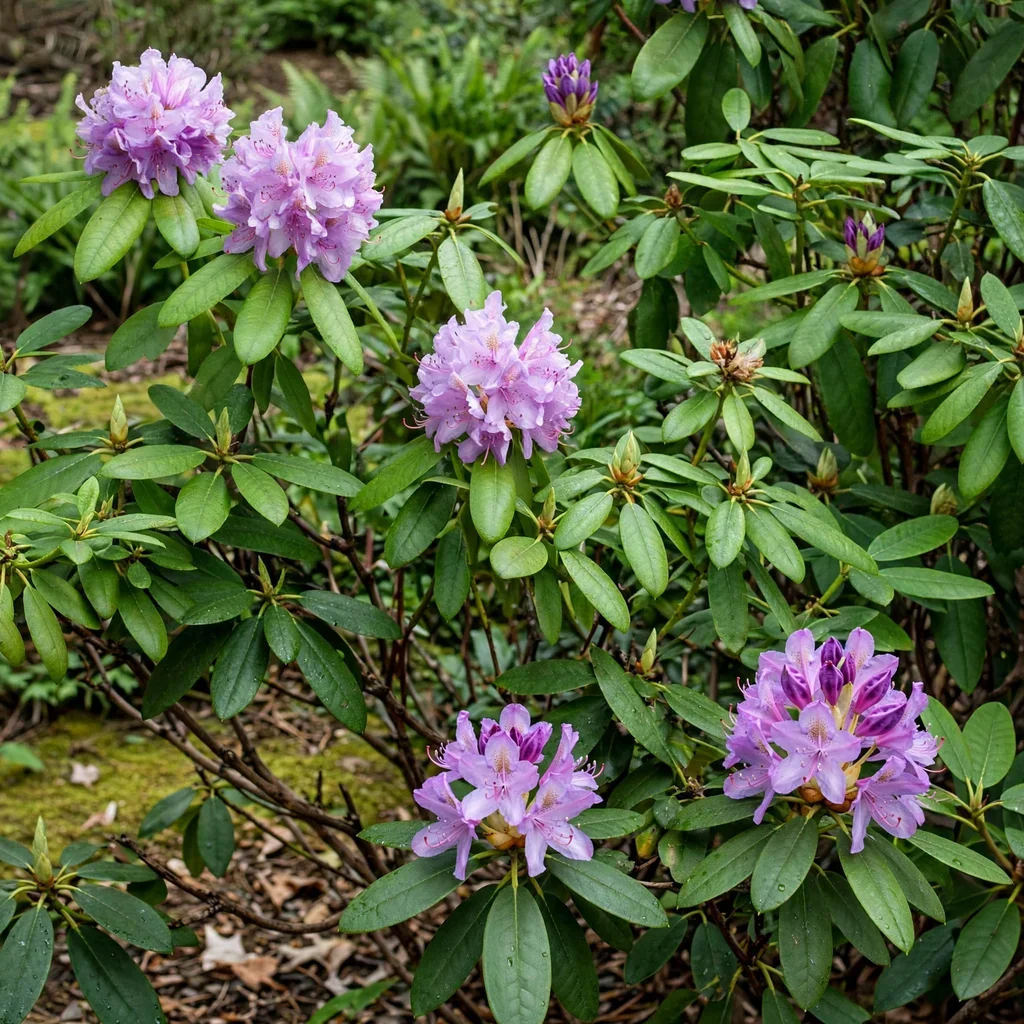
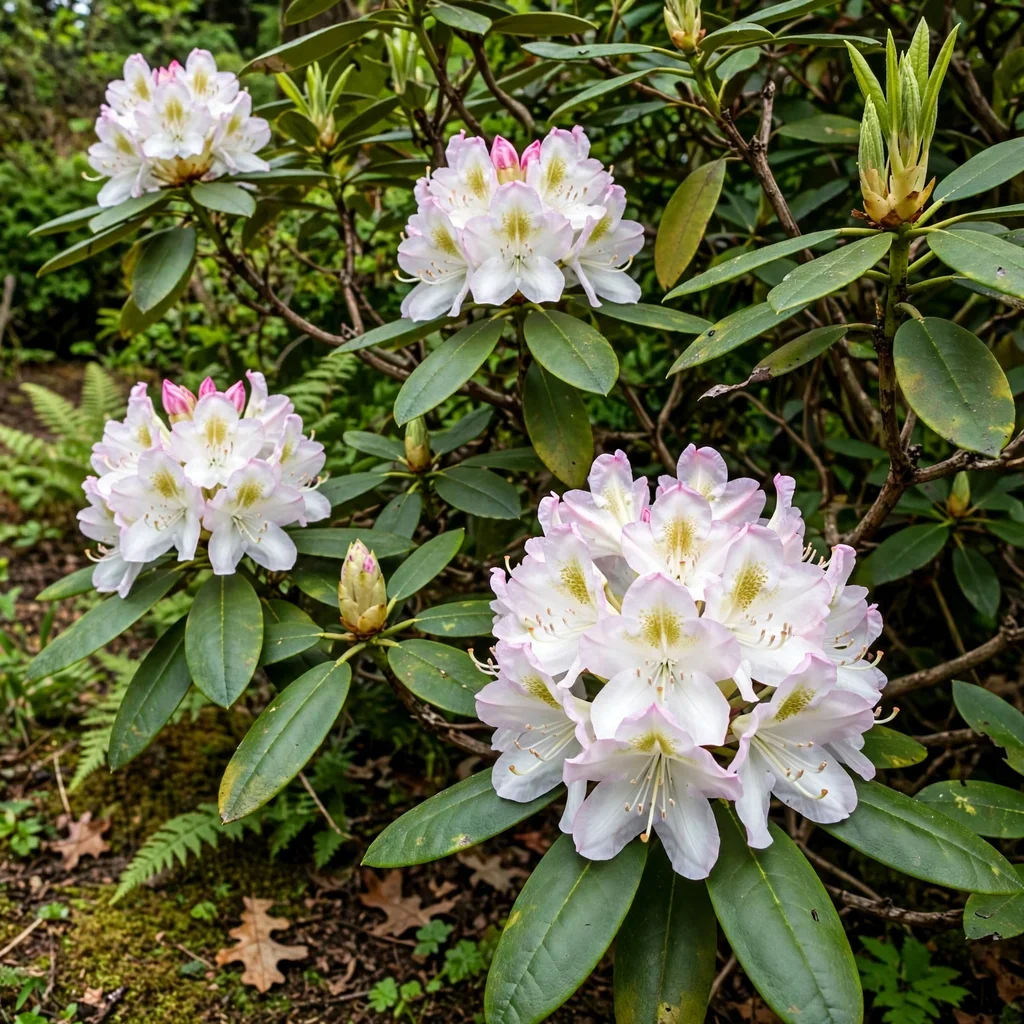
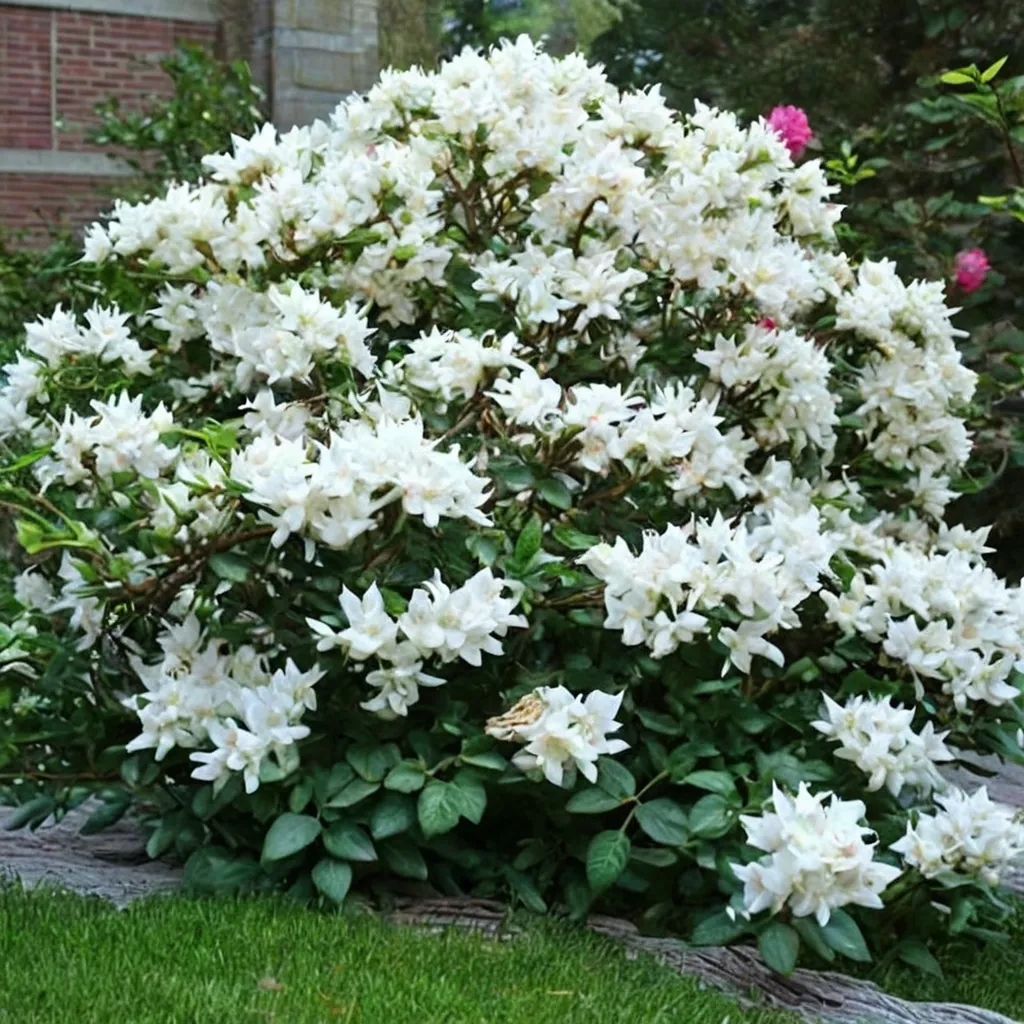
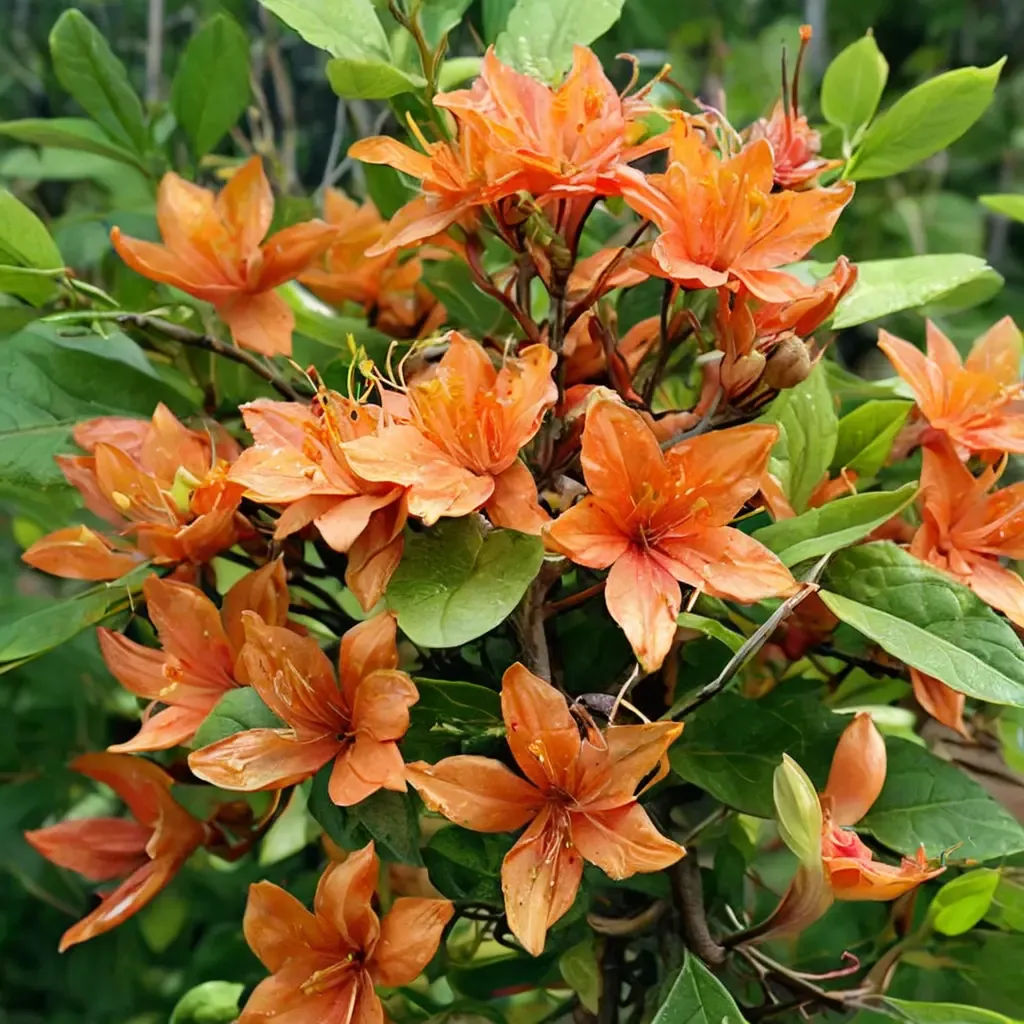
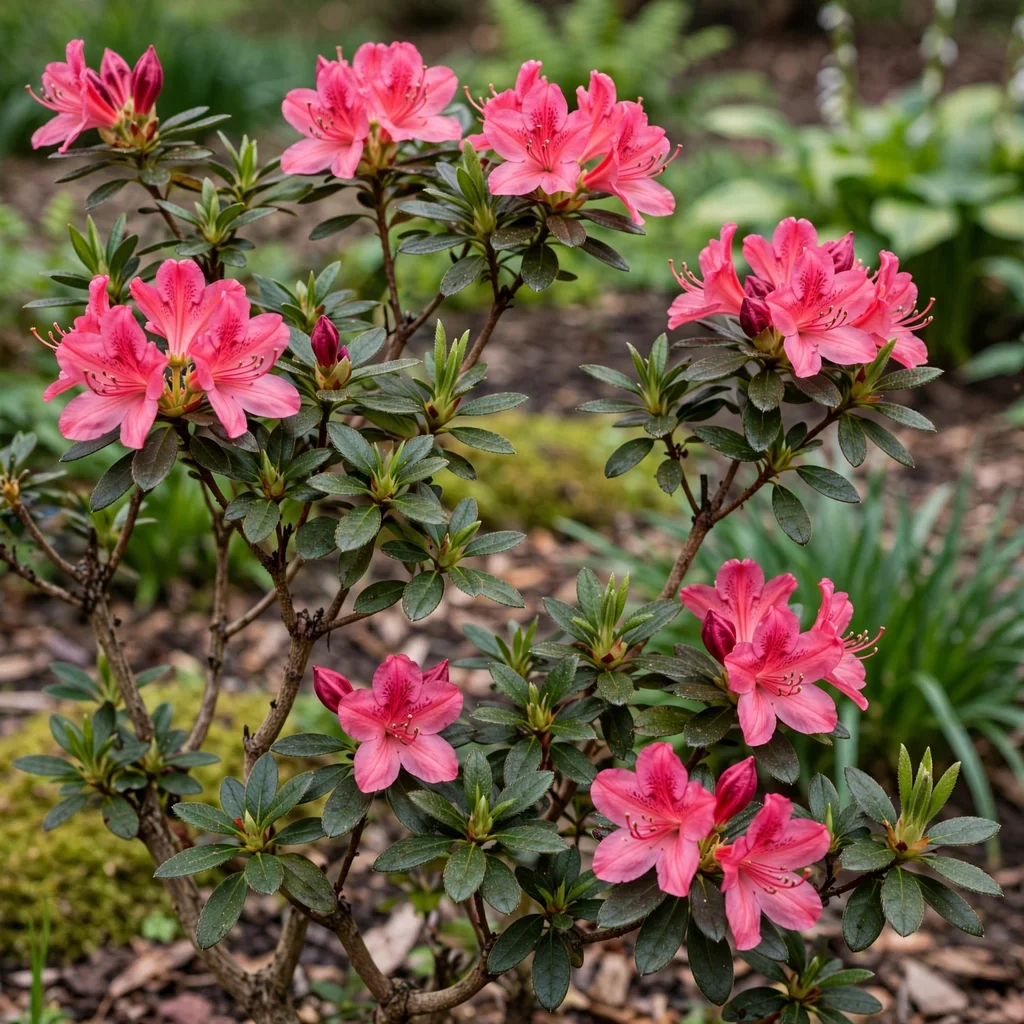
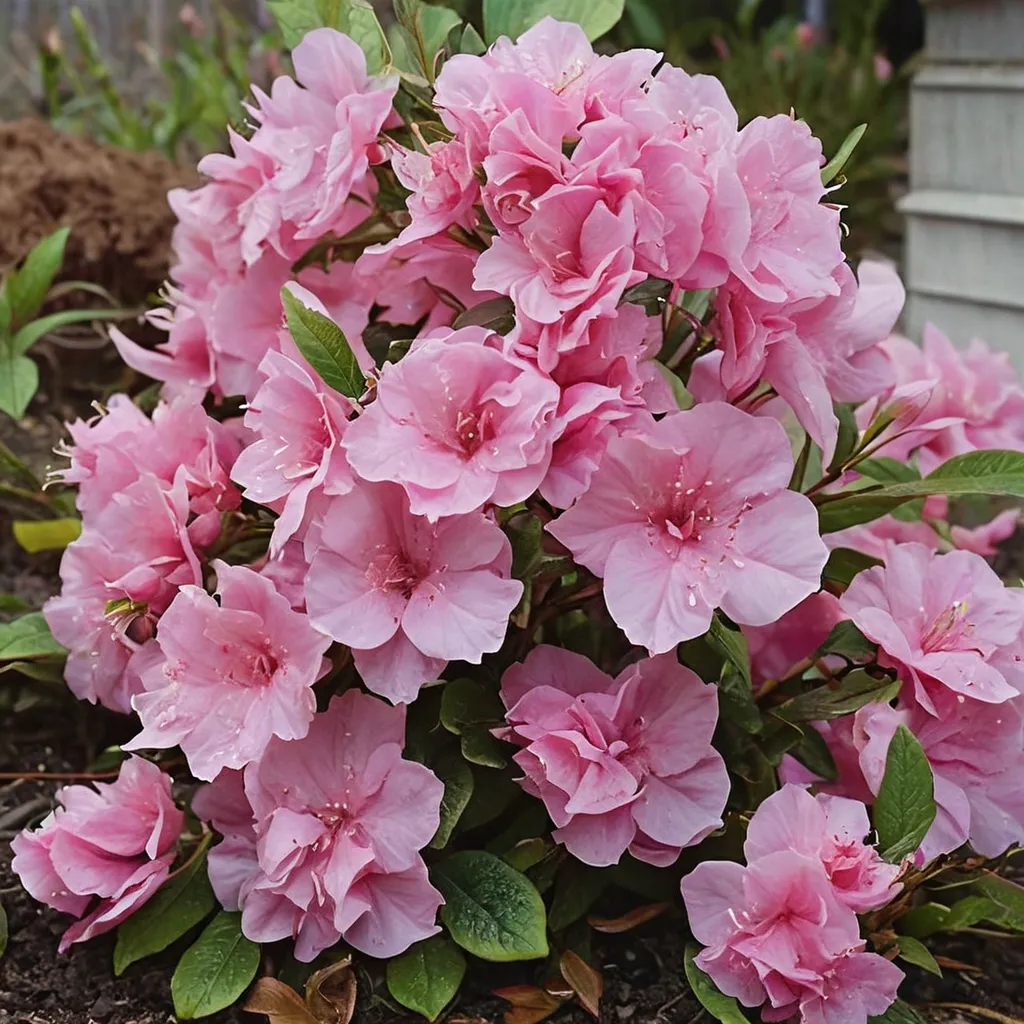
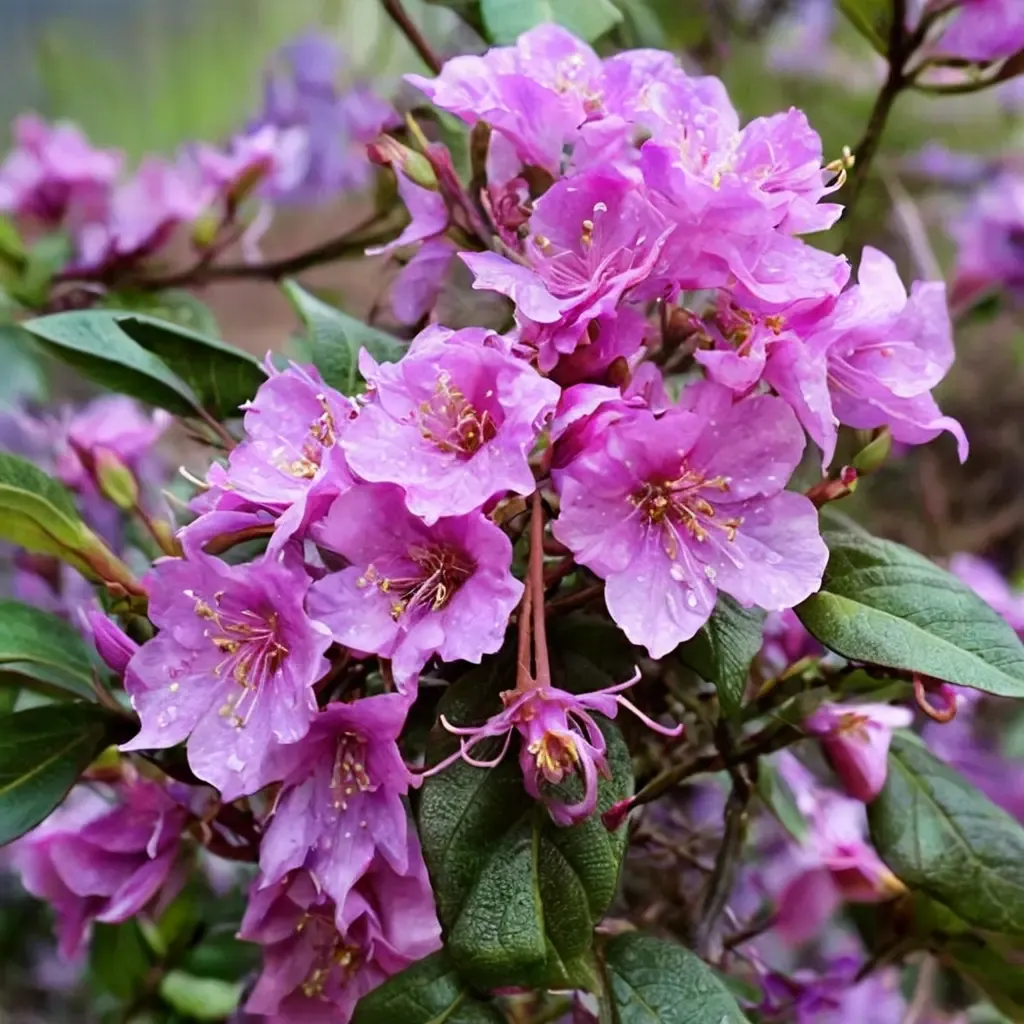
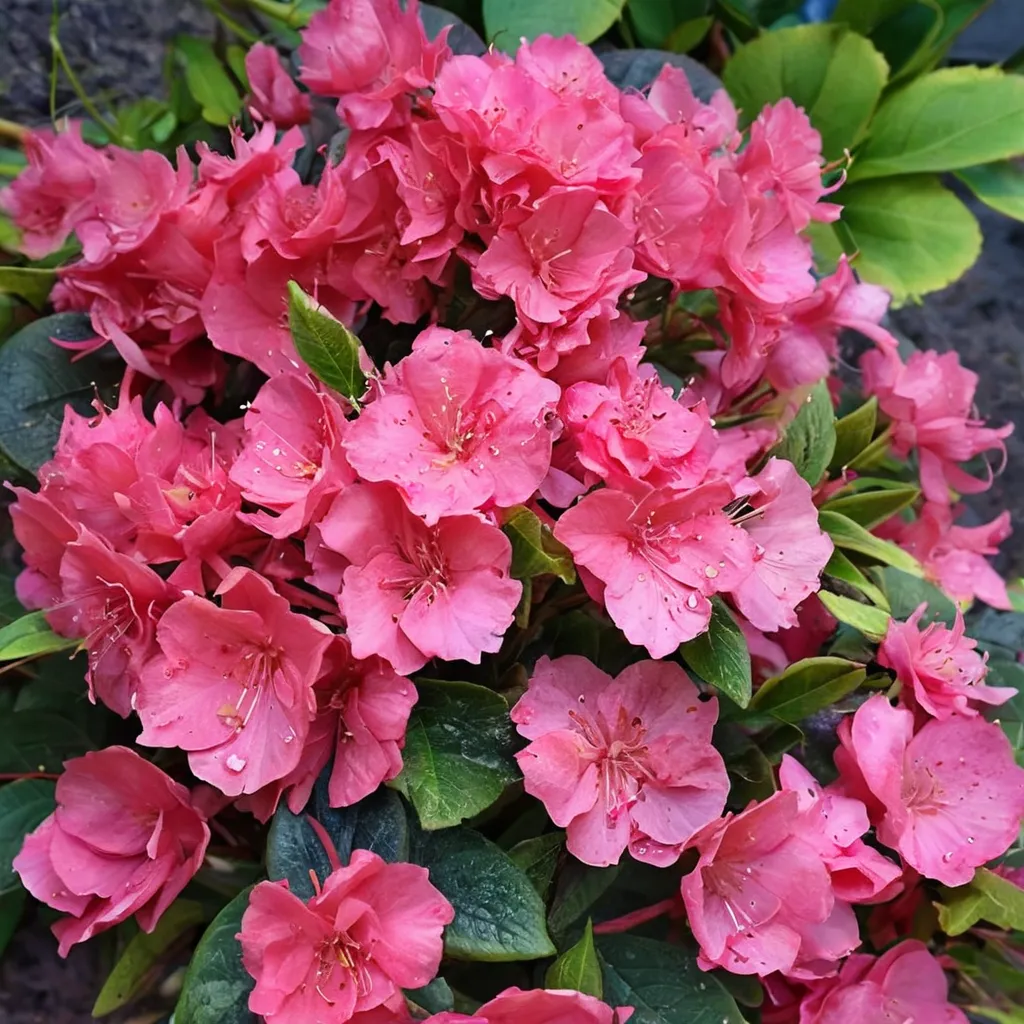
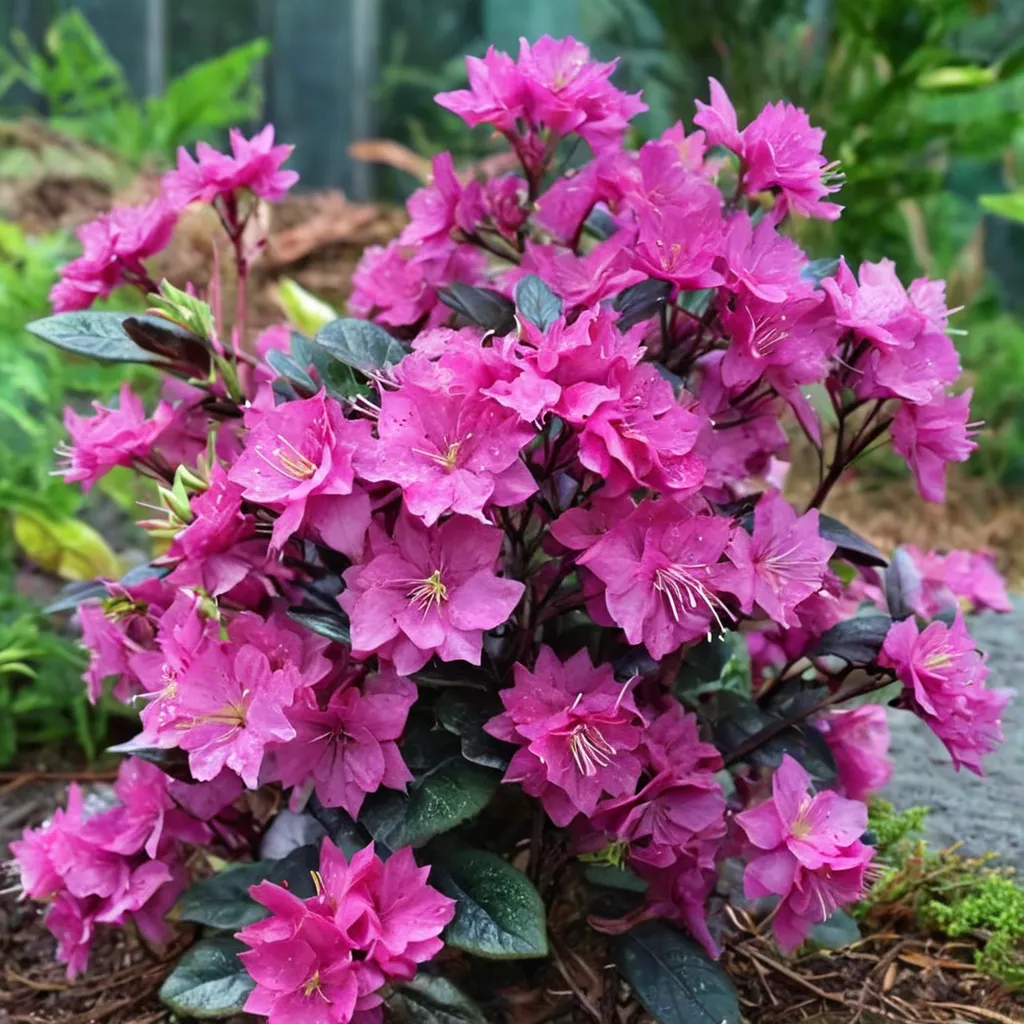
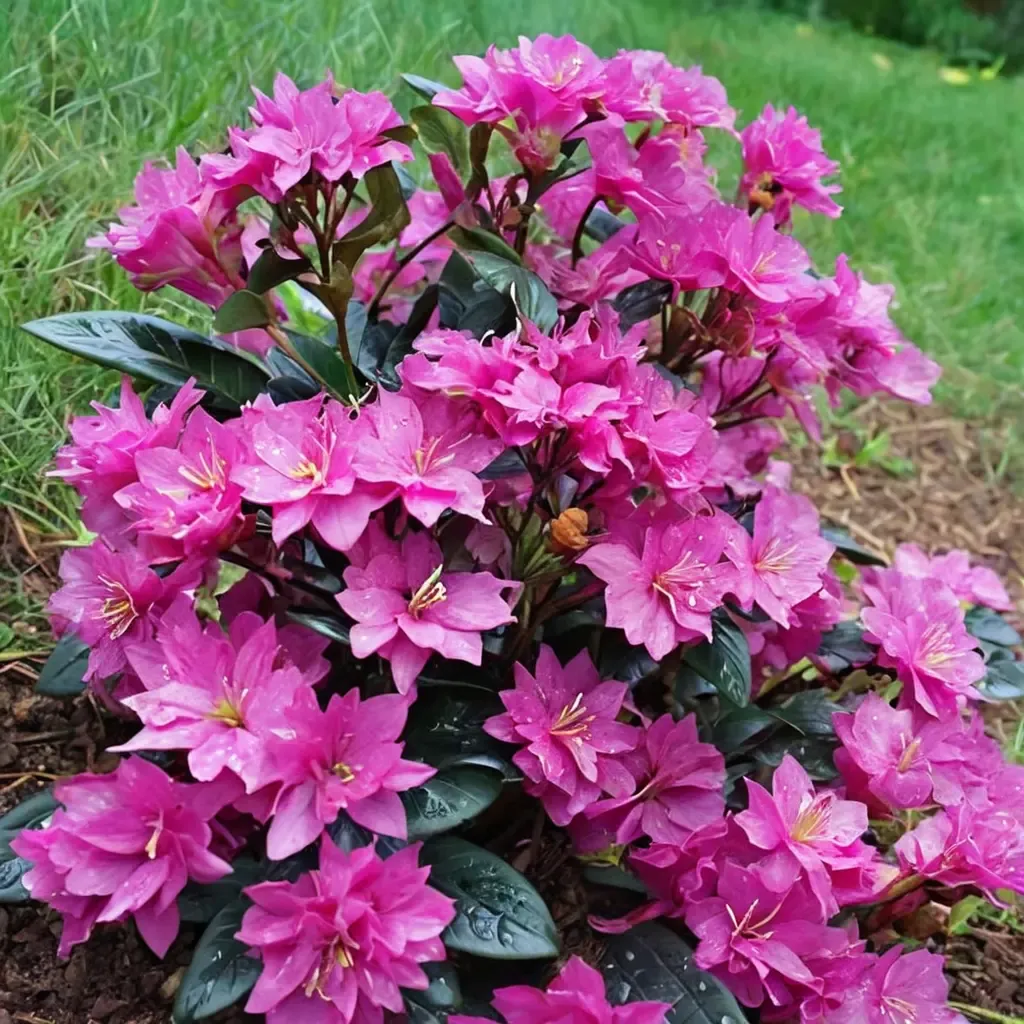
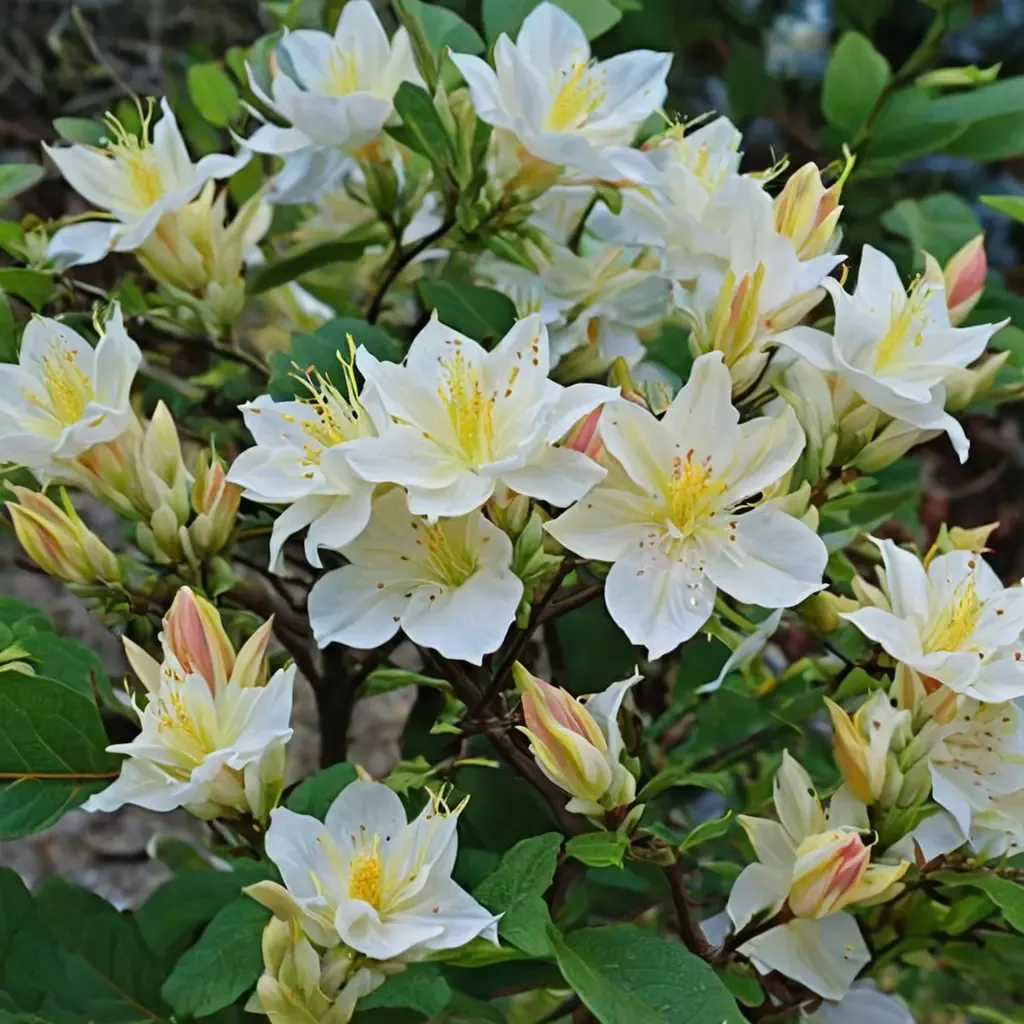
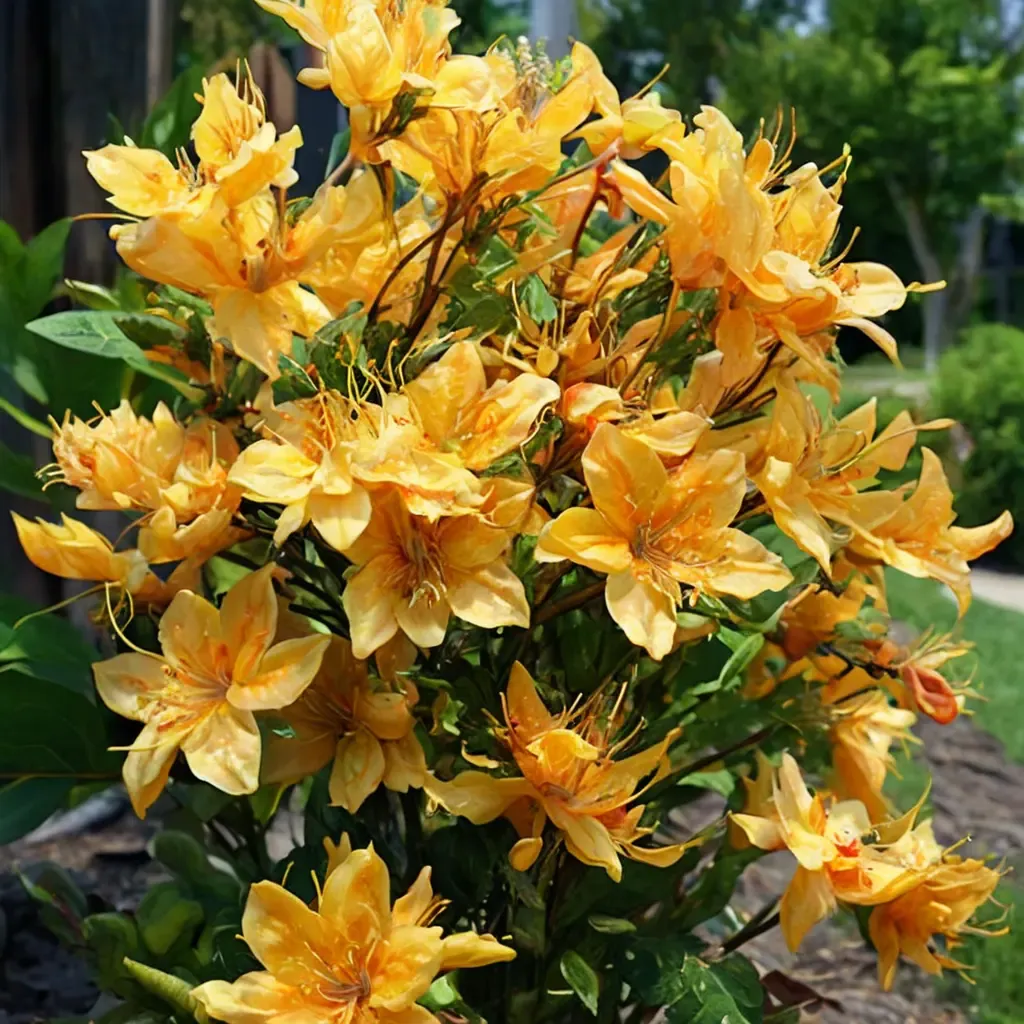
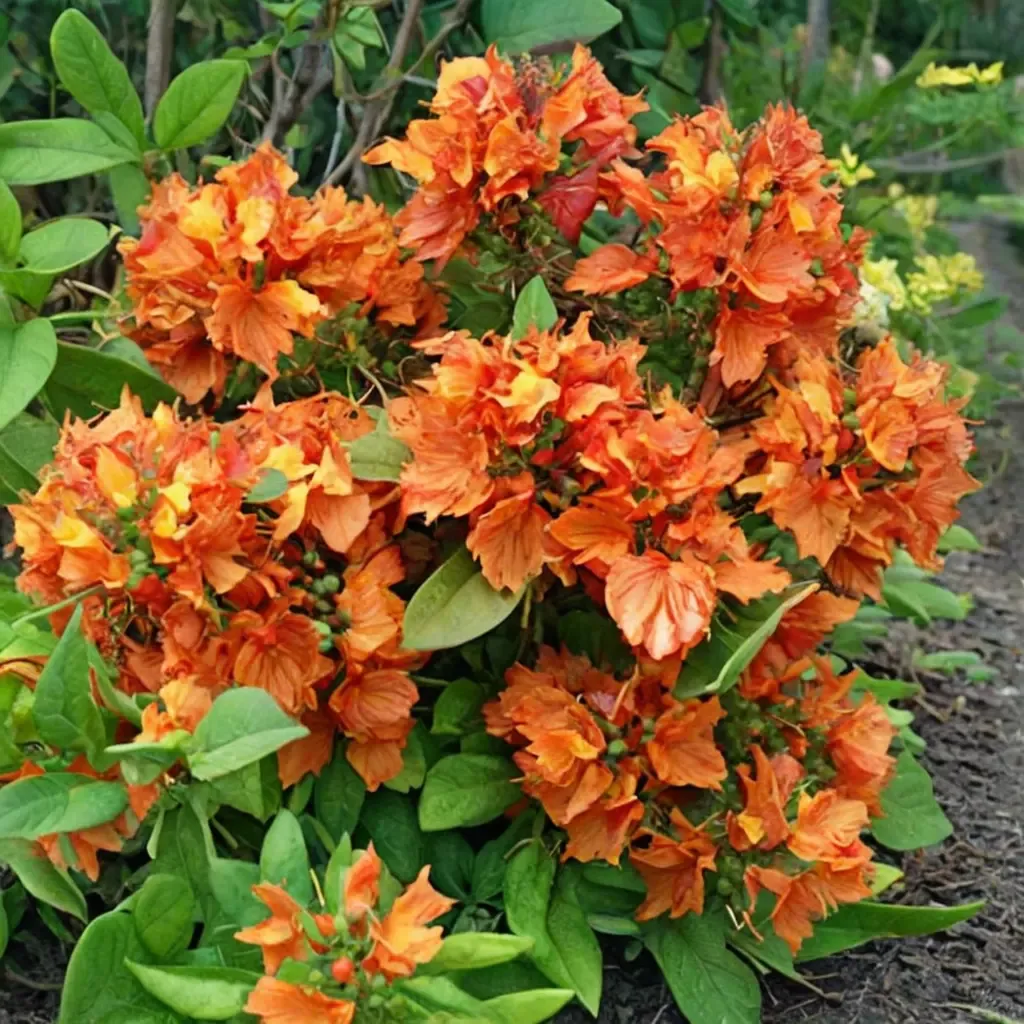
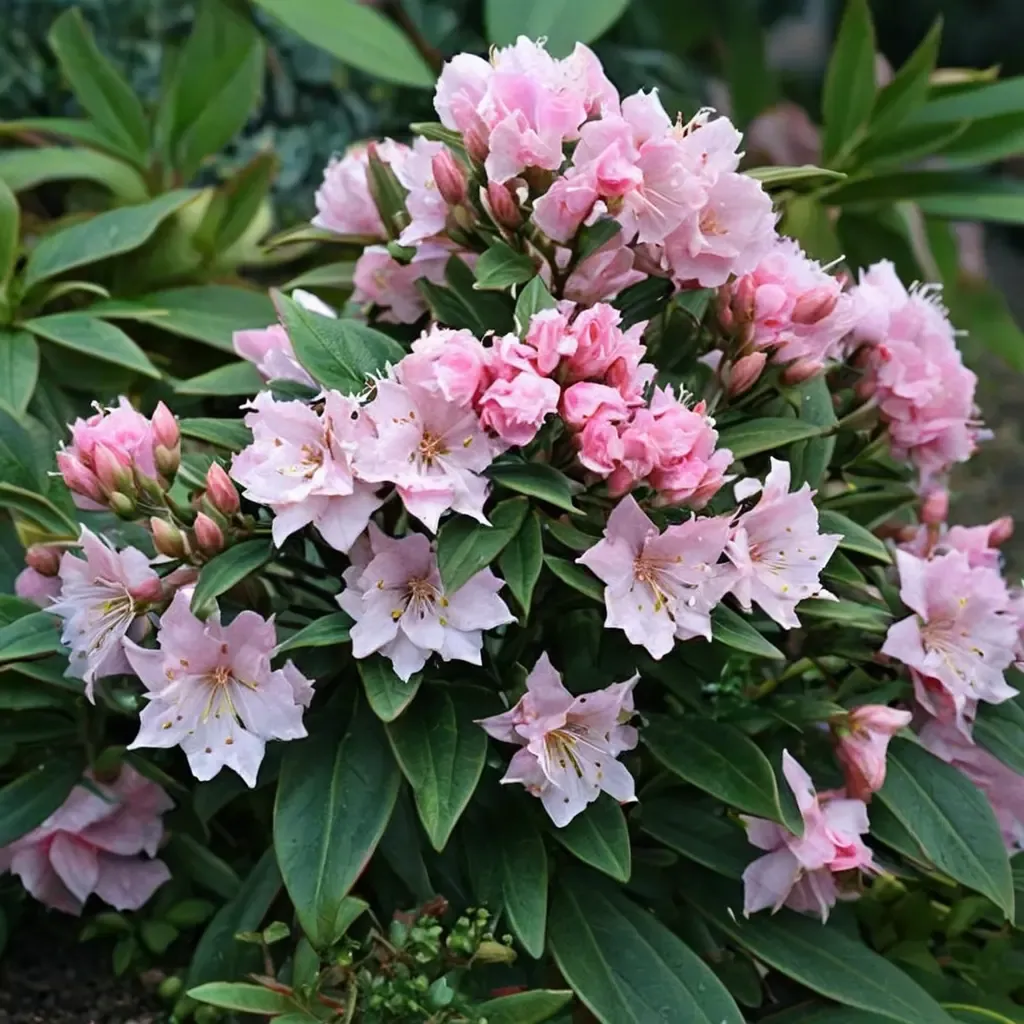
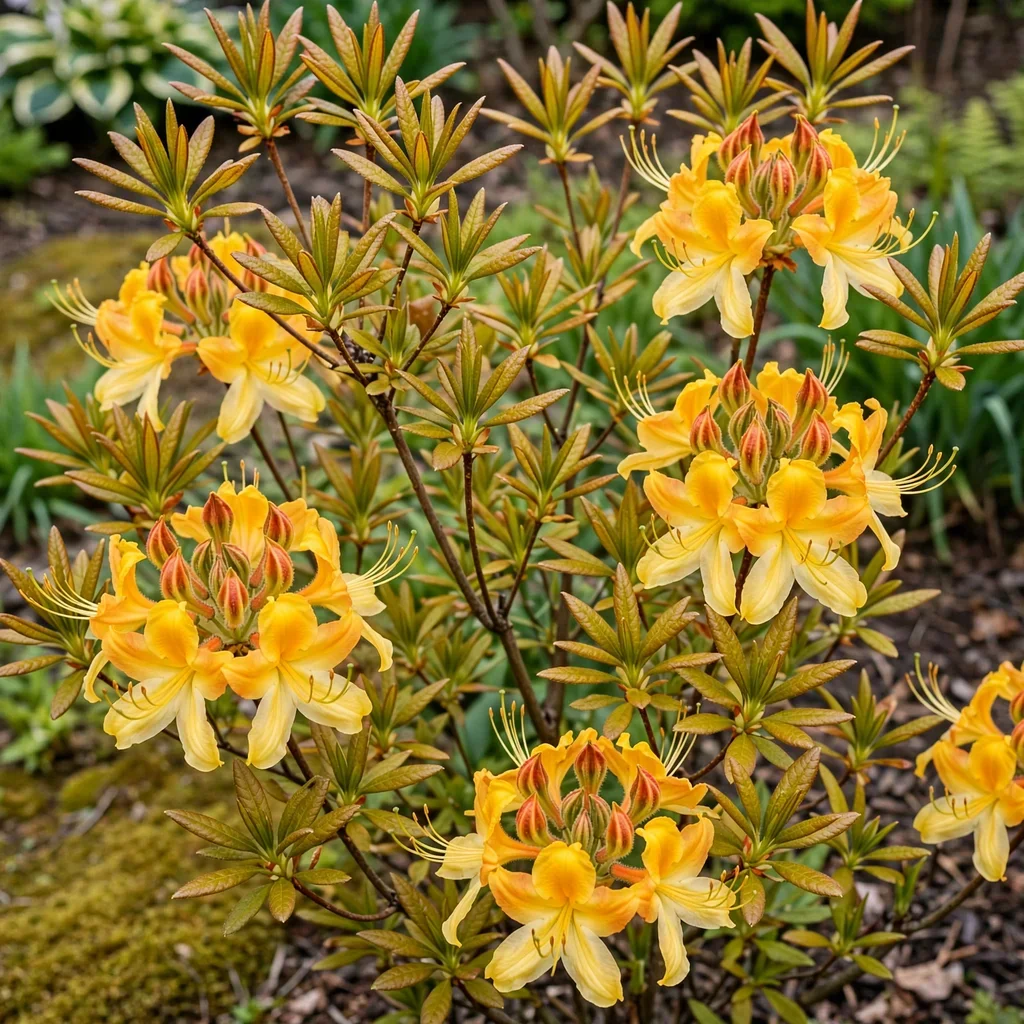
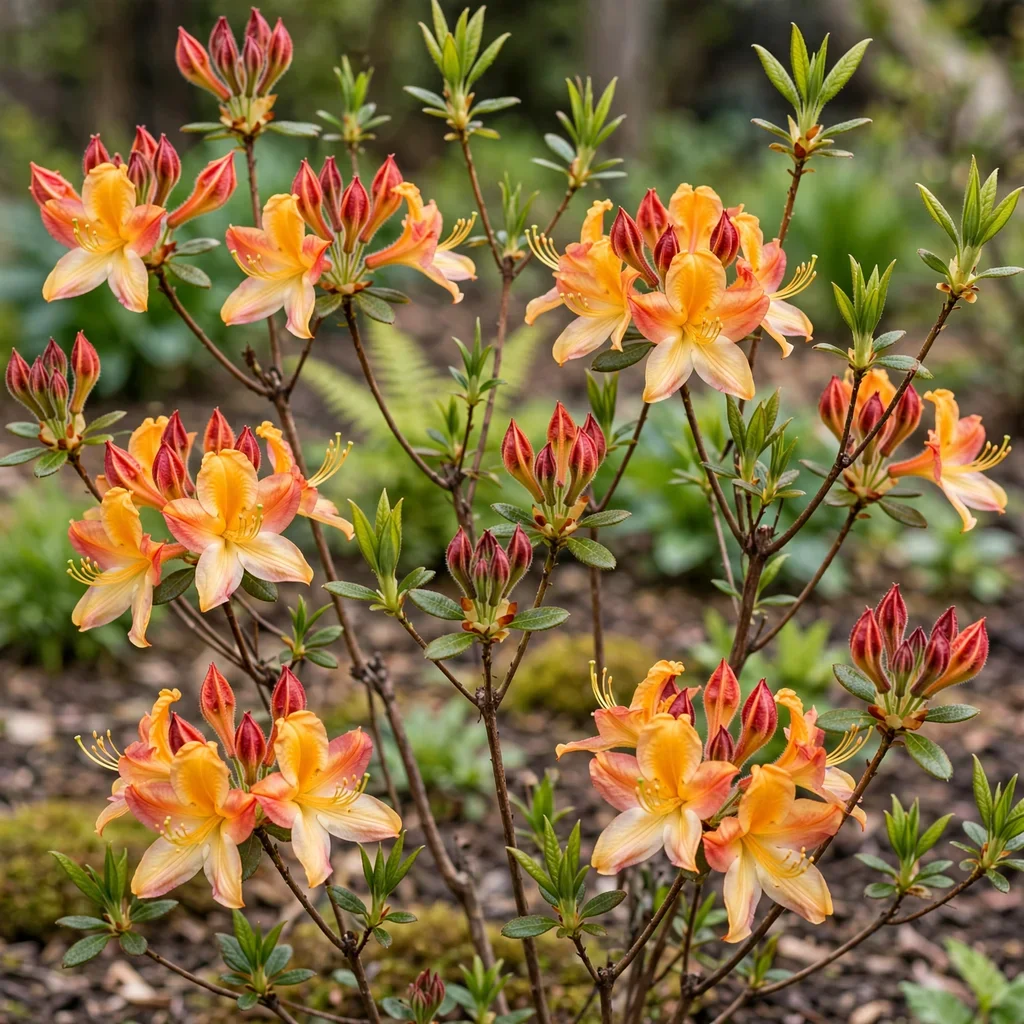
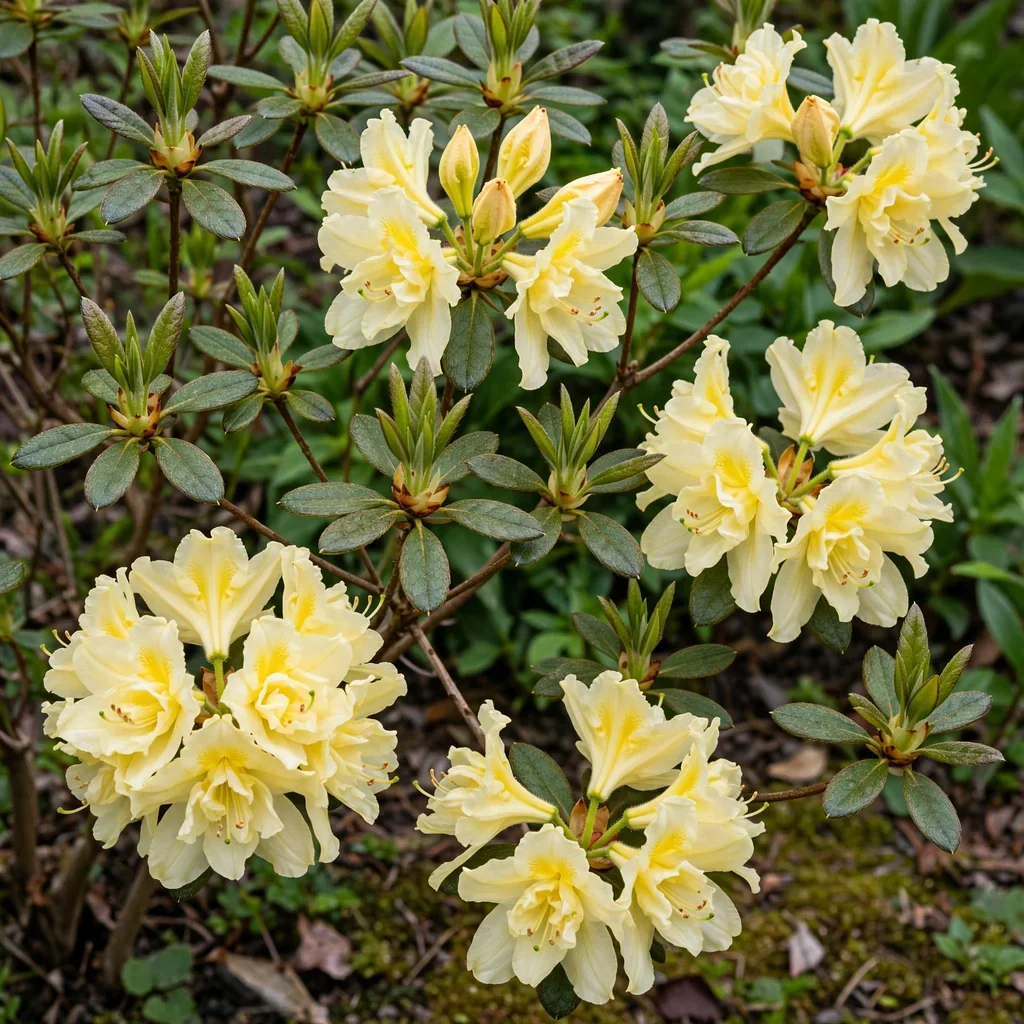
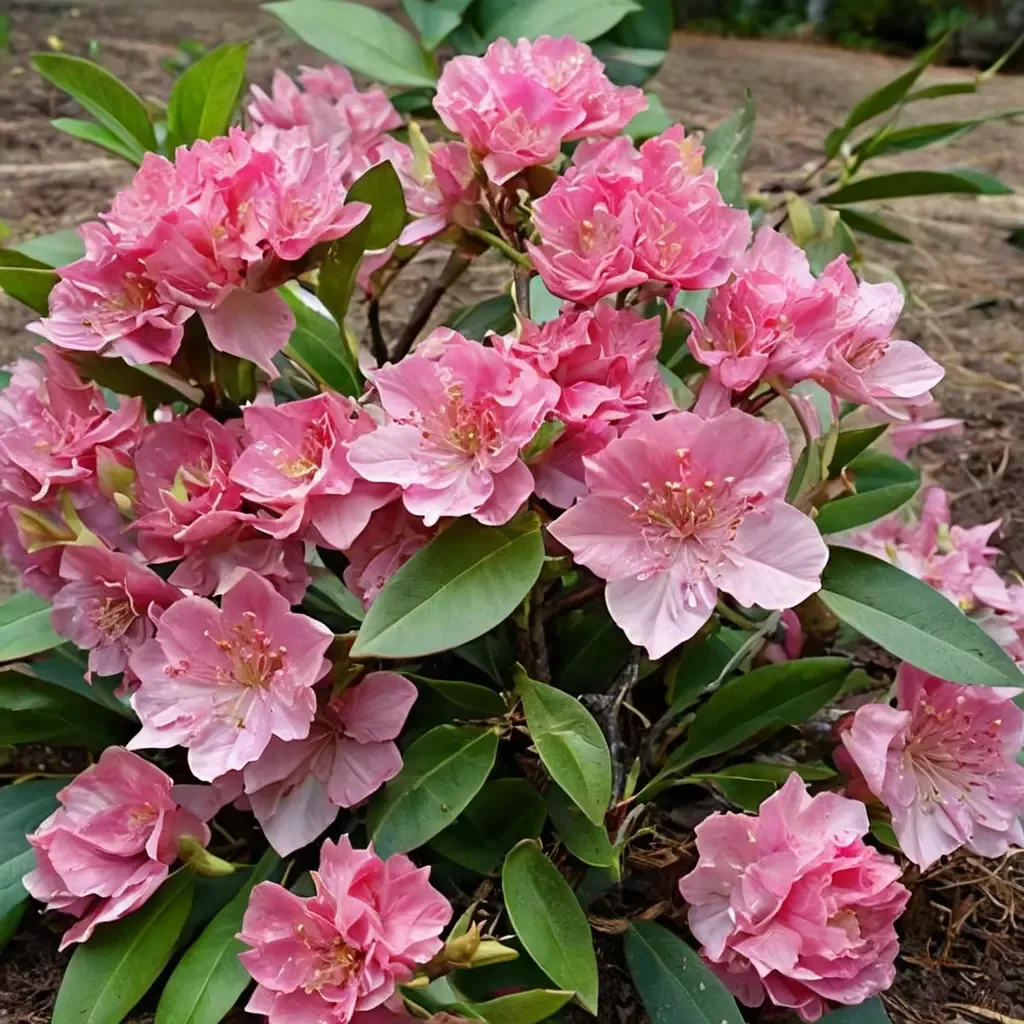
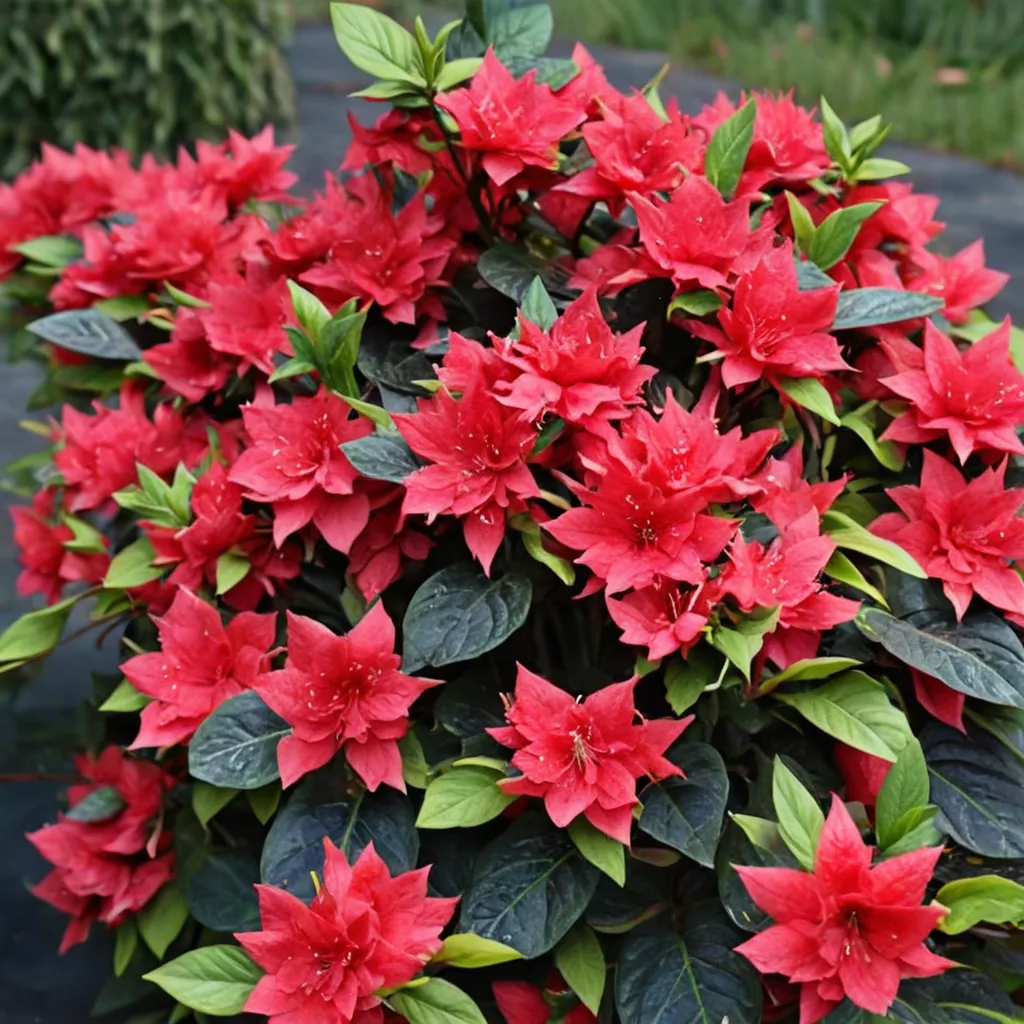
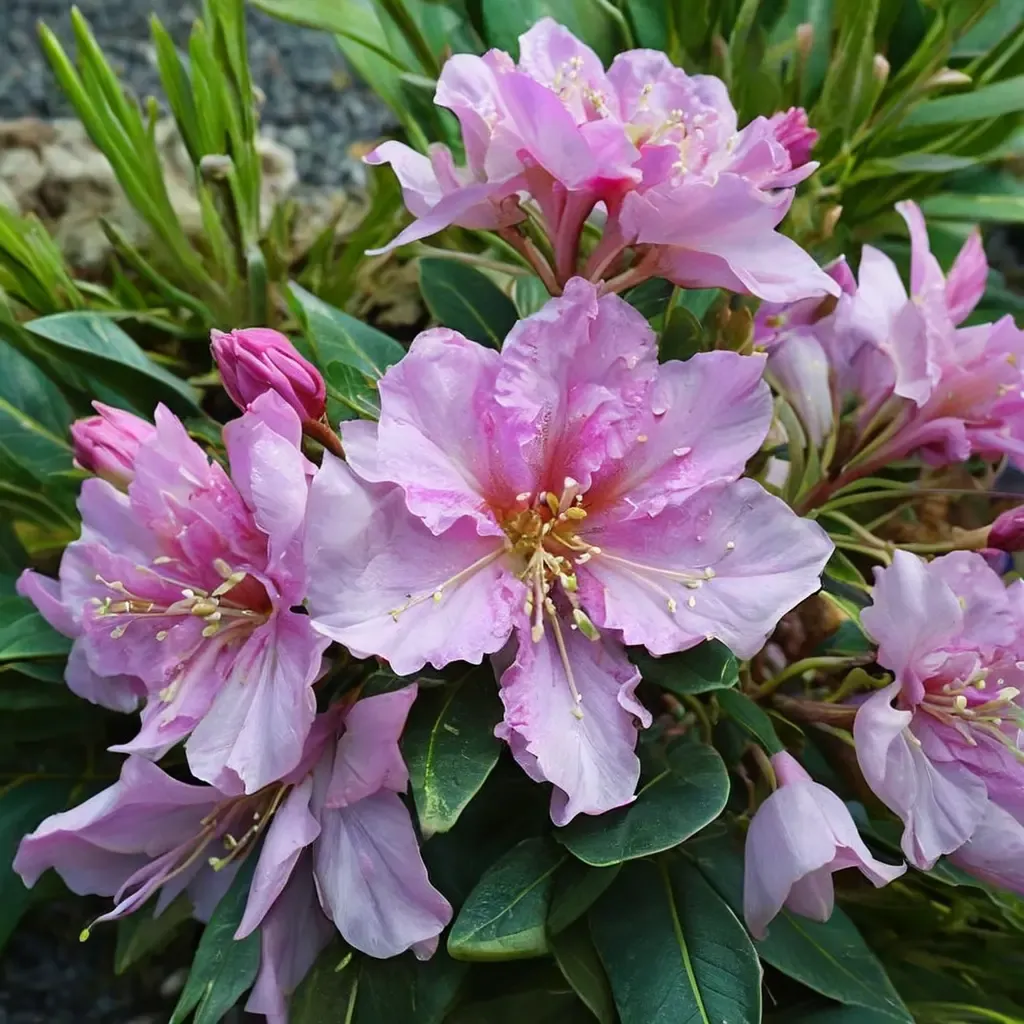
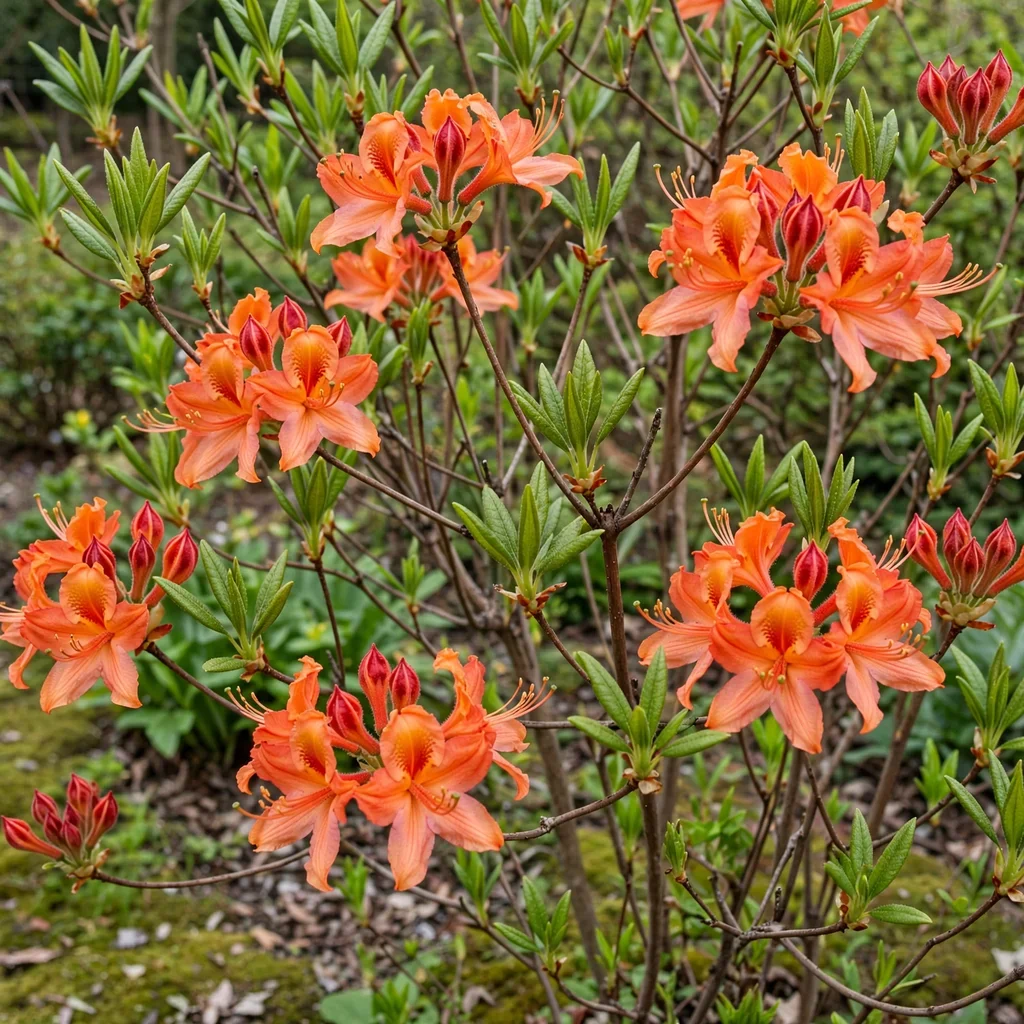
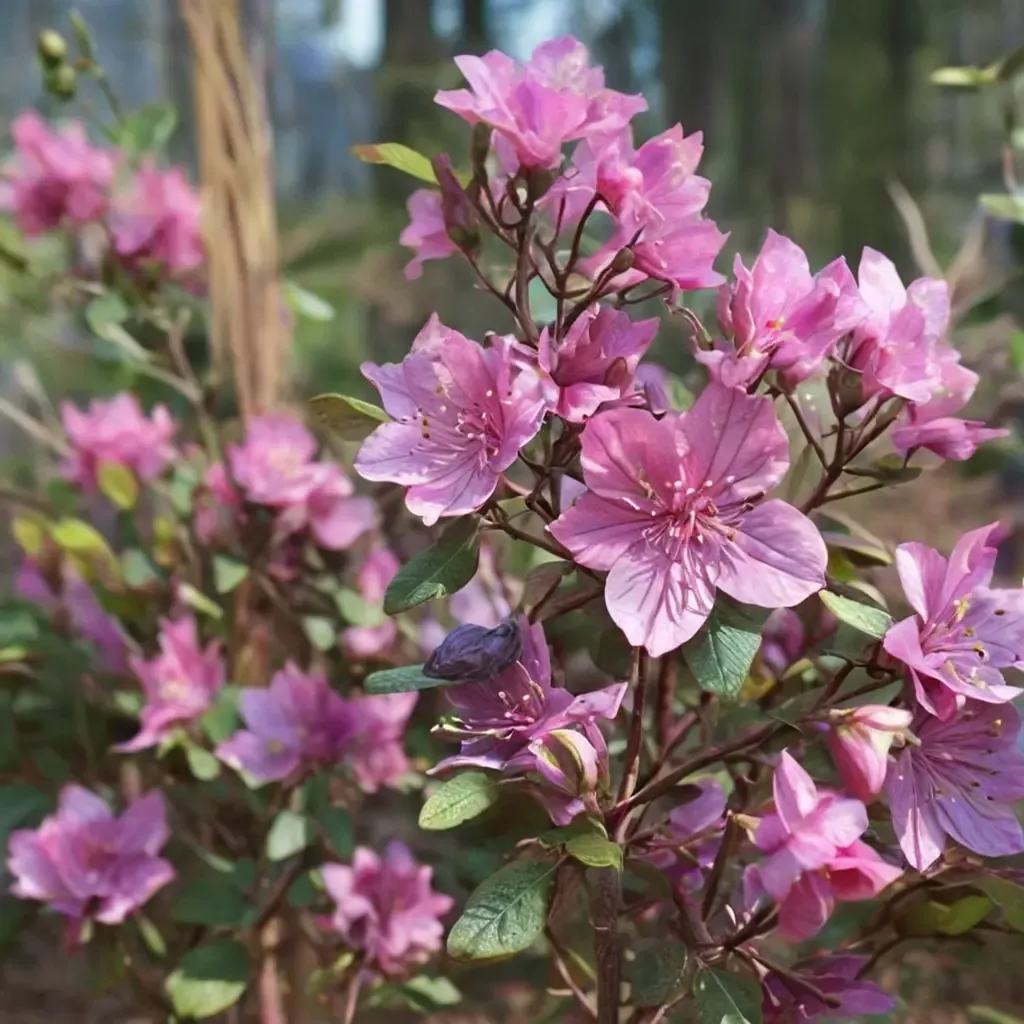
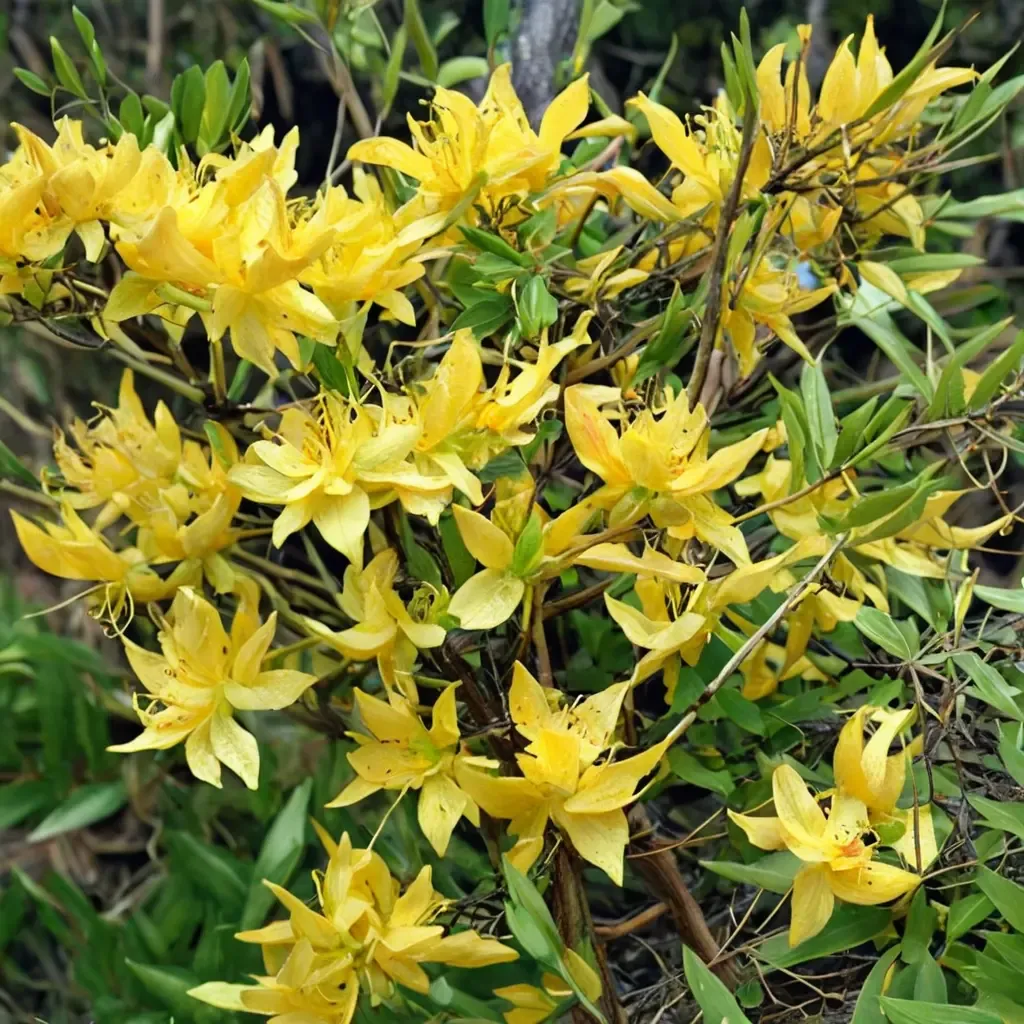
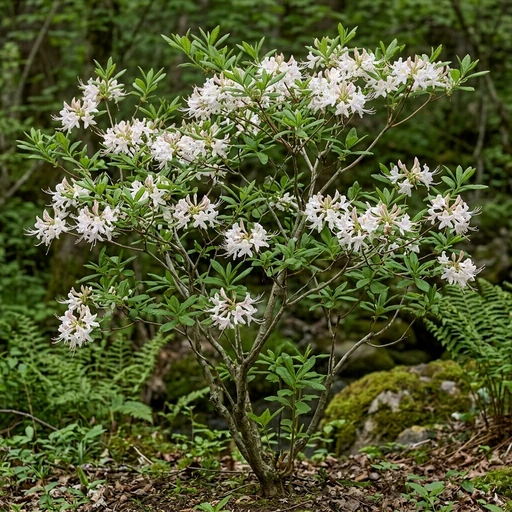
See all 134 Rhododendron varieties →Search this genus →
21 species of Rhododendron
Each one is a parent of the varieties above.
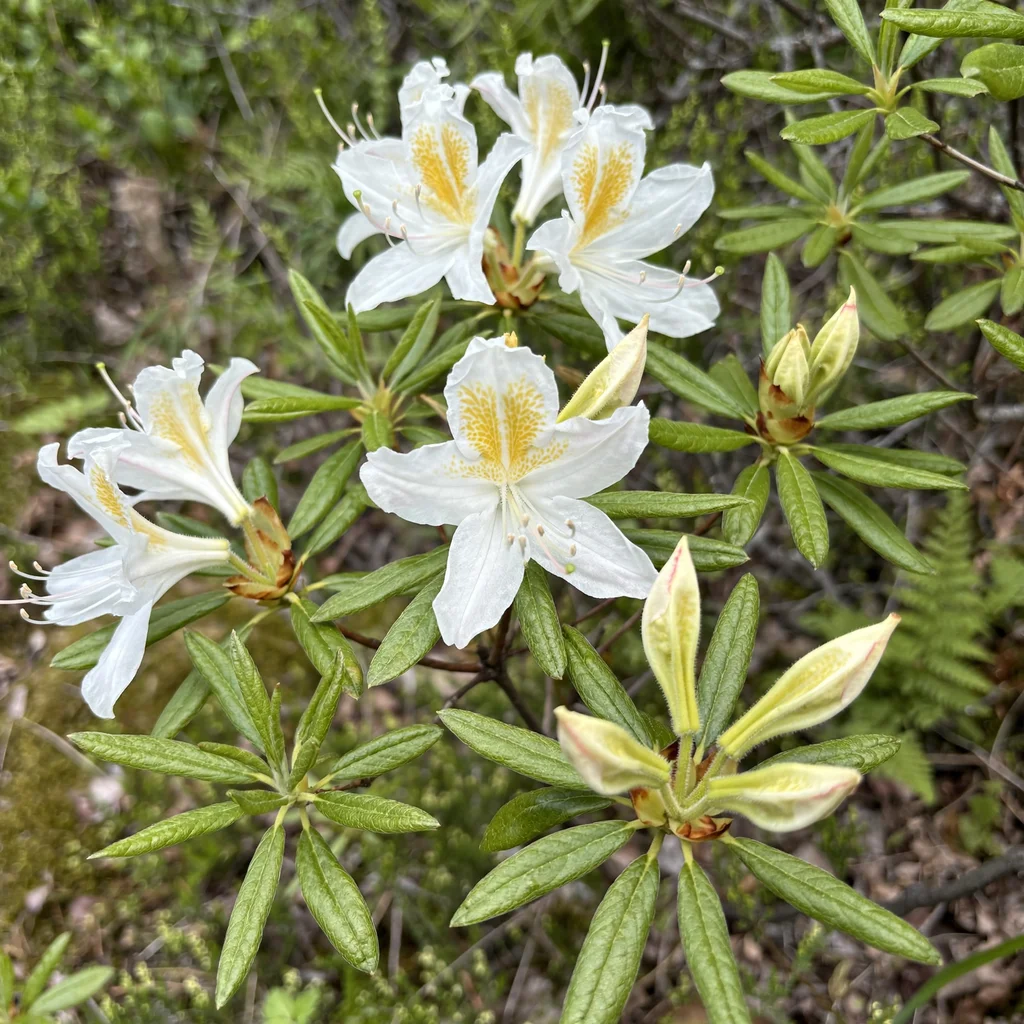
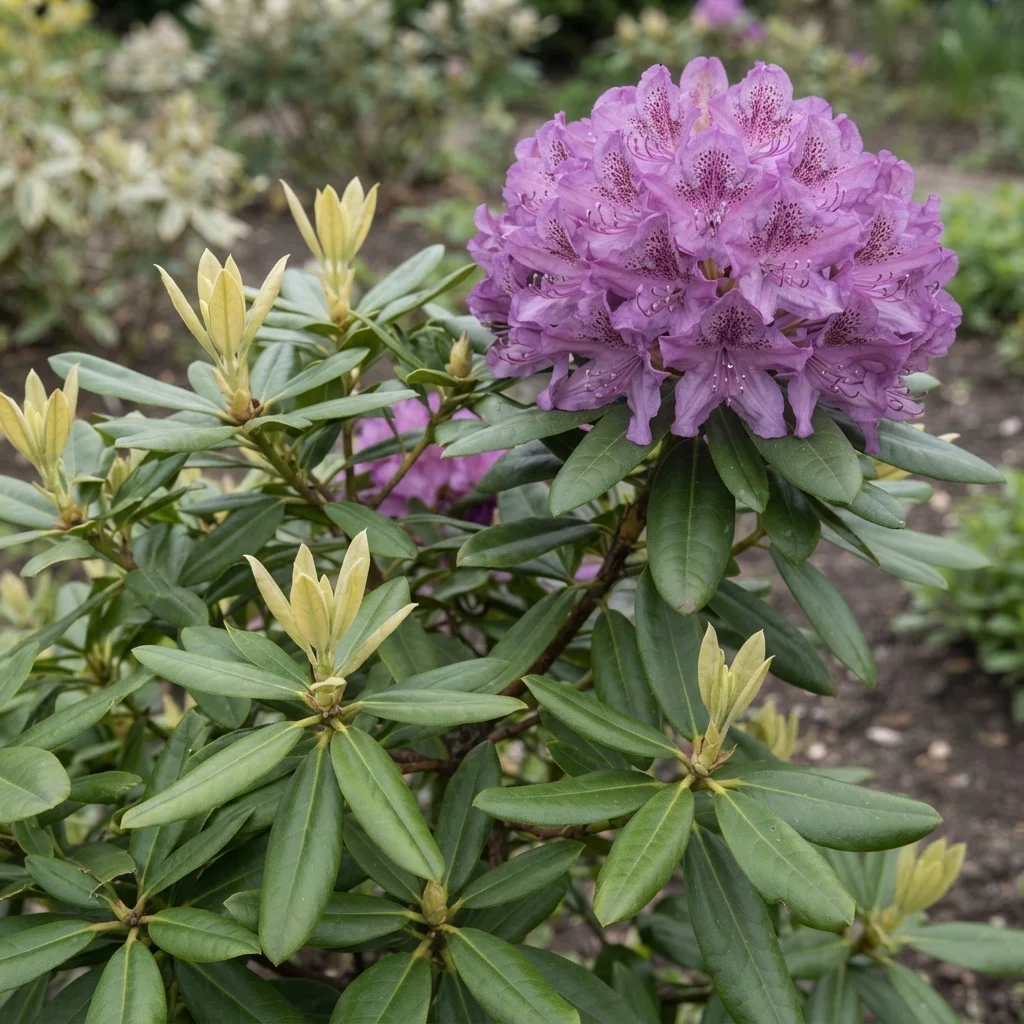
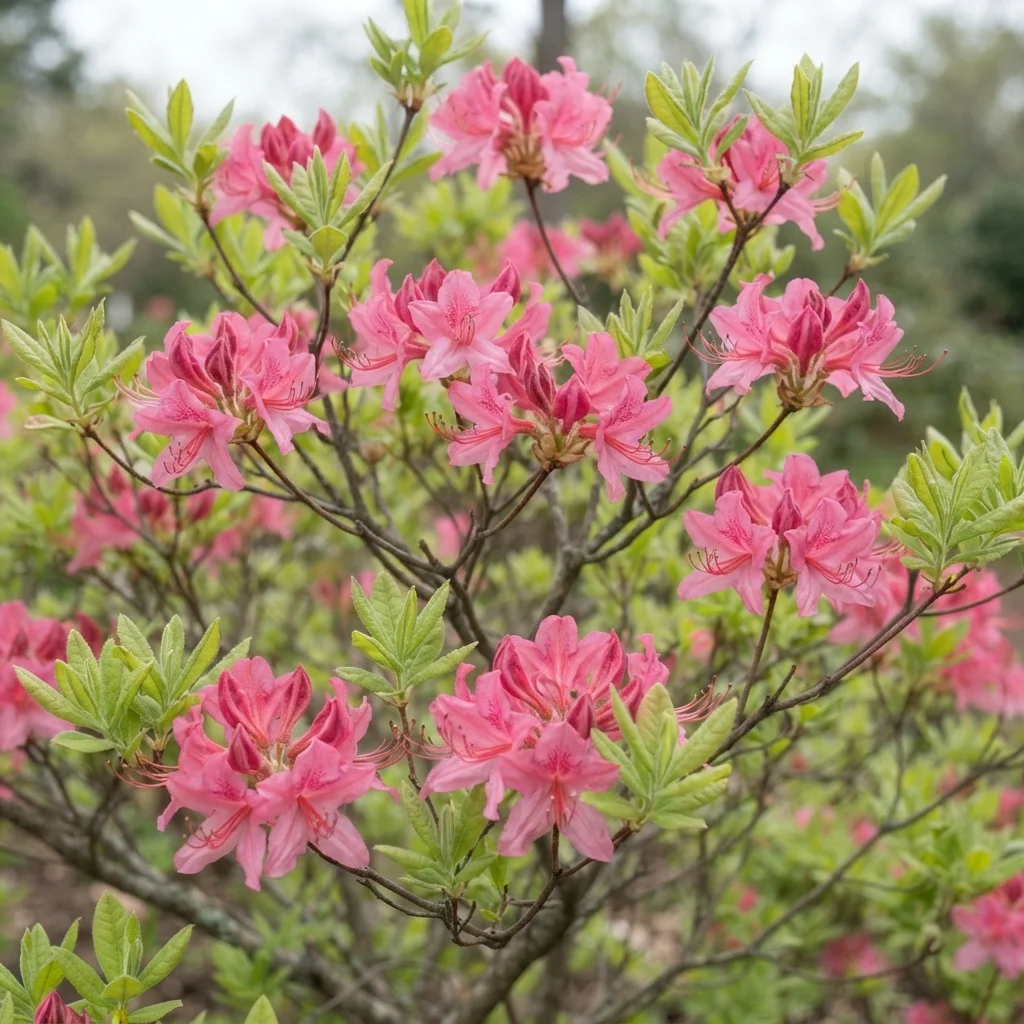
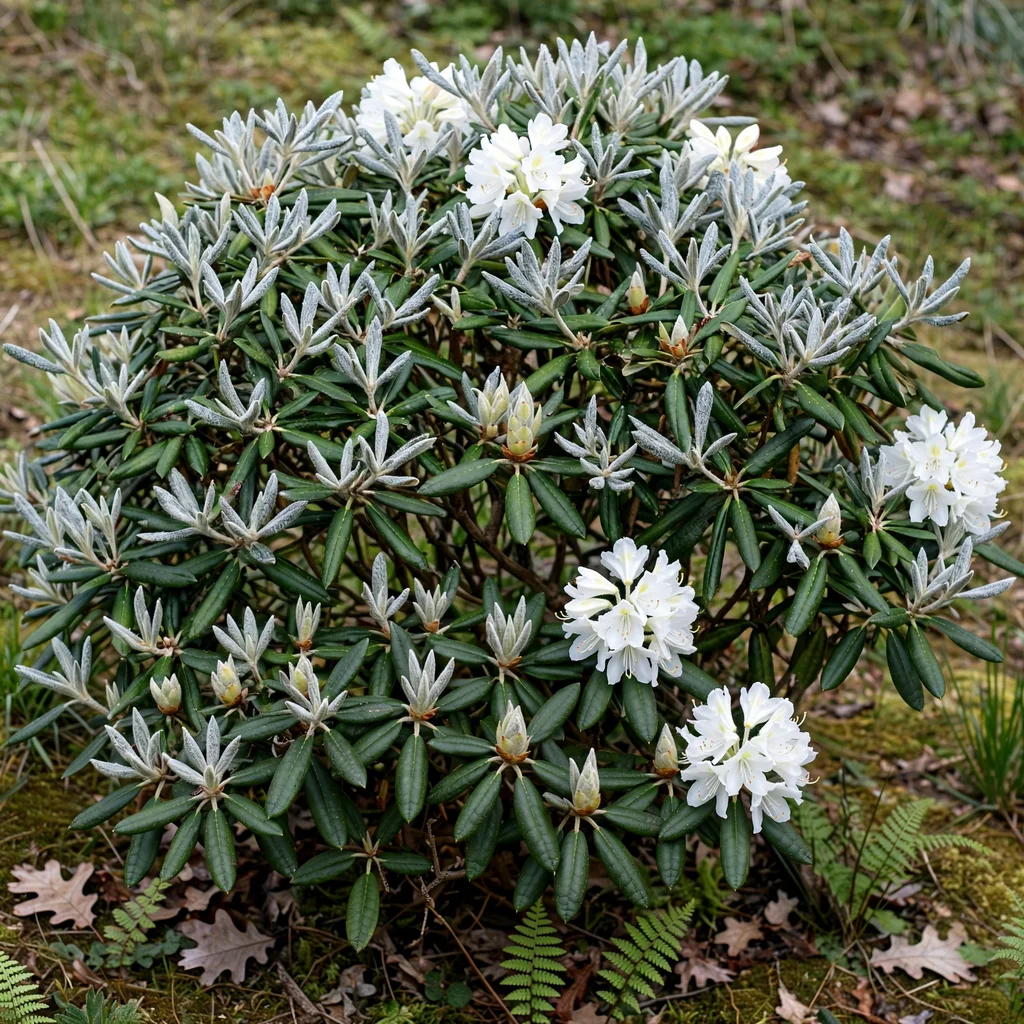
Track your Rhododendron in Sow
Save the Rhododendron you grow and get care reminders timed to your zone.
How to grow Rhododendron
Whats common across all Rhododendron varieties in our catalog — drawn from the care records of the 40 most-grown of them.
The Rhododendron year
- MulchMay and November100% of varieties
Apply 2-3 inches of pine needle or bark mulch to keep roots cool
- PruneJune98% of varieties
Prune immediately after flowering to shape and remove spent wood
- FertilizeMay and June98% of varieties
Use an acid-specific fertilizer in early spring and after bloom
- PlantApril, May, October and November45% of varieties
Plant in well-drained, acidic soil; avoid planting too deep
- Check for PestsJune–August38% of varieties
Watch for lace bugs and spider mites, especially in hot weather


Do
- Water regularly to keep soil moist 🌱
- Water regularly to keep soil moist but not waterlogged 🌱
- Mulch annually to conserve moisture and suppress weeds
- Water consistently to keep soil moist but not waterlogged 🌱
- Prune lightly after flowering to shape the shrub
Avoid
- Do not fertilize with alkaline fertilizers
- Avoid overwatering which can cause root rot ❌
- Avoid overwatering to prevent root rot ❌
- Avoid overwatering, which can cause root rot ❌
What goes wrong with Rhododendron
| Problem | What you'll see | What to do |
|---|---|---|
| Azalea Lace Bug | Upper leaf surfaces become stippled, bleached, or silvery; black varnish-like droppings on undersides. | Encourage beneficial predators. Spray with insecticidal soap or horticultural oil, ensuring good coverage of leaf undersides. |
| Aphids | Sticky residue and distorted leaves | Use insecticidal soap or neem oil |
| Azalea lace bug | White stippling on upper leaf surfaces | Use insecticidal soap or neem oil |
| Spider Mites | Fine webbing on leaves, stippling or bronzing of foliage, especially in hot, dry sites. | Increase humidity with overhead watering. Use insecticidal soap or miticide. |
| Phytophthora Root Rot | Wilting and yellowing leaves, root decay | Ensure well-draining soil and avoid overwatering |
| Phytophthora root rot | Wilting and yellowing leaves | Ensure well-draining soil and avoid overwatering |
| Powdery Mildew | White, powdery patches on leaves. | Improve air circulation. Apply horticultural oil or a targeted fungicide. Many native azaleas have good resistance. |
Making more Rhododendron
Cuttings
- Select healthy semi-hardwood cuttings in late summer.
- Dip cut ends in rooting hormone powder.
- Plant in a pot filled with moist, well-draining medium.
- Mist regularly to maintain humidity.
- Keep in bright, indirect light for 6 weeks until roots form.
Layering
- Choose a low branch and wound slightly at the base.
- Bury the wounded section in moist soil while still attached.
- Secure with a wire or stone.
- Maintain moisture and wait 6-9 months for roots to develop.
- Cut and transplant once established.
Rhododendron questions
How many types of Rhododendron are there?
The Sow catalog tracks 134 distinct Rhododendron varieties. The most popular — ranked by 3.2k real gardeners — are shown first above.
What zones does Rhododendron grow in?
Across its varieties, Rhododendron covers USDA Zones 4–10. Individual varieties differ — each plant page lists its exact range, and Sow filters the catalog to your zone automatically.
When does Rhododendron bloom?
Most Rhododendron varieties bloom in late spring, late spring to early summer, mid-spring. Staggering early, mid, and late varieties extends the genus's season in one bed.
Which Rhododendron should I choose?
Start from the most-saved varieties above — popularity across thousands of gardens is a strong signal of reliability — then filter by your zone and sun. In the Sow app you can preview any of them in a photo of your actual yard before you buy.