
Species
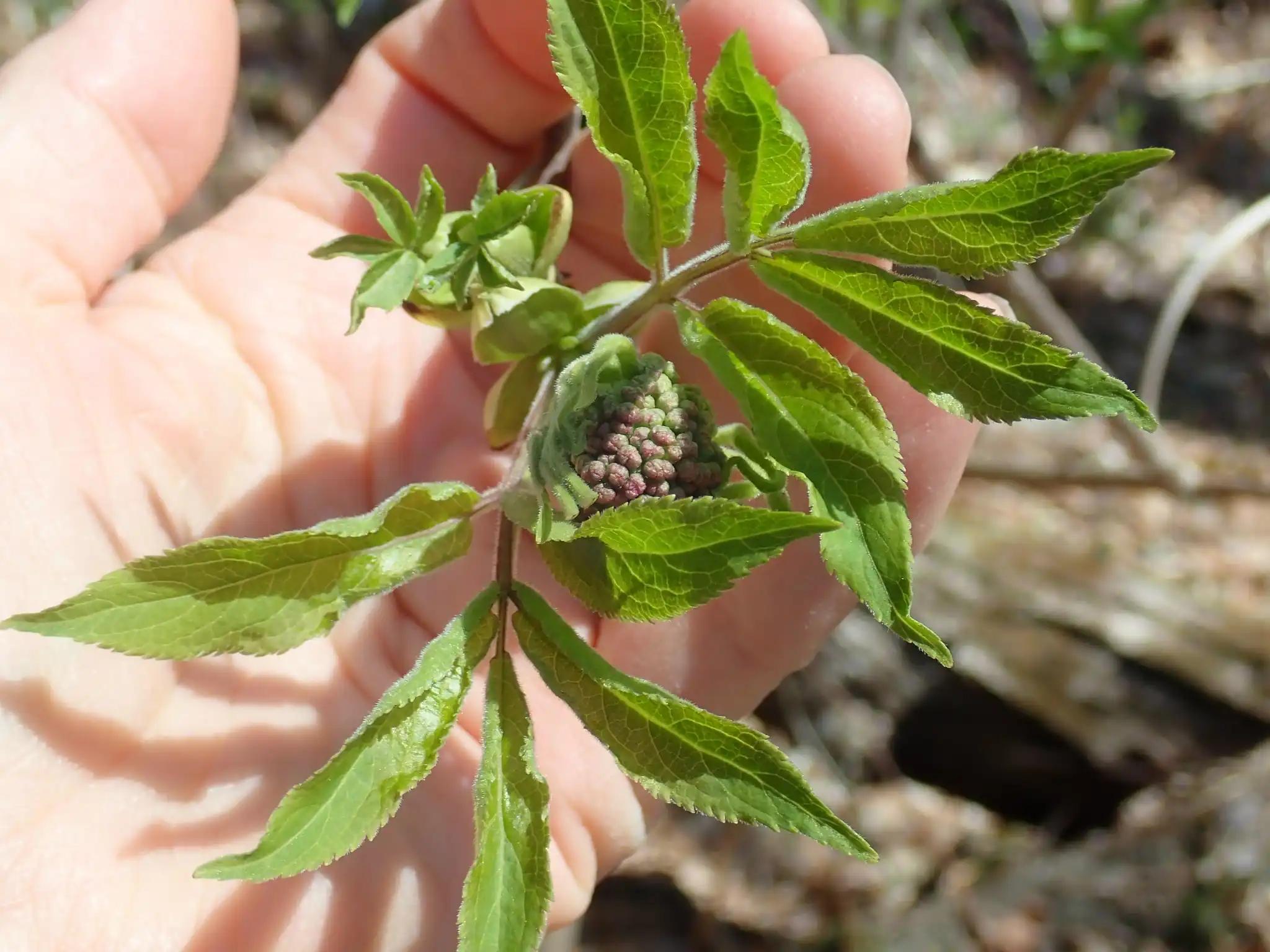 Sambucus racemosaElderberry
The Story
Plant Bio
Sambucus racemosa, or Red Elderberry, is a deciduous shrub native to Europe, Asia, and North America, known for its pinnately compound leaves and clusters of spring flowers followed by red berries.
Lemony Lace is a stunning cultivar featuring finely dissected, bright golden-chartreuse foliage that emerges with red tints. It produces white flower clusters in spring, which can lead to red berries in summer, providing a dramatic color and texture contrast.
Uses & Benefits:
Essentials
At a Glance
Plant Type
Shrub
Height
60"
Width
60"
Light
Full Sun, Partial Sun
Zones
4, 5, 6, 7
Water
Moderate
Humidity
Adaptable
Lifespan
Medium-lived deciduous shrub
Native To
Species is native to North America
Toxicity
All parts except cooked berries are toxic
Bloom period
Mid-spring – Late spring
In flower about 2 months of the year
Marketplace
Where to Buy
Shipping costs Year-round shipping Free shipping
Planting
How to Grow
- Select a site with moist, well-drained soil.
- Full sun provides the best color, but afternoon shade is beneficial.
- Dig a hole twice as wide as the container.
- Plant at the same depth it was growing in the pot.
- Backfill with soil and water in well.
- Mulch to keep the root zone cool and moist.
Pro Tip
For the best foliage color, provide at least six hours of sun, but offer some afternoon shade in hot climates to prevent leaf scorch.
Keep It Thriving
Care Guide
Do
- Keep soil consistently moist but not waterlogged.
- Prune immediately after flowering, as it blooms on old wood.
- Provide good air circulation to prevent fungal diseases.
Don't
- Do not let the soil dry out completely, which can cause stress and leaf drop.
- Avoid planting in heavy, poorly drained clay soil.
- Do not prune in late fall or winter, as this will remove flower buds.
Seasonal Care Calendar
| Task | Jan | Feb | Mar | Apr | May | Jun | Jul | Aug | Sep | Oct | Nov | Dec |
|---|---|---|---|---|---|---|---|---|---|---|---|---|
| Fertilize | ||||||||||||
| Pest Check | ||||||||||||
| Prune |
Watch Out For
Pests & Diseases
Common Pests
Common Diseases
In the Garden
Landscape Uses & Companions
Landscape Uses
Companion Plants
Multiply
Propagation Methods
Good to Know
Common Questions
Lemony Lace Elderberry questions
What zones can Lemony Lace Elderberry grow in?
Lemony Lace Elderberry is hardy in USDA Zones 4–7. Inside that range it survives winter in the ground; outside it, grow it as an annual or a container plant you protect.
Is Lemony Lace Elderberry deer resistant?
Yes — Lemony Lace Elderberry is rated deer-resistant. Deer typically pass it over, though extreme hunger can override any plant's defenses.
When does Lemony Lace Elderberry bloom?
Lemony Lace Elderberry typically blooms in mid-spring through late spring. Exact timing shifts a week or two with your zone — Sow's bloom calendar maps it to your garden.
Does Lemony Lace Elderberry need full sun?
Lemony Lace Elderberry does best in full sun to part shade. In hot climates, afternoon shade keeps blooms fresher longer.
More Sambucus to compare
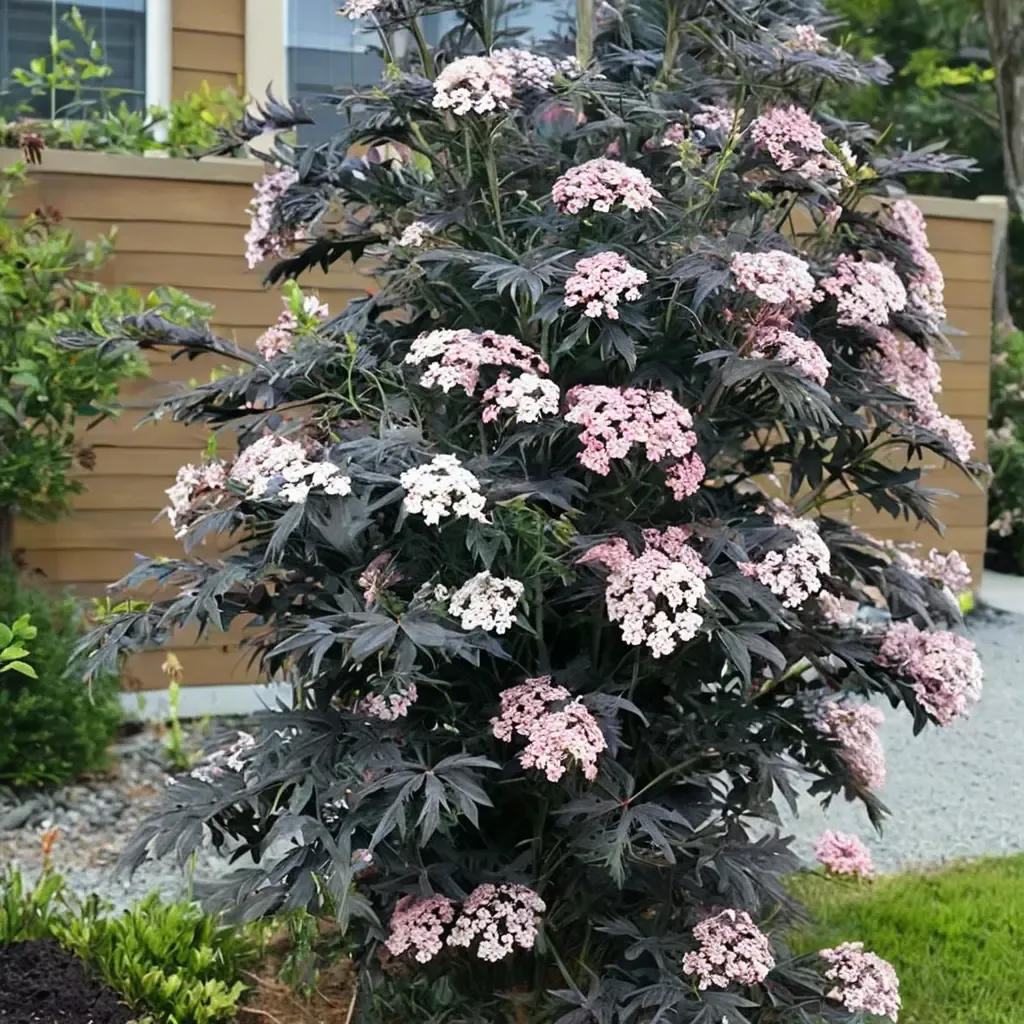
Black Lace Elderberry
Sambucus nigra 'Black Lace'
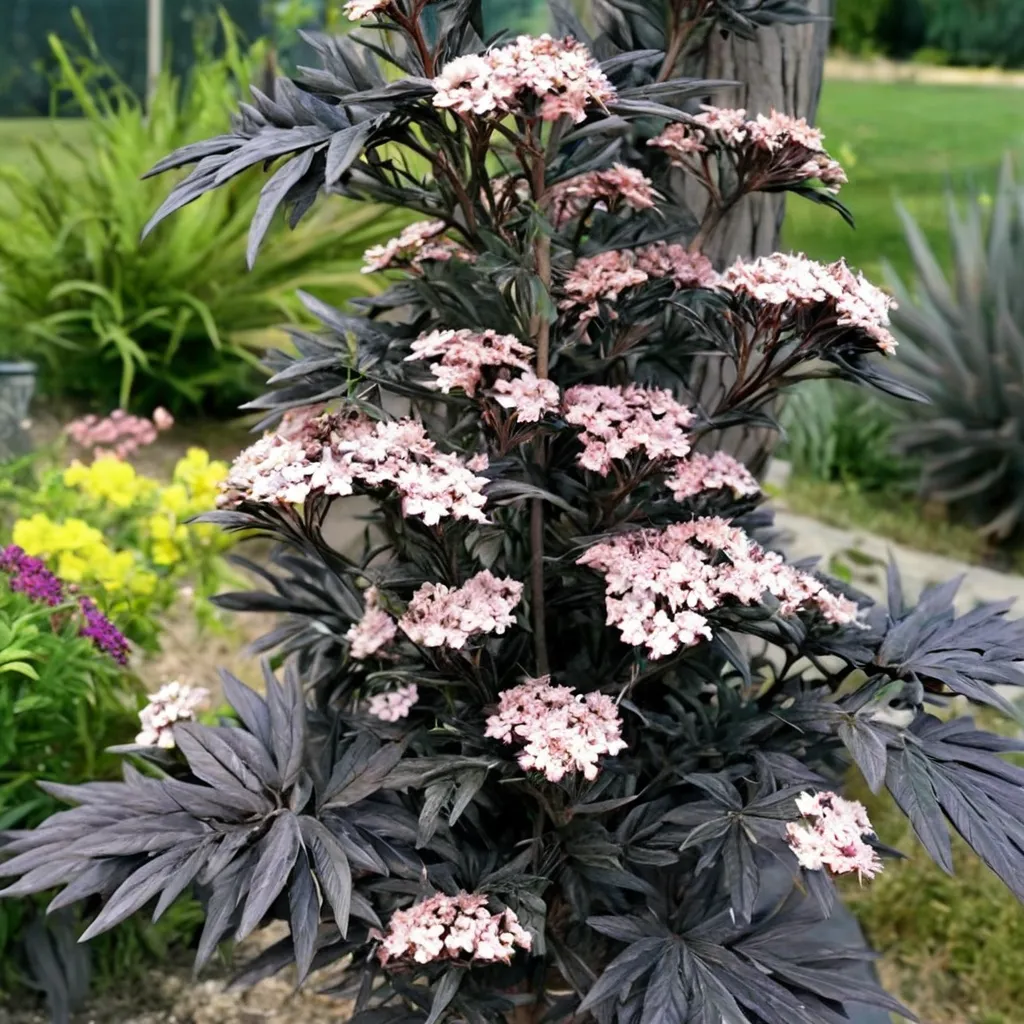
Laced Up Elderberry
Sambucus nigra 'Laced Up'
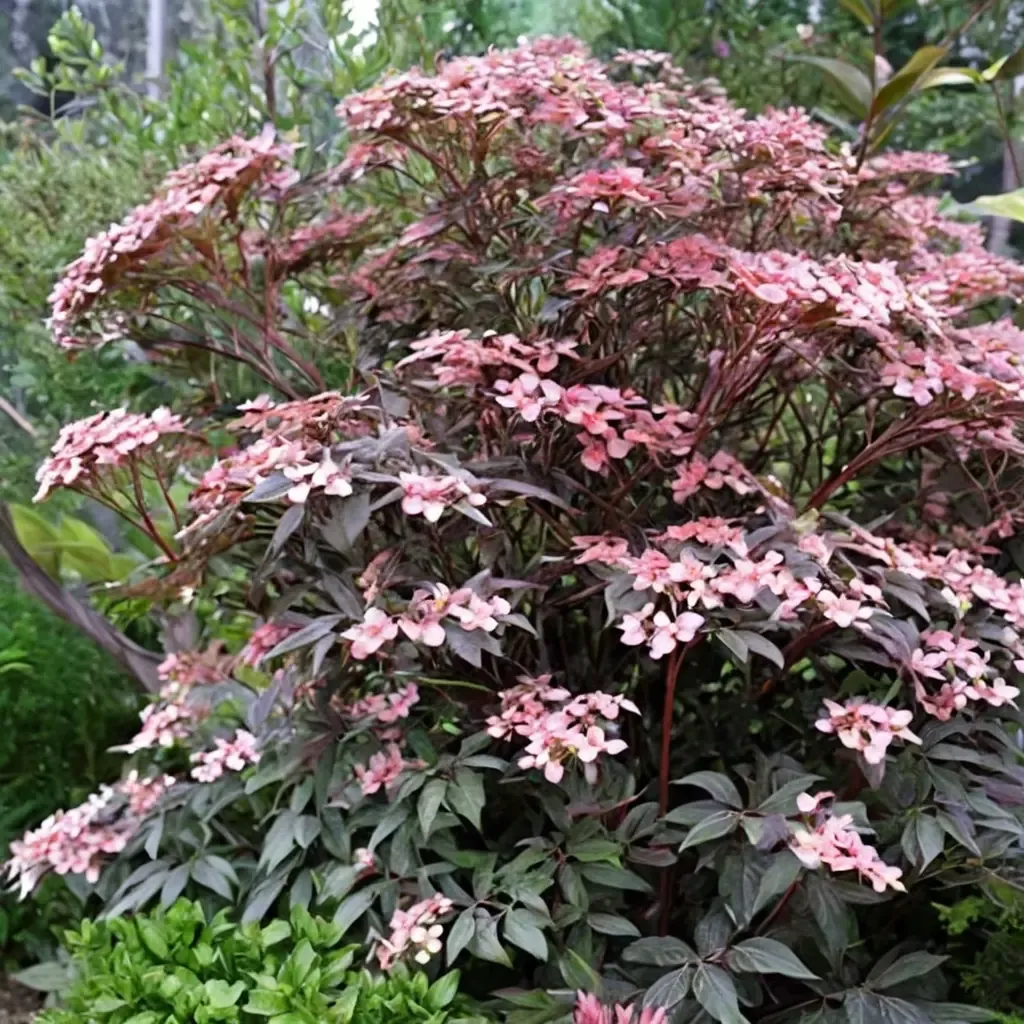
Thundercloud Elderberry
Sambucus nigra 'Thundercloud'
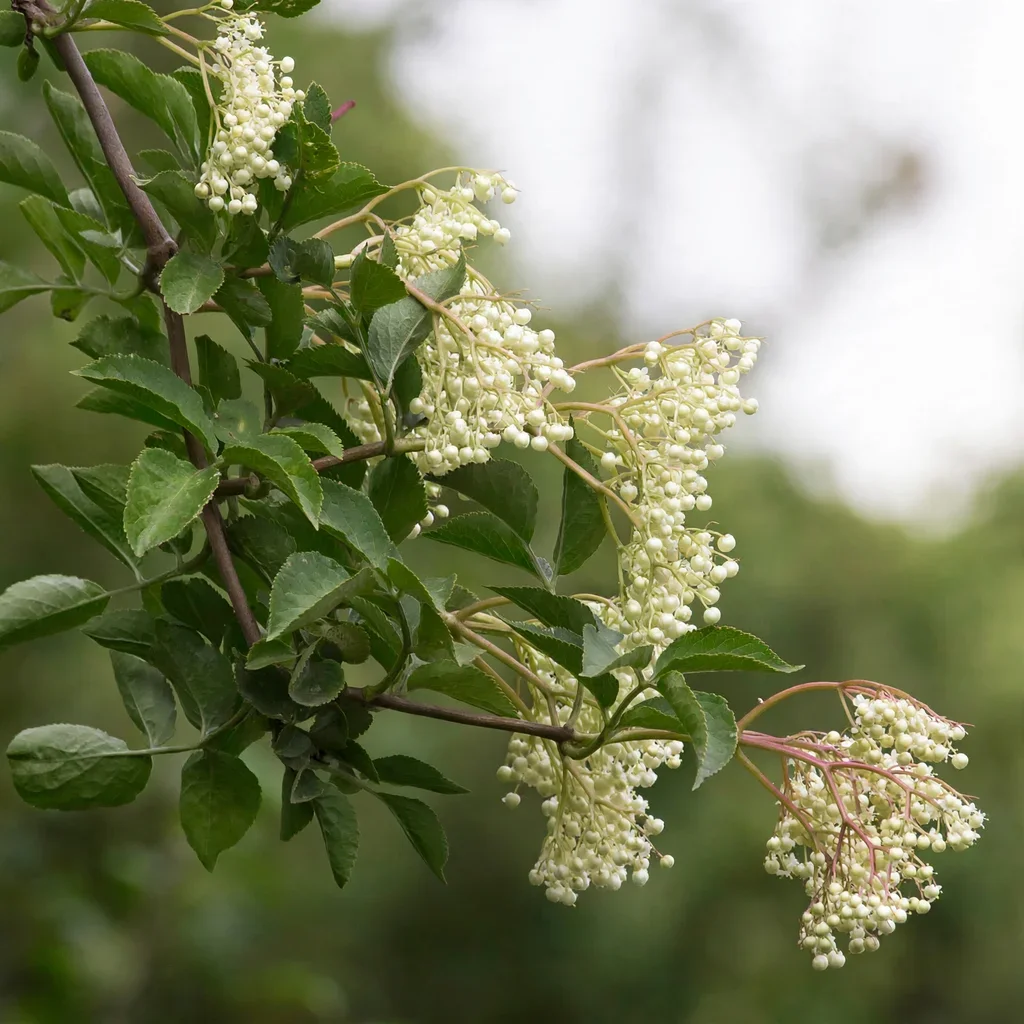
Korsor Black Elderberry
Sambucus nigra 'Korsor'
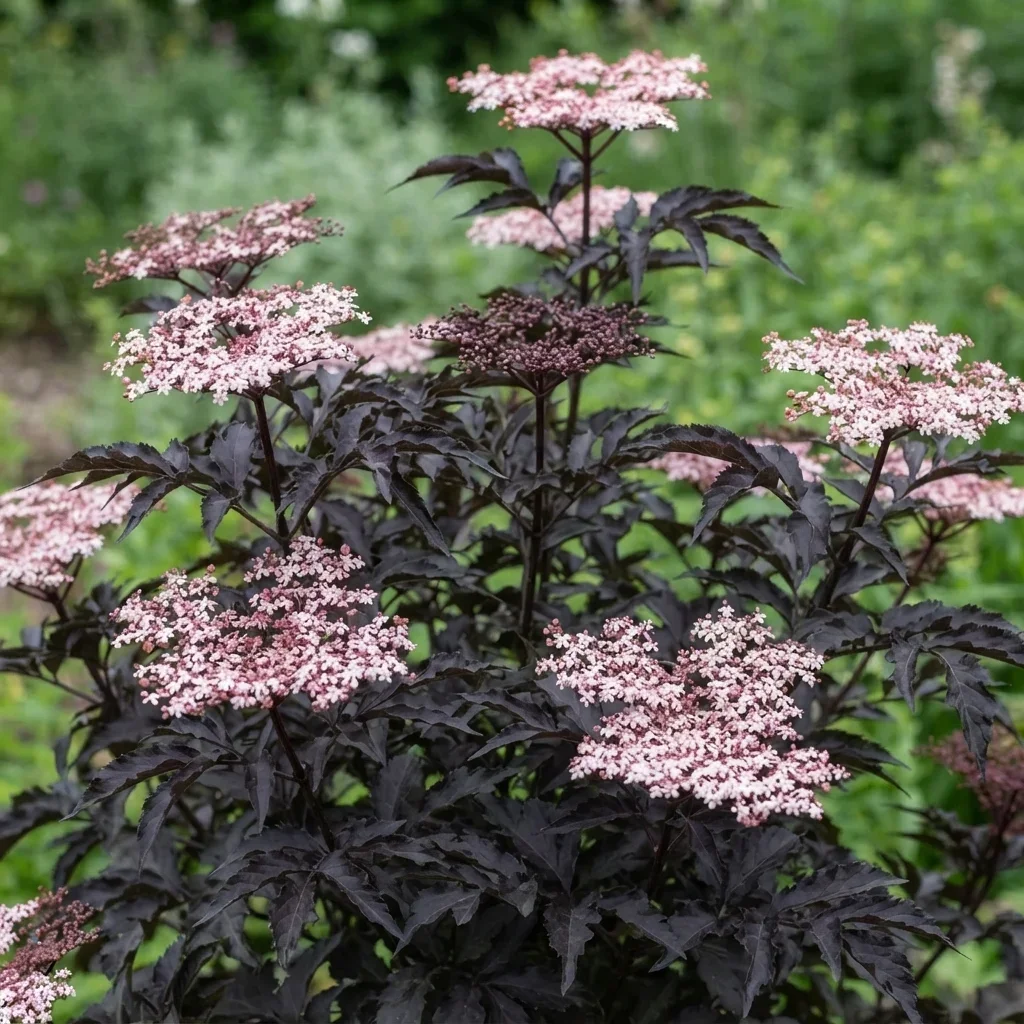
Black Tower Elderberry
Sambucus nigra 'Black Tower'
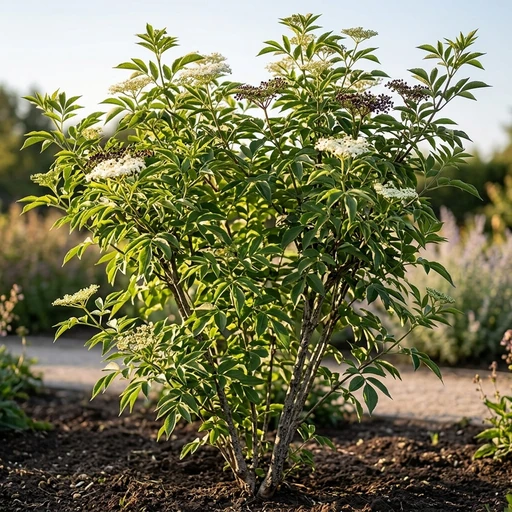
American Elderberry
Sambucus canadensis
Keep exploring
Explore the genus
Hardy in your zone?
Grow Lemony Lace Elderberry with confidence
See it in a design of your actual yard, get zone-matched care reminders, and track it season by season in your garden journal.