Also known as Mountain Ash · 115 saves
Sorbus
Sorbus, the genus most gardeners know as mountain ash. We track 4 varieties; the ones most used by real gardeners.
The 4 most-saved Sorbus varieties
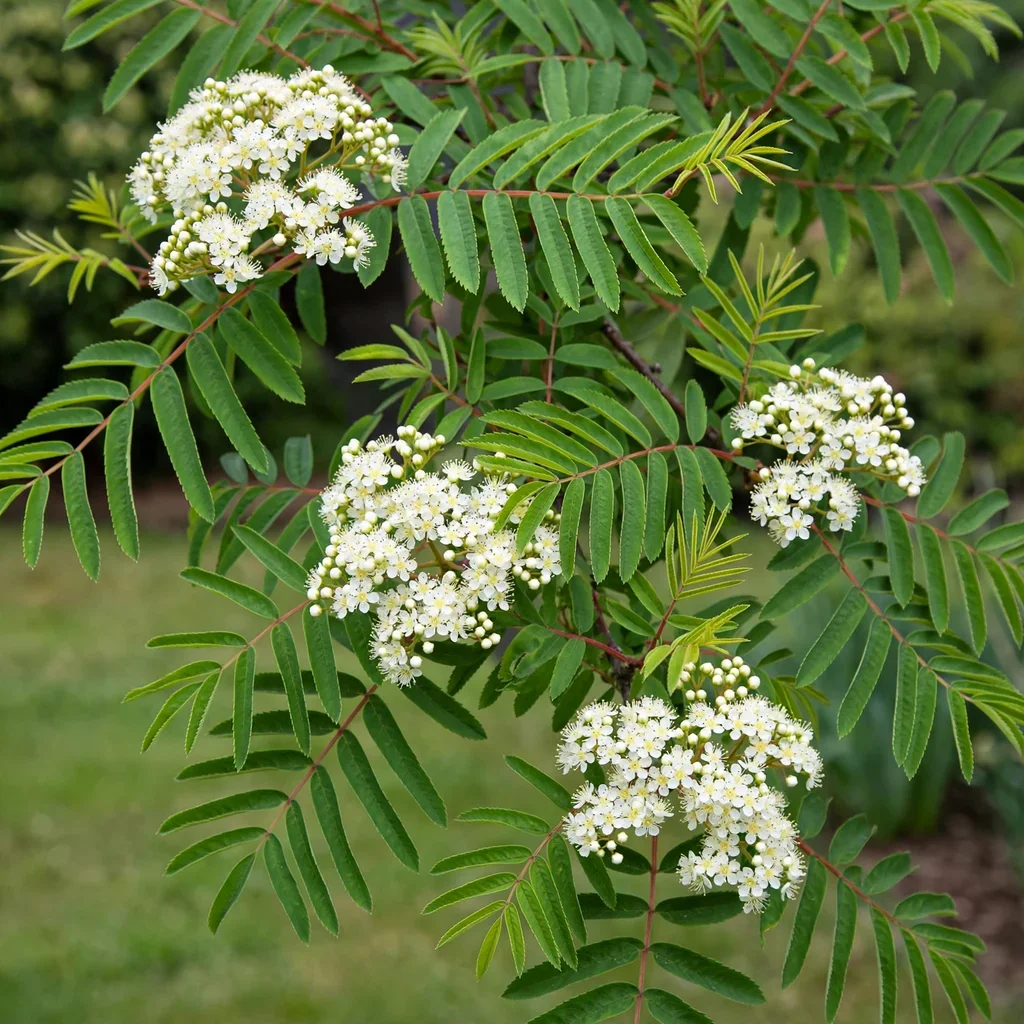
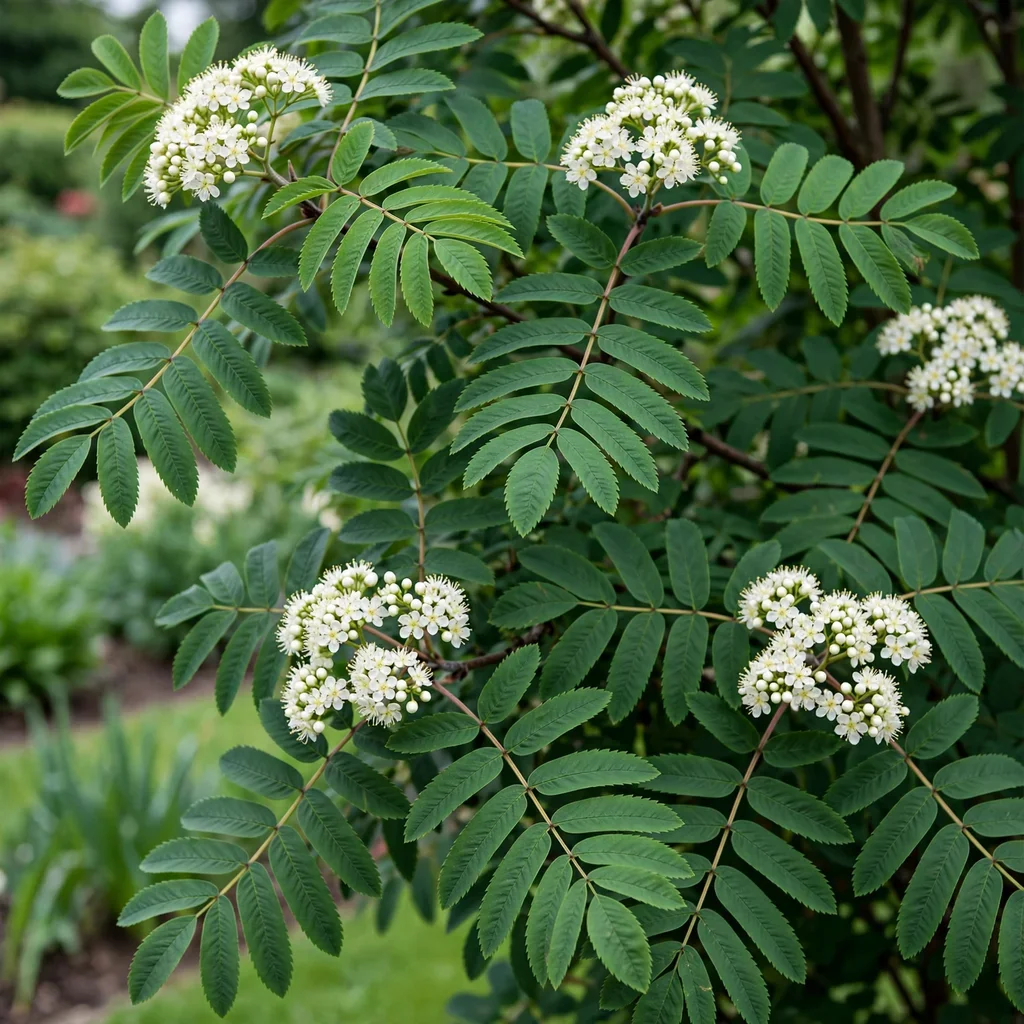
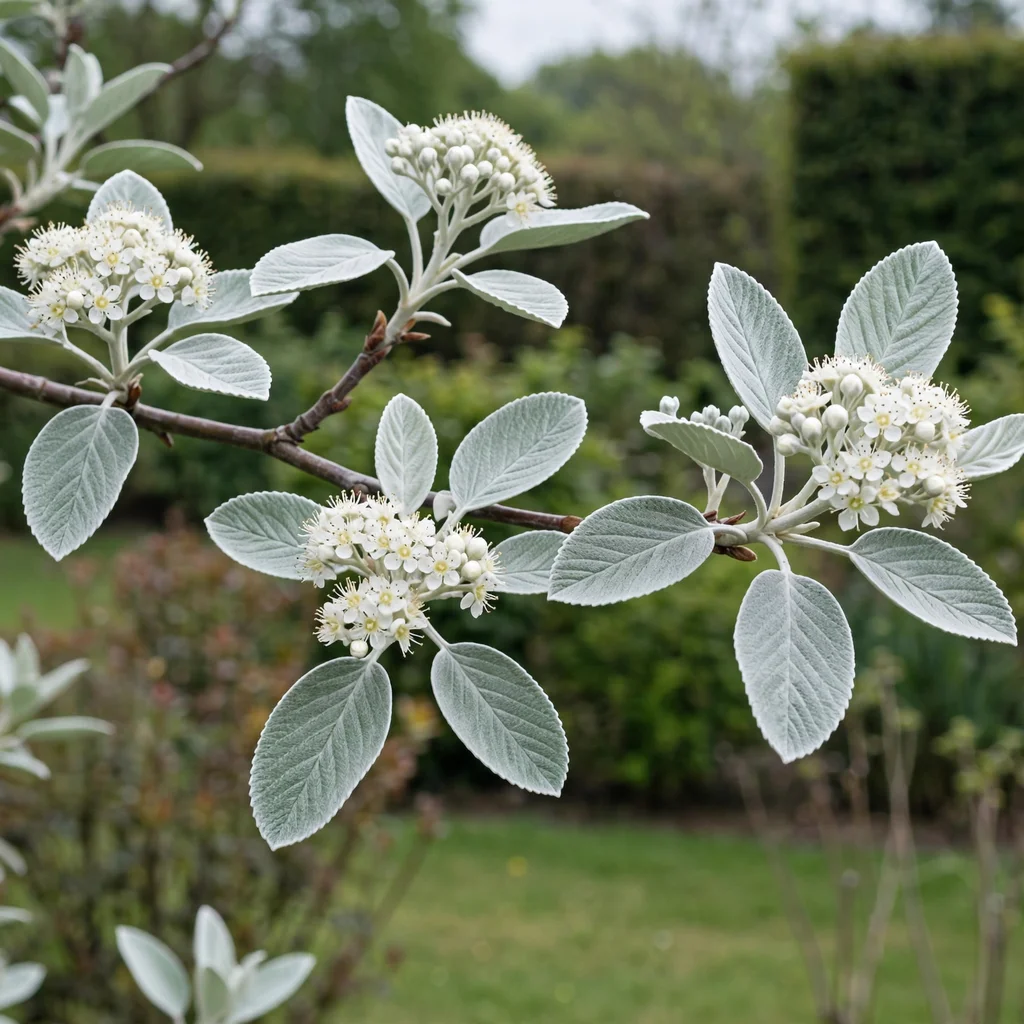
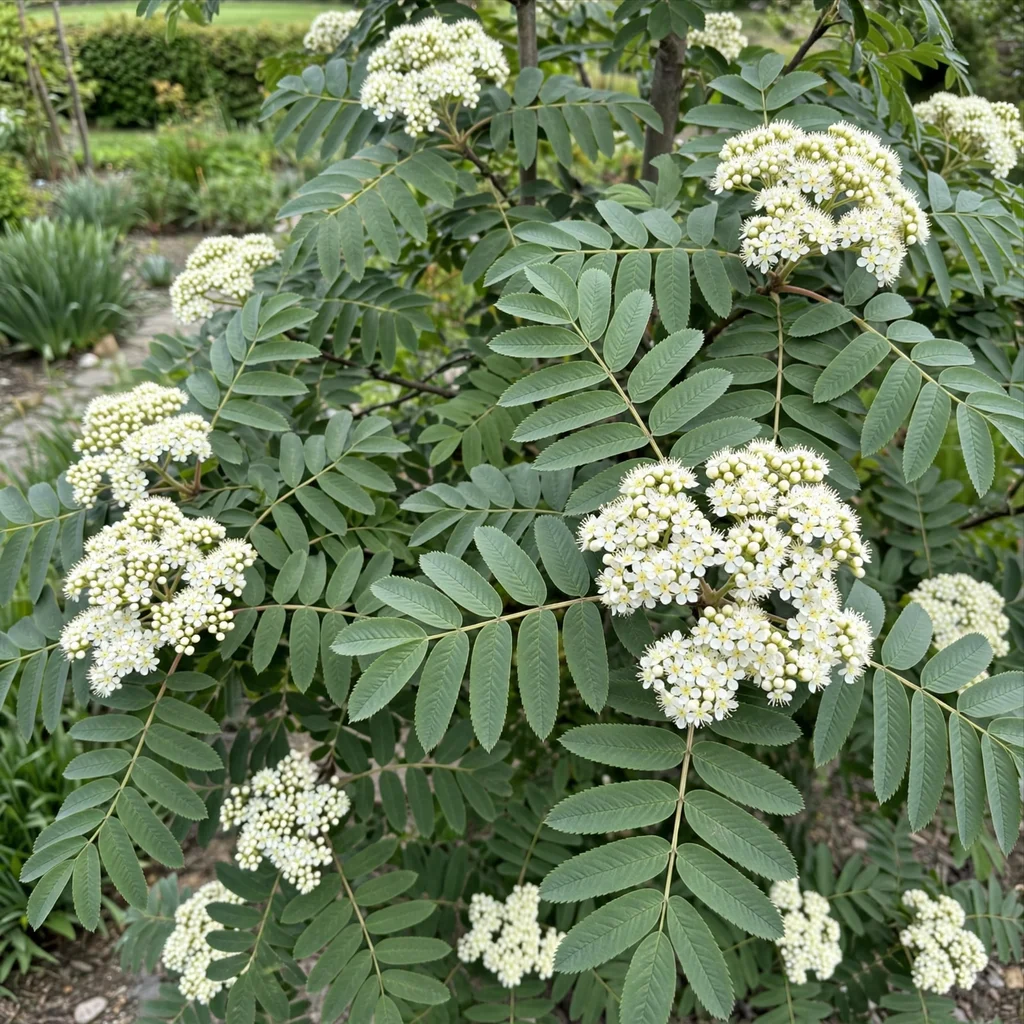
Species of Sorbus
Each one is a parent of the varieties above.
Track your Sorbus in Sow
Save the Sorbus you grow and get care reminders timed to your zone.
How to grow Sorbus
Whats common across all Sorbus varieties in our catalog — drawn from the care records of the 4 most-grown of them.
The Sorbus year
- PruneFebruary and March100% of varieties
Remove damaged, diseased, or crossing branches during winter dormancy.
- Check for PestsMay–July100% of varieties
Inspect the trunk and branches for signs of borers, aphids, and scale insects.
- PlantMarch, April, October and November75% of varieties
Plant bare-root or container-grown trees in spring or fall.
- MulchApril50% of varieties
Apply a fresh layer of organic mulch to conserve moisture and suppress weeds.


Do
- Prune annually to maintain shape
- Water regularly during dry spells while the tree is establishing its root system.
- Mulch annually in spring to retain soil moisture and cool the root zone.
- Apply a balanced general fertilizer in early spring to support vigorous growth.
- Water regularly during dry spells 🌱
Avoid
- Do not plant in heavy, poorly drained clay soils or waterlogged areas.
- Do not prune heavily into old, leafless wood, as this limits regrowth.
- Do not remove lower branches too quickly, which exposes the thin bark to sunscald.
- Overwater to prevent root rot ❌
What goes wrong with Sorbus
| Problem | What you'll see | What to do |
|---|---|---|
| Aphids | Curled leaves, sticky honeydew, and sooty mold on new growth. | Blast with a strong stream of water or apply insecticidal soap if infestations are severe. |
| Borers | Exit holes in the trunk, sawdust-like frass, and dieback in the upper canopy. | Maintain tree vigor through regular watering and avoid mechanical damage to the bark. |
| Sawfly larvae | Defoliation and skeletonized leaves | Handpick larvae or apply Bacillus thuringiensis |
| Codling Moth | Bores into fruit, causing rot | Apply pheromone traps and organic insecticides |
| Fire Blight | Blackened, wilted branches with oozing sap | Prune infected areas and apply copper-based fungicide |
| Fire blight | Branches and leaves suddenly turning black or brown, resembling fire damage, with oozing cankers. | Prune infected branches at least eight inches below visible symptoms, sterilizing tools between cuts. |
| Powdery mildew | White, powdery fungal growth on the surfaces of leaflets. | Ensure good air circulation and avoid overhead watering to keep foliage dry. |
Making more Sorbus
Cuttings
- Take semi-hardwood cuttings in late summer.
- Dip cut ends in rooting hormone.
- Insert into moist potting mix.
- Keep humidity high by covering with plastic.
- Roots develop in 6-8 weeks.
Grafting
- Collect scion wood from 'Sheerwater Seedling' during winter dormancy.
- Select a compatible Sorbus aucuparia seedling rootstock of similar diameter.
- Perform a whip-and-tongue graft, aligning the cambium layers precisely.
- Secure the graft union with grafting tape and seal it to prevent drying.
Sorbus questions
How many types of Sorbus are there?
The Sow catalog tracks 4 distinct Sorbus varieties. The most popular — ranked by 115 real gardeners — are shown first above.
What zones does Sorbus grow in?
Across its varieties, Sorbus covers USDA Zones 4–9. Individual varieties differ — each plant page lists its exact range, and Sow filters the catalog to your zone automatically.
When does Sorbus bloom?
Most Sorbus varieties bloom in late spring, early spring, spring. Staggering early, mid, and late varieties extends the genus's season in one bed.
Which Sorbus should I choose?
Start from the most-saved varieties above — popularity across thousands of gardens is a strong signal of reliability — then filter by your zone and sun. In the Sow app you can preview any of them in a photo of your actual yard before you buy.