Also known as Dropseed · 401 saves
Sporobolus
Sporobolus, the genus most gardeners know as dropseed. We track 7 varieties; the ones most used by real gardeners.
The 7 most-saved Sporobolus varieties
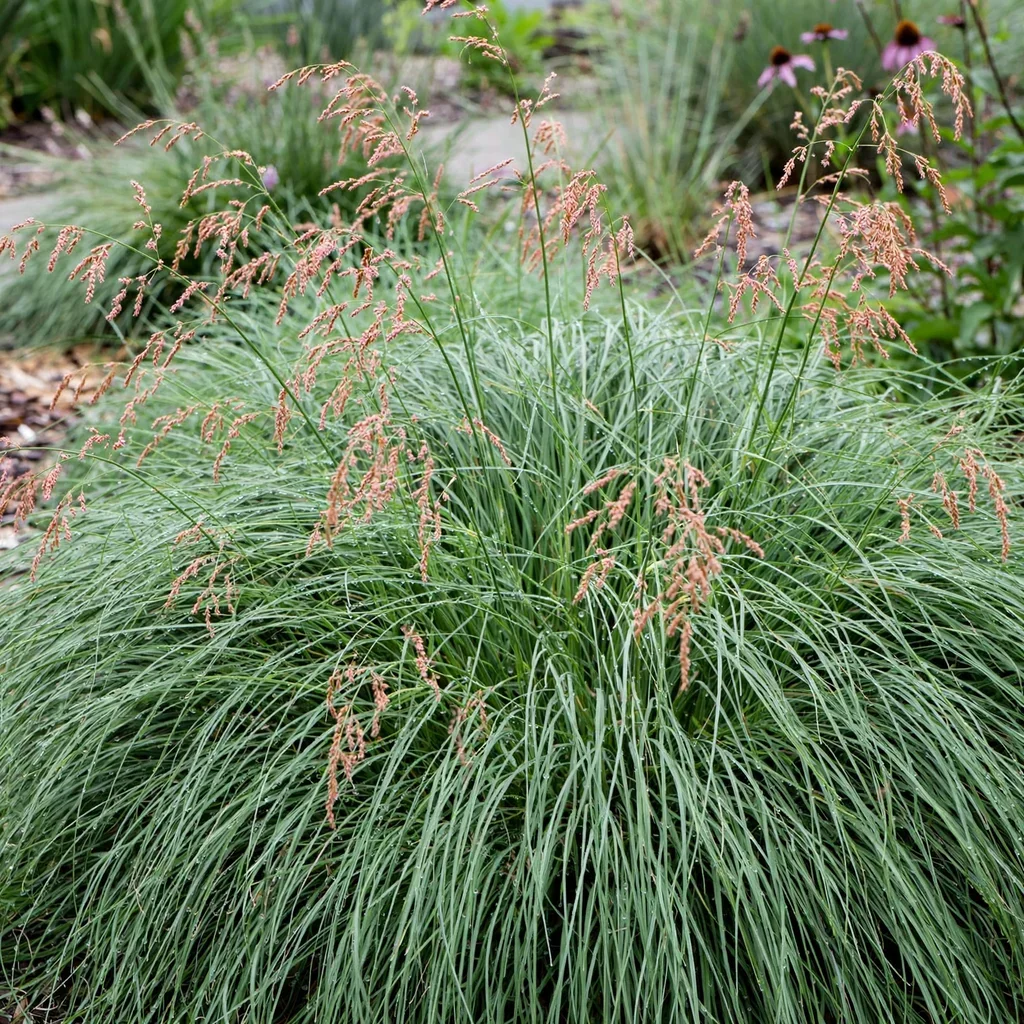
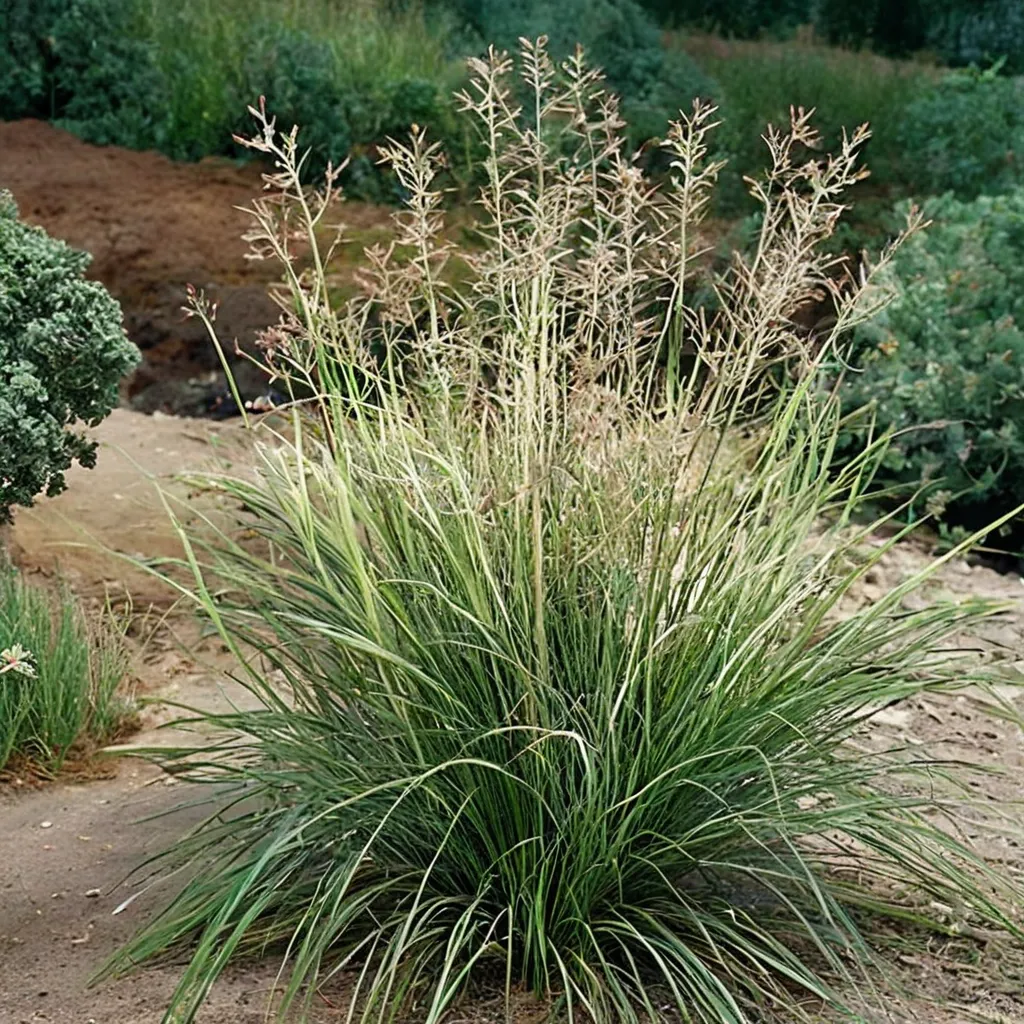
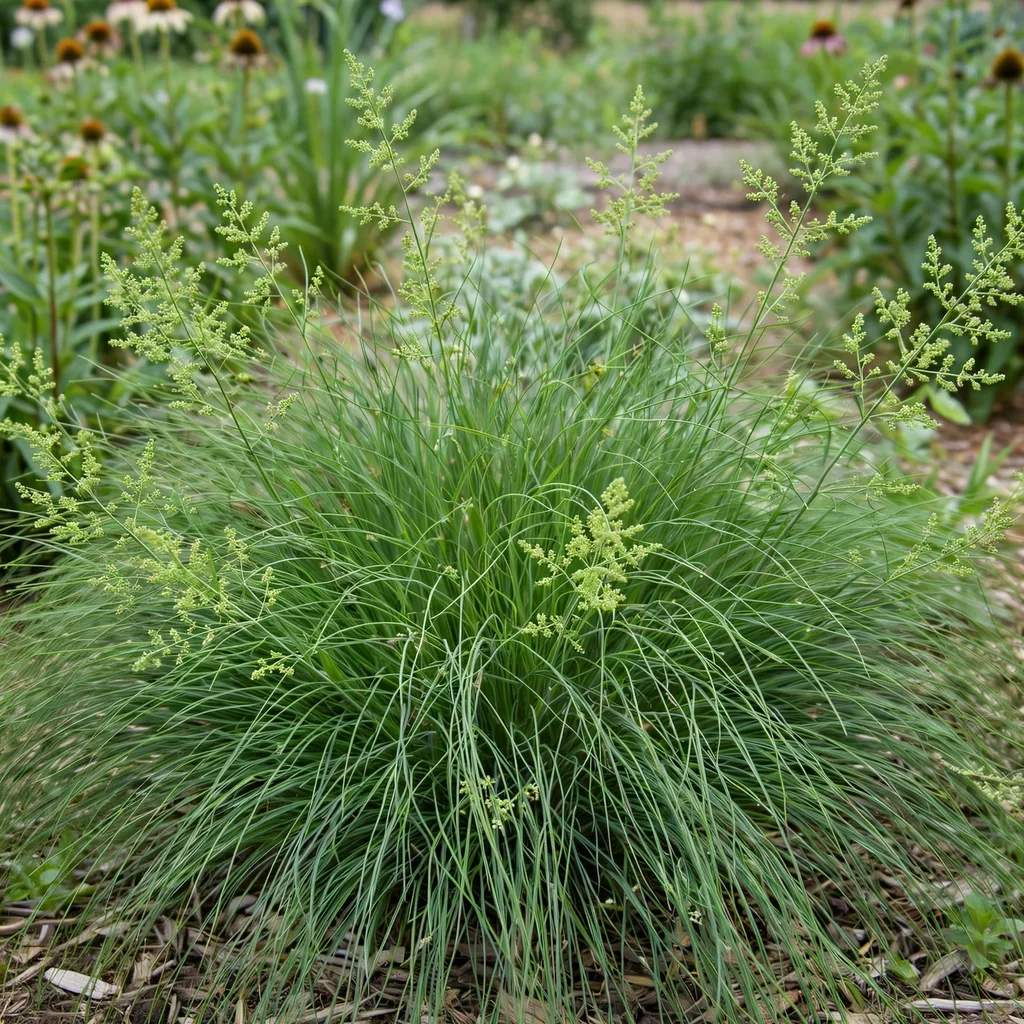
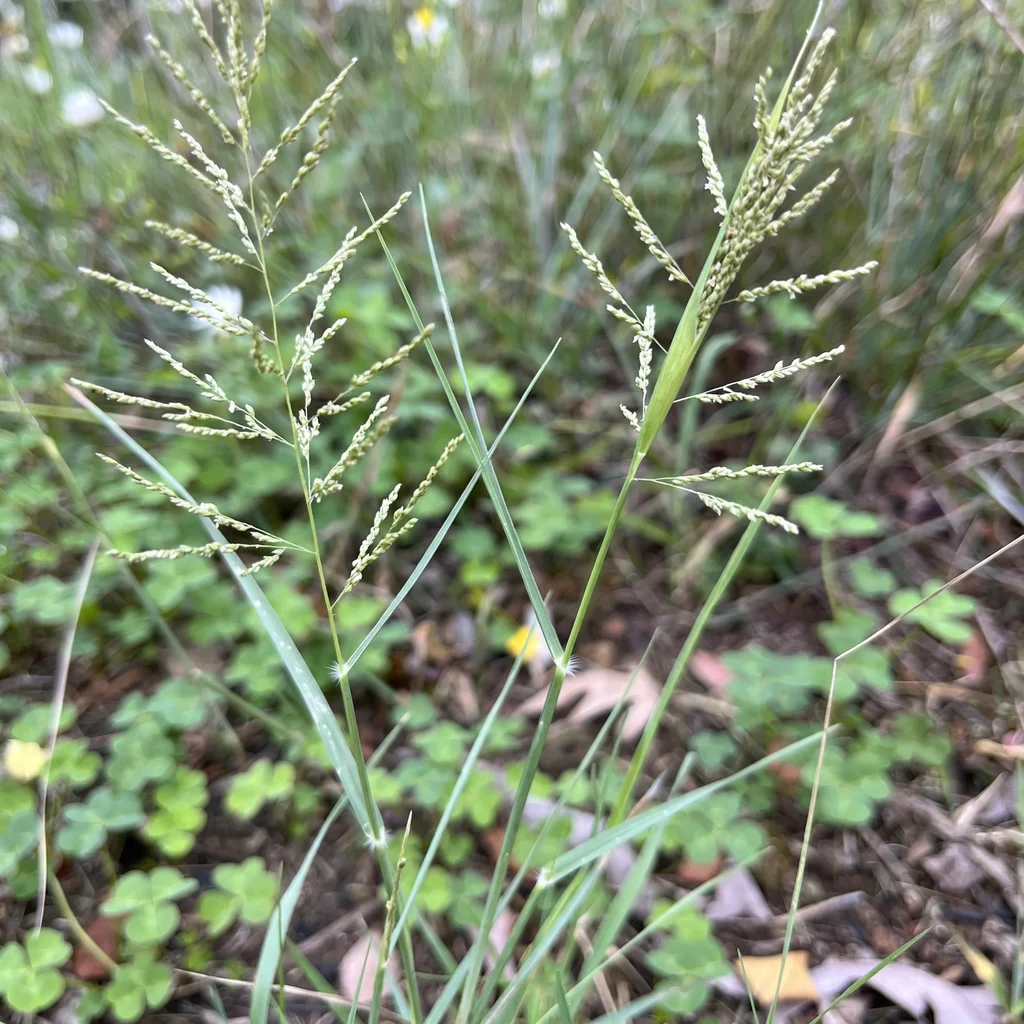
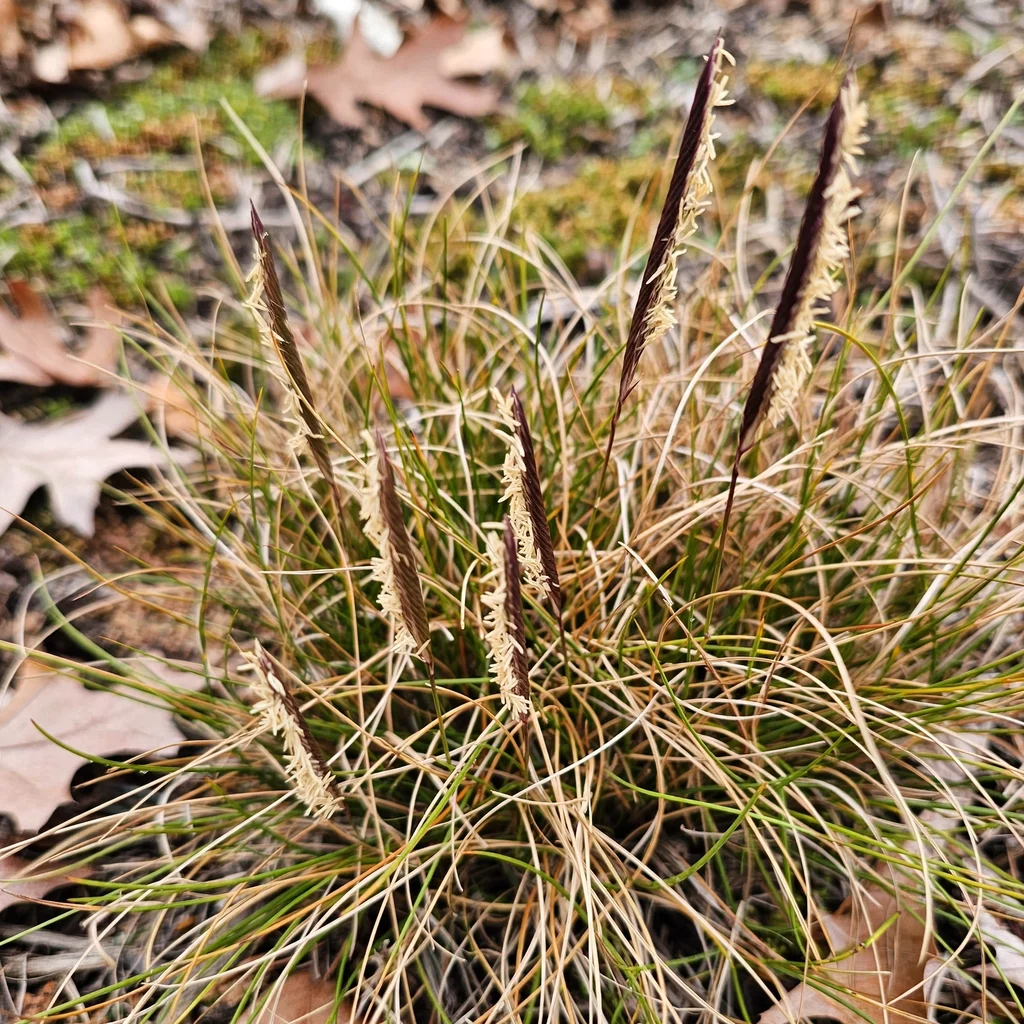
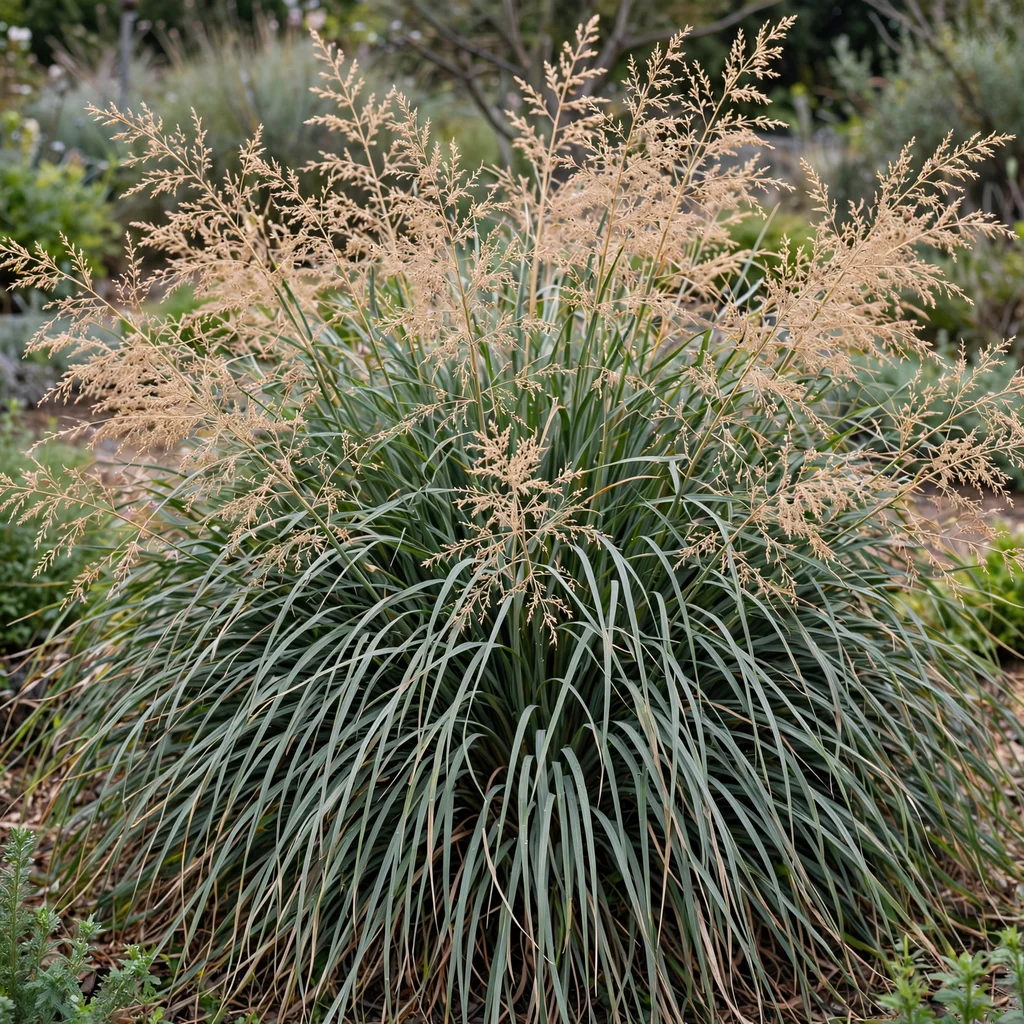
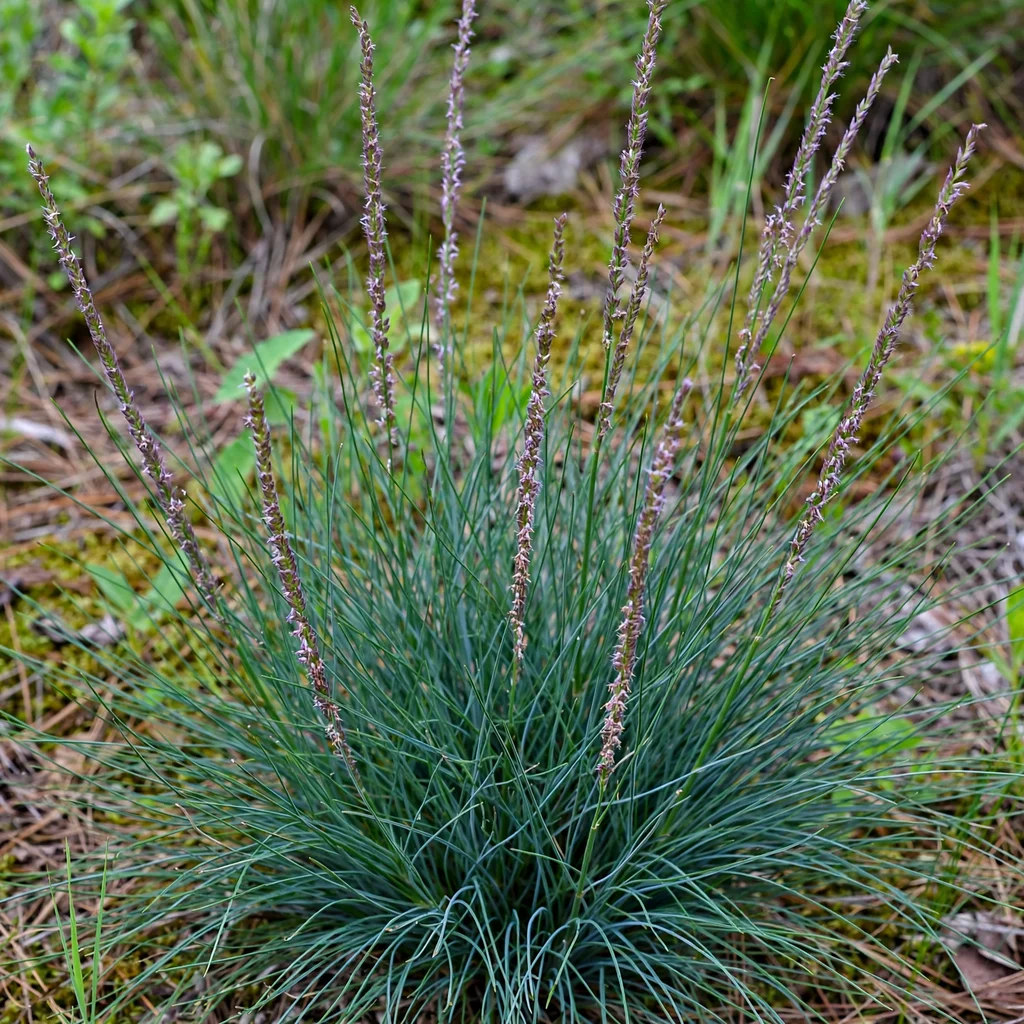
5 species of Sporobolus
Each one is a parent of the varieties above.
Track your Sporobolus in Sow
Save the Sporobolus you grow and get care reminders timed to your zone.
How to grow Sporobolus
Whats common across all Sporobolus varieties in our catalog — drawn from the care records of the 7 most-grown of them.
The Sporobolus year
- DivideMarch–May71% of varieties
Divide established rhizomatous clumps to propagate or control spread.
- PlantApril and May57% of varieties
Plant plugs or potted clumps after last frost in full sun.
- PruneFebruary and March57% of varieties
Mow or cut back dead foliage to the ground before new green shoots emerge.
- Check for PestsJune–August43% of varieties
Check seed stems and leaf undersides for aphids and mites during hot weather.
- Spring CleanupMarch43% of varieties
Cut dormant foliage to 6 inches before new shoots emerge.


Do
- Plant in full sun with room for mature size
- Water deeply but infrequently once established
- Leave seed heads for birds through fall and winter
- Cut the dead foliage back to the ground once a year in late winter before new shoots emerge.
- Install physical root barriers to restrict the spread of rhizomes in confined garden spaces.
Avoid
- Do not plant in shade or constantly wet soil
- Do not fertilize heavily - lean soil keeps growth sturdy
- Do not cut back to the crown during active summer growth
- Do not apply fertilizer, as this species is adapted to nutrient-poor soils and excess nutrients weaken the stems.
What goes wrong with Sporobolus
| Problem | What you'll see | What to do |
|---|---|---|
| Aphids | Clusters on stems and seed heads with sticky honeydew and sooty coating | Spray off with a strong water jet and conserve lady beetles and lacewings |
| Grasshoppers | Chewed leaf margins and stripped blades in summer | Hand-remove where practical and maintain bird habitat for natural predation |
| Spider Mites | Fine webbing and stippling on the foliage during hot, dry weather. | Increase humidity around the plants or spray with insecticidal soap. |
| Deer | Nipped foliage and grazed young shoots in spring. | Fence first-year plantings; established clumps regrow and rarely need treatment. |
| Rust | Orange-brown pustules on leaves in prolonged damp weather | Improve air circulation, avoid overhead watering, and remove affected foliage |
| Root Rot | Browning and decay of the root system in stagnant, poorly drained freshwater. | Improve water movement or relocate to a site with tidal flushing or better drainage. |
| Root rot | Yellowing, thinning clumps in wet or flooded soil. | Plant only in well-drained sandy loam and avoid low wet sites. |
Making more Sporobolus
Division
- Dig up an established clump in early spring just as new growth begins.
- Slice through the tough rhizomes with a sharp spade to separate the clump into smaller sections.
- Ensure each divided section has several healthy shoots and a strong root system.
- Replant the divisions immediately at the original depth and water thoroughly.
seed
- Sow fresh seed on the surface of a moist sandy mix in spring.
- Press in lightly without burying deeply, as light aids germination.
- Keep warm and evenly moist until germination.
- Transplant seedlings when tillers form and roots fill the cell.
Sporobolus questions
How many types of Sporobolus are there?
The Sow catalog tracks 7 distinct Sporobolus varieties. The most popular — ranked by 401 real gardeners — are shown first above.
What zones does Sporobolus grow in?
Across its varieties, Sporobolus covers USDA Zones 4–10. Individual varieties differ — each plant page lists its exact range, and Sow filters the catalog to your zone automatically.
When does Sporobolus bloom?
Most Sporobolus varieties bloom from summer to fall.
Which Sporobolus should I choose?
Start from the most-saved varieties above — popularity across thousands of gardens is a strong signal of reliability — then filter by your zone and sun. In the Sow app you can preview any of them in a photo of your actual yard before you buy.