Also known as Blueberry / Cranberry · 1.5k saves
Vaccinium
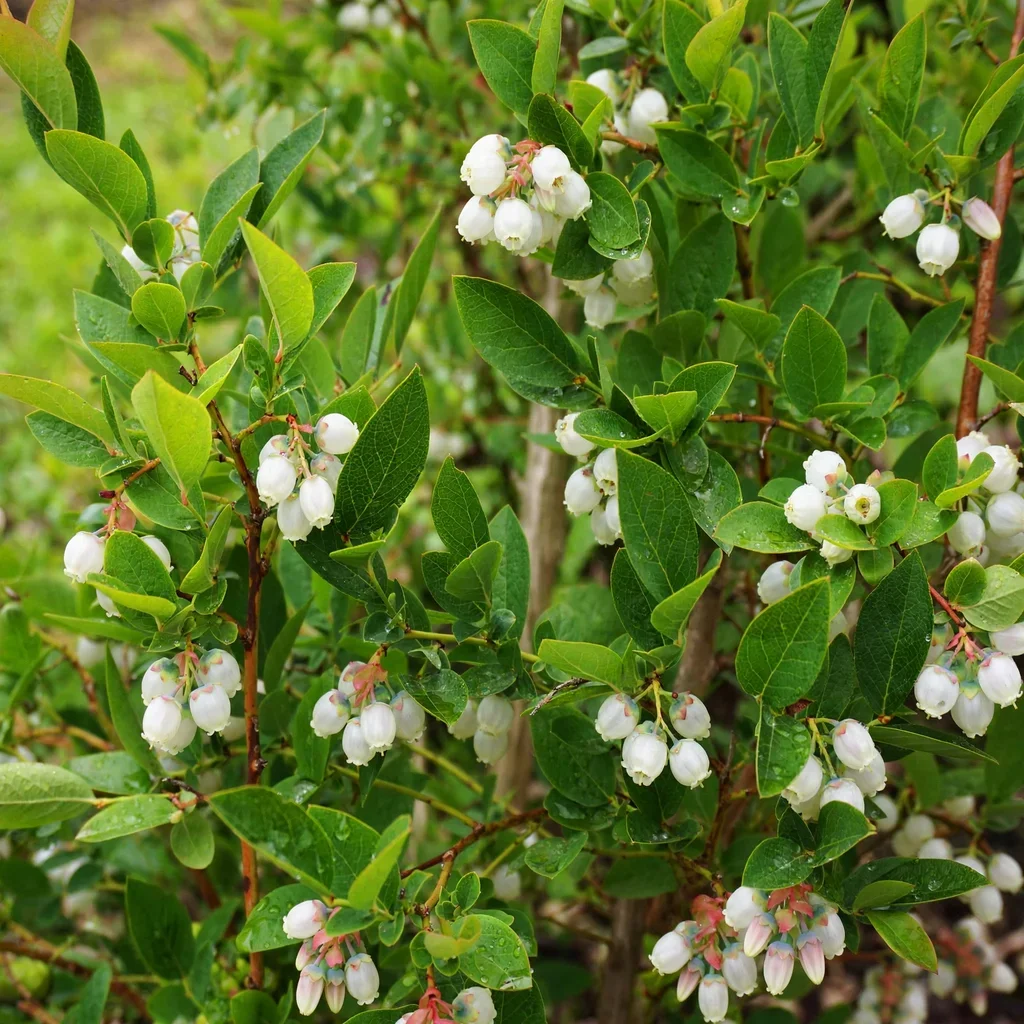
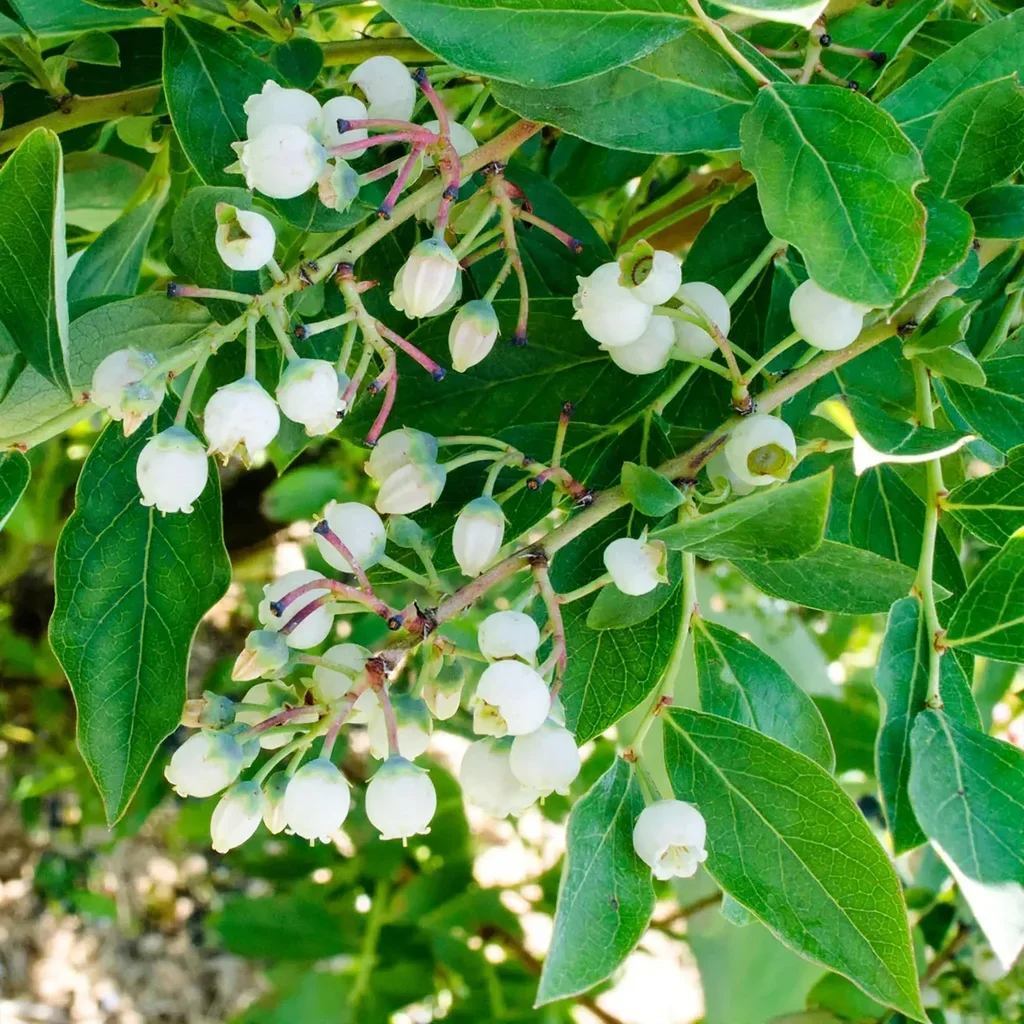
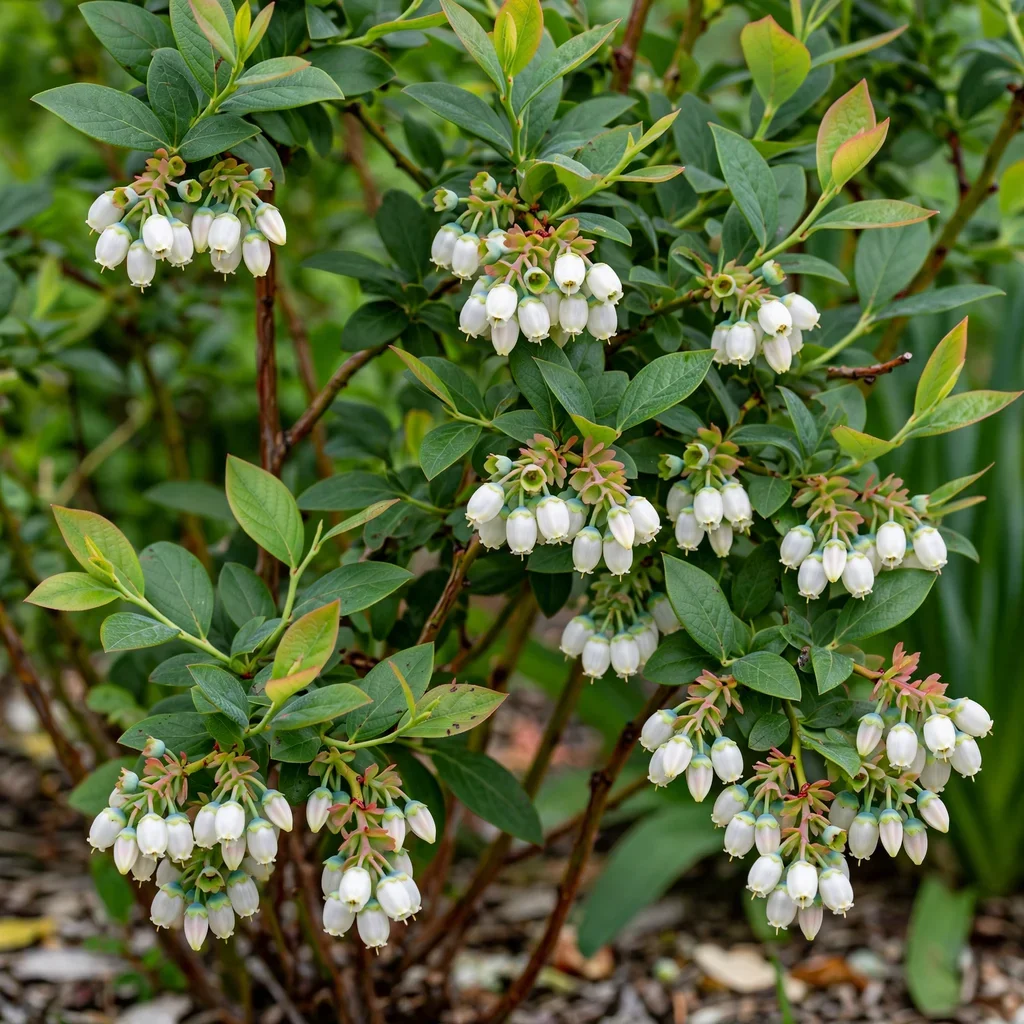
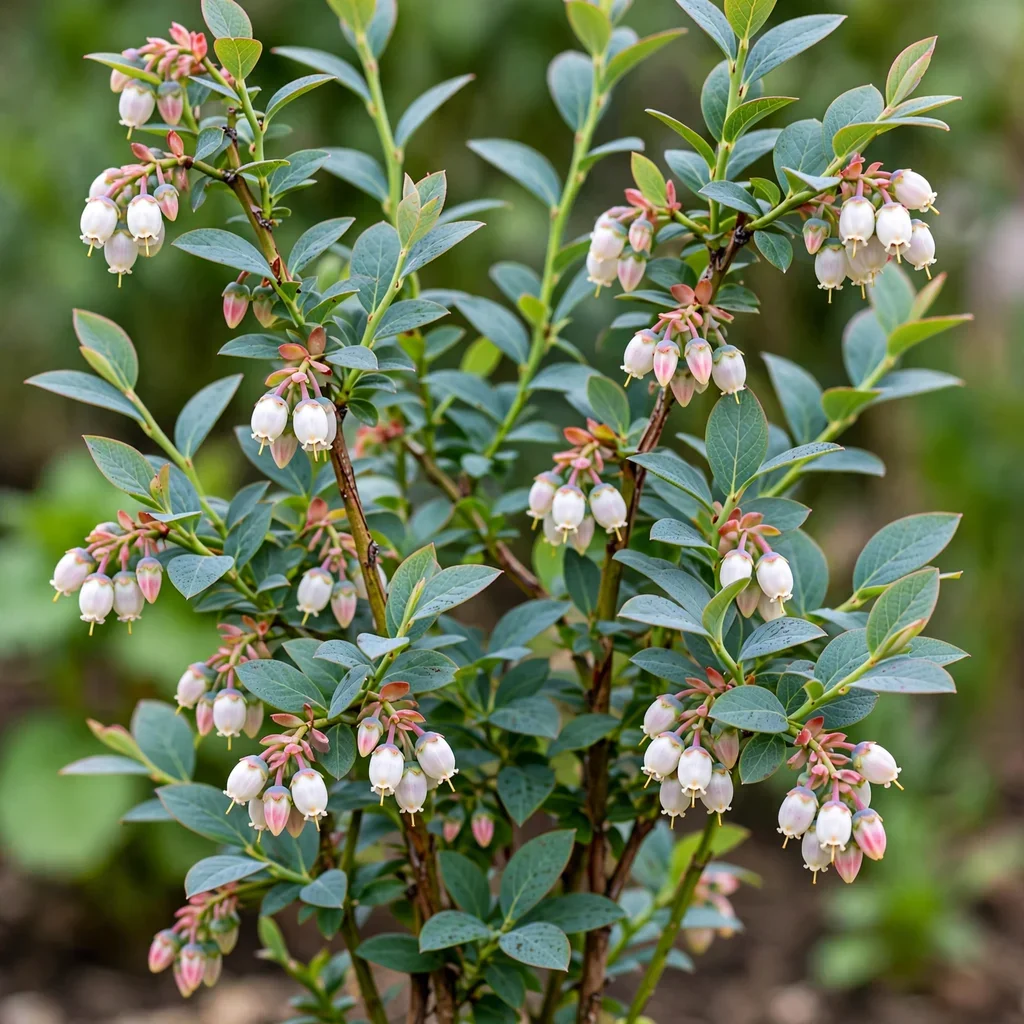
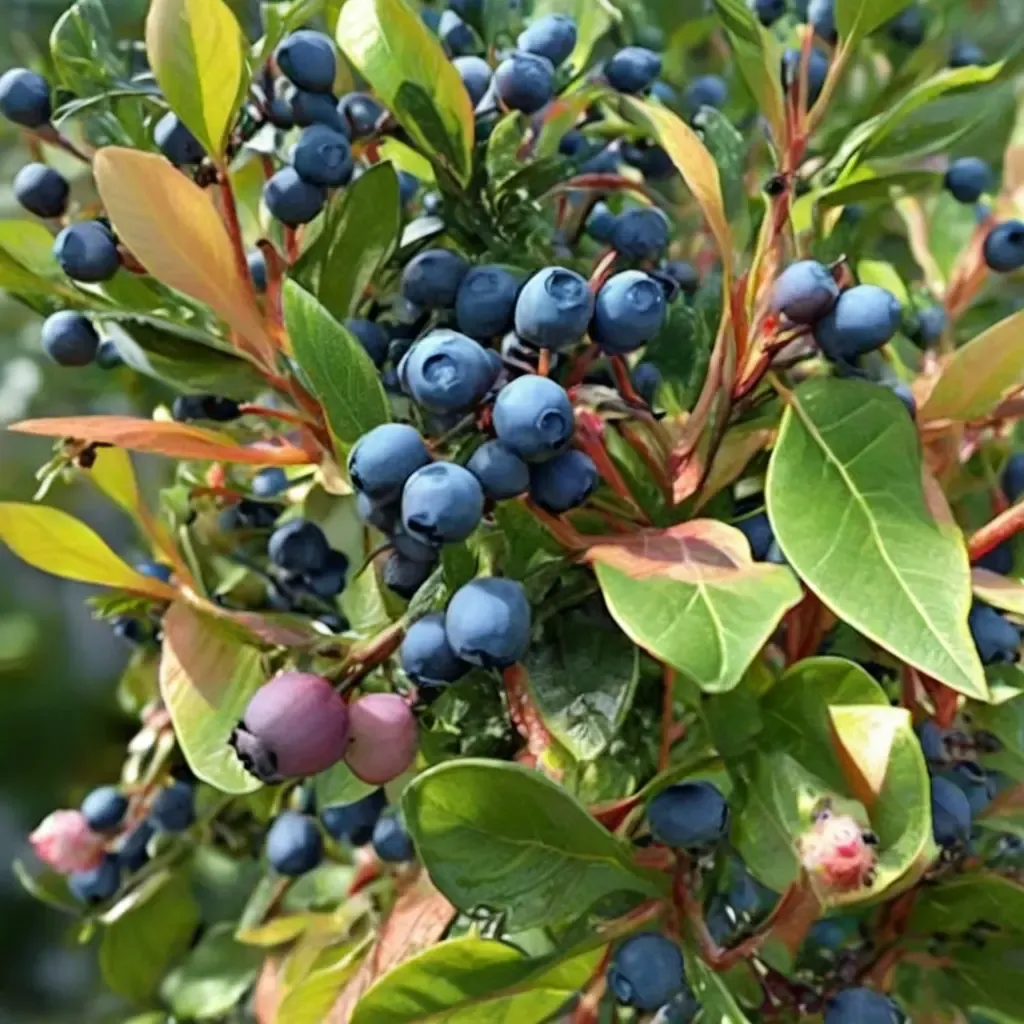
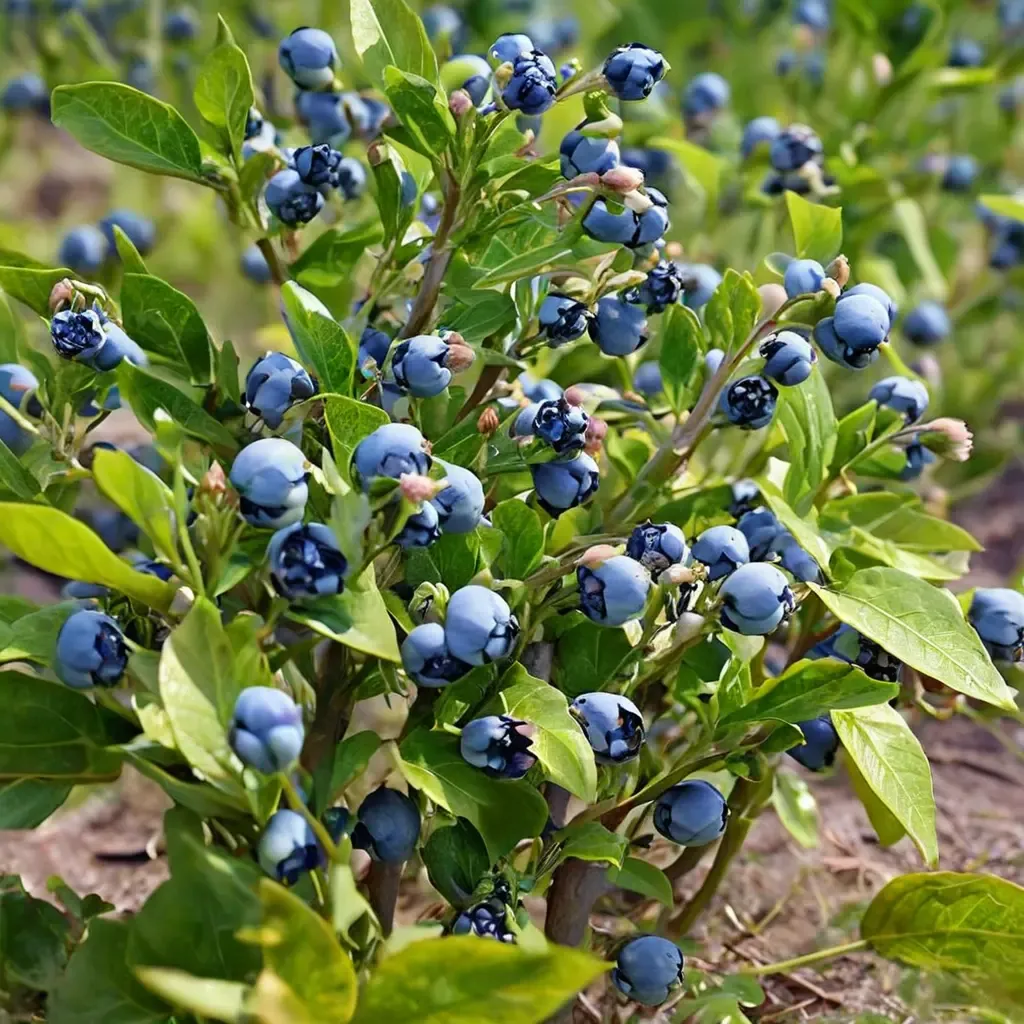
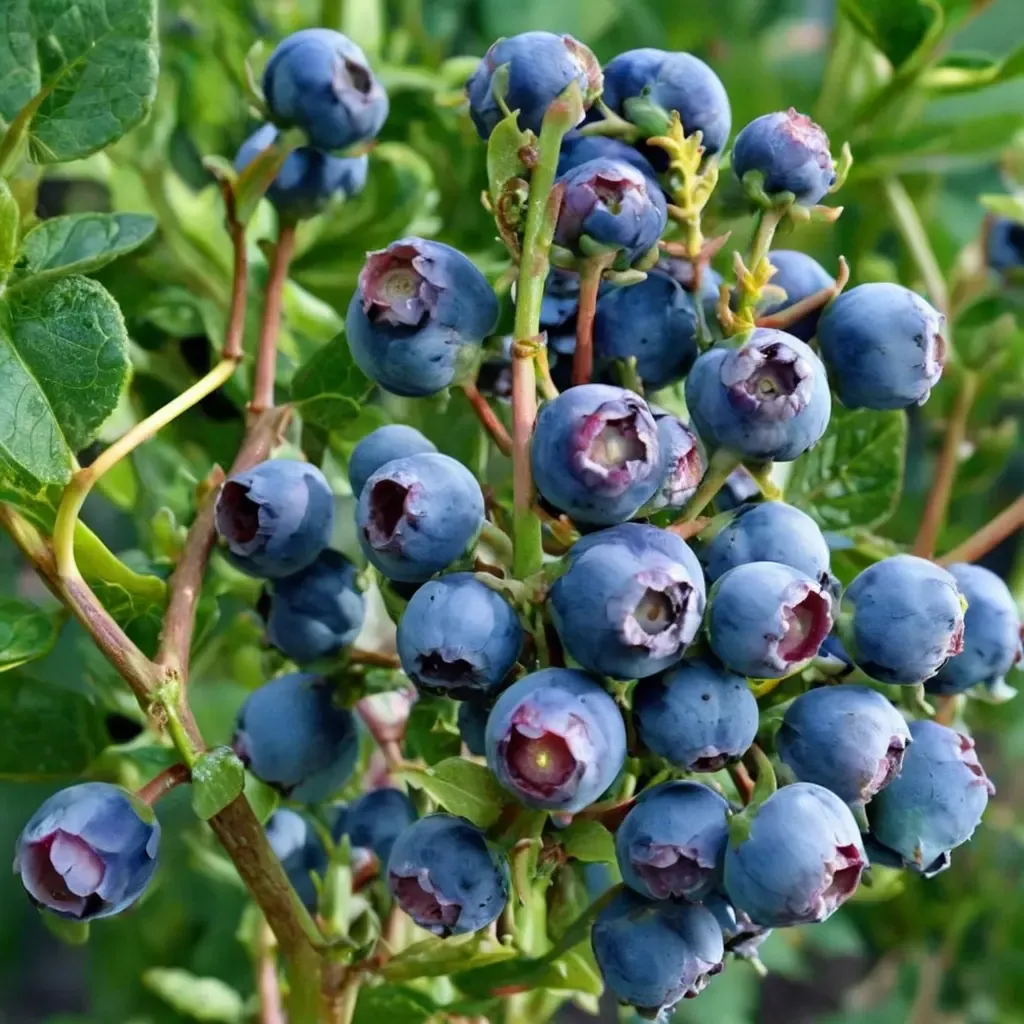
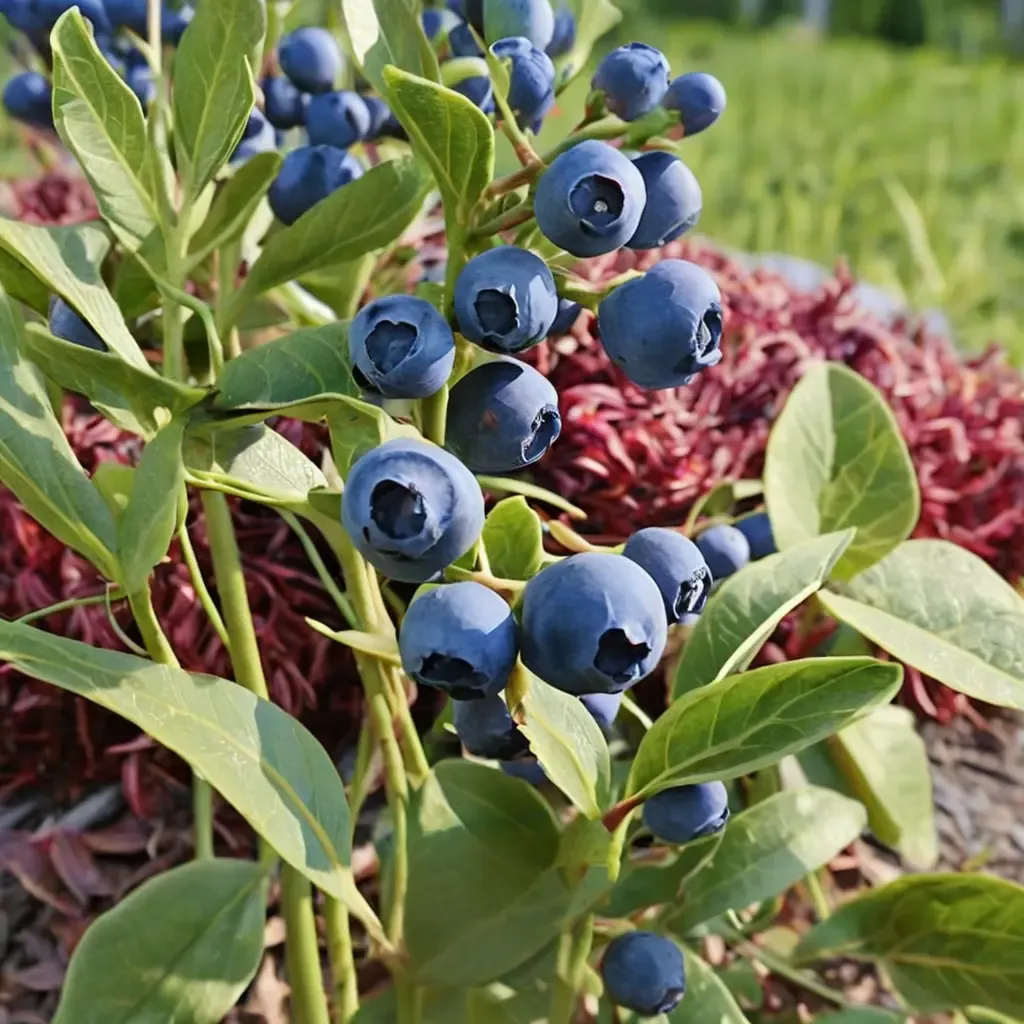
Vaccinium, the genus most gardeners know as blueberry / cranberry. We track 32 varieties; the ones most used by real gardeners.
The 24 most-saved Vaccinium varieties
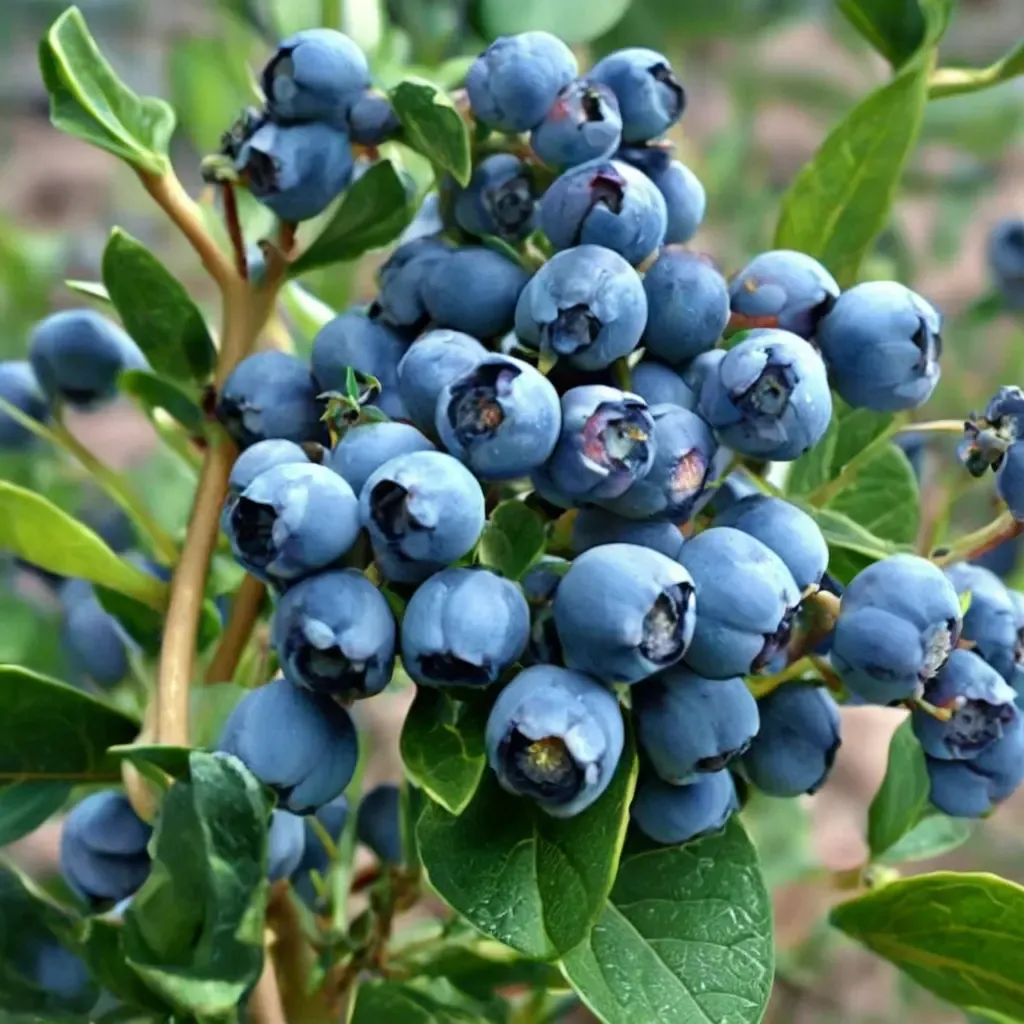
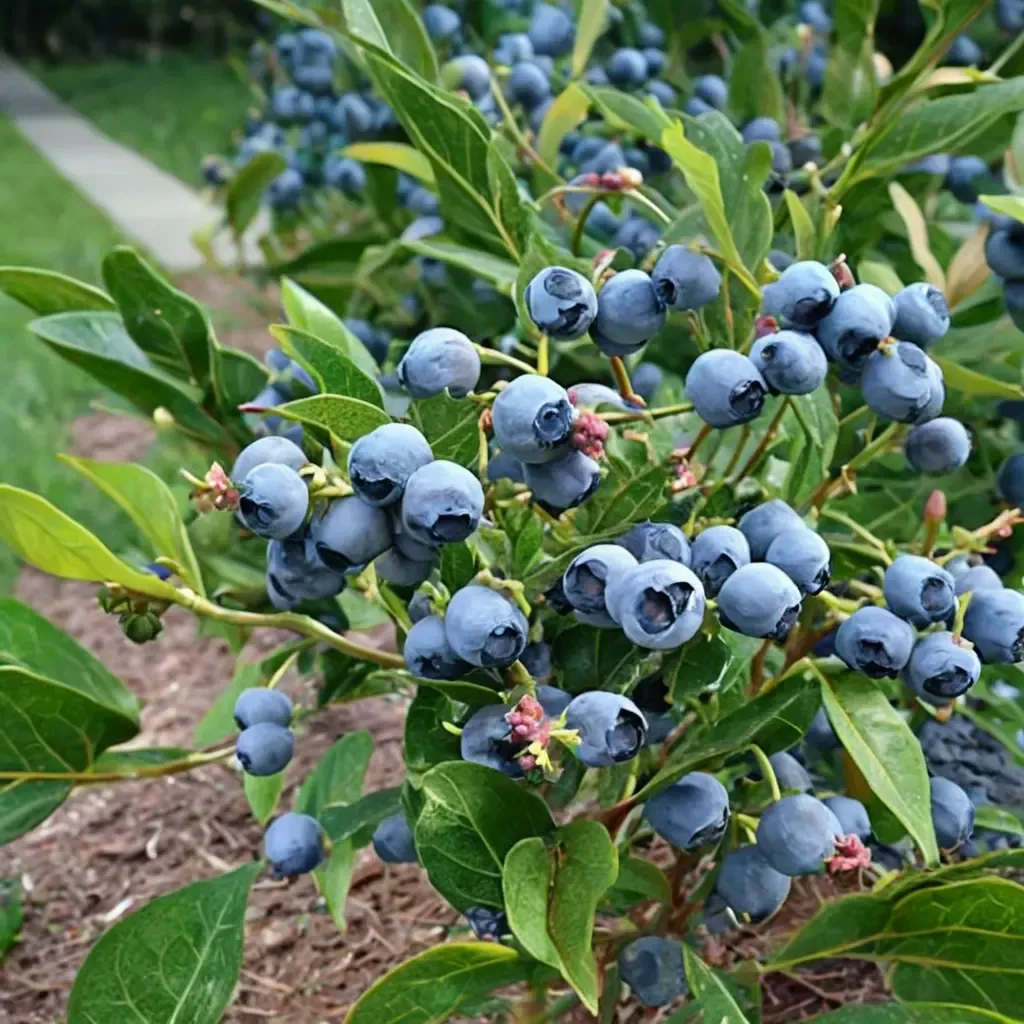
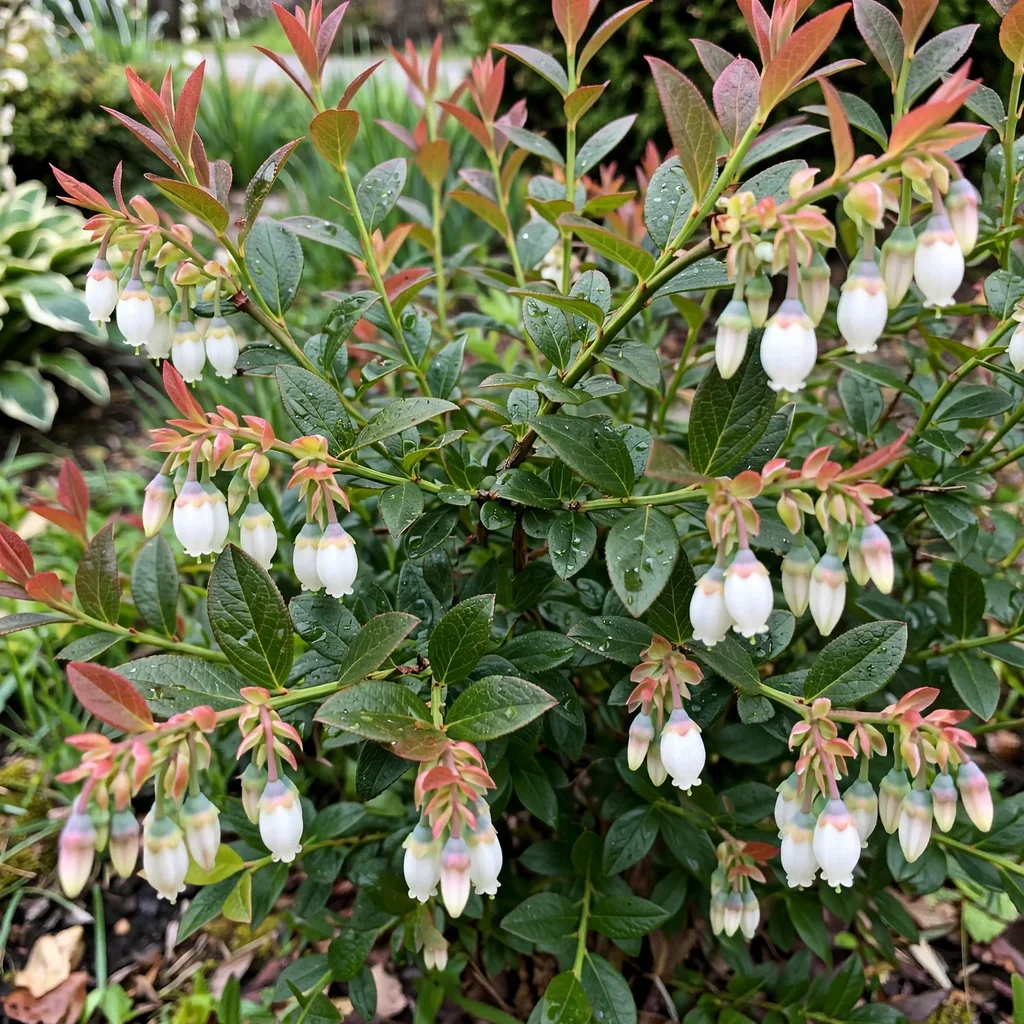
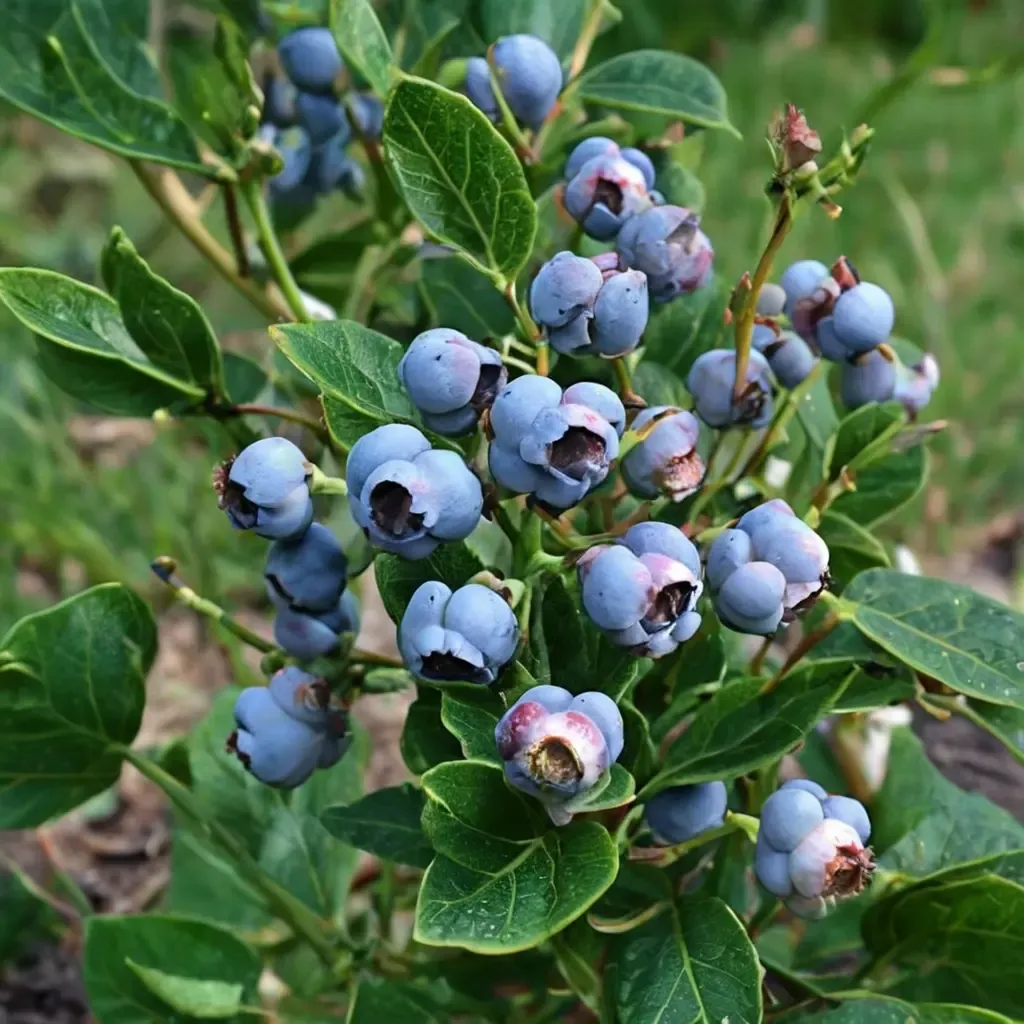
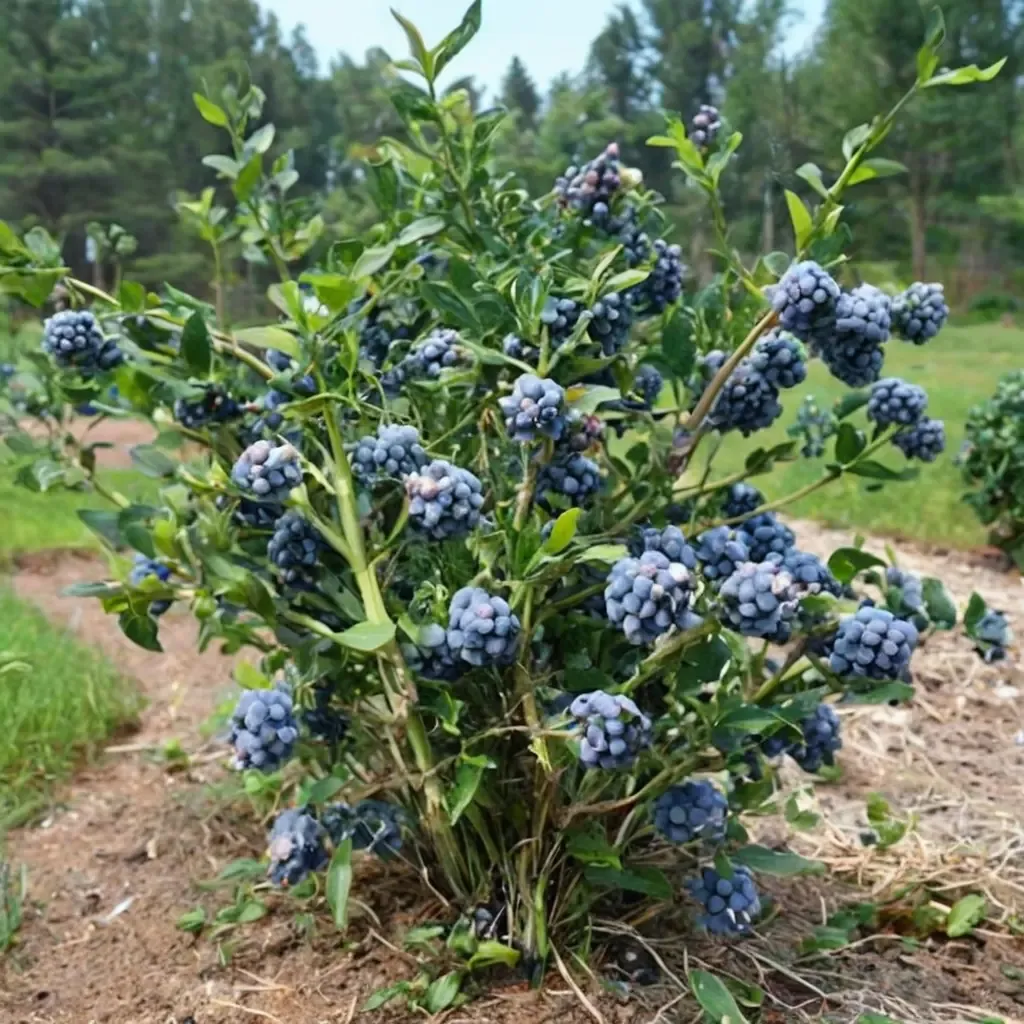
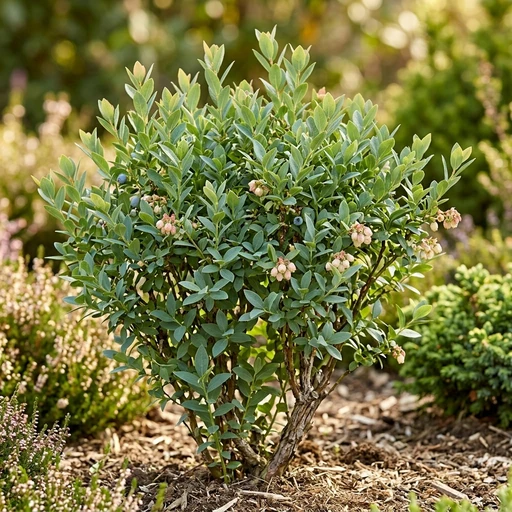
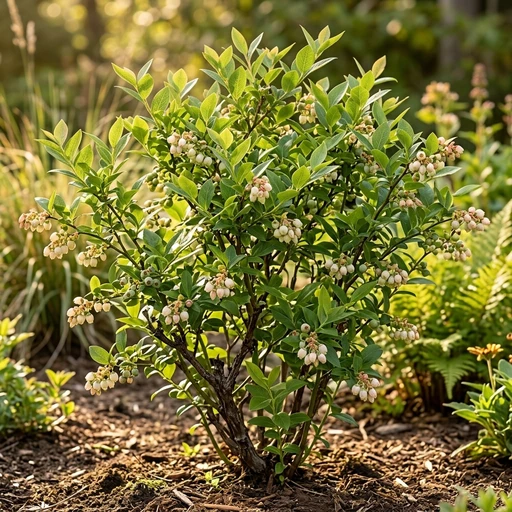
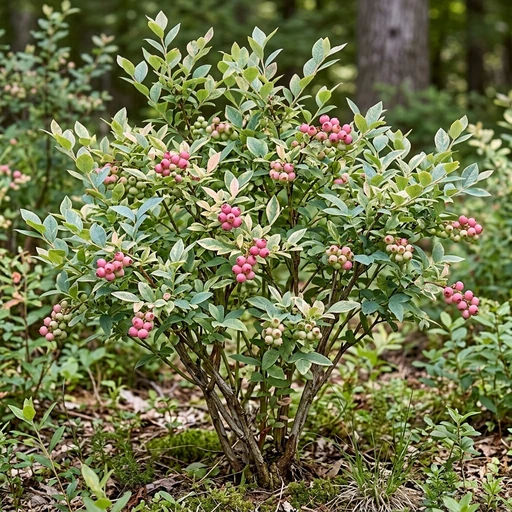
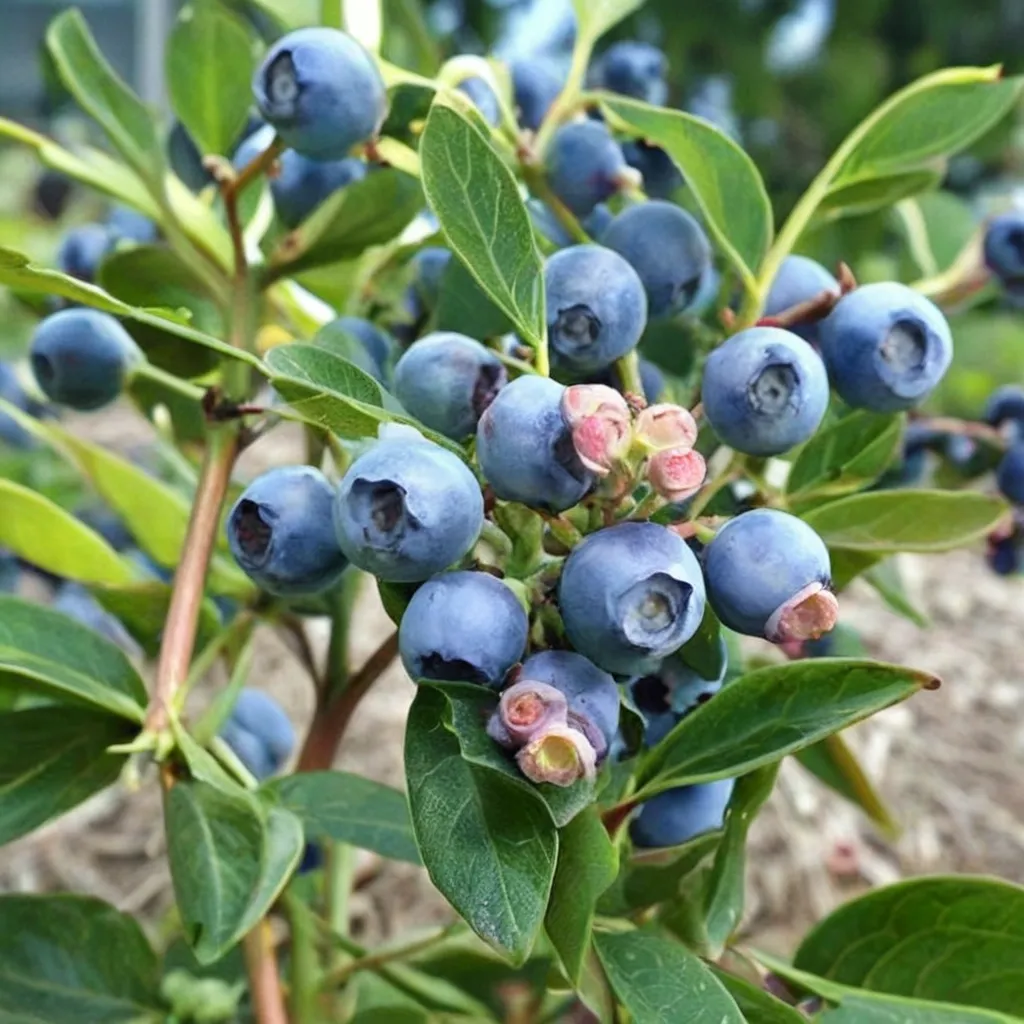
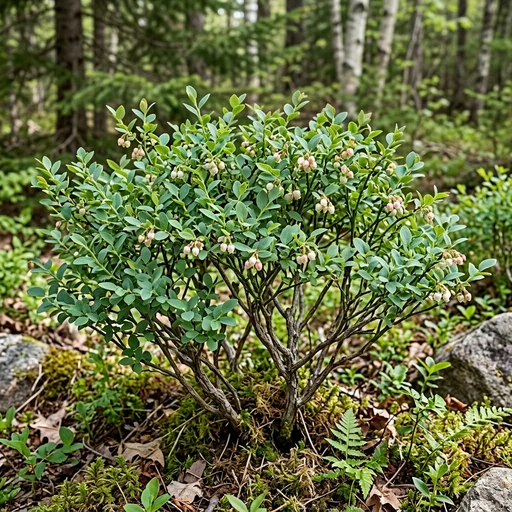
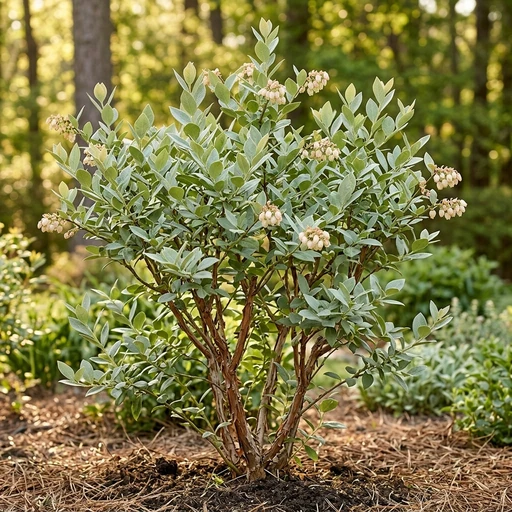
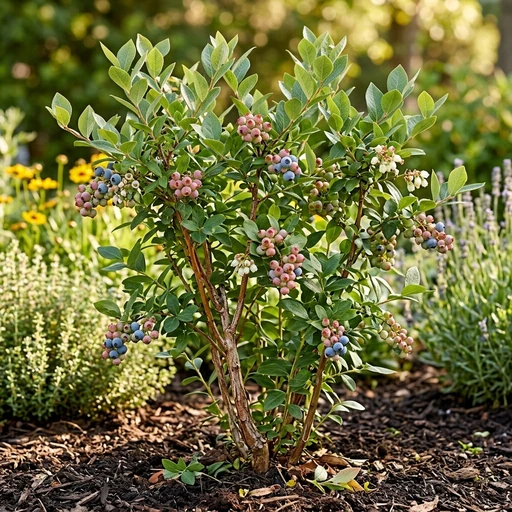
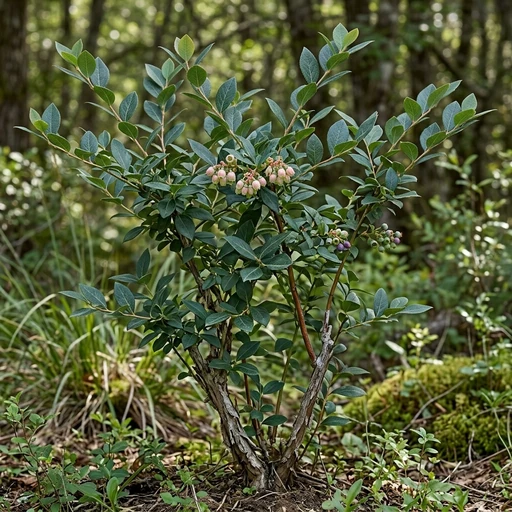
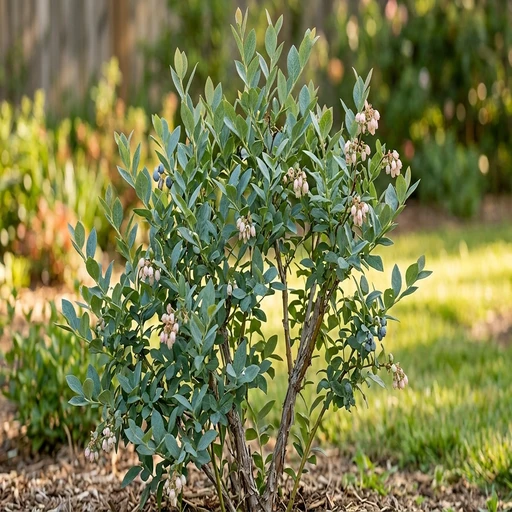
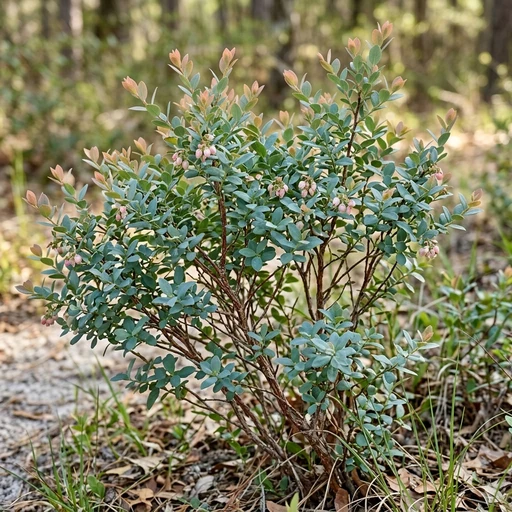

See all 32 Vaccinium varieties →Search this genus →
7 species of Vaccinium
Each one is a parent of the varieties above.
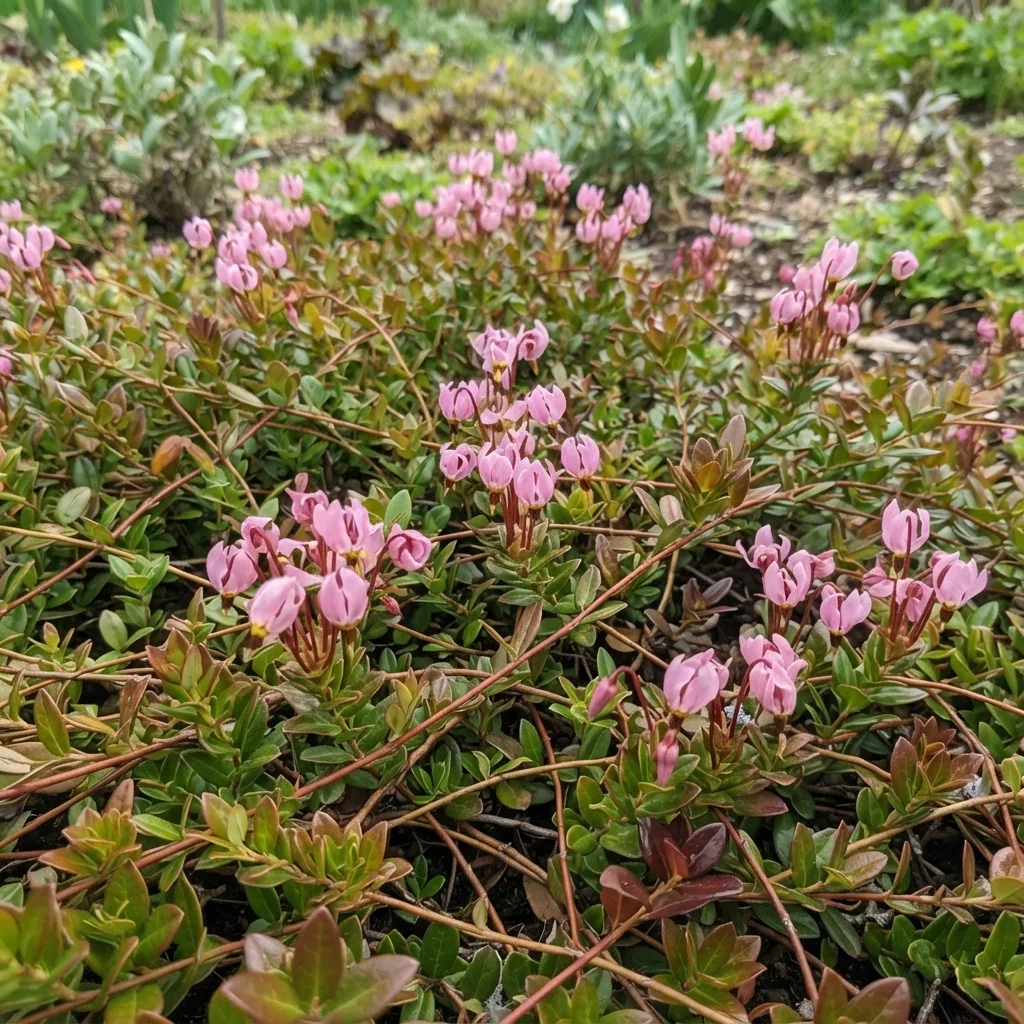
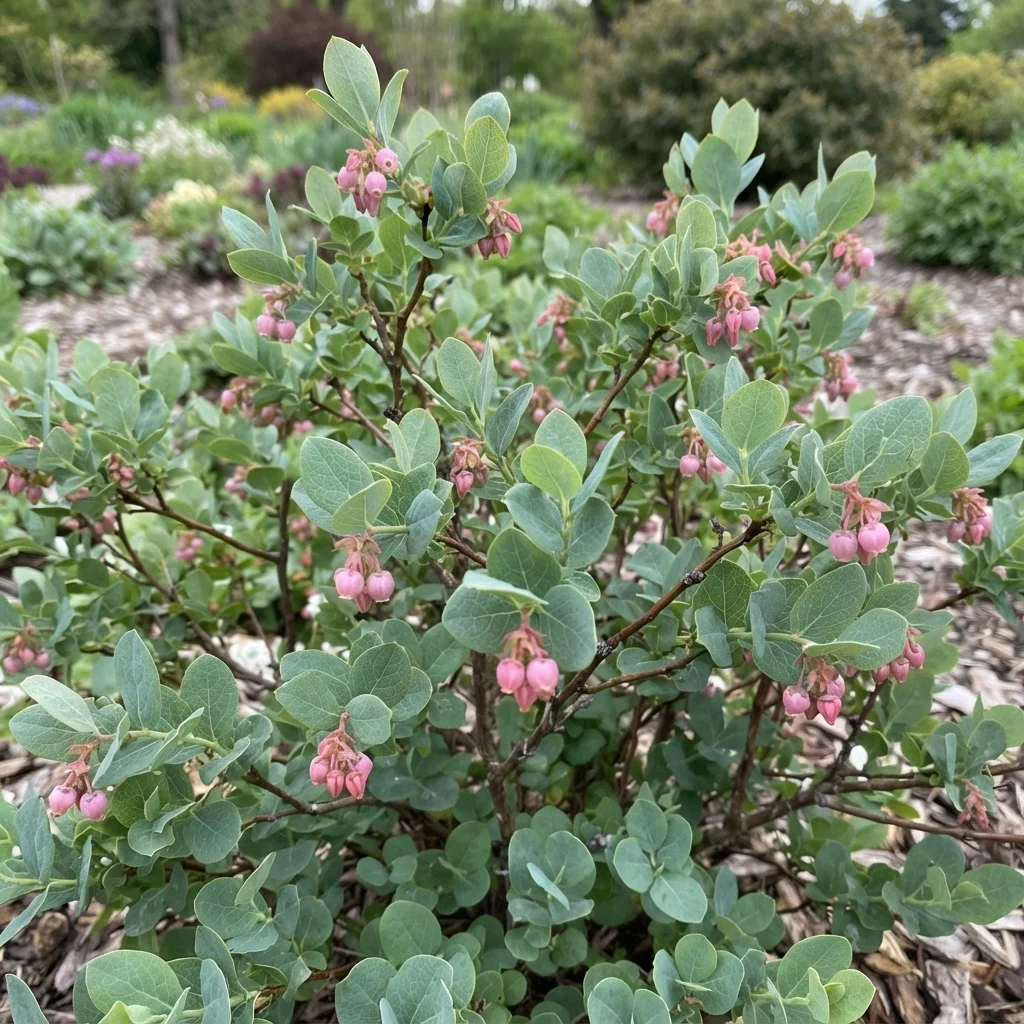
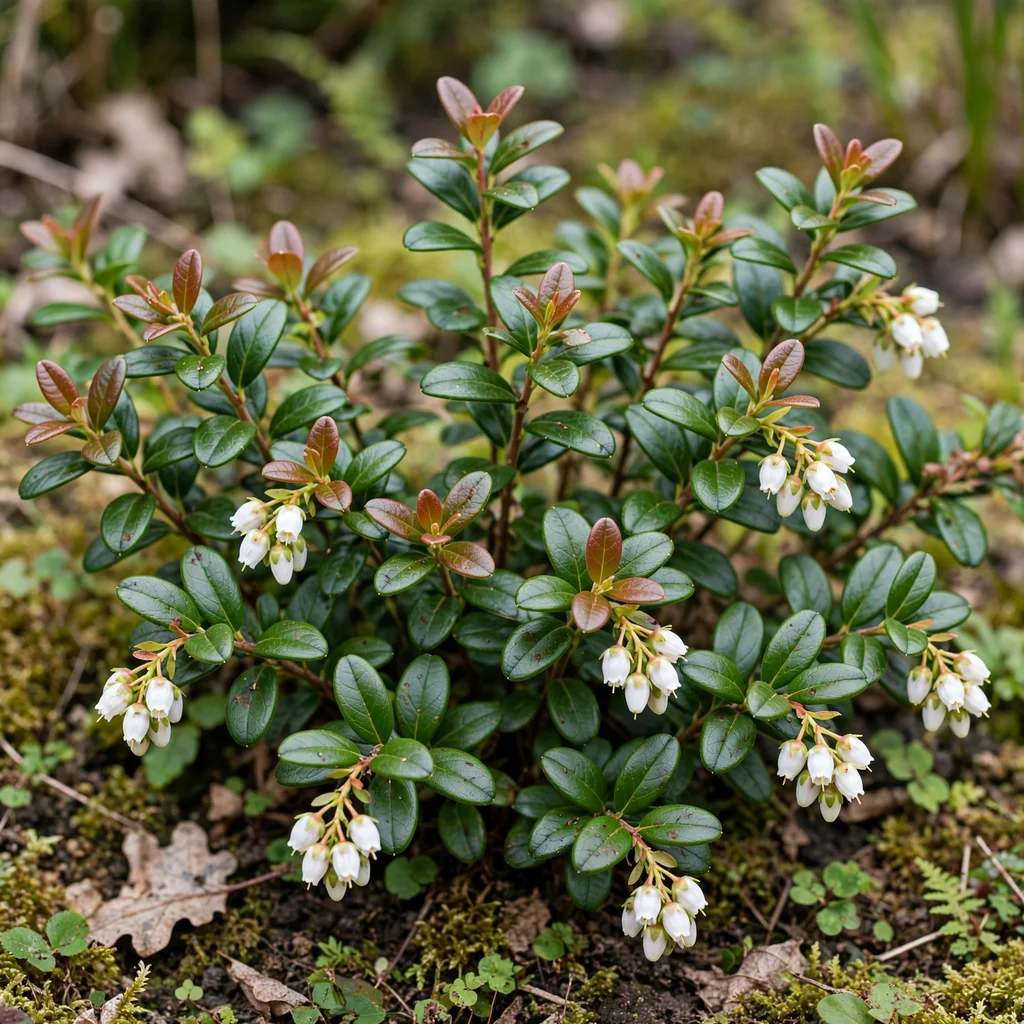
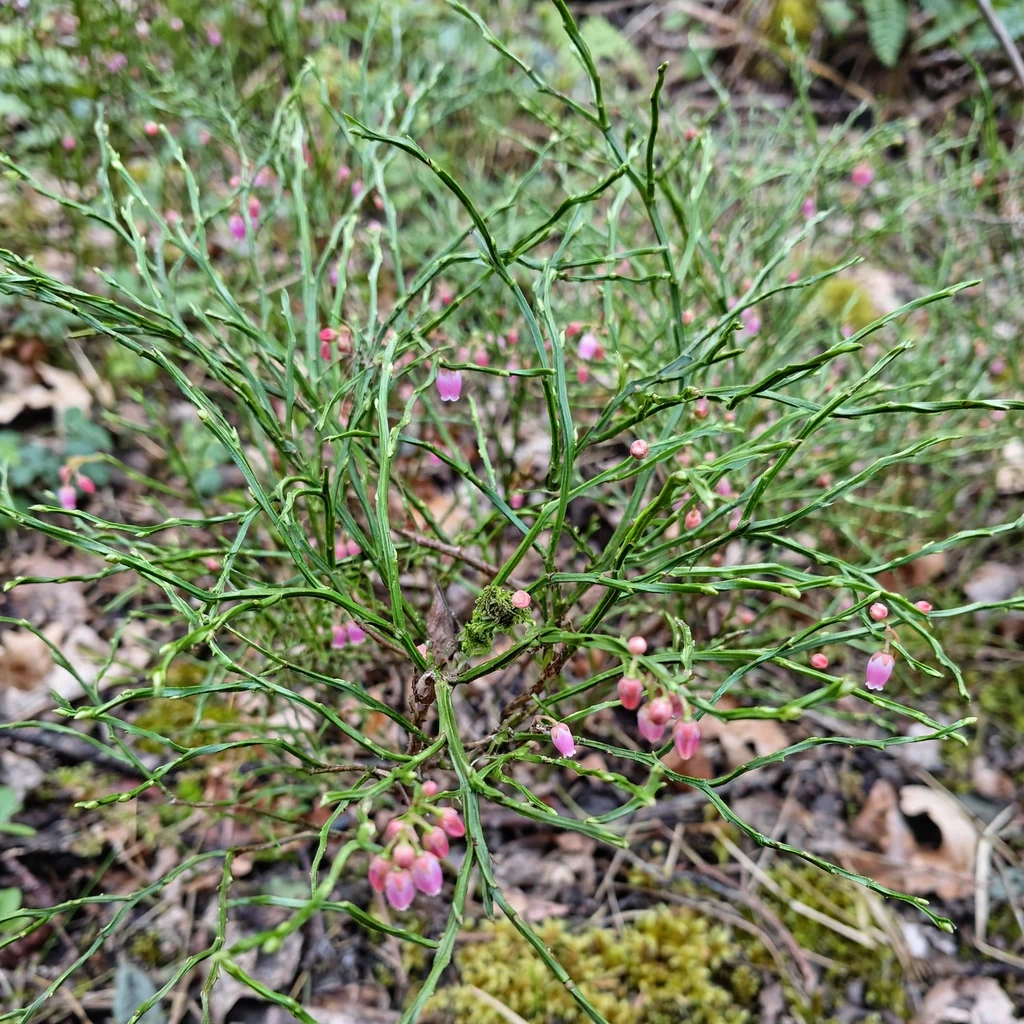
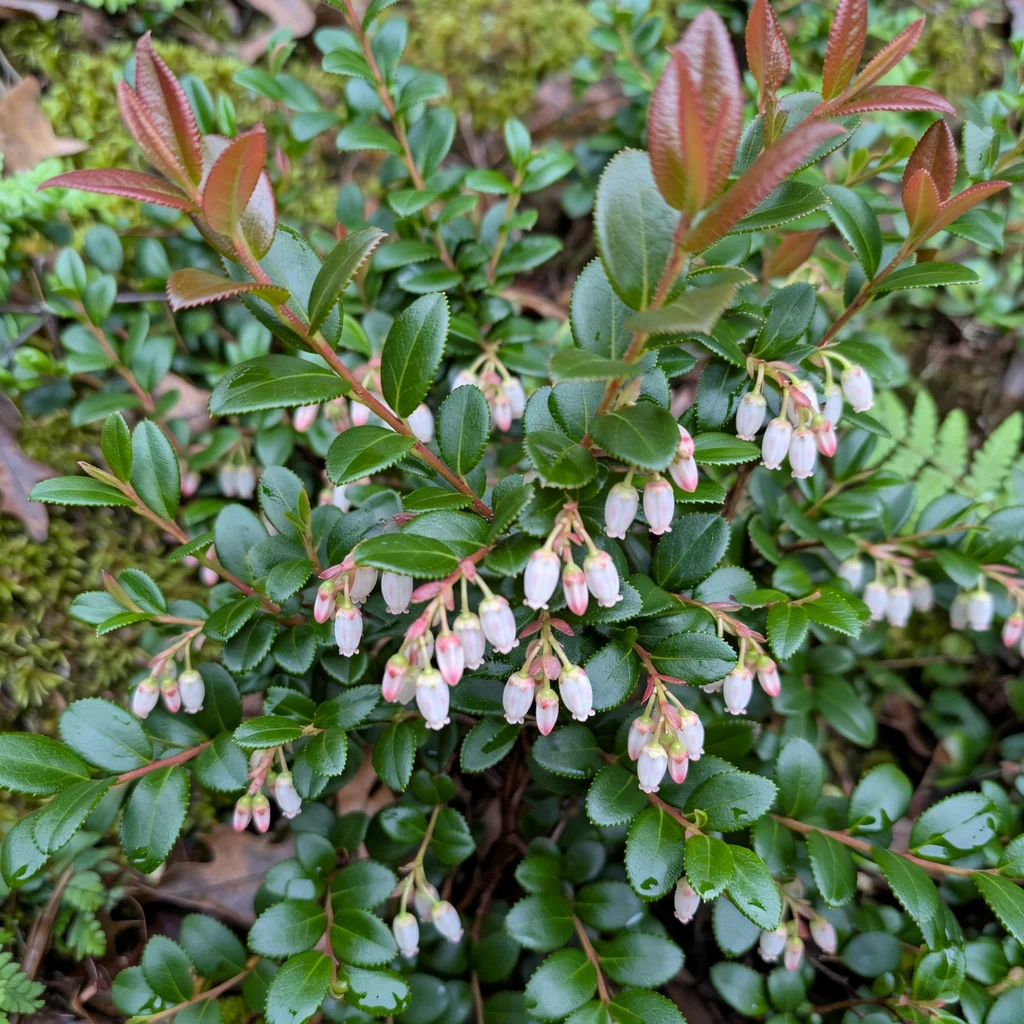
Track your Vaccinium in Sow
Save the Vaccinium you grow and get care reminders timed to your zone.
How to grow Vaccinium
Whats common across all Vaccinium varieties in our catalog — drawn from the care records of the 32 most-grown of them.
The Vaccinium year
- PruneFebruary and March100% of varieties
Remove 1/3 of the oldest, weakest canes to encourage new growth and fruiting
- MulchApril, May and November94% of varieties
Refresh mulch (pine needles/wood chips) to maintain soil acidity and moisture
- FertilizeApril and June88% of varieties
Apply acid-loving plant fertilizer (e.g., rhododendron food) as buds swell
- HarvestJuly and August84% of varieties
Pick ripe, fully blue berries frequently throughout the season
- Check for PestsJune and July56% of varieties
Monitor for spotted wing drosophila and mummy berry disease
- PlantMarch, April, May, October and November47% of varieties
Plant in early spring in heavily amended, acidic soil.


Do
- Mulch to conserve moisture and regulate soil temperature
- Water consistently to keep soil moist 🌱
- Water regularly to keep soil moist 🌱
- Protect ripening fruit from birds with netting.
- Apply acid-specific fertilizer in spring and summer
Avoid
- Avoid overwatering to prevent root rot ❌
- Avoid overwatering, which can cause root rot ❌
- Don’t use alkaline fertilizers that raise soil pH
- Avoid overwatering which can cause root rot ❌
What goes wrong with Vaccinium
| Problem | What you'll see | What to do |
|---|---|---|
| Aphids | Sticky residue and distorted leaves | Spray with neem oil or insecticidal soap |
| Blueberry Maggot | Larvae burrow into fruit, causing soft spots | Use organic insecticidal soap or apply beneficial nematodes |
| Blueberry maggot | Larvae tunnel into fruit, causing soft spots and decay | Use organic bait traps or apply insecticidal soap |
| Spider mites | Fine webbing on leaf undersides and stippled, yellowing foliage. | Increase humidity around the foliage and spray with horticultural oil. |
| Powdery mildew | White powdery coating on leaves | Apply neem oil or copper fungicide |
| Root rot | Wilting and browning of plant | Ensure well-drained soil and reduce watering |
| Mummy Berry | Shoots and blossoms wilt and turn brown. Berries become hard, gray, and shriveled. | Remove and destroy mummified berries. Apply a thick layer of mulch. Fungicides can be applied at bud break. |
Making more Vaccinium
Cuttings
- Select healthy semi-hardwood stems in late summer.
- Dip cuttings in rooting hormone.
- Plant in moist, acidic soil in a shaded spot.
- Keep soil consistently moist for 6 weeks until roots develop.
Layering
- Choose low-growing branch and bend to ground
- Make a small wound and bury part of the stem in soil
- Secure with a pin or stone
- Water regularly and wait for roots to form in 3-4 months
Vaccinium questions
How many types of Vaccinium are there?
The Sow catalog tracks 32 distinct Vaccinium varieties. The most popular — ranked by 1.5k real gardeners — are shown first above.
What zones does Vaccinium grow in?
Across its varieties, Vaccinium covers USDA Zones 4–10. Individual varieties differ — each plant page lists its exact range, and Sow filters the catalog to your zone automatically.
When does Vaccinium bloom?
Most Vaccinium varieties bloom in late spring, late spring, mid-spring. Staggering early, mid, and late varieties extends the genus's season in one bed.
Which Vaccinium should I choose?
Start from the most-saved varieties above — popularity across thousands of gardens is a strong signal of reliability — then filter by your zone and sun. In the Sow app you can preview any of them in a photo of your actual yard before you buy.