The Story
Plant Bio
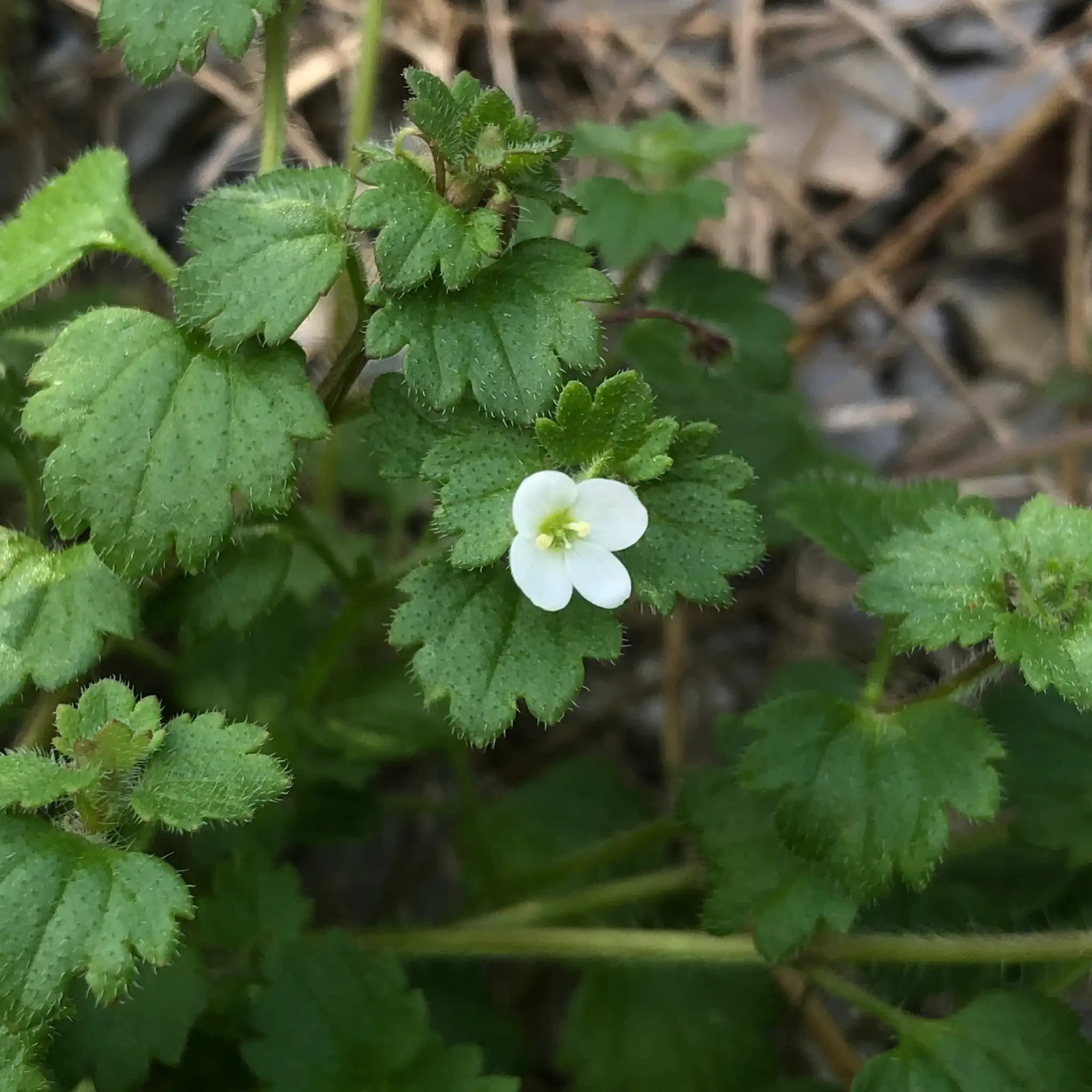
Veronica cymbalaria, commonly known as pale speedwell, is a low-growing annual herb native to the Mediterranean Basin. The species is characterized by its sprawling, procumbent stems and light green, kidney-shaped leaves with shallow lobes.
This species is distinguished from other sprawling speedwells by its solitary, four-petaled white flowers that emerge from the leaf axils on long pedicels. It functions ecologically as a rapid-cycling therophyte, completing its entire life cycle from winter to spring before escaping summer drought.
Uses & Benefits:
Essentials
At a Glance
Plant Type
Annual
Height
12"
Width
12"
Light
Full Sun, Partial Sun
Zones
8, 9, 10
Water
Low
Humidity
Medium
Lifespan
Annual
Native To
Europe
Toxicity
Non-toxic
Bloom period
Winter – Spring
In flower about 6 months of the year
Planting
How to Grow
- Sow seeds directly onto the soil surface in late summer or autumn, pressing them lightly without burying them deeply.
- Choose a planting site with full sun to partial shade and highly draining, gravelly, or sandy soil.
- Water sparingly during the winter growing phase, allowing the top layer of soil to dry out completely between waterings.
- Allow the plants to flower, set seed, and naturally die back as temperatures rise in late spring.
Pro Tip
Avoid overwatering or planting in heavy, poorly drained soils, as this species requires high drainage and is highly susceptible to root rot.
Keep It Thriving
Care Guide
Do
- Provide excellent soil drainage to prevent fungal root issues.
- Allow the plant to self-seed naturally if a permanent groundcover colony is desired.
- Grow in lean, unfertilized soils to maintain a compact, sprawling habit.
Don't
- Do not overwater or allow water to pool around the root zone.
- Do not apply heavy nitrogen fertilizers, which promote weak, leggy growth at the expense of flowers.
- Do not plant in heavy clay soils that retain moisture.
Seasonal Care Calendar
| Task | Jan | Feb | Mar | Apr | May | Jun | Jul | Aug | Sep | Oct | Nov | Dec |
|---|---|---|---|---|---|---|---|---|---|---|---|---|
| Pest Check | ||||||||||||
| Propagate | ||||||||||||
| Prune | ||||||||||||
| Spring Cleanup |
Watch Out For
Pests & Diseases
Common Pests
Common Diseases
In the Garden
Landscape Uses & Companions
Landscape Uses
Companion Plants
Multiply
Propagation Methods
Good to Know
Common Questions
Pale Speedwell questions
What zones can Pale Speedwell grow in?
Pale Speedwell is hardy in USDA Zones 8–10. Inside that range it survives winter in the ground; outside it, grow it as an annual or a container plant you protect.
When does Pale Speedwell bloom?
Pale Speedwell typically blooms in winter through spring. Exact timing shifts a week or two with your zone — Sow's bloom calendar maps it to your garden.
Does Pale Speedwell need full sun?
Pale Speedwell does best in full sun to part shade. In hot climates, afternoon shade keeps blooms fresher longer.
Is Pale Speedwell drought tolerant?
Yes — once established (usually after the first full season), Pale Speedwell handles dry spells with minimal watering. Water deeply its first year to build the root system that makes that possible.
More Veronica to compare
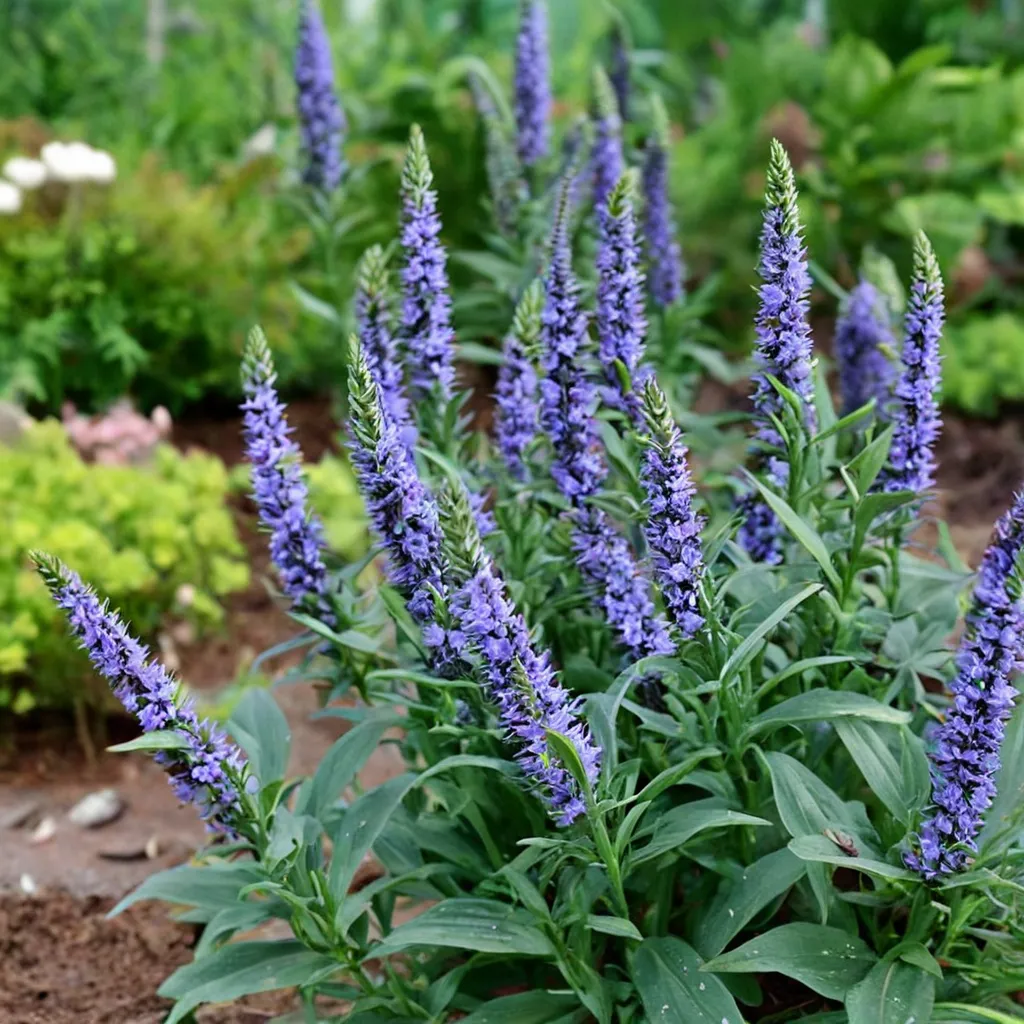
Moody Blues Sky Blue Veronica
Veronica spicata 'Moody Blues Sky Blue'
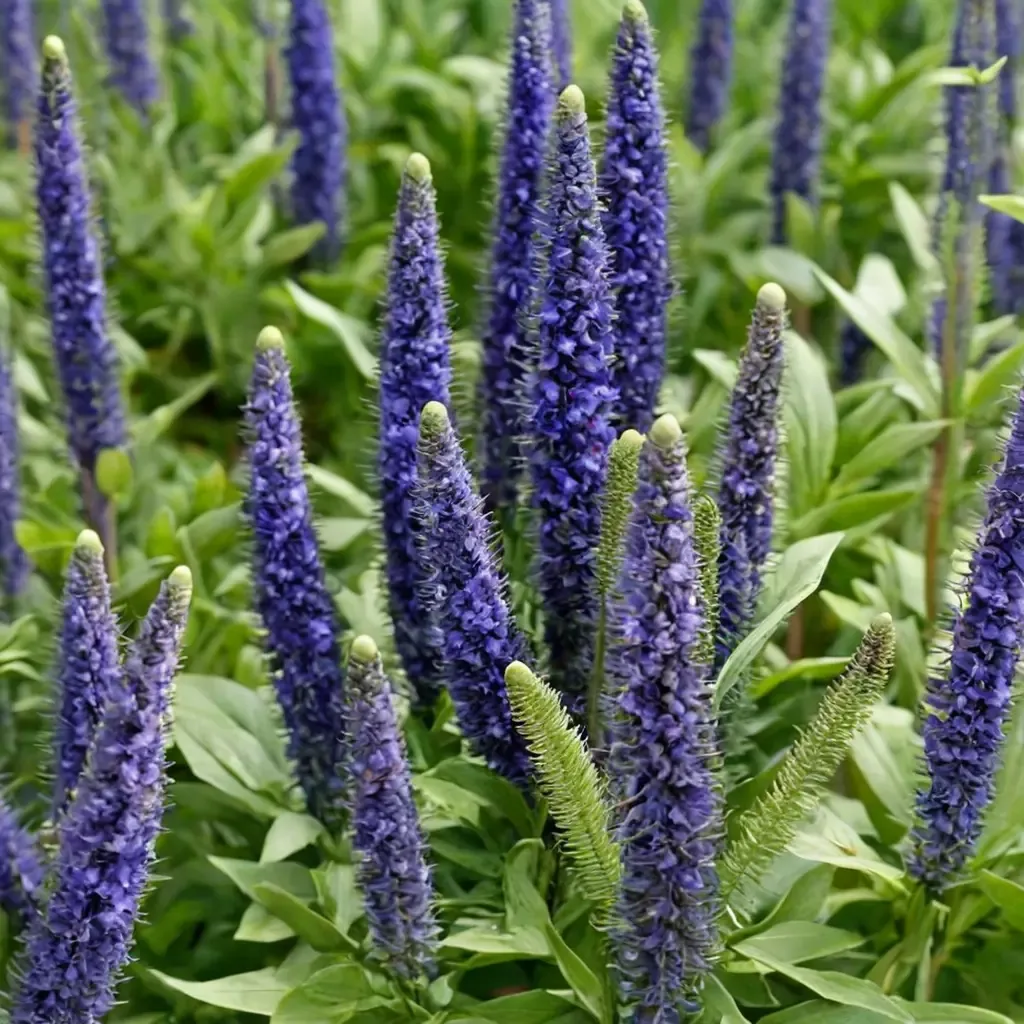
Royal Candles Speedwell
Veronica spicata 'Royal Candles'
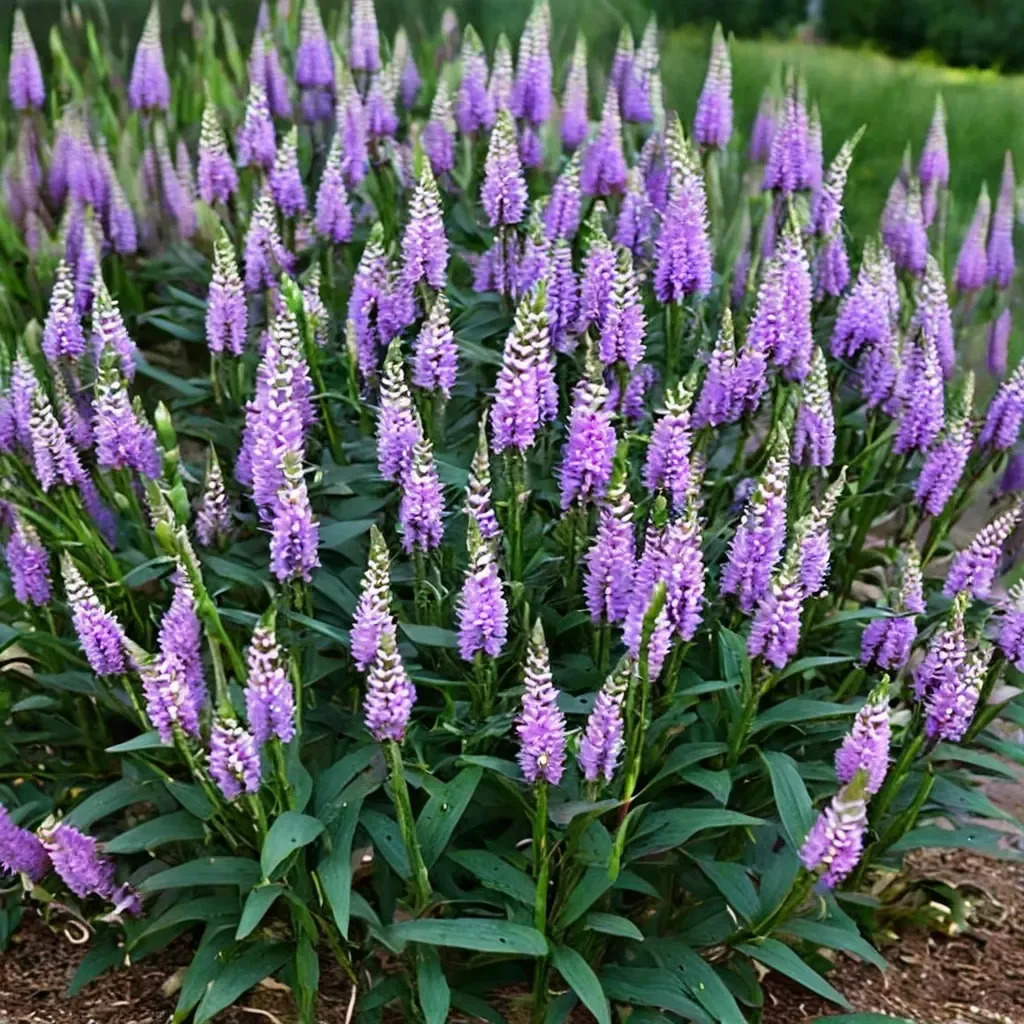
Lavender Lightsaber Speedwell
Veronica spicata 'Lavender Lightsaber'
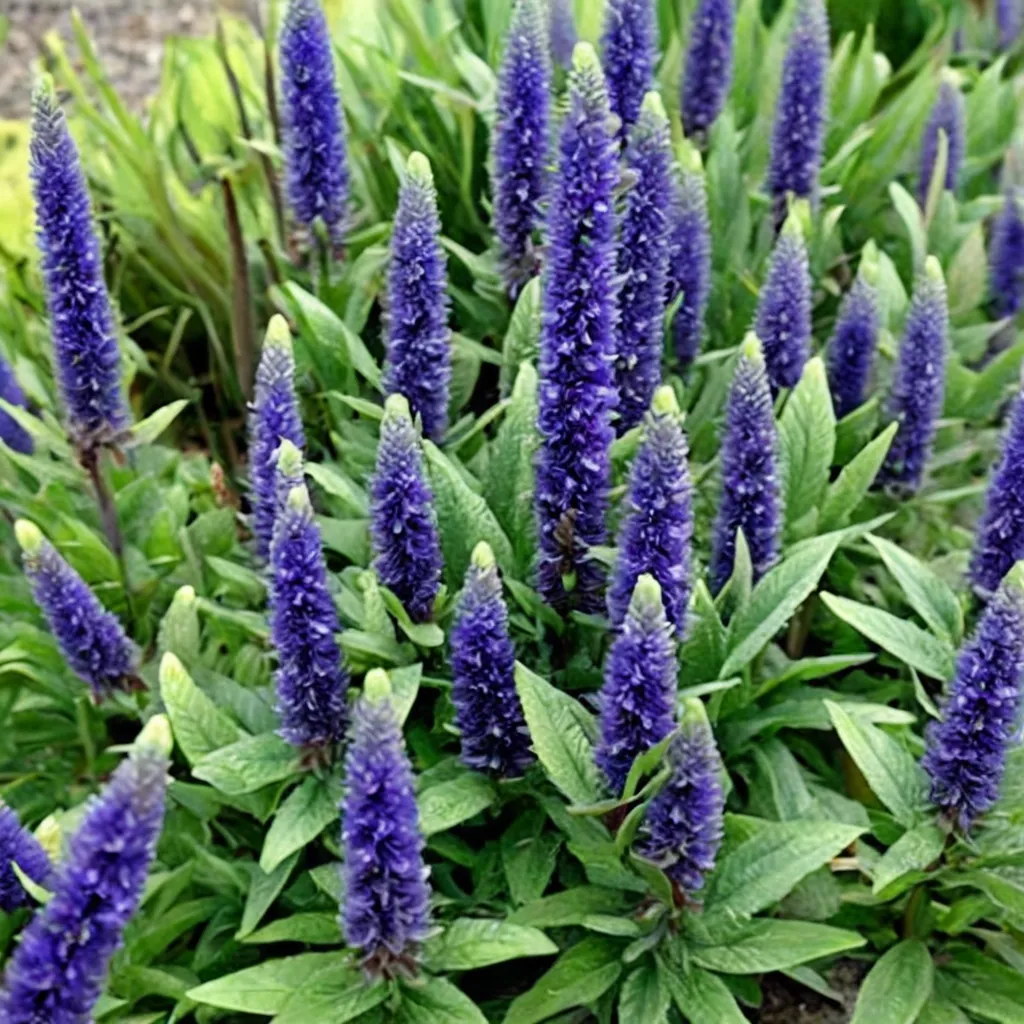
Royal Candles Spike Speedwell
Veronica spicata 'Glory'
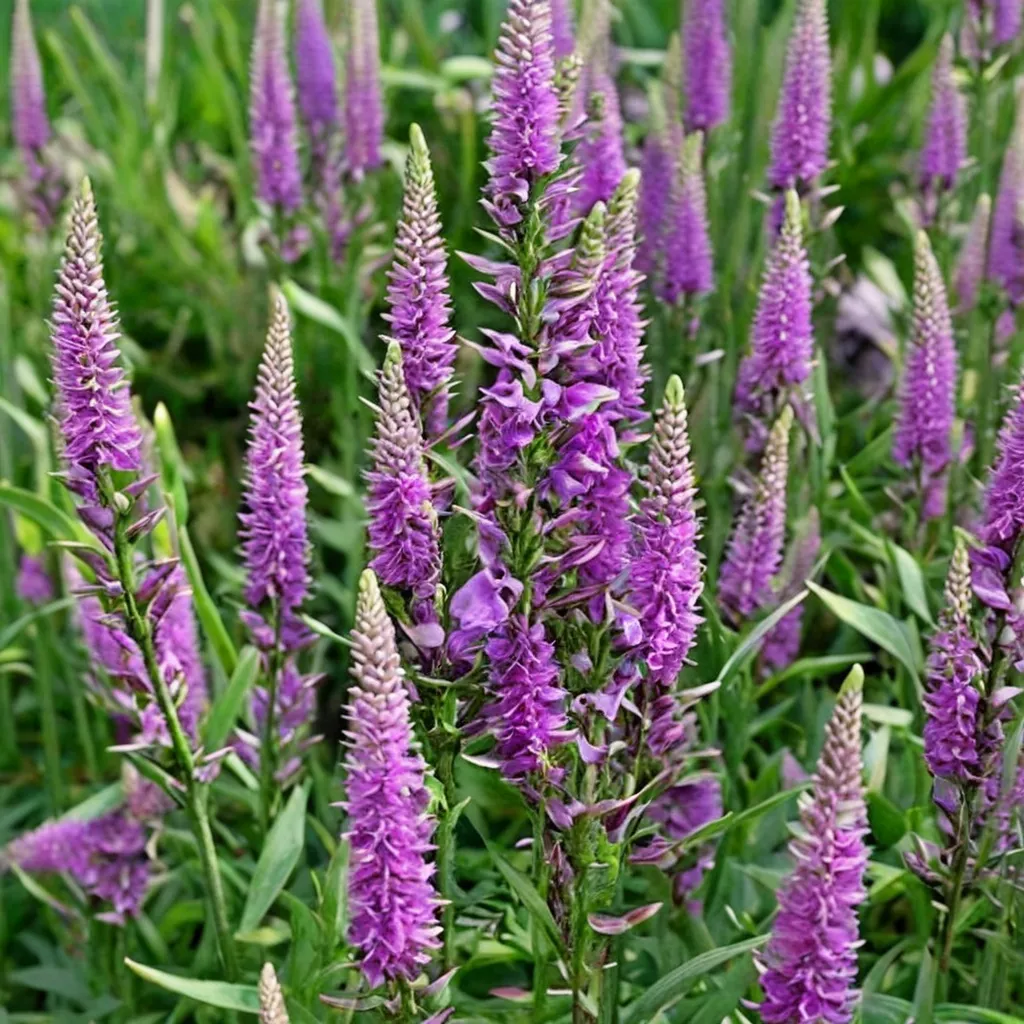
Longifolia Veronica Eveline
Veronica longifolia 'Eveline'
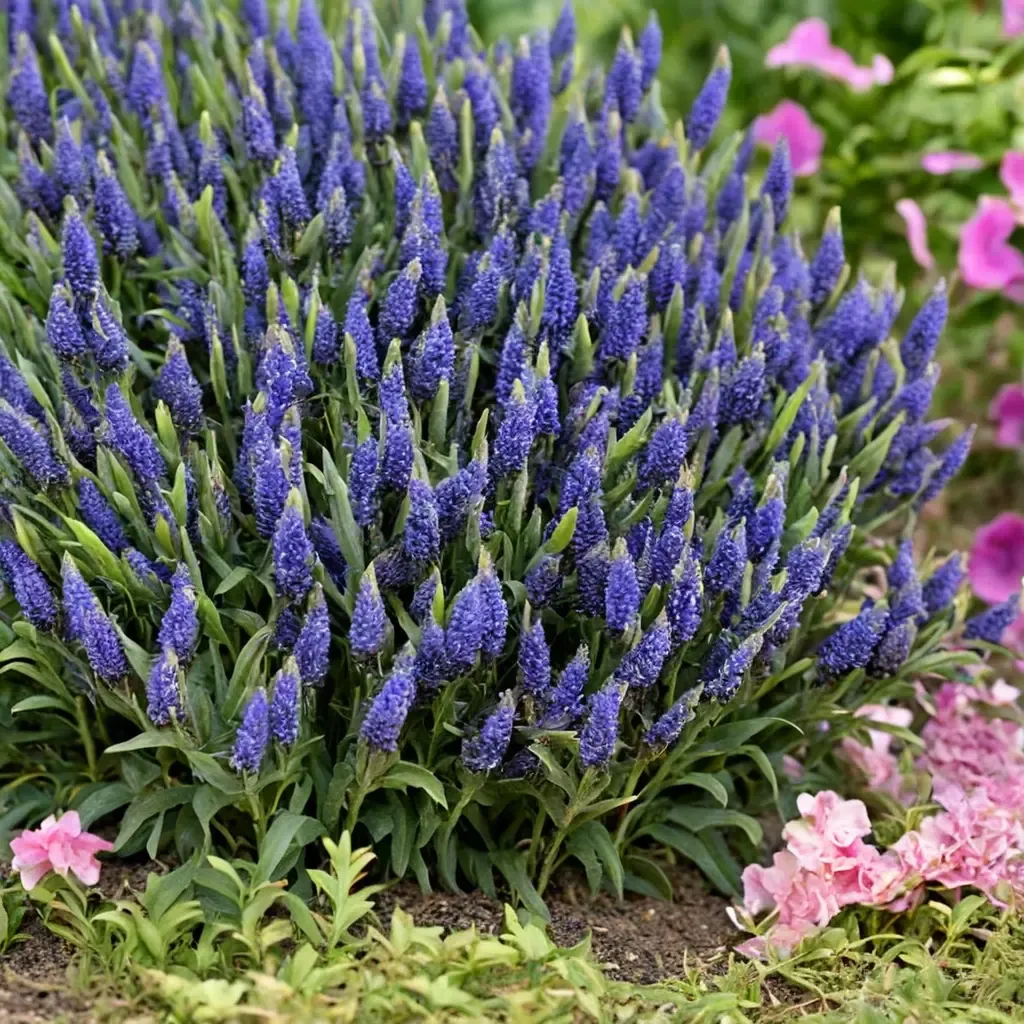
Wizard of Ahhs Speedwell
Veronica spicata 'Wizard Of Ahhs'
Keep exploring
Explore the genus
Hardy in your zone?
Grow Pale Speedwell with confidence
See it in a design of your actual yard, get zone-matched care reminders, and track it season by season in your garden journal.