The Story
Plant Bio
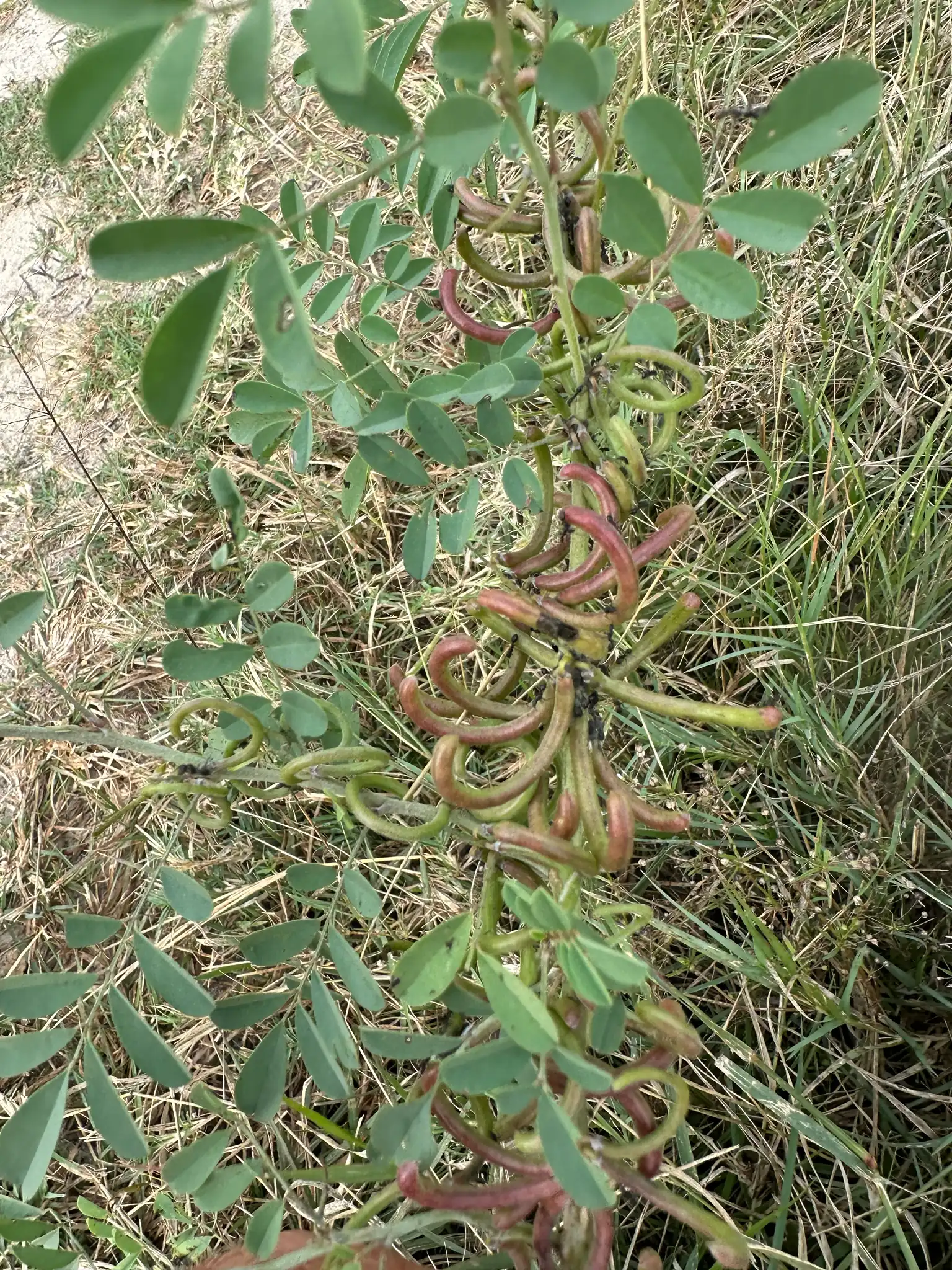
Indigofera tinctoria, the true indigo, is a deciduous to evergreen spreading subshrub featuring upright, multi-branched stems and soft green, pinnately compound leaves. In summer, it produces short, dense clusters of small, pink to purplish-pink pea-like flowers followed by cylindrical seed pods.
This species is historically significant as the primary source of natural blue indigo dye, concentrated in the foliage. Its compound leaves consist of four to thirteen pairs of opposite, oblong leaflets that display a smooth, finely textured underside.
Uses & Benefits:
Essentials
At a Glance
Plant Type
Shrub
Height
48"
Width
48"
Light
Full Sun, Partial Sun
Zones
5, 6, 7, 8, 9, 10
Water
Moderate
Humidity
Moderate
Lifespan
Perennial
Native To
Asia and Africa
Toxicity
Toxic if Ingested
Bloom period
Summer
In flower about 3 months of the year
Planting
How to Grow
- Select a planting site in full sun with highly drained sandy or loamy soil, as waterlogged roots cause rapid decline.
- Sow scarified seeds or plant container-grown starts in spring after all danger of frost has passed.
- Water regularly during the first growing season to establish a deep root system, then reduce watering to dry spells only.
- Avoid nitrogen-rich fertilizers, which stimulate excessive vegetative growth at the expense of the dye precursor indican.
Pro Tip
Coppice the plant annually by cutting it back hard in late winter; treating it as a permanent woody shrub leads to a sparse, leggy habit and reduces the yield of dye-rich new foliage.
Keep It Thriving
Care Guide
Do
- Prune stems back hard in late winter to stimulate vigorous new growth.
- Ensure the soil drains rapidly to prevent root rot.
- Provide light afternoon shade in regions with extreme summer heat.
Don't
- Do not apply high-nitrogen fertilizers, which suppress the plant's natural dye production.
- Do not prune deep into old, leafless wood lacking visible buds.
- Do not allow the soil to remain waterlogged or oversaturated.
Seasonal Care Calendar
| Task | Jan | Feb | Mar | Apr | May | Jun | Jul | Aug | Sep | Oct | Nov | Dec |
|---|---|---|---|---|---|---|---|---|---|---|---|---|
| Pest Check | ||||||||||||
| Plant | ||||||||||||
| Prune | ||||||||||||
| Winter Prep |
Watch Out For
Pests & Diseases
Common Pests
Common Diseases
In the Garden
Landscape Uses & Companions
Landscape Uses
Companion Plants
Multiply
Propagation Methods
Good to Know
Common Questions
True Indigo questions
What zones can True Indigo grow in?
True Indigo is hardy in USDA Zones 5–10. Inside that range it survives winter in the ground; outside it, grow it as an annual or a container plant you protect.
Is True Indigo deer resistant?
Not reliably. Deer may browse True Indigo, especially tender spring growth — plan on repellents or fencing where pressure is high.
When does True Indigo bloom?
True Indigo typically blooms in summer through summer. Exact timing shifts a week or two with your zone — Sow's bloom calendar maps it to your garden.
Does True Indigo need full sun?
True Indigo does best in full sun to part shade. In hot climates, afternoon shade keeps blooms fresher longer.
Is True Indigo drought tolerant?
Yes — once established (usually after the first full season), True Indigo handles dry spells with minimal watering. Water deeply its first year to build the root system that makes that possible.
More Indigofera to compare
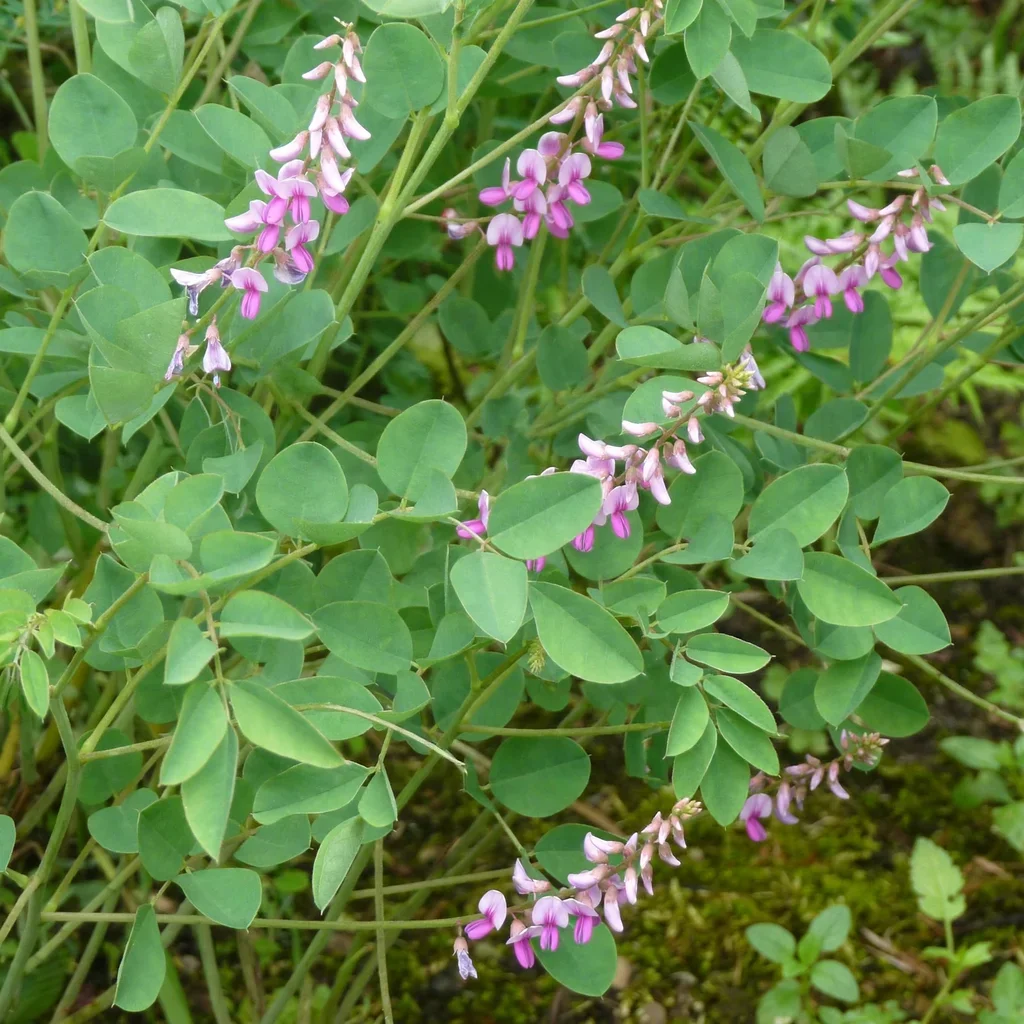
Christo Indigo
Indigofera kirilowii 'Christo'
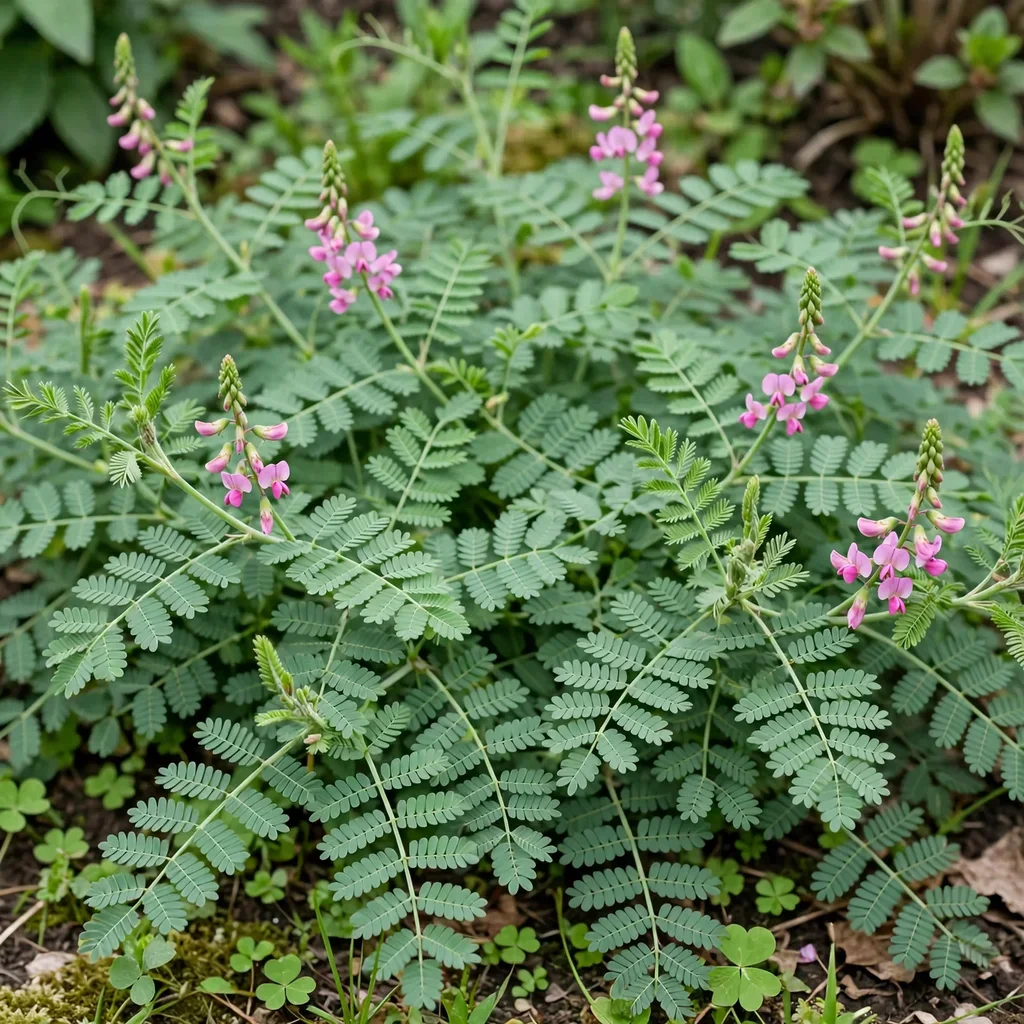
Rose Carpet Indigo
Indigofera pseudotinctoria 'Rose Carpet'
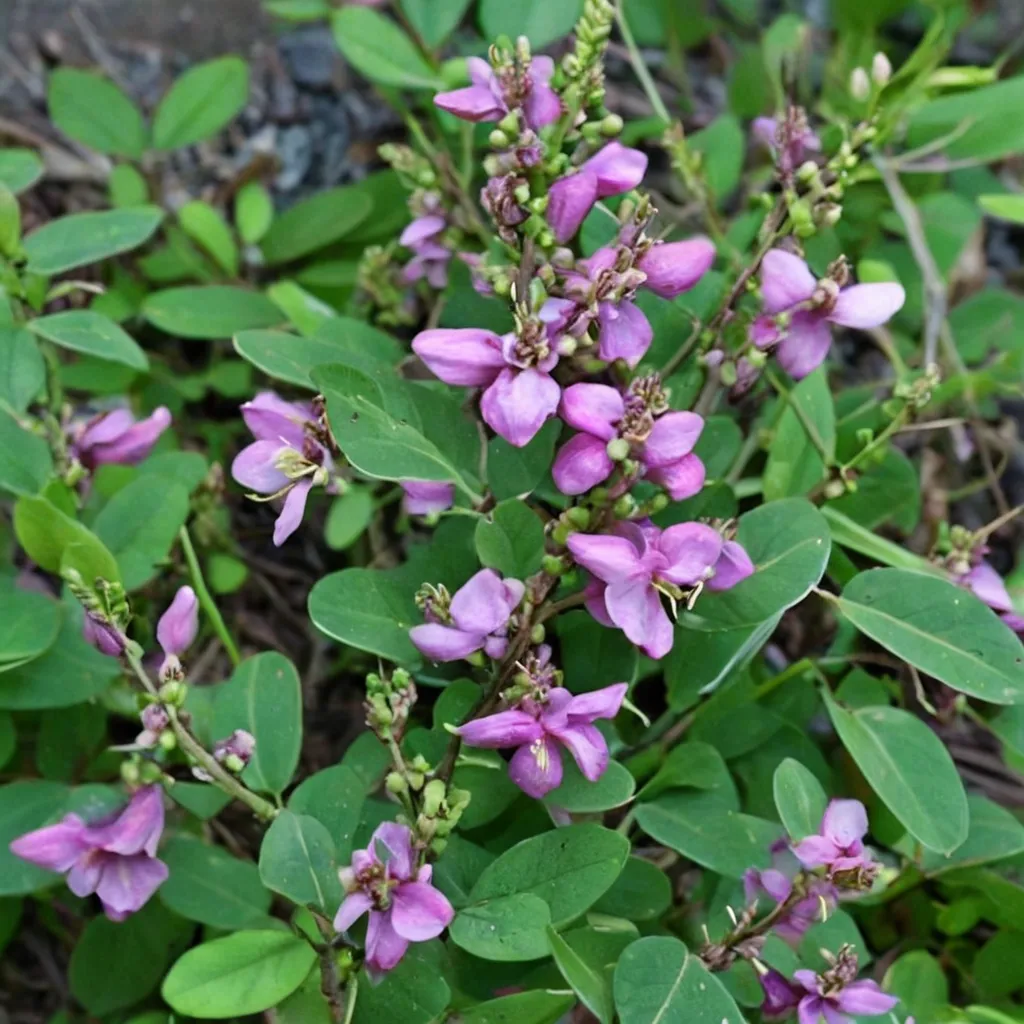
Chinese Indigo
Indigofera pseudotinctoria
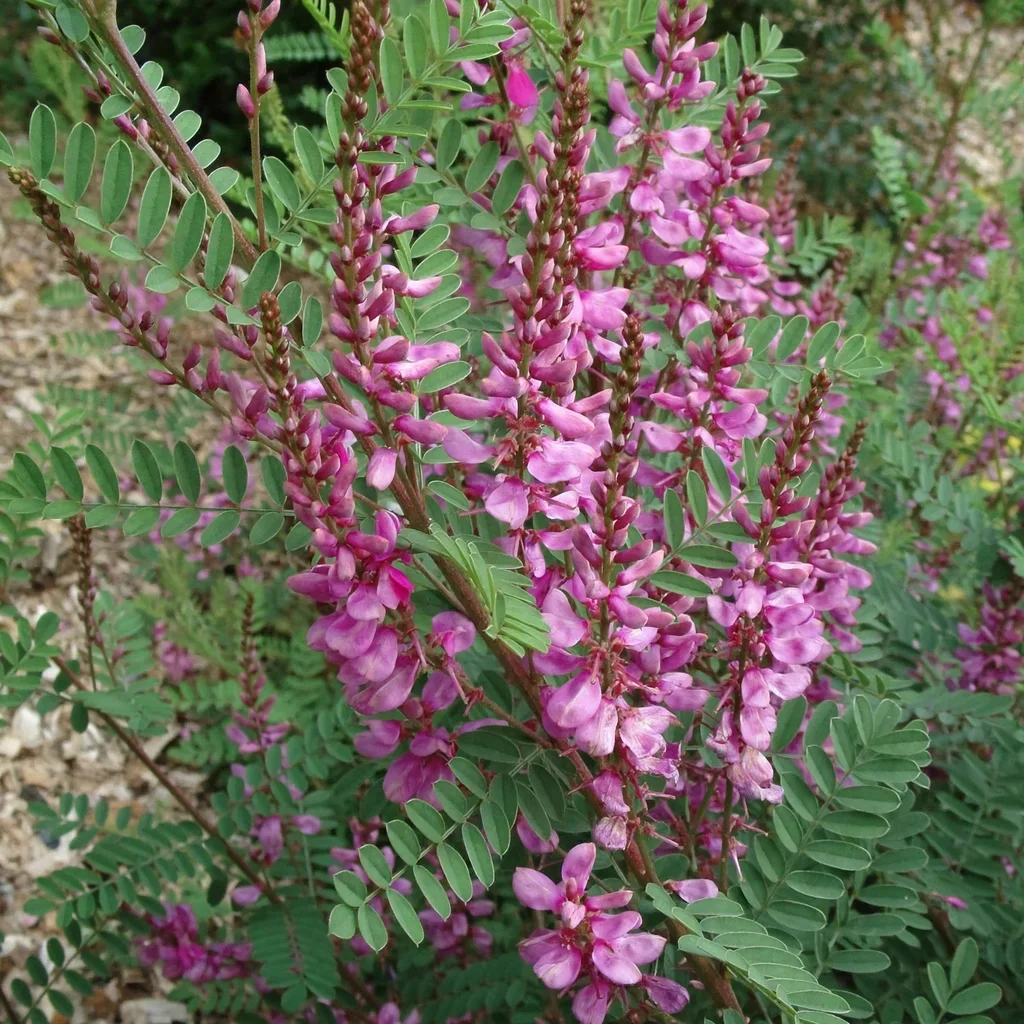
Himalayan Indigo
Indigofera heterantha
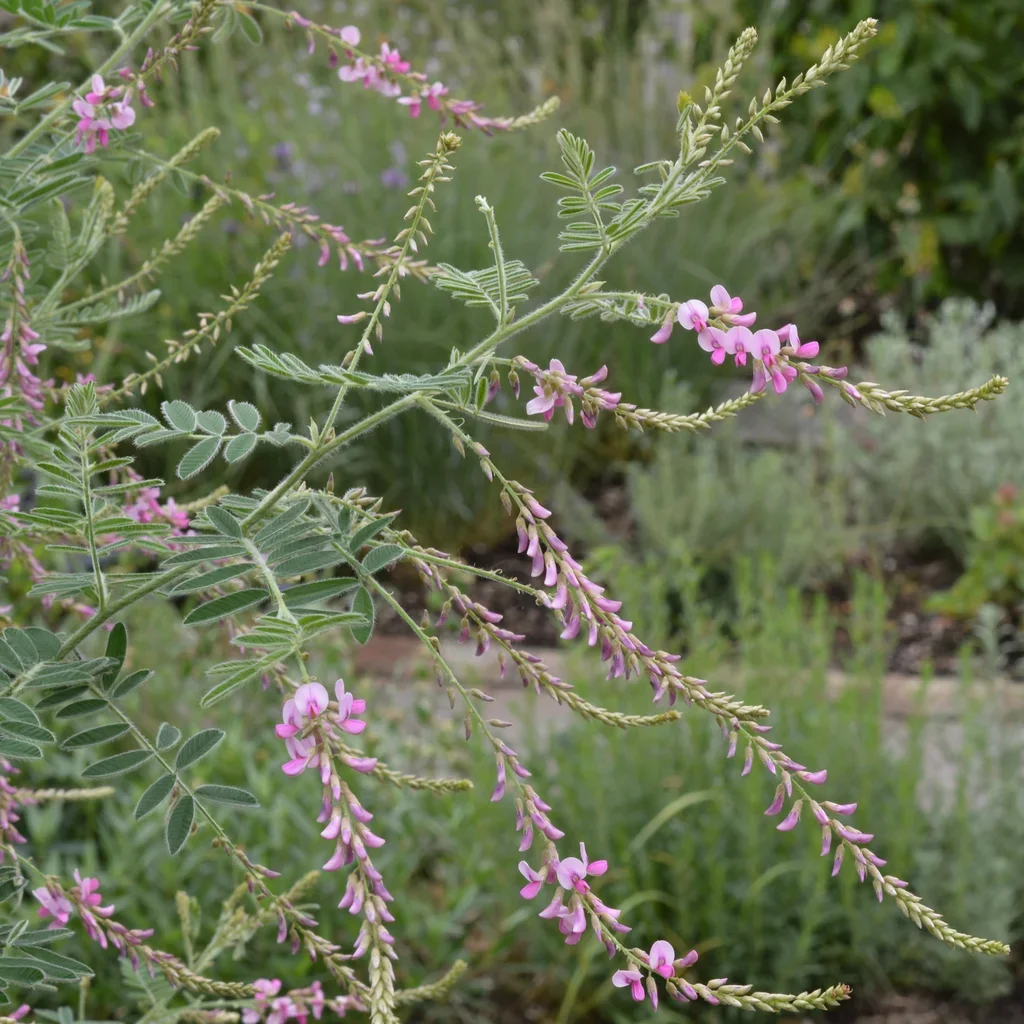
Diels' Indigo
Indigofera dielsiana
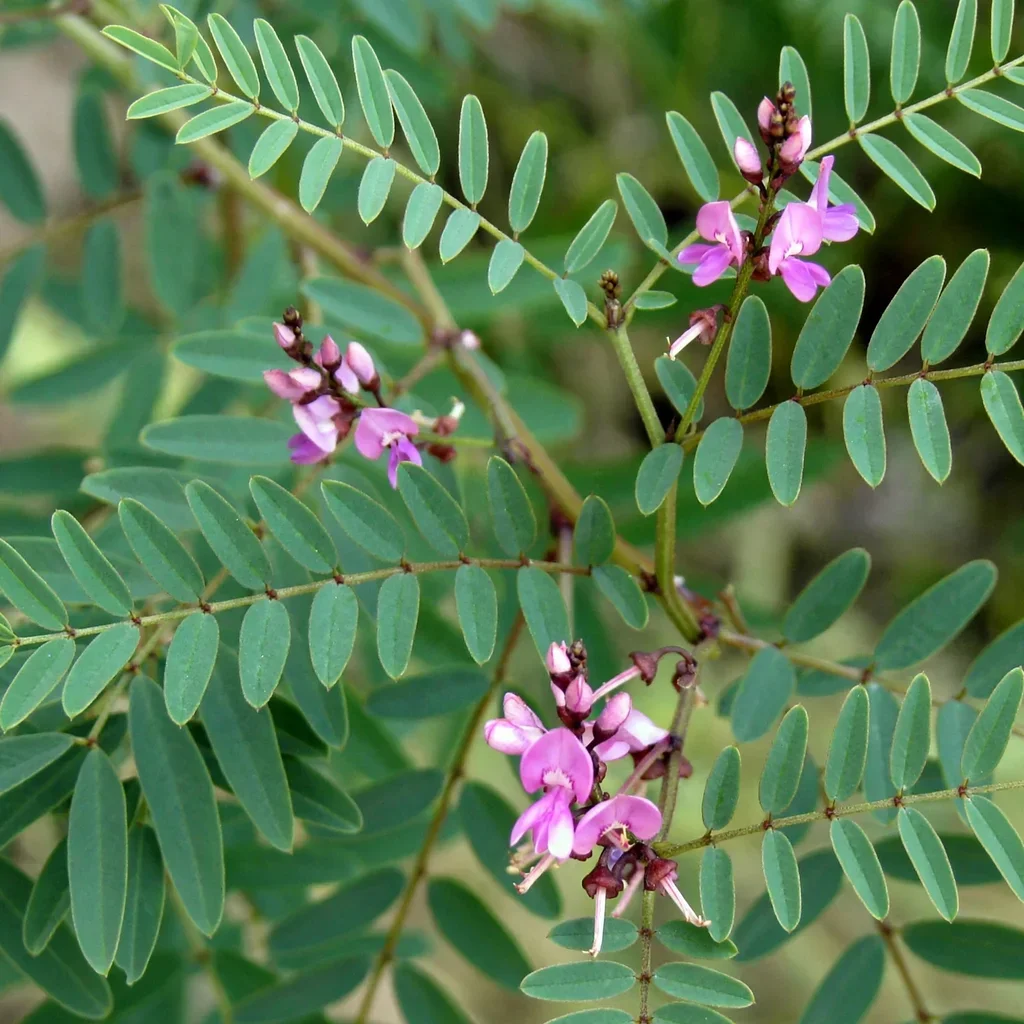
Austral Indigo
Indigofera australis
Keep exploring
Explore the genus
Grow True Indigo with confidence
See it in a design of your actual yard, get zone-matched care reminders, and track it season by season in your garden journal.